
Review · JAPAN
Home Made Onigiri and Matcha Cooking Class in Hiroshima
Fresh rice, warm hands, and a small table near Hiroshima’s Peace Memorial Park: that is the heart of this class. You make two onigiri flavors, miso soup, and matcha with wagashi while local mothers guide you through the food and its customs.
I like the small group size, capped at six, and the easy walk from the Atomic Bomb Dome. I also like the family setup, including a toy area and hosts who speak English. The main consideration is price: at $81.65, this costs more than a quick Japanese lunch, though it also includes instruction, drinks, dessert, and personal time with local hosts.
Key points at a glance
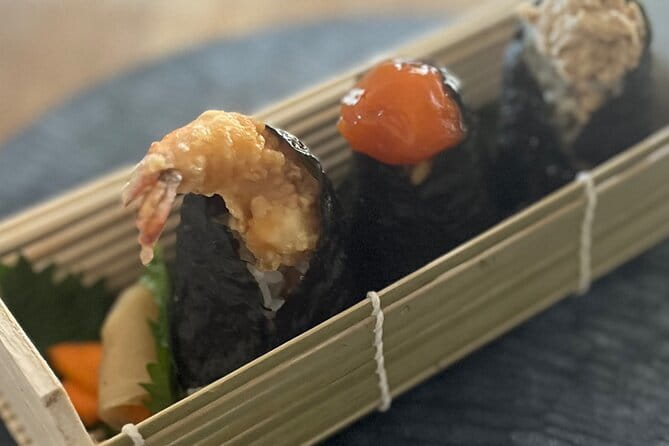
- Two freshly made onigiri flavors: Tuna mayonnaise and shrimp tempura are included.
- A calm morning near Peace Park: The class starts at 10:30 a.m. and takes about 90 minutes.
- English-speaking local hosts: Midori and Weiko are named in the experience details and help create a friendly, personal setting.
- Matcha with wagashi: You prepare your own tea and learn basic tea ceremony manners.
- Family-friendly format: Children are welcome, and a play area is available.
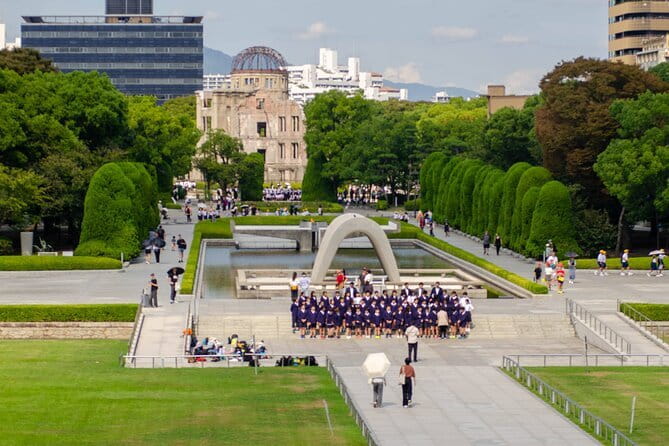
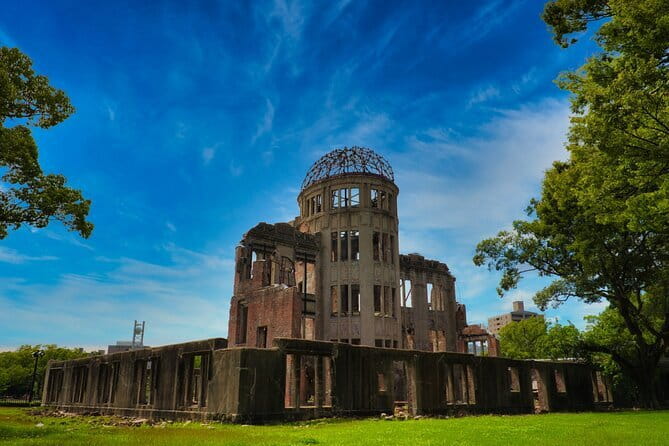
- Convenient sightseeing location: The meeting point is about a five-minute walk from the Atomic Bomb Dome and six minutes from the Peace Memorial Museum.
Making Hiroshima comfort food by hand
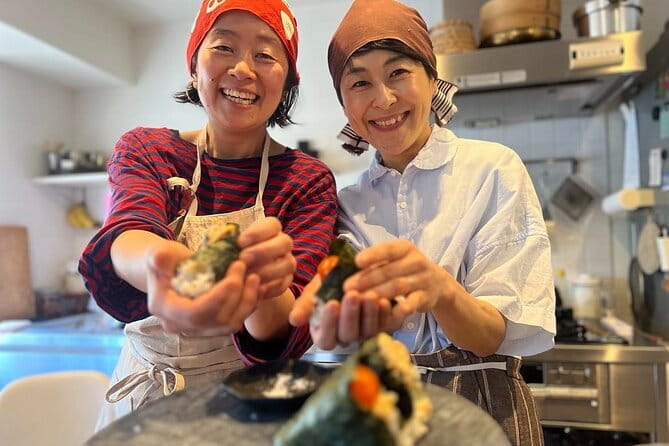
Onigiri is simple food: cooked rice shaped by hand, often with a filling or topping. That simplicity is exactly why this class works. You are not watching a chef perform a complicated recipe from across a counter. You are handling warm rice, learning how to shape it, and eating what you made soon after.
The class presents onigiri as an older Japanese food tradition than sushi. That gives the meal useful context without turning it into a lecture. You get a sense of how everyday Japanese food can carry family habits, practical cooking skills, and small rituals across generations.
The setting is designed to feel personal. The hosts are Hiroshima mothers, and some have lived overseas and speak English. That matters if you want conversation as well as food. You can ask questions while working, rather than saving everything for a formal explanation at the end.
The class takes place near Peace Park, with some sessions held in a home. The exact setting can vary, so check the details when booking. Either way, this is a much more intimate experience than a large commercial cooking studio.
More Hands-On Workshops in Japan:
- Sushi Making Tokyo Roll and Authentic Japanese Sushi Class
★ 5.0 · 3,971 reviews - Tokyo: Roll and Authentic Sushi Making Class in Asakusa
★ 4.9 · 1,957 reviews - Ramen Cooking Class at Ramen Factory in Kyoto
★ 5.0 · 1,937 reviews
A 10:30 start that fits a Hiroshima sightseeing day
The class begins at 10:30 a.m. and lasts about an hour and a half. That timing is useful. You can eat before the midday rush, then spend the afternoon at the Peace Memorial Museum, the Atomic Bomb Dome, or other parts of central Hiroshima.
The meeting point is at Guitar Top, 1-3 Sakaimachi, Naka Ward. It is about a five-minute walk from the Atomic Bomb Dome and roughly six minutes from the Peace Memorial Museum. If you are already sightseeing in this part of town, the location is easy to fold into your day.
From Hiroshima Station, the listed options are a taxi of about 12 minutes or the Hiroshima Electric Railway Line 2 streetcar to Honkawacho Station, about 21 minutes. From the Hilton Hotel, the walk is listed as 26 minutes. Pickup is offered, but you should confirm the arrangement and pickup point in advance.
The class ends where it begins. That makes planning simple, especially if you are carrying shopping bags or traveling with children.
Shaping two kinds of onigiri
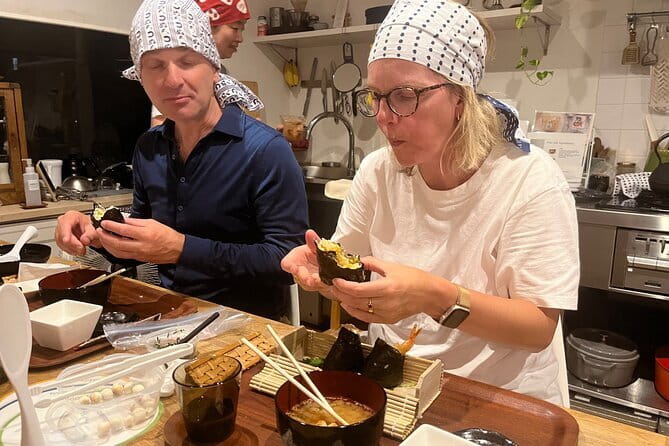
The food portion centers on two fillings: tuna mayonnaise and shrimp tempura. You make both types, giving you a chance to compare a familiar creamy filling with a more substantial tempura option.
The important part is not just the recipe. You learn how to hold and shape freshly cooked rice while it is still hot. That hands-on step helps explain why onigiri tastes different when made at home, in a convenience store, or in a family kitchen. Shape, pressure, temperature, and filling all affect the final result.
The recipe is intended to be easy for all ages. Children can take part, and the class has a toy area for kids who need a break. That makes this a practical choice for families, though parents should still expect a food activity rather than a children’s entertainment program.
The class also leaves room for conversation. You can ask about onigiri habits, ingredients, and home cooking while you work. The personal contact is one of the strongest reasons to choose this over simply buying a rice ball from a shop.
If you have allergies, tell the hosts in advance. The listed standard choices include tuna mayonnaise and shrimp tempura. A fresh egg yolk option may be available if you request it when making the reservation. Vegetarian and vegan menus are being prepared, so ask before booking rather than assuming a suitable menu is ready.
Miso soup and a useful recipe to take home
The meal includes miso soup served in a chawan bowl. This adds a warm, savory counterpoint to the rice balls and turns the class into a small Japanese lunch rather than a single-recipe demonstration.
The hosts may also share recipes that you can make at home using a cafe au lait bowl. That detail gives the class a practical edge. You are not dependent on special Japanese tableware once you return home. The idea is to carry the method back with you and repeat it in your own kitchen.
This is also where the class feels most connected to daily life. Onigiri and miso soup are not reserved for formal occasions. They are everyday foods, and learning them from local mothers gives you a better sense of ordinary home cooking than a restaurant meal usually can.
Lunch includes both onigiri types, miso soup, matcha, and wagashi. Bottled water, soda, coffee, and other drinks are not included. No alcohol is served.
A few more cooking classes around Japan worth a look
- Tokyo Sushi Making Class in Tsukiji with Professional Chef
★ 5.0 · 1,177 reviews - Ramen & Gyoza Cooking Class in Tokyo with Local Supermarket Visit
★ 5.0 · 823 reviews - Tsukiji Fish Market Guided Tour and Sushi Making with Pro Chef
★ 5.0 · 775 reviews - Kyoto: Ramen Cooking Class at a Ramen Factory with Souvenir
★ 4.9 · 532 reviews
Preparing matcha and learning tea manners
After the savory food, you make matcha tea and enjoy it with wagashi, a traditional Japanese sweet. The experience includes an introduction to basic tea ceremony manners, known as sadou.
Do not expect a full formal tea ceremony lasting several hours. This is a short cooking class with a tea activity at the end. Still, the tea portion gives the morning a quieter finish and introduces gestures and customs you might otherwise only observe from a distance.
Making your own matcha also gives you a better feel for the drink. You are not simply handed a prepared cup. You take part in the process, then pair it with wagashi. The sweet provides a clear contrast to matcha’s earthy bitterness.
I like this combination because it rounds out the class. Onigiri teaches practical food preparation. Miso soup adds a familiar Japanese table staple. Matcha and wagashi bring in a more formal side of food culture without requiring a separate tea house visit.
Why the small group matters
The maximum group size is six people. That is a major advantage here. Onigiri shaping is hands-on, and a smaller group gives you a better chance to ask questions, receive help, and talk with the hosts.
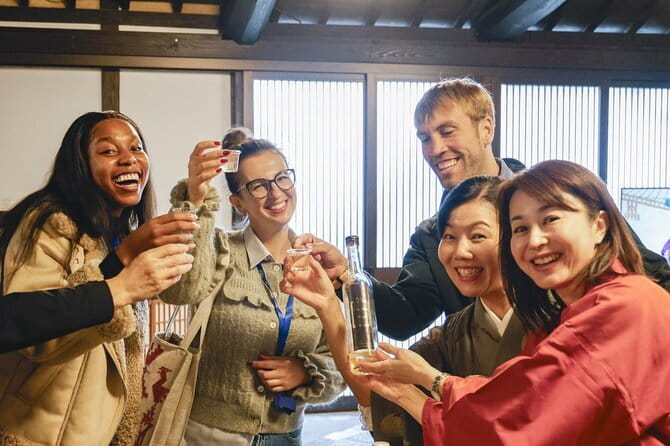
The experience is also built around communication. The hosts explain the food, share background, and make room for conversation. A large class could provide the same ingredients, but it would likely feel less like a visit with local people.
One particularly useful detail comes from the family-friendly setup. A family booking described Midori picking the group up from its hotel, taking them to Weiko’s home, and returning them afterward. Pickup is offered, but do not assume every booking follows that exact arrangement. Confirm the details directly when you reserve.
The hosts have also shown flexibility in their wider cooking program, with sushi roll classes mentioned for the future. That suggests the onigiri class is part of a broader interest in sharing home-style Japanese food, though sushi rolls are not part of this booking.
Is $81.65 a fair price?
At $81.65 per person, this is not a budget meal. If your only goal is to eat onigiri, you can spend far less at a convenience store, market, or casual restaurant.
The price makes more sense if you value the full package: about 90 minutes of instruction, two kinds of onigiri, miso soup, matcha, wagashi, gratuities, and time with English-speaking local hosts. The group limit of six also supports the higher cost. You are paying for access and participation, not simply food.
Pickup can add value if it is arranged conveniently, especially for families or anyone staying away from central Hiroshima. The location itself adds another benefit. You can finish the class and continue directly to Peace Park without spending much time getting across the city.
I would compare this with other hands-on food activities, not with a standard lunch. For a solo visitor, the cost may feel high unless meeting local people is a priority. For a family or couple, the shared activity and easy sightseeing location make the price easier to justify.
Who will enjoy this most
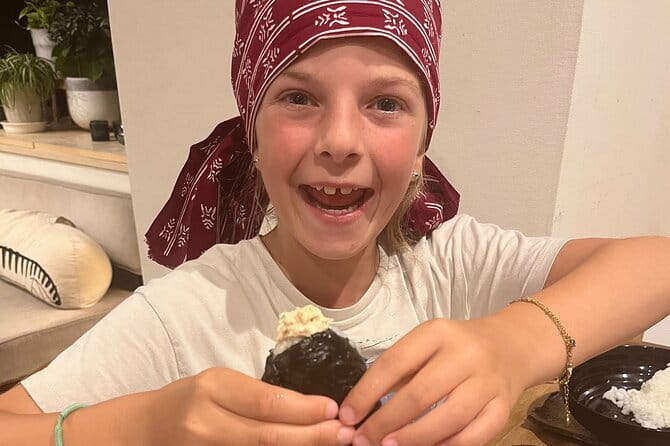
This class suits families particularly well. Children are welcomed, the recipe is straightforward, and the toy area gives younger kids somewhere to play. Parents should still expect hot rice and food preparation, so close supervision will be needed.
It also suits solo visitors who want a low-pressure way to meet local people. The group is small, and the hosts speak English. You have a natural reason to talk because everyone is preparing and eating the same food.
Food lovers will appreciate the focus on everyday cooking rather than restaurant presentation. You learn something you can repeat at home, including a practical approach to making miso soup with ordinary bowls.
The class is less suitable if you want a long, advanced cooking course, a large menu, or alcohol with lunch. The session is short, friendly, and focused. Its strength is personal contact and simple Japanese food, not technical culinary training.
Practical details before you reserve
Confirmation is provided at booking, and the activity is near public transportation. The maximum is six people, so reserve ahead if your dates are fixed. The average booking lead time is 19 days, which suggests that waiting until the last minute may not be wise, particularly for a family or a preferred morning.
Tell the hosts about allergies before the class. Shrimp is one of the standard options, and the egg yolk variation requires a request at reservation time. Vegetarian and vegan menus are not yet presented as standard choices, so ask for confirmation before paying.
The activity requires good weather. If poor weather causes cancellation, you will be offered another date or a full refund. For your own cancellation, you can receive a full refund if you cancel at least 24 hours before the local start time. Changes or cancellations inside that window are not accepted.
The listed inclusions mention a restroom on board, though this is unusual wording for a food class. If restroom arrangements matter to you, confirm the details with the provider.
Should you book the onigiri and matcha class?
I would book this if you want a personal Hiroshima morning that combines food, conversation, and a major sightseeing area. The strongest features are the six-person limit, English-speaking local hosts, family-friendly setup, and the chance to make food you can repeat at home.
I would skip it if you are watching every yen, need a fully confirmed vegan menu, or want advanced cooking instruction. At $81.65, it is best understood as a small cultural visit with lunch included, not a cheap meal.
For most families, couples, and solo visitors who enjoy hands-on activities, the class offers a pleasant change of pace from museums and memorial sites. Start at 10:30, eat with the hosts, learn a little tea etiquette, and you can still spend the rest of the day exploring Hiroshima.
FAQ
Where does the class meet?
The meeting point is Guitar Top, 1-3 Sakaimachi, Naka Ward, Hiroshima, 730-0853, Japan.
What time does the activity start?
The class starts at 10:30 a.m.
How long does the class last?
The activity lasts approximately one hour and 30 minutes.
How many people can join?
The maximum group size is six travelers.
What food and drinks are included?
The class includes two types of onigiri, miso soup, matcha, and wagashi. Gratuities are also included.
Which onigiri flavors are available?
The standard flavors are tuna mayonnaise and shrimp tempura. Fresh egg yolk may be available if requested when you make the reservation.
Are children welcome?
Yes. Children are welcome, and there is an area with toys for them to play in.
Can I cancel for a full refund?
Yes, if you cancel at least 24 hours before the experience start time. If poor weather causes the activity to be canceled, you will be offered another date or a full refund.
Just added around Japan
- Private Japanese Cooking Class in Hiroshima with Machiko’s Family★ 5.0 · 35 reviews
- Make Piroshki in Hakodate and Visit Hidden Spots While Baking★ 5.0 · 3 reviews
- Ramen Cooking Class at Lake Kawaguchiko (Short Course)★ 5.0 · 42 reviews
- View of Mt. Fuji is good! Sushi making experience class★ 5.0 · 6 reviews
- Fukuoka Japanese Home Cooking: Ginger Pork★ 5.0 · 3 reviews
- Sushi Cooking Class at Sushi Factory -KIWAMI- Mt.Fuji★ 5.0 · 23 reviews
- Fujisan Sushi Making Lesson★ 5.0 · 16 reviews
- Ramen Cooking Class at Ramen Factory in Mt.Fuji★ 5.0 · 101 reviews
Cooking Classes, compared.
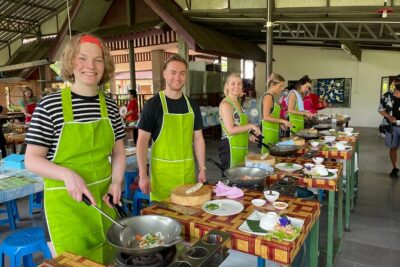
Half-Day Thai Cooking Class at Organic Farm in Chiang Mai
Read our review →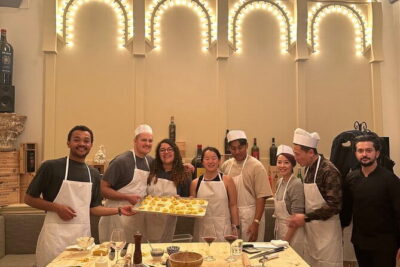
Florence: Pasta Cooking Class with Unlimited Wine
Read our review →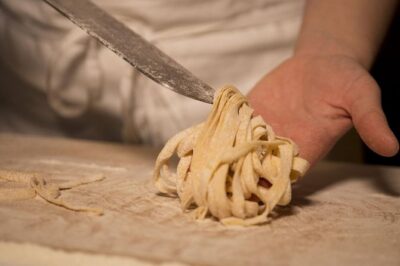
3 in 1 Cooking Class near Navona: Fettuccine, Ravioli & Tiramisu
Read our review →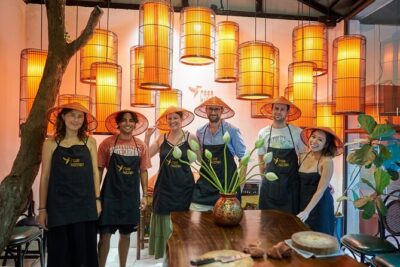
Hanoi Cooking Class: Culture, Local Market & Meaning CSR Impact
Read our review →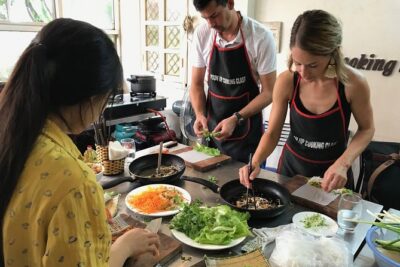
5 Traditional Dishes Hanoi Cooking Class with Market Trip
Read our review →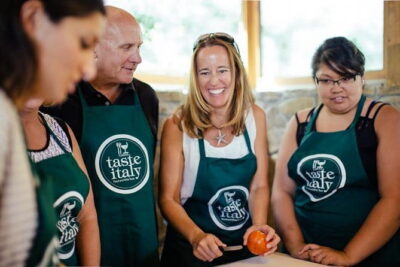
Cooking Class and Lunch at a Tuscan Farmhouse with Local Market Tour from Florence
Read our review →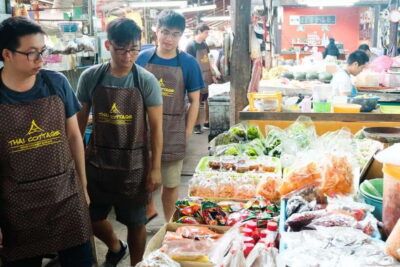
Chiang Mai: Cooking Class, Market & Thai Herbs Garden Tour
Read our review →Browse the lists this tour appears in