
Review · LIMA
Private Cooking + Market with Maido’s Former Creative Chef (+trasportation)
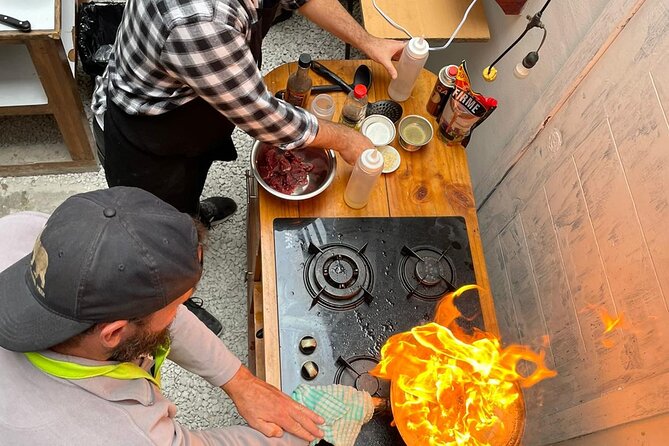
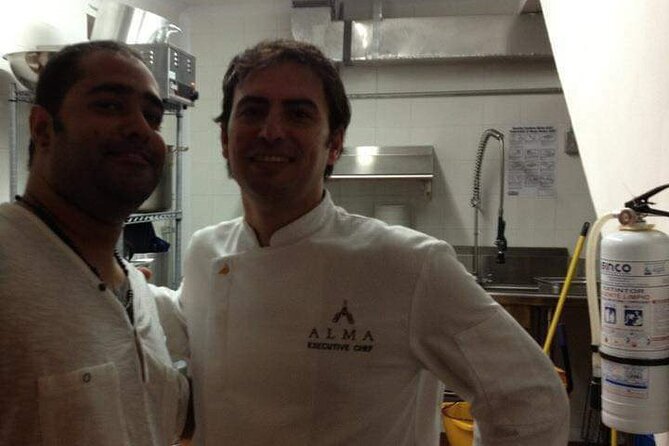
The main draw here is chef Hector Aguilar, Maido’s former creative chef, guiding you through Peruvian cooking in a private class. You prepare a menu from scratch, make Pisco Sours, taste native fruits, then sit down to eat what you have made.
I like the practical format: you learn dishes you can try again at home, and the recipe e-book and video tutorials keep the lesson useful after Lima. I also like the personal scale, with only your own group taking part. The main thing to consider is the five-hour length and the need to confirm your menu, dietary requests, and transportation details before booking.
Key points to know before booking
- Learn with Hector Aguilar: The instructor is a former creative chef at Maido, named the best restaurant in South America in 2024 and fifth in the world.
- Cook from scratch: Choose one of four menus and prepare a selection of five Peruvian dishes under Hector’s direction.
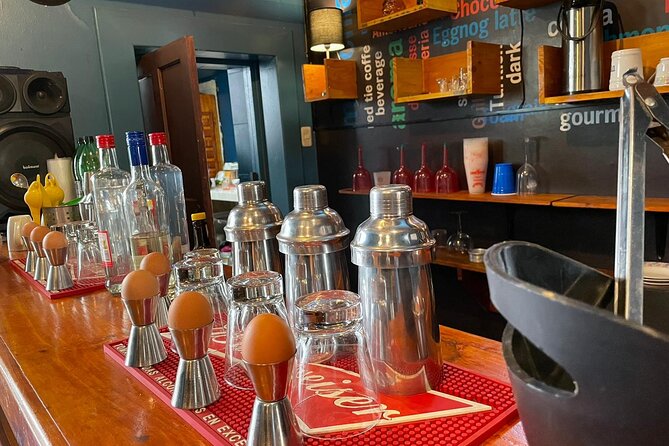
- Make more than one Pisco Sour: The class covers the classic drink and also includes flavor variations such as passion fruit.
- Eat what you prepare: The cooking lesson ends with a relaxed lunch or dinner at the chef’s home.
- Taste Peru’s fruit: Fruit tasting adds a fresh, simple look at ingredients beyond the usual ceviche and potatoes.
- Take the lesson home: You receive an electronic recipe book and video tutorials for repeating the dishes later.
Cooking Peruvian food with a former Maido chef
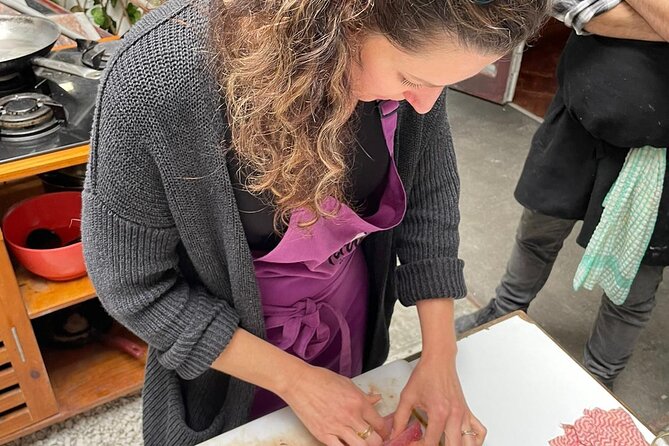
Lima is one of South America’s best cities for eating, but a restaurant meal only gives you the finished plate. This class lets you see how that plate comes together. You handle ingredients, follow Hector Aguilar’s methods, and get the chance to ask questions while the food is being prepared.
Hector’s background gives the class a clear point of difference. He formerly worked as Maido’s creative chef. Maido was named the best restaurant in South America in 2024 and ranked fifth in the world, so this is not a basic demonstration led by a generic instructor. You are learning from someone with experience in one of Lima’s most acclaimed kitchens.
That does not mean you should expect a formal restaurant kitchen or a tasting menu from Maido. The setting is a home, and the goal is participation. You will work through one of four available menus, cooking five dishes from scratch. The advertised description also refers to a three-course meal, so ask how the menu you select is structured when you reserve.
I like that the food lesson is tied to ordinary Peruvian cooking rather than just a chef’s performance. The dishes are meant to be eaten, discussed, and repeated. For me, that makes the class more useful than a short cooking demonstration where you watch someone else do all the work.
More Market Tour Cooking Classes in Peru:
- Cusco: Peruvian Cooking Class, Cocktails & Local Market Tour
★ 4.9 · 512 reviews - Cooking class and market tour with a local chef
★ 5.0 · 186 reviews - Market Tour, Tasting of 35 Fruits, and 4-Course Peruvian Cooking Class in Lima
★ 5.0 · 86 reviews
Choosing one of four Peruvian menus
The provider offers four menus, and the menu is arranged after you book. You can contact the operator by phone or WhatsApp to see the choices and select the one you prefer. That step matters, since the menu shapes much of your five-hour visit.
The available information does not list every dish in each menu, so you should not book expecting one fixed recipe set. The class does specifically include authentic ceviche instruction, and the broader program covers Peruvian delicacies, Pisco Sours, and fruit tasting.
Ceviche is a particularly useful dish to learn in Lima. It looks simple on the plate, but the balance of fish, citrus, seasoning, chili, and timing matters. One class description highlights Hector’s authentic method, making this a good chance to pay attention to small choices that are easy to miss when you simply order ceviche in a restaurant.
You may also encounter fresh chili during the class. One practical warning is worth taking seriously: wash your hands carefully after handling it, and avoid touching your face. A participant once needed an extended rinse with warm chamomile tea after getting chili near an eye or face, though she later returned to enjoy the meal. It is a small detail, but a useful one in a hands-on class.
Before confirming, tell the provider about food allergies, dietary needs, or other requests. The operator says requests can be considered if you mention them before the class and if the ingredients and menu allow it. That is not a guarantee of every substitution, so ask early rather than raising the issue at the door.
Making Pisco Sours and passion fruit drinks
The Pisco Sour lesson gives the class a social side. Peru’s national drink is made with pisco, citrus, sweetener, egg white, and bitters, and the texture depends on how the ingredients are mixed. You will learn to make your own rather than simply receive one from the host.
The class also includes a passion fruit version, known locally as a maracuya sour. That variation was singled out as a favorite by one participant, and it gives you a useful comparison between the sharper classic drink and a fruitier style.
I like this part because it connects the cooking class to Lima’s wider food culture. You are not just memorizing a recipe. You are learning how Peru’s grape spirit works with citrus and fruit, then tasting the result alongside the food you have prepared.
Alcohol is part of the program, so consider that when choosing this activity. The supplied details do not state how many drinks are served or whether nonalcoholic versions are available. If that matters to you, ask before booking.
Fruit tasting beyond the usual Lima menu
Fruit tasting is included after the cooking session. This may sound like a minor extra, but it gives you a different view of Peruvian ingredients. Lima’s restaurant scene often gets attention for seafood, potatoes, corn, and high-end tasting menus. Fruit shows another side of the country’s produce.
The details do not name the specific fruits, so I would treat this as a guided sampling rather than a guaranteed list. You get the chance to compare flavors and learn about ingredients you may not recognize in a market or restaurant.
This is also a pleasant change of pace after several hours of chopping, mixing, and cooking. The tasting helps stretch the experience beyond a single meal and gives you one more way to connect ingredients with the dishes you have prepared.
More Shopping Trips in Peru:
- #1 Rated Cooking Classes with Local Market Tour & Pickup
★ 5.0 · 69 reviews - Vegan Peruvian Cooking Class Cocktails and Local Market in Cusco
★ 5.0 · 46 reviews - Cusco: Peruvian Cooking Class & Market Tour
★ 4.9 · 19 reviews - Lima: Market Tour and Cooking Class with Pisco Sour
★ 5.0 · 3 reviews
The Huaca Pucllana stop and the Miraflores setting
The listed itinerary includes Huaca Pucllana, while the meeting point is at Ca. Gral. Borgoño 742 in Miraflores. The class begins and ends at that meeting point. Since the supplied schedule does not explain how long the Huaca Pucllana stop lasts or whether it is a visit, a meeting landmark, or a nearby itinerary point, confirm that detail directly with the provider.
Huaca Pucllana is a major landmark in Miraflores, and its inclusion gives the outing some local setting beyond the kitchen. Still, do not plan your entire visit around a full archaeological tour unless the operator confirms one. The published duration is about five hours, and most of that time is clearly devoted to cooking and eating.
The meeting point is near public transportation. Follow the directions carefully, especially if you are walking through Miraflores. One person specifically found the cooking school easy to reach after following the instructions, while also warning that the location can be missed if you do not pay attention.
The title refers to transportation, but the confirmed information gives a start and end point rather than a detailed transfer plan. If you need hotel pickup, private transport, or help reaching the meeting point, ask exactly what is included before paying. The activity ends back at the starting point.
A five-hour rhythm that rewards patience
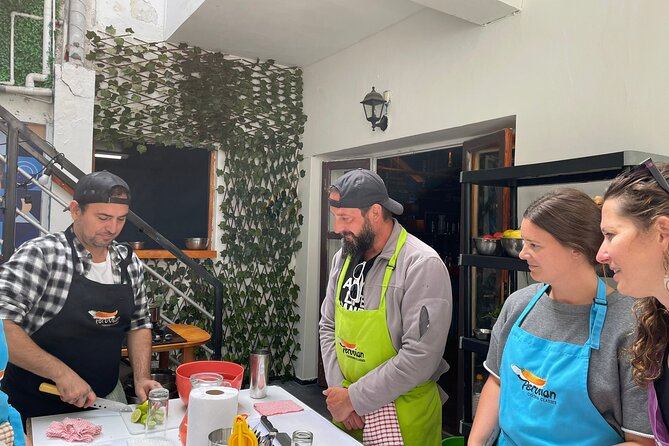
At around five hours, this is not a quick morning lesson. You need enough time to reach the meeting point, work through the menu, prepare drinks, sit down to eat, and finish the fruit tasting. The pace should suit you if you enjoy taking your time with food.
A likely flow is:
- Meet at the Miraflores address and settle into the cooking space.
- Discuss the selected menu and the Peruvian ingredients used in it.
- Prepare the dishes from scratch with Hector’s guidance.
- Mix classic and passion fruit Pisco Sours.
- Sit down for the meal you have prepared.
- Finish with fruit tasting and receive the recipe e-book and video tutorials.
The exact order may change with the selected menu. Since this is a private activity, you can ask questions and request explanations without worrying about holding up a large class. That personal format is valuable for beginners, couples, families, and serious food fans who want a more direct exchange with the chef.
The tradeoff is simple: five hours is a substantial block in your Lima schedule. I would not pair it with another long, fixed-time tour unless you leave plenty of room. A slow meal and cooking session can easily feel rushed if you try to squeeze in too much afterward.
Why the private format matters
Only your group participates in the activity. That changes the feel of the class. You are not one person in a large demonstration where the chef has to repeat the same explanation for everyone. You can ask why a certain ingredient is used, request advice about technique, and adjust the discussion to your own interests.
Private does not mean every request is automatically possible. The provider still needs to confirm availability, menu choices, and special dietary needs. But if you are traveling with family or friends, having the lesson to yourselves makes the five-hour format easier to enjoy.
I would especially recommend the private setup for people who cook at home. You can focus on techniques you genuinely want to repeat, such as ceviche preparation, drink mixing, or working with fresh chili. It is also a comfortable choice for people who do not want to perform in front of strangers.
What the $100 price includes in practical terms
At $100 per person, this is more expensive than a basic group cooking class in Lima. The price makes more sense when you count the full package: about five hours, private participation, instruction from a former Maido creative chef, a prepared meal, Pisco Sour making, fruit tasting, video tutorials, and an electronic recipe book.
The value depends on how you use the lesson. If you only want to eat Peruvian food, you can spend less at a restaurant. If you want a short demonstration, you may find a cheaper option. But if you want personal instruction, a full meal, and materials for cooking at home, the price is reasonable for a private half-day activity.
The recipe e-book and videos are important here. They turn the experience into something you can revisit after Peru. I would save the videos and make notes during class, especially if the menu includes techniques you have never tried. A souvenir recipe collection is much more useful when it comes with your own memory of preparing the food.
The strongest value comes for two types of people: cooks who want practical instruction and first-time visitors who want food to explain the country. If you are not interested in cooking or drinking, the price will feel less attractive.
Who should book this Lima cooking class
I would choose this activity if you want:
- A private lesson instead of a large group class
- Direct instruction from a chef with a high-level restaurant background
- Hands-on preparation rather than watching a demonstration
- A full meal built into the class
- A way to learn ceviche and Pisco Sours in Lima
- Recipes and videos to use after your trip
- A food-focused activity in Miraflores lasting about five hours
It suits couples, families, friends, and solo visitors who are comfortable joining a private group arrangement. It also works well early in a Lima visit. Learning about ingredients on your first day can help you recognize them later in restaurants and markets.
I would hesitate if your schedule is tight, if you do not drink alcohol, or if your main goal is a formal visit to Huaca Pucllana. The activity includes that site in its itinerary, but the available information does not describe a full archaeological tour.
Confirmation arrives within 48 hours of booking and depends on availability. The activity requires a minimum number of participants and good weather. If the operator cancels for either reason, you are offered another date or experience, or a full refund. You can cancel for a full refund up to 24 hours before the start time, but changes or cancellations inside that window are not accepted.
Should you book it?
I would book this class if you want to understand Peruvian food by making it, not just ordering it. Hector Aguilar’s Maido background gives the lesson unusual credibility, while the private format lets you ask questions and choose from four menus.
The best reason to book is the combination of instruction and follow-up materials. You cook, eat, sample fruit, mix Pisco Sours, and leave with recipes and videos. Just confirm the menu, dietary requests, transport arrangements, and the exact role of the Huaca Pucllana stop before reserving.
For food-focused visitors with half a day to spare, this is a strong Lima choice at $100 per person. For anyone seeking only a quick meal or sightseeing stop, it is probably more time and money than necessary.
FAQ
Where does the cooking class begin and end?
The activity begins at Ca. Gral. Borgoño 742 in Miraflores, Lima, and ends back at the same meeting point.
How long does the experience last?
The cooking class and related activities take approximately five hours.
Who teaches the cooking class?
Chef Hector Aguilar leads the class. He is a former creative chef at Maido.
What will I prepare?
You choose one of four menus and prepare five dishes from scratch. The program also includes Peruvian cooking instruction, including ceviche preparation.
Are Pisco Sours included?
Yes. You learn to make Peru’s national drink, and the class also covers a passion fruit, or maracuya, sour.
Can I cancel for a full refund?
Yes. You can cancel at least 24 hours before the experience starts for a full refund. Cancellations or changes made less than 24 hours before the start time are not accepted for a refund.
Just added around Peru
- Cook with Maido’s creative chef and chef de cuisine★ 5.0 · 53 reviews
- Vegan Peruvian Cooking Class Cocktails and Local Market in Cusco★ 5.0 · 46 reviews
- Private Andean Cooking Class, Pachamanca★ 5.0 · 54 reviews
- Cusco Cooking Class by ChocoMuseo in Cusco★ 5.0 · 29 reviews
- Lima: Market Tour and Cooking Class with Pisco Sour★ 5.0 · 3 reviews
- Lima: Cooking Workshop and Water Circuit Tour★ 5.0 · 16 reviews
- Lima: Market Tour, 35 Fruits Tasting & Cooking Class★ 5.0 · 3 reviews
- Lima: 4-Course Peruvian Cooking Class in Miraflores★ 5.0 · 4 reviews
Cooking Classes with a Market Tour, compared.
Hanoi Cooking Class: Culture, Local Market & Meaning CSR Impact
Read our review →
5 Traditional Dishes Hanoi Cooking Class with Market Trip
Read our review →
Cooking Class and Lunch at a Tuscan Farmhouse with Local Market Tour from Florence
Read our review →
Chiang Mai: Cooking Class, Market & Thai Herbs Garden Tour
Read our review →
Chiang Mai: Authentic Cooking Class with Market & Farm Visit
Read our review →
Barcelona: Paella Cooking Experience & Boqueria Market Tour
Read our review →
Cooking Class Hoi An:Local Market, Basket Boat, Fishing & Cooking
Read our review →
Hoi An Cooking Class(Market,BasketBoat Crabfishing&Cooking Class)
Read our review →Browse the lists this tour appears in