
Review · PERU
Cusco Cooking Class by ChocoMuseo in Cusco
San Pedro Market is the real beginning of this Cusco cooking class. You walk past stalls of Peruvian fruit, vegetables, meats, cheeses, and breads before taking those ingredients into the kitchen. I like that the class connects the meal to the place where locals shop, rather than treating Peruvian food as a set of recipes without a setting.
I also like the hands-on cooking, especially the chance to prepare ceviche and mix your own pisco sour. The bilingual chef can explain ingredients and techniques as you work. The main drawback is that the class can include up to 25 people, so the amount of individual cooking time may depend on the group. Market visits may also change, as one small group missed the market when it closed early for cleaning.
Key points to know
- San Pedro Market comes first: You see unusual Peruvian produce and everyday shopping before cooking.
- Ceviche is a centerpiece: You prepare one of Peru’s best-known dishes instead of only watching a demonstration.
- Your pisco sour is part of the lesson: Pisco and soft drinks are included, with wine or local craft beer available at extra cost.
- Dinner is made by you: The class ends with a typical Peruvian meal, not a quick tasting.
- Printed recipes go home with you: You can try to repeat the dishes after your trip.
- The format suits mixed groups: Families, solo participants, and people with dietary concerns have all been accommodated, depending on the chef and ingredients.
Starting at ChocoMuseo in Plaza Regocijo
The class begins at ChocoMuseo, at Plaza Regocijo in central Cusco, and returns there at the end. That central meeting point makes the experience easy to fit around sightseeing, although the listed duration is about four hours, so you should protect most of an afternoon or evening.
The setting also explains the chocolate connection. ChocoMuseo offers several food classes, and some experiences there focus on chocolate rather than Peruvian cooking. Make sure your booking is for the Cusco Cooking Class, not a bean-to-bar, truffle, bonbon, or chocolate-making session.
The cooking class is led by a bilingual chef. Past instruction has included chefs named Jil and Yil, but your assigned chef may be different. The important point is that you receive guidance in English and can ask about ingredients, preparation, presentation, and local food customs as you work.
The group limit is 25 people. That is small enough to keep the class social, but it is not a private lesson by default. If you want a quiet, highly personal cooking session, ask about the group size when booking. A very small group can feel almost like a private class, while a full group may mean sharing tasks.
More Hands-On Workshops in Peru:
- Cusco: Peruvian Cooking Class, Cocktails & Local Market Tour
★ 4.9 · 512 reviews - Cooking class and market tour with a local chef
★ 5.0 · 186 reviews - Market Tour, Tasting of 35 Fruits, and 4-Course Peruvian Cooking Class in Lima
★ 5.0 · 86 reviews
San Pedro Market: Peru on a shopping list
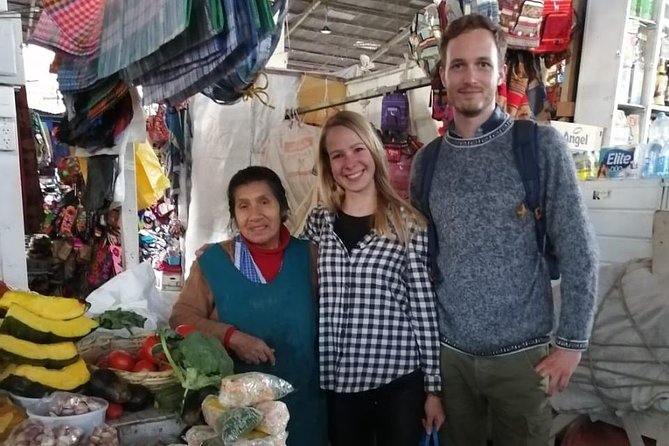
The market visit gives the class its strongest sense of place. San Pedro Market is where you see the ingredients of Peruvian cooking in their everyday setting: fruits, vegetables, meats, cheeses, and breads, along with products that may be unfamiliar if you have never cooked in Peru.
This is not simply a sightseeing stop. You are looking at the raw materials that later become your meal. That link matters. When the chef names an ingredient in the market and then uses it in the kitchen, you get a better sense of how Peruvian food is built.
You may also encounter food that is new to you. The supplied details do not promise a fixed list of produce, so I would not book this expecting a particular fruit or meat. Think of the market portion as a guided introduction to Peruvian shopping, with the exact products shaped by the day’s supply.
One practical note matters here: market hours can affect the route. A Wednesday group did not visit because the market closed early for cleaning. The cooking and meal still went ahead, but if the market is your main reason for booking, confirm the schedule for your date.
The market can also be a useful first look at Cusco food culture before you try more formal restaurants. You are not just being shown polished dishes. You are seeing the ingredients in their ordinary setting, then learning how they are handled.
Cooking ceviche and other Peruvian dishes
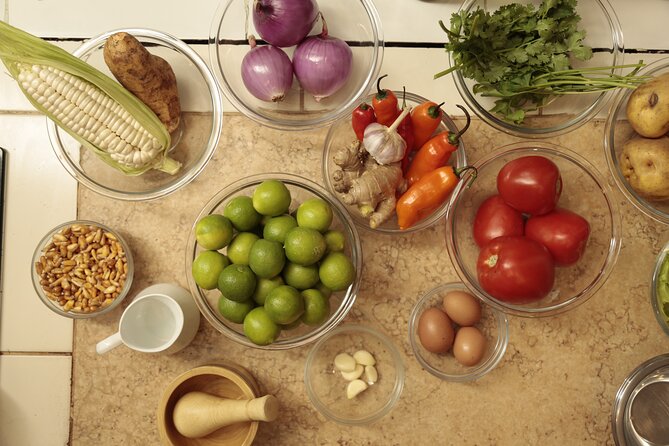
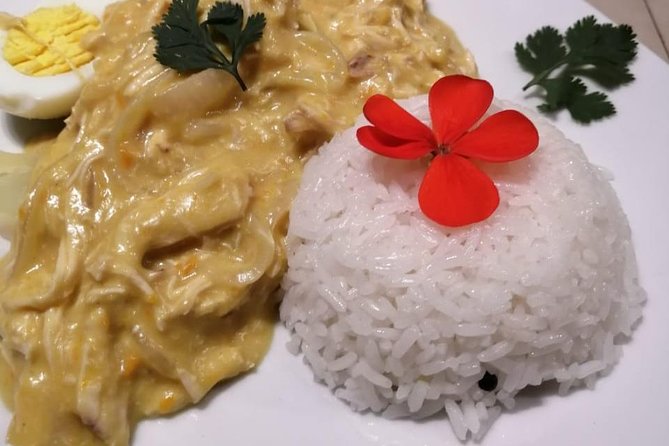
After the market, you move into the cooking portion under the chef’s direction. The experience is designed as a working class, so you should expect to prepare food rather than sit through a long talk. The exact menu is not listed in full, but ceviche is specifically included among the dishes you may learn to make.
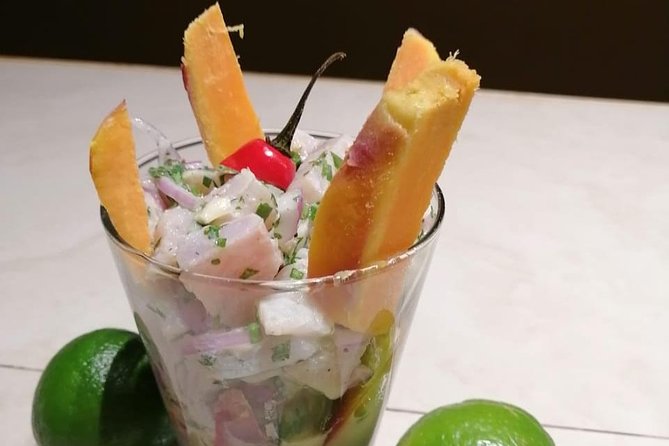
Ceviche is a good choice for a class because it depends on more than a recipe card. You need to understand the balance of fresh ingredients, citrus, seasoning, and timing. A chef can show you how the parts fit together and how the finished dish should look before you eat it.
You also prepare several other traditional Peruvian dishes. Since the full menu can vary, it is best to see the class as an introduction to Peruvian cooking rather than a guaranteed masterclass in one specific regional menu.
I like the practical format here. You learn by handling ingredients, following steps, and seeing the final presentation. One participant with dietary concerns received ingredient suggestions and modifications from the chef, which is encouraging, but you should still explain your needs when booking and again at the start of class. The available changes will depend on the menu and supplies.
The class also gives you a chance to ask questions that a restaurant meal cannot answer. You can ask why an ingredient is used, how to choose it, or how a dish is served. The chef may also add cultural background about Cusco, local foods, and the people who prepare them.
Mixing a pisco sour before dinner
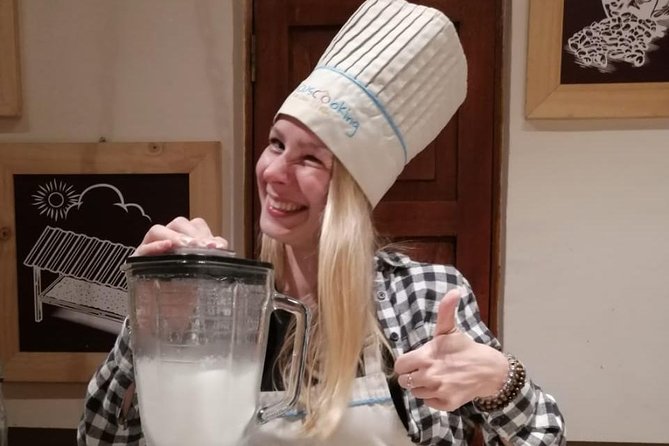
The pisco sour is not merely a drink served at the end. You make your own and raise it in a toast to your time in Peru. Pisco is the national spirit, and preparing the cocktail gives the class a second hands-on task beyond the food.
Pisco and soft drinks are included. Wine and local craft beer are not part of the standard package, but they can be added for an extra charge. If you prefer not to drink alcohol, the included soft drinks give you another option, though the class is clearly designed to include the pisco sour experience.
This drink portion helps break up the cooking. You move from chopping and preparation to mixing and tasting, then sit down for dinner. It also makes the class work well for couples and groups who want a social evening rather than a strictly technical lesson.
You should remember that this is an activity in Cusco, at altitude, and the class includes alcohol. The supplied information does not state the city’s altitude guidance or set a limit on drinks, so use your own judgment and pace yourself. The pisco sour is part of the experience, not a reason to overdo it.
A few more cooking classes around Peru worth a look
- #1 Rated Cooking Classes with Local Market Tour & Pickup
★ 5.0 · 69 reviews - Miraflores: Amazing Peruvian Cooking Class Ceviche Seafood and Pisco Sour
★ 4.9 · 57 reviews - Cusco: Peruvian Cooking Class & Market Tour
★ 4.9 · 19 reviews - Lima: Cooking Workshop and Water Circuit Tour
★ 5.0 · 16 reviews
Sitting down to a typical Peruvian meal
The final meal is made from the dishes prepared during class. You are not simply sampling one small plate. The experience includes dinner, described as a typical Peruvian meal, and the cooking format gives you a better understanding of what is on your plate.
That makes the $54.06 price easier to assess. You are paying for roughly four hours, a market visit, instruction from a bilingual chef, ingredients, dinner, pisco, soft drinks, and printed recipes. Compared with a standard restaurant meal, the price is higher. Compared with paying separately for a food tour, a cooking lesson, and dinner, it offers a fair amount in one booking.
Value depends on what you want. If you only want to eat Peruvian food, a restaurant will be simpler and likely less expensive. If you want to understand how the food is selected and prepared, this class gives you more for the time and money.
The meal also gives you room to compare your own work with the chef’s guidance. You can see how seasoning, texture, and presentation come together. That is useful for home cooks, but it is just as useful for people who rarely cook, since the class does not require you to arrive with advanced skills.
What the recipes add after your trip
Printed recipes are included, which is a small but worthwhile detail. Without them, a cooking class can fade into a pleasant memory. With them, you have a record of the dishes and a chance to try them again at home.
You may not find every Peruvian ingredient easily after returning home, and the exact produce can vary by country. Still, the recipes can help you remember the basic method and identify substitutions. Ask the chef about ingredients while you have the chance, especially if you live somewhere without a large Latin American market.
The recipes also make the class a good choice for families. Children can take part in the hands-on work, and the food gives them something concrete to remember from Cusco. The class is not described as child-only, but the format has worked for mixed-age groups in the past.
Solo participants can also fit in well. One solo participant with dietary concerns received personal help from the chef and described the experience as both a cooking lesson and a way to learn about Cusco culture. A very small group can give you more direct attention, though that depends on the date.
Timing, group size, and practical fit
Allow about four hours from the start at ChocoMuseo to your return there. The activity is near public transportation, and service animals are allowed. The information provided does not specify a walking distance, exact market time, or kitchen accessibility details, so ask before booking if those points affect your plans.
The class is commonly booked about 29 days ahead. That does not mean you must reserve exactly a month in advance, but it does suggest that you should not leave it until the last day if your Cusco schedule is fixed. The maximum group size is 25.
I would place this class after you have had time to adjust to Cusco, especially if you are arriving from a lower altitude. It is not physically demanding, but four hours of standing, shopping, cooking, and eating may feel tiring on your first day. It can also work well as a gentler activity after a hiking day, provided you still feel up to an evening meal and a pisco sour.
The current rating is 4.9 from 29 reviews, with 97 percent of participants recommending it. That is a strong signal, but the sample is modest, and some comments connected to ChocoMuseo describe chocolate classes rather than this cooking class. Use the cooking-specific details, such as the market, ceviche, pisco, chef instruction, and dinner, when deciding if it fits your plans.
Who should book this Cusco cooking class
I would choose this experience if you want food to be a doorway into Cusco culture. It suits people who enjoy markets, want to learn by doing, or would rather share a meal they helped prepare than simply order from a menu.
It is especially useful for:
- Couples looking for an evening activity with food and drinks
- Families with children who enjoy hands-on projects
- Solo visitors who want a social class with a guide
- Home cooks seeking Peruvian recipes
- Anyone curious about ceviche, pisco, and local ingredients
- People with dietary concerns who are willing to discuss modifications in advance
I would be more cautious if you dislike group activities, cannot stand for part of a four-hour experience, or want a guaranteed list of dishes. You should also confirm the market schedule if San Pedro Market is essential to your decision.
Should you book it?
Book this class if you want more than a meal. The best parts are the clear connection between San Pedro Market and the kitchen, the chance to prepare ceviche, the pisco sour, and the sit-down dinner at the end. The printed recipes give the experience a life beyond your time in Cusco.
At $54.06 per person, it is not the cheapest way to eat Peruvian food, but it combines a market tour, cooking instruction, drinks, and dinner in about four hours. For you, the call comes down to participation. If you want to roll up your sleeves and learn, it is a strong choice. If you only want a quick taste of local cuisine, spend the money on a good restaurant instead.
FAQ
Where does the Cusco cooking class begin?
It begins at ChocoMuseo, Plaza Regocijo, Cusco 08000, Peru.
Where does the activity end?
The activity ends back at the ChocoMuseo meeting point.
How long does the cooking class last?
The experience lasts approximately four hours.
What market does the class visit?
The itinerary includes Mercado Central de San Pedro, commonly known as San Pedro Market.
What can I see at San Pedro Market?
You can see local fruits, vegetables, meats, cheeses, and breads, including products that are unique to Peru.
Is ceviche included in the cooking lesson?
Ceviche is listed as one of the popular Peruvian dishes you may learn to prepare.
Is a pisco sour included?
Yes. Pisco and soft drinks are included, and you prepare your own pisco sour during the class.
Are wine and local craft beer included?
No. Wine and local craft beer can be added to the experience at an extra cost.
Do I receive recipes to take home?
Yes. Printed recipes are included.
What is the cancellation policy?
You can cancel at least 24 hours before the experience start time for a full refund. Cancellations or changes made less than 24 hours before the start time are not accepted for a refund.
Just added around Peru
- Lima: Market Tour and Cooking Class with Pisco Sour★ 5.0 · 3 reviews
- Lima: Cooking Workshop and Water Circuit Tour★ 5.0 · 16 reviews
- Lima: Market Tour, 35 Fruits Tasting & Cooking Class★ 5.0 · 3 reviews
- Lima: 4-Course Peruvian Cooking Class in Miraflores★ 5.0 · 4 reviews
- Lima: Demo Cooking Class with Lunch at Cala Restaurant★ 4.1 · 4 reviews
- Cusco: Peruvian Cooking Class & Market Tour★ 4.9 · 19 reviews
- Cusco: 3-Hour Peruvian Cooking Class★ 4.7 · 16 reviews
- Cooking Class Typical Food in Arequipa★ 3.9 · 3 reviews
Cooking Classes, compared.
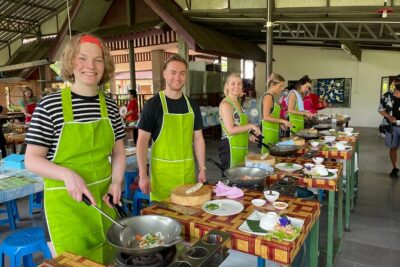
Half-Day Thai Cooking Class at Organic Farm in Chiang Mai
Read our review →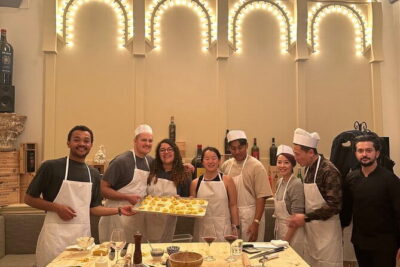
Florence: Pasta Cooking Class with Unlimited Wine
Read our review →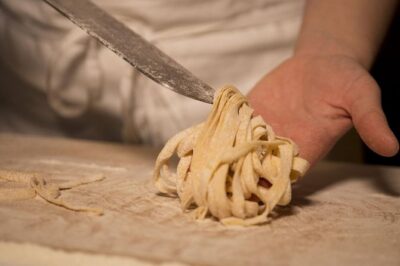
3 in 1 Cooking Class near Navona: Fettuccine, Ravioli & Tiramisu
Read our review →
Hanoi Cooking Class: Culture, Local Market & Meaning CSR Impact
Read our review →
5 Traditional Dishes Hanoi Cooking Class with Market Trip
Read our review →
Cooking Class and Lunch at a Tuscan Farmhouse with Local Market Tour from Florence
Read our review →
Chiang Mai: Cooking Class, Market & Thai Herbs Garden Tour
Read our review →Browse the lists this tour appears in