
Review · LIMA
Miraflores: Amazing Peruvian Cooking Class Ceviche Seafood and Pisco Sour
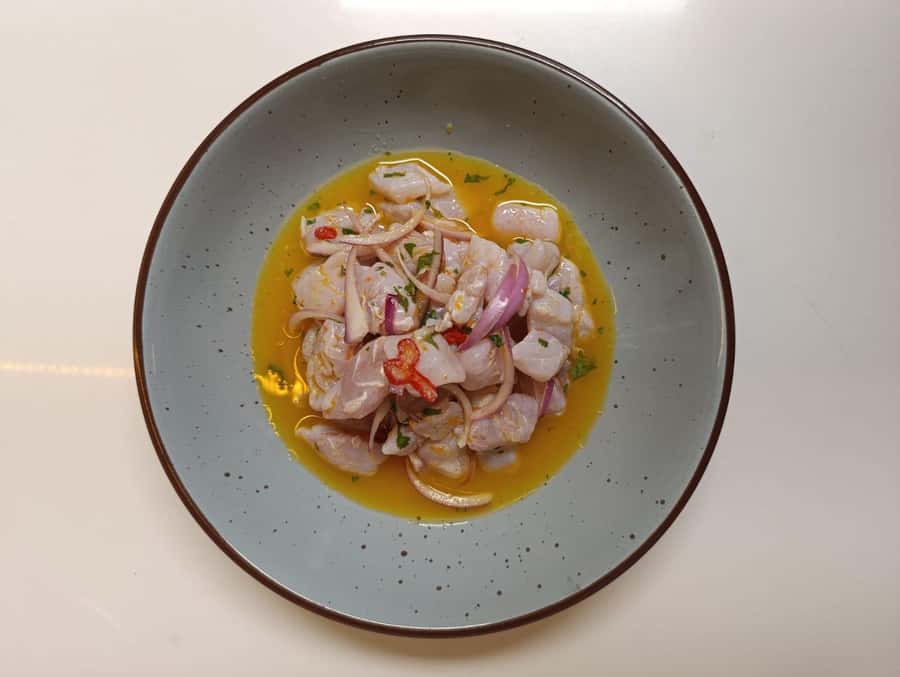
Peru’s coast comes to your table in this friendly Miraflores class, where you prepare fresh fish ceviche, tuna tartare, and a pisco sour rather than simply watching a chef work. José Antonio and Maria also produce their own pisco, so the tasting has a personal link to the drink, not just a standard bar demonstration.
I like the small eight-person limit and the central location, half a block from Kennedy Park. I also like the practical extras: recipes, restaurant tips, destination advice, and photos and videos from the session. The main consideration is that some ingredients may already be cut and prepared, so this is more of a guided food workshop than a full kitchen class from start to finish.
Key points to know before booking
- Ten infused pisco flavors: Taste the producers’ own range before choosing a flavor for your cocktail.
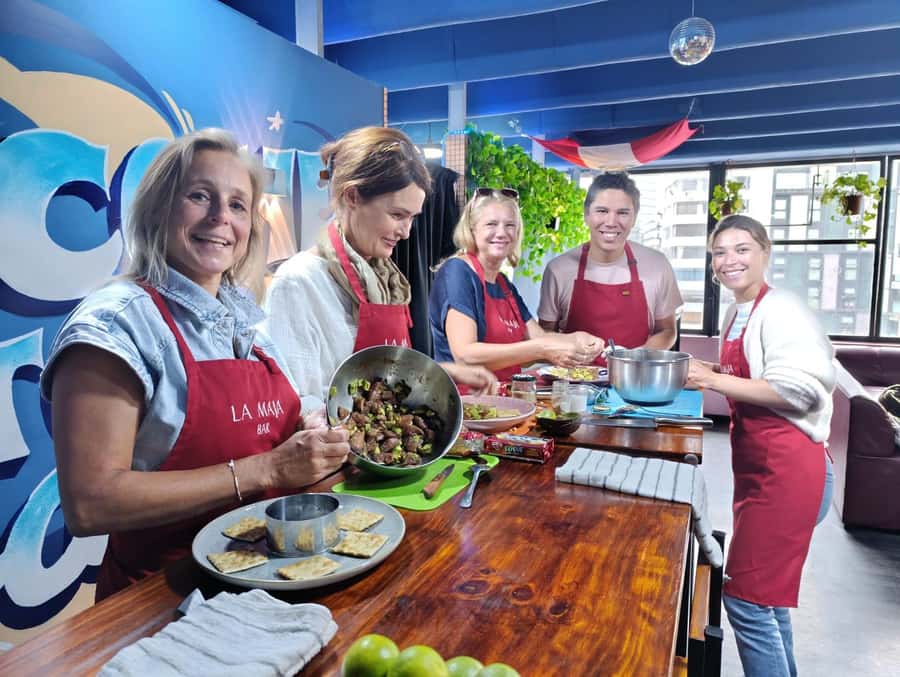
- Two seafood dishes: Prepare one tuna tartare and one plate of ceviche per person.
- Personal hosting: José Antonio and Maria lead the class themselves and share stories about food, Peru, and their distillery.
- Small Miraflores setting: The class takes place near Kennedy Park, about five minutes from nearby hotels.
- Useful take-home extras: You receive recipes, local recommendations, and photos or videos from the experience.
- Flexible dietary support: Vegetarian requests and allergies should be given in advance, and the class can accommodate gluten-free needs according to the information provided.
A seafood class with a pisco tasting at its heart
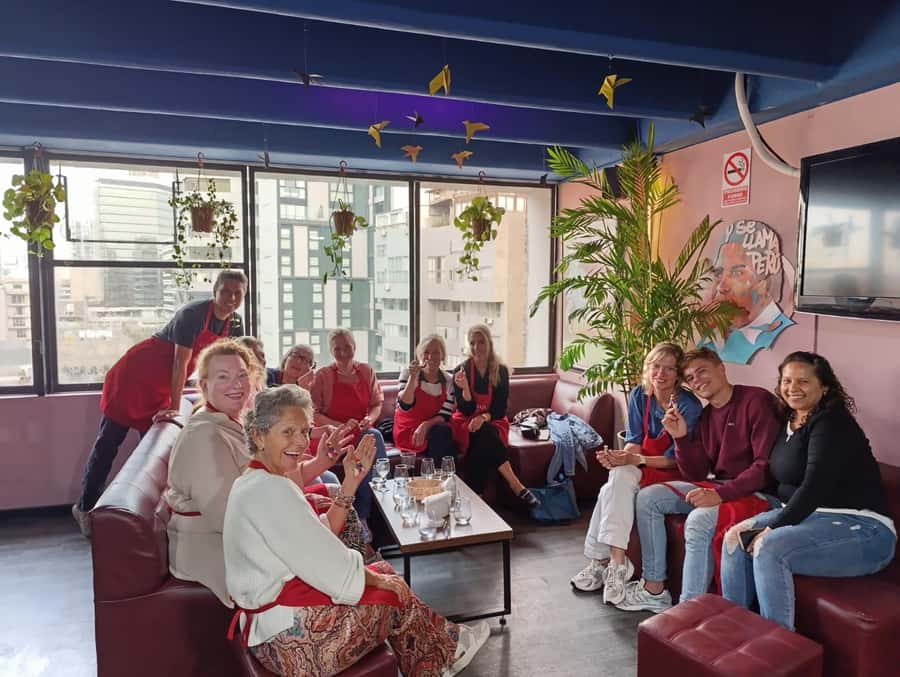
This is not a formal culinary school with rows of workstations and a chef barking instructions. It is a compact, social class built around the foods most closely linked with Peru’s coast. You learn by tasting, mixing, seasoning, and eating alongside the hosts.
The class lasts about 2.5 hours. That gives enough time for conversation and sampling without taking up a full day in Lima. With a maximum of eight participants, you should have room to ask questions and take part rather than standing behind a crowd.
The hosts, José Antonio and Maria, bring a personal touch to the session. José Antonio produces pisco and talks about the spirit through his own work. That matters because pisco is not treated as a vague national symbol here. You get to taste different versions, compare flavors, and use one in the drink you make.
I would think of this as a cultural food lesson with hands-on cooking, rather than a class designed to teach professional knife skills. The fish and some other ingredients may be prepared ahead of time. That keeps the pace smooth, but it means you will not necessarily make every component from the raw ingredients.
More Hands-On Workshops in Peru:
- Cusco: Peruvian Cooking Class, Cocktails & Local Market Tour
★ 4.9 · 512 reviews - Cooking class and market tour with a local chef
★ 5.0 · 186 reviews - Market Tour, Tasting of 35 Fruits, and 4-Course Peruvian Cooking Class in Lima
★ 5.0 · 86 reviews
Meeting near Kennedy Park in Miraflores
The meeting point is at the door of the Wong Supermarket, where you look for a red apron. The class space is half a block from Kennedy Park, one of Miraflores’s most familiar central spots. If you are staying in one of the nearby hotels, the short walk is a real convenience.
The activity ends back at the meeting point. No separate transfer is included, so plan to make your own way there and back. The room has an elevator and no stairs, and the activity is listed as wheelchair accessible.
The location also makes this easy to fit into a Lima visit. You can schedule it between sightseeing in Miraflores, a walk through the park, or a meal elsewhere. Since the class includes generous food portions and several drinks, I would avoid booking it immediately before a large dinner.
Starting with Peru’s coast, highlands, and jungle
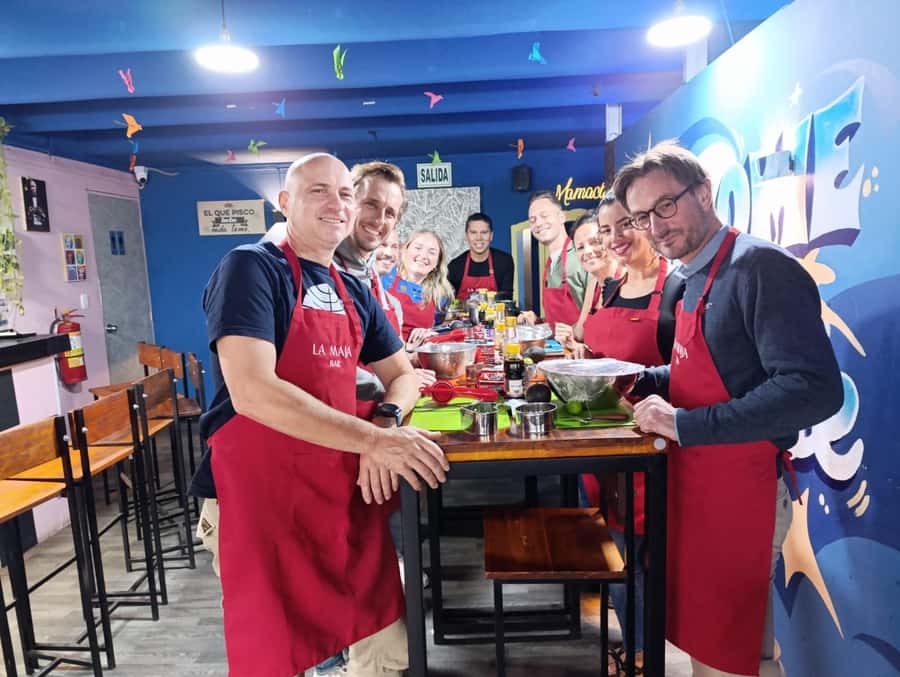
The session begins in a private experience room decorated with Peruvian art. A short video introduces the country’s coastal, highland, and jungle regions before the cooking starts.
This opening gives the food some useful context. Peruvian cuisine is not one single style, and the ingredients on your table connect to different parts of the country. The video is brief, so do not expect a full lecture on Peruvian geography. Its purpose is to set the scene and explain why Peru has such a wide range of foods and flavors.
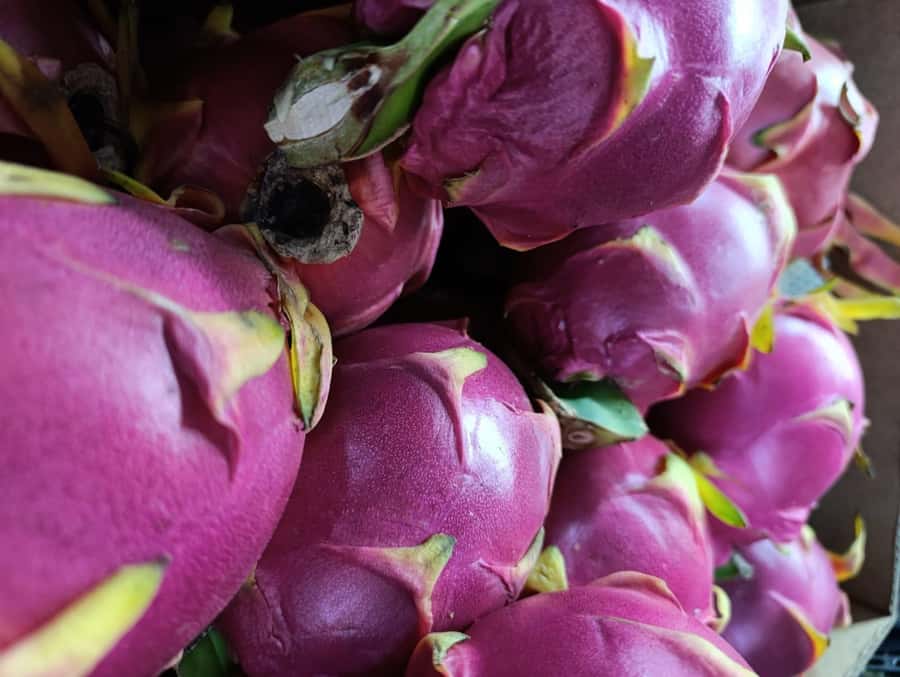
You then taste exotic fruits. The exact selection can vary, but the experience includes fruits such as chirimoya according to the information provided. This is a pleasant way to begin because it lets you notice the sweet, floral, or creamy flavors of Peruvian produce before moving to the sharper seafood dishes.
I especially like this part for first-time visitors. It gives you something to talk about and taste right away, rather than putting you in front of a cutting board with no introduction.
Tasting ten pisco macerates
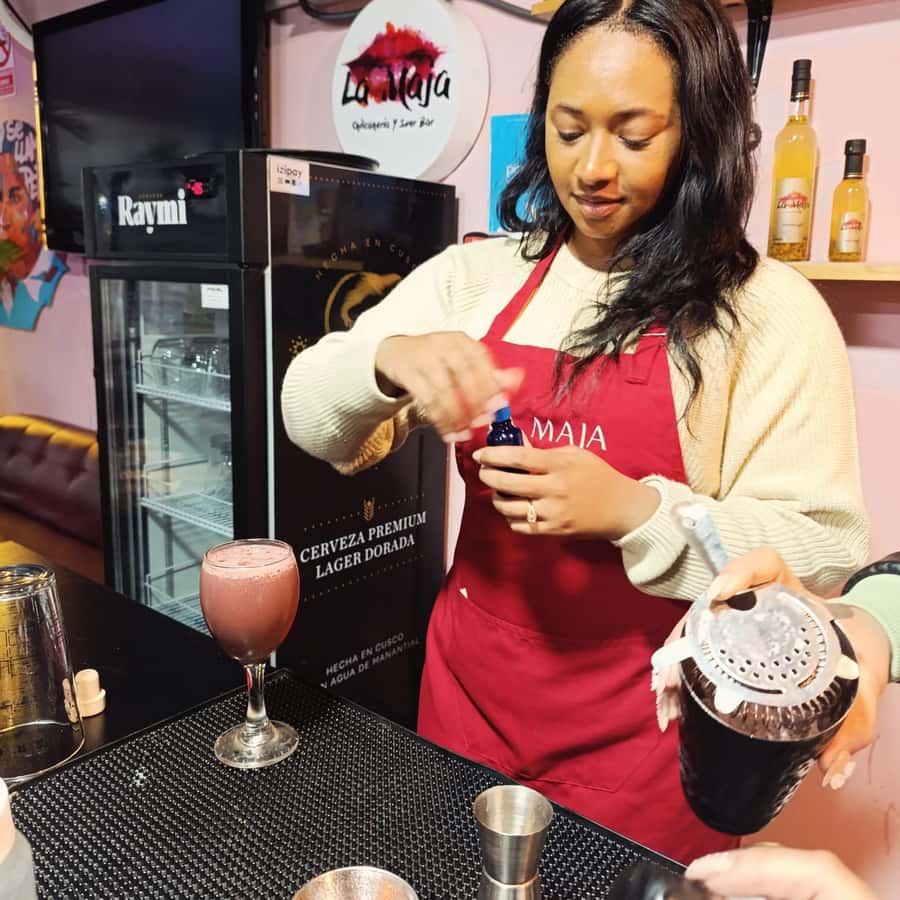
The pisco tasting is one of the strongest reasons to choose this class. José Antonio and Maria produce their own pisco, and the session includes up to ten infused flavors, often called pisco macerates.
These are not ten identical pours. Infusing pisco with fruit, herbs, or other flavorings gives you a chance to compare the base spirit with different aromatic profiles. Passion fruit and chicha morada were particular favorites in the experience details, and bottles may be available to buy from the instructor.
You do not need to be a spirits expert to enjoy this part. The hosts explain the origins of pisco and the place of the drink in Peruvian culture, then guide you through the options. If you are sensitive to alcohol, pace yourself. Ten flavors can add up quickly, especially before the cocktail and food courses.
The tasting also helps you choose the pisco for your own drink. Rather than receiving a fixed recipe with no choice, you select the flavor you want to use in your pisco sour or chilcano.
A few more cooking classes around Peru worth a look
- #1 Rated Cooking Classes with Local Market Tour & Pickup
★ 5.0 · 69 reviews - Cusco: Peruvian Cooking Class & Market Tour
★ 4.9 · 19 reviews - Lima: Cooking Workshop and Water Circuit Tour
★ 5.0 · 16 reviews - Cusco: 3-Hour Peruvian Cooking Class
★ 4.7 · 16 reviews
Preparing tuna tartare with coastal ingredients
The first prepared dish is tuna tartare. The tuna of the day is combined with soy sauce, sesame oil, avocado, and lemon, then served on crackers.
This course is a good introduction because it requires less time than ceviche. You can focus on how the ingredients balance each other: the savory soy, the nutty sesame oil, the soft avocado, and the bright lemon. The fish itself is the key ingredient, so freshness matters.
The class provides one plate of tuna tartare per person. Portions are described as generous, which makes the meal feel more substantial than a token tasting. You take part in combining the ingredients and then eat what you have prepared.
If you want a class that starts with every ingredient untouched, ask about the preparation before booking. Some ingredients, including onions and fish, may already be cut. That is not a serious flaw for a short class, but it does reduce the amount of chopping and knife practice.
Shaking your own pisco sour
After the tartare, you move to the professional bar to learn about pisco sour and make your own drink. The class follows the official recipe and also offers a chilcano option.
This is a useful part of the experience because pisco sour is simple enough to repeat at home. You select one of the infused pisco flavors, then work through the preparation with the hosts. The point is not just to drink the finished cocktail. You learn how the spirit changes the drink and get a feel for the balance of the recipe.
The activity includes one pisco sour or chilcano per person, along with unlimited water. Water is a welcome inclusion given the tasting format. I would still treat the class as a drinking activity, not just a cooking lesson, and plan your afternoon accordingly.
The bar setting gives the session a different rhythm from the food preparation. It also breaks up the class nicely. You are not spending 2.5 hours at one counter doing similar tasks.
Making the fish ceviche
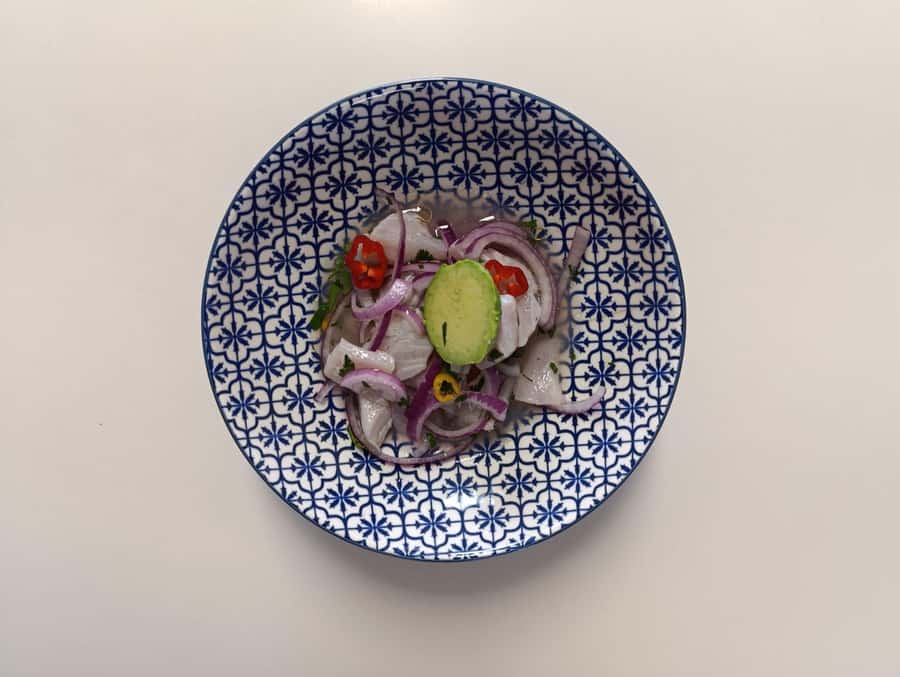
Ceviche is the final main course and the central reason many people will book this activity. You prepare one plate per person using the host’s own recipe.
The hosts explain the origins of ceviche and the role of citrus, fish, onion, and seasoning. The exact recipe is described as a secret, so you will learn the method and flavor balance without necessarily receiving every proprietary detail.
You should expect the fish to be fresh, and the experience information describes fish caught that morning for some sessions. That timing can vary, but seafood freshness is clearly treated as a priority. You prepare and eat the ceviche during the class, so this is not a demonstration where you wait for a chef to serve a finished plate.
Ceviche is also a dish where small choices matter. The amount of citrus, the timing of the seasoning, and the balance of heat and salt can change the final result. The class gives you a practical introduction that you can repeat at home with suitable fish.
If you have a seafood allergy or do not eat fish, tell the hosts in advance. A vegetarian option is available, but the activity is built around seafood, so you should confirm what replacement dishes will be offered.
A warm, personal setting rather than a large group
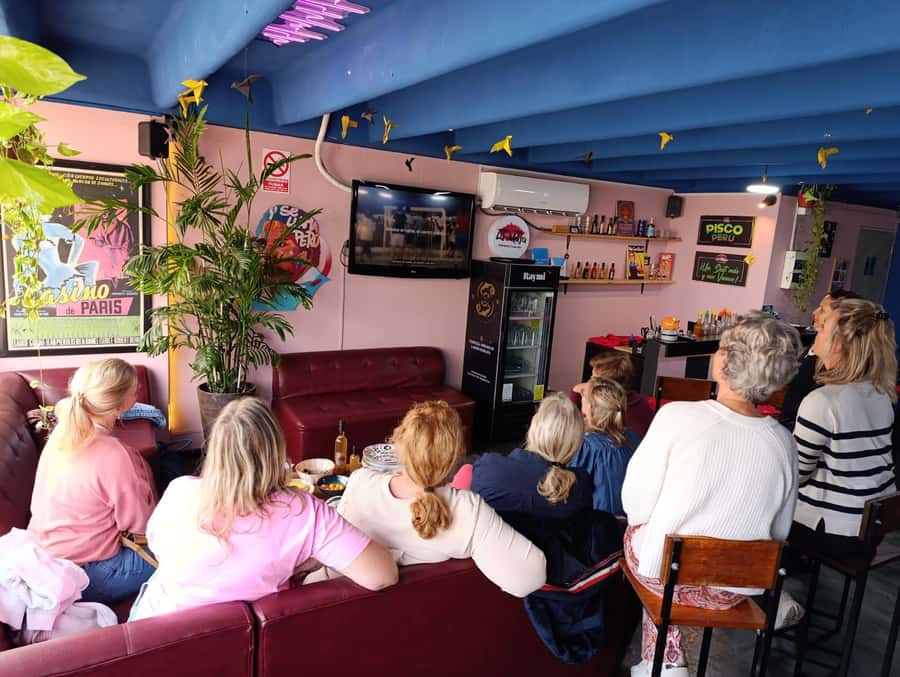
The class takes place in an exclusive room with a kitchen area, full bar, and seating space. Several sessions have been held for only one booking, which can make the experience feel more like a private lesson than a scheduled group event.
That personal format is where José Antonio and Maria receive the strongest praise. They do more than explain recipes. They share restaurant suggestions, ideas for Miraflores, and advice for other parts of Peru, including Paracas, Cusco, the jungle, and northern Peru.
This can be especially helpful early in your trip. You may leave with more than two recipes. You may also have a clearer idea of where to eat next and what to do during the rest of your time in Lima.
The hosts also take photos and videos during the session and send them afterward, along with recipes and recommendations. That is a thoughtful extra for solo visitors, couples, and anyone who would rather not spend the whole class taking pictures.
The style is warm and conversational. If you want a highly technical lesson with exact measurements, formal instruction, and extensive knife work, this may feel too relaxed. If you want food, drinks, conversation, and a local connection in one sitting, the format makes good sense.
Price, value, and the time commitment
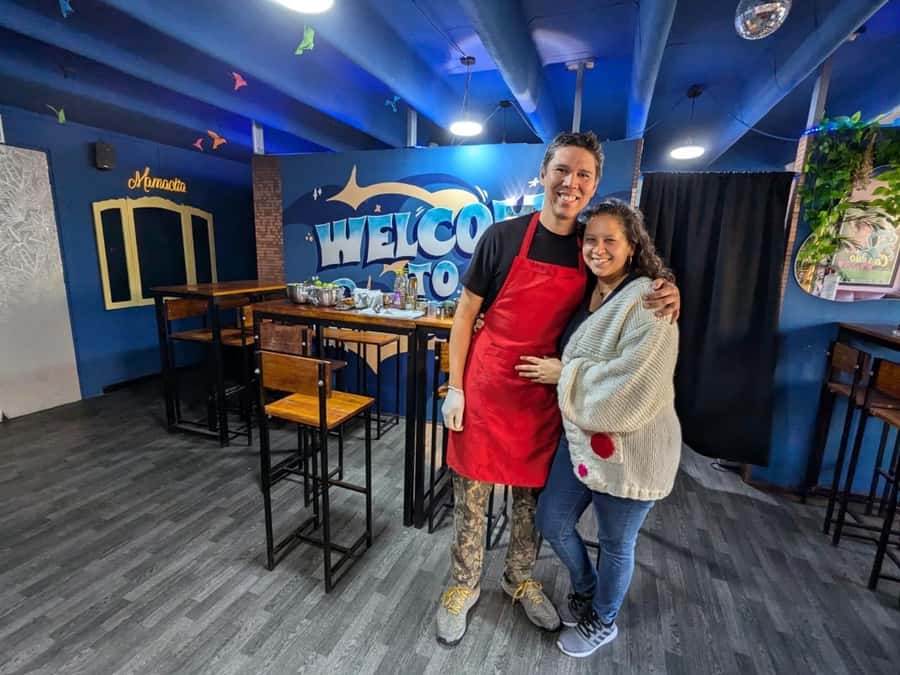
At $40 per person, the price covers more than a single dish. You receive exotic fruit, several pisco samples, tuna tartare, ceviche, one cocktail, water, and the teaching itself. You also get recipes and follow-up photos or videos.
For a central Lima activity lasting 2.5 hours, that is a fair package, particularly if you would otherwise pay separately for a seafood meal and drinks. The value is strongest for people who will use the recipes or appreciate the local advice. If you mainly want to eat ceviche without preparing it, a restaurant may be simpler.
The small group limit matters here. Eight people is enough for a social atmosphere but still small enough for direct contact with the hosts. A private booking can offer even more attention, though the standard schedule already appears designed to keep the group manageable.
The experience has a 4.9 rating from 57 reviews, with repeated praise for the food, hospitality, fresh ingredients, pisco selection, and practical recommendations. The one recurring limitation worth keeping in mind is the amount of advance preparation. Some participants wanted more cutting and preparation work, though this was treated as a minor issue rather than a major problem.
Who will enjoy this Miraflores class most
I would recommend this to you if you enjoy eating local food but also want to understand how it is made. It suits couples, solo visitors, food-focused families, and young adults looking for an evening or afternoon activity with a social feel.
It is also a good choice if you are new to pisco. The ten flavored options give you a wider introduction than a single pisco sour at a bar. The class works well for people who like cocktails but do not want a full spirits tour.
The activity can suit gluten-free diners, and one gluten-free experience was specifically accommodated. Still, tell the hosts about allergies when you book. The same applies to vegetarian requests and language preference.
English and Spanish are offered. You should state which language you speak so the hosts can prepare for the session. If the available starting time does not fit your schedule, you can contact them about another time.
Should you book it?
Book this class if you want a compact, personal introduction to Lima’s seafood and pisco culture, with enough food to count as a meal and enough conversation to help shape the rest of your Peru trip. The location near Kennedy Park, small group size, generous tastings, and take-home recipes make the $40 price easy to justify.
Skip it if you want a serious chef-training session, extensive knife practice, or a class free from alcohol. The hosts prepare some ingredients ahead of time, and the ten pisco flavors plus cocktail make drinking part of the experience.
For most food-focused visitors staying in Miraflores, this is a practical choice for your first days in Lima. You get to eat ceviche, make a pisco sour, meet local hosts, and leave with ideas for what to try next.
FAQ
How long does the Peruvian cooking class last?
The class lasts 2.5 hours. Starting times depend on availability.
Where do I meet the hosts?
Meet at the door of the Wong Supermarket in Miraflores. Look for a red apron. The class ends back at the same meeting point.
What food and drinks are included?
You prepare one tuna tartare, one plate of fish ceviche, and one pisco sour or chilcano per person. The experience also includes exotic fruit, pisco macerate tastings, and unlimited water.
How many pisco flavors can I taste?
You can taste up to ten different infused pisco flavors. You then choose a flavor for your pisco sour or chilcano.
Is the activity available in English?
Yes. The hosts offer the class in English and Spanish. Tell them your preferred language in advance.
Can I request a vegetarian or allergy-friendly option?
Yes. Vegetarian options are available, and you should tell the hosts about allergies when booking. The activity has also accommodated gluten-free diners.
Just added around Peru
- Lima: Market Tour and Cooking Class with Pisco Sour★ 5.0 · 3 reviews
- Lima: Cooking Workshop and Water Circuit Tour★ 5.0 · 16 reviews
- Lima: Market Tour, 35 Fruits Tasting & Cooking Class★ 5.0 · 3 reviews
- Lima: 4-Course Peruvian Cooking Class in Miraflores★ 5.0 · 4 reviews
- Lima: Demo Cooking Class with Lunch at Cala Restaurant★ 4.1 · 4 reviews
- Cusco: Peruvian Cooking Class & Market Tour★ 4.9 · 19 reviews
- Cusco: 3-Hour Peruvian Cooking Class★ 4.7 · 16 reviews
- Cooking Class Typical Food in Arequipa★ 3.9 · 3 reviews
Cooking Classes, compared.
Half-Day Thai Cooking Class at Organic Farm in Chiang Mai
Read our review →
Florence: Pasta Cooking Class with Unlimited Wine
Read our review →
3 in 1 Cooking Class near Navona: Fettuccine, Ravioli & Tiramisu
Read our review →
Hanoi Cooking Class: Culture, Local Market & Meaning CSR Impact
Read our review →
5 Traditional Dishes Hanoi Cooking Class with Market Trip
Read our review →
Cooking Class and Lunch at a Tuscan Farmhouse with Local Market Tour from Florence
Read our review →
Chiang Mai: Cooking Class, Market & Thai Herbs Garden Tour
Read our review →Browse the lists this tour appears in