
Review · LIMA
Lima: Market Tour and Cooking Class with Pisco Sour
Lima’s best food lesson may begin with a walk through Surquillo Market, where your guide introduces you to four Peruvian fruits and the vendors who sell them. You then head to a nearby restaurant to prepare ceviche, causa rellena, pisco sour, and a traditional dessert.
I like the mix of market contact and hands-on cooking, and I like that the small group is limited to 10 people. Guide Shayla has also earned praise for clear translation and lively Peruvian food facts. The main catch is that you’ll be standing for much of the class, and the 150-minute schedule may feel tight if you want a slow market visit and a leisurely meal.
Key Points
- Four fruit tastings at Surquillo Market: Sample unusual Peruvian produce while learning where it comes from and how it fits local food culture.
- Three classic preparations: Work with a chef on ceviche, causa rellena, and pisco sour.
- A useful English-speaking guide: Shayla has been praised for translating clearly during the market visit and cooking session.
- A small group of up to 10: This gives you a better chance to ask questions and follow the chef’s steps.
- Dessert is included: Finish with arroz con leche or picarones with chancaca syrup.
- Important practical limits: The activity is not suitable for wheelchair users, pregnant women, or people with food allergies.
Start With Fruit and Food Stories at Surquillo Market
The tour begins outside the Holiday Inn Lima Miraflores at Calle Alfonso Ugarte 117. Look for the guide wearing a red lanyard with the Exquisito Peru logo. The hotel has another entrance on Ricardo Palma Avenue, so use the Calle Alfonso Ugarte entrance to avoid an unnecessary bit of street-side confusion.
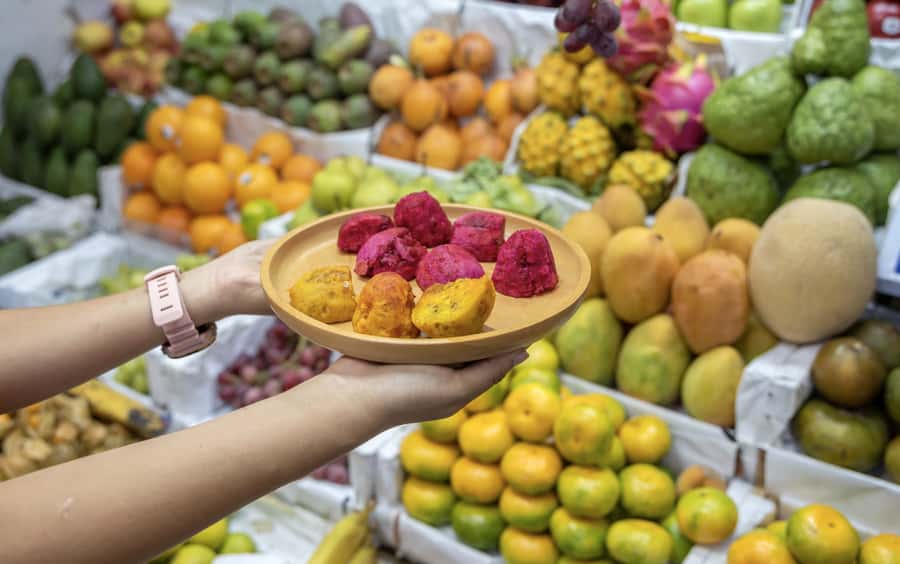
From there, you explore Surquillo Market with an English-speaking guide. This is not simply a walk past produce stalls. The point is to understand the ingredients that give Peruvian cooking its character, from potatoes and corn to less familiar fruits and market foods.
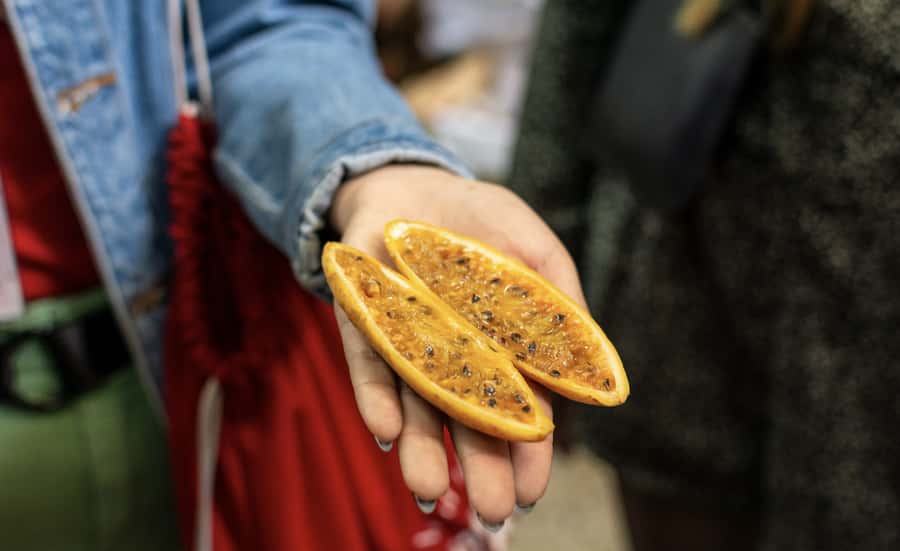
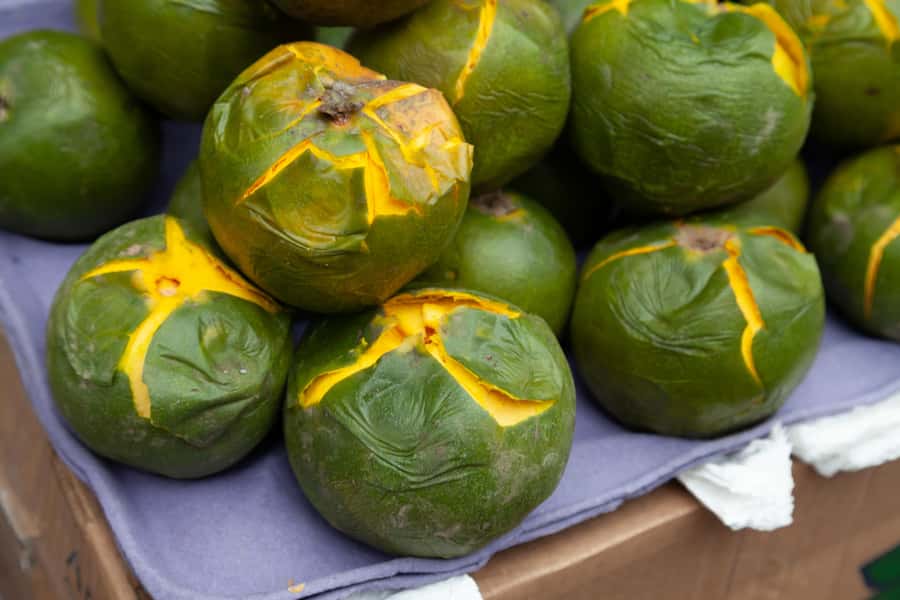
Your guide selects four fruits for tasting. The exact selection is not specified, which is sensible because market produce changes. You might encounter flavors that are sweet, tart, creamy, or entirely new to you. The value is not only in trying something unusual. Your guide also explains the fruits’ origins and cultural importance, giving you a better sense of how food connects Peru’s regions.
The market visit also gives you a chance to speak with vendors. You can hear stories about where they come from and see the everyday setting in which Lima’s cooks buy ingredients. That contact is more useful than a polished food display because it shows you the working side of Peruvian cuisine.
Bring a camera if you enjoy food photography, but keep your attention on the guide and the stalls. Wear comfortable shoes, since you’ll be walking and standing before the cooking begins. A hat, sunscreen, and water are sensible additions, especially if the market portion feels warm.
More Market Tour Cooking Classes in Peru:
- Cusco: Peruvian Cooking Class, Cocktails & Local Market Tour
★ 4.9 · 512 reviews - Cooking class and market tour with a local chef
★ 5.0 · 186 reviews - Market Tour, Tasting of 35 Fruits, and 4-Course Peruvian Cooking Class in Lima
★ 5.0 · 86 reviews
Why the Market Portion Matters
Peruvian food is built from ingredients with strong regional identities. Potatoes and corn are not background items here. They are central to the country’s cooking, and the market provides a quick way to see how much variety exists within those basic categories.
The fruit tasting also prepares you for the cooking class. You begin by paying attention to flavor, texture, and freshness. Later, those same ideas return in the bright acidity of ceviche, the smooth potato layers of causa, and the sharp lime in a pisco sour.
I especially like that the tour includes vendor interaction rather than treating the market as scenery. You get a chance to ask where products come from and how they are used. If your guide is Shayla, expect help with translation as well as explanations of Peruvian food customs. Her role is particularly useful when the group needs to communicate with vendors or follow fast-moving instructions during class.
The market may not suit you if you prefer a quiet, slow-paced food tour. A working market can be crowded and active, and the first part of the experience is built around movement, conversation, and sampling. That energy is part of the appeal, but it is worth knowing before you book.
A Short Walk to the Restaurant Kitchen
After the market, you go to a nearby restaurant for the cooking class. The provided details do not specify the restaurant’s name or a separate transfer, so plan on continuing with the group rather than arranging your own ride between the two parts.
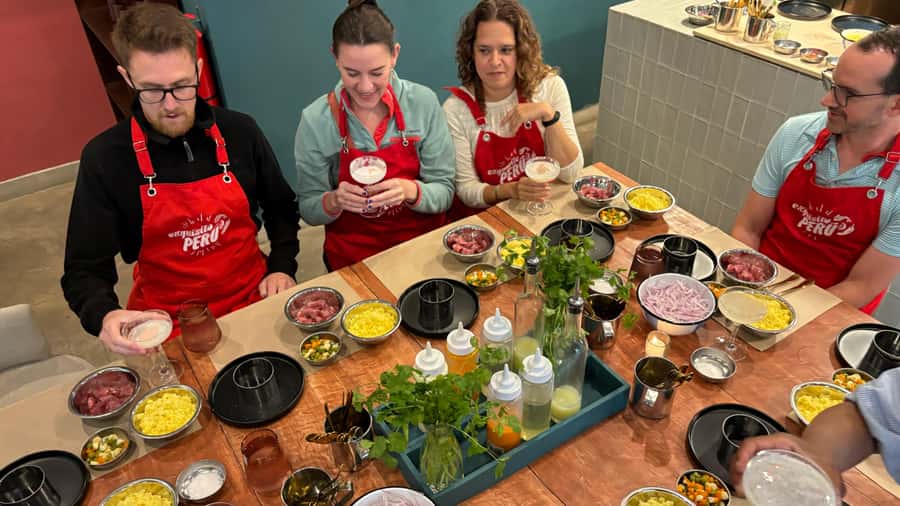
The restaurant setting has a practical advantage. You are not cooking in a demonstration kitchen where you simply watch from a distance. You work with a local chef and then sit down to eat what you have prepared.
The class is suitable for beginners. You do not need previous cooking experience, but you should be comfortable standing for the duration of the session. Wear clothing that allows you to work easily and avoid anything you would worry about around food preparation.
A small group of no more than 10 people helps here. The chef can give clearer instructions, and you have a better chance to see how each dish is assembled. The guide also helps explain instructions in English. That translation matters when timing, texture, and knife work are involved.
The pace is worth noting. The entire activity lasts 150 minutes, including the market walk, fruit sampling, cooking, eating, and dessert. That is enough time for a well-organized introduction, but it is not a long chef’s workshop. You will learn the main methods and ideas rather than master every variation of each dish.
Making Ceviche With Citrus and Fresh Fish
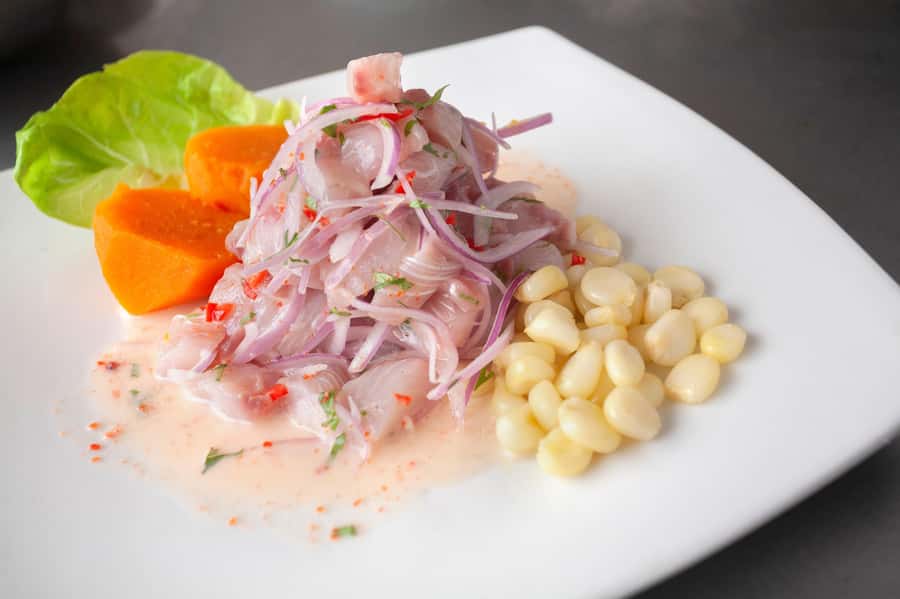
Ceviche is the main cooking lesson for many people. You prepare fresh fish with citrus juice, Peruvian seasoning, red onion, and garnishes such as sweet potato.
The class can show you how a few strong ingredients work together. The fish provides a clean base, lime brings acidity, onion adds bite, and sweet potato offers a softer, sweeter contrast. The dish is simple on paper, but balance matters. Too much citrus or seasoning can cover the fish rather than support it.
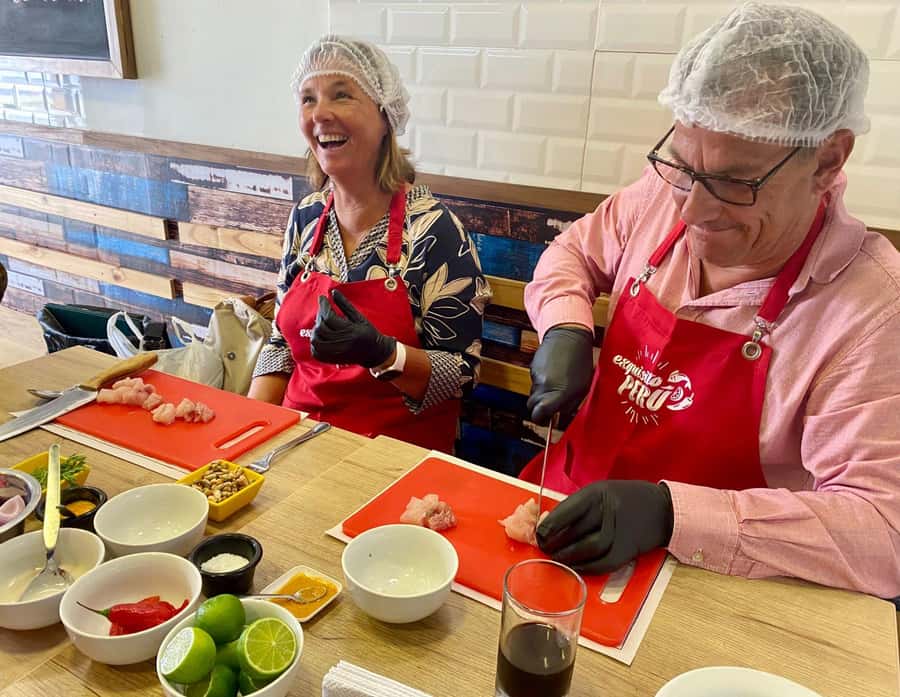
This is also a good place to listen carefully to the chef. The details of mixing, seasoning, and serving are what separate a fresh ceviche from a soggy one. You get the chance to handle the ingredients yourself, then eat the dish soon after preparation.
The information provided does not promise a choice of fish or a fully customized recipe. If you have strict dietary needs, ask before booking. Food allergies are listed as a reason not to take this activity, and restrictions should be reported in advance.
More Shopping Trips in Peru:
- #1 Rated Cooking Classes with Local Market Tour & Pickup
★ 5.0 · 69 reviews - Cusco: Peruvian Cooking Class & Market Tour
★ 4.9 · 19 reviews - Lima: Market Tour, 35 Fruits Tasting & Cooking Class
★ 5.0 · 3 reviews - Hanoi Cooking Class: Culture, Local Market & Meaning CSR Impact
★ 5.0 · 5,147 reviews
Layering Causa Rellena
Causa rellena offers a different lesson in texture and presentation. The dish uses mashed potatoes, avocado, and a filling of chicken or seafood, arranged in layers.
The potato base is smooth and substantial, while avocado adds creaminess. The filling gives the dish its main savory note. Unlike ceviche, which depends on freshness and acidity, causa depends more on consistency and careful assembly.
This is a useful dish to learn because it shows how Peruvian cooking can be both homestyle and visually neat. You work with familiar ingredients, but the layered form gives the finished plate a festive look. It is also filling, so the combination of ceviche and causa makes the meal feel more substantial than a simple tasting menu.
There is one small point to keep in mind. One account of the class described preparing two food items along with the drink, while the activity details list ceviche, causa rellena, and pisco sour as the planned preparations. The exact amount of hands-on work may depend on the class pace and kitchen setup. You should expect to participate in the featured dishes, but not assume an extended cooking session for each one.
Shaking a Classic Pisco Sour
The pisco sour is the drink portion of the class. You combine pisco brandy, fresh lime, egg white, and Angostura bitters.
The recipe gives you several contrasts in one glass. Pisco brings the spirit base, lime adds sharpness, egg white creates foam, and bitters provide a final aromatic note. You learn how the drink is mixed and finished, then toast with the result.
This part adds a social lift to the meal without requiring much previous bar experience. The bartender helps with the preparation, while the chef handles the food. That division gives the class a nice rhythm: market visit, kitchen work, drink making, then a shared meal.
The pisco sour contains egg white, so anyone with relevant dietary concerns should ask about the recipe before booking. Alcohol is also part of the activity, though no separate age policy is provided in the details available here.
Dessert Brings the Meal to a Sweet Finish
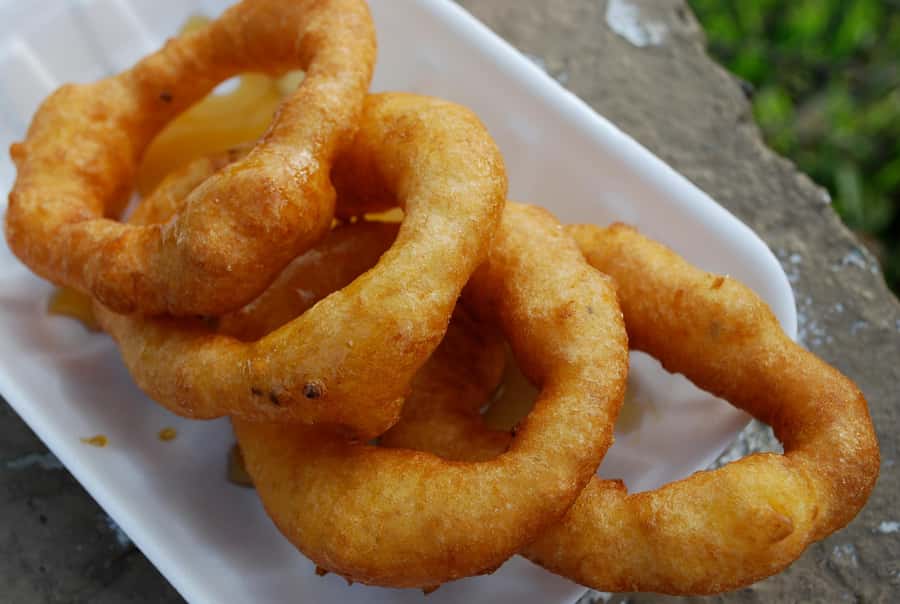
A traditional Peruvian dessert completes the meal. Depending on the preparation, you may receive arroz con leche or picarones with chancaca syrup.
Arroz con leche is a creamy rice pudding, while picarones are delicate fried rings served with a sweet syrup made from chancaca. These desserts offer a gentler finish after the lime, onion, and seasoning in the savory dishes.
Dessert is a small but worthwhile inclusion. It means you are not stopping after the main cooking tasks, and it gives you another taste of Peruvian food beyond the better-known ceviche and pisco sour. Since the exact dessert is not fixed, treat it as a seasonal or kitchen choice rather than a guaranteed specific dish.
What the $59 Price Covers
At $59 per person, the price includes the market tour, four fruit samples, the local chef, preparation of ceviche, causa rellena, and pisco sour, plus dessert. You also eat the food you make, which gives the experience more substance than a short market tasting.
The strongest value comes from the combination. A market visit alone might introduce you to ingredients, but not teach you how they are used. A cooking class alone might show you recipes, but not explain the people and places behind the ingredients. Here, the two parts connect.
The small group also supports the price. With a maximum of 10 people, you are less likely to spend the class watching from the back. You can ask about ingredients, request clarification, and follow the chef’s technique more closely.
Still, you should not compare this with a full-day culinary course. The 2.5-hour format is compact, and hotel pickup and drop-off are not included. You need to reach the meeting point yourself, and the activity ends after the meal and dessert.
For someone already staying near Miraflores, the cost is reasonable for a guided market visit, food samples, instruction, a cocktail lesson, and a prepared meal. For someone seeking advanced knife skills, detailed recipes, or a long chef-led workshop, it may feel too brief.
Who Will Get the Most From This Activity
I would recommend this for first-time visitors who want a direct introduction to Peruvian food without committing an entire day. It suits couples, friends, and solo participants who enjoy eating with a small group and trying unfamiliar ingredients.
It is also a good choice if you value explanation as much as tasting. Shayla’s translation and food knowledge can be especially helpful when the class moves quickly or when market conversations take place in Spanish.
You should choose something else if you need wheelchair access, cannot stand for long periods, are pregnant, or have food allergies. The activity specifically lists those limits. Dietary restrictions should be shared in advance, but people with food allergies are advised not to participate.
You should also be comfortable with a fixed menu built around fish, seafood or chicken, potato, avocado, citrus, egg white, and alcohol. The available information does not promise substitutions for every dish.
Meeting Point and Simple Preparation Tips
Meet just outside the Holiday Inn Lima Miraflores at Calle Alfonso Ugarte 117. Do not go to the hotel entrance on Ricardo Palma Avenue. The guide should have a red Exquisito Peru lanyard.
For a smoother visit, I would bring:
- Comfortable shoes for walking and standing
- Clothing suitable for cooking
- A hat, sunscreen, and water
- A camera for the market and finished dishes
The tour is conducted in English. Cancellation is free up to 24 hours before the activity for a full refund, and you can reserve now and pay later. Check the available starting times before booking because the duration is fixed at 150 minutes.
Should You Book This Lima Food Tour?
Book it if you want a compact, social introduction to Peru’s food culture, especially if you enjoy markets and prefer learning by doing. The four fruit samples, vendor contact, small group, and hands-on preparation give the experience more range than a standard restaurant meal.
I would be especially inclined to book if Shayla is leading your departure, since clear translation can make both the market and kitchen portions more rewarding. Just allow for a brisk schedule, bring suitable shoes, and confirm that the menu works for you.
Skip it if you need accessible facilities, cannot eat the listed ingredients, or want a long, technical cooking course. For most curious eaters staying in Lima, though, this is a practical way to taste, cook, and understand several Peruvian classics in one short outing.
FAQ
How long does the Lima market and cooking experience last?
The activity lasts 150 minutes, or 2.5 hours.
Where is the meeting point?
Meet your guide just outside the entrance of the Holiday Inn Lima Miraflores at Calle Alfonso Ugarte 117. Do not use the entrance on Ricardo Palma Avenue.
How will I identify the guide?
The guide will be wearing a red lanyard with the Exquisito Peru logo.
What language is the tour conducted in?
The tour is conducted in English.
What food is included?
You sample four fruits at the market, prepare ceviche and causa rellena, make a pisco sour, and receive a traditional Peruvian dessert.
Is previous cooking experience required?
No. The activity is designed for people without previous cooking skills, though you should be comfortable standing during the class.
Is hotel pickup included?
No. Hotel pickup and drop-off are not included.
Can I cancel the activity for a refund?
Yes. You can cancel up to 24 hours in advance for a full refund.
More Hands-On Workshops in Peru
- Miraflores: Amazing Peruvian Cooking Class Ceviche Seafood and Pisco Sour
★ 4.9 · 57 reviews - Lima: Cooking Workshop and Water Circuit Tour
★ 5.0 · 16 reviews - Cusco: 3-Hour Peruvian Cooking Class
★ 4.7 · 16 reviews - Arequipa: Peruvian Cooking Class
★ 4.4 · 9 reviews
Just added around Peru
- Lima: Cooking Workshop and Water Circuit Tour★ 5.0 · 16 reviews
- Lima: Market Tour, 35 Fruits Tasting & Cooking Class★ 5.0 · 3 reviews
- Lima: 4-Course Peruvian Cooking Class in Miraflores★ 5.0 · 4 reviews
- Lima: Demo Cooking Class with Lunch at Cala Restaurant★ 4.1 · 4 reviews
- Cusco: Peruvian Cooking Class & Market Tour★ 4.9 · 19 reviews
- Cusco: 3-Hour Peruvian Cooking Class★ 4.7 · 16 reviews
- Cooking Class Typical Food in Arequipa★ 3.9 · 3 reviews
- Cooking class and market tour with a local chef★ 5.0 · 186 reviews
Cooking Classes with a Market Tour, compared.
Hanoi Cooking Class: Culture, Local Market & Meaning CSR Impact
Read our review →
5 Traditional Dishes Hanoi Cooking Class with Market Trip
Read our review →
Cooking Class and Lunch at a Tuscan Farmhouse with Local Market Tour from Florence
Read our review →
Chiang Mai: Cooking Class, Market & Thai Herbs Garden Tour
Read our review →
Chiang Mai: Authentic Cooking Class with Market & Farm Visit
Read our review →
Barcelona: Paella Cooking Experience & Boqueria Market Tour
Read our review →
Cooking Class Hoi An:Local Market, Basket Boat, Fishing & Cooking
Read our review →
Hoi An Cooking Class(Market,BasketBoat Crabfishing&Cooking Class)
Read our review →Browse the lists this tour appears in