
Review · PERU
Cooking class and market tour with a local chef
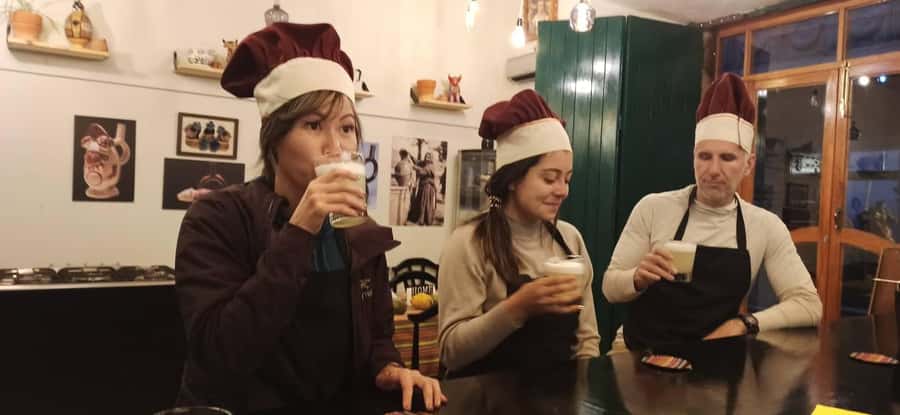
Cusco’s food makes the most sense after a walk through San Pedro Market, where fruit, cheese, herbs, meat, and potatoes move from everyday shopping to your cooking table. Chef Ronal leads the visit and then turns those ingredients into a hands-on meal: stuffed rocoto, causa rellena, lomo saltado or ceviche, and a pisco-based drink.
I like the strong local connection and the fact that you do not simply watch a chef work. You chop, season, mix, and cook, with Ronal offering practical kitchen tips along the way. I also like the thoughtful handling of vegetarian meals, allergies, gluten intolerance, dairy-free diets, and other food needs. The main drawback is value: at $57 per person, it is not Cusco’s cheapest food activity, and the included alcohol appears to be one cocktail rather than several.
Key points to know before booking
- San Pedro Market comes first: Taste Peruvian fruit and cheese while learning how local ingredients are used.
- Chef Ronal leads the class: He teaches in English or Spanish and explains both cooking methods and Cusco food culture.
- You choose the main course: Pick lomo saltado or ceviche, with vegetarian adaptations available.
- The class is genuinely hands-on: You prepare the food, cocktail, and meal rather than simply watching demonstrations.
- The four-hour format works well: The market visit and cooking session have enough time to feel substantial without taking a full day.
- Book with altitude in mind: The activity offers natural remedies and digestive teas, but it is not suitable if you are experiencing altitude sickness.
San Pedro Market gives the class its local flavor
The activity begins at the meeting point on 264 San Juan de Dios Street, opposite the Aranwa Boutique Hotel. Look for a glass and wooden door across the road from the hotel. There is no large sign, so the address matters more than the appearance of the entrance.
From there, the market portion introduces you to the raw materials behind Peruvian cooking. You can expect to see stalls selling fruit, vegetables, meat, cheese, herbs, and other local products. Ronal also offers tastings of fruit and cheese, which helps turn the visit into more than a quick walk past food stalls.
I like this part because it gives you useful context before the cooking begins. Peru is famous for its potatoes, peppers, corn, tropical fruit, and highland ingredients, but a restaurant menu rarely explains how those foods fit into daily life. At the market, you see the variety first, then use some of it later in the kitchen.
The market can also be the most stimulating part of the outing. You are moving through a working food market, not a staged tasting room. If you prefer quiet, polished spaces, this may feel less comfortable than the cooking studio. Still, the market visit is what gives the class a stronger sense of place.
Morning timing may be appealing if you have a choice. The market is reported to be less crowded in the morning, and the produce selection can feel especially fresh. Check the available start times when booking, since the experience is offered in a four-hour time slot rather than at one fixed daily hour.
More Market Tour Cooking Classes in Peru:
- Cusco: Peruvian Cooking Class, Cocktails & Local Market Tour
★ 4.9 · 512 reviews - Market Tour, Tasting of 35 Fruits, and 4-Course Peruvian Cooking Class in Lima
★ 5.0 · 86 reviews - #1 Rated Cooking Classes with Local Market Tour & Pickup
★ 5.0 · 69 reviews
The cooking menu covers Peru’s best-known dishes
The menu is built around a shared starter, your choice of main course, and one drink. The starter is rocoto relleno, a traditional stuffed pepper prepared with meat, onions, peas, carrots, peanuts, and raisins, then covered with local cheese and baked.
Rocoto is not a mild pepper, so this dish gives you a direct introduction to one of Peru’s bolder flavors. The filling also shows how Peruvian cooking combines savory meat with small bursts of sweetness and texture. Because the starter is the same for everyone, the group has a common dish to prepare and taste.
The menu also lists causa rellena, a potato cake mixed with yellow chili sauce and filled with avocado, fish tartare, mayonnaise, and spices. This is an excellent example of Peru’s love of potatoes and layered cold dishes. The exact class flow may vary, but the supplied menu presents causa as part of the starter offering.
For the main course, you choose between two very different Peruvian classics.
Lomo saltado combines beef tenderloin with rice, onions, tomato, soy sauce, oyster sauce, vinegar, and native potato fries. It is a hearty choice, with the familiar comfort of beef and fries alongside the sweet, sharp, and savory flavors of the stir-fried sauce.
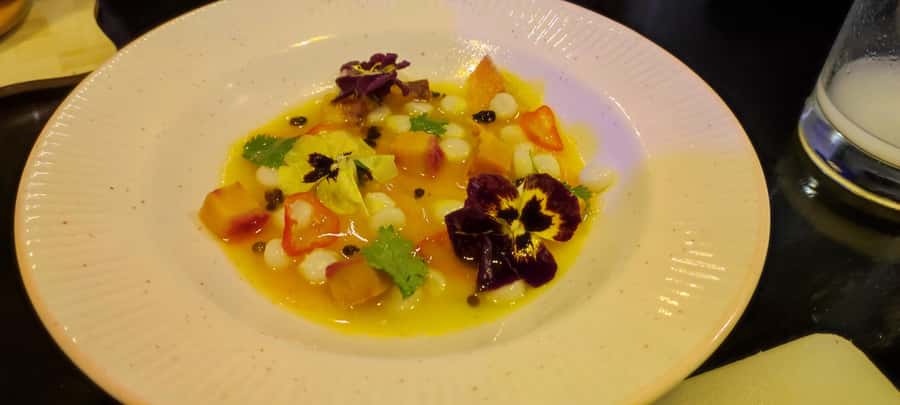
Ceviche uses trout, mango, avocado, lime juice, onions, celery, ginger, corn, and sweet potato. This version is not limited to fish and citrus alone. Mango adds sweetness, ginger adds lift, and corn and sweet potato provide contrast.
You make your menu choices before the class starts. That matters if you have a strong preference between meat and fish, or if you need an adaptation. Vegetarian versions are available, and the chef can adjust dishes for dietary restrictions.
Ronal’s teaching style makes the class beginner-friendly
Ronal is repeatedly described as warm, patient, and clear when explaining food and technique. His role is not limited to handing out ingredients. He explains how to cut them, how to combine them, and why each step matters.
That approach suits beginners, but experienced home cooks should not assume the class will feel too basic. The cooking covers familiar skills such as chopping and seasoning, while the ingredients and Peruvian methods give the session a different angle. You can pick up ideas for sauces, ceviche, potato dishes, and cocktail preparation even if you already cook often.
A useful detail is that Ronal tastes the food as he goes. That sort of guidance helps prevent a class meal from becoming a group experiment with uncertain results. You get instruction before each step, help when needed, and a chance to correct seasoning before the final plate.
The setting is described as clean and cozy, with kitchen aprons and the required kitchen and bar utensils provided. One practical advantage is that you do not need to pack anything beyond normal comfortable clothing. The class is designed for participation, so expect to handle a knife and work at the kitchen counter.
The group atmosphere can vary. Some sessions may be small enough to feel almost private, while others bring together solo visitors, couples, families, and fellow food lovers. Solo visitors may find the shared cooking format an easy way to meet people. Families with older children can also enjoy it, though the age restrictions need careful checking before booking.
Making the pisco drink is part of the fun
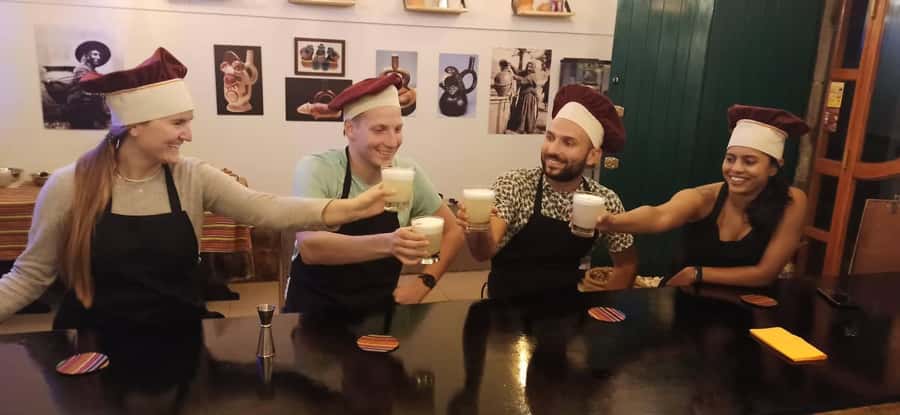
Each participant chooses a drink. The alcoholic choices are a classic pisco sour with lime, syrup, and egg white, or a passion fruit sour made with fresh passion fruit juice. Pisco is Peru’s national spirit, so this is not just a random bar addition. It connects the cooking class to an important part of the country’s food and drink culture.
There is also a nonalcoholic drink made with Peruvian fruit and honey. This is useful for anyone who avoids alcohol, and it means you can still take part in the drink-making section rather than sitting out.
The cocktail portion is hands-on and tends to be one of the lighter moments of the class. You learn the basic combination, prepare the drink, and enjoy it with the meal. If you are specifically looking for a cocktail class, this is only one part of the experience. The focus remains food, market culture, and cooking.
The included drink is worth noting when judging the $57 price. One cocktail is included, but an additional pisco sour is not part of the stated package. If a generous drinks menu is important to you, this may feel less impressive. If you value the market visit, full meal, instruction, and cultural explanation, the price is easier to justify.
More Shopping Trips in Peru:
- Cusco: Peruvian Cooking Class & Market Tour
★ 4.9 · 19 reviews - Lima: Market Tour and Cooking Class with Pisco Sour
★ 5.0 · 3 reviews - Lima: Market Tour, 35 Fruits Tasting & Cooking Class
★ 5.0 · 3 reviews - Hanoi Cooking Class: Culture, Local Market & Meaning CSR Impact
★ 5.0 · 5,147 reviews
Dietary adjustments are handled with unusual care
This class is a strong option for people who worry that a cooking activity will ignore their food needs. The provider says it can adapt to all dietary restrictions, and the class menu includes vegetarian options.
That flexibility has practical value because several listed dishes contain ingredients that may not suit everyone. Rocoto relleno includes meat, peanuts, cheese, and raisins. Causa may include fish, mayonnaise, and dairy depending on preparation. Lomo saltado uses beef, soy sauce, oyster sauce, and rice, while ceviche is built around trout and lime.
Tell the provider your needs in advance rather than waiting until the kitchen session begins. The class has handled allergies, gluten intolerance, dairy-free diets, vegetarian preferences, and food intolerances, but clear information ahead of time gives the chef a better chance to plan.
If you are vegetarian, you should still get a complete meal rather than a token side dish. The menu and past adaptations include vegetarian ceviche and a meat-free saltado-style preparation. Exact substitutions can vary, so ask what your version will contain before the class starts.
How the four hours are likely to unfold
The timing allows the market and class to work as one experience. You begin with introductions and a look at the ingredients, then walk through the market with Ronal. Fruit and cheese tastings add a small food sampling element before the cooking begins.
Back at the studio, the group prepares the starter and selected main dishes. Some components may be started early while others are being explained, allowing the class to keep moving without rushing every step.
The cocktail or alcohol-free drink is made during the cooking session. Finally, you sit down to eat what you prepared. That final meal is important: you are not leaving with a small sample or a recipe card alone, but with a starter, main course, and drink.
Recipes may be sent by email after the class. That gives you a way to recreate the dishes at home, though you may need to substitute ingredients that are difficult to find outside Peru. Native potatoes, local peppers, trout, Peruvian fruit, and some herbs may not be available in the same form in your local market.
Price, practical details, and who gets the most value
The cost is $57 per person for four hours. Transportation is not included, so you need to make your own way to San Juan de Dios Street. For a short market walk alone, that price would be high. For a market visit, tastings, a professional chef, a full cooking workshop, ingredients, equipment, an apron, one drink, and a complete meal, it is a fair midrange price.
I would book it early in a Cusco stay, especially if you want ideas for restaurants and dishes to seek out later. One useful benefit is the chance to ask Ronal about altitude sickness, local herbs, and digestive teas. Natural medicine and tea are available if needed, but this is not a substitute for proper medical care.
The activity is offered in English and Spanish. Cancellation is free up to 24 hours before the start time, and you can reserve now and pay later if that option is available during booking. These terms help if your Cusco plans may shift around weather, trekking, or altitude adjustment.
The activity is not suitable for people currently suffering from altitude sickness. The booking information also lists age restrictions covering babies and young children, including children under six, and gives a restriction for people over 70. It lists weight limits in the 135 to 150 kilogram range, so check the exact conditions at booking if they apply to you.
Strollers and baby carriages are not allowed. Alcohol and drugs are prohibited, and you should know that the market may display meat from animals eaten by local people. That is part of the working market setting, but it can be uncomfortable if you are sensitive to those sights.
Should you book this Cusco cooking class?
I would choose this experience if you want food to help explain Cusco. The market visit supplies the local setting, Ronal provides the cultural background, and the cooking gives you something useful to take home beyond photographs.
It suits couples, solo visitors, older families, and anyone who enjoys a practical activity more than a passive tour. It is especially good for people with dietary restrictions, provided those needs are shared ahead of time.
I would skip it if you want a restaurant-style tasting menu, a long cocktail session, or included transportation. I would also wait until you feel steady at altitude. For most food-focused visitors, though, the combination of market, cooking, meal, and recipe guidance makes this one of the more useful half-day activities in Cusco.
FAQ
Where does the cooking class meet?
The meeting point is at 264 San Juan de Dios Street in Cusco. Look for the glass and wooden door opposite the Aranwa Boutique Hotel. The entrance has no advertising sign.
How long does the experience last?
The activity lasts four hours, including the market visit and cooking workshop. Starting times depend on availability.
Which languages are available?
The instructor teaches in English and Spanish.
What food will I prepare?
The menu includes rocoto relleno and causa rellena as starter options, plus a choice of lomo saltado or ceviche for the main course. The listed drinks include pisco sour, passion fruit sour, and a nonalcoholic Peruvian fruit and honey drink.
Can the class accommodate dietary restrictions?
Yes. Vegetarian options are available, and the provider says the menu can be adapted for dietary restrictions. Share allergies and food preferences before the class begins.
Is a cocktail included?
Yes. One cocktail is included, with a choice of pisco sour or passion fruit sour. A nonalcoholic fruit and honey drink is also available.
Is transportation included?
No. You must arrange your own transportation to the meeting point on San Juan de Dios Street.
Can I cancel the booking?
You can cancel up to 24 hours in advance for a full refund. A reserve-now, pay-later option is also available.
More Hands-On Workshops in Peru
- Miraflores: Amazing Peruvian Cooking Class Ceviche Seafood and Pisco Sour
★ 4.9 · 57 reviews - Lima: Cooking Workshop and Water Circuit Tour
★ 5.0 · 16 reviews - Cusco: 3-Hour Peruvian Cooking Class
★ 4.7 · 16 reviews - Arequipa: Peruvian Cooking Class
★ 4.4 · 9 reviews
Just added around Peru
- Lima: Market Tour and Cooking Class with Pisco Sour★ 5.0 · 3 reviews
- Lima: Cooking Workshop and Water Circuit Tour★ 5.0 · 16 reviews
- Lima: Market Tour, 35 Fruits Tasting & Cooking Class★ 5.0 · 3 reviews
- Lima: 4-Course Peruvian Cooking Class in Miraflores★ 5.0 · 4 reviews
- Lima: Demo Cooking Class with Lunch at Cala Restaurant★ 4.1 · 4 reviews
- Cusco: Peruvian Cooking Class & Market Tour★ 4.9 · 19 reviews
- Cusco: 3-Hour Peruvian Cooking Class★ 4.7 · 16 reviews
- Cooking Class Typical Food in Arequipa★ 3.9 · 3 reviews
Cooking Classes with a Market Tour, compared.
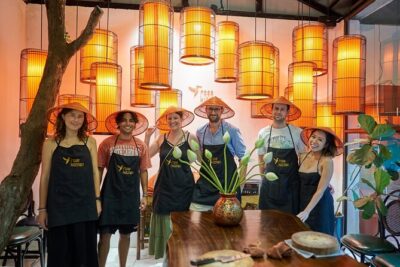
Hanoi Cooking Class: Culture, Local Market & Meaning CSR Impact
Read our review →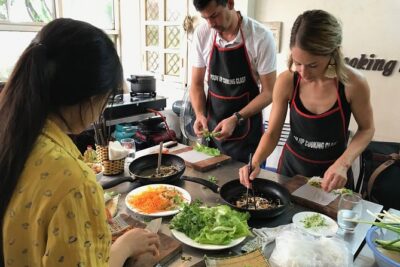
5 Traditional Dishes Hanoi Cooking Class with Market Trip
Read our review →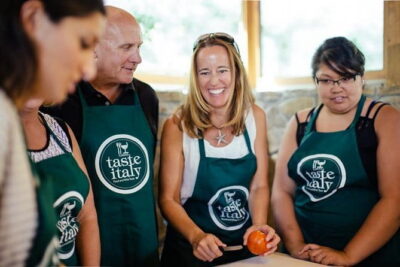
Cooking Class and Lunch at a Tuscan Farmhouse with Local Market Tour from Florence
Read our review →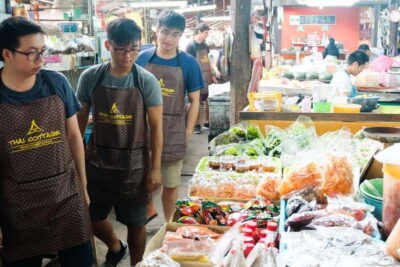
Chiang Mai: Cooking Class, Market & Thai Herbs Garden Tour
Read our review →
Chiang Mai: Authentic Cooking Class with Market & Farm Visit
Read our review →
Barcelona: Paella Cooking Experience & Boqueria Market Tour
Read our review →
Cooking Class Hoi An:Local Market, Basket Boat, Fishing & Cooking
Read our review →
Hoi An Cooking Class(Market,BasketBoat Crabfishing&Cooking Class)
Read our review →Browse the lists this tour appears in