
Review · LIMA
Lima: Cooking Workshop and Water Circuit Tour
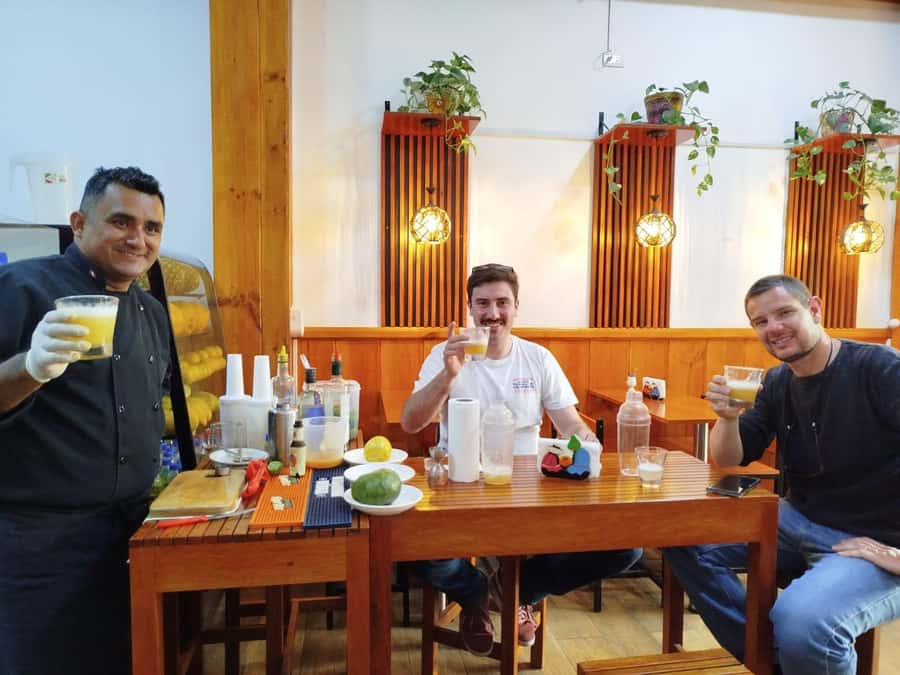
Lima’s food culture and night-time spectacle come together neatly on this four-hour outing. You make ceviche and pisco sours in a local Limeña family kitchen near the historic center, then finish at the Magic Water Circuit, where fountains, music, lasers, and color fill the evening.
I like the hands-on format, since each person gets fresh ingredients and a turn at the counter. I also like the small-group feel reported on recent departures, along with guides such as José and Roxanna who help with translation, timing, and context. The main drawback is that the itinerary is tightly packed, and last-minute bookings may need confirmation before a guide is assigned.
Key points at a glance
- Hands-on Peruvian cooking: Prepare ceviche and pisco sours rather than simply watching a demonstration.
- Historic-center setting: The workshop takes place in a local family kitchen in central Lima.
- Small-group advantage: A smaller departure gives you more chances to mix, season, ask questions, and taste.
- Magic Water Circuit finale: See fountains choreographed with music, laser lights, and changing colors.
- Hotel transport included: Pickup and return cover Miraflores, San Isidro, Barranco, Centro de Lima, Pueblo Libre, and the Callao airport area.
- Good evening value: At $60 per person, the price covers transport, a guide, ingredients, the class, tastings, and park admission-related access to the planned visit.
Why this Lima tour works so well
Many Lima excursions make you choose between food and sightseeing. This one gives you both, without taking up a full day. The cooking class places you close to the historic center, and the water show provides a lively finish that requires little planning on your own.
The format also gives the evening a useful rhythm. You begin with conversation and instruction, spend time preparing food, sit down to taste what you made, then switch to an outdoor light and fountain show. It is a good match for your first or second evening in Lima, when you want an easy introduction to local flavors and a clear sense of place.
The activity is not a serious culinary course. You will learn the basic method for two famous Peruvian drinks and dishes, not train as a chef. That is part of its appeal. You get practical techniques you can try at home, with enough cultural background to understand why these recipes matter.
More Hands-On Workshops in Peru:
- Cusco: Peruvian Cooking Class, Cocktails & Local Market Tour
★ 4.9 · 512 reviews - Cooking class and market tour with a local chef
★ 5.0 · 186 reviews - Market Tour, Tasting of 35 Fruits, and 4-Course Peruvian Cooking Class in Lima
★ 5.0 · 86 reviews
Starting in Lima’s historic center
Pickup takes place in the afternoon, once everyone is collected from the covered hotel areas. If you meet at the operator’s office instead, the address is Jirón Lampa 231 in the Historic Center of Lima. Look for the Inca Trilogy Tours sign at the entrance.
The transfer matters here. Lima traffic can make short distances feel slow, and a guide who handles the route lets you focus on the activity instead of watching maps and checking taxi prices. Pickup and return are offered in Miraflores, San Isidro, Barranco, Centro de Lima, Pueblo Libre, and the Callao airport area.
You should wait in your hotel lobby about 10 minutes before the scheduled pickup. Bring comfortable clothing. The program moves from an indoor kitchen to an outdoor park, so simple clothes and shoes that work for both settings are the sensible choice.
The tour then heads to the historic center. The cooking venue is described as the home kitchen of a local Limeña family, located in the center of the city. That setting gives the class a more personal feel than a large hotel demonstration room. You are learning in a neighborhood connected to daily life, not in a staged cooking school far from the city.
Making ceviche with fresh ingredients
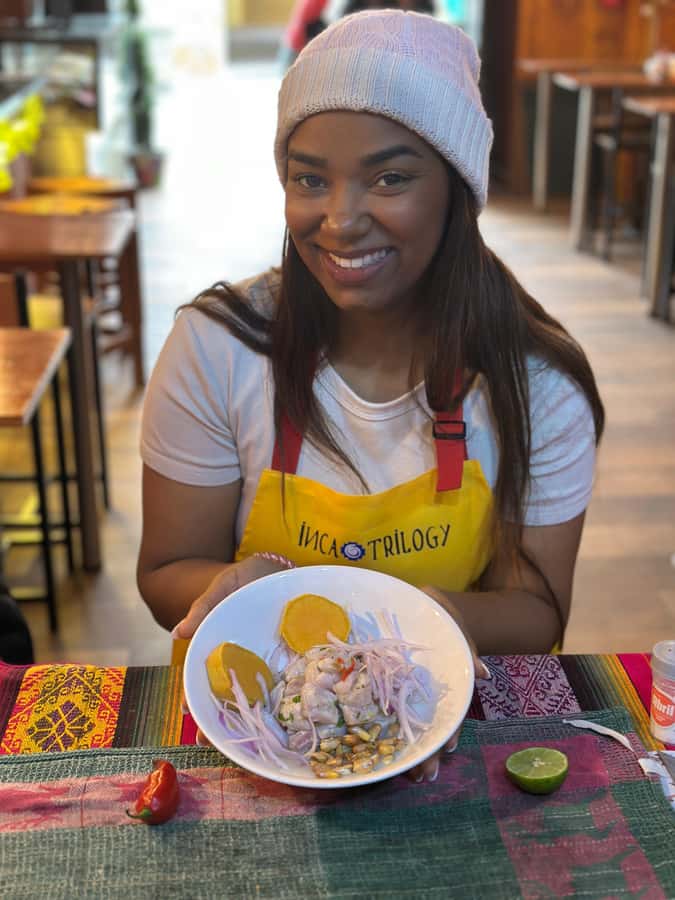
Ceviche is the star of the class. Each participant receives fresh ingredients, and the chef leads you through the preparation step by step. You are not simply handed a small sample at the end. You take part in making the dish, then eat what you prepared.
The chef discusses the origins and cultural importance of Peruvian flavors while you work. The exact cooking host can vary. The experience information names Chef Arturo, while recent departures have included Miguel and Emerson. Emerson is noted for an award-winning pisco sour, and Miguel is praised for clear instruction and patient answers.
For you, the value is in seeing the process at close range. Ceviche looks simple because it contains only a few main elements, but the balance matters. Fresh fish, citrus, seasoning, and the right amount of preparation all affect the result. A guided class helps you understand the sequence rather than blindly copying a recipe.
This is also a good place to ask questions. The class is conducted in English and Spanish, and participants have described the chefs as friendly and willing to explain their methods. If your Spanish is limited, English-speaking guides can help keep the instructions clear.
The setting is described as clean and hygienic, another practical point when you are working with raw fish. Still, you should remember that this is a tasting and cooking activity, not a full restaurant dinner. The amount you eat will depend on the portions prepared during the workshop.
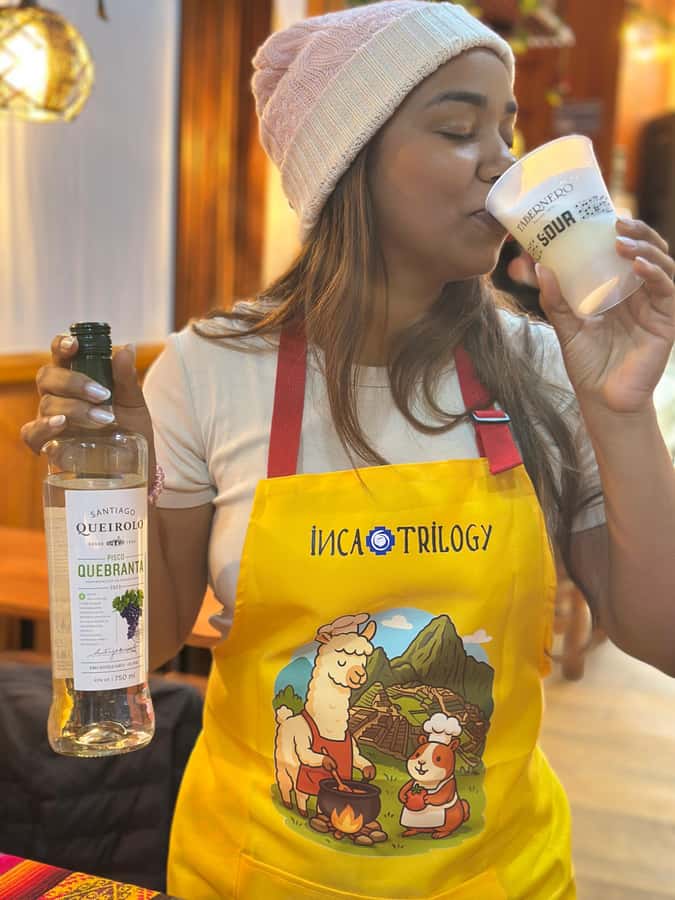
Mixing a proper pisco sour
The second recipe is Peru’s famous pisco sour. The class covers preparation and tasting, so you can enjoy the drink on site and have a method to repeat at home.
This part adds variety. Ceviche is about freshness and balance, while the pisco sour is about combining spirits, citrus, sweetness, and texture. The chef explains the drink as you prepare it, and the workshop gives you a chance to adjust your understanding through tasting.
An unexpected pisco tasting was included on one reported departure, but it should not be treated as a guaranteed part of every booking because it is not listed among the formal inclusions. The dependable promise is the pisco sour workshop itself.
The drink also means this tour may not suit every family group. The information does not set a minimum age or explain alternatives for anyone who does not drink alcohol, so you should check directly if that matters to your party. The listed activity is built around both ceviche and pisco sours.
A few more cooking classes around Peru worth a look
- #1 Rated Cooking Classes with Local Market Tour & Pickup
★ 5.0 · 69 reviews - Miraflores: Amazing Peruvian Cooking Class Ceviche Seafood and Pisco Sour
★ 4.9 · 57 reviews - Cusco: Peruvian Cooking Class & Market Tour
★ 4.9 · 19 reviews - Cusco: 3-Hour Peruvian Cooking Class
★ 4.7 · 16 reviews
A short transition from food to fountains
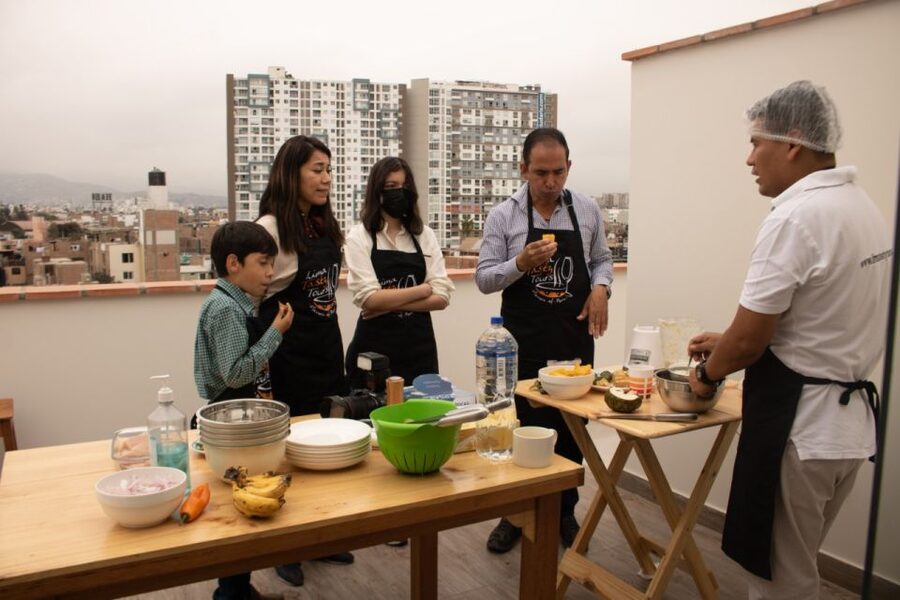
After the workshop and tasting, the group continues to the Magic Water Circuit, only a few minutes from the historic center by the tour’s description. Your guide manages the transition and gets you to the park in time for the show.
That timing is important. The water display is the finale, so a delay in the kitchen could reduce the time available at the park. On a well-run departure, the guide keeps the group moving and helps you find a good viewing spot.
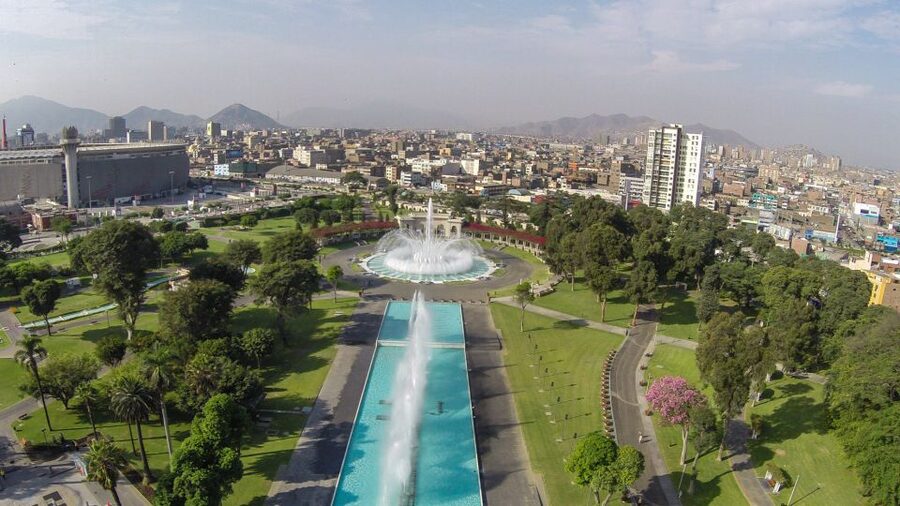
One useful benefit is the historical context. The park is presented as a symbol of Lima’s efforts to renew public spaces. You get more than a quick photo stop. Your guide can explain how the site fits into the city’s modern identity while you watch the spectacle.
The tour does not promise a long walking tour through every part of downtown, but one departure included a substantial walk around the old city. If your guide adds that element, it can help connect the workshop to the surrounding streets and buildings. The exact amount of walking may depend on the day’s timing and route.
Watching the Magic Water Circuit after dark
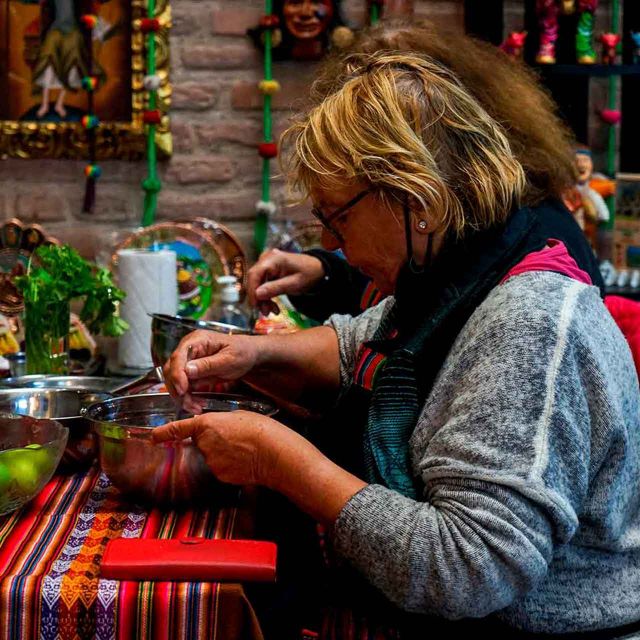
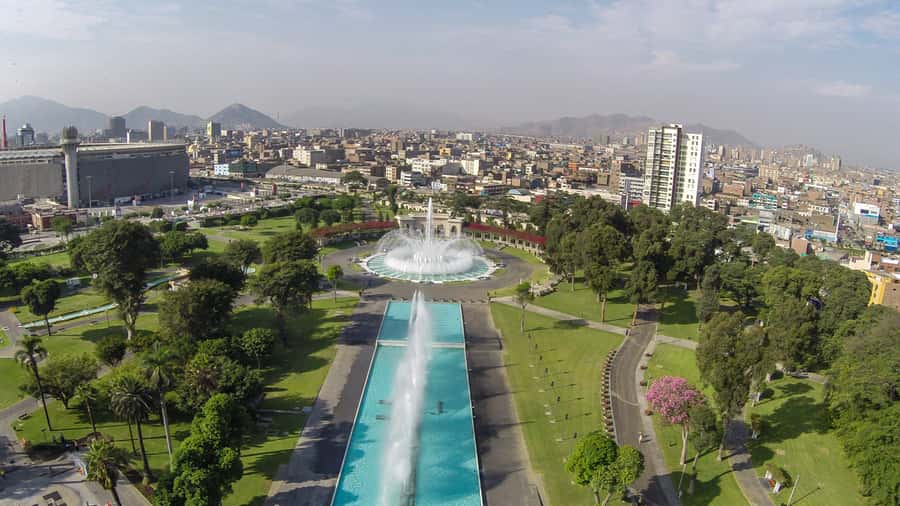
The Magic Water Circuit is a very different experience from the cooking class. The park uses fountains, music, lasers, and colored lights to create a choreographed show. Some fountains are interactive, according to the activity details, so you may see water features designed for closer participation as well as large displays meant for viewing.
The show leans toward family entertainment rather than quiet cultural sightseeing. One visitor compared its mood to a Disney-style water show, which is a useful warning if you prefer understated attractions. If you enjoy spectacle, bright colors, music, and playful public art, it makes a cheerful end to the day.
The park is also described as the largest park in Lima. Its importance is not only the show itself. The site represents a major public-space project and gives you a look at how Lima presents modern recreation alongside its older center.
Your guide’s role is useful here. José is praised for making sure the group arrived safely and on time, then finding a good place to watch while explaining the setting. That kind of help matters more than it sounds. A fountain show is easier to enjoy when you are not still trying to find the entrance or wondering where the main display will happen.
You should expect crowds and standing during the show, since the activity does not promise reserved seats. The supplied details do not specify how long the performance lasts or exactly which shows run on each date, so check the available start time when booking.
What $60 really buys you
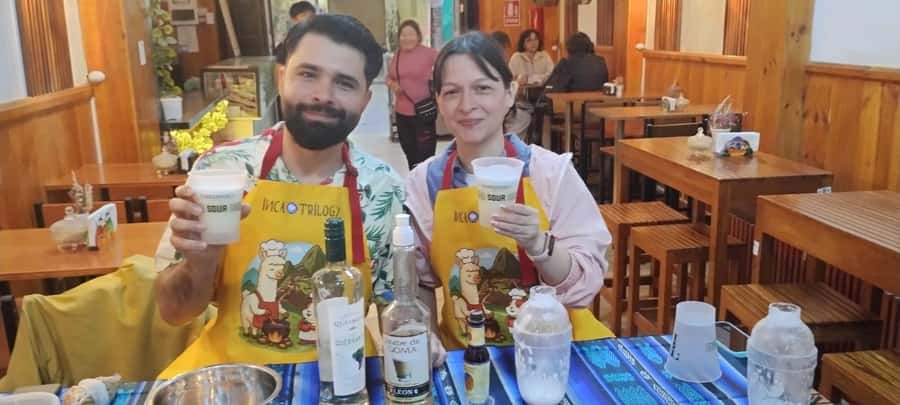
At $60 per person, this is a solid value if you want several pieces handled in one booking. The cost includes hotel pickup and drop-off in selected areas, a live English or Spanish guide, the cooking workshop, ingredients for ceviche and pisco sours, and the Magic Water Circuit visit.
Paying separately would mean arranging transport to the historic center, finding a cooking class, buying ingredients, locating the park, and planning the evening around show times. The tour removes those chores. For a short stay in Lima, that convenience can justify the price.
The value is strongest for people who would otherwise pay for both a food activity and an evening attraction. It is less compelling if you already have a favorite ceviche class booked or plan to visit the water circuit independently. You are paying for the combined route, the guide’s help, transport, and the social ease of moving as a small group.
The group size deserves attention. The information does not give a fixed maximum, but one recent departure was described as small enough for everyone to take turns. That is a meaningful advantage for a cooking class. In a large group, you might watch someone else chop and season. In a small one, you are more likely to handle the ingredients yourself.
Guides, language, and the day-to-day details
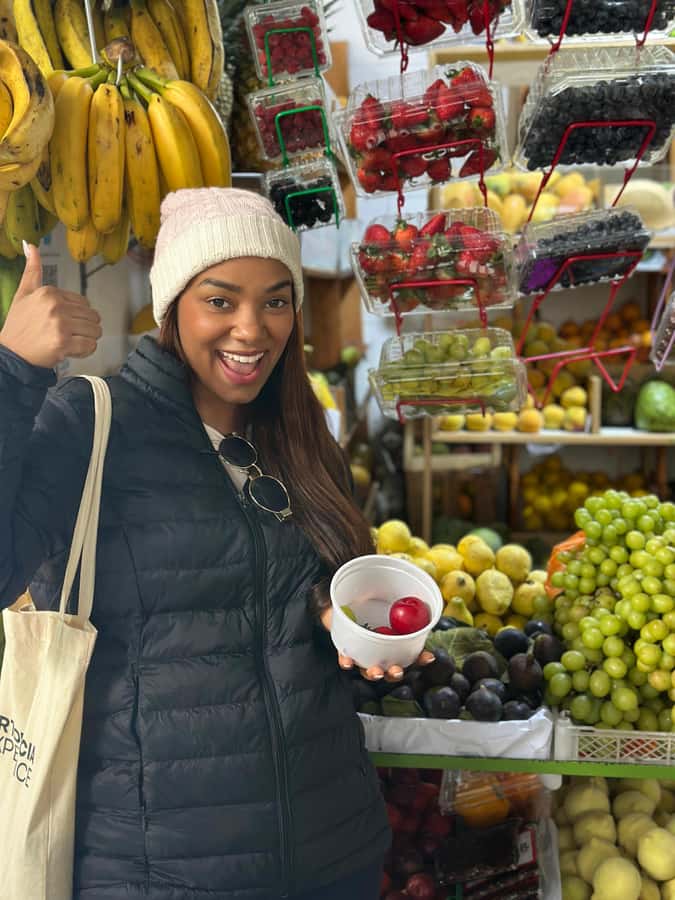
The tour operates in English and Spanish. Guides named in recent departures include José, Roxanna, and M.P. José is noted for helping with both the cooking-to-park transition and the cultural background. Roxanna is described as adding humor and clear explanations, while M.P. handled Lima culture, history, and English-language support.
The chef may be Arturo, Miguel, or Emerson, depending on the departure. That variation is worth understanding before you book. The experience is built around a live host rather than a fixed recorded lesson, so the personality and teaching style may change slightly from one date to another.
Pickup communication has been clear on recent departures, but one booking made only a day ahead ran into a guide-availability problem before it was arranged. I would book earlier if your schedule is tight, especially during a short stay.
Free cancellation is available up to 24 hours before the activity for a full refund. You can also reserve now and pay later, which helps if your Lima plans are still changing. Starting times vary, so check the date-specific availability rather than assuming every afternoon follows the same schedule.
Who should book this experience
I would recommend this tour to first-time visitors who want an easy introduction to Lima’s food and evening attractions. It also fits couples, families, and small groups who like doing something active instead of sitting through a standard meal.
It is especially useful if you are staying in one of the listed pickup districts and want door-to-door transport. You avoid a separate taxi ride to the historic center and another one to the park after dark.
Food lovers should enjoy the practical side, but you do not need strong cooking skills. The chef guides each step, and the activity focuses on two accessible, famous Peruvian creations.
I would think twice if you want a slow, serious culinary lesson with several courses. You should also check first if anyone in your party does not eat fish or drink alcohol, since both ceviche and pisco sour preparation are central to the experience.
Should you book the Lima cooking and water circuit tour?
Book it if you want a well-organized half-day that combines Peruvian food, local instruction, and a colorful night show. The strongest features are the hands-on preparation, the chance to ask questions in English or Spanish, and the guide-led transfer from the historic center to the fountains.
At $60, the package makes sense for a short Lima visit, especially when hotel transport and ingredients are included. Just keep your expectations in the right place: this is a friendly introduction, not an advanced cooking course, and the water circuit is polished public entertainment rather than a traditional monument.
If that mix sounds right, it is an efficient and enjoyable way to spend an afternoon and evening in Lima.
FAQ
How long does the Lima cooking and water circuit tour last?
The activity lasts four hours, including the cooking workshop, tasting, visit to the Magic Water Circuit, and transportation arranged through the tour.
What food and drinks will I prepare?
You will prepare fish ceviche and pisco sours with fresh ingredients supplied for the workshop.
Is hotel pickup included?
Yes. Pickup and drop-off are included from accommodations in Miraflores, San Isidro, Barranco, Centro de Lima, Pueblo Libre, and the Callao airport area.
Can I meet the tour at a central office?
Yes. The meeting point is the Inca Trilogy Tours office at Jirón Lampa 231 in Lima’s Historic Center. Look for the company sign at the entrance.
What languages are available?
The live tour guide service is available in English and Spanish.
Can I cancel the booking?
Yes. You can cancel up to 24 hours in advance for a full refund. The tour also offers a reserve-now-and-pay-later option.
Just added around Peru
- Lima: Market Tour and Cooking Class with Pisco Sour★ 5.0 · 3 reviews
- Lima: Market Tour, 35 Fruits Tasting & Cooking Class★ 5.0 · 3 reviews
- Lima: 4-Course Peruvian Cooking Class in Miraflores★ 5.0 · 4 reviews
- Lima: Demo Cooking Class with Lunch at Cala Restaurant★ 4.1 · 4 reviews
- Cusco: Peruvian Cooking Class & Market Tour★ 4.9 · 19 reviews
- Cusco: 3-Hour Peruvian Cooking Class★ 4.7 · 16 reviews
- Cooking Class Typical Food in Arequipa★ 3.9 · 3 reviews
- Cooking class and market tour with a local chef★ 5.0 · 186 reviews
Cooking Classes, compared.
Half-Day Thai Cooking Class at Organic Farm in Chiang Mai
Read our review →
Florence: Pasta Cooking Class with Unlimited Wine
Read our review →
3 in 1 Cooking Class near Navona: Fettuccine, Ravioli & Tiramisu
Read our review →
Hanoi Cooking Class: Culture, Local Market & Meaning CSR Impact
Read our review →
5 Traditional Dishes Hanoi Cooking Class with Market Trip
Read our review →
Cooking Class and Lunch at a Tuscan Farmhouse with Local Market Tour from Florence
Read our review →
Chiang Mai: Cooking Class, Market & Thai Herbs Garden Tour
Read our review →Browse the lists this tour appears in