
Review · INDIAN
Private South Indian Home Cooking Class in London with a Local
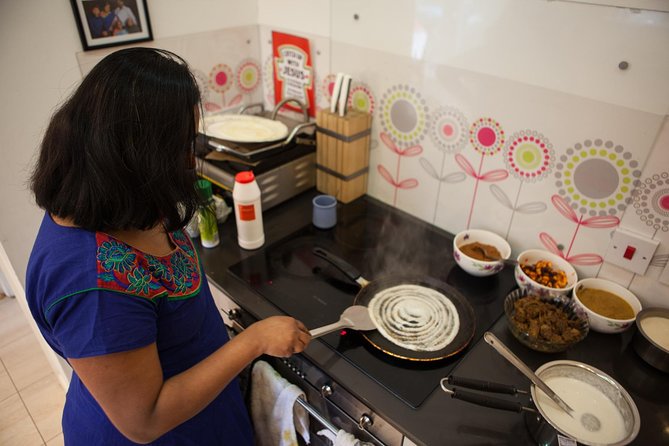
The best part of this experience is its setting: you cook South Indian food in Jemima’s family home in Orpington, far from the usual central London sightseeing circuit. You might prepare dosas, chutney, curry, or idlis, then sit down to eat what you helped make.
I like the private format, which gives you room to ask questions and receive direct help. I also like the chance to see how South Indian food fits into everyday family life in London, with Jemima’s husband Aaron and their children sometimes at home. The main consideration is the trip to Zone 6, plus the fact that Jemima serves the meal rather than eating with you.
Key points to know before booking
- A private class in Orpington: Only your group takes part, so you get more direct time with Jemima.
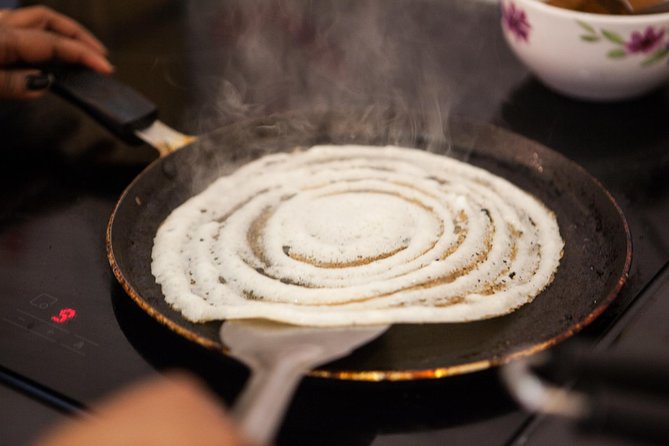
- Dosas are likely to be a highlight: These thin, crepe-like pancakes are cooked fresh and served hot.
- The menu can vary: You might make tomato or coconut chutney, a meat or vegetable curry, idlis, or other South Indian staples.
- A real home setting: You visit a family home on the outskirts of London, not a school or restaurant.
- Food and drinks are included: The experience includes a home-cooked meal, alcoholic drinks, and non-alcoholic options.
- Allow about two and a half hours: Cooking takes roughly one to one and a half hours, followed by the meal.
Why Orpington changes the feel of the experience
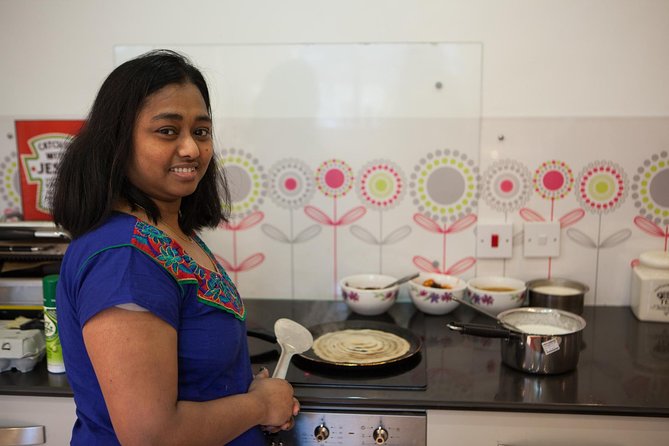
This is not a central London food walk with a series of quick tastings. You meet at Station Approach in Orpington, in London Zone 6, and continue to a quiet suburban home. The area is known for professional working families, which gives you a more ordinary side of London than you see around Westminster, Covent Garden, or the South Bank.
That setting matters. You are not simply being shown a prepared dish by a chef working in a purpose-built kitchen. You are stepping into the home of Jemima, who has cooked South Indian food throughout her life. Her husband Aaron and their children may be home, adding a family dimension that makes the visit feel more personal.
You should allow extra time for the journey from central London. The meeting point is near public transportation, but hotel pickup and drop-off are not included. If you are planning a full day of sightseeing, treat this as a dedicated half-day outing rather than something to squeeze between major attractions.
The distance is the main tradeoff. For me, the appeal is that Orpington makes the meal feel connected to real daily life. If your priority is staying within the center, this may not be the right choice. If you want a quieter, more personal food experience, the trip is part of the point.
More Indian Cooking Classes in the world:
- Indian Cooking Class in an Authentic Local Home – Learn 6 Dishes
★ 5.0 · 195 reviews - Authentic Indian Cooking Classes at Palolem Beach Road Goa
★ 5.0 · 132 reviews - Indian Traditional Hands On Cooking Classes with local Family
★ 5.0 · 69 reviews
Cooking with Jemima for one to one and a half hours
The cooking portion lasts about one to one and a half hours, depending on the size of your group. Since the class is private, you can ask questions as they come up rather than waiting for a scheduled pause. That is useful with South Indian cooking, where the texture of a batter, the timing of a tempering step, or the balance of spices can matter as much as the ingredient list.
You may learn to make a traditional tomato chutney or coconut chutney. These are simple-sounding dishes, but they show how South Indian meals build flavor through a few well-used ingredients. You might also prepare a meat or vegetable curry, along with dosas or idlis.
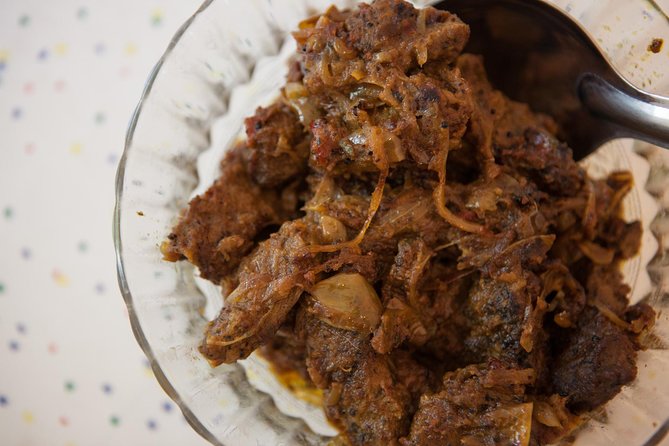
The dishes are not fixed in every detail. That gives the experience some flexibility, but it also means you should not book expecting one guaranteed menu unless the details have been confirmed for your date. The sample meal includes beef ularthiyathu, a dry roasted beef dish cooked with onions and spices, but your meal may feature a different meat or a vegetable curry.
Dosas are one of the most appealing possibilities. They are thin pancakes made from fermented lentil and rice batter, and they need to be cooked close to serving time. You may also encounter idlis, soft steamed cakes made from a related batter. These foods give you a useful introduction to the range of South Indian cooking, from crisp and thin to soft and steamed.
I would pay attention to how Jemima handles the batter and the heat. Those are the kinds of small details that are hard to understand from a recipe alone. The private format gives you a better chance to ask why a dosa tears, how thick it should be, or how to tell when it is ready.
Eating the meal you helped prepare
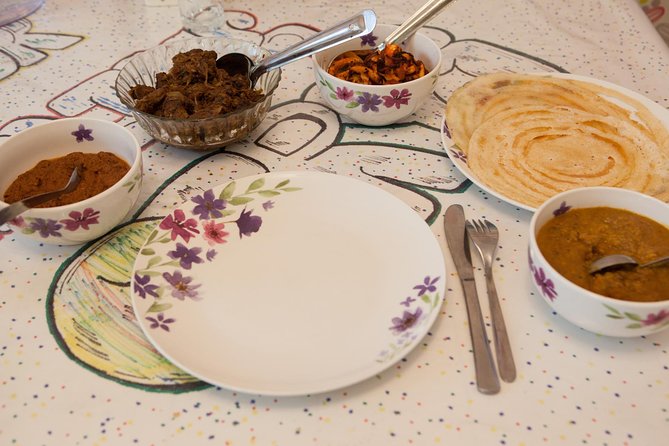
After cooking, you eat the meal at the kitchen dining table. In summer, the meal may be served on the back patio. The sample menu begins with a welcome Indian drink, such as chaas, a spiced buttermilk yogurt drink, then moves to dosas with tomato chutney, beef ularthiyathu, coconut rice, and fresh fruit.
That menu shows the range of the meal. You are not getting one large curry and a pile of rice. You may have a light drink, a crisp dosa, a sharp or creamy chutney, a dry roasted meat dish, rice, and fruit. Each item brings a different texture and level of spice.
One practical detail is easy to miss: Jemima does not eat with you. She serves the meal and chats while you eat, but she stays busy so she can keep the dosas piping hot. I see this as a small social tradeoff rather than a flaw. You do not get a shared family dinner with everyone seated at once, but you do get fresh dosas at their best.
The meal also seems to extend beyond the food prepared during the lesson. Jemima and Aaron may have additional dishes ready for you to try. This can make the meal feel more generous, though the exact selection depends on the day and the host.
The atmosphere is meant to be relaxed. You can talk with Jemima and Aaron about the ingredients, family cooking, and South Indian food in general. Past visitors particularly valued hearing their stories and learning how the ingredients were used. If you enjoy conversation as much as cooking, that personal time is a major part of the value.
What the food can teach you about South Indian cooking
A short class cannot cover every regional style or technique, but it can give you a useful set of building blocks. Chutney shows how fresh ingredients can be turned into a bright accompaniment. Coconut chutney brings one kind of richness, while tomato chutney offers a different balance of acidity and spice.
A curry gives you a chance to see how onions, spices, meat, or vegetables are brought together. The sample beef ularthiyathu is particularly different from a wet curry because the meat is dry roasted with onions and spices. If that dish is served, it gives you a good example of how South Indian cooking can be bold without relying on a thick sauce.
Dosas also make the class practical. They are not just something to taste at a restaurant. You can watch how the fermented rice and lentil batter is spread and cooked, then eat the result immediately. That direct link between technique and meal is more useful than a demonstration where you never handle the food.
The class may be especially worthwhile if you cook at home and want recipes you can repeat. One past visitor discovered dishes they planned to cook again, and the host adjusted the food to suit their taste. Still, you should be clear about your preferences before the class begins. The information provided does not promise a specific level of spice or a particular dietary menu for every booking.
More Home Cooking Classes in the world:
- Khmer Cooking Class at a Local’s Home in Krong Siem Reap
★ 5.0 · 2,731 reviews - Local Home Korean Cooking Class & Market Adventure in Seoul
★ 5.0 · 1,024 reviews - Marrakech: Moroccan Cooking Class with a Local Family
★ 4.9 · 668 reviews - Mexican Cooking from Scratch in a Local Home in Tulum
★ 5.0 · 585 reviews
A private experience, not a large group lesson
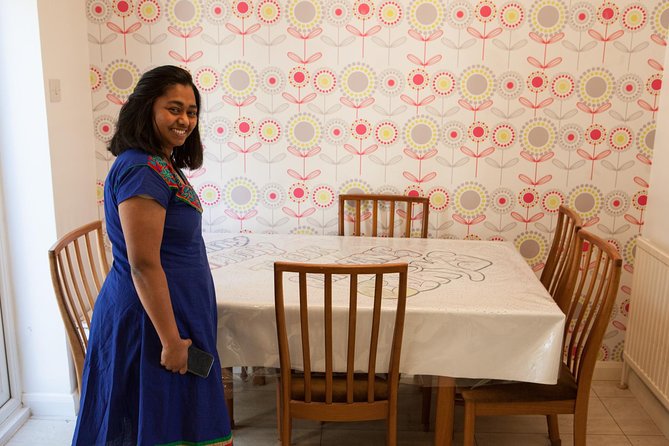
The tour is private, so only your group takes part. That is important at $105 per person because you are paying for more than a meal. You are paying for personal instruction, access to a home, drinks, conversation, and the chance to shape the pace around your group.
The price makes the most sense for people who value interaction. If you want a low-cost way to sample Indian food, a London restaurant will be cheaper and more convenient. If you want to learn how the dishes are made and ask Jemima questions throughout the process, the private structure gives the price a clearer purpose.
Group discounts are available, which may improve the value for a small family or group of friends. The private setup also means you do not have to cook beside strangers or match the pace of a large class. You can focus on the food and conversation without worrying about keeping up with a room full of people.
The tradeoff is that you are visiting a private residence, not a polished culinary venue. The experience is likely to feel more informal and personal. That is exactly what many people want, but anyone looking for a formal chef-led school should set expectations differently.
Drinks, conversation, and the family welcome
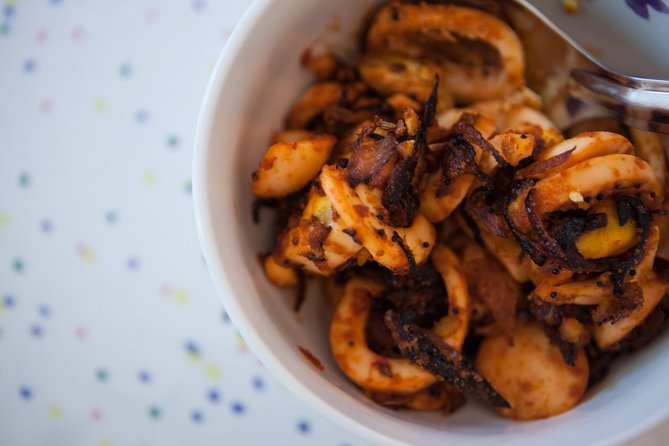
Alcoholic and non-alcoholic drinks are included. The welcome drink may be chaas, a spiced yogurt drink, while the meal can include other options. The information does not specify every drink served, so do not book expecting a particular wine, beer, or cocktail.
The social side is a strong reason to choose this experience. Jemima and Aaron are available to chat, and you can ask about ingredients, cooking methods, and South Indian food. Their family may also be at home, which makes the visit feel connected to a working household rather than staged for a class.
One past meal included many different dishes beyond the food prepared during the class. That is worth keeping in mind if you have a large appetite or want to compare several South Indian flavors in one sitting. You may not be able to take leftovers home, so enjoy the meal while you are there.
I would also remember that the host may be serving rather than sitting down. The conversation remains part of the experience, but it is not quite the same as being invited to a family dinner where everyone eats together. For some people, hot food and attentive service are the better arrangement.
Timing, access, and useful planning details
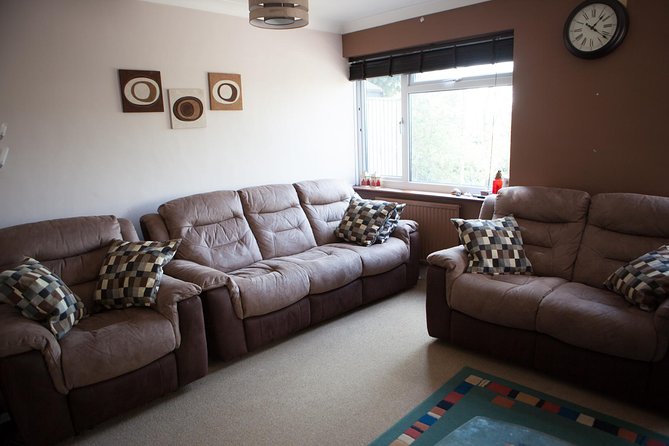
The full experience lasts about two hours and thirty minutes. Cooking takes roughly one to one and a half hours, with the remaining time used for eating, conversation, and the welcome part of the visit. The exact pace depends partly on the size of your group.
You meet at Station Approach, Orpington, BR6 0SX, and finish back at the meeting point. Public transportation is nearby. Since pickup and drop-off are not included, check the journey from your accommodation and leave enough time to reach Orpington without rushing.
The activity is offered in English. A mobile ticket is available, and confirmation is provided at booking. Service animals are allowed. If you have food allergies, strong dislikes, or dietary restrictions, I would contact the provider before booking because the supplied details do not set out a standard allergy or dietary policy.
Free cancellation is available when you cancel at least 24 hours before the start time. Changes or cancellations made within 24 hours are not accepted for a refund, and the cut-off follows local time.
Who will enjoy this South Indian cooking class?
I would choose this for a couple, family, or small group of friends who want food and conversation rather than a fast sightseeing stop. It suits people who enjoy learning by doing, especially anyone curious about dosas, chutneys, fermented batters, and South Indian curries.
It is also a good fit if you want to see a less familiar part of London. Orpington is not a major sightseeing district, so the visit gives you a reason to head into a residential area and see how an Indian family home fits into the wider city.
Families may appreciate the private format, since the class can be more relaxed than a large public lesson. Service animals are allowed, but the supplied information does not give details about child ages, kitchen layout, or other accessibility features. Ask those questions before booking if they matter to your group.
I would be more cautious if you need a guaranteed dish, a formal restaurant setting, or a central London location. The menu can vary, and the host may prepare several foods beyond the dishes you help make. That variety is part of the charm, but it also means the experience has a home-hosted feel rather than a fixed cooking-school format.
Should you book the Orpington home cooking experience?
Book it if you want a personal South Indian meal with real conversation, direct help from Jemima, and a look inside a London family home. The strongest reasons are the private class, the fresh dosas, the chance to ask questions freely, and the warm connection with Jemima and Aaron.
Skip it if you are short on time, want to stay in central London, or prefer a fixed menu and a professional teaching kitchen. At $105 per person, the value comes from the complete visit: instruction, food, drinks, and personal hosting. It is not simply a restaurant meal.
For most people who enjoy food with a human connection, I think the trip to Zone 6 is justified. Plan the journey carefully, keep an open mind about the menu, and arrive ready to cook, eat, and talk.
FAQ
Where does the South Indian cooking class take place?
The experience takes place in Jemima’s family home in Orpington, London Zone 6. You meet at Station Approach, Orpington, BR6 0SX, and finish back at the meeting point.
How long does the experience last?
The total duration is approximately two hours and thirty minutes. The cooking section lasts about one to one and a half hours, depending on the size of your group.
What dishes might I learn to make?
You might learn to make tomato or coconut chutney, a meat or vegetable curry, dosas, or idlis. The menu can vary.
What food is included?
A sample menu includes chaas, dosas with tomato chutney, beef ularthiyathu, coconut rice, and fresh fruit. Your meal may be different. A home-cooked South Indian meal is included.
Are drinks included?
Yes. Alcoholic and non-alcoholic beverages are included. A welcome Indian drink, such as chaas, may be served.
Is the cooking class private?
Yes. Only your group participates. Group discounts are available, and the experience is offered in English.
More Hands-On Workshops in the world
- Half-Day Thai Cooking Class at Organic Farm in Chiang Mai
★ 5.0 · 19,087 reviews - Florence: Pasta Cooking Class with Unlimited Wine
★ 4.9 · 10,285 reviews - 3 in 1 Cooking Class near Navona: Fettuccine, Ravioli & Tiramisu
★ 5.0 · 7,376 reviews - Florence: Pasta & Tiramisu Cooking Class with Unlimited Wine
★ 4.9 · 6,708 reviews
Just added around the world
- Tribal Cooking Class in Luang Prabang Forest and visit★ 5.0 · 15 reviews
- Hands On Pasta and Gelato Cooking Class in LUCCA★ 5.0 · 14 reviews
- Typical Dining & Cooking Demo at Local’s Home in Lucca★ 4.5 · 6 reviews
- Traditional Market Tour and Private Laotian Cooking Class with a Local★ 5.0 · 13 reviews
- Luang Prabang Cooking, Pottery & Candle Experience★ 5.0 · 4 reviews
- Evening Bamboo weaving & Cooking classes join-in★ 5.0 · 17 reviews
- Full Day bamboo experience with cooking class & Kuang si waterfalls★ 5.0 · 5 reviews
- The Namkhan – Cooking Class★ 5.0 · 8 reviews
Indian Cooking Classes, compared.
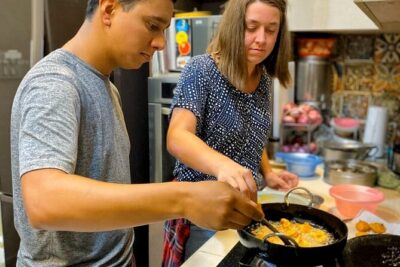
Indian Cooking Class in an Authentic Local Home – Learn 6 Dishes
Read our review →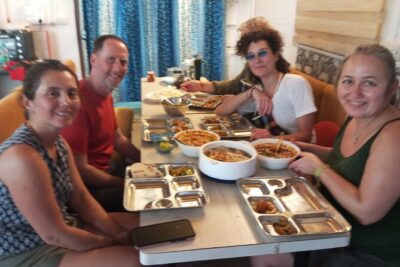
Authentic Indian Cooking Classes at Palolem Beach Road Goa
Read our review →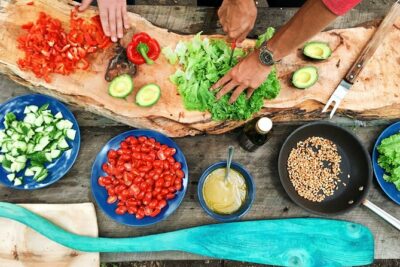
Indian Traditional Hands On Cooking Classes with local Family
Read our review →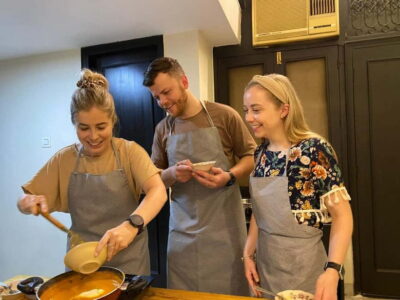
Traditional Indian Cooking Class in Goa, Anjuna [vegetarian]
Read our review →
Mumbai: Indian Cooking Class & Cultural Delights
Read our review →
Indian Cooking Class with Local Family in Jaipur
Read our review →Browse the lists this tour appears in