
Review · COOKING CLASSES
Zambian Food Cooking Class in Lusaka
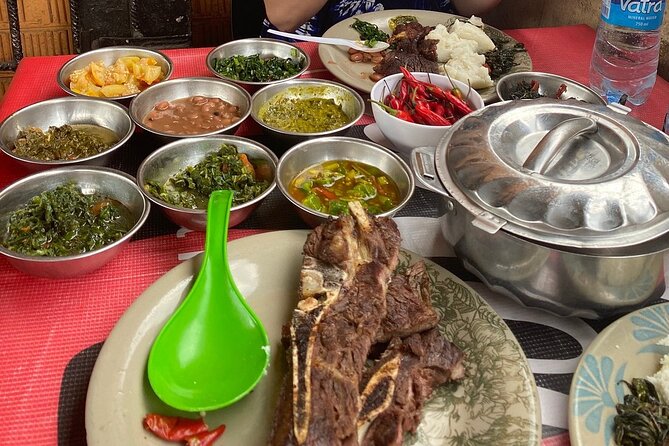
The best part of this Lusaka experience is that you do not just taste Zambian food, you learn how a home-style meal comes together. With Clare Malata guiding you, you may prepare nshima, leafy vegetables such as kalembla, chicken, okra, ifisashi, cassava, and roasted groundnuts, then sit down to eat what you made.
I like the private format, since you can ask questions freely and set the pace for your own group. I also like the option of having Clare come to your self-catering accommodation, which saves you a trip across Lusaka and makes the lesson feel more personal.
The main consideration is the price, $78 per person, for about three hours. That is fair if you value instruction, a full meal, and one-on-one attention, but it may feel high if you only want a quick tasting.
Key points
- Cook a full Zambian meal: Prepare nshima and side dishes, then eat them for lunch.
- Learn with Clare Malata: The class is private, so questions and hands-on practice are welcome.
- Try more than one dish: Possible foods include kalembla, chibwabwa, chicken, okra, ifisashi, cassava, and roasted groundnuts.
- Use traditional utensils: The lesson connects ingredients with familiar Zambian cooking methods.
- Choose your setting: Clare can come to your self-catering accommodation.
- Plan ahead: The experience is often booked about 23 days in advance.
A three-hour introduction to Zambian home cooking
This cooking class gives you a useful way to meet Zambia through food. Instead of sitting in a restaurant and guessing what is on your plate, you take part in preparing it. The focus is not on fancy presentation. It is on everyday ingredients, traditional utensils, and the food people make at home.
The class lasts about three hours, which gives you enough time to cook, ask questions, and eat a proper meal. You are not rushed through a short demonstration. Participation is encouraged, and Clare invites questions as you work.
The exact selection can vary. The central dish is usually nshima, the firm maize-meal staple served with many Zambian meals. You may also prepare kalembla, made from sweet potato leaves, or chibwabwa, made from pumpkin leaves. Chicken, okra, ifisashi, cassava, and roasted groundnuts may also be part of the meal.
That range is useful because it shows how a Zambian meal is built. Nshima provides the filling base, while vegetables, meat, and other side dishes provide variety. You will leave with a better sense of how the food fits together, not just a list of unfamiliar names.
More Food and Drink Tours in the world:
- Small Group Cooking Class & Market Food Tour in Florence
★ 5.0 · 1,574 reviews - Paella Cooking Class, Wine Tasting & Central Market in Valencia
★ 5.0 · 1,150 reviews - Athens: Food Market Visit and Cooking Class with Wine
★ 4.9 · 1,087 reviews
Starting with nshima and local ingredients
Nshima is the dish to pay close attention to. It is made from maize meal and is one of the defining staples of Zambian cooking. The finished porridge is firm rather than soupy, and it is traditionally eaten alongside other dishes.
You will learn how to prepare it with the tools used in a traditional kitchen. The information provided does not give a fixed step-by-step recipe or name every utensil, so you should expect Clare to explain the method as the class unfolds. That is a good reason to ask questions and watch closely.
The leafy vegetables add a different lesson. Kalembla, or sweet potato leaves, and chibwabwa, or pumpkin leaves, show how familiar plants become central parts of a meal. Ifisashi is another local vegetable dish that may be included. These are not decorative extras. They help turn nshima into a complete lunch.
You may find this part more useful than the meat course if you want to cook Zambian food at home. Leafy vegetable dishes can help you recreate the style of the meal even if you cannot find every ingredient after returning home.
Cooking chicken, okra, cassava, and groundnuts
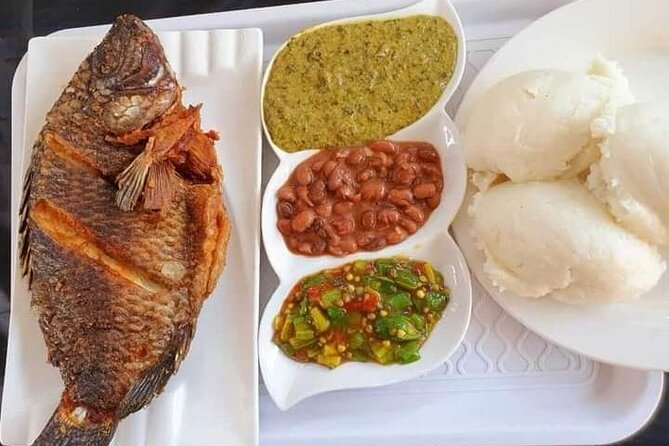
The class can include several side dishes, which makes the meal more varied than a single-recipe lesson. Chicken adds a familiar ingredient prepared in a local context. Okra brings another vegetable texture, while cassava and roasted groundnuts introduce foods that may be less familiar to you.
One useful detail comes from the class format: the food does not end when the cooking stops. You eat the dishes you have prepared as a full meal with your tutor. That meal gives you time to compare the dishes and ask about how they are normally served.
A previous booking included nshima, okra, and ifisashi, along with additional local dishes brought by Clare and her friend. That suggests you may get to sample more than the recipes you actively prepare, though the exact menu is not fixed in the available details. If tasting a wider range of foods matters to you, ask about the planned menu before booking.
Roasted groundnuts and cassava are especially useful additions for a first introduction. They broaden the class beyond the better-known maize staple and show how different ingredients can appear in a Zambian meal or snack.
Why the private lesson matters in Lusaka
This is a private activity. Only your group takes part, so you do not have to share the kitchen or compete for the tutor’s attention. That matters in a cooking class, where the value comes from handling ingredients, seeing the correct texture, and asking questions at the right moment.
A large group lesson can leave you watching from the side. Here, you can request clarification, repeat a technique, and talk about the food as you prepare it. If you have dietary questions or want to understand an unfamiliar ingredient, a private setting gives you room to raise the subject.
The class also suits different cooking abilities. A beginner can ask for basic explanations, while a more confident cook can focus on the details of local preparation. The available information does not promise menu customization, so you should not assume that every dietary need or preference can be accommodated. Ask before booking if that is important to you.
The private format is also helpful for couples, families, or friends who want a shared activity. You are not simply watching a guide cook. You are working toward a meal together.
More Food Experiences in the world:
- Undiscovered Charleston: Half Day Food, Wine & History Tour with Cooking Class
★ 5.0 · 948 reviews - Vietnamese Food Cooking Class in Hanoi with Market Experience
★ 5.0 · 778 reviews - Milan: Italian Cooking Class with Food and Wine
★ 4.7 · 509 reviews - Mexican Cooking Class with Food Market Visit in Mexico City
★ 5.0 · 506 reviews
Having Clare come to your accommodation
You may request the class at your self-catering accommodation in Lusaka. Clare is happy to come to you, which can make the day easier if you already have access to a kitchen and want to avoid arranging extra transport.
This option is particularly handy after a busy day of sightseeing. You can cook where you are staying, eat the meal there, and avoid a second outing afterward. Pickup is also offered, although the available details do not explain the pickup area, timing, or whether an extra charge applies. Confirm those points before you book.
The accommodation option has one practical limitation: the condition and equipment of the kitchen may affect the experience. The listing indicates that traditional utensils are used, but it does not state exactly what your accommodation must provide. Ask Clare what is needed if you want the lesson held at your lodging.
If the class takes place elsewhere, you should receive the meeting details with your booking confirmation. The activity is near public transportation, which gives you another way to reach it if pickup is not required.
The meal at the end
Once the cooking is finished, you are left to enjoy your Zambian meal. This is more than a quick sample. The activity is designed to include the food in the price, and the meal is the natural payoff for the work you have done.
Eating afterward helps you understand the balance of the dishes. Try the nshima with each side dish rather than tasting everything separately. The leafy vegetables, chicken, okra, cassava, and other foods will each change the experience of the maize meal.
You can also use this time to ask about serving habits and ingredients. The supplied information does not promise a formal cultural talk, so do not expect a lecture. The strength of the experience is its direct, practical approach: cook, ask, eat, and take the ideas home.
Clare may bring extra local dishes, as she did for one booking that included additional food beyond the three dishes prepared during the lesson. This is a pleasant bonus, but the exact extras should be treated as subject to availability rather than guaranteed.
Is $78 a good value?
At $78 per person, this is not the cheapest way to get lunch in Lusaka. It is also not meant to be. You are paying for about three hours of private instruction, the ingredients, the meal, and the chance to have the session at your accommodation.
The value is strongest if you want participation rather than observation. A restaurant meal may cost less, but it will not show you how nshima is made or let you practice a leafy vegetable dish with a local tutor. A group class might also be cheaper, but it would not provide the same private attention.
The value is weaker if your main goal is simply to taste Zambian food. In that case, a restaurant or market visit may offer a broader meal for less money. This class makes the most sense when you want skills, conversation, and a meal connected to the cooking process.
Food is included, so you do not need to budget separately for the dishes prepared during the experience. Since the precise menu can vary, ask what you will cook before deciding if the price fits your interests.
Who will enjoy this class most?
I would recommend it to food-focused visitors who want an activity with real participation. It suits you if you like asking questions, trying unfamiliar ingredients, and learning recipes you can adapt at home.
It is also a good choice for anyone who wants a calm private experience rather than a large group tour. Families and small groups can work together without being joined by other participants. Most people can take part, according to the activity information.
The class may appeal to self-catering visitors in particular. If you are staying in an apartment or other accommodation where Clare can cook with you, the setting can be convenient and relaxed.
You should think twice if you want a tightly fixed itinerary or a polished restaurant-style meal. The experience is centered on hands-on cooking and home-style food. The menu and setting may have some flexibility, which is part of its charm but may not suit someone looking for a fixed menu.
Timing, booking, and weather notes
The class takes about three hours, so leave room in your day rather than scheduling another major activity immediately afterward. You should have enough time to cook and eat, but the pace may depend on the dishes chosen and the questions you ask.
It is usually booked about 23 days ahead. That is useful planning advice if your dates in Lusaka are fixed. Confirmation is received at booking, and the activity is available with a mobile ticket.
You can cancel for a full refund if you do so at least 24 hours before the start time. Changes or cancellations made inside that 24-hour window are not accepted for a refund. The cut-off follows local time.
The experience requires good weather. If poor weather causes cancellation, you will be offered another date or a full refund. Since this is a cooking class, weather may affect the meeting or accommodation arrangements rather than the food itself, so confirm the plan if the forecast looks uncertain.
Should you book the Lusaka cooking class?
Book it if you want to do more than order Zambian food. The private lesson with Clare Malata gives you hands-on time with nshima, local vegetables, and other ingredients, followed by the meal you helped prepare.
The best reasons to choose it are the private setting, the option to cook at your accommodation, and the chance to try several dishes in one sitting. The strongest caution is the $78 price, especially if you are mainly seeking a tasting rather than instruction.
Before booking, ask which dishes are planned, where the lesson will take place, and how pickup works for your location. If those details suit your plans, this is a practical and personal way to meet Zambian cooking in Lusaka.
FAQ
How long does the Zambian cooking class last?
The class lasts approximately three hours, including the cooking and the meal afterward.
How much does the experience cost?
The listed price is $78 per person.
Is food included in the price?
Yes. The food prepared during the class is included, and you eat the meal after cooking.
Is the cooking class private?
Yes. Only your group participates in the activity.
Can the class take place at my accommodation?
Yes. You may request the class at your self-catering accommodation, and Clare is happy to come to you.
What foods might I learn to cook?
Possible dishes include nshima, kalembla, chicken, roasted groundnuts, cassava, chibwabwa, okra, and ifisashi. The exact menu may vary.
Is pickup available?
Pickup is offered. The available information does not specify the pickup area or any possible extra charge, so confirm those details when booking.
What is the cancellation policy?
You can cancel at least 24 hours before the start time for a full refund. Cancellations or changes made less than 24 hours before the start time are not accepted for a refund. If poor weather causes cancellation, you will be offered another date or a full refund.
More Hands-On Workshops in the world
- Half-Day Thai Cooking Class at Organic Farm in Chiang Mai
★ 5.0 · 19,087 reviews - Florence: Pasta Cooking Class with Unlimited Wine
★ 4.9 · 10,285 reviews - 3 in 1 Cooking Class near Navona: Fettuccine, Ravioli & Tiramisu
★ 5.0 · 7,376 reviews - Florence: Pasta & Tiramisu Cooking Class with Unlimited Wine
★ 4.9 · 6,708 reviews
Just added around the world
- Authentic Pasta and Tiramisù cooking class at spanish steps★ 4.5 · 14 reviews
- Rome: Pasta Cooking Class, Dinner & Wine in Authentic Restaurant★ 5.0 · 38 reviews
- Rome Cooking Class★ 5.0 · 4 reviews
- Rome: Private Cooking Class with Market Shopping Tour★ 5.0 · 3 reviews
- Roma Foodie Experience: Cooking Class★ 5.0 · 16 reviews
- Pizza, Gelato & Suppli Cooking Class by Colosseum★ 5.0 · 79 reviews
- Rome: Pizza Cooking Class combined with Guided Sightseeing★ 4.5 · 6 reviews
- Rome – Tagliatelle Cooking Class with sit down Meal & Prosecco★ 4.5 · 3 reviews
Cooking Classes, compared.
Half-Day Thai Cooking Class at Organic Farm in Chiang Mai
Read our review →
Florence: Pasta Cooking Class with Unlimited Wine
Read our review →
3 in 1 Cooking Class near Navona: Fettuccine, Ravioli & Tiramisu
Read our review →
Hanoi Cooking Class: Culture, Local Market & Meaning CSR Impact
Read our review →
5 Traditional Dishes Hanoi Cooking Class with Market Trip
Read our review →
Cooking Class and Lunch at a Tuscan Farmhouse with Local Market Tour from Florence
Read our review →
Chiang Mai: Cooking Class, Market & Thai Herbs Garden Tour
Read our review →Browse the lists this tour appears in