
Review · NEPAL
Nepalese Momos or Dal Bhat Cooking Class (Cook with Delight)
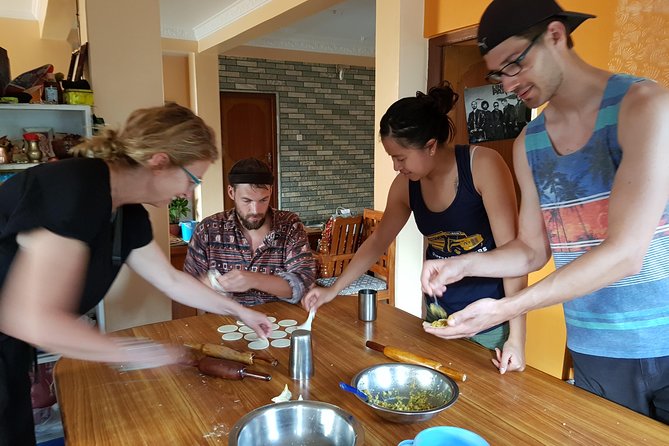
Pokhara is a fine place to learn the two Nepali dishes you are most likely to miss after leaving: momos, the neatly folded steamed dumplings, and dal bhat, the everyday rice-and-lentil meal. At Hotel Diplomat, a local family takes you through the process from a printed recipe to a full plate, then you sit down and eat your work.
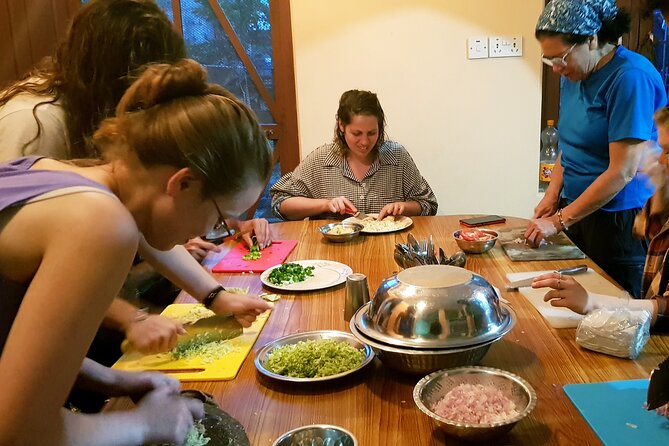
I like the small five-person limit, which gives the cooking real hands-on value rather than turning it into a demonstration. I also like the central setting, less than 10 minutes on foot from Phewa Lake, and the fact that your meal, soft drinks, and water are included.
The main consideration is the short format. At about two hours, this is a focused introduction, not a long culinary course. If you want to make both momos and dal bhat in one visit, this experience does not promise that option, so choose your session carefully.
Key points to know before booking
- Choose one Nepali classic: Take the lunchtime dal bhat workshop or the evening momo class.
- Expect personal help: The group is capped at five people, so you can ask for help with tricky steps.
- Learn at Hotel Diplomat: The meeting point is on Pragati Marga, under a 10-minute walk from Phewa Lake.
- Eat what you prepare: A home-cooked meal comes with complimentary soft drinks and water.
- Take the recipe home: You receive a printed recipe and can use it to recreate the dish later.
- Allow about two hours: The session includes instruction, preparation, and time to eat.
Why momos and dal bhat make good Pokhara souvenirs
Food is one of the best ways to carry a place home. Photographs show where you went, but a recipe lets you repeat part of the experience months later. This class gives you that practical souvenir, along with the chance to sit down with a local family and ask questions about Nepali cooking and daily food habits.
Momos are the playful choice. They are steamed dumplings filled and shaped by hand, and the folding technique takes practice. The details matter: finger and thumb placement, the pressure of your grip, and the way you seal the edge all affect the final shape. Perfect-looking dumplings are not required, but the process rewards patience.
Dal bhat is the more substantial lunchtime option. The name refers to rice and lentils, but a dal bhat set can include several parts prepared as a meal. The exact ingredients and steps are not specified here, so you should expect instruction in the Nepali set offered that day rather than a fixed restaurant-style menu.
Choose momos if you want a hands-on activity with a clear technique to practice. Choose dal bhat if you want a fuller introduction to an everyday Nepali meal and prefer a midday session.
More Hands-On Workshops in Nepal:
- Half day cooking class in Thamel kathmandu
★ 5.0 · 607 reviews - Kathmandu: Local Women-Led Nepali Cooking & Momo Class
★ 4.9 · 360 reviews - Kathmandu: Local Lead Nepali Cooking & Momo-Making Class
★ 5.0 · 212 reviews
Starting at Hotel Diplomat near Phewa Lake
You begin on the ground floor of Hotel Diplomat, at Pragati Marga in Pokhara. The location is convenient if you are staying around the lake, with the hotel less than 10 minutes on foot from Phewa Lake. That makes it easy to fit the class between sightseeing, a lakeside walk, or another activity in central Pokhara.
The meeting point is also the ending point. There is no separate transfer to arrange, which keeps the logistics simple. You receive a mobile ticket, and booking confirmation is provided at the time of booking.
The hotel itself adds a home-style feel to the class. One participant found the hotel charming and said it would be appealing as a place to stay on a future visit. That does not turn the cooking class into a hotel review, but it is useful context: this is not a large commercial cooking school in a remote location. You are meeting at a small, central property where the hosts can keep the atmosphere personal.
Give yourself enough time to find Hotel Diplomat before the start. The location is central, but arriving a few minutes early is still wise when you are cooking on a set schedule.
The first step is a printed recipe
The class starts with a printed recipe in your hand. That small detail matters. You are not expected to remember every measurement or rely only on watching the chef. The paper gives you something to follow during the lesson and a useful reference when you try the dish at home.
The chef then leads you through the preparation step by step. The available information does not list every ingredient or cooking method, so I would not book this expecting a highly technical course in regional variations. What you do get is a direct lesson in making one selected dish, with the chance to ask questions as you work.
The family setting is one of the strongest parts of the experience. Sandhya taught one group to make vegetable momos, while another session was run by a father and son. The exact host may depend on the date and chosen class, but the format is clearly based on personal instruction from local home cooks rather than a scripted restaurant show.
That distinction is important. In a demonstration, you can watch a skilled cook fold ten dumplings in a row and still struggle when the dough is in your own hands. Here, you get to make the food yourself, make a few imperfect shapes, and receive help when your fingers do not quite cooperate.
The momo class: folding, steaming, and eating
The evening momo workshop is likely the more interactive of the two options. You start by preparing the components, then work on shaping the dumplings. The class focuses on making momos from scratch, not simply reheating something prepared in advance.
Shaping is where the fun and mild frustration begin. Momo dough can look simple, but creating a neat seal takes practice. You may need help with how to hold the wrapper, how tightly to pinch it, and how much pressure to use. The instruction specifically covers finger and thumb placement and grip pressure, which is the kind of small physical advice that a written recipe cannot provide.
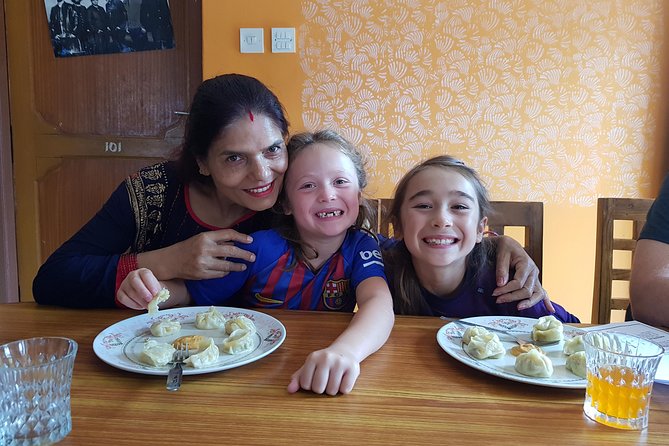
Do not worry if your first momos look uneven. The point is to learn the method and understand what makes a dumpling hold together. Your final batch may be beautifully consistent, or it may include a few lopsided pieces. Either way, you get to eat the results.
The class includes a freshly prepared meal, so the lesson ends with a satisfying payoff. Soft drinks and water are complimentary. Beer or wine may also suit the meal, but those drinks are not listed as included, so treat them as an optional extra rather than part of the $50 price.
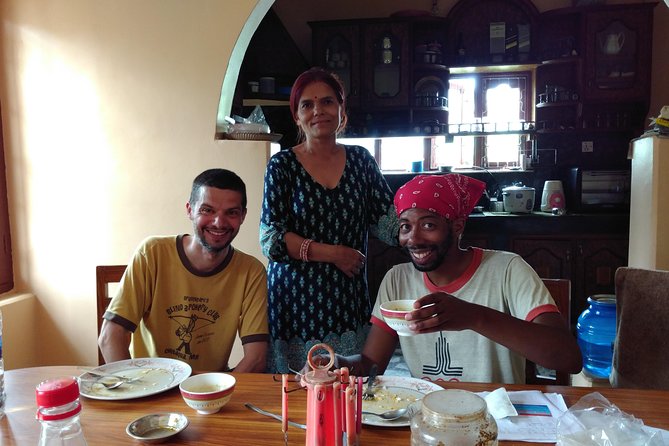
The social side is just as useful as the cooking. Once the food is ready, you have time to eat and talk with the hosts. Questions about Nepali food habits and home cooking fit naturally here, and the small group gives the conversation room to develop.
A few more cooking classes around Nepal worth a look
- Local Women Lead Nepali Cooking Class
★ 5.0 · 125 reviews - The best Private Nepali Cooking Class in Kathmandu
★ 5.0 · 83 reviews - Nepalese Kitchen in Pokhara: Momos or Dal Bhat Cooking Class
★ 5.0 · 67 reviews - Kathmandu: Local Women-Lead Nepali Cooking & Momo Class
★ 4.9 · 45 reviews
The dal bhat class: a fuller lunchtime meal
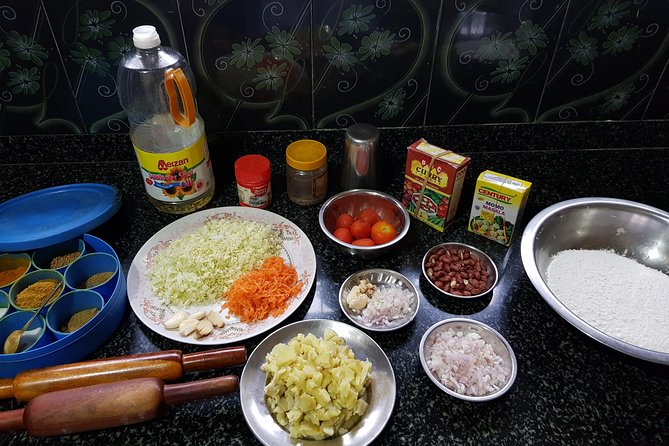
The lunchtime session teaches Nepali dal bhat. This is the better choice if you want something closer to the meal many people associate with everyday Nepali eating rather than a snack-style dish.
The class takes you through the preparation of the dal bhat set, with the chef explaining the steps while you cook. You receive the recipe at the beginning and then follow along in the kitchen. Since the tour details do not specify the exact side dishes or ingredients, anyone with strong dietary needs should ask the provider for the day’s menu before booking.
Dal bhat also works well for people who enjoy understanding how several parts of a meal come together. Instead of concentrating on one folding motion, you learn the structure of a Nepali plate built around rice and lentils. The result is a proper meal, not just a tasting.
The practical difference between the two sessions is timing and style. Momos are an evening activity and emphasize handwork, shaping, and shared conversation. Dal bhat is a lunchtime workshop and offers a more complete meal format. Both include the food you prepare, but they suit different moods.
What the five-person limit changes
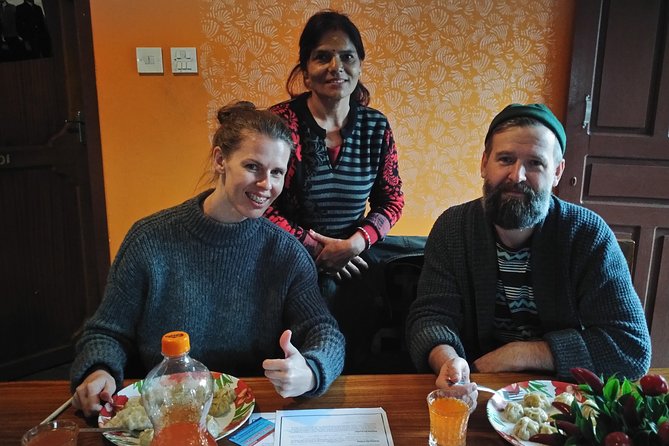
A maximum of five participants is one of the strongest reasons to consider this class. Cooking instruction works best when the chef can see what your hands are doing. With a small group, you have a better chance of getting immediate help instead of waiting behind a crowd.
This is especially valuable during the momo session. Dumpling folding is easy to understand in theory but harder to copy in practice. A host can correct your grip, show the movement again, or help you understand why the dough is opening.
A small group also leaves more room for conversation. The hosts can answer questions about Nepali habits and cooking, and the meal does not have to feel like a rushed exit after the demonstration. One participant spent time talking about Nepal as well as cooking, which points to the broader value of the experience.
There is one trade-off. A group of five is still a group, so you should not expect a private class unless you have arranged one separately. The activity is capped at five, not guaranteed to be one-on-one.
How much value you get for $50
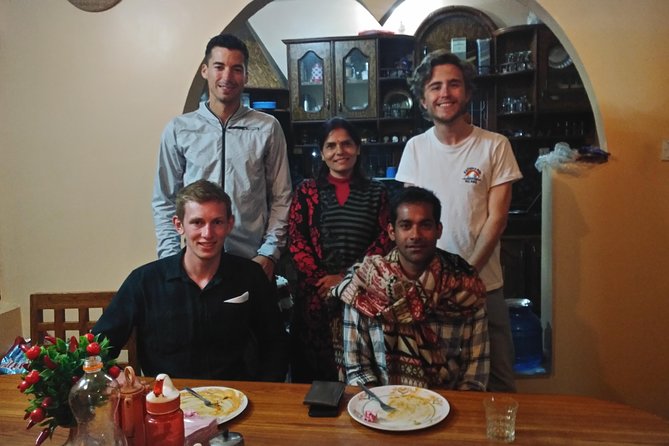
At $50, this is not the cheapest way to eat momos or dal bhat in Pokhara. You are paying for more than the ingredients and the finished plate, though. The price covers roughly two hours of instruction, a printed recipe, hands-on preparation, the meal you make, soft drinks, water, and access to a very small class.
I think the value is strongest if you want an activity rather than just lunch or dinner. A restaurant meal may cost less, but it will not teach you how to repeat the dish at home. A larger cooking class might offer more dishes, but it may give you less individual help.
The class also makes sense for people who have already eaten plenty of Nepali food and want to understand how it is prepared. You are not only consuming a local specialty. You are learning the movements behind it, particularly with momos, where technique makes a real difference.
The price is harder to justify if you simply want a quick meal, have no interest in cooking, or are looking for a long class covering several recipes. In that case, order momos or dal bhat at a local restaurant and spend the rest of your budget elsewhere.
Who will enjoy this class most
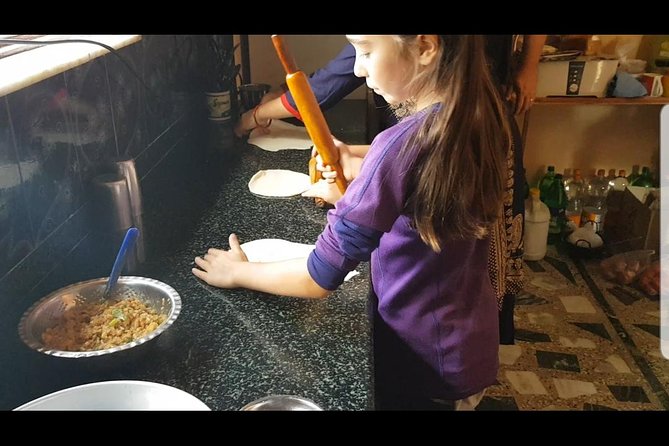
This activity suits food-focused visitors, couples, solo participants, and small groups who enjoy doing rather than watching. It is also a good choice for anyone who wants a useful memory of Nepal that can be repeated at home.
Families may like the hands-on format, though the supplied information does not give a minimum age or child-specific arrangements. Ask before booking if you are bringing children or need a particular setup.
The class is a good fit for vegetarians if you select the vegetable momo option, which has been taught in the past. Still, the available details do not promise that every date offers the same filling, so confirm your dietary requirements in advance.
It may be less suitable if you need a full cooking school curriculum, a long market visit, or instruction in several dishes. The experience is short and focused. That focus is its strength, but it also sets a clear limit.
Practical details that affect your choice
The experience lasts approximately two hours. Choose the lunchtime slot for dal bhat or the evening slot for momos. Since the two dishes are tied to different session times, check your booking carefully before paying.
The meeting point is Hotel Diplomat, Pragati Marga, Pokhara 33700, Nepal. The activity ends at the same place. It is close enough to Phewa Lake to reach on foot in under 10 minutes, which makes it a convenient addition to a central Pokhara schedule.
Service animals are allowed, and the location is near public transportation. The group limit is five people. Soft drinks and water are included, while beer or wine may be appropriate to the meal but are not listed among the included drinks.
Free cancellation is available if you cancel at least 24 hours before the local start time. Cancellations or changes made less than 24 hours ahead are not accepted for a refund.
Should you book Cook With Delight?
Book this class if you want a small, social cooking lesson and like the idea of eating your own Nepali meal afterward. The personal help with momo folding, the printed recipe, the central location, and the family-run feel give the two-hour session real purpose.
Choose the momo class for the most hands-on technique and the dal bhat class for a fuller lunchtime meal. If you want both dishes, you may need to book more than one session, since the experience offers them as separate choices.
I would skip it only if your priority is the lowest-cost meal or a long, advanced cooking course. For everyone else, the $50 price is reasonable when you value instruction, a meal, and a recipe you can use after Nepal.
FAQ
Where does the cooking class begin?
The class begins on the ground floor of Hotel Diplomat at Pragati Marga, Pokhara 33700, Nepal.
How long does the experience last?
The cooking class lasts approximately two hours.
Can I choose between momos and dal bhat?
Yes. You can choose the lunchtime dal bhat workshop or the evening momo workshop.
How many people can join the class?
The activity has a maximum of five participants.
Is a meal included?
Yes. You eat the meal you prepare during the class. Complimentary soft drinks and water are included.
Is a recipe provided?
Yes. The class begins with a printed recipe, and the chef guides you through the preparation.
What is the cancellation policy?
You can cancel up to 24 hours before the local start time for a full refund. Cancellations or changes made less than 24 hours before the start are not accepted for a refund.
Just added around Nepal
- Pokhara: Organic Farm Tour and Cooking Class at Durku★ 5.0 · 3 reviews
- Women Empowerment Project(Nepali cooking class & jewelry workshop★ 5.0 · 15 reviews
- Best Nepali Cooking Class in Thamel with Local Market Trip★ 5.0 · 26 reviews
- Nepali Cooking training & Cultural Homestay Experience★ 5.0 · 3 reviews
- Momo, Dhalbhat & Thukpa Cooking Class, Nepal★ 5.0 · 12 reviews
- Kathmandu: Local Women Lead Nepali Cooking & Momo-Making Class★ 5.0 · 17 reviews
- The best Private Nepali Cooking Class in Kathmandu★ 5.0 · 83 reviews
- Cook and Eat: Cooking Class in Kathmandu near Thamel★ 5.0 · 3 reviews
Cooking Classes, compared.
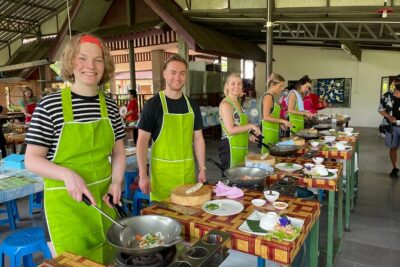
Half-Day Thai Cooking Class at Organic Farm in Chiang Mai
Read our review →
Florence: Pasta Cooking Class with Unlimited Wine
Read our review →
3 in 1 Cooking Class near Navona: Fettuccine, Ravioli & Tiramisu
Read our review →
Hanoi Cooking Class: Culture, Local Market & Meaning CSR Impact
Read our review →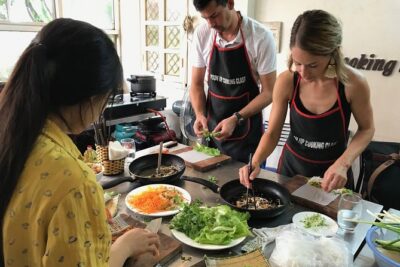
5 Traditional Dishes Hanoi Cooking Class with Market Trip
Read our review →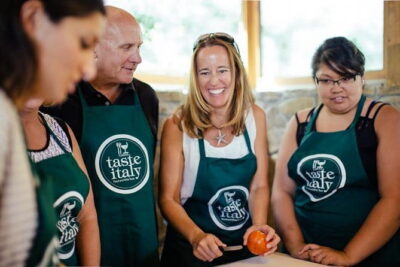
Cooking Class and Lunch at a Tuscan Farmhouse with Local Market Tour from Florence
Read our review →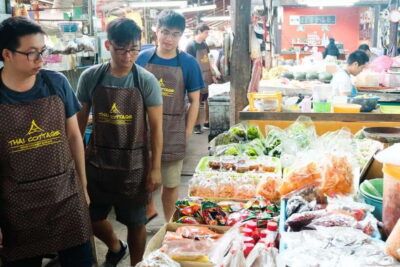
Chiang Mai: Cooking Class, Market & Thai Herbs Garden Tour
Read our review →Browse the lists this tour appears in