
Review · COOKING CLASSES
cooking traditional food in Samarkand with local people
Samarkand’s grand monuments tell only part of the story. This five-hour outing takes you from Siab Bazaar to a family home in Ravot village, where you can see the garden, help prepare Uzbek food, and share a meal with local people. It is a direct look at daily life outside the city center.
I like the easy transport, with pickup and return to your hotel, airport, or station. I also like the chance to choose dishes and see food cooked over gas, in an o’choq, or inside a tandir oven. One thing to keep in mind: the amount of hands-on cooking can vary, and one person reported doing little more than preparing vegetables before watching the rest.
Key points
- Siab Bazaar before the cooking: Browse Samarkand’s main food market, but avoid Monday, when it is closed.
- A family home in Ravot: Travel 14 km from Registan Square to Toyloq district for a more personal village visit.
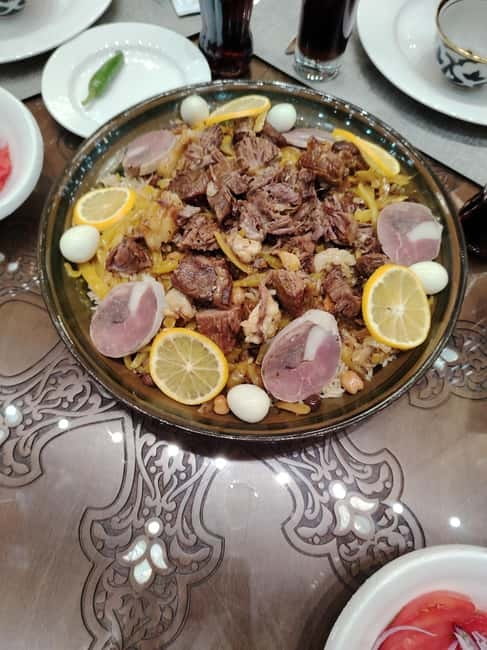
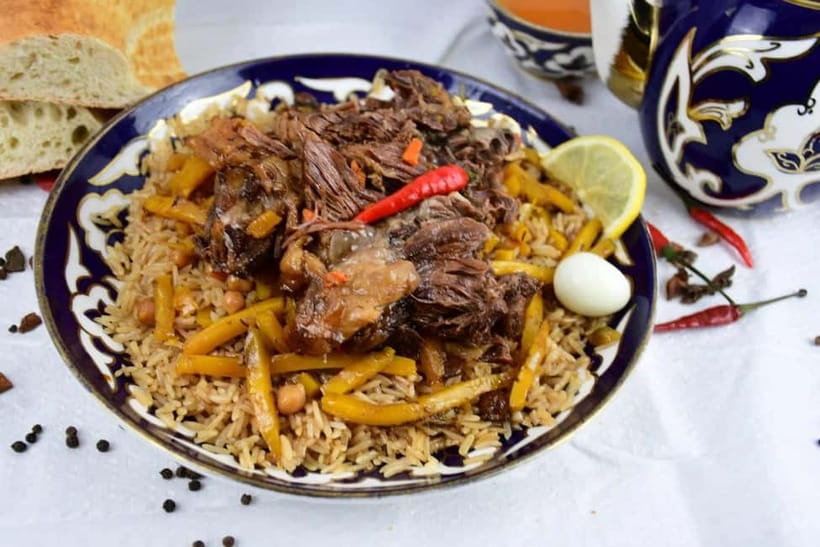
- Plov and more: Depending on your preference, you can prepare plov, hanim, salads, and other Uzbek dishes.
- Tandir bread and village cooking: See how bread is baked and how meals are made with gas or an o’choq.
- Transport is included: Pickup and drop-off can be arranged from a hotel, airport, or station.
- English-speaking host: Hosts identified in booking feedback as Akram and Navruz have welcomed visitors into their family setting.
From Siab Bazaar to a family kitchen
The day begins with transport from your hotel, airport, or station. The exact starting time depends on availability, but the total activity lasts about five hours, so it fits well into a free morning or afternoon in Samarkand.
Your first stop is Siab Bazaar. This is where you get a useful introduction to the ingredients that shape Uzbek cooking. Instead of hearing a general explanation about local food, you can see the products in their everyday setting before cooking with them later.
Siab Bazaar is closed on Mondays, so plan around that. If your visit falls on Monday, the cooking and family visit may still be possible, but the bazaar portion is not available. Ask about the schedule before booking if the market is an important reason for choosing this experience.
The market visit also gives you a chance to ask questions about the foods used in your meal. You may see the vegetables, herbs, fruit, and other products that appear in Uzbek home cooking. The value here is not simply shopping. It connects the food on your plate with the way ingredients are selected and used in the area.
More Food and Drink Tours in the world:
- Small Group Cooking Class & Market Food Tour in Florence
★ 5.0 · 1,574 reviews - Paella Cooking Class, Wine Tasting & Central Market in Valencia
★ 5.0 · 1,150 reviews - Athens: Food Market Visit and Cooking Class with Wine
★ 4.9 · 1,087 reviews
The 14-kilometer ride to Ravot
After the market, you travel to Ravot, a village in Toyloq district. The village is about 14 kilometers from Registan Square, and the road is described as good quality rather than rough or bumpy.
That short transfer changes the feel of the day. Samarkand’s historic center is built around major sights and busy sightseeing routes. Ravot offers a chance to see a family setting and learn about village routines without arranging a separate trip into the countryside.
This is not a long rural excursion. You are not spending the whole day on the road, and the village is close enough to fit into a half-day plan. I see that as a strength if you want a taste of life beyond the center but still need time for Samarkand’s major sights.
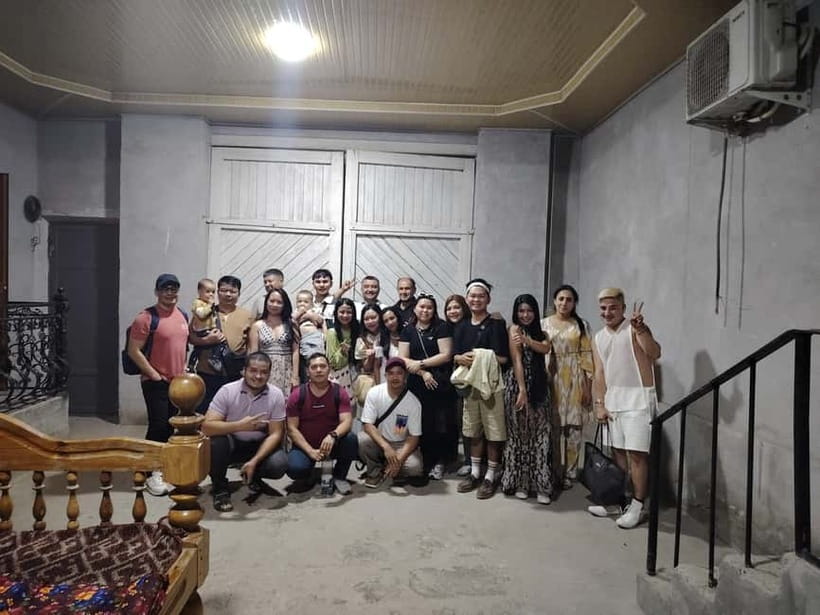
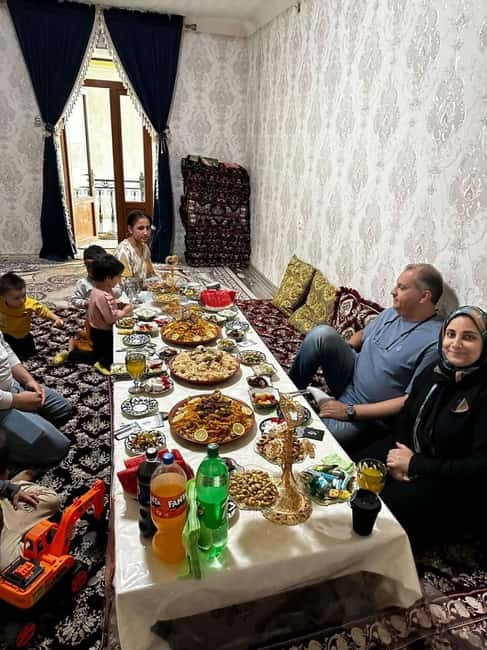
At the family home, you can meet local people and, depending on the host and the day, see the garden and nearby surroundings. Several visitors particularly valued seeing fruit trees, an orchard or garden area, and the neighborhood. These details matter because they give context to the food. You are not only learning a recipe. You are seeing where some of the ingredients and household routines belong.
Cooking plov with an Uzbek family
The main part of the experience is the cooking session. Plov is the natural centerpiece. This famous Uzbek rice dish is prepared for family meals and celebrations, and making it in a private home gives you a more useful sense of the dish than simply ordering it in a restaurant.
You can take part in the preparation if you wish. The host explains how the food is made, which tools are used, and how different cooking methods affect the result. You might cook over gas, use an o’choq, or watch bread being baked in a tandir.
The cooking is not presented as a fixed professional kitchen class. That is important. You are entering a family home, so the pace and level of participation may feel more informal. Some people have been able to prepare dishes step by step and then cook them independently. One person found the class less active than expected, with time spent mainly preparing vegetables and watching the family cook.
If you want a hands-on lesson, say so clearly at the start. Ask what you can chop, mix, shape, or cook yourself. That simple conversation may help set the right expectations. If you mainly want to watch, ask questions, and share a home meal, the relaxed format should suit you well.
Choosing dishes beyond plov
The host can arrange different Uzbek foods based on your preference. Plov is one option, and hanim is another dish mentioned by visitors. Salads and other local foods can also be included.
The exact menu is not fixed in the information provided, so you should confirm your preferred dishes when arranging the visit. This is useful if you have a particular interest in Uzbek cuisine or want to focus on one dish rather than sample several.
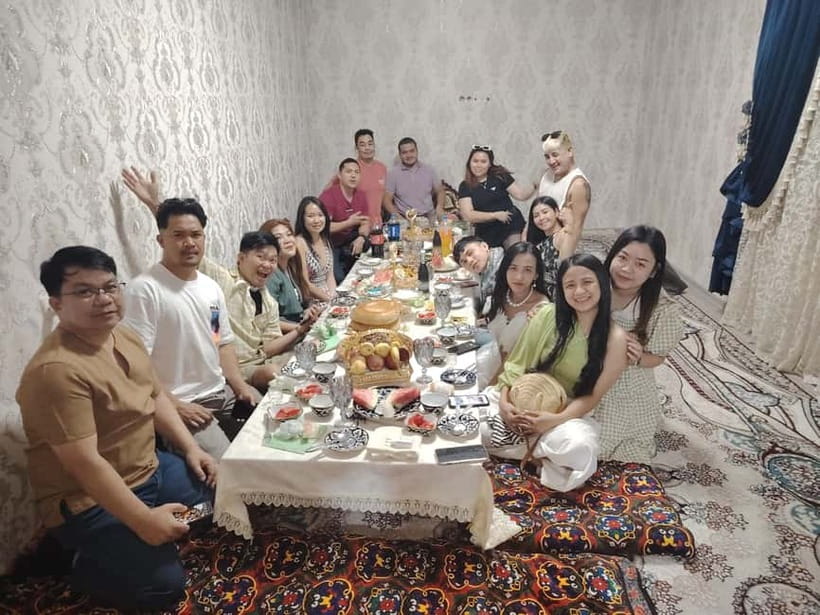
The meal includes salads, food, and beverages. You are not simply preparing a small tasting portion and then leaving. The plan is to sit down for lunch or dinner after the cooking, making the meal part of the cultural exchange.
I like this structure because it gives the cooking a purpose. You can see the ingredients being prepared, follow the process, and then eat the finished food with the family. The meal is also a natural time to ask about Uzbek customs, family life, and local traditions.
More Food Experiences in the world:
- Undiscovered Charleston: Half Day Food, Wine & History Tour with Cooking Class
★ 5.0 · 948 reviews - Vietnamese Food Cooking Class in Hanoi with Market Experience
★ 5.0 · 778 reviews - Milan: Italian Cooking Class with Food and Wine
★ 4.7 · 509 reviews - Mexican Cooking Class with Food Market Visit in Mexico City
★ 5.0 · 506 reviews
Bread in a tandir oven
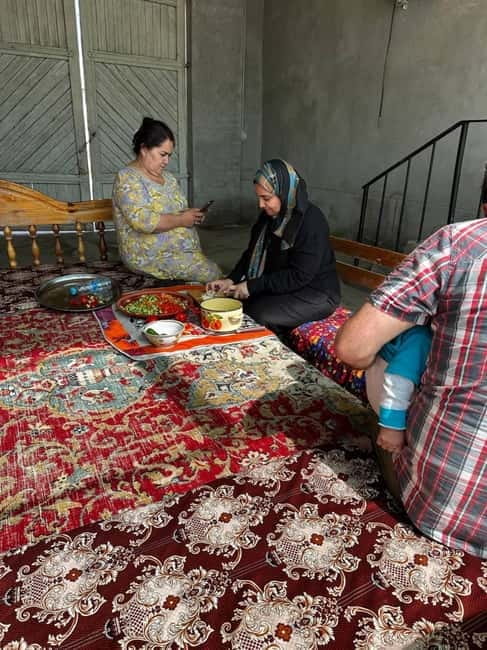
The tandir demonstration adds something different from the plov lesson. A tandir is a traditional oven used for baking bread, and the host can show you how bread is made in this setting.
Bread has a special place in Uzbek meals, so this part helps explain why a meal involves more than rice and meat. You can see a cooking method that would be difficult to understand from a restaurant table alone.
The experience also shows that Uzbek home cooking is not limited to one technique. Gas may be used for some dishes, an o’choq for others, and the tandir for bread. If you enjoy practical food traditions, ask the host to explain which foods suit each method and how the family uses them.
Conversation, family life, and cultural context
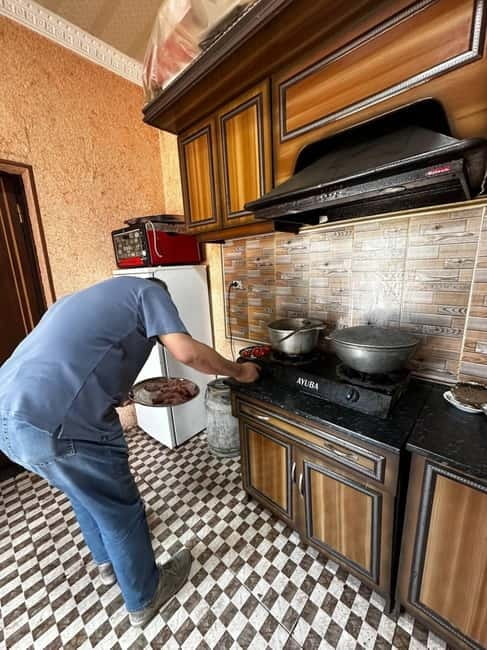
The strongest part of this outing is the contact with the family. The English-speaking hosts can talk with you about Uzbek life and traditions, and several people found the conversation as valuable as the food.
Akram is described as having excellent English and as offering useful insight into life outside the main tourist routes. Other booking feedback identifies Navruz and family members as hosts. Since names may depend on the host assigned to your booking, confirm who will meet you when you reserve.
This family setting can feel more personal than a standard cooking studio. You may see the garden, meet relatives, and hear about local customs in the home where the food is prepared. You also have room to ask questions that do not always come up during a sightseeing tour.
The visit is best approached with respect and curiosity. Local dress expectations are part of the rules: short skirts and tight clothing are not allowed. Nudity, weapons, sharp objects, and explosive substances are also prohibited. Modest, comfortable clothing is the sensible choice for a family home and a cooking session.
What the price includes at $62
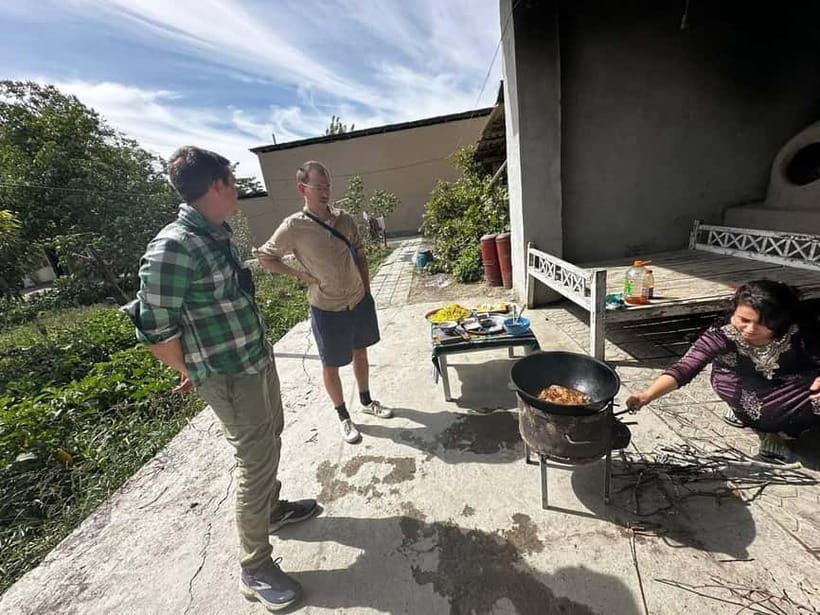
At $62 per person, this is not just a cooking lesson. The fee covers transport, the bazaar visit, the cooking masterclass, the meal with salads and beverages, and return transport.
The value depends on how you use the five hours. If you had to arrange separate taxis to the bazaar and village, find your way to Ravot, pay for a cooking class, and organize a meal, the package is convenient. Pickup and drop-off are especially useful if you are arriving by train or leaving for the airport after the visit.
The price is also paying for access to a private family setting. That is different from paying only for instruction in a commercial kitchen. You are getting food, transport, conversation, and a glimpse of village life in one half-day outing.
Still, do not book it only because you want a formal chef-led class. The level of participation may be flexible, and at least one account describes the cooking as more demonstration than active instruction. If you need a precise recipe lesson where you personally make every stage, confirm that before paying.
A practical five-hour plan
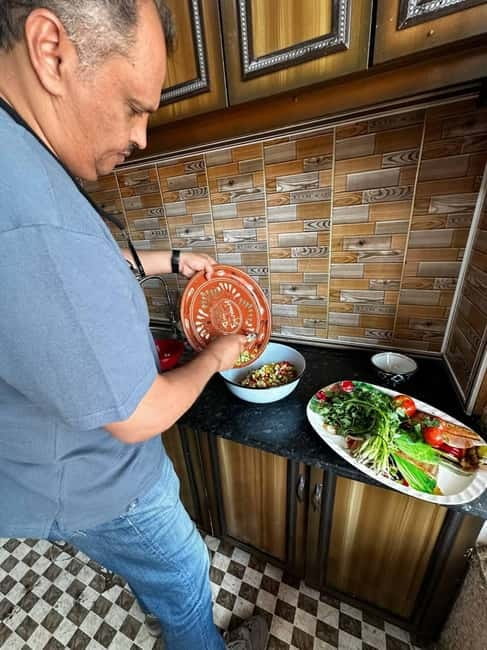
A likely flow looks like this:
- Pickup from your hotel, airport, or station
- Visit to Siab Bazaar, except on Monday
- Transfer to Ravot village in Toyloq district
- Walk around the garden or nearby area
- Cooking with the family
- Possible preparation of plov, hanim, salads, or other Uzbek dishes
- Tandir bread demonstration, if arranged
- Shared lunch or dinner
- Return to your hotel, airport, or station
The order and exact menu can change. The experience is built around the family visit rather than a tightly timed set of attractions, so allow some flexibility.
Wheelchair access is listed as available, but you should still discuss your needs in advance because the activity includes a market, transport, a private home, and food preparation areas. The available details do not explain the layout of every location.
Who will enjoy this experience most
I would recommend it to you if you want personal contact with local people and have already allowed time for Samarkand’s main sights. It is a good choice for solo visitors, couples, and small groups who prefer conversation and home cooking to another standard city tour.
Food lovers will get the most from it, especially if you want to understand how plov, salads, hanim, and tandir bread fit into Uzbek life. It also suits people who enjoy seeing gardens, homes, and village neighborhoods rather than visiting only monuments.
Families may appreciate the simple format, but check the clothing rules and transport details before booking. The activity is listed as wheelchair accessible, which may make it suitable for some mobility needs, but the home and bazaar setup should be confirmed directly.
This is less suited to you if you want a highly polished culinary workshop, a fixed menu, or guaranteed individual cooking time. It is also not the right pick if Monday Siab Bazaar is essential to your plan.
Booking tips for a smoother visit
Choose a non-Monday date if you want the full bazaar and cooking combination. When booking, confirm the pickup point carefully, especially if you are arriving at a station or airport rather than staying at a hotel.
Tell the host which dishes interest you. Ask whether you will be preparing plov, hanim, salads, or another meal, and how much of the work you can do yourself. This is the best way to avoid the only notable concern raised about the experience.
Wear modest, loose clothing that is comfortable for sitting, walking, and cooking. Bring an appetite, and keep your schedule flexible enough for conversation and the shared meal.
Free cancellation is available up to 24 hours before the activity for a full refund. You can also reserve now and pay later, which is useful if you are still arranging your Samarkand schedule.
Should you book this village cooking visit?
Book it if you want more than a plate of Uzbek food. The combination of Siab Bazaar, a family home, a garden, village life, plov, and possible tandir baking offers a personal side of Samarkand that monuments cannot provide.
The main question is how much cooking you expect to do. If you want a relaxed family visit with food preparation and conversation, the $62 price is reasonable because transport, the meal, and the village trip are included. If you want a strict hands-on cooking school, ask for clear details before booking.
For most people who value local contact over polished presentation, this is a worthwhile half-day addition to a Samarkand itinerary. The rating of 4.8 from 17 bookings reflects strong satisfaction, while the less positive account gives you the useful warning to clarify your role in the kitchen.
FAQ
How long does the cooking experience last?
The activity lasts about five hours, including the bazaar visit, transport, cooking, meal, and return transfer.
Where does the village cooking take place?
The cooking takes place in Ravot village in Toyloq district, about 14 kilometers from Registan Square.
Is transportation included?
Yes. Pickup and drop-off can be arranged from your hotel, airport, or station.
Is Siab Bazaar open every day?
No. Siab Bazaar is closed on Mondays, so the market visit is not available that day.
Which foods can I cook?
Depending on your preference, you may prepare plov, hanim, salads, and other Uzbek dishes. The exact menu should be confirmed when arranging the activity.
Can I bake traditional bread?
The host can show you how bread is baked in a tandir oven.
Is the tour conducted in English?
Yes. An English-speaking live guide is provided.
Is the activity wheelchair accessible?
The activity is listed as wheelchair accessible. Because it includes a bazaar, transport, and a private home, discuss your specific access needs before booking.
Can I cancel for a full refund?
Yes. You can cancel up to 24 hours in advance for a full refund. Reserve now and pay later is also available.
Just added around the world
- Corfu: Greek Cooking Class & Olive Oil Tasting★ 5.0 · 178 reviews
- Tokyo: Private Japanese Cooking Class with a Local Chef★ 5.0 · 81 reviews
- From Market to Plate: visit the market & culinary experience★ 4.5 · 11 reviews
- Cooking Lesson in Heraclion by Baxes★ 5.0 · 14 reviews
- Cooking Lesson: Neapolitan pasta homemade★ 4.8 · 4 reviews
- Chania Area: Cooking Class at a Farm in Stylos Village★ 5.0 · 15 reviews
- Cooking classes in Puerto Escondido (Learn how to cook Mole de Oaxaca).★ 3.2 · 3 reviews
- Florence: Market to Table Cooking Lesson★ 4.6 · 96 reviews
Cooking Classes, compared.
Half-Day Thai Cooking Class at Organic Farm in Chiang Mai
Read our review →
Florence: Pasta Cooking Class with Unlimited Wine
Read our review →
3 in 1 Cooking Class near Navona: Fettuccine, Ravioli & Tiramisu
Read our review →
Hanoi Cooking Class: Culture, Local Market & Meaning CSR Impact
Read our review →
5 Traditional Dishes Hanoi Cooking Class with Market Trip
Read our review →
Cooking Class and Lunch at a Tuscan Farmhouse with Local Market Tour from Florence
Read our review →
Chiang Mai: Cooking Class, Market & Thai Herbs Garden Tour
Read our review →Browse the lists this tour appears in