
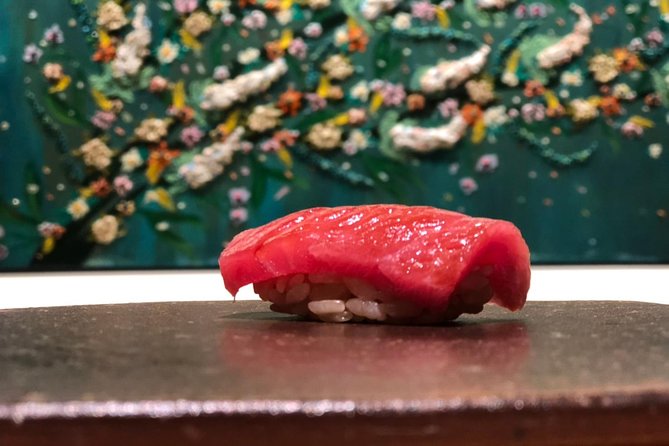
Review · TOKYO
Sushi-Making Experience at ’Activity Maison Kissako’
Tokyo’s Toyosu Market is more than a place to look at fish through glass. On this four-hour outing, you enter working wholesale areas, meet suppliers linked to top restaurants, choose ingredients, and then use them in a sushi lesson. That connection between market and meal is the real appeal.
I like the access to shops such as Yamayuki, a supplier favored by Michelin-starred restaurants, and the visit to a tea shop that supplies Sukiyabashi Jiro. I also like that you do the hands-on work yourself, including opening and filleting fish before making 10 to 12 pieces of nigiri and gunkan sushi.
The main drawback is the early start and quick walking pace in the professional market area. At $283.11 per person, this is a costly half-day, so it makes the most sense if you want market access, a guided food lesson, and a substantial sushi meal in one package.
Key points at a glance
- Start inside Toyosu’s professional wholesale area: See 5 to 7 specialist stores that are generally off-limits to ordinary visitors.
- Shop where elite Tokyo restaurants shop: Visit Yamayuki, a tea supplier linked to Sukiyabashi Jiro, a wasabi specialist, a knife shop, and a kitchenware store.
- Make the meal from market ingredients: Your sushi lesson follows the shopping portion, so the food has a clear connection to the place where it was sourced.
- Work with an experienced sushi chef: Prepare fish and create 10 to 12 pieces, including nigiri and gunkan.
- Keep the group small: The maximum is 10 people, useful in a market where large groups would be awkward.
- Plan for an early finish: The 7 a.m. start means your sushi meal functions as breakfast or an early lunch, depending on the day.
Why Toyosu makes this sushi class different
Toyosu Fish Market is Tokyo’s modern wholesale center, while Tsukiji was the older market site that became famous worldwide. This experience focuses on Toyosu, but it also connects you with the Tsukiji era through its historic knife shop and the professional culture that moved from the old market to the new one.
That matters because you are not simply dropped into a classroom and handed prepared ingredients. The first half of the outing shows you the network behind a sushi meal: fish wholesalers, tea merchants, produce sellers, tool makers, and knife craftsmen. You get a better sense of why sushi depends on sourcing and equipment as much as on rice and technique.
You should also keep your expectations in check. The professional wholesale section is not a sightseeing set with every corner open for leisurely wandering. The pace can be quick, and the market is a workplace first. Stay close to your guide, listen carefully, and wear shoes you can walk in comfortably.
The small maximum of 10 people helps. You can hear explanations and ask questions without being lost in a large crowd. The local Japanese guides are described as friendly and clear, and one guide was especially valued for having lived close to the markets and explaining the area from local experience.
More Sushi and Japanese Classes in Tokyo:
- Sushi Making Tokyo Roll and Authentic Japanese Sushi Class
★ 5.0 · 3,971 reviews - Tokyo: Roll and Authentic Sushi Making Class in Asakusa
★ 4.9 · 1,957 reviews - Tokyo: Sushi Making Class in a Happi Coat near a Famous Spot
★ 4.9 · 1,377 reviews
7 a.m. pickup and the first market hour
The day begins in your hotel lobby at 7 a.m. Hotel pickup is included, but you need to provide your hotel details when booking. An air-conditioned vehicle is also included, which makes the early transfer easier, especially if you are still adjusting to Tokyo time.
The first Toyosu segment lasts about 90 minutes. You enter the wholesale area and visit five to seven well-known stores. One named stop is Yamayuki, a fish supplier favored by Michelin-starred restaurants. The point is not just to see seafood on display. Your guide explains how the market works and helps you speak with people involved in supplying Tokyo’s serious kitchens.
This is the part that gives the experience its strongest sense of access. Much of Toyosu’s professional activity is not open for casual public wandering, so having a guide arrange entry and interpret what you are seeing is useful. You may catch the working rhythm of the market and see how ingredients are selected before they reach restaurants.
Do not expect the tuna auction to be part of the morning. The experience does not include it, and its focus is on the wholesale area and the shops supplying the sushi lesson. If the auction is your main reason for visiting Toyosu, you should choose a different activity.
Tea, wasabi, knives, and kitchen tools
The second market section lasts about an hour and moves beyond fish. You visit a tea shop that supplies Sukiyabashi Jiro and other high-end restaurants. That detail gives you a useful reminder: a sushi meal is not only about the fish. Tea, knives, serving tools, vegetables, and condiments all shape the final table.
You also visit a greengrocer with a wasabi master known from the film Jiro Dreams of Sushi. This is a particularly appealing stop for anyone interested in the small ingredients that can be overlooked in a standard food tour. You can see how a product as familiar as wasabi fits into the work of a sushi restaurant.
The handmade kitchenware store and historic knife shop add a practical side to the visit. A knife is not just a souvenir in this setting. It is a working tool, and the shop’s connection to the old Tsukiji market gives the stop a link to Tokyo’s earlier fish-market tradition.
These visits are also a good reason to bring questions. Ask about the items used in sushi preparation, the role of tea with the meal, and the difference between a market tool and an ordinary kitchen utensil. The guide is there to explain the professional side of what you are seeing.
The fish preparation and sushi lesson
The main class takes place at a sushi restaurant in Toyosu’s seventh block. It is operated by a fish wholesaler from the market, so the lesson remains tied to the supply chain you have just explored.
Under the chef’s direction, you open and fillet fish, then prepare 10 to 12 pieces of sushi. The selection includes nigiri and gunkan. Nigiri gives you the classic hand-pressed form, with fish over rice. Gunkan has a different shape and technique, using a strip around the rice to hold the topping.
This is aimed at beginners, but beginner-friendly does not mean effortless. Sushi rice needs careful handling, fish must be treated properly, and shaping each piece takes practice. The chef guides you through the process rather than expecting restaurant-level precision from the first try.
That hands-on element is important. You are not watching a chef make a perfect plate while you sit back with a tasting menu. You are working with the ingredients, learning the basic motions, and then eating what you made. The class has been praised for its organization, and the chefs are described as professional and friendly.
The food itself is a major part of the value. Ingredients are included, as are beverages and what is described as a supreme sushi meal. A separate account of the experience also highlights high-quality sashimi and sake tasting. Since the exact drinks may depend on the session, contact the provider if a particular beverage matters to you. Japan’s legal drinking age is 20.
Same place, a different menu:
- Sushi Making Tokyo! Popular Maki Sushi & Japanese Sushi(+Recipe!)
★ 5.0 · 1,314 reviews - Tokyo Sushi Making Class in Tsukiji with Professional Chef
★ 5.0 · 1,177 reviews - Ramen & Gyoza Cooking Class in Tokyo with Local Supermarket Visit
★ 5.0 · 823 reviews - Tsukiji Fish Market Guided Tour and Sushi Making with Pro Chef
★ 5.0 · 775 reviews
Eating your own sushi at Toyosu
After the preparation, you sit down to eat your creations at the market restaurant. The schedule calls this a breakfast, while the broader description presents it as a market lunch. Either way, you should think of it as an early meal, not a small snack before a full afternoon tour.
The meal is satisfying because you have seen the ingredients being sourced and then handled them yourself. That makes the final plate more meaningful than a standard sushi stop. You also get a chance to compare your work with the chef’s technique, even if your pieces are not perfectly shaped.
Sake tasting is specifically praised as part of the experience, but the supplied details do not say exactly how much is served or whether it is included at every departure. Be ready for a food-centered morning with drinks rather than a long formal lunch.
If you have a serious allergy, follow a vegetarian, vegan, kosher, or halal diet, or need another food arrangement, contact the provider before booking. Those arrangements are available, but they should be discussed in advance rather than left to the morning of the class.
Is $283.11 a fair price?
At $283.11 per person, this is not a budget market walk or a basic cooking class. You are paying for a package that combines hotel pickup, transport, a specialist guide, access to professional market areas, ingredient shopping, a fish preparation lesson, 10 to 12 pieces of sushi, beverages, and the meal itself.
The value depends on how many of those pieces matter to you. If you only want to eat sushi, you can spend far less in Tokyo. If you only want to see Toyosu, a simpler visit will cost less and give you more freedom to explore at your own pace.
I find the price easier to justify if you want all three of these elements together:
- Access and explanations in parts of the wholesale market that are generally off-limits
- A market-linked cooking lesson with a working sushi chef
- A proper meal made from ingredients selected during the outing
The group limit of 10 also adds practical value. You are not sharing the chef’s attention with dozens of people, and you can ask questions during the preparation. Still, this is a premium experience. Couples, food-focused visitors, and people celebrating a special trip are more likely to see the benefit than budget-minded visitors.
Timing, pace, and who should book
You need to be comfortable starting at 7 a.m. The early hour is part of the point, since Toyosu is a professional market and the first section is built around its working schedule. It also means this may not be ideal if you prefer slow mornings or have a late-night Tokyo itinerary planned.
The professional market section can move quickly. You should be able to keep up on foot and pay attention while your guide explains the stops. Most people can participate, but the pace is worth noting if you have mobility concerns or prefer a relaxed stroll.
I would recommend this to:
- First-time Tokyo visitors who want a food experience with local context
- Sushi fans who want to learn basic preparation rather than only dine
- Curious cooks interested in fish, knives, rice, and sourcing
- Visitors who value a small group and hotel pickup
- People who want an early activity that leaves the rest of the day open
I would think twice if you dislike early starts, want a long visit at each market shop, or mainly want to see the tuna auction. The tour is structured and guided. It is not a free-form market morning.
The experience is also suitable for many dietary needs, but you must request arrangements ahead of time. Hotel drop-off is not included, so plan to continue on your own after the meal.
Booking and cancellation details to know
Confirmation is normally sent at booking. If you book within 12 hours of departure, confirmation comes as soon as possible and depends on availability.
The booking is non-refundable and cannot be changed for any reason. That makes travel insurance or careful date planning sensible, especially because the price is high. The activity requires good weather and a minimum number of participants. If poor weather or low enrollment causes cancellation, you are offered another date or experience, or a full refund.
The experience is recommended by 98 percent of participants and carries a 4.9 rating from 197 ratings. Those figures point to a well-organized program, but they do not remove the practical issues: the early start, quick market pace, premium price, and no hotel drop-off.
Should you book the Toyosu sushi class?
Book it if you want more than a sushi meal. The strongest reason to go is the full chain of the morning: enter Toyosu, see specialist suppliers, visit stores connected with famous restaurants, handle fish, learn nigiri and gunkan, then eat your own work.
Skip it if your priority is the tuna auction, an inexpensive meal, or a leisurely market wander. For the right person, this is a focused and memorable Tokyo food experience. For everyone else, the price and early schedule may be more commitment than the market visit requires.
FAQ
What time does the experience start?
The start time is 7:00 a.m.
Is hotel pickup included?
Yes. Hotel pickup is included, and you should provide your hotel details when booking.
Is hotel drop-off included?
No. Hotel drop-off is not included.
How long does the experience last?
It lasts approximately four hours.
How many people can join the experience?
The maximum group size is 10 people.
Does the experience include the Toyosu tuna auction?
No. The supplied details do not include the tuna auction. The morning focuses on the professional wholesale area and selected market shops.
How many sushi pieces will I make?
You will make approximately 10 to 12 pieces, including nigiri and gunkan sushi.
Is the sushi class suitable for beginners?
Yes. The class is designed for beginner cooks and is taught by an experienced sushi chef.
Are food allergies and special diets accommodated?
Yes. Vegetarian, vegan, kosher, halal, and allergy arrangements are available. Contact the provider in advance to arrange them.
What happens if the experience is canceled?
If poor weather or failure to reach the minimum number of participants causes cancellation, you are offered a different date or experience, or a full refund.
Just added around Tokyo
- Shibuya Tokyo: Sushi Making Class (Vegan/Vegetarian/Halal)★ 4.7 · 29 reviews
- Ramen Making from Scratch with Tokyo Mom(Vegan Option Available)★ 5.0 · 39 reviews
- Ramen & Dumpling Cooking in Tokyo with Chef/Vegan possible★ 5.0 · 107 reviews
- Tokyo Haneda: Bento & Ramen Gyoza Cooking Class in a Local home★ 5.0 · 9 reviews
- Hands-on Japanese Cooking in a Shinjuku Home Kitchen with Satoru★ 5.0 · 19 reviews
- Private Home Cooking in Yanaka – Local Flavors in a Warm Setting★ 5.0 · 173 reviews
- Japanese Home Cooking Class & Walk in Todoroki Temple Tokyo★ 5.0 · 88 reviews
- Popular Sushi Making Class near Tokyo Tower★ 5.0 · 229 reviews
Japanese & Sushi Cooking Classes, compared.
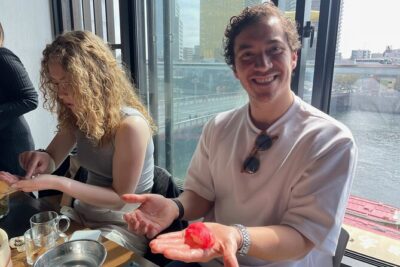
Sushi Making Tokyo Roll and Authentic Japanese Sushi Class
Read our review →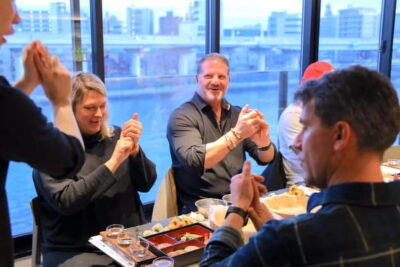
Tokyo: Roll and Authentic Sushi Making Class in Asakusa
Read our review →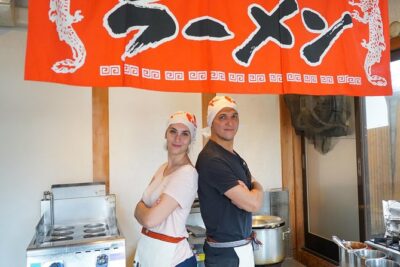
Ramen Cooking Class at Ramen Factory in Kyoto
Read our review →
Tokyo: Sushi Making Class in a Happi Coat near a Famous Spot
Read our review →
Sushi Making Tokyo! Popular Maki Sushi & Japanese Sushi(+Recipe!)
Read our review →
Sushi Making Osaka Roll and Authentic Japanese Sushi Class
Read our review →
Tokyo Sushi Making Class in Tsukiji with Professional Chef
Read our review →
Ramen & Gyoza Cooking Class in Tokyo with Local Supermarket Visit
Read our review →Browse the lists this tour appears in