
Review · TANZANIA
Arusha: Traditional Tanzania Cooking class& Food Market Tour
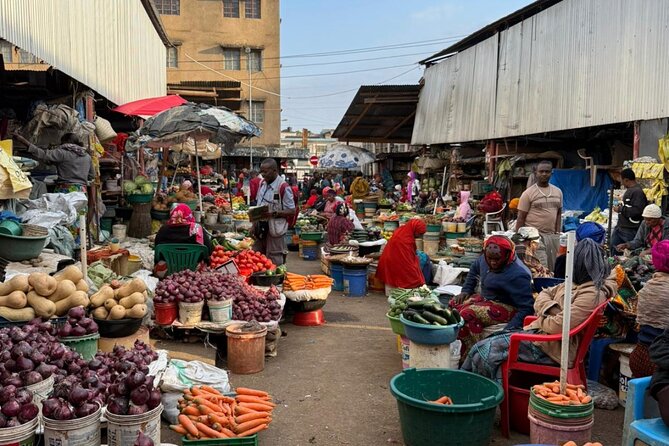
Arusha’s food market is the real start of this experience. You walk past stalls of fruit, dry goods, meat, and vegetables, then use what you see to plan a meal with a local cook. Liroy and Israel have guided visitors through the market, while Neema leads the cooking in a small local home.
I like the direct link between shopping and cooking, and I like that you do the work yourself instead of watching a polished demonstration. The price also includes pickup, ingredients, the market visit, the class, and your meal. The main drawback is that the class can take longer than expected, and drinks are not included, so bring water or budget for it.
At a glance
- Market before cooking: Spend about 30 to 50 minutes at a central Arusha food market, with time for photos and questions.
- Four local dishes: Prepare plantain banana, chapati, ugali, and vegetables, with stewed or barbecued meat available as an option.
- Personal local guidance: Liroy and Israel may lead the market portion, while Neema has taught the cooking session.
- Hands-on format: You chop, stir, shape, and cook rather than simply watch.
- Five-hour outing: Hotel pickup and drop-off near central Arusha are included.
- Useful take-home skill: You leave with recipes and techniques that can be repeated at home.
Why this Arusha food experience works
Many food activities give you a plate and a short explanation. This one gives you the shopping trip first. That small change matters. You see the raw ingredients in their everyday setting, hear how they are used, and then recognize them again when they reach the cooking table.
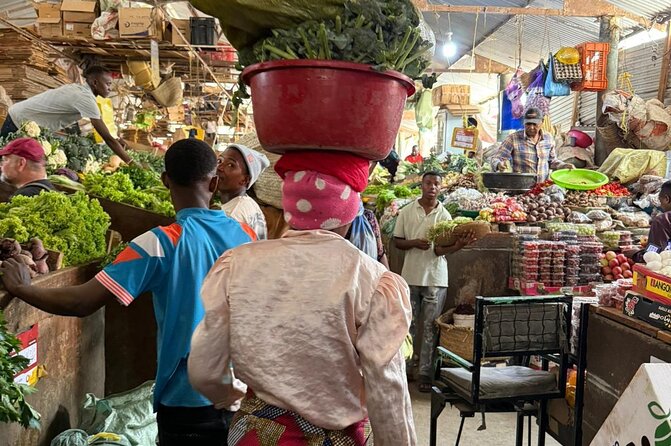
You also get a closer look at ordinary life in Arusha. The market is not arranged for sightseeing. Workers carry loads through the aisles, vendors sell food for local households, and you need to pay attention as you walk. That makes the visit feel more useful than a quick stop for photographs.
The experience costs $45 per person. For five hours, that is a fair price, especially since transport, food, instruction, and ingredients are covered. It is not the cheapest way to eat in Arusha, but it offers much more than a restaurant meal. You are paying for local access, guidance, and a practical skill you can use again.
More Market Tour Cooking Classes in the world:
- Hanoi Cooking Class: Culture, Local Market & Meaning CSR Impact
★ 5.0 · 5,147 reviews - 5 Traditional Dishes Hanoi Cooking Class with Market Trip
★ 5.0 · 4,890 reviews - Cooking Class and Lunch at a Tuscan Farmhouse with Local Market Tour from Florence
★ 5.0 · 4,831 reviews
Starting with Arusha’s central food market
Pickup is arranged at your hotel in Arusha town, generally near the city center. From there, you head to a central food market for roughly 30 to 50 minutes. The market portion is short enough to fit into a half-day, but long enough to get beyond a quick walk-through.
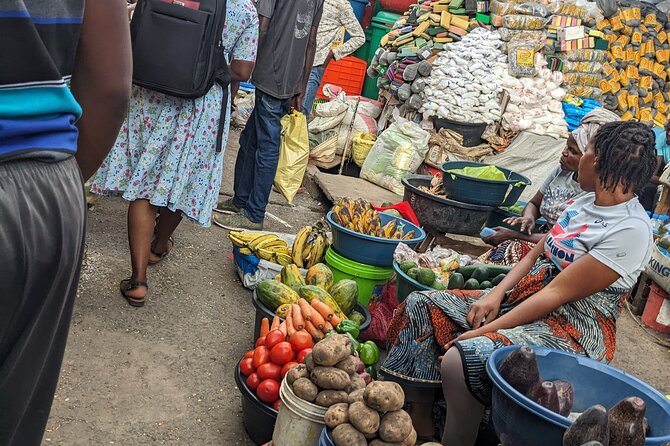
Expect a broad mix of products. You might see dry foods, meats, fruit, vegetables, and other cooking staples. The exact shopping list depends on the dishes chosen for your class, and the group may visit a second, smaller market to find particular ingredients.
This is where a good guide adds real value. Liroy has explained products, vendors, and daily life in Arusha while walking through the market. Israel has also helped lead the day. Both can answer questions about what you are seeing, so ask directly if you want to know how an ingredient is cooked, stored, or used at home.
You can take photographs, but use common sense. This is a working market, not a staged set. Ask before photographing people, keep your belongings close, and step aside when workers are moving goods. One useful point from the experience is that the guide watches for people carrying heavy loads and helps you move out of their way. That kind of attention makes the walk more comfortable.
The market can be noisy, crowded, and less tidy than a supermarket. That is part of the setting, but it may not suit anyone who wants an easy, polished food tour. Wear shoes with a firm sole and trousers that are comfortable for walking.
Choosing the menu and buying ingredients
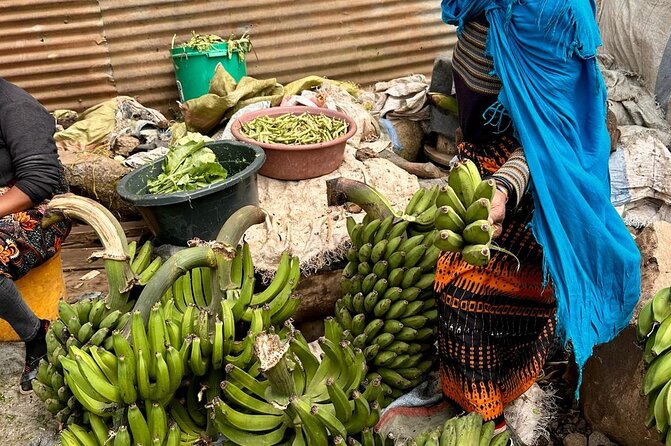
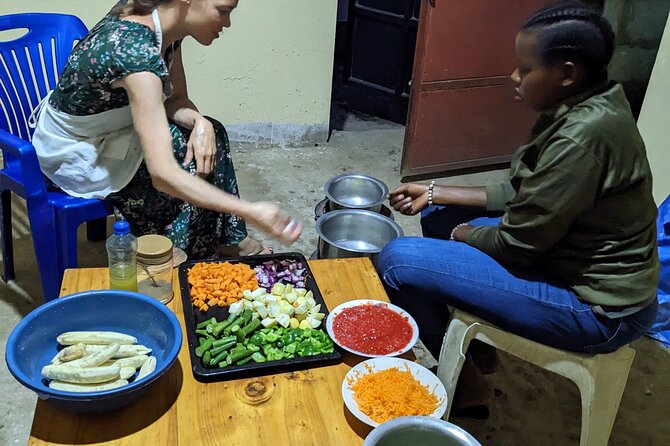
After seeing the market, you discuss the meal and help buy what will be used in the class. The standard selection includes plantain banana, chapati, ugali, and vegetables. You may choose three common dishes from the available options, and meat can be added as a stew or barbecue-style dish.
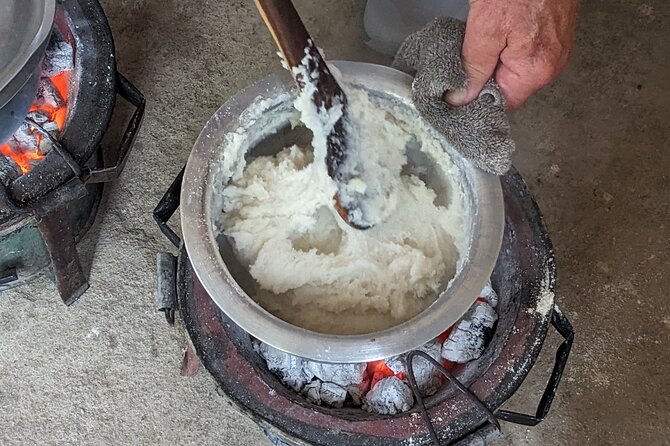
This menu gives you a useful introduction to several different parts of Tanzanian cooking. Plantain shows how bananas can form a savory part of a meal. Chapati teaches a simple but hands-on bread technique. Ugali introduces a firm maize-based staple, while vegetables bring the meal together.
You do not need advanced cooking skills. The format is step by step, with the local chef showing a task before you take over. That makes the class accessible if you rarely cook, while still giving more confident cooks something practical to do.
The meat option is worth clarifying before you begin. The available information describes stewed or barbecued dishes, but the precise meat and preparation can vary. If meat is important to you, ask the guide what is available that day. If you prefer a meat-free meal, discuss that while choosing the dishes.
Cooking with Neema in a local home
The cooking portion lasts between one and three hours. The wide time range matters. A small group moving quickly may finish near the shorter end, while a larger menu or slower preparation can use most of the afternoon.
Neema has led the class in a small local home. The setting is simple, with a washroom, and the cooking has taken place on charcoal and propane stoves. Do not expect a purpose-built culinary school with stainless-steel counters and restaurant-style equipment. You get a home-based setting, which is exactly what makes the class feel less staged.
Neema demonstrates each step and then lets you finish the task while she works on another part of the meal. That arrangement keeps you involved without leaving you unsure of what to do. You may shape chapati, prepare vegetables, stir a stew, or work with the ingredients bought at the market.
The class has also included four dishes cooked by hand, depending on the selected menu. The food is designed to be approachable rather than intimidating. You learn methods you can reasonably repeat at home, even if you do not have the same stove or ingredients.
The setting does require flexibility. Basic cleanliness supplies such as soap and water are available, but the kitchen may not meet North American standards for scrubbing hands, cutting boards, and surfaces after handling meat. All food was fully cooked during the experience described, but I would still advise you to wash your hands carefully, keep raw meat separate, and mention any hygiene concern to the guide at once.
More Food and Drink Tours in the world:
- Small Group Cooking Class & Market Food Tour in Florence
★ 5.0 · 1,574 reviews - Paella Cooking Class, Wine Tasting & Central Market in Valencia
★ 5.0 · 1,150 reviews - Athens: Food Market Visit and Cooking Class with Wine
★ 4.9 · 1,087 reviews - Undiscovered Charleston: Half Day Food, Wine & History Tour with Cooking Class
★ 5.0 · 948 reviews
Sitting down to the meal you made
The best part comes after the work. You sit with the group and eat the dishes you prepared. This changes the meal from a demonstration into a shared occasion. You know what went into each dish, and you can compare how the different ingredients and cooking methods work together.
The food is fresh because the ingredients were chosen shortly before cooking. That does not mean the meal will match every familiar version of Tanzanian food. Recipes vary from household to household, and the cook’s method is part of the experience.
The atmosphere is friendly and social. Neema, Liroy, Israel, and other members of the cooking team have made time for conversation as well as instruction. If you enjoy asking questions about food and daily life, plan to use this part of the experience. The class is not just a lesson in measurements. It is also a chance to talk over a meal.
Drinks are not included. This is the clearest practical weakness in the package. Water has been obtained during the day when needed, but do not assume drinks will be waiting at the cooking site. Bring a bottle with you or ask the guide early in the tour. Beer or other drinks may be available at your own cost.
If food remains, you may be able to pack some for another meal at your hotel. This depends on how much was prepared and how much the group eats, so treat it as a possibility rather than part of the guarantee.
What the five-hour schedule feels like
The advertised duration is five hours, but the class itself can take one to three hours, and the timing may stretch when shopping, transport, and conversation take longer. One person found the cooking slow, though the finished meal made the time worthwhile.
That is useful to know before booking. This is not a quick two-hour stop between major attractions. It is a relaxed food day, and the pace depends on the menu, the group, and the amount of discussion. If you have a tightly packed safari schedule or a fixed afternoon transfer, leave plenty of room afterward.
The activity information also includes a longer 12-hour entry with walking and cycling language, but the clear description of this food experience is five hours. Confirm the starting time when booking and use the five-hour food tour details for planning.
Pickup and drop-off at hotels in Arusha town make the day easier. You do not need to arrange a taxi to the market or cooking location. The experience is conducted in English with a live guide.
How this compares with eating at a restaurant
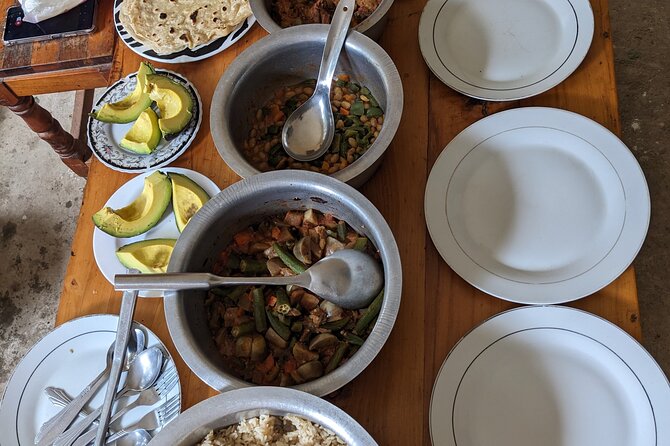
A restaurant gives you comfort and a predictable menu. This class gives you context. You see ingredients before they are prepared, learn the names and uses of local foods, and get a meal you helped make.
It is also a better choice if you want contact with local people without booking a full village visit. The market and home setting create natural conversation. You can ask about products, cooking methods, and life in Arusha without turning the day into a formal lecture.
The tradeoff is comfort and control. Market conditions may be busy, the cooking space is modest, the schedule can run long, and the food may be more familiar to local tastes than to yours. If you want air conditioning, a fixed timetable, and a refined kitchen, choose a restaurant or a hotel class instead.
Practical tips before you book
Wear comfortable shoes and long pants. You will walk through a working market, stand during food preparation, and spend time near cooking stoves.
Bring water, even though the guide may help obtain it. Drinks are not included, and a five-hour food activity is more enjoyable when you are not thirsty.
Tell the guide your food preferences before shopping. The menu can include plantain, chapati, ugali, vegetables, and optional meat, so this is the right time to discuss what you want to eat.
Keep your camera ready, but ask before photographing vendors or other people. The market is open to photos, but courtesy still matters.
Do not bring weapons or sharp objects. The activity specifically prohibits them.
The tour offers free cancellation up to 24 hours before the start time, and you can reserve now and pay later. Those terms are useful if your Arusha plans may shift, but still check the available start times before committing.
Who should book this cooking class
I would choose this for someone who wants a practical cultural activity rather than a passive sightseeing stop. It suits couples, families with older children, solo visitors, and small groups who enjoy talking, eating, and learning by doing.
It is especially good near the beginning of your time in Arusha. The market helps you recognize foods you may see later on your trip, and the recipes give you a connection to Tanzania that lasts beyond one meal.
You should think twice if you have strict hygiene requirements, limited mobility in a market setting, or only a narrow gap between other bookings. The available information does not describe accessibility arrangements, so ask the provider directly if that is important for you.
Should you book it?
Book this experience if you want to meet local cooks, see where the ingredients come from, and take part in a meal from start to finish. The combination of market shopping, home cooking, and a shared meal gives you more substance than a standard food tasting, and $45 is a reasonable price for the time and inclusions.
Skip it if you want a polished kitchen, a short fixed schedule, or drinks included in the price. For most curious eaters, though, this is a warm, hands-on introduction to Arusha food, especially with guides such as Liroy and Israel and chef Neema helping you through the day.
FAQ
Where does the tour start?
Pickup is provided from hotels in Arusha town, generally near the city center.
How long does the experience last?
The activity lasts about five hours. The market visit takes roughly 30 to 50 minutes, while the cooking class lasts between one and three hours.
What language is the tour conducted in?
The live tour guide speaks English.
What food will I cook?
The class can include plantain banana, chapati, ugali, and vegetables. Meat may also be available as a stewed or barbecued dish.
Can I choose the dishes?
You can choose from the available traditional dishes, with one description specifying that you select three common foods from four options. Ask the guide about the menu before ingredients are purchased.
Are ingredients included?
Yes. Ingredients for the cooking class are included in the price.
Is the meal included?
Yes. You eat the dishes prepared during the class.
Are drinks included?
No. Drinks are not included, so bring water or plan to buy a drink separately.
What should I wear and bring?
Wear comfortable shoes, comfortable clothes, and long pants. You can take photos during the tour, but weapons and sharp objects are not allowed.
More Shopping Trips in the world
- Chiang Mai: Cooking Class, Market & Thai Herbs Garden Tour
★ 4.9 · 4,824 reviews - Chiang Mai: Authentic Cooking Class with Market & Farm Visit
★ 4.9 · 4,546 reviews - Barcelona: Paella Cooking Experience & Boqueria Market Tour
★ 4.8 · 3,661 reviews - Cooking Class Hoi An:Local Market, Basket Boat, Fishing & Cooking
★ 5.0 · 3,660 reviews
More Food Experiences in the world
- Vietnamese Food Cooking Class in Hanoi with Market Experience
★ 5.0 · 778 reviews - Milan: Italian Cooking Class with Food and Wine
★ 4.7 · 509 reviews - Mexican Cooking Class with Food Market Visit in Mexico City
★ 5.0 · 506 reviews - Florence: Cooking Class with Local Food Market Tour
★ 4.9 · 407 reviews
Just added around the world
- Cooking, Farming and Waterfall In Vietnam Countryside★ 3.0 · 6 reviews
- Busan Tailored Korean cooking class (Vegan OK)with market tour★ 5.0 · 66 reviews
- Korean cooking class in Haeundae, Busan★ 5.0 · 92 reviews
- Private Argentine Cooking Class and Tango Lesson in Buenos Aires★ 5.0 · 37 reviews
- Hungarian Home Cooking Class with Chef Marti★ 5.0 · 30 reviews
- Cooking Class with dinner/lunch in Ulcinj Montenegro★ 5.0 · 8 reviews
- BA: Empanadas and Alfajores Cooking Experience in Palermo★ 5.0 · 112 reviews
- Budapest Market Tour & Home Cooking Class with local Chef & Guide★ 5.0 · 23 reviews
Cooking Classes with a Market Tour, compared.
Hanoi Cooking Class: Culture, Local Market & Meaning CSR Impact
Read our review →
5 Traditional Dishes Hanoi Cooking Class with Market Trip
Read our review →
Cooking Class and Lunch at a Tuscan Farmhouse with Local Market Tour from Florence
Read our review →
Chiang Mai: Cooking Class, Market & Thai Herbs Garden Tour
Read our review →
Chiang Mai: Authentic Cooking Class with Market & Farm Visit
Read our review →
Barcelona: Paella Cooking Experience & Boqueria Market Tour
Read our review →
Cooking Class Hoi An:Local Market, Basket Boat, Fishing & Cooking
Read our review →
Hoi An Cooking Class(Market,BasketBoat Crabfishing&Cooking Class)
Read our review →Browse the lists this tour appears in