
Review · COOKING CLASSES
Cooking Class for Typical Ugandan Food in Kampala
Ugandan food becomes much easier to understand when you help prepare it. At Steve Residence in Nansana, Gertrude guides you through peeling, slicing, cooking, and serving local ingredients, including matooke wrapped and cooked in banana leaves. You finish with a shared vegetarian meal rather than a quick demonstration.
I like the small maximum of 10 people, which keeps the class personal, and I like that the food is made from everyday plant ingredients you can try to recreate at home. The main thing to consider is the meeting point outside central Kampala, so allow time to reach Little Muheji School Road.
Key points
- A four-hour home-based class: Cook and eat with Gertrude and her son at Steve Residence in Nansana.
- Traditional vegetarian food: Prepare matooke, cassava, yams, pumpkin, plantains, and other local produce.
- Hands-on from the start: You peel, slice, process, and cook the ingredients rather than only watching.
- A small group of up to 10: The size suits visitors who want time to ask questions and help with the meal.
- G-nut sauce is a highlight: Add this local favorite to the meal and learn how the vegetables are prepared.
- A social home setting: Expect conversation, dancing, stories, and a view from the home while the food cooks.
What the Kampala cooking class is really like
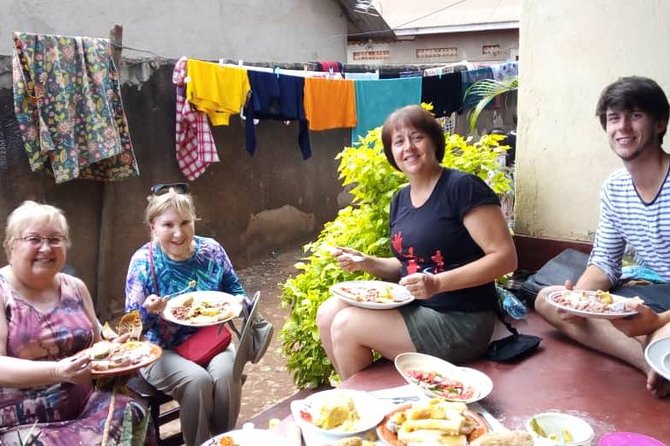
This is a practical introduction to Ugandan home cooking, not a formal restaurant lesson. The work begins with raw produce, and you take part in the ordinary tasks that turn it into lunch.
Gertrude and her son host the class at Steve Residence, on Little Muheji School Road in Nansana. The setting matters. You are not seated behind a counter while someone else does everything. You help peel and slice the food, watch how it is processed, and learn how familiar local ingredients become a complete meal.
The class lasts about four hours. That gives the cooking enough time to feel unhurried, with room for conversation while different dishes cook. You also sit down to eat what you helped prepare, which makes the class feel like a shared visit rather than a demonstration followed by a separate meal.
The food is purely vegetarian. If you want a class centered on meat, fish, or restaurant-style technique, this is not the right choice. If you want to understand plant-based Ugandan staples and how they are prepared at home, it offers a clear and friendly starting point.
More Food and Drink Tours in the world:
- Small Group Cooking Class & Market Food Tour in Florence
★ 5.0 · 1,574 reviews - Paella Cooking Class, Wine Tasting & Central Market in Valencia
★ 5.0 · 1,150 reviews - Athens: Food Market Visit and Cooking Class with Wine
★ 4.9 · 1,087 reviews
Meeting Gertrude at Steve Residence in Nansana
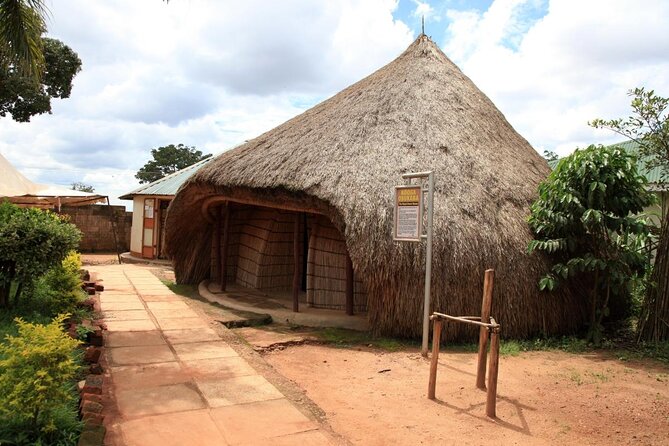
The experience starts and ends at Steve Residence, Little Muheji School Road, Nansana. The activity is near public transportation, but the address is outside the middle of Kampala, so planning your journey matters.
One useful detail is that Gertrude has helped arrange transportation to her home for some visitors. That does not mean transport is automatically included, so confirm the meeting instructions after booking. You should also allow extra time for the journey and make sure you have the precise pickup details before the class day.
The home setting gives the experience its strongest character. You get to know Gertrude and her son while preparing food, talking about Kampala, and sharing stories. The class can include dancing and informal conversation, so it suits you best if you enjoy a social activity and do not need a tightly scripted schedule.
You may also have a view from the property while the food cooks. That creates a natural pause in the class and a good time for photographs, though the main attraction remains the food and the chance to spend time with a local host.
Peeling cassava, yams, pumpkin, and plantains
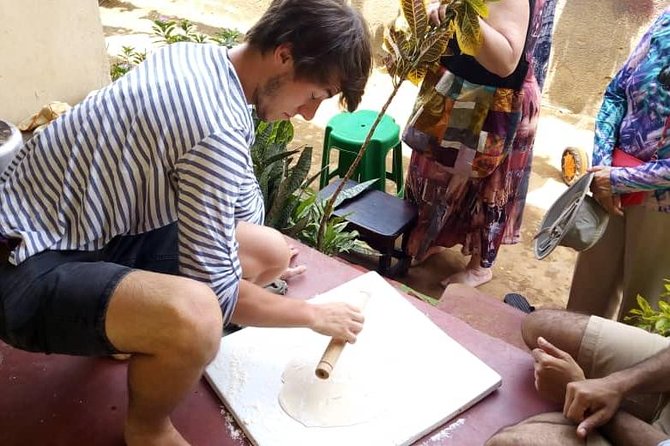
The cooking starts with local produce. You may work with cassava, yams, pumpkin, and plantains, peeling and slicing them before they are cooked.
These tasks can sound simple, but they are useful because they show you the food before it appears on a plate. You learn which parts are removed, how the produce is handled, and how several basic ingredients can form the backbone of a filling meal.
This is also where the class differs from a recipe card. A written recipe can tell you to peel a plantain or prepare cassava, but it does not show the feel and rhythm of the work. Gertrude explains the process as you help, giving you a better sense of how these ingredients are handled in a Ugandan kitchen.
Do not expect a polished cooking-school setup with professional stations and a long list of measured ingredients. The appeal is the direct, domestic approach. You take part in the same kind of preparation that makes the meal possible at home.
Learning how matooke is prepared
Matooke is one of the central dishes in the class. The cooking process includes banana leaves, which are used in a traditional way to help prepare and serve the food.
That detail gives the lesson much of its local character. Banana leaves are not simply decoration. They connect the cooking method to the plants around the meal and show how food can be handled with materials that are part of daily life.
Gertrude explains how the ingredients are peeled, processed, cooked, and eaten. You get a look at the full chain, from whole produce to finished food. For someone who has eaten Ugandan food in a restaurant, this fills in the missing part: how the dish reaches the table.
Matooke can be unfamiliar to first-time visitors, and its preparation may be one of the most useful parts of the class to watch closely. Pay attention to the order of the steps and ask questions as you work. Since the group is limited to 10 people, you should have a reasonable chance to see what is happening rather than standing far from the action.
More Food Experiences in the world:
- Undiscovered Charleston: Half Day Food, Wine & History Tour with Cooking Class
★ 5.0 · 948 reviews - Vietnamese Food Cooking Class in Hanoi with Market Experience
★ 5.0 · 778 reviews - Milan: Italian Cooking Class with Food and Wine
★ 4.7 · 509 reviews - Mexican Cooking Class with Food Market Visit in Mexico City
★ 5.0 · 506 reviews
Cooking a plant-based Ugandan meal
The meal is built around vegetarian staples and local vegetables. Along with matooke, the class can include cassava, yams, pumpkin, plantains, and other produce prepared during the session.
A major benefit is that these are ingredients you may be able to find outside Uganda. That makes the class more useful after your trip. You may not reproduce every detail perfectly at home, but you will leave with a better idea of how the food is combined and cooked.
The g-nut sauce deserves special attention. It is made from groundnuts and gives the meal a creamy, savory element. If you want to remember one dish or sauce to try again, this is a strong candidate. Ask Gertrude about the consistency and how it is served with the vegetables.
Because the food is vegetarian, the meal also works well for people seeking a plant-based introduction to Ugandan cooking. The menu is not presented as a substitute for every Ugandan food tradition, but it gives you a focused look at common plant ingredients and home preparation.
You should also expect the meal to be shared after the cooking. That final sit-down meal is not an add-on. It lets you taste the result while the process is still fresh in your mind, and it gives you time to talk with your hosts.
Eating together in a Kampala home
The shared meal is where the four-hour schedule pays off. After the peeling, chopping, cooking, and waiting, you sit down and eat the food prepared during the class.
The setting is informal and personal. You are spending time in Gertrude’s home with her son, not moving through a busy restaurant service. That can make the meal feel more relaxed, though it also means you should come ready for a home visit rather than a highly produced food attraction.
Conversation is part of the experience. You may talk about Kampala, local plants, cooking habits, and everyday life. Dancing and stories can also form part of the time together. These moments are valuable because they place the dishes in a wider setting. You are not only learning what to cook, but also seeing how food can create a reason to sit, talk, and share time.
If you prefer to keep your activities quiet and tightly timed, the social side may feel less predictable. For most people seeking a personal introduction to Kampala food, though, it is one of the best reasons to choose this class over a standard cooking demonstration.
Why the small group size matters
The class accepts a maximum of 10 people. That is small enough to make a difference, especially during hands-on tasks such as peeling and slicing.
With a larger group, you might spend much of the session watching from the back. Here, you are more likely to get a turn with the ingredients and ask Gertrude about unfamiliar steps. The small size also fits the home setting. A group of 10 is still lively, but it should not overwhelm the space in the way a large coach group could.
The group limit does not guarantee a private class. If you want the activity entirely for yourself, check the booking details before paying. Still, the cap gives the class a more personal scale than many food activities.
The social format suits couples, solo visitors, families with an interest in food, and small groups of friends. It is especially useful if you want an activity where you can meet a host rather than simply collect photographs.
The $32 price and what you receive
At $32 per person, the price covers about four hours of instruction, hands-on preparation, and the meal you make together. It also pays for a small-group experience hosted in a local home.
I consider that a fair price if you value personal contact and a full activity rather than a short tasting. You are getting several hours of time with the host, the chance to handle the ingredients, and food at the end. The class also gives you techniques and ideas to carry home, which adds value beyond the meal itself.
The price is less compelling if you only want to taste Ugandan dishes. A food tour or restaurant meal may suit that purpose better. This class asks you to spend time working, waiting for food to cook, and taking part in the process.
The class is often booked about eight days ahead on average. That suggests you should not leave it until the last moment if the schedule matters to you, especially if you have only a short stay in Kampala.
Timing, weather, and cancellation
The activity lasts approximately four hours, so avoid placing it beside another booking with a tight start time. The meal and conversation are part of the experience, and rushing away would weaken the point of choosing a home-based class.
Good weather is required. If poor weather causes a cancellation, you are offered a different date or a full refund. You can cancel for a full refund up to 24 hours before the start time. Changes or cancellations made less than 24 hours before the experience are not accepted for a refund.
Those rules are worth noting because the meeting point is a residence and the cooking takes place as a hands-on activity. Keep the local start time in mind when calculating the 24-hour cutoff.
Who should book this Kampala food experience
I would choose this class if you want to learn by doing. It is a good match for you if you enjoy local homes, plant-based food, relaxed conversation, and activities that leave you with a practical skill.
It is also a strong option for people who want more context around Ugandan ingredients. Cassava, plantains, pumpkin, yams, and matooke are not just names on a menu here. You handle them, help cook them, and eat them in the same session.
Families and couples may enjoy the friendly setting, while solo visitors can benefit from the built-in social time. The group limit keeps it from feeling like a large organized outing.
I would hesitate only if you need guaranteed central Kampala pickup, a restaurant-grade kitchen, a meat-based menu, or a fixed schedule with no informal pauses. The meeting point in Nansana requires some planning, and the charm comes partly from the home setting rather than from polished production.
Should you book the class?
Book it if your ideal Kampala activity includes local food, a personal host, and genuine participation. Gertrude’s class gives you a clear introduction to vegetarian Ugandan cooking, from raw produce and banana leaves to matooke, g-nut sauce, and a shared meal.
Before booking, confirm the meeting details at Steve Residence and plan your transport to Nansana. If you do that, the $32 fee offers good value for four hours of cooking, eating, conversation, and practical food knowledge in a group capped at 10 people.
FAQ
Where does the cooking class start and finish?
The class starts at Steve Residence on Little Muheji School Road in Nansana, Uganda. It ends back at the same meeting point.
How long does the experience last?
The cooking workshop lasts approximately four hours.
How much does the class cost?
The listed price is $32 per person.
How many people can join the class?
The activity has a maximum of 10 participants.
Is the food vegetarian?
Yes. The class prepares purely vegetarian food using traditional plant-based recipes.
Which ingredients might I prepare?
The class may include cassava, yams, pumpkin, plantains, and matooke. You help peel, slice, process, and cook the ingredients.
Will I eat the food I prepare?
Yes. After cooking, you sit down and enjoy the meal prepared during the class.
Is the experience near public transportation?
Yes. The meeting point is described as being near public transportation.
What is the cancellation policy?
You can cancel at least 24 hours before the start time for a full refund. Cancellations or changes made less than 24 hours before the start time are not accepted for a refund. If poor weather cancels the activity, you are offered another date or a full refund.
More Hands-On Workshops in the world
- Half-Day Thai Cooking Class at Organic Farm in Chiang Mai
★ 5.0 · 19,087 reviews - Florence: Pasta Cooking Class with Unlimited Wine
★ 4.9 · 10,285 reviews - 3 in 1 Cooking Class near Navona: Fettuccine, Ravioli & Tiramisu
★ 5.0 · 7,376 reviews - Florence: Pasta & Tiramisu Cooking Class with Unlimited Wine
★ 4.9 · 6,708 reviews
Just added around the world
- 3-Course Tropical Fusion Cooking Class★ 5.0 · 44 reviews
- Private cooking class in organic farm at La Fortuna★ 5.0 · 42 reviews
- Cooking with a Costa Rican familiy★ 5.0 · 42 reviews
- Japanese food Cooking at Home★ 5.0 · 12 reviews
- Miyazaki’s local cuisine experience Let’s make cold soup and chicken Nanban! Super Local Food Cooking!★ 5.0 · 11 reviews
- Food Market Shopping and Cooking Workshop in A Coruña★ 5.0 · 89 reviews
- Private Cooking Class Udon in Kyoto Japan★ 5.0 · 23 reviews
- Private Plant-Based Japanese Cooking Class – Kyoto Edition★ 5.0 · 15 reviews
Cooking Classes, compared.
Half-Day Thai Cooking Class at Organic Farm in Chiang Mai
Read our review →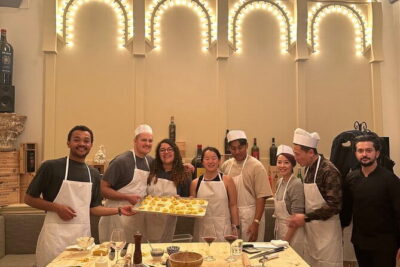
Florence: Pasta Cooking Class with Unlimited Wine
Read our review →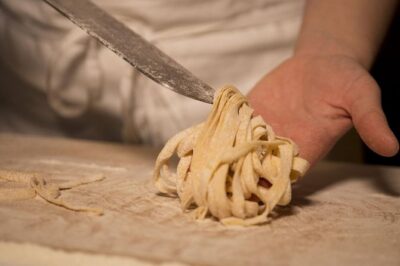
3 in 1 Cooking Class near Navona: Fettuccine, Ravioli & Tiramisu
Read our review →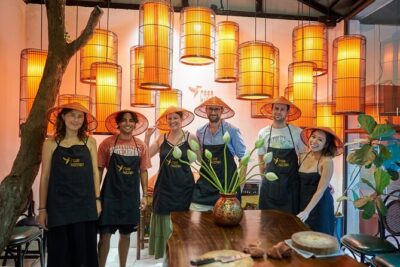
Hanoi Cooking Class: Culture, Local Market & Meaning CSR Impact
Read our review →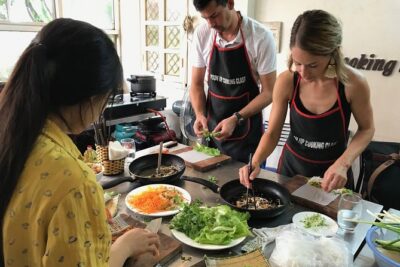
5 Traditional Dishes Hanoi Cooking Class with Market Trip
Read our review →
Cooking Class and Lunch at a Tuscan Farmhouse with Local Market Tour from Florence
Read our review →
Chiang Mai: Cooking Class, Market & Thai Herbs Garden Tour
Read our review →Browse the lists this tour appears in