
Review · JAPANESE & SUSHI
Grandma’s Traditional Japanese Cooking Class in Nagoya
Nagoya’s food traditions make the most sense around a kitchen table. Here, Grandma Junko and Chikako teach you ichiju-sansai, a classic meal built around rice, soup, one main dish, and two sides. You prepare the food yourself, learn why miso and fermented seasonings matter in this part of Japan, then sit down to eat what you made.
I like two things right away: the very small group size, limited to four people, and the chance to choose between a chicken or salmon menu. I also like that the cooking leads into a matcha session with seasonal sweets, so the morning has both a practical and a quiet cultural side. The main consideration is timing: at about two and a half hours, this is a focused cooking lesson, not a broad tour of Nagoya.
Key points at a glance
- Two family menus: Choose red miso chicken or grilled salmon seasoned with salted rice malt.
- Real Japanese home cooking: Learn ichiju-sansai, including soup, rice, a main dish, and side dishes.
- Dashi made from scratch: Prepare stock with kelp and bonito flakes rather than relying on a packaged base.
- A private lesson for up to four: The small setting allows time for questions and hands-on work.
- Matcha to finish: Make your own matcha and enjoy it with seasonal Japanese sweets.
- Convenient Nagoya meeting point: Meet at Sakurayama Station at 10:30 a.m., then return there after lunch.
Starting at Sakurayama Station at 10:30 a.m.
You meet at Sakurayama Station in Nagoya’s Mizuho Ward at 10:30 a.m. The activity begins and ends at the same meeting point, which keeps the morning simple. Private transportation is not included, so you need to make your own way to the station.
The mobile ticket is useful for a city day when you may not want to carry printed paperwork. Confirmation arrives when you book, and the meeting information gives you a clear starting point. Since the class is held near public transportation, it fits well into a Nagoya itinerary without requiring a full-day commitment.
I would allow enough time to find the station exit and arrive before the start time. The supplied address is 1-chōme-114 Sakuramichō, Mizuho Ward, Nagoya. This is not a pickup service, so do not expect a guide to collect you from your hotel.
More Sushi and Japanese Classes in Japan:
- Sushi Making Tokyo Roll and Authentic Japanese Sushi Class
★ 5.0 · 3,971 reviews - Tokyo: Roll and Authentic Sushi Making Class in Asakusa
★ 4.9 · 1,957 reviews - Ramen Cooking Class at Ramen Factory in Kyoto
★ 5.0 · 1,937 reviews
Why ichiju-sansai matters at the table
The central lesson is not simply how to prepare several Japanese dishes. It is how a traditional Japanese meal fits together. Ichiju means one soup, while sansai refers to three dishes: one main dish and two side dishes. Rice completes the arrangement.
This structure gives the meal balance. You are not preparing one large plate and calling it lunch. You are making a set of smaller dishes with different flavors and textures, then serving them as a complete meal.
That makes the class useful for anyone who wants to understand Japanese food beyond sushi and ramen. You learn how soup, rice, vegetables, tofu, fish, chicken, and seasonings work together at home. The recipes come from family cooking, which gives the lesson a personal quality that a restaurant demonstration cannot provide.
The class also places Nagoya’s fermentation traditions at the center. Miso, malt, and soy sauce are not treated as vague Japanese flavors. They are working ingredients used to season everyday food.
Choosing between the chicken and salmon menus
You choose one menu when booking. If you do not make a request, menu one, the chicken option, is prepared. A single group can select only one menu, so this is not a custom order where each person chooses a different set of dishes.
Menu one: red miso chicken
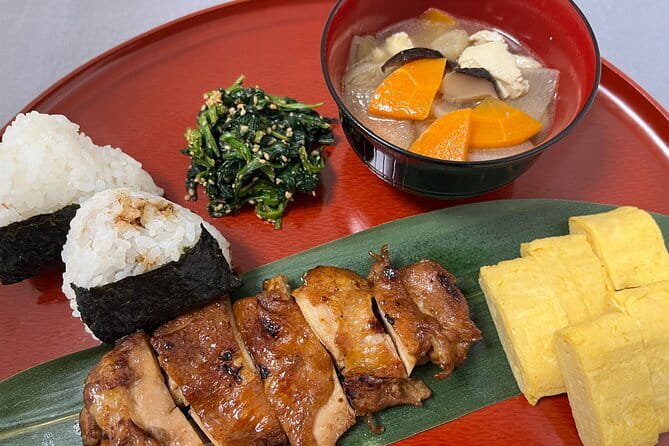
The chicken menu includes red miso-flavored chicken, tofu and vegetable soup with soy sauce, Japanese omelet, spinach salad, and rice balls.
This menu gives you a good introduction to familiar Japanese home staples. The red miso brings a distinctly regional touch, while the omelet and spinach salad show how a meal can include simple side dishes without feeling plain.
The tofu and vegetable soup uses soy sauce rather than the miso seasoning used in the other menu’s soup. That contrast gives you a chance to taste different ways of building flavor across one meal.
More Hands-On Workshops in Japan:
- Tokyo: Sushi Making Class in a Happi Coat near a Famous Spot
★ 4.9 · 1,377 reviews - Sushi Making Osaka Roll and Authentic Japanese Sushi Class
★ 5.0 · 1,220 reviews - Tokyo Sushi Making Class in Tsukiji with Professional Chef
★ 5.0 · 1,177 reviews - Ramen & Gyoza Cooking Class in Tokyo with Local Supermarket Visit
★ 5.0 · 823 reviews
Menu two: salmon with salted rice malt
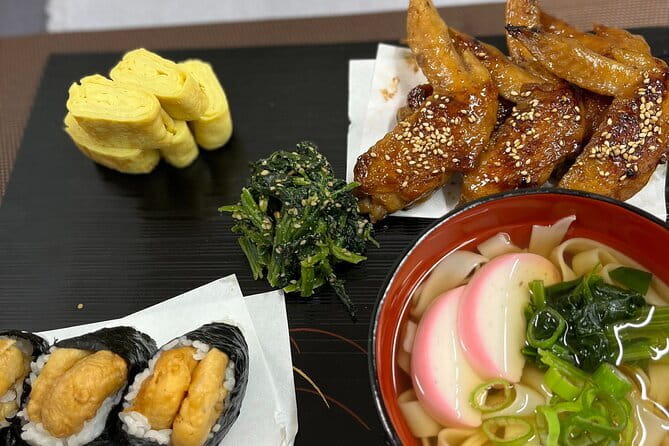
The salmon menu includes grilled salmon with salted rice malt, mashed tofu salad, Japanese omelet, tofu and vegetable miso soup, and rice balls.
This is the stronger choice if you want fish and a clear look at rice malt as a seasoning. The mashed tofu salad adds a softer side dish, while the miso soup gives the meal a familiar Japanese base.
Salmon is the default main ingredient here, but the class is not offering a mixed tasting of both menus. Decide before you arrive, and contact the provider in advance if you have allergies or ingredients you need to avoid.
Making dashi with kelp and bonito flakes
One of the most useful parts of the lesson is learning to make Japanese soup stock with kelp and bonito flakes. Dashi is a foundation for many Japanese dishes, and seeing it prepared helps explain why a simple soup can taste full without being heavy.
The class gives you more than a finished bowl. You take part in the stock-making process and then use that knowledge within the meal. This is a practical skill you can carry home, especially if you enjoy cooking and want to recreate Japanese flavors.
The lesson suits beginners, but it also has something for people who already cook. One participant who cooks often picked up new ideas and techniques, while another took notes carefully throughout the session. You can ask questions as you work, rather than trying to remember a fast demonstration after it ends.
Hands-on cooking with Grandma Junko and Chikako
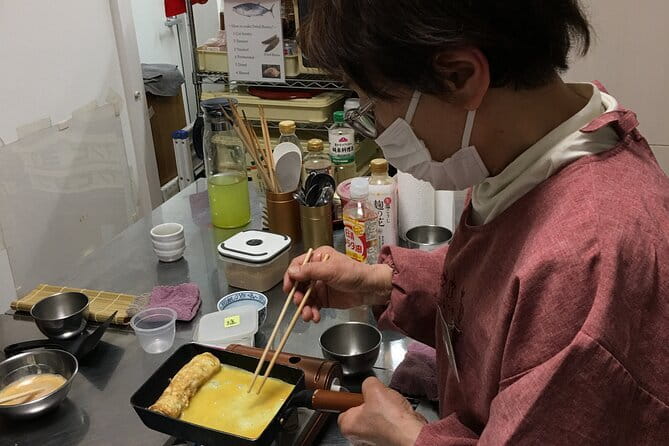
Grandma Junko is the named host, and Chikako also teaches the cooking session. The small format means you work directly with the teachers instead of watching from the back of a large room.
That matters here. Japanese home cooking often depends on small choices in preparation, seasoning, and timing. A private lesson gives you a better chance to ask why something is done in a certain way, or to check your technique as you go.
The published comments describe the teachers as gracious, kind, and open to questions. One participant especially enjoyed the lively exchange of cooking ideas, including a chance to share information about food from their own country. That two-way conversation is part of the appeal.
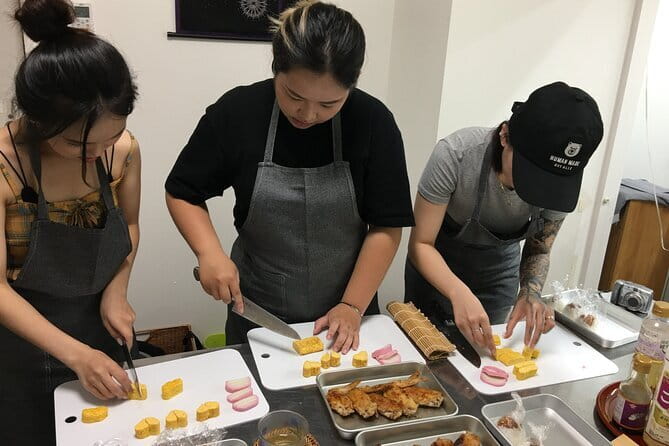
You should expect an active lesson rather than a cooking show. You prepare several dishes, so the morning may feel busy. The class hosts note that participants who made many dishes worked hard, but the effort is part of the value. You are not just tasting an unfamiliar lunch. You are helping create it.
The cooking also has a family connection. The recipes have been passed down through the hosts’ family, and the lesson draws on food made in an ordinary Japanese household. That makes the experience personal without pretending to be a formal culinary school.
Sitting down to the lunch you made
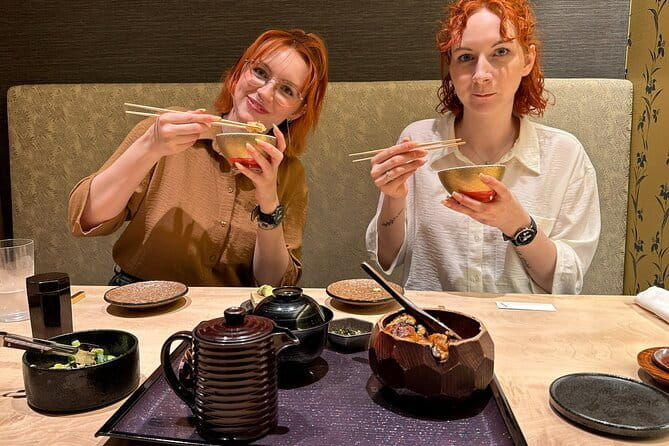
After the preparation, you taste the dishes as a complete meal. Lunch and welcome tea are included, along with tea during the meal and the recipes.
I like this order: learn, cook, sit down, and eat. You can understand each dish better once you see how it fits beside the rice, soup, and side dishes. The meal becomes the result of your work, not a separate restaurant stop inserted into the morning.
The menus are substantial enough to show the full ichiju-sansai pattern. With the chicken option, you have a main dish, soup, omelet, spinach salad, and rice balls. With the salmon option, the meal includes grilled fish, tofu salad, omelet, miso soup, and rice balls.
There is no promise of a menu for every dietary need, so tell the provider about allergies or ingredients you avoid before the class. The booking information specifically asks you to share those concerns in advance. Do not wait until the meal is being prepared.
Ending with matcha and seasonal sweets

Once lunch is finished, you make your own matcha and enjoy it with Japanese seasonal sweets. This is not a separate formal tea ceremony venue. It is a hands-on closing activity attached to the cooking lesson.
The change of pace works well. The cooking portion is practical and social, while the matcha preparation gives you a calmer finish. You get to make the tea yourself, not simply watch someone whisk it.
The sweets are seasonal, though no specific sweet is promised in advance. One response from the hosts mentions Japanese sweets alongside the matcha and a cake from Java shared during a friendly exchange. That detail hints at the relaxed, conversational tone of the gathering, but you should book for the stated seasonal Japanese sweets rather than expect a particular extra item.
What the four-person limit means
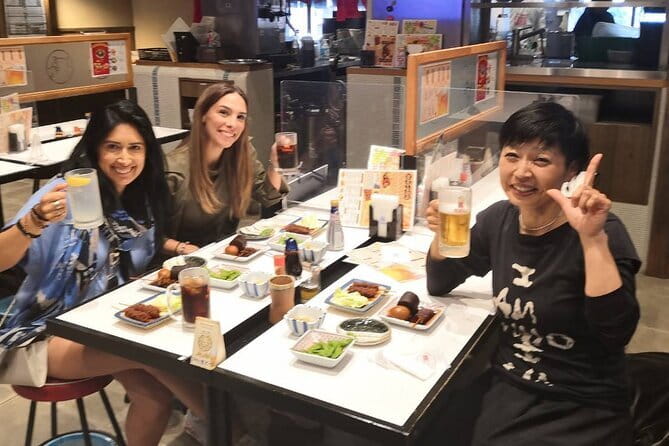
This is a private activity for only your group, with space for up to four people. For couples, families, or a small group of friends, that is a major advantage. You can ask questions freely, work at a comfortable pace, and have a direct conversation with the hosts.
The small size also makes the experience feel closer to a home visit than a standard group class. One couple attended as a private pair and found the combination of cooking, conversation, tea, and lunch especially appealing.
The trade-off is availability. The experience is booked, on average, 36 days in advance, so I would not leave it until the last day of a short Nagoya stay. If the date matters to you, reserve early.
English and Japanese are offered. English-speaking participants can take part, while Japanese speakers have another option for communication. The published information does not promise translation into other languages.
Is $84.70 a fair price?
At $84.70 per person, this is not a cheap lunch. But the price covers a private, two-and-a-half-hour lesson, the meal you prepare, welcome tea, tea with lunch, recipes, and the matcha activity.
The value depends on what you want from your time in Nagoya. If you only want food, you can spend less at a local restaurant. If you want a personal lesson, family recipes, hands-on preparation, and a small-group setting, the cost is easier to justify.
The recipe handout adds value after the trip. You can try the dishes again at home, especially the dashi, miso-based preparations, Japanese omelet, and rice balls. The experience is also useful for people who cook regularly, since one experienced home cook found new techniques despite already being comfortable in the kitchen.
I would consider the price fair for a couple or small group that values personal contact. It is less suitable for someone seeking a quick food sample or a broad survey of Nagoya cuisine.
Practical details before you reserve
The class starts at 10:30 a.m. and lasts about two hours and thirty minutes. The activity returns to the meeting point, so you can plan another afternoon activity in Nagoya without giving up the whole day.
Choose your menu at booking. Menu one is prepared if you make no request. Since one group must choose one menu, discuss the choice with everyone in your party before reserving.
Share allergy information and ingredients to avoid in advance. Service animals are allowed, and the activity is near public transportation. Private transportation is not included.
Cancellation is free up to 24 hours before the local start time. A cancellation made less than 24 hours ahead is not refunded, and changes inside that window are not accepted.
Who should book Grandma’s Japanese Cooking Class?
I would choose this for a couple, a small family, or a group of friends who want a personal connection to Japanese food. It also suits home cooks, since the lesson covers techniques and seasonings rather than only a recipe to copy.
The class works well for a Nagoya morning or early afternoon. You get lunch, but the main reward is understanding how a Japanese home meal is assembled. The matcha and sweets add a cultural finish without taking over the cooking lesson.
I would skip it if you want a large food tour, a restaurant crawl, or a chance to sample both the chicken and salmon menus. You also need to be comfortable arranging your own transport to Sakurayama Station and committing to one menu for the whole group.
If those limits fit your plans, this is a thoughtful use of half a day. You leave with recipes, a better sense of Nagoya’s miso and fermentation traditions, and the memory of cooking with Grandma Junko and Chikako in a small, welcoming setting.
FAQ
Where does the cooking class meet?
The meeting point is Sakurayama Station at 1-chōme-114 Sakuramichō, Mizuho Ward, Nagoya, Aichi 466-0044, Japan.
What time does the class start?
The class starts at 10:30 a.m.
How long does the experience last?
It lasts about two hours and thirty minutes.
Where does the activity end?
The activity ends back at the meeting point.
How many people can join?
The activity is private for your group and is limited to four people.
Which menu options are available?
You can choose a chicken menu or a salmon menu. The chicken menu is prepared if no menu request is made.
Can one group choose both menus?
No. One group can select only one of the available menus.
Is lunch included?
Yes. Lunch, welcome tea, tea during lunch, and recipes are included.
Is matcha included?
Yes. After the meal, you make your own matcha and enjoy it with seasonal Japanese sweets.
What languages are offered?
The guides offer the experience in English and Japanese.
Just added around Japan
- [From Okayama] Okayama & Kurashiki Full Day Tour★ 5.0 · 15 reviews
- Cook Homestyle Ramen and Gyoza from scratch★ 5.0 · 4 reviews
- Sushi Making Experience Luxury Course in Nara★ 5.0 · 36 reviews
- Udon and Tempura Cooking Class in Nara★ 5.0 · 3 reviews
- Sushi Making Experience Class in Naha Makishi Public Market★ 5.0 · 35 reviews
- Japanese Cooking Class at a Traditional House in Nagano★ 5.0 · 3 reviews
- Zen Style Voice Meditation and Cooking Workshop in Motobu Okinawa★ 5.0 · 9 reviews
- Japanese food Cooking at Home★ 5.0 · 12 reviews
Japanese & Sushi Cooking Classes, compared.
Sushi Making Tokyo Roll and Authentic Japanese Sushi Class
Read our review →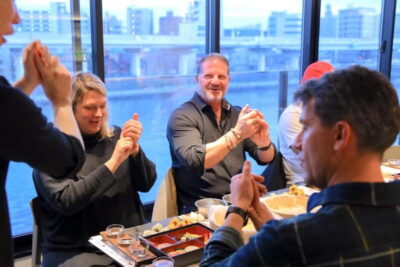
Tokyo: Roll and Authentic Sushi Making Class in Asakusa
Read our review →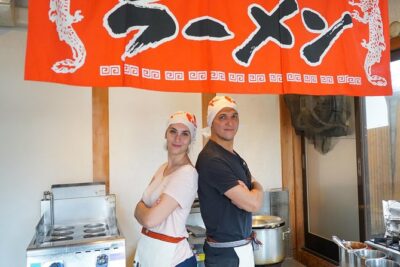
Ramen Cooking Class at Ramen Factory in Kyoto
Read our review →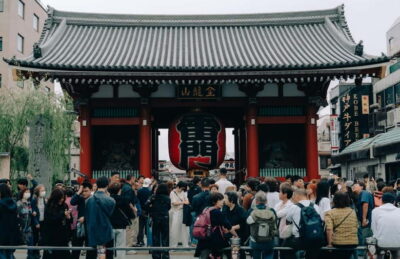
Tokyo: Sushi Making Class in a Happi Coat near a Famous Spot
Read our review →
Sushi Making Tokyo! Popular Maki Sushi & Japanese Sushi(+Recipe!)
Read our review →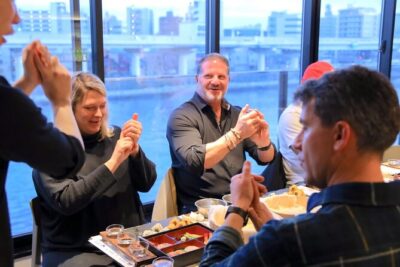
Sushi Making Osaka Roll and Authentic Japanese Sushi Class
Read our review →
Tokyo Sushi Making Class in Tsukiji with Professional Chef
Read our review →
Ramen & Gyoza Cooking Class in Tokyo with Local Supermarket Visit
Read our review →Browse the lists this tour appears in