
Review · KATHMANDU
Kathmandu: About 3-hour Cooking Class Experience near Thamel
Nepal’s best food lesson may be the one that ends with a full plate of your own dal bhat, momos, or chatamari. This three-hour cooking class near Thamel lets you choose three dishes, work with fresh ingredients, and eat what you prepare.
I like the personal scale of the class. Bikram and Kamal have been praised for patient instruction, and one solo participant still received the complete cooking session. I also like the choice of nine dishes, which lets you focus on everyday Nepali food or try something less familiar, such as yomari or mushroom choila.
The main drawback is that the class price includes food and the cooking setup, but not beverages beyond what is prepared during the lesson. Pickup and drop-off cost extra, too, so add those charges if you are staying outside Thamel.
Key points at a glance
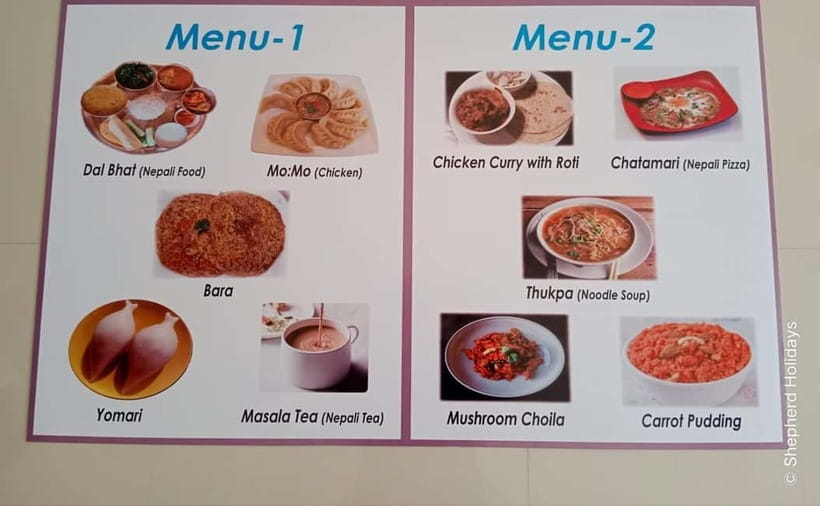
- Choose three Nepali dishes: Options include dal bhat, momos, bara, yomari, thukpa, and carrot pudding.
- Cook in a traditional kitchen setting: You chop, stir, season, and shape the food instead of only watching a demonstration.
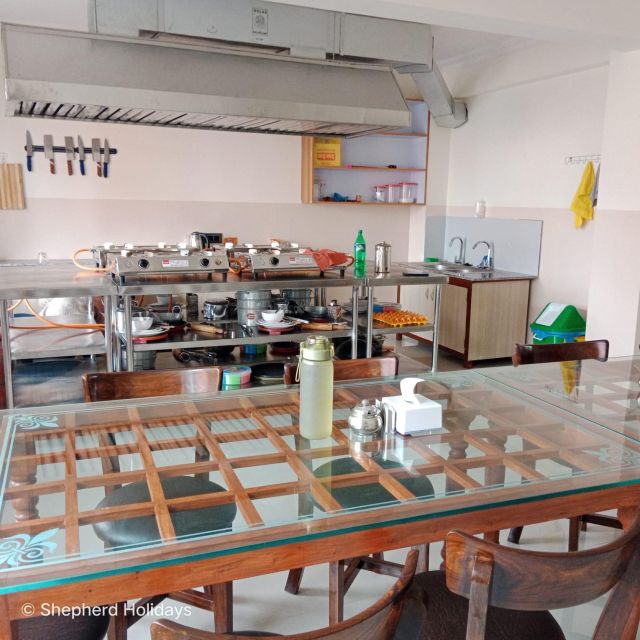
- Meet near Thamel: The class takes place in the same building as the Shepherd Holidays office, within walking distance of the tourist center.
- Eat your finished meal: Ingredients, equipment, an instructor, a helper, and food prepared during class are included.
- English instruction: Bikram and Kamal have received special praise for their teaching.
- Plan for three hours: Starting times vary, and pickup or drop-off is available for an additional fee.
What this Kathmandu cooking class is really about
This is not a restaurant meal with a short demonstration added on. You take part in making the food, then sit down to eat it. That simple format gives you a better sense of how Nepali meals fit together.
The class begins at Shepherd Holidays, located in the same building as its office. The meeting point is near Thamel, so you can reach it on foot if you are staying in the area. After you arrive, you receive tea or coffee while the class gets organized.
You then select three dishes from the menu. The staff prepare the fresh ingredients, and your English-speaking instructor guides you through the work. Expect to chop, stir, season, shape, and cook, with help from the instructor and assistant as needed.
The class ends back at the meeting point after the meal. Since the food you make is also your lunch or dinner, the three-hour format offers both a lesson and a substantial meal.
More Hands-On Workshops in Nepal:
- Half day cooking class in Thamel kathmandu
★ 5.0 · 607 reviews - Kathmandu: Local Women-Led Nepali Cooking & Momo Class
★ 4.9 · 360 reviews - Kathmandu: Local Lead Nepali Cooking & Momo-Making Class
★ 5.0 · 212 reviews
Starting near Thamel with tea and a menu choice
The location is useful for anyone staying around Thamel. You do not need to arrange a long ride across Kathmandu for a short activity. The class takes place in the same building as the Shepherd Holidays office, which keeps the arrival simple.
If you are staying outside Thamel, pickup and drop-off can be arranged for an extra charge. That may be worth considering in Kathmandu traffic, but you should treat it as an add-on rather than part of the $32 price.
The tea or coffee at the start is a small touch, but it helps set the tone. You have a moment to settle in before choosing your dishes. Since only three dishes are included in the normal format, think about your menu before you arrive.
A practical combination might be dal bhat, chicken or vegetable momos, and chatamari. That gives you a main meal, a dumpling technique, and a flatbread. If you want to explore more unusual items, bara, yomari, or mushroom choila will show you different sides of Nepali cooking.
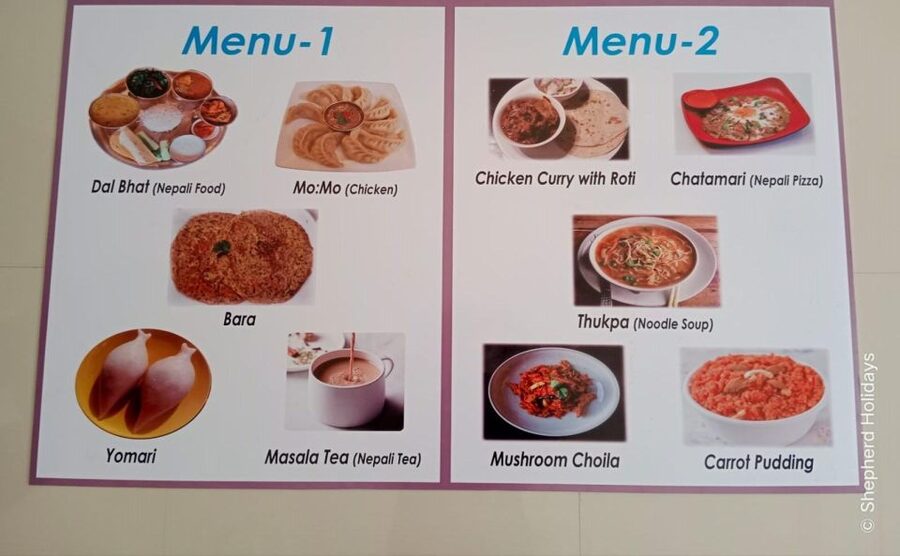
The menu includes:
- Dal bhat
- Chicken or vegetable momos
- Bara
- Yomari
- Chicken curry with roti
- Chatamari
- Thukpa
- Mushroom choila
- Carrot pudding
The menu is broad enough for different tastes. Vegetarians can choose vegetable momos and other meat-free dishes, though you should confirm your exact three selections when booking or at the start of class.
Dal bhat, Nepal’s everyday plate
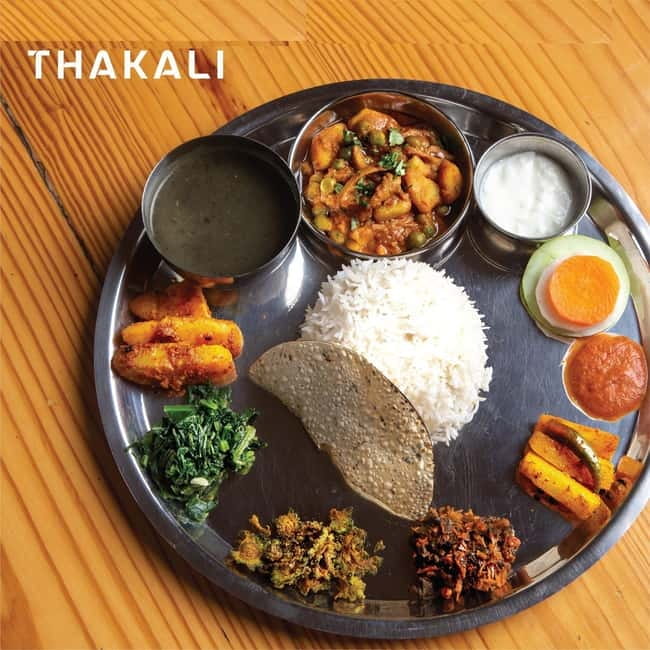
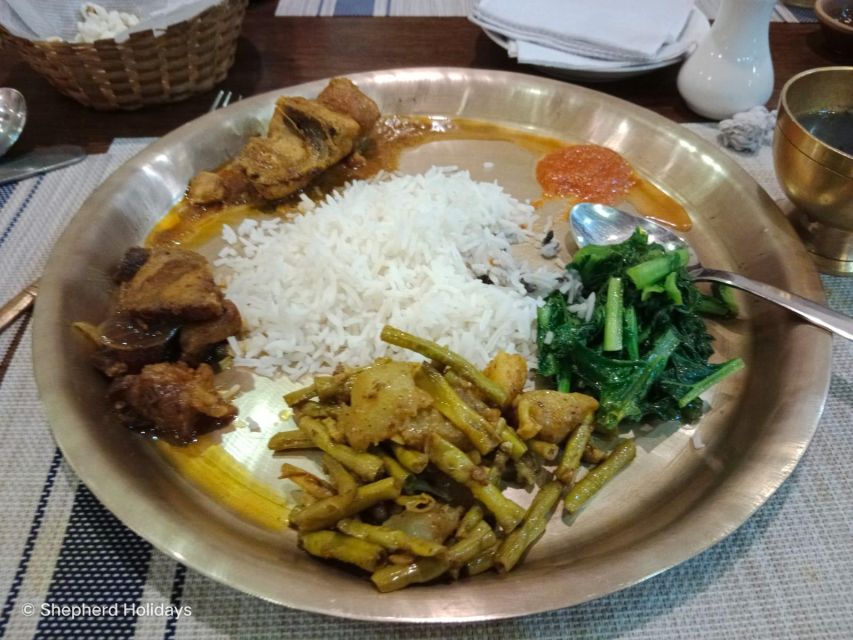
Dal bhat is the anchor of the menu. It combines lentil soup and rice, and it is one of the clearest ways to understand daily Nepali eating.
The dish may look plain on paper, but the value of learning it is in the seasoning and balance. You get a lesson in making dal, cooking rice, and bringing the two together as a satisfying meal. It is also the dish most likely to be useful once you return home, since the ingredients and method are approachable.
I would choose dal bhat if you want one recipe that connects the class to ordinary Nepali life. It is less of a novelty than yomari or chatamari, but it gives you a dependable foundation.
Momo shaping and the choice of chicken or vegetables
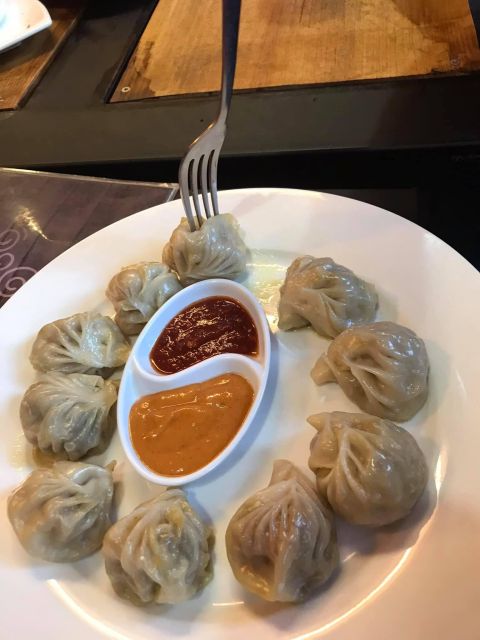
Momos are Nepal’s famous dumplings, and the hands-on work is part of the appeal. You choose chicken or vegetable filling, then learn how the dumplings are prepared.
This is one of the best choices if you enjoy practical cooking tasks. The class promises to show you the secrets behind the dumplings, and the shaping stage gives you something active to do rather than simply watch a chef work.
Choose chicken if you want the classic meat version offered here. Pick vegetable momos if you prefer a meat-free menu. Since the class has a helper as well as an instructor, you should have support as you work through the recipe, though the exact amount of individual instruction will depend on the group.
One useful detail comes from a solo booking: even with only one participant, the full cooking session went ahead. That suggests the activity can work well for someone traveling alone, rather than requiring a large party to create the atmosphere.
A few more cooking classes around Nepal worth a look
- Pokhara: 3 Hour MoMo cooking class
★ 4.5 · 10 reviews - Marrakech: 3-Hour Open-Air Moroccan Cooking Course
★ 4.9 · 74 reviews - 3-hour Tuscan Cooking Class with Wine & Oil Tasting
★ 4.5 · 36 reviews - Sabah Traditional Authentic Cuisine Cooking Class 3 Hours
★ 4.9 · 22 reviews
Chatamari, bara, and the less familiar choices
Chatamari is often called Nepali pizza, but the comparison only goes so far. It is a distinctive flatbread with toppings, and the class gives you a chance to make it yourself rather than order it in a café.
I would choose chatamari if you want something that feels strongly tied to Kathmandu food culture while still being easy to understand. It is also a good pick for a shared table because toppings can offer different flavors in one dish.
Bara is a deep-fried lentil patty, crisp outside and soft within. It works well as a snack or side dish, and it provides a different cooking technique from dumplings and rice. Choose it if you want to learn a small savory item rather than another full main course.
Mushroom choila offers a spicy, aromatic option without meat. It is described as a marinated mushroom dish that highlights Nepali spices. This may suit you if you want a meat-free dish with stronger seasoning.
These choices help keep the class from becoming only a lesson in familiar comfort food. You can build a menu that gives you three different textures and methods.
Yomari and carrot pudding for a sweet finish
Yomari is a sweet dumpling filled with jaggery and sesame seeds. It shows the dessert side of Nepali food and adds a shaping task to the class.
Carrot pudding is another sweet option. The lesson focuses on balancing its ingredients, giving you a chance to finish with a Nepali-style dessert instead of ending with curry or noodles.
If you have a sweet tooth, select one of these and pair it with a savory dish such as dal bhat or chicken curry with roti. Choosing both sweet items may give you a less balanced meal, since the standard class lets you pick only three dishes.
Chicken curry, roti, and thukpa
Chicken curry with roti is the familiar choice for anyone who enjoys fragrant spices and flatbread. It gives you a chance to work on a sauce and prepare a bread accompaniment in the same session.
Thukpa is a hearty noodle soup with Tibetan roots that has become part of Nepali food culture. Choose it if you want a warming bowl rather than a rice-based dish. It also adds a soup-making technique that is different from the dry or fried items on the menu.
These dishes may be easier starting points for cooks who are new to South Asian food. Dal bhat is the more representative everyday meal, while curry and thukpa may feel more immediately familiar.
How the three hours are likely to unfold
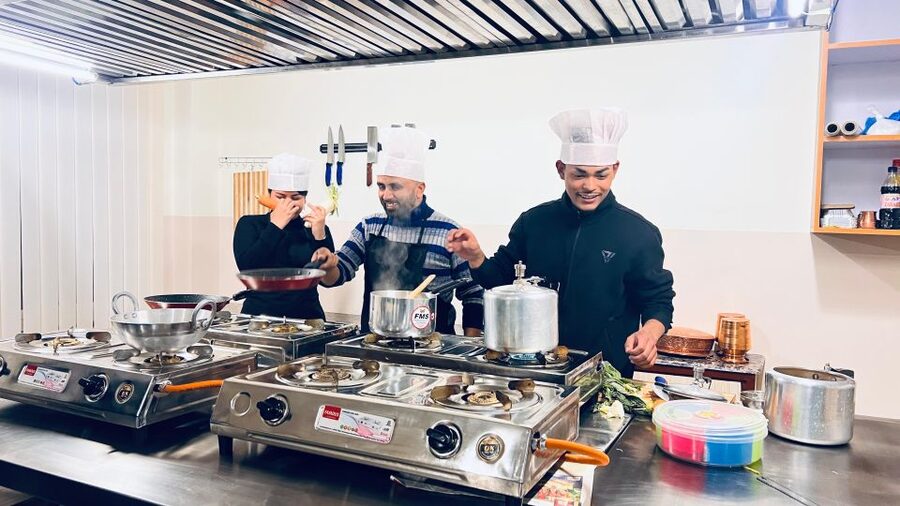
The class is structured around participation, not a long lecture. First, you arrive, have tea or coffee, and choose three dishes. The ingredients are prepared for you, so you can spend the class learning the cooking process rather than shopping or doing extensive prep.
Next, the instructor and helper guide you through the recipes. You can expect to chop, mix, season, cook, and assemble the dishes. The lesson also includes stories and cultural context, so the food is explained as part of Nepali life rather than treated as a set of isolated recipes.
Finally, you eat the food you prepared. This is important for judging the value of the class. You are not paying $32 simply for a recipe card and a small taste. The fee includes the ingredients, equipment, instruction, helper, and food prepared during the session.
One participant booked at short notice and was the only person in the class. The full menu was still prepared, with large portions and food described as delicious. That is encouraging for solo visitors, although the regular instruction says to choose three dishes, so do not assume a full menu is guaranteed every time.
The teaching and kitchen setup
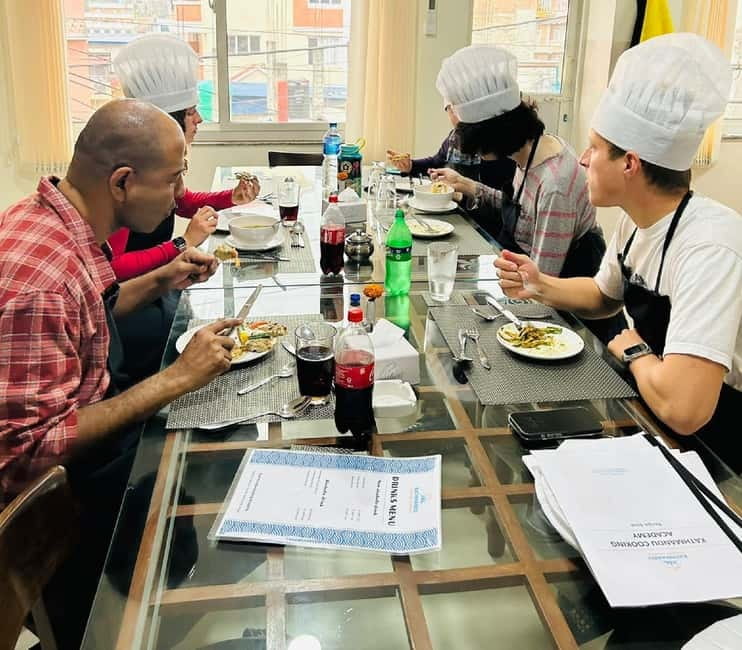
The class is taught in English by local instructors. Bikram and Kamal have been specifically praised for making delicious Nepali food and for teaching the process clearly enough that participants planned to make dal bhat at home.
That is a useful measure of a cooking class. You want techniques you can remember, not only a pleasant meal that stays in Kathmandu. The strongest evidence here is that the lesson helped one participant feel ready to repeat dal bhat after returning home.
The kitchen is described as traditional, with an instructor and helper available. The cleanliness was considered acceptable by one participant. That is fair and balanced feedback: the kitchen is not being marketed as a luxury culinary studio, but the setup is suitable for a hands-on local cooking lesson.
Recipes are available for a small additional fee. If you want to recreate the dishes later, ask about them before you leave and budget for that extra cost.
Is $32 a good value?
At $32 per person, the class is reasonably priced for a three-hour food activity that includes ingredients, equipment, instruction, a helper, and the meal you prepare. You also get cultural explanation and the chance to practice several techniques.
The value is strongest if you would otherwise pay for a meal and still want a useful activity near Thamel. The class combines both. It can also be a practical choice early in your Nepal trip, since it may help you recognize dishes on restaurant menus later.
The price is less all-inclusive than it first sounds. Beverages are not included, apart from the tea or coffee welcome and food-related drinks provided during the class. Personal expenses, accommodation, and transport are separate. Pickup and drop-off cost extra, and recipes also require a small additional payment.
Still, the core package is clear. You pay for a three-hour lesson and the food made in class, not for a sightseeing tour or an elaborate restaurant setting.
Who should book this class
I would recommend it to food-focused visitors, curious first-time eaters of Nepali cuisine, solo visitors, couples, and small groups who want an active morning or afternoon near Thamel.
It is especially good for you if you want to:
- Learn recipes you can attempt at home
- Try several types of Nepali food in one sitting
- Eat a substantial meal after cooking
- Meet local instructors through food
- Avoid spending half a day on transport
- Choose vegetarian dishes or mix meat and vegetable options
It may be less suitable if you want a polished cooking school with a formal culinary setting, a fixed full-menu feast, or included hotel transfers. The class is practical and local in feel, not a luxury food production.
Starting times vary, so check availability before planning the rest of your day. The activity lasts three hours, and it ends where it begins.
Should you book the Shepherd Holidays cooking class?
Book it if you want to do more than taste Nepali food. The chance to make dal bhat, shape momos, cook chatamari, or prepare yomari gives you a real connection to the dishes.
The best reasons to choose it are the menu flexibility, the near-Thamel location, the included meal, and the warm teaching style associated with Bikram and Kamal. The main cautions are the extra charges for transport and recipes, plus the fact that the standard format covers three dishes rather than the entire menu.
For $32, this is a sensible pick for a hands-on food lesson with a generous meal at the end. Choose your three dishes with care, and ask about recipes if you want to continue the lesson at home.
FAQ
Where does the cooking class take place?
The class takes place at Shepherd Holidays, in the same building as the company office near Thamel in Kathmandu.
How long does the cooking class last?
The activity lasts about three hours. Starting times vary, so check availability for the schedule.
Which dishes can I learn to cook?
The menu includes dal bhat, chicken or vegetable momos, bara, yomari, chicken curry with roti, chatamari, thukpa, mushroom choila, and carrot pudding.
How many dishes can I choose?
The standard experience lets you choose three dishes from the available menu.
Is the class taught in English?
Yes. The instructor language is English.
Are ingredients and cooking equipment included?
Yes. Ingredients and all equipment needed to prepare the food are included, along with an instructor and helper.
Is hotel pickup included?
No. Pickup and drop-off are available for an extra charge. The class ends back at the meeting point.
Can I cancel for a full refund?
Yes. You can cancel up to 24 hours in advance for a full refund. You can also reserve now and pay later.
Just added around Nepal
- Kathmandu: 3-Hours of Cooking Class with Meals★ 5.0 · 10 reviews
- Pokhara: Nepali Cooking Class and Momo Making Workshop★ 5.0 · 6 reviews
- Pokhara: 3 Hour MoMo cooking class★ 4.5 · 10 reviews
- Nepalese Kitchen in Pokhara: Momos or Dal Bhat Cooking Class★ 5.0 · 67 reviews
- MoMo or Dal Bhat Cooking Class at Aama Kitchen in Pokhara★ 4.9 · 28 reviews
- Local Women Led Nepali Cooking Class★ 5.0 · 6 reviews
- Kathmandu: Women-Led Cooking Class & Momo Making-Local Taste★ 4.8 · 15 reviews
- Kathmandu: Local Lead Nepali Cooking & Momo Making Class★ 4.9 · 40 reviews
Cooking Classes, compared.
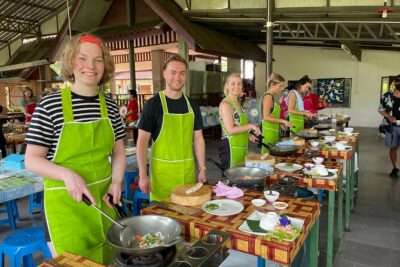
Half-Day Thai Cooking Class at Organic Farm in Chiang Mai
Read our review →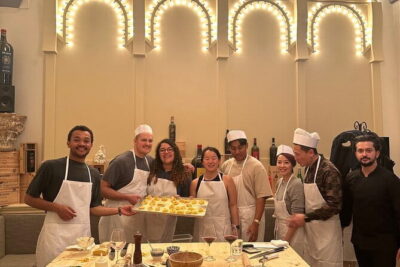
Florence: Pasta Cooking Class with Unlimited Wine
Read our review →
3 in 1 Cooking Class near Navona: Fettuccine, Ravioli & Tiramisu
Read our review →
Hanoi Cooking Class: Culture, Local Market & Meaning CSR Impact
Read our review →
5 Traditional Dishes Hanoi Cooking Class with Market Trip
Read our review →
Cooking Class and Lunch at a Tuscan Farmhouse with Local Market Tour from Florence
Read our review →
Chiang Mai: Cooking Class, Market & Thai Herbs Garden Tour
Read our review →Browse the lists this tour appears in