
Review · CASABLANCA
Moroccan Baking Bliss in Casablanca Sweet Discoveries Await
Moroccan baking is less about racing through a recipe and more about sitting down with people, sharing food, and learning why a dish matters. In Khadija’s Casablanca kitchen, you make pastries from scratch, prepare mint tea, and hear how recipes passed through her grandmother and mother still shape daily life.
I like the hands-on work and the personal scale. You knead, shape, cook, and taste rather than watch a demonstration from the sidelines. I also like the mix of food and family culture, from the tea ritual to stories about what different family members do at home. The main consideration is time: four hours in a private kitchen may feel long if you only want a quick pastry lesson.
Key points to know
- Four-hour private class: Your group works directly with Khadija instead of joining a large cooking-school session.
- Several Moroccan treats: The class has included four cookies, two crepes, and mint tea, with pastries to eat and take away.
- Family recipes: Khadija learned baking from her grandmother and mother, giving the lesson a personal link to Moroccan home cooking.
- Culture alongside cooking: You hear about food customs, family roles, and the place of mint tea in everyday life.
- Vegetarian-friendly format: The experience is designed to respect vegetarian dietary needs.
- Good take-home value: You receive recipes, a locally sourced gift, and, depending on the day’s baking, a box of treats.
Inside Khadija’s Casablanca kitchen
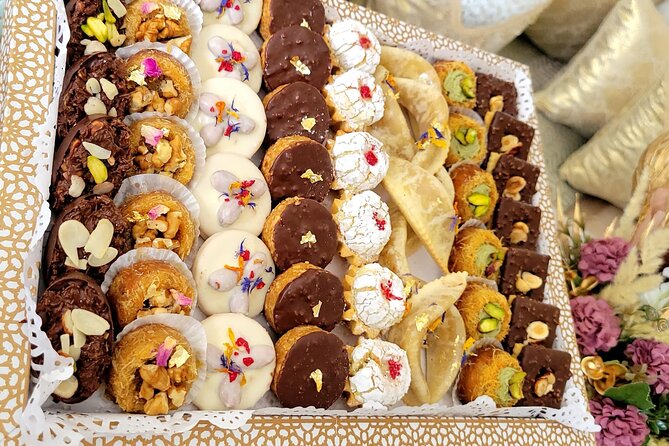
The appeal begins when you step into Khadija’s kitchen and smell Moroccan spices, warm dough, and baking pastries. This is not a polished restaurant demonstration. It is a home-style meeting built around doing things together.
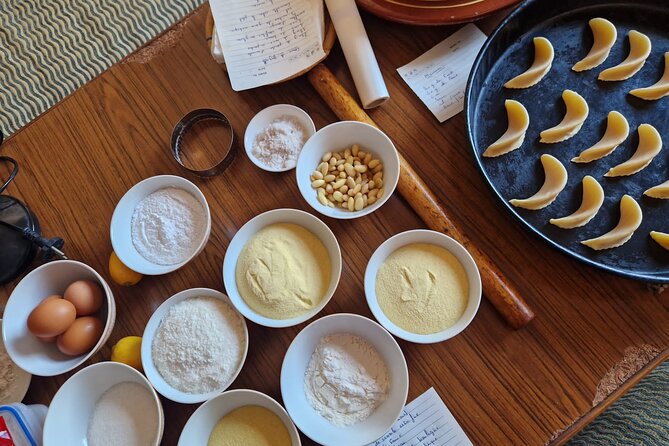
You work beside Khadija as she explains the process. The supplied details describe a session built around four different cookies and two crepes, though the exact selection may depend on the day. That variety matters. You get to compare different doughs, shapes, textures, and cooking methods instead of spending the whole class on one recipe.
The lesson is practical. You can expect to knead dough, shape pastries, cook some of the items, and taste the results as you go. The class is especially appealing if you enjoy using your hands. Moroccan pastry work rewards patience and care, and you learn more by touching the dough than by simply copying notes.
Khadija is also a caterer, so the food is not limited to basic beginner fare. The recipes are presented as treats you might serve to family or friends, not just as a quick tourist activity. That adds value for anyone who wants to recreate part of the experience at home.
More Baking Classes in Morocco
- Marrakech: Traditional Moroccan Crepes & Bread Cooking Class
★ 4.8 · 135 reviews - Cooking Class with Bread Workshop and Pastry in Fes
★ 5.0 · 57 reviews - Baking Workshops at Fez Cooking School at Palais Amani
★ 5.0 · 15 reviews
Four cookies, two crepes, and mint tea
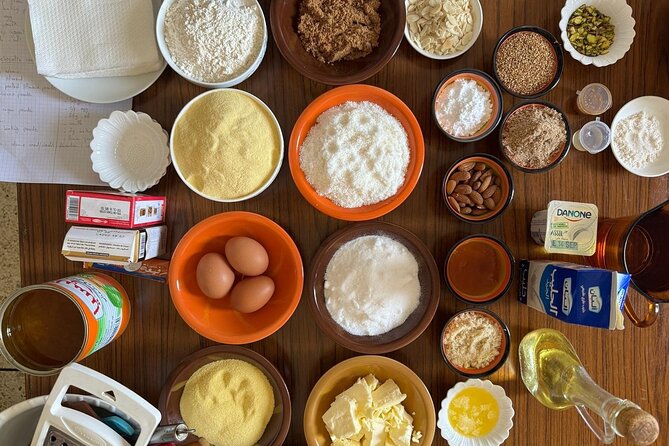
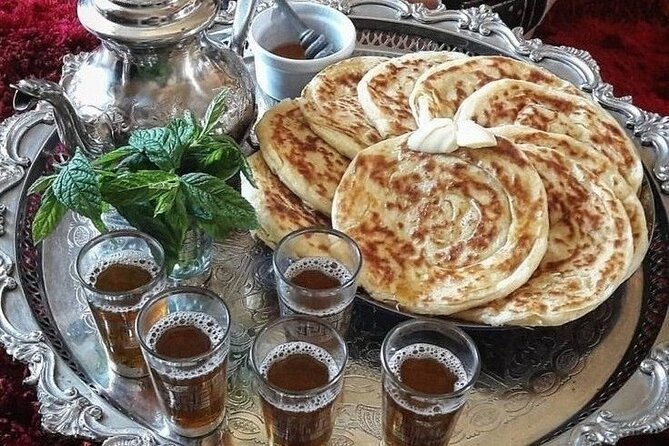
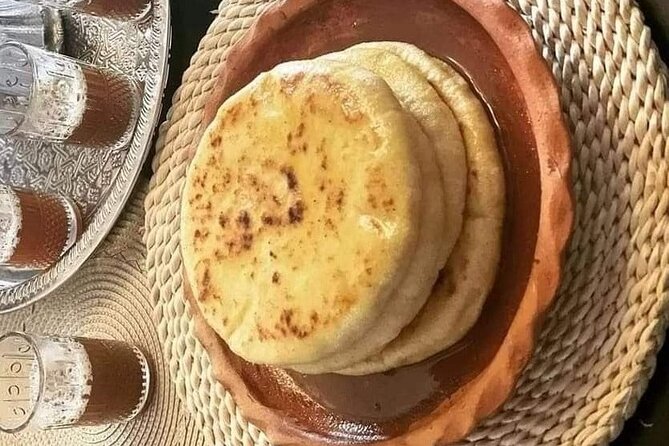
The food is the main event, but the range of dishes gives the afternoon a clear rhythm. Cookies provide the baking practice. Crepes add a different technique and texture. Mint tea brings everyone back to the table.
Several class details point to four cookies and two crepes being prepared during the session. You should treat those items as a useful guide rather than a promise of a fixed menu, since the information does not name each pastry. Still, the format gives you a solid sampling of Moroccan sweet treats.
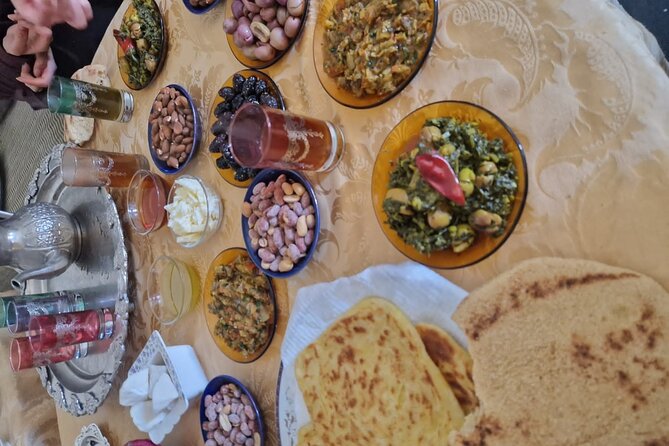
I like that the tea is not treated as an afterthought. Moroccan mint tea has a social role, and Khadija uses the process to explain hospitality and daily customs. Brewing and serving tea gives you a pause between kitchen tasks, while also showing how food traditions extend beyond the plate.
The meal element can be substantial for a half-day activity. You eat what you prepare, and a box of pastries may come home with you. That makes the experience feel more generous than a class where the food disappears the moment the lesson ends.
If you have a sweet tooth, this is the part you will remember most clearly. If you prefer savory cooking, keep your expectations in check. The focus is baking, pastries, crepes, and tea, not a full Moroccan lunch or a broad survey of savory dishes.
Recipes handed down through the family
Khadija learned baking from her grandmother and mother. That detail gives the class its strongest cultural thread.
A recipe can tell you what ingredients to use. A family teacher can also explain when a dish appears, who usually prepares it, and how food fits into the home. This class aims to cover that second layer. You are not only learning measurements and techniques. You are hearing stories connected to family routines and Moroccan hospitality.
One part of the experience includes examples of what family members are responsible for and how they travel. The details may vary with the conversation, but the point is clear: the kitchen becomes a way to talk about ordinary life in Casablanca. That is useful if you want more than a quick food stop.
The cultural content also makes the activity a good choice for first-time visitors to Morocco. You get a gentle introduction to customs through something easy to understand: how people prepare, serve, and share food. It avoids turning culture into a formal lecture.
The best approach is to arrive ready to ask questions. Khadija’s strong English makes conversation easier, and the private format gives your group room to set the pace. You can ask about the pastries, tea, family cooking, or anything that comes up naturally during the session.
Why the private format matters
This is a private activity, so only your own group takes part. That changes the mood in useful ways. You can work at your own speed, ask for a technique to be repeated, and spend more time talking without worrying about keeping up with a room full of strangers.
Families should find this especially helpful. Khadija has been patient with children while keeping adults involved in the preparation. A child can take part in shaping or mixing, while older members of the group focus on more detailed techniques.
The private setup also suits couples and small groups who want a personal meeting rather than a formal class. You are likely to get more conversation and more direct help than in a large workshop.
There is one trade-off. A private home kitchen does not offer the polished production line of a professional culinary school. If you want restaurant-style equipment, strict timing, or a certificate, this may not be the right choice. If you want a relaxed afternoon with a local host, the informal setting is part of the value.
Same place, a different menu:
- Marrakech: Moroccan Cooking Class with Pickup
★ 4.6 · 1,862 reviews - Marrakech: Traditional Moroccan Cooking Class & Market Visit
★ 4.8 · 1,861 reviews - Marrakesh: Moroccan Dishes Cooking Class with a Local Chef
★ 5.0 · 1,615 reviews - Moroccan Cooking Class & Marrakech Market Visit with Chef Khmisa
★ 5.0 · 1,504 reviews
A four-hour activity, not a quick stop
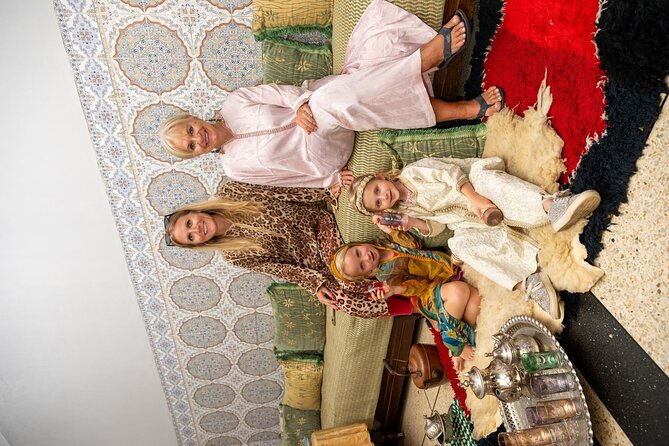
The experience lasts about four hours. That gives enough time for food preparation, baking, tea, eating, conversation, and packing up the recipes and treats.
I would set aside most of an afternoon rather than trying to fit this between two tightly scheduled sightseeing stops. The four-hour length leaves room for explanations and small pauses, but it also means you should not book it as a short activity before a fixed departure.
The meeting point is listed as محلبة أهلا وسهلا, at HC97+F93 in Casablanca. The activity returns to that same meeting point. It is near public transportation, and you receive confirmation when booking. Since the meeting point uses an Arabic business name and a plus code, save the location on your phone before setting out and allow time to identify it.
A mobile ticket keeps the arrival process simple. You do not need to print paperwork, but you should have the booking details available on your phone. Service animals are allowed.
The activity is commonly booked about 28 days ahead. That does not guarantee that every date fills, but it is a useful planning signal. If your Casablanca schedule is tight, booking early is sensible, especially for a private session with one host.
The value of the $40 price
At $40 per person, this is priced above a quick bakery visit but below many polished half-day food classes. The value depends on what you want from the afternoon.
You receive roughly four hours of instruction and conversation, several prepared treats, mint tea, recipes to take home, and a locally sourced gift. You may also take away a box of pastries. For a private group, that is a fair package if you value personal attention and cultural context.
The food itself is only part of the calculation. A cheaper class might teach one recipe in a larger group. Here, the price also covers access to Khadija’s family approach to baking and the chance to ask questions throughout the session.
I would not choose this activity for the lowest possible food cost. You can buy Moroccan pastries more cheaply in Casablanca. I would choose it if you want to understand how those pastries are made and why sharing them matters.
The private arrangement can make the price more worthwhile for a family or group of friends. Solo visitors should compare the per-person cost with their budget, though the included food, recipes, and personal instruction still give the session substance.
Who will enjoy this most
This class is a good fit for you if you:
- Like baking and want real hands-on practice
- Prefer a private experience to a large group lesson
- Want to meet a local host in a home setting
- Enjoy learning through conversation
- Are interested in Moroccan family food customs
- Need a vegetarian-friendly activity
- Are traveling with children who enjoy simple kitchen tasks
- Want recipes and food to take home
It may be less suitable if you want a fast, highly structured demonstration or a meal centered on savory Moroccan cooking. The pace depends partly on your group, and the personal conversation is a major part of the experience.
You should also plan around the sweets. If you avoid sugar or pastries, the class will have less appeal, although the cultural and tea elements still provide some interest.
A welcoming choice for families and English speakers
Khadija’s English is described as very good, which removes a common worry in a cooking class. Clear explanations matter when you are learning dough techniques, following several recipes, or asking about ingredients.
Her patient approach also helps families. Children can take part without the adults losing their own chance to learn. The activity offers enough variety to keep a group involved, but it does not sound like a high-pressure competition.
The tone is social. You chat while preparing food, then sit down to enjoy it. That makes the class feel closer to an invitation into someone’s home than a standard lesson.
For some visitors, that will be the best part. For others, a more formal cooking studio might feel easier to follow. I would choose Khadija’s kitchen if you want contact with a host and are comfortable with a relaxed schedule.
What you take home

The recipes are one of the strongest practical features. You can try the dishes again after returning home, which gives the experience a life beyond your Casablanca visit.
You also receive a special locally sourced gift. The exact item is not specified, so do not book this expecting a particular souvenir. Think of it as a small extra rather than the main reason to go.
The food is more useful than a typical souvenir. You may eat some pastries during the class and carry others away in a box. That lets you share the results with people who did not attend, assuming the treats travel well for the rest of your day.
The recipes, gift, and pastries together make the $40 easier to justify. You leave with something to remember, something to eat, and something you can attempt in your own kitchen.
Booking, timing, and cancellation
You receive confirmation at the time of booking, and the mobile ticket is convenient for arrival. The meeting point is also the end point, so you do not need to arrange a separate return transfer for the activity itself.
Free cancellation is available up to 24 hours before the start time for a full refund. Cancellations or changes made less than 24 hours in advance are not accepted for a refund, and the cut-off follows Casablanca local time.
I would confirm your transport plan before the day, especially because the meeting point is identified by an Arabic name and plus code. Near public transportation is helpful, but you still need to reach the exact starting spot.
Should you book Moroccan Baking Bliss?
Book this experience if you want a personal Casablanca afternoon built around food, conversation, and family tradition. The combination of four cookies, two crepes, mint tea, recipes, a local gift, and possible takeaway pastries gives you plenty to do.
I especially recommend it for families, couples, small groups, and anyone who wants a calmer alternative to a busy sightseeing tour. Khadija’s patient teaching and good English make the class approachable, while her family baking background gives the recipes a real connection to Moroccan life.
Skip it if you want savory dishes, a short tasting, or a formal culinary school setting. For everyone else, $40 buys more than pastries. It buys time in a local kitchen, direct instruction, and a useful glimpse of how food brings a Moroccan family together.
FAQ
How long does the Moroccan baking experience last?
The activity lasts approximately four hours.
Where does the activity start and finish?
It starts at محلبة أهلا وسهلا, HC97+F93, Casablanca 20320, Morocco. It ends back at the same meeting point.
Is this a private class?
Yes. Only your group participates in the activity.
What food do you prepare?
The class focuses on Moroccan pastries and has included four cookies, two crepes, and Moroccan mint tea. The exact pastry selection is not specified.
Is the activity suitable for vegetarians?
Yes. The experience is vegetarian-friendly and aims to respect dietary preferences.
Can I cancel for a full refund?
Yes. You can cancel at least 24 hours before the start time for a full refund. Cancellations or changes made less than 24 hours before the start time are not accepted for a refund.
More Moroccan Cooking Classes in Morocco
- Marrakech: Moroccan Cooking Class with Pickup
★ 4.6 · 1,862 reviews - Marrakech: Traditional Moroccan Cooking Class & Market Visit
★ 4.8 · 1,861 reviews - Marrakesh: Moroccan Dishes Cooking Class with a Local Chef
★ 5.0 · 1,615 reviews - Moroccan Cooking Class & Marrakech Market Visit with Chef Khmisa
★ 5.0 · 1,504 reviews
Just added around Morocco
- cooking with rabab Tagahzout★ 5.0 · 11 reviews
- Moroccan Cooking Class and Eco-Farm Visit – Full day★ 5.0 · 13 reviews
- Cooking the Moroccan Way, Tamraght★ 5.0 · 37 reviews
- Agadir Cooking Class with Locals★ 4.5 · 6 reviews
- Agadir Cooking class (tajin+msemen+thé)with 1h camel ride★ 5.0 · 8 reviews
- Cooking Class and 2 hours Camel Ride★ 5.0 · 7 reviews
- Taghazout: Authentic Moroccan Botanical Garden Cooking Class★ 4.1 · 5 reviews
- Rabat: Authentic Moroccan Cooking Class with Expert Chefs★ 5.0 · 17 reviews
Baking & Bread Classes, compared.
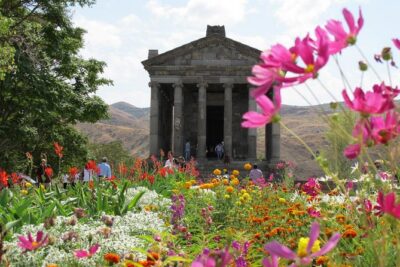
Group Tour: Garni, Symphony of Stones, Geghard, Lavash Baking
Read our review →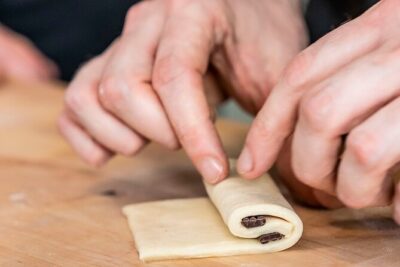
Paris Croissant Small-Group Baking Class with a Chef
Read our review →
Garni & Geghard Small-Group Day Trip with Lavash Baking
Read our review →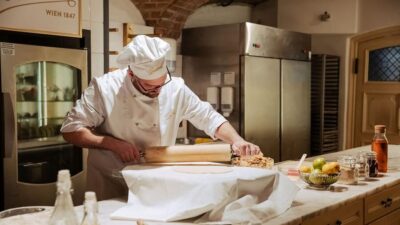
Vienna: Gerstner KuK Hofzuckerbäcker Baking Show & Tasting
Read our review →
Yerevan: Garni, Geghard, Symphony of Stones & Lavash Baking
Read our review →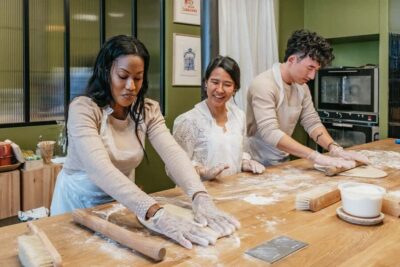
Paris: French Croissant Baking Class with a Chef
Read our review →
Laugarvatn Fontana: Geothermal Bread-Baking Experience
Read our review →Browse the lists this tour appears in