
Review · TOKYO
Ramen Making from Scratch +Akihabara Tour –Cooking Class
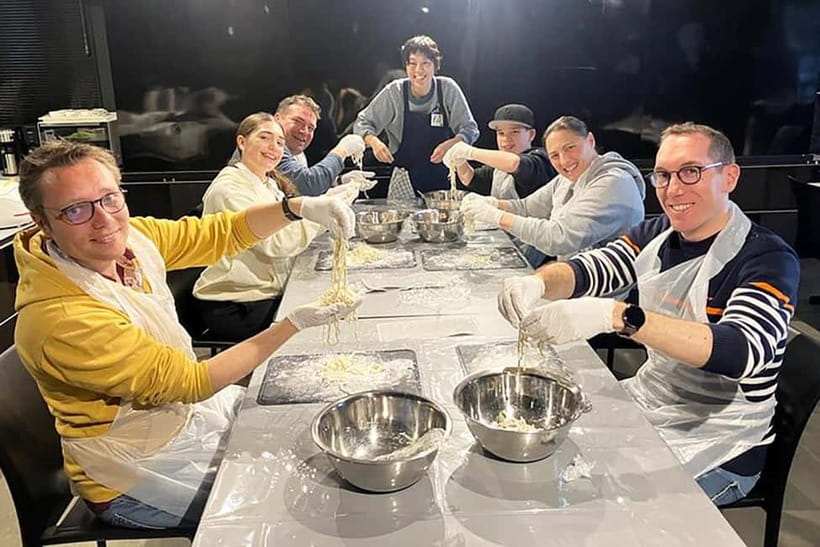
The most unusual part of this three-hour Akihabara experience is not the anime, electronics, or neon streets. It is making the ramen noodles yourself, starting with flour, then preparing the broth and toppings before sitting down to eat the finished bowl. This is a hands-on class, not a quick demonstration.
I like two things right away. First, the supermarket visit gives you a useful look at the ingredients used in everyday Japanese cooking. Second, the small group, limited to six people, should give you plenty of time with the English-speaking guide and chef. The main drawback is that the class ends at the kitchen studio, not back at Akihabara Station, and you must pay your own train fare.
Key points to know before booking
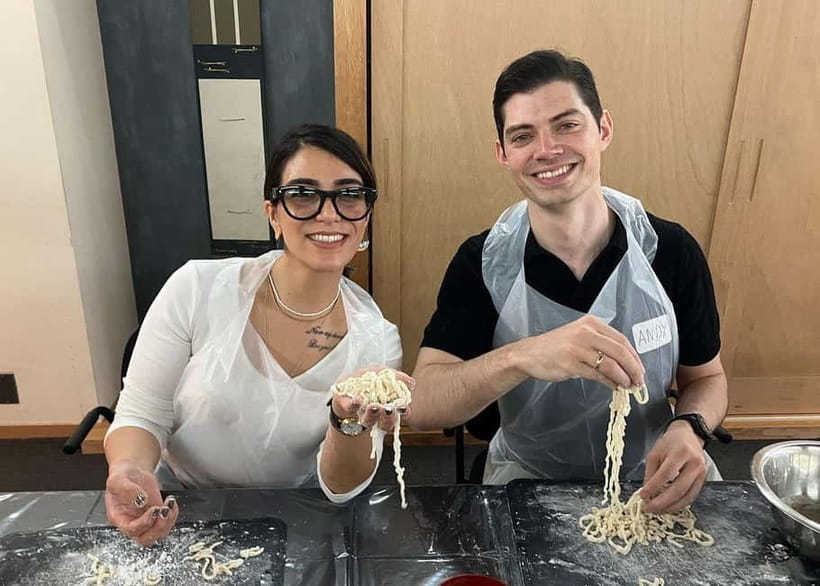
- Fresh noodles from flour: You make the ramen noodles yourself instead of simply assembling a prepared meal.
- Akihabara with a purpose: The short neighborhood walk leads to a local supermarket and gives the cooking class some Tokyo context.
- Jiro-style ramen: The class focuses on a special, hearty ramen style with broth, toppings, and fresh noodles.
- Small English-speaking group: Six participants is the maximum, and English instruction is provided.
- Chicken is possible: With more than 48 hours notice, pork chashu can be changed to chicken.
- Bring an IC card or cash for transport: The train ride to the studio is not included in the $120 price.
Why this ramen class is different
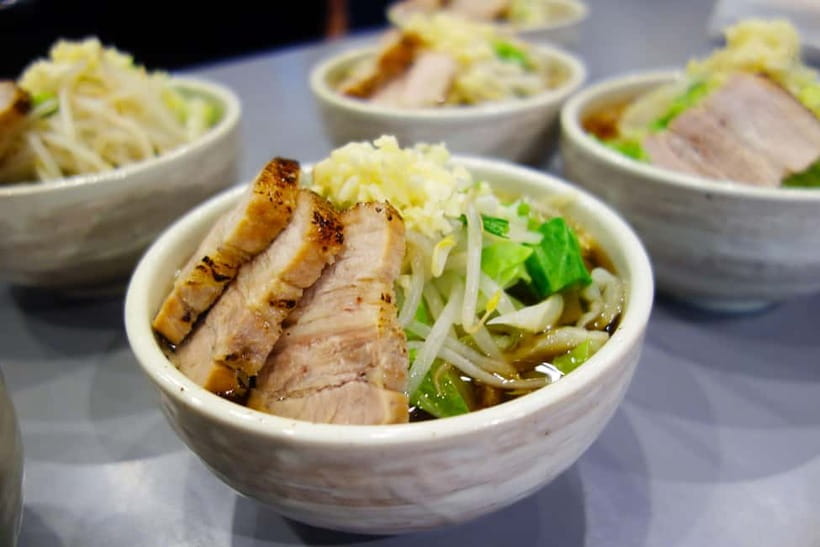
Tokyo offers plenty of ramen meals, but eating a bowl and making one are two very different experiences. Here, you work through the process from basic ingredients to finished dish. That gives you a better sense of the labor behind ramen, especially the noodles, which are often the part diners notice least.
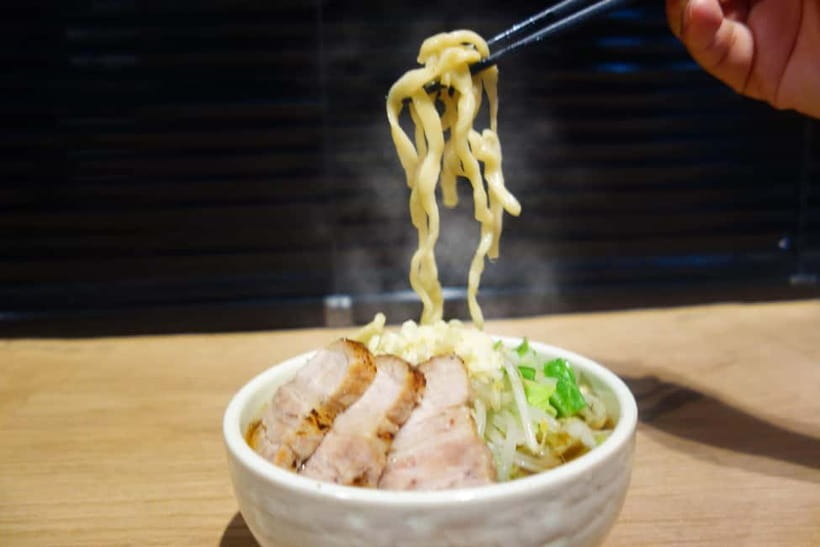
The focus is Jiro-style ramen. This is generally associated with a substantial bowl, strong flavors, generous toppings, and thick noodles. The exact ingredients used can vary by class day, which is why the supermarket stop matters. You are not just following a fixed recipe in a sealed cooking studio. You first see the ingredients selected for that day and hear how they will be used.
The experience also combines three pieces of Tokyo life in a compact package: Akihabara’s pop culture, a local grocery shop, and a Japanese cooking studio. You will not spend the whole morning in a kitchen, nor will the neighborhood walk turn into a long sightseeing tour. The balance is useful if you want an activity that feels connected to the city but still gives you a proper meal.
More Sushi and Japanese Classes in Tokyo:
- Sushi Making Tokyo Roll and Authentic Japanese Sushi Class
★ 5.0 · 3,971 reviews - Tokyo: Roll and Authentic Sushi Making Class in Asakusa
★ 4.9 · 1,957 reviews - Tokyo: Sushi Making Class in a Happi Coat near a Famous Spot
★ 4.9 · 1,377 reviews
Meeting at Akihabara Station at 11 AM
Your day begins at 11 AM outside the Central Ticket Gate of JR Akihabara Station. Be precise about this meeting point. Akihabara is a large station with several exits and rail lines, so simply arriving in the neighborhood is not enough.
The group leaves after 10 minutes, and there is no refund if you miss the departure. If you arrive late, you are expected to go directly to the kitchen studio, but the information provided does not give a detailed late-arrival procedure beyond that instruction. I would plan to reach the station early and allow time to find the correct gate.
The class requires at least two people per reservation. That makes it a better fit for couples, friends, and small family groups than for someone hoping to join alone. The maximum group size is six, which should keep the cooking portion manageable without making it feel like a large school outing.
Strollers are not allowed, and the activity is not suitable for children under five, wheelchair users, people with back problems, vegans, or vegetarians. These limits matter because the experience includes walking, train travel, and standing or working in a kitchen.
A short walk through Akihabara’s electric town
The first walking section lasts about 20 minutes. Your guide leads you through Akihabara, known for electronics, anime, gadgets, and Japanese pop culture, on the way to the supermarket.
This is a brief orientation rather than a full sightseeing tour. You should think of it as a way to connect the meal with its setting. Akihabara can feel like a shopping district built around technology and entertainment, while the supermarket introduces a more ordinary side of the neighborhood. Moving between those two settings gives the morning a nice contrast.
The walk is also practical. You are not simply being taken from a station to a cooking room. You get a quick look at the streets before learning what goes into the dish. If you already know Akihabara well, this part may feel familiar. If it is your first visit, it offers a compact introduction without taking over the main event.
Wear comfortable shoes. The walk is only about 20 minutes, but it is followed by a train ride and a cooking session. This is not a good day for footwear that makes standing uncomfortable.
The supermarket stop and Japanese ingredients
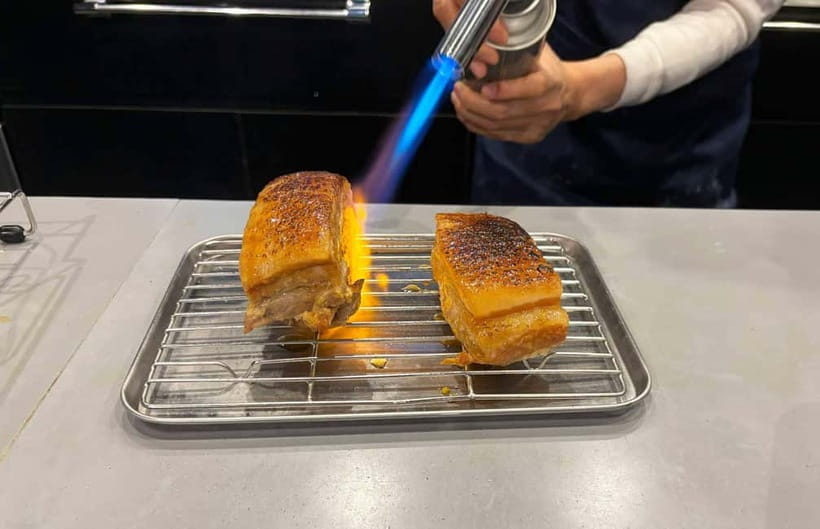
At the local supermarket, you spend about 20 minutes looking at ingredients for the day’s ramen. The guide explains what will be used and how those ingredients fit into the dish.
This is one of the most useful parts for anyone interested in Japanese food beyond restaurant menus. A supermarket shows you the practical side of cooking: the products people buy, the ingredients that support a recipe, and the difference between seeing an unfamiliar item on a shelf and understanding its purpose.
The stop also gives you a preview of the recipe before you begin. You can connect the raw ingredients with the broth, noodles, and toppings you will prepare later. That small bit of context makes the cooking lesson easier to follow.
Do not expect a long food market tour. The stop is about 20 minutes, and its role is to support the ramen class. It will suit you if you want a focused introduction to ingredients. It may feel too short if you are hoping for extensive shopping time or a detailed tour of Japanese supermarket culture.
More Hands-On Workshops in Tokyo:
- Tokyo Sushi Making Class in Tsukiji with Professional Chef
★ 5.0 · 1,177 reviews - Ramen & Gyoza Cooking Class in Tokyo with Local Supermarket Visit
★ 5.0 · 823 reviews - Tokyo: Tsukiji Fish Market Sushi Making Class with Pro Chef
★ 4.9 · 506 reviews - Tokyo: Sushi Making Class
★ 4.9 · 390 reviews
Taking the train to the kitchen studio
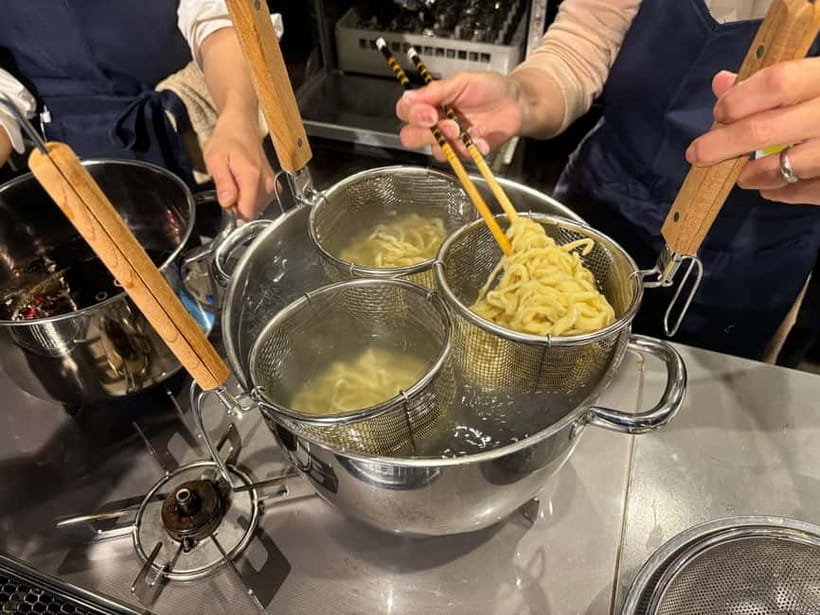
After the supermarket, you take a train to the cooking venue. The journey takes about 15 to 30 minutes, depending on the route and timing. The transportation from Suehirocho Station to the studio is not included, so you must use your own Suica or another IC card.
If you do not have an IC card, the guide will help you buy a ticket. Still, an IC card is the simpler choice for a short Tokyo train ride. Make sure it has enough balance before the group leaves.
The train transfer is a small but important practical detail. The $120 price covers the grocery tour, cooking experience, food, beverages, and downloadable photographs taken during the activity. It does not cover hotel pickup, hotel drop-off, or this train fare.
The venue is one of Patia Kitchen Studios, a group of modern cooking spaces in central Tokyo. The studios are described as spacious and relaxing, only a few minutes from the nearest station, and have been used for Japanese television programs. The class ends here, so plan the rest of your day from the studio rather than from Akihabara.
Making noodles, broth, and toppings in 90 minutes
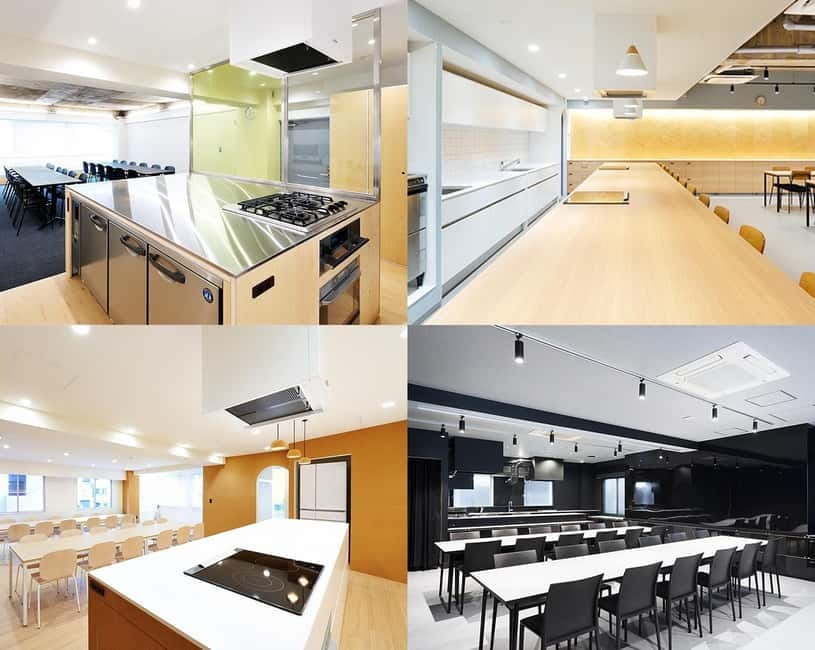
The cooking class lasts about 90 minutes. Under the direction of an English-speaking instructor, you prepare the fresh noodles, broth, and toppings, then bring them together into a bowl of Jiro-style ramen.
The noodles are the star of the class. You start with flour rather than being handed a ready-made noodle packet. That gives you a clear view of one of ramen’s basic building blocks and makes the final meal feel earned.
You also prepare the broth and toppings. This matters because ramen is not one single ingredient. The bowl depends on how the noodles, soup, and toppings work together. You get to see those parts as separate tasks before tasting them as one dish.
The timing is fairly tight. Ninety minutes is long enough for a structured lesson and a meal, but not so long that you should expect a slow, technical noodle-making course with many recipe variations. The instructor will guide you through the process, and the small group should help keep the pace personal.
Feedback about the class places particular emphasis on the guide and chef. The guide handles the neighborhood, supermarket, and transfers, while the instructor leads the kitchen work. Both are described as friendly and helpful, and the class has been praised for explaining Japanese ingredients clearly. No instructor names are provided, so you should not expect to request a particular teacher when booking.
At the end, you eat the bowl you made. One recent participant from Canada described it as the best ramen of their Japan trip, which is a strong compliment, though taste is personal. The more dependable point is that you are eating a meal tied directly to the work you completed during the class.
What Jiro-style ramen means for you
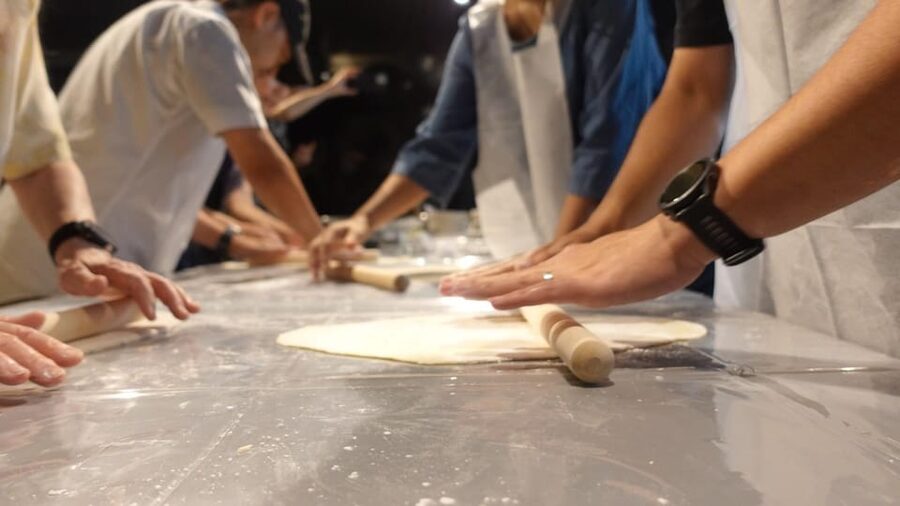
Jiro-style ramen is a specific attraction here, not a casual label added to a general noodle lesson. The class is promoted as the only English-language opportunity of its kind, making it appealing if you already enjoy this style of ramen or want to learn how it differs from more familiar bowls.
The dish is known for its generous character. You should expect a substantial meal rather than a delicate tasting portion, although the supplied details do not specify the exact portion size, toppings, or broth recipe used on your date.
That variation is worth keeping in mind. The guide explains the ingredients selected for the day, so the precise experience can change. You will still make noodles, broth, and toppings, but you should not book expecting a fixed list of every ingredient.
Pork chashu is part of the standard preparation, but chicken can be substituted if you provide more than 48 hours notice. This is helpful for people who eat chicken but not pork. It does not solve the needs of vegans or vegetarians, since no vegan or vegetarian option is available.
Is the $120 price fair?
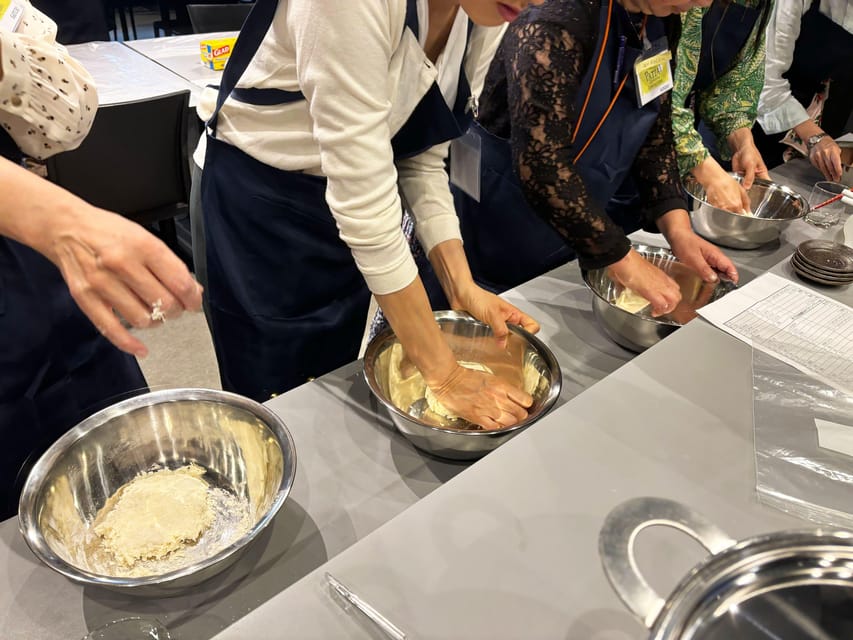
At $120 per person, this is not a cheap way to eat ramen. You can find a bowl of ramen in Tokyo for much less. The value comes from the full activity, not from the meal alone.
Your price includes the Akihabara walk, supermarket visit, English instruction, ingredients, food and beverages, the cooking studio, and photographs that you can download later. You are also paying for a small group capped at six people, which is important in a hands-on class. A cheaper large-group demonstration would offer less direct participation.
The price makes the most sense if you value the process. You will learn how the ingredients fit together, make noodles from flour, prepare the broth and toppings, and eat the result. If you only want a good bowl of ramen, a restaurant is the better bargain.
The train fare is a minor extra cost, but it should be included in your planning. Hotel transportation is not included, and the tour does not return you to the station where you met the guide.
Who will enjoy this most
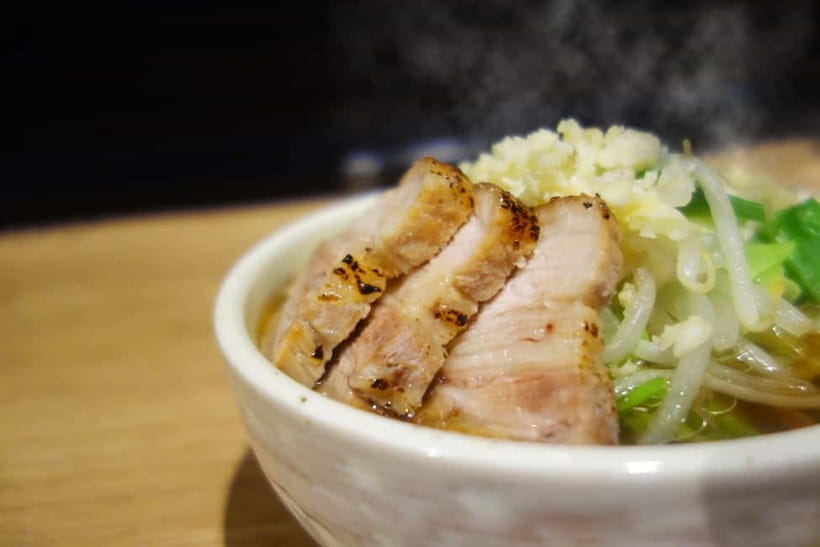
I would recommend this class to you if you like food, enjoy practical activities, and want more than a standard sightseeing walk through Akihabara. It is especially well suited to couples and small groups who want to cook together.
It also works well for a repeat visitor to Tokyo. You may already have seen Akihabara’s main shopping streets, but the grocery stop and cooking studio show a different side of the area. The activity gives you a reason to look beyond the district’s familiar electronics and anime shops.
Families should pay close attention to the age and mobility rules. Children under five cannot join, strollers are not allowed, and the activity is not suitable for wheelchair users or people with back problems. The class requires movement between the station, supermarket, train, and studio.
This is not the right choice for a vegan or vegetarian. The standard class centers on ramen with pork, and the only stated alternative is chicken chashu arranged more than 48 hours ahead.
Practical details that can shape your day
Book with enough time to make the chicken request if needed. A notice period of more than 48 hours is required to change pork chashu to chicken.
Arrive early at JR Akihabara Station and locate the outside of the Central Ticket Gate. The guide leaves after 10 minutes, and missing the departure can mean losing the activity without a refund.
Keep your schedule flexible after the class. The cooking studio is a different location from the meeting point, and the experience ends there. You will need to arrange your own onward transport.
The cancellation policy is friendly: you can cancel up to 24 hours in advance for a full refund. You can also reserve now and pay later, which helps if your Tokyo plans are still shifting.
Should you book this ramen experience?
Book it if you want to make your own noodles, prefer a small English-speaking group, and like the idea of pairing Akihabara with a real cooking session. The supermarket stop, fresh noodles, and Jiro-style focus give it more substance than a simple restaurant meal or short demonstration.
Skip it if you are vegan or vegetarian, need wheelchair access, dislike train transfers, or want to finish back at Akihabara Station. At $120, the class is worth the cost only if the hands-on work matters to you.
For everyone else, this is a well-focused way to spend three hours in Tokyo. You get a short neighborhood walk, a practical look at Japanese ingredients, a guided cooking lesson, and a meal made with your own hands.
FAQ
How long does the ramen-making experience last?
The activity lasts about three hours.
Where do I meet the guide?
Meet at 11 AM outside the Central Ticket Gate of JR Akihabara Station.
What happens if I arrive more than 10 minutes late?
The group may leave without you. You will then be asked to go directly to the kitchen studio, and no refund is provided for delays.
Is the cooking class taught in English?
Yes. The guide and cooking instructor provide the experience in English.
How many people can join the class?
The group is limited to six participants.
Is the train ride to the kitchen studio included?
No. The train fare from Suehirocho Station to the studio is not included. You should use your own Suica or another IC card, or buy a ticket with the guide’s help.
Can the pork chashu be changed to chicken?
Yes. You must request the change more than 48 hours in advance.
Are vegan or vegetarian meals available?
No. Vegan and vegetarian options are not available.
Where does the experience end?
The class ends at the kitchen studio, which is different from the Akihabara meeting point.
Can I cancel for a full refund?
Yes. You can cancel up to 24 hours in advance for a full refund.
Just added around Tokyo
- Japanese Knife Skills & Tuna Don/Sushi Workshop in Tokyo★ 5.0 · 3 reviews
- Tokyo: Private Japanese Cooking Class with a Local Chef★ 5.0 · 81 reviews
- AKEMI’s SUSHiKiTCHEN: A fun sushi cooking lesson in Tokyo★ 5.0 · 5 reviews
- Ramen Making from Scratch with Tokyo Mom(Vegan Option Available)★ 5.0 · 39 reviews
- Shibuya Tokyo: Sushi Making Class (Vegan/Vegetarian/Halal)★ 4.7 · 29 reviews
- Ramen & Dumpling Cooking in Tokyo with Chef/Vegan possible★ 5.0 · 107 reviews
- Tokyo Haneda: Bento & Ramen Gyoza Cooking Class in a Local home★ 5.0 · 9 reviews
- Hands-on Japanese Cooking in a Shinjuku Home Kitchen with Satoru★ 5.0 · 19 reviews
Japanese & Sushi Cooking Classes, compared.
Sushi Making Tokyo Roll and Authentic Japanese Sushi Class
Read our review →
Tokyo: Roll and Authentic Sushi Making Class in Asakusa
Read our review →
Ramen Cooking Class at Ramen Factory in Kyoto
Read our review →
Tokyo: Sushi Making Class in a Happi Coat near a Famous Spot
Read our review →
Sushi Making Tokyo! Popular Maki Sushi & Japanese Sushi(+Recipe!)
Read our review →
Sushi Making Osaka Roll and Authentic Japanese Sushi Class
Read our review →
Tokyo Sushi Making Class in Tsukiji with Professional Chef
Read our review →
Ramen & Gyoza Cooking Class in Tokyo with Local Supermarket Visit
Read our review →Browse the lists this tour appears in