
Review · TOKYO
Tokyo: Private Japanese Cooking Class with a Local Chef
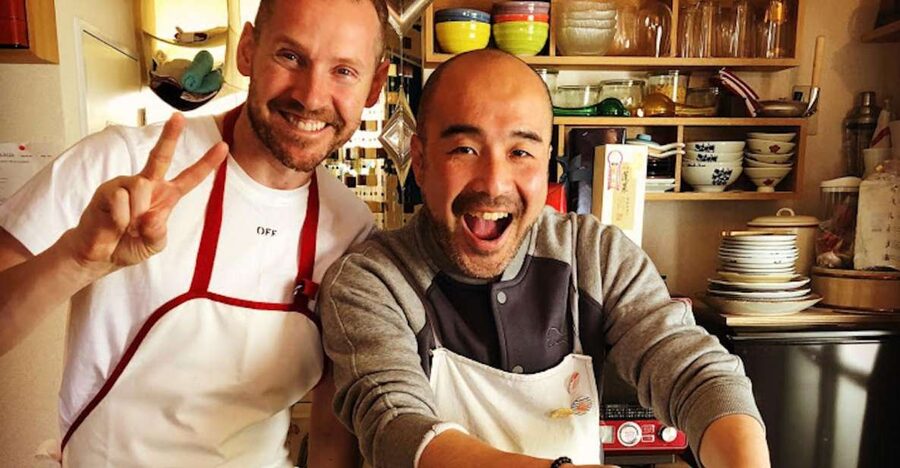
Tokyo food culture gets more interesting when you leave the restaurant table and pick up a knife. With Chef Sato, you cook in his small Shinjuku apartment, prepare two to four dishes, and learn why seasonality matters in everyday Japanese meals. It feels less like a formal demonstration and more like being welcomed into a local home.
I especially like the private format, since you can ask questions and take part in every step instead of watching from the back of a crowded room. I also like the optional walk after the morning class, which can show you corners of Shinjuku and Nakano that you might otherwise miss.
The main thing to consider is the changing menu. You do not simply choose any dish on the day. Traditional set meals are scheduled from Saturday through Tuesday, while popular foods such as ramen, gyoza, curry rice, and okonomiyaki are scheduled Wednesday through Friday. Check the day before booking.
Key points to know
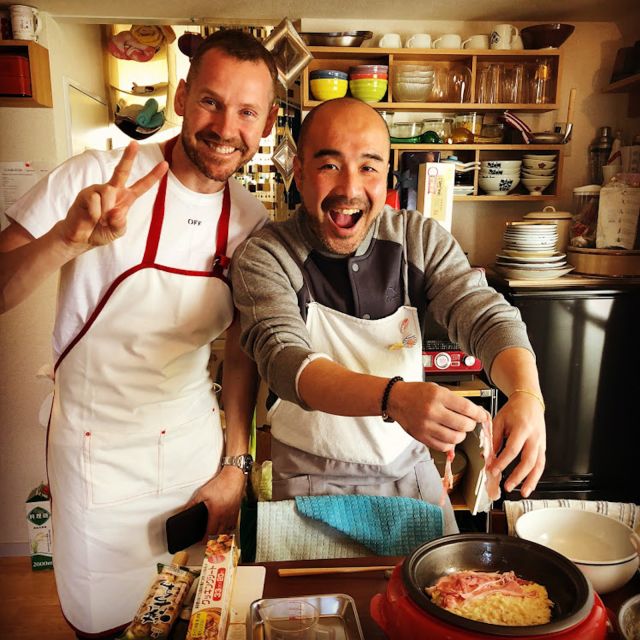
- Chef Sato teaches in English and shares family cooking traditions along with practical kitchen skills.
- The menu follows the day of the week, with seasonal set meals early in the week and popular Japanese comfort foods later.
- You cook and eat the meal, rather than only watching a chef work.
- The apartment setting feels personal, with a relaxed pace suited to beginners and home cooks.
- Morning classes can include a short Tokyo walk from 1 PM to 3:30 PM.
- The $120 price covers a private three-hour class, food, barley tea, and meeting-point pickup, though the advertised duration should be checked carefully because the schedule lists a two-and-a-half-hour class.
Cooking Japanese food in Chef Sato’s Shinjuku home
This experience begins at the east exit police box at Shinjuku Station, a practical meeting point in one of Tokyo’s busiest districts. Chef Sato meets you there and takes you to his nearby apartment. The walk from station to kitchen is part of the change in mood: you move from giant signs, train crowds, and department stores into ordinary residential Tokyo.
The apartment matters. You are not in a polished cooking school designed for large groups. You are in a small home kitchen, working with a local host who has cooked Japanese food since childhood and learned from his parents. That setting gives the class a personal quality that is hard to get in a commercial studio.
Chef Sato speaks English and has been praised for giving clear explanations and answering questions patiently. He also talks about his family, his own path with food, and the place seasonal ingredients hold in Japanese cooking. You get a lesson in technique, but you also get the everyday logic behind the meal.
Expect to chop, season, prepare, and cook. You are not there merely to watch. That hands-on role makes the class useful for anyone who wants to repeat the recipes at home, even if your kitchen is far from Tokyo.
More Sushi and Japanese Classes in Tokyo:
- Sushi Making Tokyo Roll and Authentic Japanese Sushi Class
★ 5.0 · 3,971 reviews - Tokyo: Roll and Authentic Sushi Making Class in Asakusa
★ 4.9 · 1,957 reviews - Tokyo: Sushi Making Class in a Happi Coat near a Famous Spot
★ 4.9 · 1,377 reviews
The menu changes with the calendar
Japanese home cooking is closely tied to the season, and this class takes that idea seriously. The schedule divides the week into two broad menu groups.
From Saturday through Tuesday, the class focuses on traditional meals. You might prepare teishoku, a set meal built around rice, a seasonal main dish, and two seasonal side dishes. Other possibilities include donburi, obento, tonjiru, and rice balls.
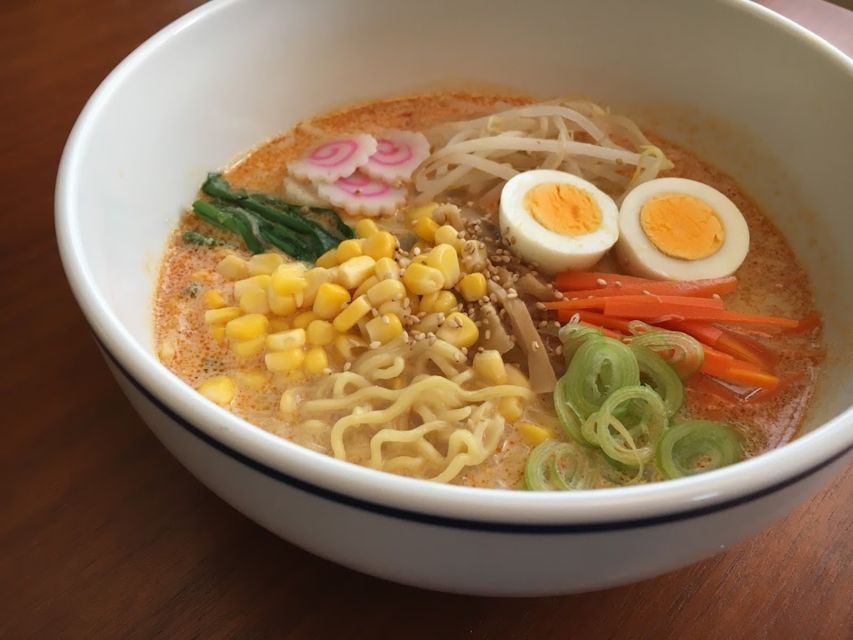
From Wednesday through Friday, the focus shifts to popular Japanese comfort foods. Possible dishes include curry rice, okonomiyaki, gyoza, ramen, rice burgers, kara-age, and yakisoba. A set meal with a fried main dish and seasonal sides may also be offered.
This system is useful, but it requires planning. If your main goal is learning ramen and gyoza, schedule Wednesday, Thursday, or Friday. If you want a more traditional home-style meal, choose Saturday through Tuesday. The exact menu still depends on the day and seasonal ingredients, so confirm what is planned before you reserve.
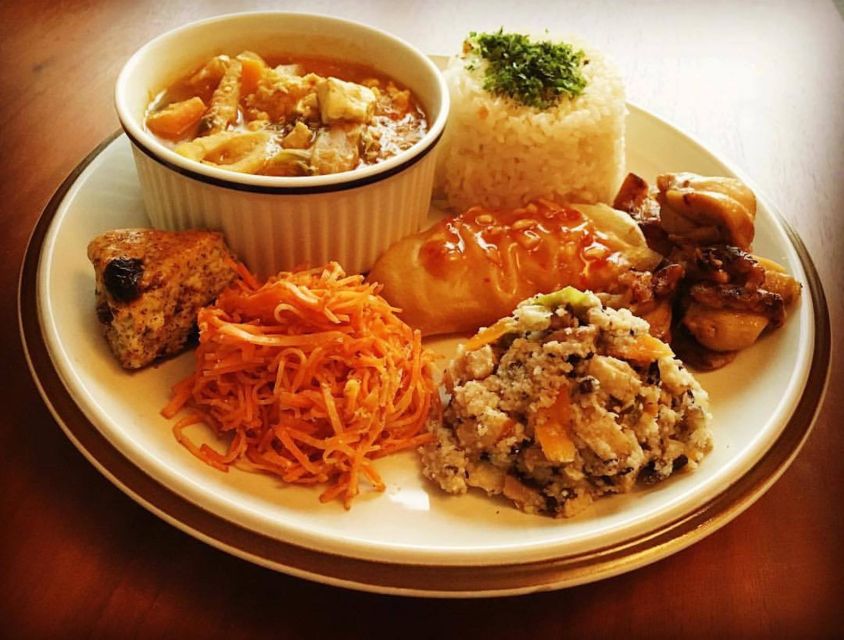
Past menus have included ramen and gyoza made from scratch, teriyaki chicken with rice, miso soup, salad, stuffed fish cake, katsu curry, tofu salad, and chikuwa vegetable appetizers. Some participants have also sampled homemade miso. These examples show the range, but they are not a promise of a particular menu.
What the three-hour class feels like
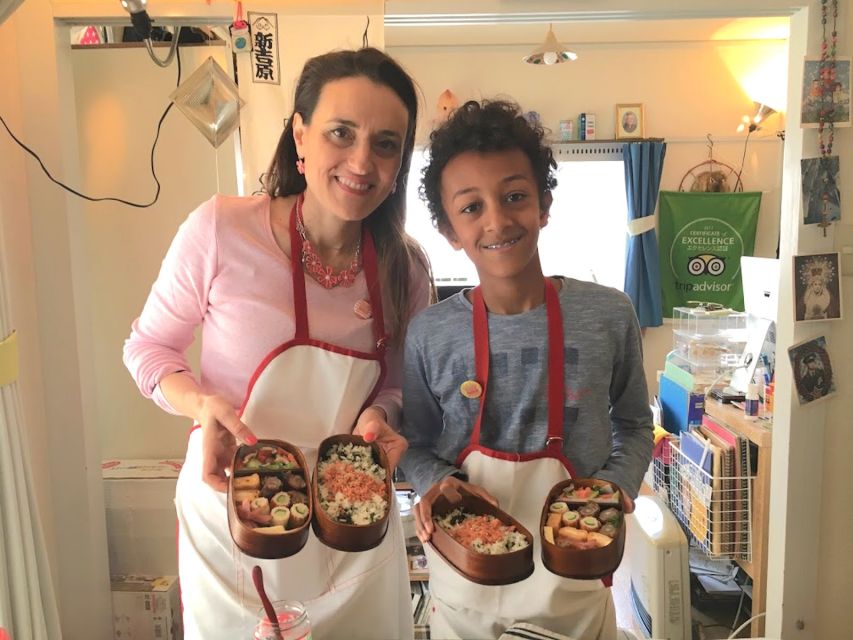
The class is scheduled in the morning from 10:30 AM to 1 PM or in the evening from 6 PM to 8:30 PM. The supplied duration is also described as 270 minutes, which does not match the two-and-a-half-hour time blocks. I would treat the listed start and end times as the practical guide and confirm the timing when booking.
The opening part is likely to focus on ingredients, menu planning, and basic preparation. Chef Sato explains what each item is used for and how it fits into Japanese cooking. This is a helpful point for first-time cooks, since Japanese ingredients can be unfamiliar even when the finished dish looks simple.
You then work through the dishes with his guidance. The class can move quickly, especially when preparing several small items for a set meal, but the private format gives you room to ask for a slower explanation. Past participants have learned details such as how to prepare ingredients, balance seasoning, shape gyoza, and present several dishes attractively.
The meal comes at the end, and you sit down to eat what you helped make. That final table time is not an afterthought. It lets you see how separate components become a Japanese meal, with rice, soup, a main dish, and small side dishes working together.
The mood is relaxed rather than stiff. You can talk about Japanese food, Tokyo, family traditions, and your own home cooking. If you like food but do not consider yourself an expert, that is a good fit. The class is also suitable for confident home cooks who want to understand Japanese methods instead of collecting only another recipe.
Traditional set meals and the Japanese idea of balance
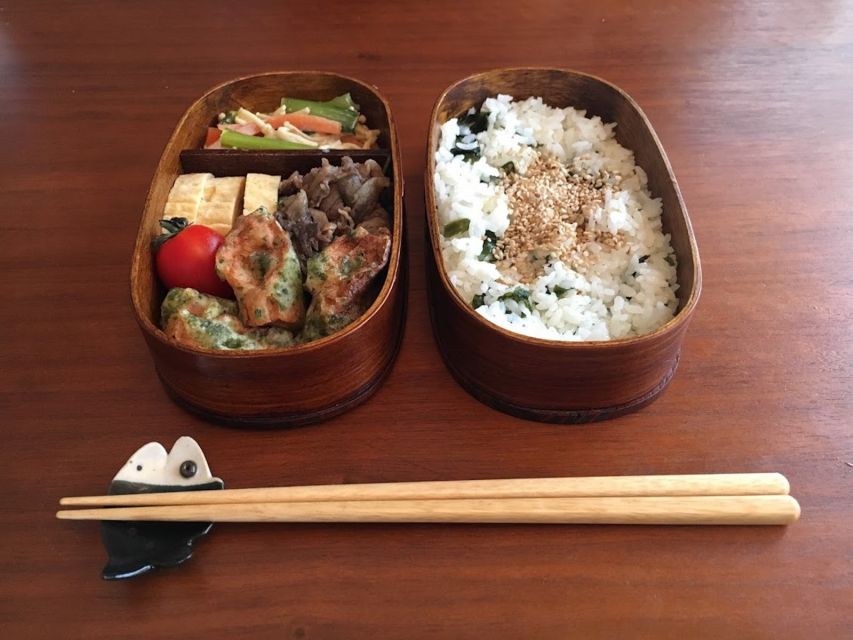
The traditional menu days offer the clearest lesson in everyday Japanese cooking. A teishoku is not one large plate with everything mixed together. It is a meal made up of several modest parts, often including rice, soup, a main dish, and side dishes.
That arrangement teaches you to think about contrast. A fried or grilled item may be paired with a fresh vegetable side. Miso soup adds warmth and depth, while rice provides a plain base. Seasonal ingredients bring changes in flavor and texture without requiring a completely new cooking style.
I find this useful because it moves beyond the familiar restaurant versions of Japanese food. Ramen and sushi are important, but they do not show the full shape of daily home meals. A set-meal class gives you a better sense of how ordinary Japanese food is assembled.
The limitation is that the menu may be less familiar or dramatic than ramen and gyoza. If you want a highly recognizable Tokyo food activity, the popular-food days may suit you better. If you want to learn how Japanese households build a complete meal, the traditional days are the stronger choice.
More Hands-On Workshops in Tokyo:
- Tokyo Sushi Making Class in Tsukiji with Professional Chef
★ 5.0 · 1,177 reviews - Ramen & Gyoza Cooking Class in Tokyo with Local Supermarket Visit
★ 5.0 · 823 reviews - Tokyo: Tsukiji Fish Market Sushi Making Class with Pro Chef
★ 4.9 · 506 reviews - Tokyo: Sushi Making Class
★ 4.9 · 390 reviews
Ramen, gyoza, curry, and other comfort foods
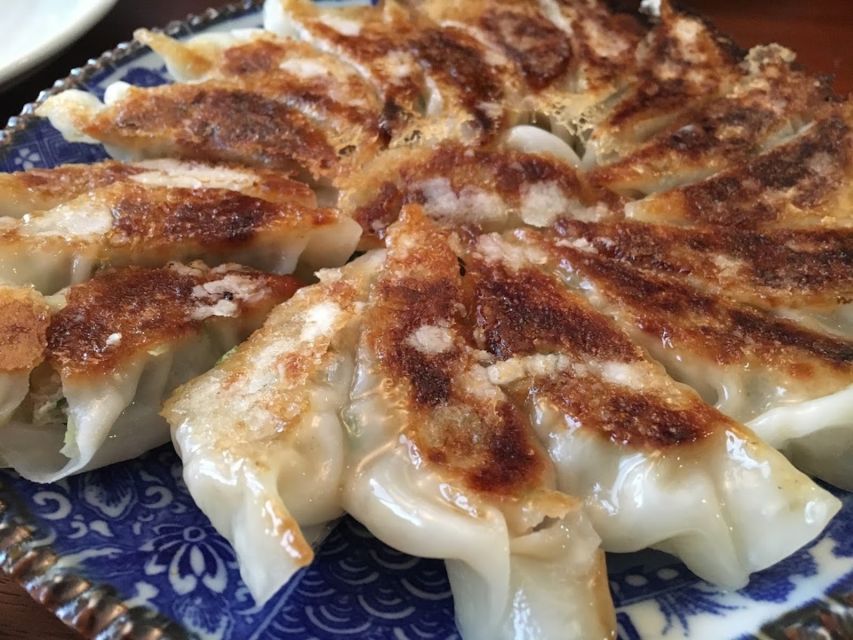
The popular-food schedule covers dishes many people already know from Japanese restaurants. Ramen and gyoza are especially appealing because you can see how much work goes into dishes that are easy to order but harder to make well.
Past classes have included practical, from-scratch preparation of both dishes. You may learn how to prepare the filling, work with wrappers, build the soup, and bring the components together. The exact process depends on the menu, so do not assume every session includes both.
Curry rice, okonomiyaki, kara-age, and yakisoba offer a different lesson. These foods are familiar, adaptable, and realistic to make at home. A class that teaches one of them can be especially useful after your trip because the ingredients and steps may be easier to repeat than a restaurant-style specialty.
There is also a fun contrast between the food and the setting. You might be making a well-known Japanese comfort dish in a private apartment, then sitting down to eat it with the person who taught you. That combination gives the meal more context than a standard restaurant visit.
The optional Shinjuku and Nakano walk
If you take the morning class, you can add a short trip from 1 PM to 3:30 PM. The walk is described as visiting several interesting places that are not usually found in guidebooks. Past participants have particularly valued seeing parts of Shinjuku and Nakano with Chef Sato pointing out places they would have missed alone.
Do not think of this as a major sightseeing tour with a long list of famous monuments. Its value is local context. Chef Sato can connect the food lesson to the neighborhoods around you, and you get time to ask questions while walking.
The timing also works well. You finish the cooking class around 1 PM, then continue directly into the walk. If you have only a short time in Tokyo, this gives you a meal and a neighborhood introduction in one booking.
There is one practical catch: the optional walk is offered after the morning session, not the evening class. You also need enough energy for a combined cooking and walking activity. If you prefer an easy evening at your hotel after cooking, skip the extra outing.
Why the private format changes the experience
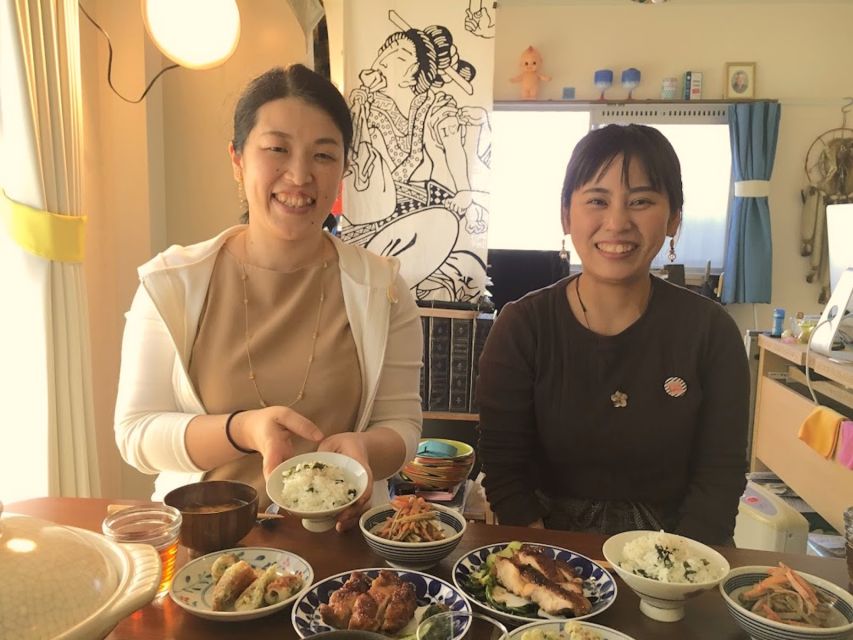
The group is private, and that is one of the strongest reasons to consider this class. A private setting lets you ask basic questions without feeling that you are holding up a room full of strangers. It also makes it easier to adjust the conversation toward your interests, such as family food, Japanese ingredients, or cooking at home.
The setting can feel like visiting a friend, but you should still remember that you are entering a real person’s home. Come ready to follow house rules, listen carefully, and take part rather than expecting a restaurant-style service experience.
Chef Sato’s teaching style appears to be a major part of the appeal. He is described as patient, warm, funny, and willing to share personal stories. His English is reported as strong, which matters when a recipe depends on small details such as timing, texture, or seasoning.
This is also a good choice for couples, families, and small groups with mixed cooking ability. A beginner can participate in the basic preparation while a keen cook asks more detailed questions. The experience is less suitable if you want a large, polished culinary school with professional equipment and a fixed menu.
Is $120 per person good value?
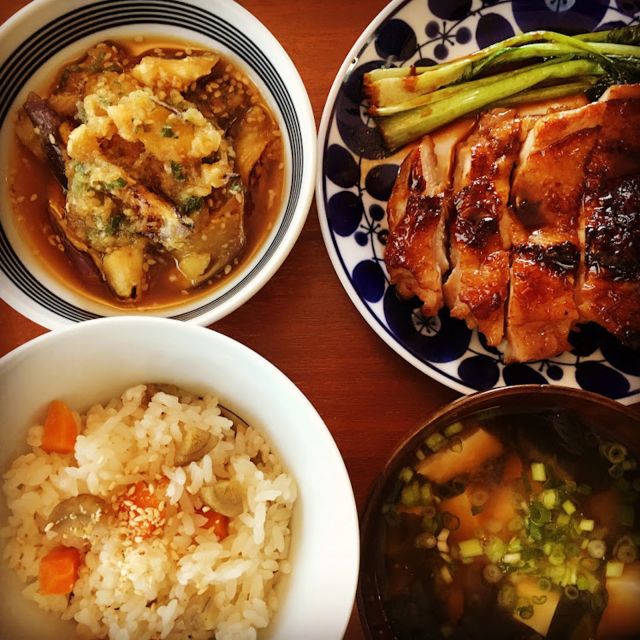
At $120 per person, this is not the cheapest meal you will eat in Tokyo. You can buy excellent ramen, curry, or gyoza for far less. The price makes more sense when you count the instruction, the private group, the meal, the barley tea, and the time spent with a local host.
You are paying for access to a home kitchen and for the chance to prepare several dishes instead of simply ordering one. You also receive practical knowledge that can travel home with you. Some sessions include recipe handouts, though that detail is not listed as a standard inclusion, so ask if written recipes matter to you.
The optional afternoon walk adds value if you use it. It gives the day a second part and helps you see local corners of Shinjuku and Nakano. Since it is described as optional, confirm whether it carries any separate charge before booking.
For food-focused visitors, couples, and anyone who values personal contact, the price is fair. For someone who only wants to eat Japanese food or has no interest in cooking, it is probably poor value. Tokyo offers cheaper ways to do both of those things.
Booking advice for choosing the right day
First decide what you want to learn. Choose Saturday through Tuesday for traditional set meals and seasonal home cooking. Choose Wednesday through Friday for popular dishes such as ramen, gyoza, okonomiyaki, curry rice, and yakisoba.
Morning and evening classes have different advantages. The morning session leaves room for the optional 1 PM to 3:30 PM walk. The evening session may fit better after a day of sightseeing, but it does not include that scheduled afternoon add-on.
The meeting point is the police box at Shinjuku Station’s east exit, at 3-38-38-1, Shinjuku, Shinjuku-ku, Tokyo. Shinjuku Station is large, so allow time to find the east exit and the police box. Pickup at the meeting point is included.
You can cancel up to 24 hours in advance for a full refund, and the reserve-now, pay-later option keeps your plans flexible. Still, check the final schedule, duration, menu, and any food preferences with Chef Sato before you commit.
Who should book this Tokyo cooking class?
I would choose this experience if you want a personal introduction to Japanese food rather than another restaurant meal. It suits curious beginners, keen home cooks, couples, families, and anyone who enjoys conversation as much as technique.
It is especially good near the end of a Japan trip, when you have already eaten plenty of restaurant food and want to understand what a home meal feels like. It also works early in your stay if you want cooking ideas and local suggestions for the rest of your time in Tokyo.
Think twice if you need a guaranteed dish, a professional teaching kitchen, or a full sightseeing tour. The menu changes by weekday, the apartment is small, and the advertised duration needs clarification. Those are manageable issues, but they matter when your schedule is tight.
Should you book it?
Book it if the idea of cooking in a local home appeals to you. Chef Sato’s class combines hands-on food preparation, seasonal cooking, personal stories, and the option of a neighborhood walk. That is a lot more personal than simply ticking ramen or gyoza off a food list.
For the best match, select your day based on the menu and take the morning session if you want the Shinjuku and Nakano walk. At $120, it is a splurge, but a reasonable one for a private experience that gives you dinner, a lesson, and a local connection in one afternoon or evening.
FAQ
Where does the cooking class meet?
You meet at the police box by the east exit of Shinjuku Station, at 3-38-38-1, Shinjuku, Shinjuku-ku, Tokyo, 160-0022, Japan.
Who teaches the class?
Chef Sato teaches the class in English at his apartment in Shinjuku.
How long does the class last?
Morning classes run from 10:30 AM to 1 PM, and evening classes run from 6 PM to 8:30 PM. The activity information also states 270 minutes, so confirm the exact duration when booking.
What food might I learn to cook?
The menu changes by weekday. Traditional meal days can include set meals, rice bowls, bento, tonjiru, and rice balls. Popular food days can include curry rice, okonomiyaki, gyoza, ramen, rice burgers, kara-age, and yakisoba.
Is the group private?
Yes. The activity is offered as a private group experience.
Is food and drink included?
Yes. Meals and a free Japanese barley tea are included.
Can I take a walk after the cooking class?
Yes, an optional short trip runs from 1 PM to 3:30 PM after the morning class. It visits places in the area that may not appear in standard guidebooks.
Just added around Tokyo
- Takoyaki cooking experience in Kabukicho, Shinjuku★ 4.8 · 36 reviews
- Shinjuku Tokyo: Authentic Japanese Home-Style Culinary Class★ 4.9 · 125 reviews
- Shibuya Tokyo: Onigiri & Tamagoyaki Cooking Class★ 5.0 · 4 reviews
- Ramen Making from Scratch +Akihabara Tour –Cooking Class★ 5.0 · 25 reviews
- Japanese Knife Skills & Tuna Don/Sushi Workshop in Tokyo★ 5.0 · 3 reviews
- AKEMI’s SUSHiKiTCHEN: A fun sushi cooking lesson in Tokyo★ 5.0 · 5 reviews
- Ramen Making from Scratch with Tokyo Mom(Vegan Option Available)★ 5.0 · 39 reviews
- Shibuya Tokyo: Sushi Making Class (Vegan/Vegetarian/Halal)★ 4.7 · 29 reviews
Japanese & Sushi Cooking Classes, compared.
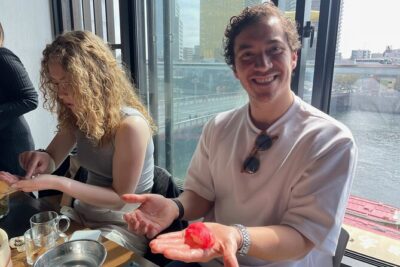
Sushi Making Tokyo Roll and Authentic Japanese Sushi Class
Read our review →
Tokyo: Roll and Authentic Sushi Making Class in Asakusa
Read our review →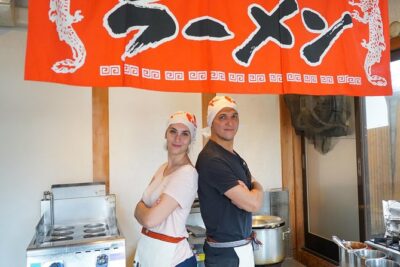
Ramen Cooking Class at Ramen Factory in Kyoto
Read our review →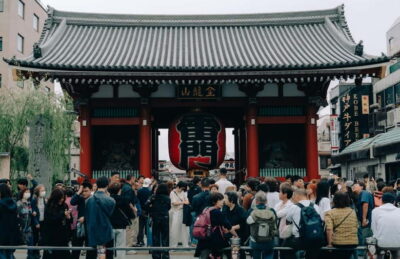
Tokyo: Sushi Making Class in a Happi Coat near a Famous Spot
Read our review →
Sushi Making Tokyo! Popular Maki Sushi & Japanese Sushi(+Recipe!)
Read our review →
Sushi Making Osaka Roll and Authentic Japanese Sushi Class
Read our review →
Tokyo Sushi Making Class in Tsukiji with Professional Chef
Read our review →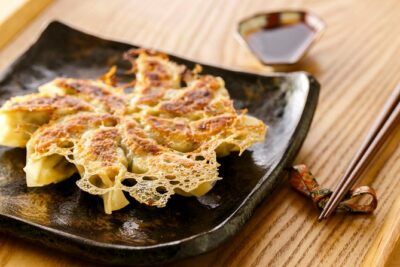
Ramen & Gyoza Cooking Class in Tokyo with Local Supermarket Visit
Read our review →Browse the lists this tour appears in