
Review · OSAKA
Osaka: Cooking Class & Sake Tasting with Local Market Visit
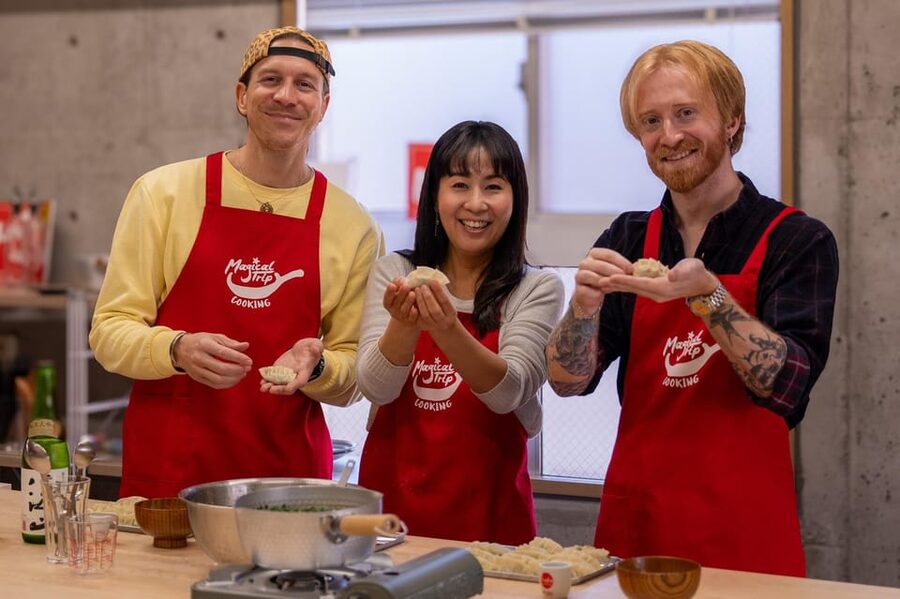
Osaka’s best food lesson may begin with a supermarket basket. You’ll shop for the ingredients behind niku-sui, okonomiyaki, and gyoza, then return to a small studio where a local guide turns ordinary products into a generous Japanese lunch. The class is capped at seven people, so it feels more like cooking with new friends than sitting through a demonstration.
I like the simple recipes, which are realistic to repeat at home, and the easy mix of cooking, conversation, sake, beer, and soft drinks. Guides such as Chie, Eri, Emi, and Akko are praised for making the steps clear and adding useful comments about Japanese food and regional customs. The main drawback is that gluten-free meals are not available, and allergy-free preparation cannot be guaranteed.
Key points to know before booking
- The supermarket visit comes first: You see everyday Osaka shopping before handling the ingredients yourself.
- Three local dishes fill the class: You prepare niku-sui, okonomiyaki, and gyoza, then eat them as lunch.
- Drinks are part of the lesson: Three canned alcoholic or non-alcoholic drinks are included, along with tea.
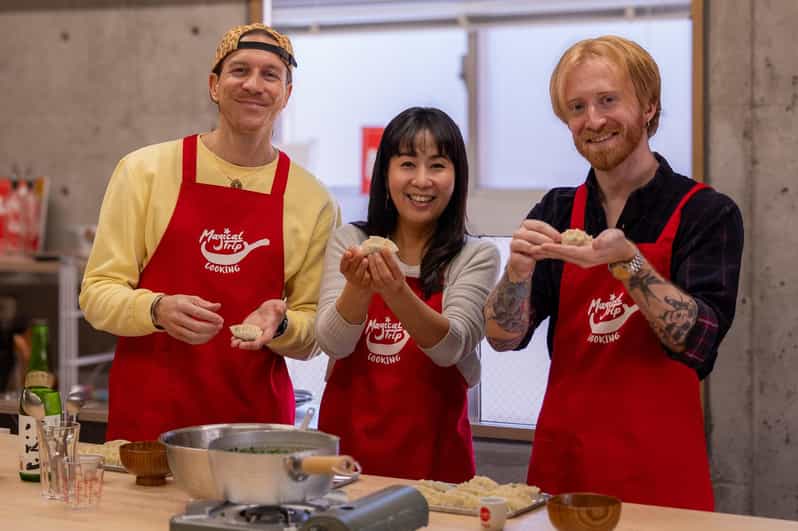
- The group stays small: No more than seven participants share the studio and cooking tasks.
- Recipes go home with you: Downloadable instructions make the class useful after Japan.
- Diet and mobility need attention: Vegans and vegetarians can join with advance notice, but gluten-free options are unavailable.
Why this Osaka cooking class works
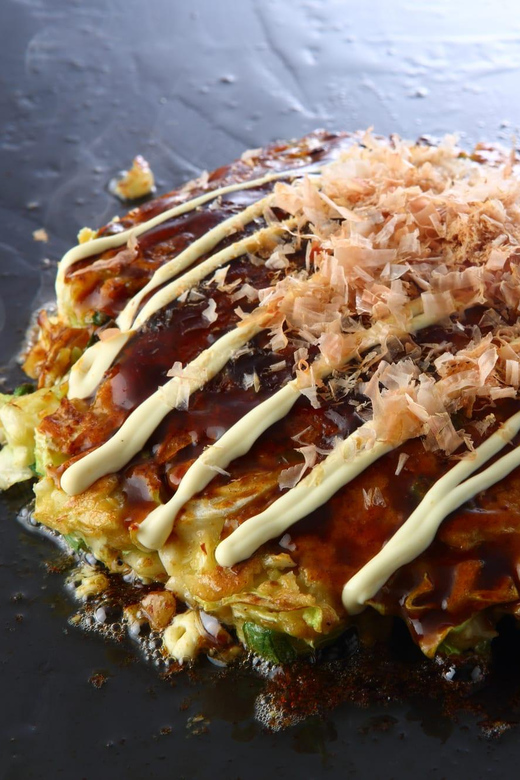
Osaka is famous for food that feels friendly rather than fussy. Okonomiyaki is the clearest example: a savory pancake built from cabbage and other ingredients, then finished with sauces and toppings according to personal taste. Gyoza brings a different kind of fun, since folding the dumplings gives everyone a hands-on job. Niku-sui is less familiar to many international visitors, which makes it a worthwhile addition to the meal.
The class gives you more than a plate at a restaurant. You see the ingredients before they are prepared, learn how the dishes come together, and eat the results while talking with the guide and the other participants. I like that progression because it connects the finished food to ordinary life in Osaka.
This is not a formal culinary school. You should expect a relaxed social class, not knife-skills training or a long lecture on Japanese cuisine. The guide explains each step and helps you along, making it suitable for beginners. If you already cook Japanese food regularly, the value lies more in the local context and company than in advanced technique.
More Market Tour Cooking Classes in Japan
- Tsukiji Fish Market Guided Tour and Sushi Making with Pro Chef
★ 5.0 · 775 reviews - Tokyo: Tsukiji Fish Market Sushi Making Class with Pro Chef
★ 4.9 · 506 reviews - Tokyo Tsukiji Fish Market Tour and Sushi Making Lesson
★ 5.0 · 390 reviews
Meeting near Minami Morimachi
The meeting point is in front of FamilyMart, about a one-minute walk from Exit 4B of Minami Morimachi Station. You need to arrive on time. Late arrivals cannot join, reschedule, or receive a refund, so leave yourself enough time to find the station exit and the convenience store.
The central Osaka location makes this a practical activity for a day in the city, but the exact starting time depends on availability. The tour lasts four hours, so do not place a tight appointment immediately afterward. Cooking, eating, and conversation take time, and the small group format works best when nobody is rushing.
The experience is conducted in English. Guides have included Chie, Eri, Emi, Akko, Ayu, and Linda. Your assigned guide will vary, but the feedback points to a consistent strength: the hosts explain the food clearly, answer questions about Osaka and Japan, and keep the tone warm.
Shopping for a local lunch
The first real stop is a local supermarket. This is not just a quick ingredient pickup. You get a glimpse of the products Osaka residents buy for an everyday meal, while the guide explains what you need and how it will be used.
A supermarket can tell you plenty about a place without asking you to pose for a cultural show. You might notice unfamiliar packaged foods, sauces, vegetables, or drinks, and the guide can place them in context. The supplied information does not promise a particular supermarket chain or a fixed route through the store, so treat this as a practical neighborhood stop rather than a major sightseeing attraction.
I consider this part especially useful for anyone who wants to cook Japanese food after returning home. Seeing the ingredients in their original setting helps you recognize them later. It also shows that these dishes do not depend on a restaurant kitchen full of rare equipment.
The shopping walk does add some movement before cooking begins. If you have difficulty walking, the activity may not suit you, and the route can include places that are inaccessible to wheelchairs or strollers. A private tour is suggested for people with walking difficulties.
Cooking niku-sui, Osaka’s beef soup
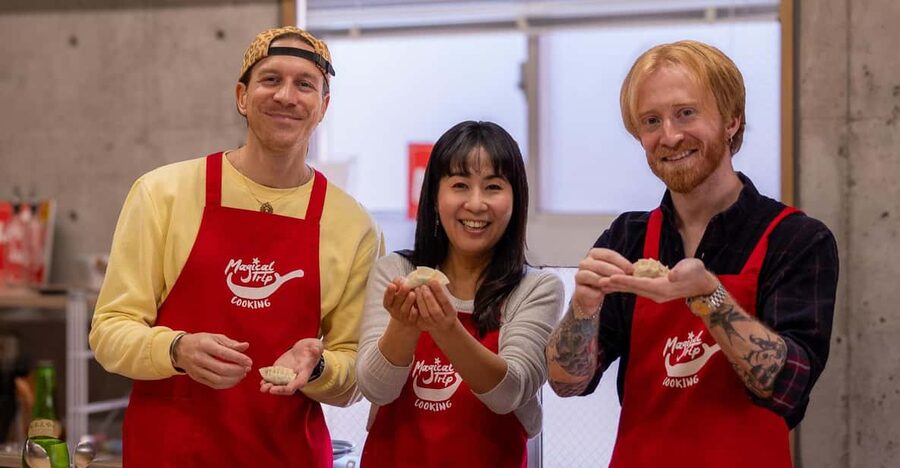
Back at the MagicalTrip Original Cooking Studio, the class begins with the recipes. Niku-sui is a beef soup popular with local diners but less familiar to many visitors than ramen or sushi. That makes it a smart choice for a class focused on Osaka food beyond the usual headline dishes.
You’ll learn how the ingredients are combined and prepared under the guide’s direction. The dish offers a gentler introduction to Japanese home cooking than a complicated multi-course menu. It also gives you something useful for a cool evening at home, though Osaka’s summer heat can reach about 40 degrees Celsius, so soup may feel more appealing in cooler weather.
The recipe is intended to be authentic while remaining manageable. You do not need prior cooking experience. The guide handles the pace and explains the process, while you take part in the preparation. Questions are welcome, and the intimate group means you should have a chance to see what is happening rather than watching from the back of a large room.
More Market Tour Cooking Classes in Osaka:
- Hanoi Cooking Class: Culture, Local Market & Meaning CSR Impact
★ 5.0 · 5,147 reviews - 5 Traditional Dishes Hanoi Cooking Class with Market Trip
★ 5.0 · 4,890 reviews - Cooking Class and Lunch at a Tuscan Farmhouse with Local Market Tour from Florence
★ 5.0 · 4,831 reviews - Chiang Mai: Cooking Class, Market & Thai Herbs Garden Tour
★ 4.9 · 4,824 reviews
Making okonomiyaki the Osaka way
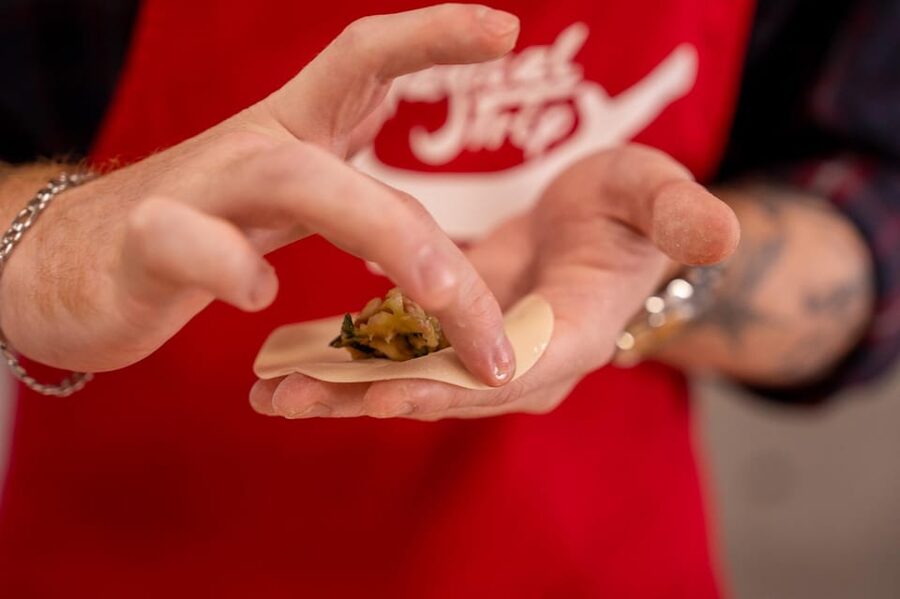
Okonomiyaki is the most recognizable dish on this menu. Its name is often explained as cooked as you like, and that spirit carries into the class. You prepare a savory pancake and learn how a few common ingredients can produce a filling meal with plenty of room for personal preference.
This is the dish most closely tied to Osaka’s casual food identity. It is hearty, social, and forgiving. If your first pancake is not perfectly shaped, the meal will not be ruined. The emphasis is on learning the method and enjoying the process.
The class can also show you why Osaka food has such a strong home-style appeal. You are not simply sampling a finished okonomiyaki in a restaurant. You are handling the ingredients, following the cooking sequence, and seeing how the guide brings the dish together.
The exact toppings and equipment are not specified, so do not book this expecting a highly technical lesson on every regional style. Think of it as a friendly introduction to a classic Osaka dish that you can adapt later.
Folding gyoza with the group
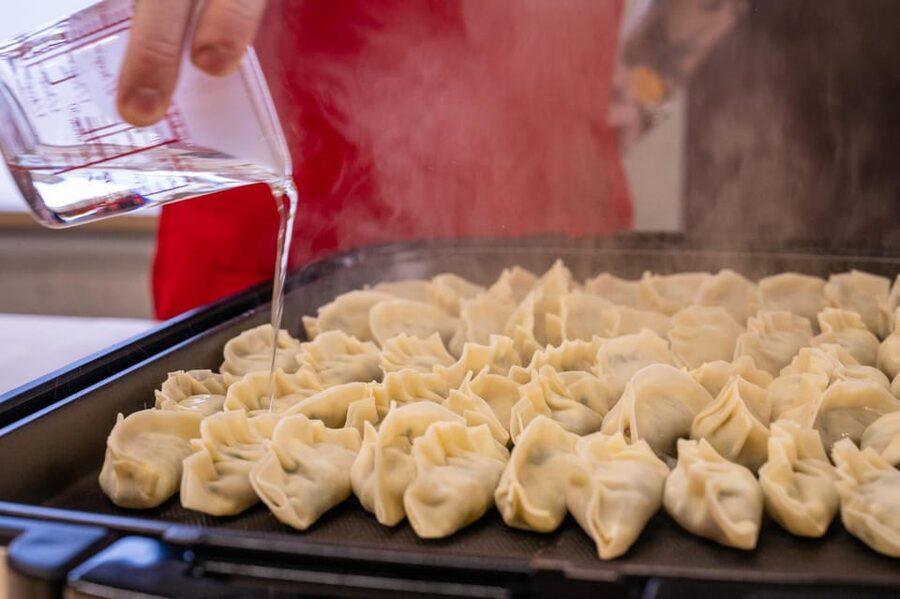
Gyoza adds the most hands-on task to the meal. Folding the dumplings gives you a small challenge that works well in a group. You can compare shapes, help one another, and laugh when a first attempt looks more creative than traditional.
The cooking itself balances crispness and juiciness, and the guide takes you through the steps. Since the dumplings are assembled rather than simply served, this part tends to be especially good for couples, families with older children, and groups of friends who want an activity that keeps everyone involved.
The minimum age is 12 because the class includes cutting and heating. That rule is practical, not arbitrary. Younger children may enjoy eating gyoza, but this particular activity is designed for participants who can safely work around knives and hot cooking surfaces.
If you prefer a polished demonstration with no mess, this may feel too active. I see that as part of the appeal, but it is worth knowing before you book. Your finished dumplings may not look restaurant-perfect, and that is exactly what makes the recipe approachable at home.
Eating, drinking, and talking as you cook
Lunch is included, and you eat the dishes you prepare. The menu is substantial: beef soup, okonomiyaki, and gyoza create a full meal rather than a small tasting. Come hungry, but do not assume you will need to find lunch immediately afterward.
Three canned drinks are included. You can choose alcoholic options such as sake or beer, or select non-alcoholic drinks. Tea is also served during the experience. The drink element is not a separate bar stop. It is folded into the cooking session, giving you something to sip while you work and talk.
This makes the class feel social without forcing alcohol on anyone. A participant who does not drink can still take part fully. The format is also useful for solo visitors, since cooking provides an easy way to meet people without relying on awkward introductions.
The guide may discuss Japanese food, regional differences, Osaka, Kobe, or other cultural topics as questions come up. Chie, in particular, has been praised for linking the cooking to Japanese history and products, while Eri has been appreciated for answering questions about the city and culture. The quality of conversation will naturally depend on the guide and the group, but the small size gives it a good chance to feel personal.
What the $90 price really includes
At $90 per person, this is not the cheapest lunch in Osaka. You can eat okonomiyaki or gyoza for far less if food is your only goal. The price makes more sense when you count the four-hour guide service, supermarket visit, ingredients, cooking instruction, full lunch, three drinks, tea, recipes, and follow-up photos.
You are paying for participation rather than just consumption. A restaurant gives you the finished dish. This experience gives you the dish, the method, the social setting, and a way to repeat it at home.
The small group limit matters here. Seven people is enough for a lively class but small enough for the guide to help with folding, cutting, and cooking. A much larger group would likely make the supermarket walk and studio work feel less personal.
The value is strongest if you enjoy food, ask questions, and plan to use the recipes later. It is weaker if you want a quick meal, dislike group activities, or already know how to prepare these dishes. I would also factor in the cost of your time: four hours is a sizeable part of an Osaka day, but it is long enough to make the cooking feel unhurried.
Recipes and photographs after class
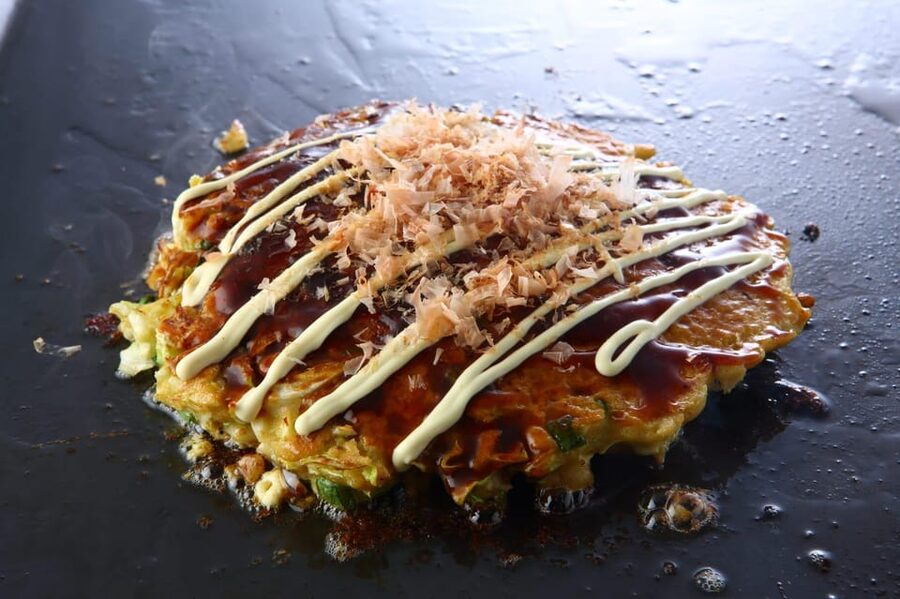
The recipes can be downloaded after the experience. That detail gives the class lasting value, especially since the dishes use simple ingredients and are designed for home cooking. You can recreate them for a dinner party rather than letting the lesson disappear into holiday memories.
The guide also takes tour photos and sends them by email afterward. This is a useful extra for couples, families, and solo visitors who want pictures of the activity without constantly stopping to use a phone.
The recipes do not turn you into a specialist overnight. Ingredient substitutions may take some trial and error outside Japan, and the class cannot promise gluten-free versions. Still, the format is more practical than a souvenir cooking card with no hands-on practice behind it.
Dietary needs, comfort, and timing
Vegans and vegetarians are welcome, but you must provide dietary information or allergy details at least one day in advance. Same-day requests cannot be accommodated. The class cannot guarantee allergy-free meals because food is prepared in external kitchens, and substitutions may not always be possible.
Gluten-free options are not available. If avoiding gluten is essential to your health, this is not a suitable booking. Do not rely on a last-minute request or assume that a familiar dish can be changed safely.
The class is open to anyone over 12. It is not recommended for people with mobility issues, and parts of the route may not work for a wheelchair or stroller. Osaka’s weather also deserves a little planning. Summer can be extremely hot, while winter can reach about minus 5 degrees Celsius, so dress for the walk to the station, supermarket, and studio.
Cancellation is free up to 24 hours before the start, and you can reserve now and pay later. Those terms help if your Osaka schedule is still shifting, but they do not soften the late-arrival rule. Plan to be at the FamilyMart meeting point early.
Who should book this class?
I would choose this for a first visit to Osaka when food is one of your main ways of getting to know the city. It suits couples, families with teenagers, friend groups, and solo visitors who want a structured social activity. Beginners should feel comfortable, and experienced home cooks can still enjoy the local setting and the chance to ask questions.
It is particularly good for you if you want recipes that can leave Japan with you. The combination of supermarket shopping, cooking, eating, and downloadable instructions makes the class more useful than a one-hour demonstration.
I would hesitate if you need strict allergy control, gluten-free food, wheelchair access, or a quiet activity with no group interaction. I would also skip it if you have only a short time in Osaka and want to spend every hour on major sights.
Should you book the Osaka cooking class?
Book it if you want to understand Osaka through everyday food, not just restaurant meals. The supermarket visit, small group, three-dish menu, local drinks, and friendly English-speaking guides create a well-rounded four-hour experience.
The strongest reason to go is the balance of instruction and company. Chie, Eri, Emi, Akko, Ayu, and Linda have each helped make the class feel personal, and the format leaves room for questions, jokes, and practical advice about Osaka. Just confirm your dietary needs early, arrive on time, and remember that this is an active cooking session rather than a polished restaurant lunch.
For $90, you receive a meal and a lesson, but also a set of recipes you can use long after your Japan trip. If that sounds more appealing than simply ordering okonomiyaki, this is a solid use of half a day in Osaka.
FAQ
How long does the Osaka cooking class last?
The experience lasts four hours, including the supermarket visit, cooking, lunch, drinks, and time with the English-speaking guide.
Where is the meeting point?
Meet in front of FamilyMart, about a one-minute walk from Exit 4B of Minami Morimachi Station.
What dishes will I prepare?
You will prepare niku-sui, a beef soup, Osaka-style okonomiyaki, and gyoza dumplings.
Are drinks included?
Yes. The experience includes three canned drinks, which can be alcoholic or non-alcoholic, plus tea served during the class.
Can vegans and vegetarians join?
Yes, vegans and vegetarians are welcome if you provide your dietary information at least one day in advance. Gluten-free options are not available.
Is the class suitable for children or people with mobility issues?
Participants must be over 12 because the class involves cutting and heating. The activity may include places inaccessible to wheelchairs or strollers and is not recommended for people with mobility issues.
More Food and Drink Tours in Osaka
- Okonomiyaki&Takoyaki for Families:Osaka Street Food Festival
★ 5.0 · 4 reviews - Osaka: Sushi Making Class and Dotonbori Food Tour
★ 4.7 · 3 reviews - Small Group Cooking Class & Market Food Tour in Florence
★ 5.0 · 1,574 reviews - Pasta Making & Wine Tasting with Dinner in Frascati from Rome
★ 5.0 · 1,326 reviews
More Drink Tastings in Osaka
- Osaka Sake Tasting with Takoyaki Cooking
★ 5.0 · 156 reviews - Osaka: Okonomiyaki Cooking Class with Beer or Soft Drink
★ 4.9 · 9 reviews - Ramen and Sushi Cooking Class with Sake Pairing Set in Tokyo
★ 5.0 · 291 reviews - Kyoto: Afternoon Japanese Izakaya Cooking Class
★ 4.9 · 241 reviews
Just added around Osaka
- Okonomiyaki&Takoyaki for Families:Osaka Street Food Festival★ 5.0 · 4 reviews
- Osaka: Sushi Making in Spacious Studio (SAME-DAY OK!)★ 5.0 · 75 reviews
- Osaka: Sushi Making Class and Dotonbori Food Tour★ 4.7 · 3 reviews
- Osaka Sake Tasting with Takoyaki Cooking★ 5.0 · 156 reviews
- Osaka Okonomiyaki Cooking Experience for Families & Groups★ 4.9 · 8 reviews
- Osaka: Sashiko Japanese Craftsmanship Workshop★ 5.0 · 31 reviews
- Osaka Dotonbori: Sushi Making Experience★ 4.9 · 122 reviews
- Osaka: Okonomiyaki Cooking Class with Beer or Soft Drink★ 4.9 · 9 reviews
Cooking Classes with a Market Tour, compared.
Hanoi Cooking Class: Culture, Local Market & Meaning CSR Impact
Read our review →
5 Traditional Dishes Hanoi Cooking Class with Market Trip
Read our review →
Cooking Class and Lunch at a Tuscan Farmhouse with Local Market Tour from Florence
Read our review →
Chiang Mai: Cooking Class, Market & Thai Herbs Garden Tour
Read our review →
Chiang Mai: Authentic Cooking Class with Market & Farm Visit
Read our review →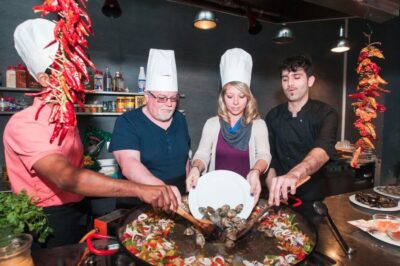
Barcelona: Paella Cooking Experience & Boqueria Market Tour
Read our review →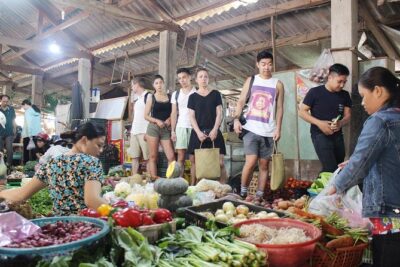
Cooking Class Hoi An:Local Market, Basket Boat, Fishing & Cooking
Read our review →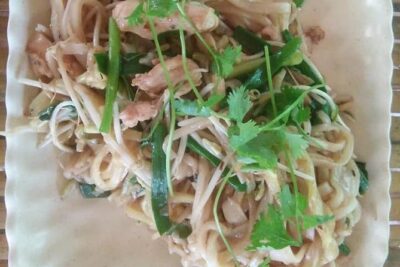
Hoi An Cooking Class(Market,BasketBoat Crabfishing&Cooking Class)
Read our review →Browse the lists this tour appears in