
Review · MOROCCO
3 Hours Bread Making/passetrie in Chefchaouen
The best part of this Chefchaouen activity is the trip to a traditional communal oven, where residents bring dough to bake. You do not just watch a demonstration. You knead, shape, and bake bread, then sit down with fresh bread and Moroccan mint tea. I like that the class connects food with an everyday local custom, and I like the small maximum of 10 people, which should leave room for hands-on help.
The three-hour format also gives the session enough time to include more than one recipe. Past participants describe making three kinds of bread, along with harira soup, a breakfast item, or pastries, depending on the day. The main caution is that the exact food lineup may vary, and all fees and taxes are not included in the listed $64.60 price.
Key points at a glance
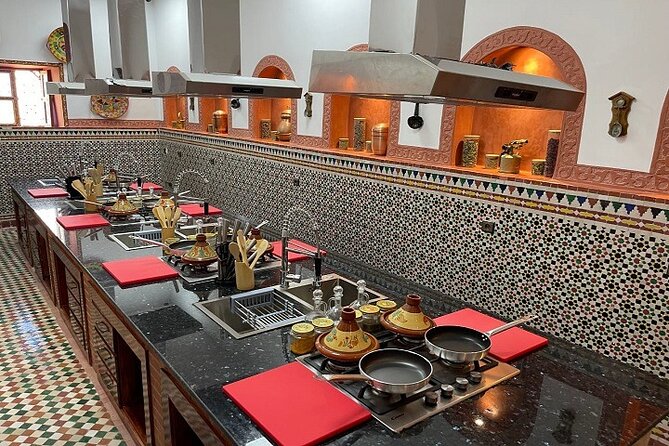
- Bake in a real communal oven: Follow the smell of fresh bread to the ovens used by Chefchaouen residents.
- Expect hands-on work: You knead and shape dough instead of simply watching a cook prepare it.
- More than one recipe may be included: The session can feature several breads, Moroccan pastries, and possibly other dishes.
- Mint tea closes the experience: Eat your fresh bread during a traditional Moroccan tea ceremony.
- Pickup is offered: An air-conditioned vehicle is included, which is useful in Chefchaouen’s winding streets.
- Small group size: The activity accepts no more than 10 people and usually sells about nine days ahead.
Following the bread aroma through Chefchaouen
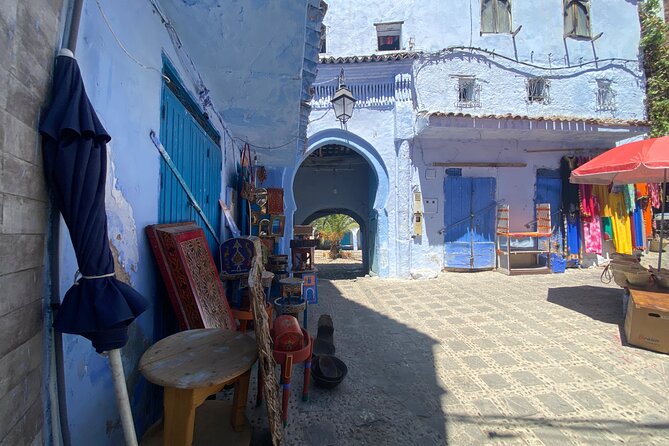
Chefchaouen is known for its blue-painted lanes, but this class points your attention toward another part of the town: the smell and routine of fresh bread. The experience begins at 9:00 a.m. in Chefchaouen, with pickup offered and an air-conditioned vehicle included.
That early start makes sense. Bread is part of the day’s rhythm, and a morning class lets you see the process before your sightseeing schedule fills up. You should confirm the exact pickup arrangement when booking, since the published meeting point is simply Chefchaouen, Morocco.
The route may include a visit to a local market before cooking begins. That detail adds real value because it shows where the ingredients come from and how food shopping fits into daily life. One account of the experience included buying groceries at the market, followed by cooking with the group.
I would not count on the market visit as a guaranteed separate stop, since the core description centers on bread, pastries, the oven, and tea. Still, it is worth asking about if shopping for ingredients is important to you.
More Baking Classes in Morocco
- Marrakech: Traditional Moroccan Crepes & Bread Cooking Class
★ 4.8 · 135 reviews - Cooking Class with Bread Workshop and Pastry in Fes
★ 5.0 · 57 reviews - Moroccan Baking Bliss in Casablanca Sweet Discoveries Await
★ 5.0 · 15 reviews
Kneading Moroccan dough by hand
The class teaches a simple method for making Moroccan bread dough. That word, simple, matters. You are not signing up for a formal pastry-school lesson filled with difficult techniques. You are learning the practical motions used to prepare food in a home or neighborhood setting.
You can expect to help knead the dough, then shape it for baking. The work is direct and physical. Your hands become part of the lesson, and the instructor or kitchen staff can show you how the dough should feel and how the finished rounds should look.
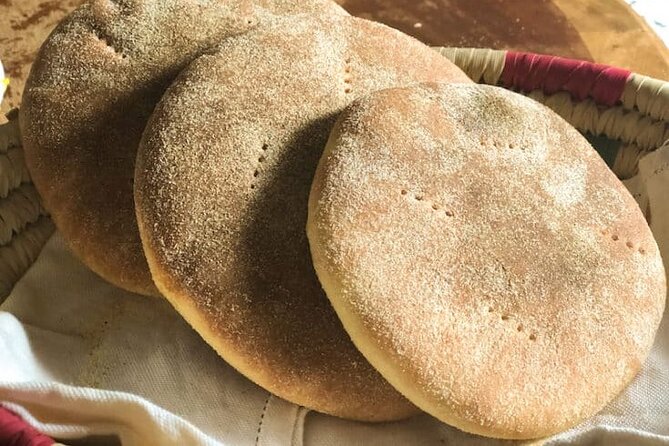
The exact bread styles are not specified in advance. A session described by a participant included three different kinds of bread, while the main activity description also includes Moroccan pastries and traditional sweets. That variety is one of the strongest reasons to book this instead of a short demonstration.
You should also keep your expectations flexible. The title focuses on bread and pastry, but the food prepared may extend to other Moroccan dishes. The class has included harira soup and a breakfast item, so the day’s menu may depend on the kitchen, ingredients, and the group.
This is helpful if you enjoy a broad cooking lesson. It is less helpful if you need a fixed menu for dietary or planning reasons. The available information does not specify vegetarian, vegan, halal, or allergy arrangements, so you should raise those needs before booking.
The communal oven is the real highlight
The communal oven gives this activity its sense of place. Instead of baking everything in a private cooking school, you take the shaped dough to an oven used by local residents. People bring prepared dough from home, and the oven becomes part of the neighborhood’s daily food system.
That is a small but important distinction. You are not only learning how to make bread. You are seeing where the bread goes next and how a shared facility supports local households. It also gives the class a clear connection to Chefchaouen rather than making it feel like a cooking lesson that could happen anywhere.
The oven may be reached by following the smell of fresh bread through the town’s lanes. That sounds simple, but it is exactly the sort of detail that makes a short activity memorable. Chefchaouen’s streets can be winding, and the oven stop adds a practical reason to walk beyond the usual viewpoints and painted walls.
The information does not promise a private oven visit or a detailed tour of the baking equipment. The main point is participation: your dough is baked in a communal oven used by residents. If you want a technical lesson on oven temperatures or professional pastry methods, this may feel modest. If you want to see a local food custom in action, it is a strong fit.
Fresh bread, Moroccan sweets, and mint tea
Once the bread is baked, you sit down to eat it with Moroccan mint tea. Coffee or tea is included, and the tea ceremony gives the activity a relaxed finish rather than ending as soon as the dough leaves the oven.
Mint tea is not just a drink added for convenience. Here it helps turn the food lesson into a shared meal. You get to taste the bread while it is fresh, which gives you a better sense of why the kneading and baking matter.
The class can also include traditional sweets or pastries. The description does not name the specific pastries, so do not book this expecting a particular Moroccan dessert unless the provider confirms it. The strength lies in the making and tasting, not in a guaranteed menu.
The amount of food should be viewed as a snack or light meal rather than a full restaurant lunch. Harira soup and a breakfast item have been part of one version of the class, but the exact serving plan is not stated. If you are hungry after sightseeing, plan for another meal later.
Same place, a different menu:
- Marrakech: Moroccan Cooking Class with Pickup
★ 4.6 · 1,862 reviews - Marrakech: Traditional Moroccan Cooking Class & Market Visit
★ 4.8 · 1,861 reviews - Marrakesh: Moroccan Dishes Cooking Class with a Local Chef
★ 5.0 · 1,615 reviews - Moroccan Cooking Class & Marrakech Market Visit with Chef Khmisa
★ 5.0 · 1,504 reviews
A small group with room for help
The maximum group size is 10 people. That is not a private class, but it is small enough to make hands-on work practical. You should have a better chance of getting help with kneading and shaping than you would in a large coach-group activity.
The personal side of the experience is one of its strongest features. The people running the cooking session are described as warm and helpful, and the setting can feel more like being welcomed into a local family restaurant than entering a formal school. That friendly atmosphere matters when you are working with unfamiliar dough and instructions.
At the same time, the experience is shared. You may be cooking alongside other people, and the pace will need to suit the group. If you prefer one-on-one instruction or want to control every stage of a recipe, a private class would probably be a better match, though that option is not offered in the information provided.
The small group also helps explain why booking about nine days ahead is common. If your Chefchaouen stay is short, reserve early rather than hoping for a last-minute opening.
What the $64.60 price gets you
At $64.60 per person, this is not the cheapest way to eat bread in Morocco. You could buy bread and tea for very little. The value comes from the access and participation: you learn the dough method, prepare food with local staff, use a communal oven, and share the result.
The included air-conditioned vehicle adds practical value, especially if pickup is useful for reaching the starting point or moving between parts of the activity. Coffee or tea is also included. However, all fees and taxes are excluded, so check the final total before paying.
I see the price as reasonable for someone who wants a cultural food activity rather than a simple meal. It is less compelling if your main goal is to save money or eat a large lunch. The three-hour length is another part of the value. You are paying for time to cook, bake, and sit with the food, not for a quick tasting.
The class also gives you something useful to take home: a clearer sense of how Moroccan bread is made. You may not receive a printed recipe or exact measurements, since those are not listed, but the basic method can help you recreate the process later.
Practical details before you book
The activity starts at 9:00 a.m. and lasts about three hours. Pickup is offered, but you should confirm the precise meeting details and pickup point in advance because the listed starting location is broad.
Confirmation is sent when you book. The activity is near public transportation, and the group limit is 10 people. Those details make it workable for visitors staying in or near Chefchaouen, though the winding streets may make a confirmed pickup point especially useful.
The class requires a minimum number of participants. If that minimum is not reached, the activity can be canceled, with a different date or experience, or a full refund offered. You can cancel for a full refund up to 24 hours before the start time. Cancellations or changes made less than 24 hours before the start are not accepted for a refund.
Because cooking involves dough, flour, and heat, wear clothes you do not mind getting dusty. That is practical advice rather than a stated dress rule. The available information does not list accessibility details, dietary accommodations, or a guaranteed menu, so ask before booking if any of those points affect your decision.
Who will enjoy this Chefchaouen cooking class
I would choose this for you if you want a local food custom, not just a polished cooking show. It suits people who enjoy working with their hands, trying several foods, and learning how an everyday tradition fits into town life.
It is also a good choice for couples, families, and small groups who want a slower morning activity. The group size is limited, and the session has enough time for cooking and conversation. People who are curious about Moroccan bread, pastries, harira, or mint tea will get more from it than someone looking only for a quick photo opportunity.
This may not suit you if you need a fixed itinerary. The descriptions allow for variation between bread, pastries, sweets, soup, and breakfast food. It may also disappoint if you expect a full professional pastry course, a private class, or a large meal.
If you have food allergies or dietary restrictions, ask about them before reserving. No specific policy is provided. The same applies if you are hoping for a particular recipe or want to know whether the market visit is included on your date.
Should you book the bread-making experience?
Book it if you want to trade a few hours of sightseeing for flour-covered hands, a neighborhood oven, and fresh bread with mint tea. The communal baking stop is the feature that gives this class real character, and the small group makes the hands-on work more appealing.
I would skip it if your schedule is extremely tight, if you want a guaranteed menu, or if $64.60 feels high for a food activity. For the right person, the cost pays for access to a daily Moroccan custom, not simply for something to eat.
Reserve ahead if this is important to your Chefchaouen plans, since it is commonly booked around nine days in advance. Confirm pickup, the day’s menu, and any dietary needs before you go. If those details suit you, this is a useful way to see Chefchaouen through its ovens and kitchens rather than only through its blue streets.
FAQ
Where does the bread-making experience take place?
It starts in Chefchaouen, Morocco. The activity may include a local restaurant or kitchen and a traditional communal oven used by residents.
What time does the activity start?
The start time is 9:00 a.m.
How long does the experience last?
The session lasts approximately three hours.
Is transportation included?
Pickup is offered, and an air-conditioned vehicle is included. Confirm the exact pickup details when booking.
How many people can join?
The activity has a maximum of 10 travelers.
Can I cancel for a full refund?
Yes. You can cancel at least 24 hours before the local start time for a full refund. Cancellations or changes made less than 24 hours before the start are not accepted for a refund.
More 3-Hour Experiences in Morocco
- Marrakech: 3-Hour Open-Air Moroccan Cooking Course
★ 4.9 · 74 reviews - 3-Hour Cooking Class overlooking the Blue City
★ 5.0 · 36 reviews - 3-hour Tuscan Cooking Class with Wine & Oil Tasting
★ 4.5 · 36 reviews - Sabah Traditional Authentic Cuisine Cooking Class 3 Hours
★ 4.9 · 22 reviews
Just added around Morocco
- Chefchaouen Private Cooking Class with Mountain View★ 5.0 · 16 reviews
- 3-Hour Cooking Class overlooking the Blue City★ 5.0 · 36 reviews
- Chefchaouen Cooking Class★ 5.0 · 4 reviews
- Moroccan Cooking Class with a Local Family & Market Visit★ 5.0 · 16 reviews
- Private Tagine Cooking Class in Chefchaouen with Lunch★ 5.0 · 5 reviews
- Market Tour & Moroccan Cooking Class in Casablanca with Transfers★ 5.0 · 18 reviews
- Private Market Tour & Cooking Class in Casablanca with Transfers★ 5.0 · 20 reviews
- Private CousCous Cooking Class in a Traditional Family Home★ 5.0 · 7 reviews
Baking & Bread Classes, compared.
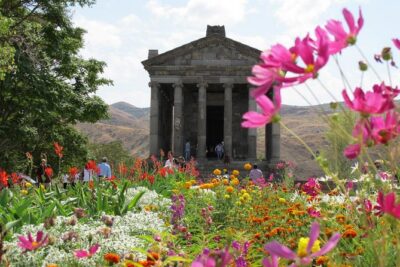
Group Tour: Garni, Symphony of Stones, Geghard, Lavash Baking
Read our review →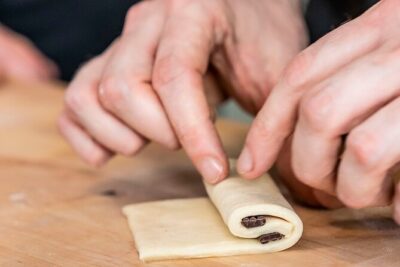
Paris Croissant Small-Group Baking Class with a Chef
Read our review →
Garni & Geghard Small-Group Day Trip with Lavash Baking
Read our review →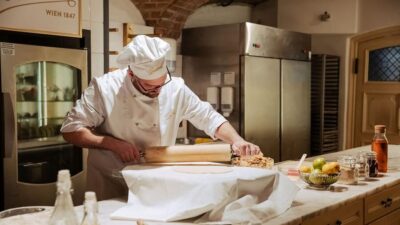
Vienna: Gerstner KuK Hofzuckerbäcker Baking Show & Tasting
Read our review →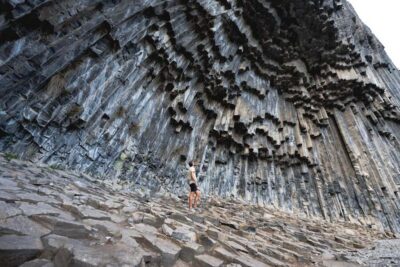
Yerevan: Garni, Geghard, Symphony of Stones & Lavash Baking
Read our review →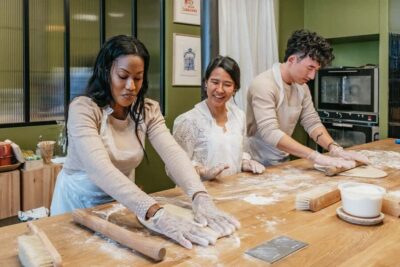
Paris: French Croissant Baking Class with a Chef
Read our review →
Laugarvatn Fontana: Geothermal Bread-Baking Experience
Read our review →Browse the lists this tour appears in