
Review · KOREAN
Busan: Small-Group Traditional Korean Food Cooking Class
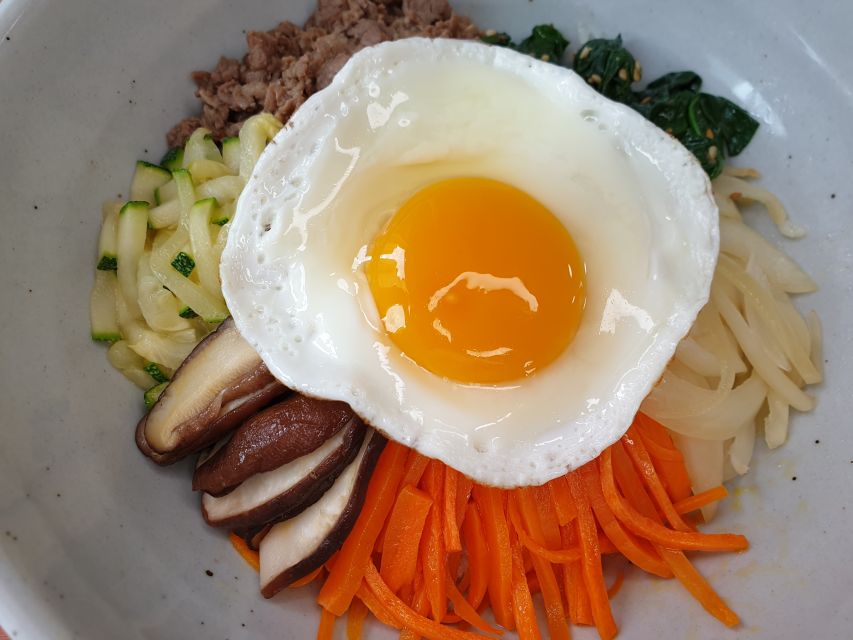
Korean food makes more sense once you have handled its sauces, chopped its vegetables, and watched separate ingredients become one bowl of bibimbap. This three-hour class near Haeundae Beach gives you that hands-on lesson, then lets you eat what you made at a traditional bapsang table.
I like the small group, capped at 10 people, and the clear English instruction from hosts such as Min and Kim. I also like the complete meal: bibimbap, soup, a Korean pancake, tea, dessert, and condiments can all be part of the menu. The main consideration is the $98 price, which is a serious spend for a cooking class, though the meal, teaching, recipes, certificate, and gift add value.
Key Points at a Glance
- Cook more than bibimbap: The class can include bibimbap, miyeok guk seaweed and beef soup, and buchu jeon vegetable fritters.
- Taste before you cook: You sample Korean sauces and learn how they shape the food, rather than simply following a recipe.
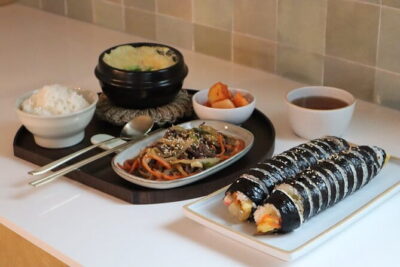
- Eat at a bapsang table: Your finished dishes are arranged on a small traditional personal dining table for the meal.
- Small, personal instruction: The group is limited to 10 participants, with English and Korean teaching.
- A full cultural finish: Tea, Korean dessert, recipes, a certificate, and a surprise gift are included.
- Easy Haeundae access: Dongbaek subway station is about a 10-minute walk away, and Daewoo Marina Apartment bus stop is about seven minutes away.
Why This Busan Cooking Class Works
The best reason to book this class is that it teaches Korean food as a system, not as a single recipe. Bibimbap is familiar to many visitors, but making it yourself shows how rice, vegetables, meat, seasoning, and texture fit together.
You begin with a welcome drink and an introduction to the ingredients. The chef explains what you are using, then gives you the chance to taste Korean sauces. That early tasting matters. Korean cooking depends heavily on fermented and seasoned sauces, and it is easier to understand a dish once you know which flavors are salty, sweet, spicy, savory, or sharp.
I like this approach because it keeps the class from becoming a simple cooking demonstration. You are not just watching someone prepare lunch. You are learning why the ingredients belong together, then using them yourself.
The class is also a useful choice if you want a structured cultural activity near Haeundae. It is indoors, lasts three hours, and does not require you to spend a full day away from the beach or central Busan. You can fit it into a morning or afternoon, depending on the available start times.
More Korean Cooking Classes in the world:
- Local Home Korean Cooking Class & Market Adventure in Seoul
★ 5.0 · 1,024 reviews - Master Korean traditional cooking with a Kimchi chef
★ 5.0 · 385 reviews - Seoul: Korean Cooking Class at a Local Home and Market Tour
★ 5.0 · 348 reviews
Meeting Min, Kim, and the Small-Group Format
The class is taught in English and Korean. Min is named as a principal instructor in the experience details, and Kim is also named in one of the class accounts. You should expect a warm, step-by-step teaching style, with explanations about Korean food and customs along the way.
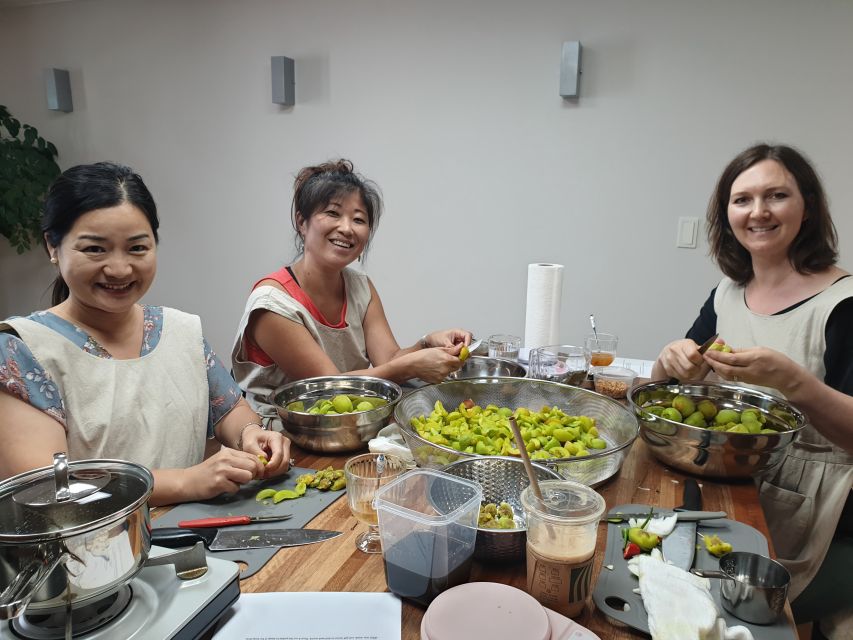
The group size is limited to 10 participants. That is small enough to make personal help possible, while still giving the class a social feel. You may cook alongside couples, families, or solo visitors, then share the meal at the end.
This format suits you if you like asking questions. The cooking instructions are designed to be easy to follow, and Min is praised for explaining each step clearly and offering suggestions for things to do in Busan. A 12-year-old participant was able to take part with a parent, so the class can work well for families with older children.
The small group does not mean private instruction. If you want a one-on-one cooking lesson, this is not that. You will still be part of a shared class, and the exact pace can depend on the number of people present.
From Sauces to Chopping Boards
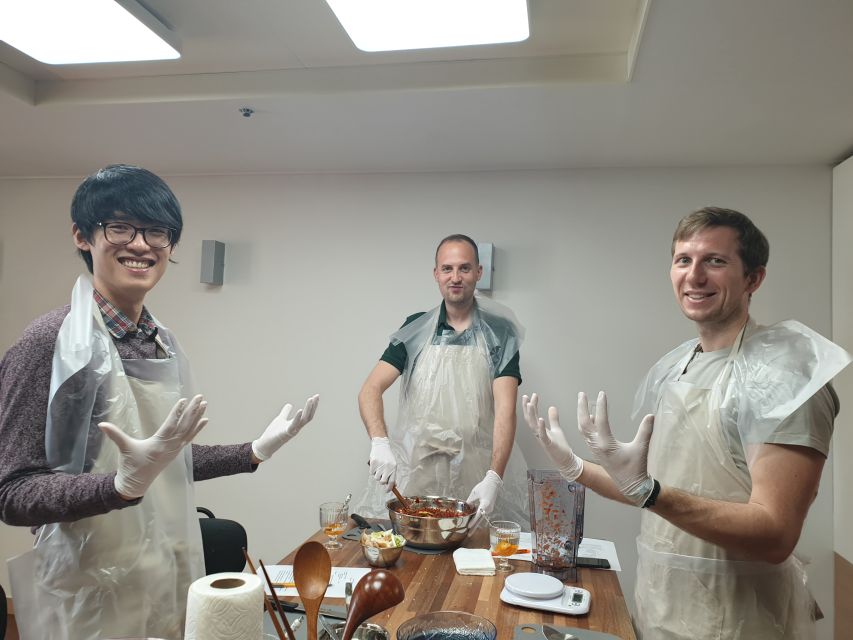
After the welcome drink, the chef introduces the ingredients and lets you taste Korean sauces. This is a smart first step because it gives you a reference point before you begin cooking.
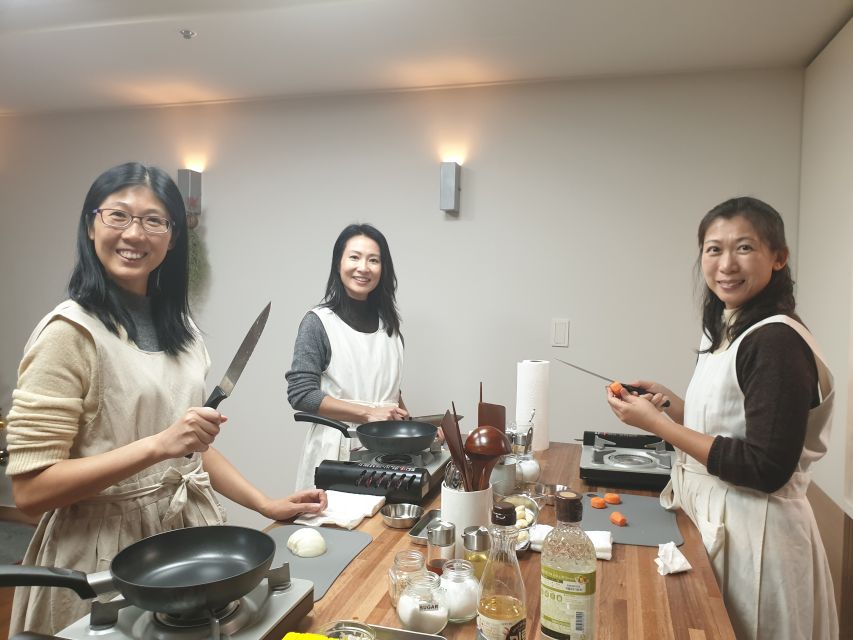
You then follow the instructions as you prepare the dishes. The class is built around hands-on work, so expect to chop, mix, cook, and assemble rather than simply take notes. Utensils and an apron are provided, and the ingredients are included in the price.
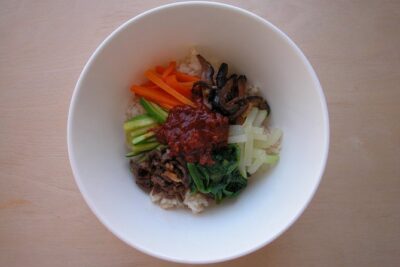
The menu centers on bibimbap, Korea’s well-known rice dish topped with vegetables and meat. The word is often translated as mixed rice, and the dish is especially useful for a class because it shows how several small preparations come together in one bowl.
The menu may also include miyeok guk, a seaweed and beef soup, and buchu jeon, a savory vegetable fritter. These dishes give you a wider view of Korean home cooking. You get rice, soup, vegetables, meat, and a pan-cooked side rather than leaving with only one recipe.
The exact menu should be confirmed when you book, since seasonal ingredients can affect what is prepared. The class specifically uses fresh local seasonal produce, so some variation is part of the experience rather than a flaw.
Making Bibimbap Your Own
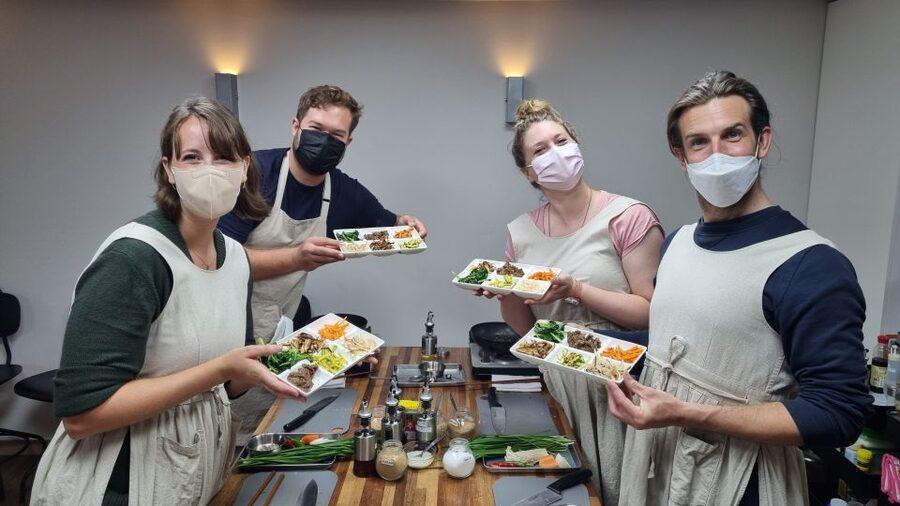
Bibimbap is the star attraction, and it is a good choice for visitors who want a recognizable Korean dish with plenty of room for technique. Each ingredient has its own preparation, color, flavor, and texture. The final bowl only works when those parts are handled with care.
You will learn by following the instructor step by step. That makes the class accessible even if you do not cook Korean food at home. The useful part is not only learning the recipe. You also see how a Korean meal balances several tastes and textures in one sitting.
I like that you eat the food immediately after cooking it. You can compare what you made with the instructor’s guidance while the details are still fresh. You also get the practical benefit of knowing what the dish should taste like when you later try the recipe at home.
For some people, the class may feel less adventurous than a market tour or a street-food walk. You are working with selected ingredients in a controlled setting, not discovering random foods at a market stall. The reward is a more useful skill: you leave with a recipe and a method you can repeat.
More Food and Drink Tours in the world:
- Small Group Cooking Class & Market Food Tour in Florence
★ 5.0 · 1,574 reviews - Paella Cooking Class, Wine Tasting & Central Market in Valencia
★ 5.0 · 1,150 reviews - Athens: Food Market Visit and Cooking Class with Wine
★ 4.9 · 1,087 reviews - Undiscovered Charleston: Half Day Food, Wine & History Tour with Cooking Class
★ 5.0 · 948 reviews
The Bapsang Meal at the End
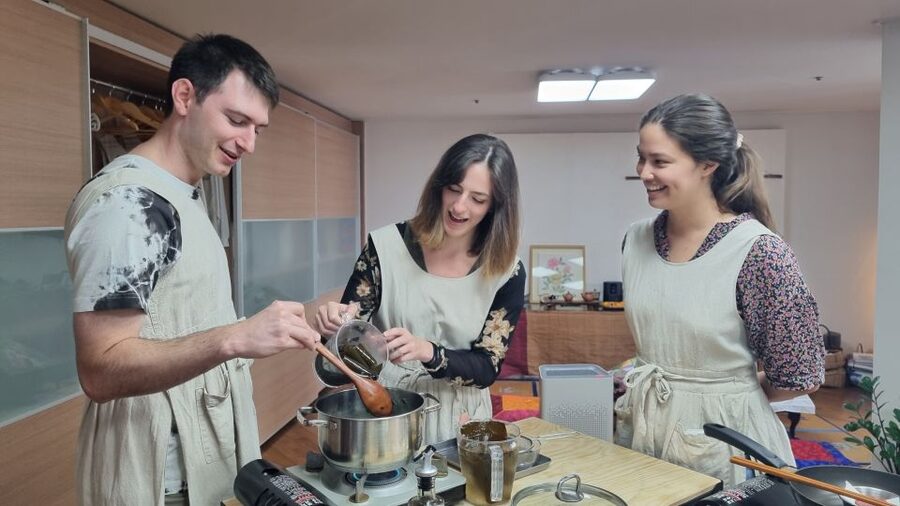
Once the cooking is done, you place your food on a bapsang, a small traditional personal dining table. This changes the meal from a quick tasting into a presentation of Korean dining style.
Your self-prepared food becomes the focus of the final part of the class. You can enjoy the dishes, condiments, and water as a complete meal, rather than sampling one bite and moving on to the next activity.
The meal is included in the $98 price, along with dessert and tea. That is important when judging the cost. This is not $98 for a short demonstration followed by lunch at your own expense. The fee covers ingredients, equipment, an apron, instruction, the meal, dessert, recipes, a certificate, and a small surprise gift.
Still, $98 is not a budget activity. If you mainly want to eat bibimbap, you can do that for far less in Busan. This price makes more sense if you value instruction, cultural context, and the chance to recreate the dishes later.
Tea, Dessert, and a Useful Finish
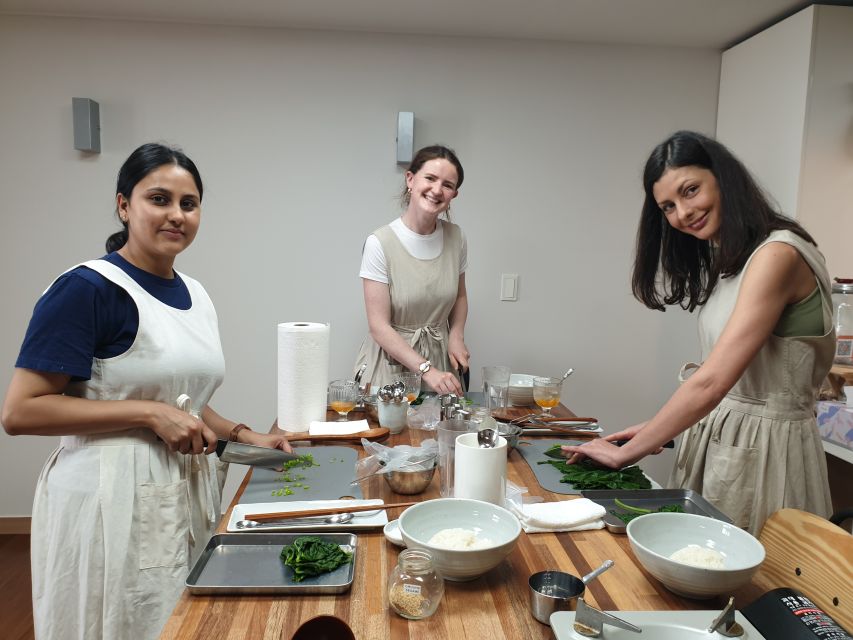
After the main meal, the class moves to traditional Korean tea and dessert. This provides a calmer finish after the cooking and gives you another way to experience Korean food beyond the best-known savory dishes.
The dessert tasting is also useful for first-time visitors. Korean sweets may be unfamiliar, and trying them in a guided setting gives you some context. The class does not only focus on spice, meat, and rice. It shows how a meal can end with a quieter, sweeter course.
You receive the recipes to take home. That is one of the strongest practical benefits of the class. A cooking experience is easy to enjoy and then forget, but written recipes give you a chance to repeat the meal after returning home.
The certificate and surprise gift are pleasant extras. I would not choose the class for those items alone, but they give the experience a clear ending and make it easier to remember the day.
What the Cultural Explanations Add
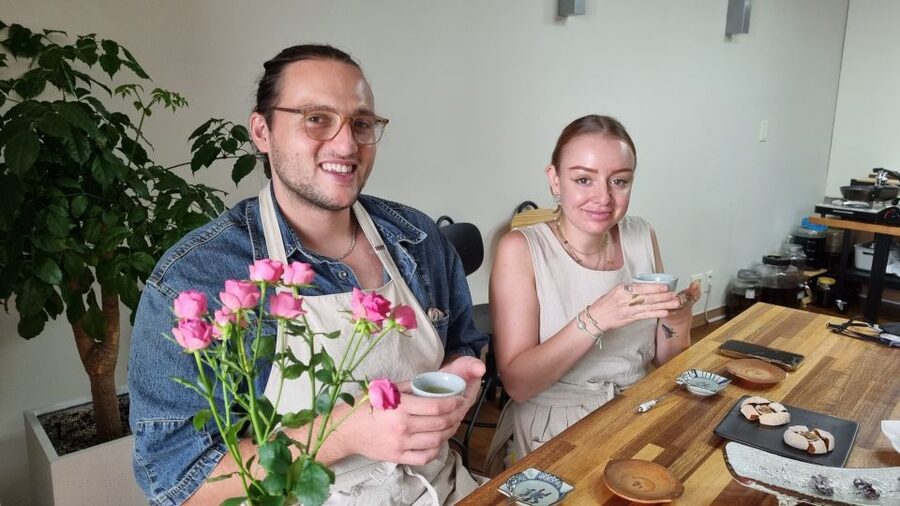
The instructor does more than tell you when to stir or assemble the food. The class includes background on the dishes and Korean food culture. That context helps explain why the meal is arranged as it is and how everyday Korean cooking differs from restaurant food.
This is where the class gains value over a recipe video. You can ask questions, taste ingredients before they are combined, and hear the story behind the dishes while preparing them. The information is delivered during the work, so the three hours should feel active rather than like a lecture.
I especially like the connection between food and local advice. Min has also offered suggestions about things to see and do in Busan, which can be helpful if you are still planning your time in the city. Do not treat this as a dedicated sightseeing tour, but the class can become a useful point of contact early in your stay.
Getting to Marine City Near Haeundae
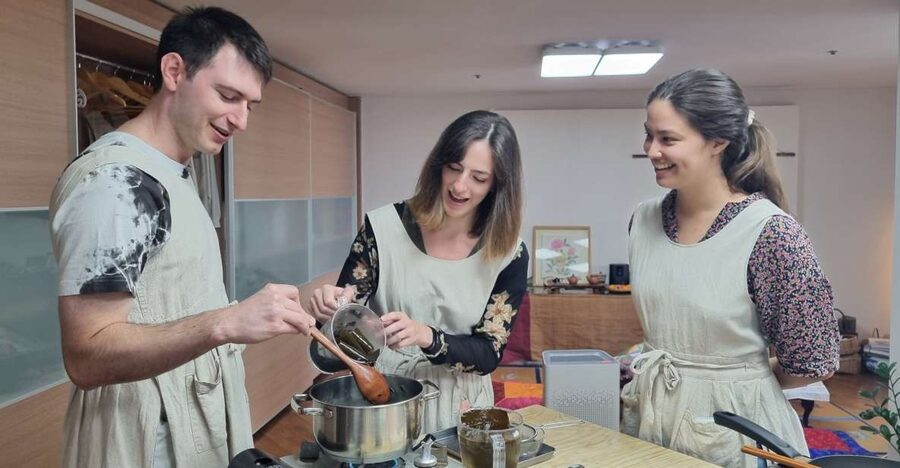
The meeting point is Flat 2406, Hoabin Busan Haeundae, at 37 Marine City 3-ro in Haeundae. Pickup and drop-off are not included, so you need to make your own way there.
By subway, use Dongbaek Station on Busan Metro Line 2, the green line. Exit 1 is about a 10-minute walk from the meeting point. This is likely the simplest option if you are already using the metro.
By bus, Daewoo Marina Apartment stop is about a seven-minute walk away. Routes listed for that stop include 139, 307, and 1003, with the 1003 route connecting toward Busan Train Station.
Dongbaek bus stop is about a 15-minute walk away and serves routes including 31, 38, 39, 40, 63, 100, 100-1, 115-1, 141, 181, and 200. Allow extra time for finding the correct building and apartment number. A residential-style address can take longer to locate than a clearly marked attraction.
The location near Haeundae makes sense if you are staying in that part of Busan. If you are based far across the city, the travel time may make the class less convenient, especially for a fixed morning start.
Is $98 a Fair Price?
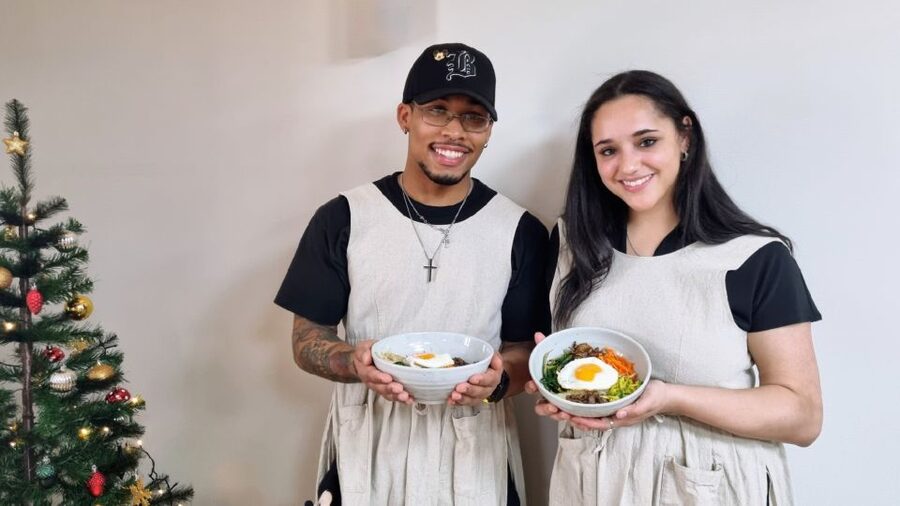
At $98 per person, this class sits in the higher price range for a three-hour activity. The value depends on what you want from the morning or afternoon.
You are paying for a small group, an English-speaking instructor, all ingredients, use of utensils and an apron, a cooked meal, dessert, tea, recipes, a certificate, and a gift. You are also getting a cultural explanation of the food and a chance to prepare several dishes rather than one simple item.
If you compare the price with the cost of a restaurant meal, it will look expensive. If you compare it with a private lesson or a longer food experience, it may feel more reasonable. The class is most worthwhile for you if you want to understand Korean cooking and reproduce it at home.
The strongest value comes from the practical teaching. The food itself is only one part of the purchase. You also receive the techniques, ingredient knowledge, and written recipes that can continue to be useful after your Busan visit.
Dietary Needs and Accessibility
If you want a vegan meal, request it when booking or contact the provider at least 24 hours in advance. Do not wait until you arrive, since the ingredients need to be prepared properly.
The activity is listed as wheelchair accessible. The provided information does not explain the exact layout or equipment, so you may want to confirm any specific access needs before booking.
The class is suitable for people who enjoy participating. If you dislike chopping, group instruction, or eating food you have prepared yourself, a restaurant meal will be a better fit.
Who Should Book This Class?
I would recommend this experience to you if you meet one or more of these descriptions:
- You want a hands-on introduction to Korean food.
- You are staying near Haeundae or Marine City.
- You like small-group activities with a social element.
- You want recipes you can use after your trip.
- You are visiting Busan with an older child or family member.
- You would like food culture explained in English.
- You prefer an indoor activity that fits into a three-hour schedule.
It is less suitable if your main goal is a cheap meal, a private class, or a broad tour of Busan. The class stays focused on cooking and dining, with local sightseeing advice as an extra rather than the main event.
Should You Book the Bapsang Cooking Class?
Book it if you want more than a plate of Korean food. The chance to taste sauces, prepare bibimbap and other home-style dishes, then eat them at a bapsang table gives the experience a clear sense of place.
I especially like the combination of useful instruction and a complete meal. Min’s clear teaching style, the small group, the tea and dessert, and the recipes to take home all strengthen the case.
The $98 price is the main hurdle. You should pay it only if the cultural lesson and cooking practice matter to you. If they do, this is a thoughtful way to spend three hours in Busan, with something practical to show for it after the meal is over.
FAQ
How long does the Busan Korean cooking class last?
The cooking class lasts three hours.
What dishes will I cook?
The class focuses on bibimbap. The menu can also include miyeok guk, a seaweed and beef soup, and buchu jeon, a vegetable fritter. Seasonal ingredients may affect the exact dishes.
Is the cooking class taught in English?
Yes. Instruction is available in English and Korean. Min and Kim are named as instructors connected with the class.
How many people can join the class?
The activity is limited to a small group, with a maximum of 10 participants.
Is a vegan meal available?
Yes, but you must request a vegan meal when booking or contact the provider at least 24 hours before the class.
What is included in the $98 price?
The price includes ingredients, utensils, an apron, the meal, dessert, water, recipes, a certificate, and a surprise gift.
How do I reach the meeting point?
The meeting point is Flat 2406, Hoabin Busan Haeundae, 37 Marine City 3-ro. Dongbaek Station on Line 2 is about a 10-minute walk away. Daewoo Marina Apartment bus stop is about seven minutes away, and Dongbaek bus stop is about 15 minutes away.
More Hands-On Workshops in the world
- Half-Day Thai Cooking Class at Organic Farm in Chiang Mai
★ 5.0 · 19,087 reviews - Florence: Pasta Cooking Class with Unlimited Wine
★ 4.9 · 10,285 reviews - 3 in 1 Cooking Class near Navona: Fettuccine, Ravioli & Tiramisu
★ 5.0 · 7,376 reviews - Florence: Pasta & Tiramisu Cooking Class with Unlimited Wine
★ 4.9 · 6,708 reviews
More Food Experiences in the world
- Vietnamese Food Cooking Class in Hanoi with Market Experience
★ 5.0 · 778 reviews - Milan: Italian Cooking Class with Food and Wine
★ 4.7 · 509 reviews - Mexican Cooking Class with Food Market Visit in Mexico City
★ 5.0 · 506 reviews - Florence: Cooking Class with Local Food Market Tour
★ 4.9 · 407 reviews
Just added around the world
- Montreal: Cooking Class & Lunch with Michelin-Trained Chef★ 4.4 · 32 reviews
- Mojo Workshop Cooking Class in Ancient Canarian Village★ 4.9 · 127 reviews
- MoMo or Dal Bhat Cooking Class at Aama Kitchen in Pokhara★ 4.9 · 28 reviews
- Mirissa: Cooking Class with Beer and Meal★ 3.3 · 4 reviews
- Modena: Home Cooking Class Tagliatelle and Ragu and Tiramisu★ 5.0 · 23 reviews
- Moires: Cooking Class and Olive Oil Tasting at a Family Farm★ 5.0 · 93 reviews
- Rome Pizza & Gelato Cooking Class★ 4.6 · 49 reviews
- Mindelo: creol cooking with Catia★ 4.8 · 70 reviews
Korean Cooking Classes, compared.
Local Home Korean Cooking Class & Market Adventure in Seoul
Read our review →
Master Korean traditional cooking with a Kimchi chef
Read our review →
Seoul: Korean Cooking Class at a Local Home and Market Tour
Read our review →
Cook 3 Authentic Korean Dishes with Local Market Tour
Read our review →
Korean Cooking Class with Grocery Shopping at Seoul Local Market
Read our review →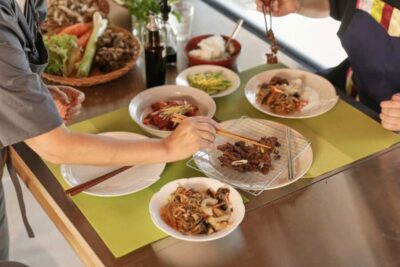
Seoul: Experience Korean Cooking in Modern Hanok Kitchen
Read our review →Browse the lists this tour appears in