
Review · KOREAN
Seoul: Experience Korean Cooking in Modern Hanok Kitchen
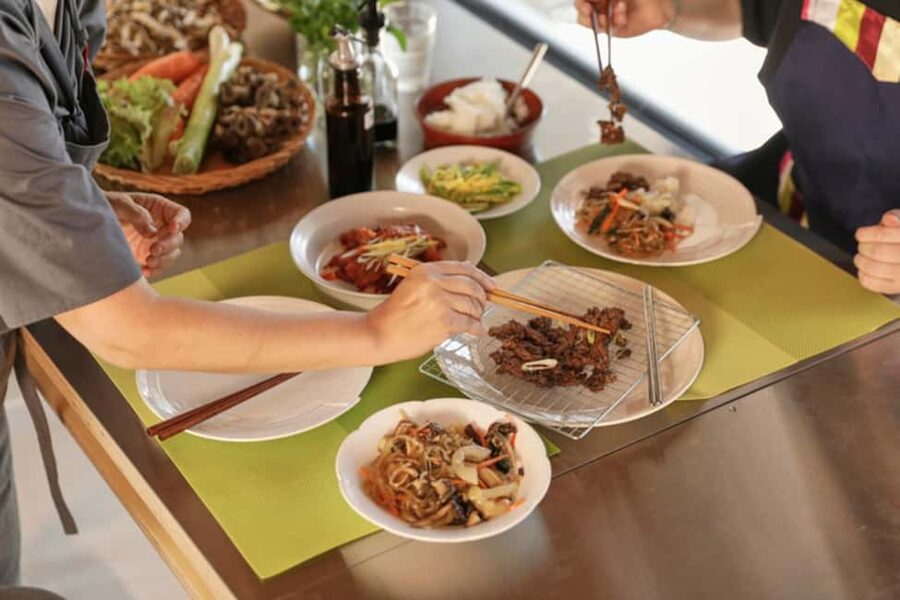
Bibimbap is the hook here, but the best part is that you do not simply watch a chef assemble it. You prepare your own meal in a modern hanok studio in Bukchon, then sit down to eat what you made. The class also explains how Korean home meals come together, which gives the food more meaning than a standard restaurant lunch.
I like the individual cooking stations, since you can follow the chef at your own pace and leave with recipes you can repeat at home. I also like the practical teaching style reported by participants: Jia demonstrates the preparation first, then guides everyone through the cooking. The main consideration is timing. The class lasts only two hours, so it is focused on cooking rather than a long cultural tour.
Key points
- Cook at your own station: You prepare each dish yourself instead of watching from the sidelines.
- Meet Korean classics: The menu can include bibimbap, bulgogi, jeyuk-bokkeum, or japchae, with two dishes prepared per person.
- Learn from Jia and the chef team: The English-language instruction includes cooking demonstrations and Korean food culture.
- Bukchon location: The studio is at 137-11 Bukchon-ro, Jongno-gu, a useful stop while exploring the neighborhood.
- Dietary adjustments are possible: Tell the provider about allergies or restrictions before the class.
- Recipes are practical: The demonstrated dishes are designed to be manageable at home, not just impressive in a professional kitchen.
What the two-hour Bukchon class is really like
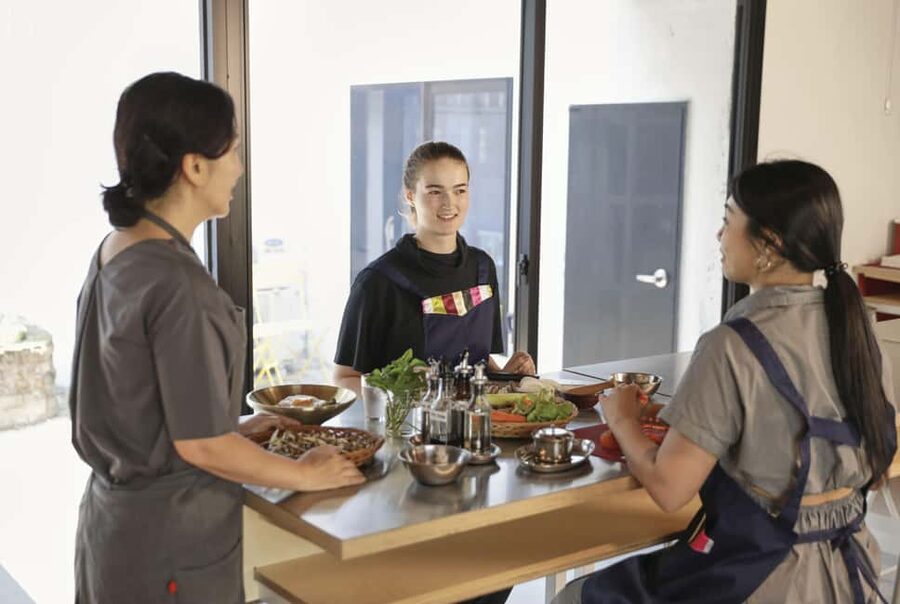
This is a compact, hands-on introduction to Korean cooking. You meet at O’ngo Food Communications, at 137-11 Bukchon-ro in Jongno-gu, then move into a recently renovated hanok cooking studio.
The setting matters. A hanok is a traditional Korean house, but this one has been updated for cooking classes. You get the atmosphere of an older Seoul neighborhood without giving up the clean, practical setup needed for chopping, frying, and mixing.
The class is taught in English. Jia has been singled out for her calm, patient explanations and her willingness to talk about Korean culture as she teaches. That combination is useful if you are new to Korean food and want more than a list of ingredients.
The usual rhythm begins with a demonstration. The chef shows how the ingredients are prepared and how the cooking process works. You then repeat the steps at your own station, with guidance as needed.
That order keeps the class low stress. You can watch the full process once before handling your own ingredients, rather than trying to read a recipe while a pan is already heating. One participant described the method as easy to follow, and another later recreated the dishes at home several times.
More Korean Cooking Classes in Seoul:
- Local Home Korean Cooking Class & Market Adventure in Seoul
★ 5.0 · 1,024 reviews - Master Korean traditional cooking with a Kimchi chef
★ 5.0 · 385 reviews - Seoul: Korean Cooking Class at a Local Home and Market Tour
★ 5.0 · 348 reviews
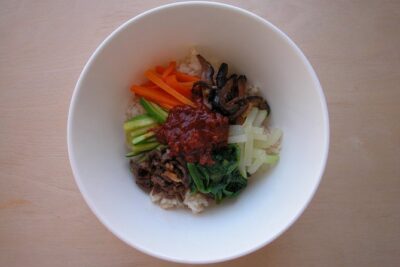
Bibimbap: a Korean meal in one bowl

Bibimbap is one of the strongest reasons to choose this class. It is familiar enough to recognize, but there are several small techniques behind a good bowl.
You build the dish with rice, cooked seasonal vegetables, and a sunny-side-up egg. The result is colorful and filling, but the class is not just about arranging ingredients neatly. You learn how separate vegetables are cooked and then brought together in one bowl.
That makes bibimbap a useful home-cooking lesson. You can understand how a few vegetables, rice, and an egg become a complete meal. The dish also gives you room to adjust the balance of ingredients later, depending on what you have in your own kitchen.
The class description presents bibimbap as healthy and nutrient-packed. That is fair as a broad description, but do not expect a nutrition workshop. The value is practical: you learn a flexible Korean rice bowl that can make good use of vegetables already in your refrigerator.
There is also a small reward at the end. You eat the bibimbap you prepared, including the egg and vegetables you cooked yourself. For many people, that is more satisfying than being served a finished dish at a restaurant.
Choosing the second dish: bulgogi, jeyuk-bokkeum, or japchae
The second dish gives the class a different direction, and the choice matters if you have strong food preferences. The available examples include bulgogi, jeyuk-bokkeum, and japchae.
Bulgogi uses thinly sliced beef marinated with soy sauce, sesame, and garlic. It is savory, approachable, and a good first taste of Korean barbecue flavors without requiring you to manage a restaurant grill.
The class version has also been described as simple and low stress. The chef demonstrates the ingredient preparation and cooking before you take over, so the process should feel manageable even if you rarely cook Korean food.
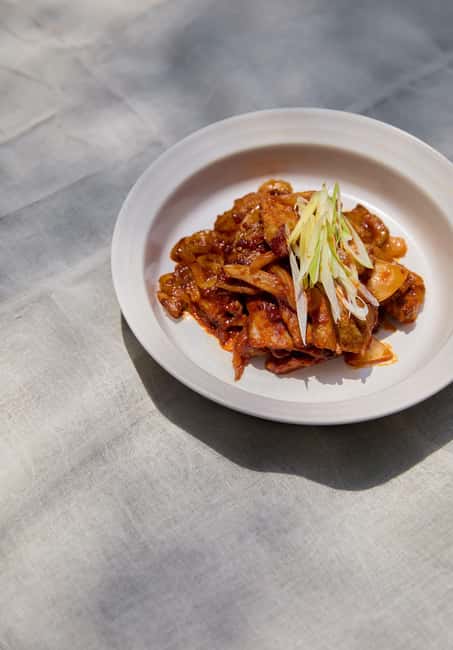
Jeyuk-bokkeum is the spicier option. This Korean pork barbecue uses marinated pork and a gochujang-based sauce. Gochujang brings heat, sweetness, and fermented depth, so this is the dish to consider if you want a stronger, hotter flavor.
It is also the dish most often requested for the class, according to the supplied information. If you do not eat pork or prefer mild food, make that clear before cooking rather than waiting until the class begins.
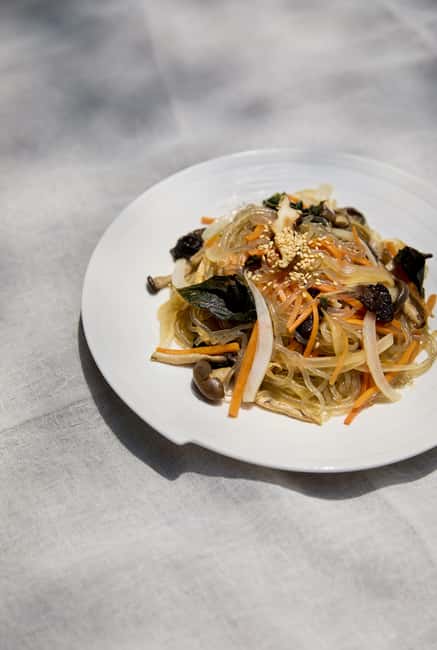
Japchae offers a gentler alternative. Glass noodles are mixed with cooked vegetables to create a non-spicy dish. The class describes it as a royal cuisine, and its soft noodles and mild seasoning make it a sensible pick for people who want Korean food without chili heat.
The important point is that you prepare two dishes, not all four. The exact combination should be confirmed when booking or arranged with the provider. The menu examples give you a useful sense of the class, but they should not be treated as a promise that every dish will be served in one session.
Why the individual cooking station matters
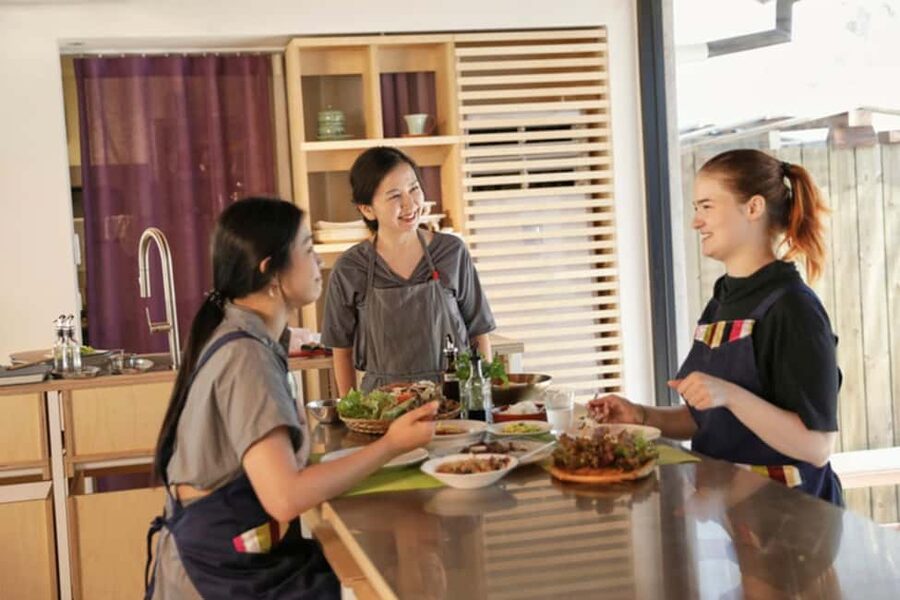
A cooking demonstration can be entertaining, but it does not always teach you much. Here, each participant prepares their own dishes with provided ingredients. That changes the class from a food show into a short lesson you can use later.
You handle the ingredients, follow the steps, and taste the final result. If your knife work is slow or you need a second look at a sauce, the chef can address the process while you are doing it.
The small-group nature can also affect the feel of the class. One participant described a session with only three people and said the chef was able to provide excellent attention. The activity does not promise a fixed group size, so you should not book expecting every class to have exactly three people. Still, the format is built around personal participation rather than a large audience.
I particularly like the home-cooking angle. The recipes are not presented as difficult restaurant tricks. The instructions are clear enough that some participants have repeated the dishes at home, which is a stronger measure of usefulness than simply enjoying lunch during the class.
A few more cooking classes around Seoul worth a look
- Seoul: Korean Cooking at Seoul Cooking Club!
★ 5.0 · 311 reviews - Korean Cooking at Seoul Cooking Club
★ 5.0 · 220 reviews - Seoul: Taste of Korea, Authentic Home Style Cooking Class
★ 4.9 · 166 reviews - Korean Cooking Class with Grocery Shopping at Seoul Local Market
★ 5.0 · 107 reviews
Korean food culture beyond the recipe
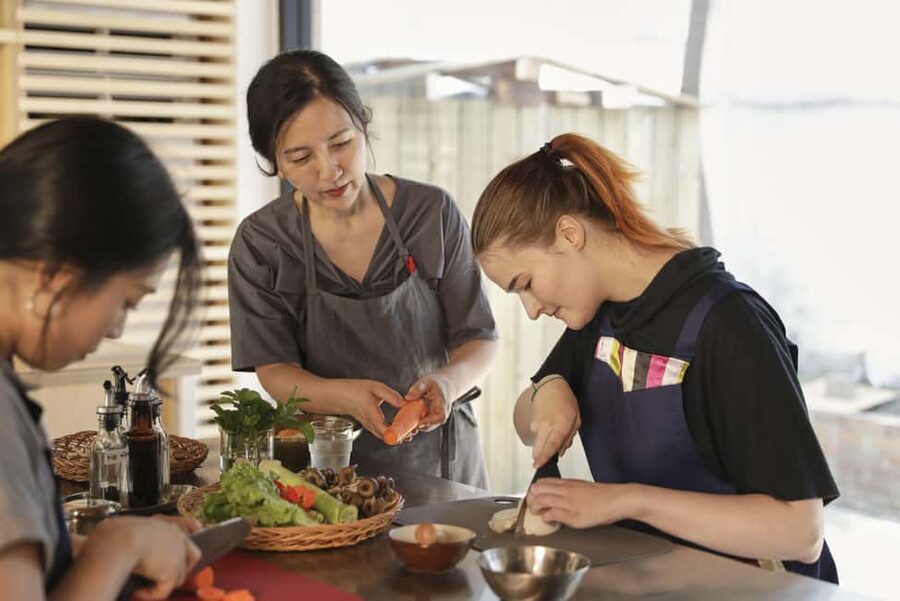
Food classes work best when they explain why people eat a dish, not only how to make it. This experience includes discussion of Korean food culture and the way home meals are prepared.
That context helps you understand the role of dishes such as bibimbap, bulgogi, and japchae. You see how a Korean meal can combine rice, vegetables, meat, noodles, eggs, and sauces in ways that are both practical and varied.
Jia has been praised for adding cultural explanation without losing patience during the cooking. That is a useful balance. Too much background can eat up the class time, while too little leaves you with a recipe and no sense of where it fits.
Do not expect an extensive lecture on Korean history or a full tour of Bukchon. The cultural content supports the cooking lesson. If you want a detailed neighborhood walk, you will need to plan that separately.
Dietary needs and ingredient planning
The class can be customized for dietary options, but you need to share allergies and restrictions in advance. This is one of the most important practical points in the booking process.
A useful example comes from a participant who forgot to mention that she did not eat meat. Jia was able to prepare tofu within about ten minutes, and the substitute worked well. That shows flexibility, but it should not encourage you to arrive without warning. Last-minute changes depend on the ingredients and the kitchen schedule.
If you avoid meat, ask specifically which two dishes can be prepared for you. If you avoid spice, ask about replacing jeyuk-bokkeum with japchae or another milder choice. If you have a serious allergy, provide exact details before arrival and confirm that the kitchen can accommodate it.
The cooking class is a better fit for flexible dietary needs than for someone who requires a tightly controlled allergen-free kitchen. The supplied information confirms that adjustments are available, but it does not promise a separate kitchen or complete allergen isolation.
Is $84 good value for two hours?
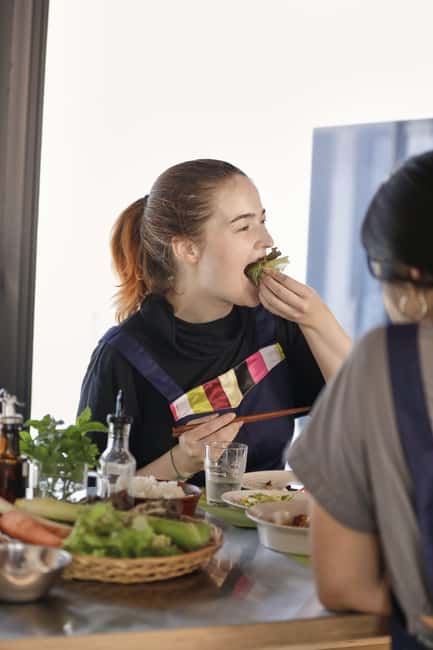
At $84 per person, this is not the cheapest meal you will find in Seoul. You are paying for more than the food, though. The price includes a professional chef, an English-language lesson, provided ingredients, your individually prepared dishes, and instruction in Korean cuisine.
The value improves if you want to reproduce the dishes at home. A restaurant meal gives you a finished plate. This class gives you a meal plus a method, and the recipes have been described as practical enough to repeat later.
The price may feel high if you mainly want to eat Korean food. Seoul has many less expensive restaurants, and you could order bibimbap or bulgogi without spending two hours in a kitchen.
I would compare it with the cost of a meal plus a guided cultural activity. The setting in Bukchon, the personal cooking time, and the chance to select a meat or non-meat direction make the fee easier to justify for people who enjoy food projects.
The reserve-now, pay-later option also helps if your Seoul schedule is still changing. Free cancellation is available up to 24 hours before the activity for a full refund. Arrive on time, since anyone who misses the class because of a late arrival is responsible for the missed participation.
Who will enjoy this class most?
This is a strong choice for couples, solo visitors, families with older children, and small groups who prefer doing something active. You do not need advanced cooking skills. The demonstrations and individual stations make the process accessible to beginners.
It is especially useful for people who want a break from sightseeing. Two hours in a kitchen gives you a change of pace from palaces, shopping streets, and museums, while the Bukchon location makes it easy to pair with time in the surrounding area.
Food-focused visitors will get the most from it, particularly if you are curious about sauces, vegetables, noodles, and the structure of Korean home meals. It also suits anyone who likes to bring a practical souvenir home. A recipe you can cook again has more staying power than another photograph.
The class may not suit you if you dislike cooking, need a very relaxed meal with no participation, or want a long culinary tour through several restaurants. It is also a short experience, so the focus stays on two dishes rather than a broad survey of Korean cuisine.
Practical planning for your visit
Set aside the full two hours and allow extra time to find 137-11 Bukchon-ro. The meeting point is O’ngo Food Communications in Bukchon, and late arrival can mean missing part or all of the program.
Wear something comfortable for kitchen work, though no special clothing requirement is provided. Since the class includes cooking and eating, avoid scheduling it so tightly that you need to rush away immediately afterward.
Think about your preferred dishes before you arrive. Bibimbap is the central lesson, while your second dish can shape the meal: bulgogi for savory beef, jeyuk-bokkeum for spicy pork, or japchae for a non-spicy noodle dish.
If you have dietary restrictions, send the information before the class. This gives the chef a fair chance to prepare a suitable replacement, such as tofu, rather than improvising during the lesson.
Should you book the Korean cooking class?
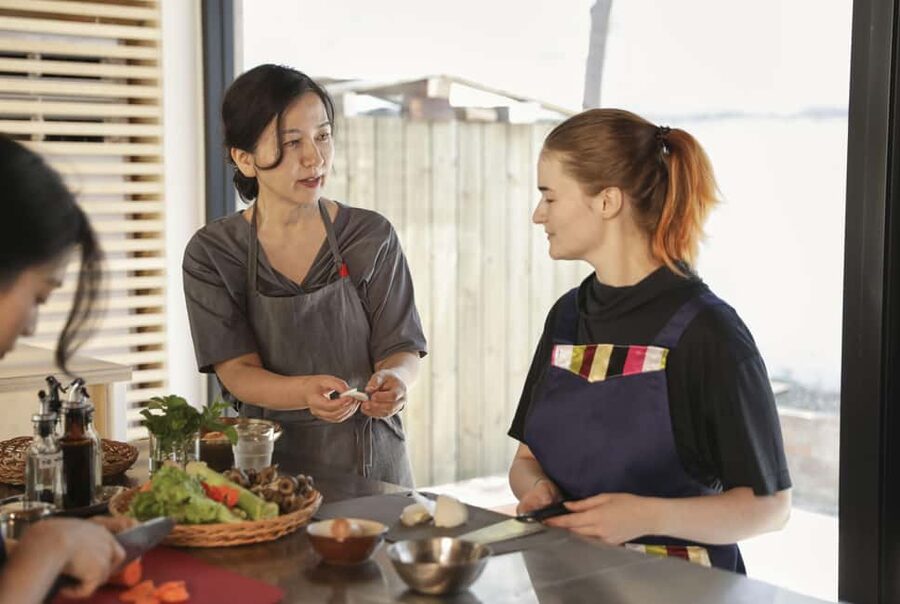
Book it if you want to cook, not just eat. The strongest features are the personal station, the clear demonstrations, the English-speaking instruction, and the chance to repeat the recipes at home.
I would give it extra weight if you are staying near Bukchon, enjoy bibimbap or Korean barbecue, or need a low-stress activity with a cultural element. Jia’s patient teaching style and the reported ability to adjust a meat dish for tofu add confidence for beginners and flexible vegetarians.
Skip it if your main goal is a cheap meal or a full-day food tour. At $84, the value rests on the lesson and the hands-on work. For someone who wants to understand Korean home cooking and leave with two dishes made by their own hands, that is a fair trade.
FAQ
Where does the cooking class take place?
The class takes place at O’ngo Food Communications, 137-11 Bukchon-ro, Jongno-gu, Seoul, in the Bukchon area.
How long does the activity last?
The cooking class lasts two hours.
What language is the class taught in?
The class is conducted in English with a live English-speaking guide.
Which Korean dishes can be prepared?
The dishes can include bibimbap, jeyuk-bokkeum, japchae, and bulgogi. Each participant prepares and tastes two dishes, so the exact combination should be confirmed when booking.
Can dietary restrictions or allergies be accommodated?
Yes, customized options are available, but you should tell the provider about allergies or dietary restrictions before the class.
Is the class suitable for vegetarians?
Dietary adjustments are available, and tofu has been used as a replacement for meat. Contact the provider in advance to confirm the specific dishes that can be prepared.
What is included in the price?
The price includes a professional chef-led cooking class, provided ingredients, your individually prepared dishes, and instruction in Korean cuisine.
Just added around Seoul
- Seoul: Korean Cooking Class with Local Grocery Shopping★ 5.0 · 13 reviews
- Seoul: Korean Kimchi Cooking Class in the Heart of the City★ 5.0 · 3 reviews
- Seoul: Premium Korean Feast Cooking Class★ 5.0 · 3 reviews
- Seoul: Kimchi Dishes Cooking Class with Wine Pairing★ 4.7 · 38 reviews
- (Seoul) Korean Cooking Class with a Professional Chef★ 5.0 · 14 reviews
- Seoul: Taste of Korea, Authentic Home Style Cooking Class★ 4.9 · 166 reviews
- Seoul: Cooking Class and Tour with Michelin-Trained Chef★ 5.0 · 11 reviews
- Seoul: Authentic Korean Cooking Class and Market Tour★ 5.0 · 6 reviews
Korean Cooking Classes, compared.
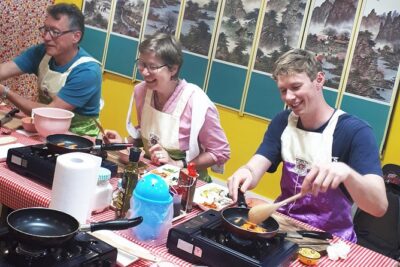
Local Home Korean Cooking Class & Market Adventure in Seoul
Read our review →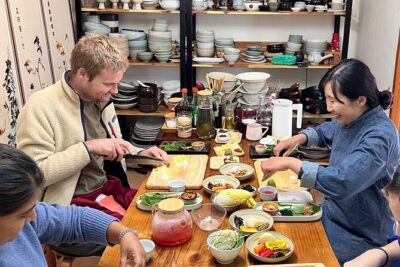
Master Korean traditional cooking with a Kimchi chef
Read our review →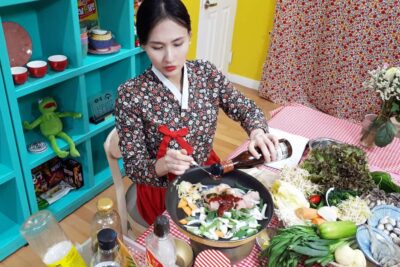
Seoul: Korean Cooking Class at a Local Home and Market Tour
Read our review →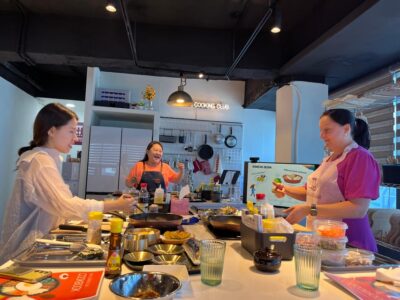
Cook 3 Authentic Korean Dishes with Local Market Tour
Read our review →
Korean Cooking Class with Grocery Shopping at Seoul Local Market
Read our review →
Browse the lists this tour appears in