
Review · PERU
Private Andean Cooking Class, Pachamanca
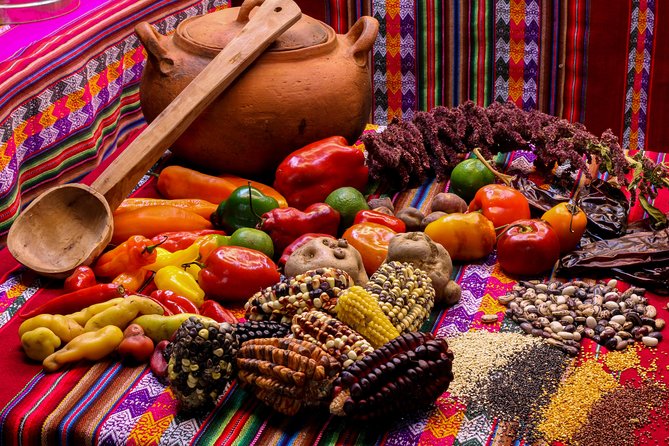
The most interesting part of this three-hour class is its focus on Andean cooking traditions rather than only restaurant-style Peruvian favorites. You work with corn, ancient grains, local peppers, chicha, and ingredients cooked in clay pots, with Pachamanca as the cultural thread tying food to the land.
I like the private format, since your chef can adjust the pace and explain unfamiliar ingredients without rushing through a large group. I also like the chance to taste products from different parts of Peru, then turn them into lunch with your own hands.
The main consideration is the price: at $150 per person, this is not a budget cooking lesson. You should also confirm the menu when booking, since the detailed class plan centers on Andean dishes, while past sessions have included ceviche, lomo saltado, alpaca, and pisco cocktails.
Key points to know
- Pachamanca-style cooking: Taste food prepared in clay pots and learn how Andean ingredients connect to local traditions.
- Hands-on tamales: Make corn-based Andean tamales using an old regional technique.
- Private instruction: Only your group takes part, with English or Spanish available by request.
- More than lunch: The class includes ingredient tasting, a private market visit, chicha, cocktails, an appetizer, and a main course.
- Family-friendly flexibility: Children have been accommodated with mocktails, music, and cooking help.
- Useful planning detail: Bring your original passport at the start for tax purposes, and give dietary requests when booking.
What Your Three Hours in Cusco Look Like
The class starts at 9:00 a.m. at C. Palacio 135 in Cusco and finishes at the same meeting point. That morning schedule works well if you want lunch after the lesson and a free afternoon for Cusco’s museums, plazas, or a slower day before another major outing.
You receive a private experience with a professional chef, beverages, bottled water, one appetizer, and one main course. The format is active, but you do not need advanced kitchen skills. The teaching style is built for beginners, families, and curious cooks who want more than a demonstration.
Chef names can vary. Sessions have been led by Alejandro, Fernando, Jose, Christina, and Jose Luis. That matters because the personality of the chef shapes much of the experience. Alejandro has been praised for explaining ingredients, cooking techniques, and pisco drinks. Fernando has worked especially well with children, offering mocktails and helping them take part.
More Hands-On Workshops in Peru:
- Cusco: Peruvian Cooking Class, Cocktails & Local Market Tour
★ 4.9 · 512 reviews - Cooking class and market tour with a local chef
★ 5.0 · 186 reviews - Market Tour, Tasting of 35 Fruits, and 4-Course Peruvian Cooking Class in Lima
★ 5.0 · 86 reviews
Marination Begins the Lesson
The first step is marination. You learn how meat and other ingredients are prepared with a special sauce before cooking, and the lesson uses this stage to explain how flavor develops in Peruvian food.
This is a practical opening. Instead of starting with a lecture about regional cuisine, you begin by handling ingredients and seeing how a simple preparation changes what comes later. Your chef can also explain which local seasonings are doing the work, an useful point if you hope to repeat the dish at home.
The exact proteins and recipes may vary. Some class sessions have featured lomo saltado, including alpaca, while other sessions have focused on ceviche and other familiar Peruvian dishes. If you have your heart set on a particular recipe, ask before reserving rather than assuming every class follows the same menu.
Corn, Tamales, and Andean Foodways
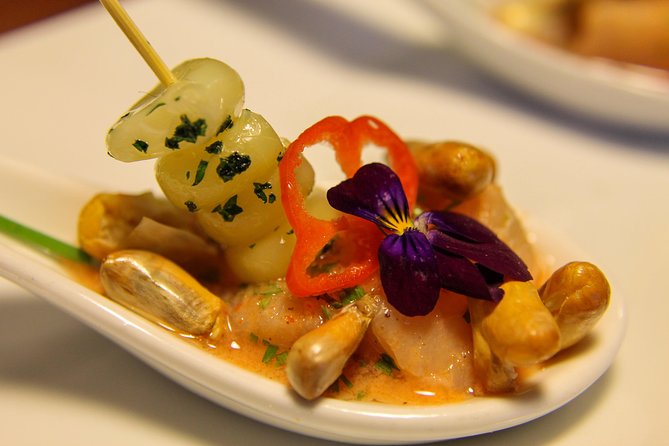
Next comes the preparation of Andean tamales made from corn. This is one of the class’s strongest cultural elements because tamales are not just a side dish. The technique connects cooking with agriculture, family traditions, and the importance of corn in the Andes.
You get to see how a basic local ingredient becomes a finished food through preparation and wrapping. The work is approachable for beginners, though the class is still useful for confident cooks because the chef can explain the traditional method and the role of the ingredients.
Corn is only one part of the agricultural story. The lesson also introduces ancient grains, potatoes, peppers, herbs, fruits, and other products found across Peru. An ingredient tasting can be particularly useful early in your trip, when you are still learning the difference between foods you may have seen at markets but never cooked.
A Private Market of Andean Ingredients
The private market portion gives the class a stronger sense of place. You explore Andean products ranging from ancient grains to foods often described as superfoods, while learning about their place in the local diet and culture.
This is not presented as a general sightseeing market visit. Its value is culinary. You are looking at ingredients with a chef who can explain what they are used for and how they fit into Peruvian meals. Past sessions have included tastings of local fruits, vegetables, condiments, potatoes, corn, grains, and peppers.
I especially like this part for people who have already visited archaeological sites and want a different way to understand the Andes. Food shows how geography and farming shape daily life. It also gives you a better idea of what to order later in restaurants.
The phrase private market should not lead you to expect a long public-market tour. The information provided describes a private market experience within the class, not a separate excursion through Cusco’s main markets.
A few more cooking classes around Peru worth a look
- PRIVATE Authentic Balinese Cooking Class in Ubud at Putu’s Home
★ 5.0 · 644 reviews - Rome: Pasta Making Class with Tiramisu & Wine PRIVATE OPTION
★ 4.8 · 404 reviews - Semi-Private Pizza Making Experience in Naples with Drink
★ 5.0 · 324 reviews - Private Market Tour & Cooking Class in Puerto Vallarta with Manu
★ 5.0 · 241 reviews
Making Uchucuta, an Inca-Era Pepper Sauce
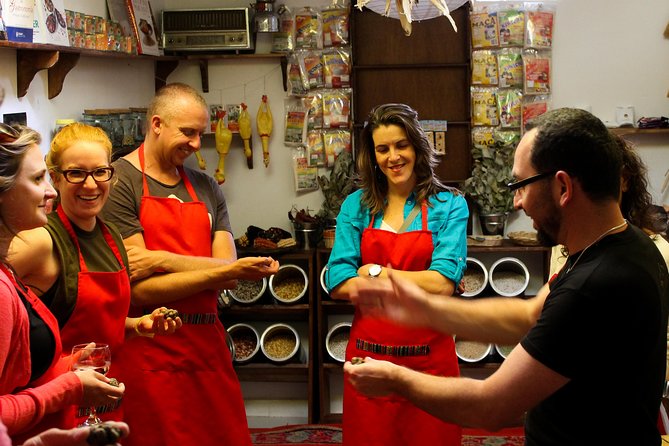
The next preparation is uchucuta, a spicy sauce associated with Inca-era cooking. You use traditional techniques to combine the ingredients, then taste the result as part of the meal.
This is a good lesson in balance. Andean food is not simply about adding heat. Peppers, herbs, and other ingredients need to work together, and the chef can show you how a sauce changes the character of the food around it.
If you do not enjoy spicy dishes, tell the chef at the start. The class offers a vegetarian option and asks you to provide dietary information when booking, but the supplied details do not promise a particular heat level or a fully customized menu. That is worth clarifying before you arrive.
Chicha, Pisco, and the Drinks Portion
Chicha is presented as an ancestral Andean drink connected with the Incas and made through fermentation. Tasting it gives the lesson a useful historical and cultural angle, since drinks often explain a society as clearly as its food.
The class also includes beverages and, in several past sessions, pisco tastings and cocktails. Pisco sours and Chilcanos have both appeared in cooking sessions, with the chef demonstrating how to make them. These drinks add variety to a class that might otherwise feel like a standard lunch workshop.
Alcohol is part of the experience when cocktails are included, so families and non-drinkers should ask what alternatives are available. One family session included mocktails for children. Do not assume every booking includes the same drink menu, though. Confirm the options if this matters to your group.
Clay Pots and the Final Meal
The final tasting brings together the food prepared during the class, including ingredients cooked in clay pots. This is where the Pachamanca theme feels most meaningful. The cooking method points back to the Andean relationship between food, heat, earth, and community.
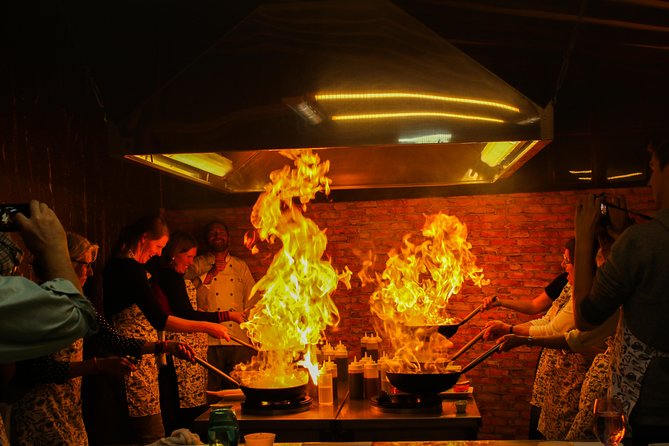
You finish with one appetizer and one main course, along with the included drinks and bottled water. Depending on the menu, this may mean the Andean dishes described in the class plan or familiar Peruvian plates such as ceviche and lomo saltado. Past sessions have also included dramatic wok cooking and flambé techniques, which can make the final preparation lively.
The meal is satisfying because you have helped make it. You also leave with practical recipes in some cases. Chef Christina has sent recipes after class, and Chef Alejandro has been praised for teaching in a way that left people able to recreate dishes at home. Ask about recipe follow-up before leaving if that is important to you.
How the Private Format Changes the Experience
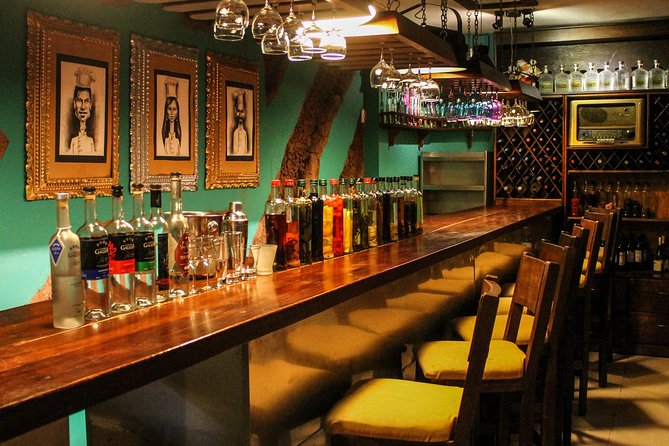
Private does not automatically mean luxurious, but it does give the lesson room to adjust. Your group can ask more questions, slow down for children, or spend extra time on an ingredient that interests you.
Families may find this especially helpful. A child can take part in simple cooking tasks, listen to age-appropriate explanations, and have a mocktail rather than being expected to sit quietly through an adult class. Grandparents and younger children have also been accommodated in the same private format.
Couples can use the class as a relaxed break from ruins and long day trips. It also works well for honeymooners, since the experience combines a meal, drinks, and a shared activity without requiring another transfer around the region.
The private setup has a limit: you are paying for exclusivity, not for a broad group of local cooks or a full market excursion. If you prefer the energy and lower price of a group class, this may not be the best fit.
Is $150 Per Person a Good Value?
At $150 per person, the cost is high compared with simply eating lunch in Cusco. You are paying for more than the food. The price covers a private chef, three hours of instruction, ingredient tastings, the market element, beverages, cocktails or drink demonstrations when included, lunch, and the ability to shape the lesson around your group.
The value improves if you are two or more people who enjoy cooking and will use the recipes later. It also makes sense for a special occasion or a day when you want a guided cultural activity without another demanding excursion.
The value is weaker if your main goal is simply to sample Peruvian food. Cusco has many restaurants where you can eat ceviche, lomo saltado, tamales, and other local dishes for far less. You should book this class for the participation and instruction, not only for the final plate.
Since the menu can vary, ask two questions before paying: Which dishes will our group prepare, and which drinks are included? Those answers will help you judge the price fairly.
Language, Dietary Needs, and Practical Details
The class operates in English or Spanish depending on your request. State your preferred language at booking rather than leaving it unclear.
Vegetarian cooking is available, but you must request it in advance. The same applies to allergies and other dietary requirements. The supplied details do not specify every substitution, so be clear about what you cannot eat and ask what the chef can provide.
Bring your original passport at the beginning of the course. It is required for tax purposes, and a copy may not be enough. The meeting point is C. Palacio 135, Cusco 08002, and the activity returns there after the meal.
Confirmation is provided at booking. Free cancellation is available until 24 hours before the start time. Cancellations or changes inside that 24-hour window are not refunded or accepted, and the experience may be rescheduled or refunded if its minimum number of participants is not reached.
Who Should Book This Cusco Cooking Class?
I would recommend it most strongly to couples, families, and small private groups who want an active cultural experience between major sightseeing days. It is also a good match if you like asking questions and prefer learning how a dish works instead of watching someone else cook it.
Beginners should feel comfortable. The chefs demonstrate, guide, and assist rather than expecting restaurant-level skills. Experienced home cooks will still find value in the ingredients, sauces, clay-pot preparation, and the chance to learn dishes that are difficult to understand from a menu alone.
You may want to skip it if you dislike spicy food, fermented drinks, alcohol, or hands-on kitchen work. You should also think twice if $150 feels too high for a three-hour activity or if you want a fixed menu guaranteed in advance.
Should You Book It?
Book this class if you want to connect Cusco’s food with Andean farming, ingredients, and cooking traditions. The best parts are the private instruction, tamales, uchucuta, chicha, clay-pot cooking, and the chance to taste products before using them.
Before booking, confirm the language, menu, drinks, and dietary arrangements. If the class includes the recipes and dishes you want, the private format can be a memorable and useful way to spend a morning in Cusco. If you only want lunch, spend the money at a restaurant instead.
FAQ
Where does the cooking class start?
The class starts at C. Palacio 135, Cusco 08002, Peru.
What time does the experience begin?
The listed start time is 9:00 a.m.
Where does the class finish?
The activity ends back at the meeting point.
How long does the experience last?
The cooking class lasts approximately three hours.
Is the class private?
Yes. Only your group participates in the activity.
Is the class available in English?
Yes. The class operates in English or Spanish depending on your request.
Is a vegetarian option available?
Yes. A vegetarian option is available, but you should request it when booking.
Do I need to bring my passport?
Yes. You must provide your original passport at the beginning of the course for tax purposes.
Can I cancel for a full refund?
Yes, if you cancel at least 24 hours before the experience start time. Cancellations made less than 24 hours in advance are not refunded.
Just added around Peru
- Vegan Peruvian Cooking Class Cocktails and Local Market in Cusco★ 5.0 · 46 reviews
- Cusco Cooking Class by ChocoMuseo in Cusco★ 5.0 · 29 reviews
- Lima: Market Tour and Cooking Class with Pisco Sour★ 5.0 · 3 reviews
- Lima: Cooking Workshop and Water Circuit Tour★ 5.0 · 16 reviews
- Lima: Market Tour, 35 Fruits Tasting & Cooking Class★ 5.0 · 3 reviews
- Lima: 4-Course Peruvian Cooking Class in Miraflores★ 5.0 · 4 reviews
- Lima: Demo Cooking Class with Lunch at Cala Restaurant★ 4.1 · 4 reviews
- Cusco: Peruvian Cooking Class & Market Tour★ 4.9 · 19 reviews
Cooking Classes, compared.
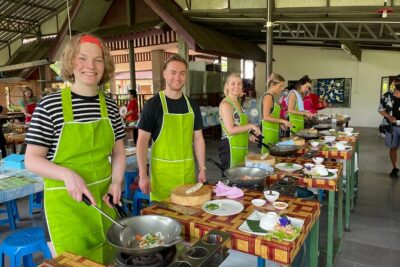
Half-Day Thai Cooking Class at Organic Farm in Chiang Mai
Read our review →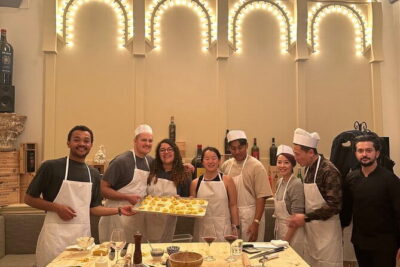
Florence: Pasta Cooking Class with Unlimited Wine
Read our review →
3 in 1 Cooking Class near Navona: Fettuccine, Ravioli & Tiramisu
Read our review →
Hanoi Cooking Class: Culture, Local Market & Meaning CSR Impact
Read our review →
5 Traditional Dishes Hanoi Cooking Class with Market Trip
Read our review →
Cooking Class and Lunch at a Tuscan Farmhouse with Local Market Tour from Florence
Read our review →
Chiang Mai: Cooking Class, Market & Thai Herbs Garden Tour
Read our review →Browse the lists this tour appears in