
Review · JAPANESE & SUSHI
Fujisan Sushi Making Lesson
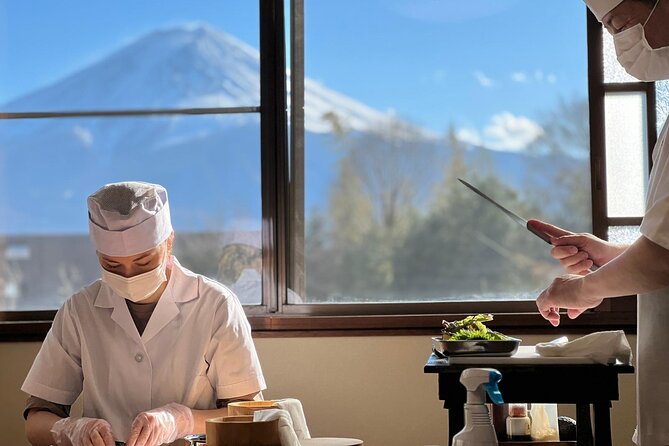
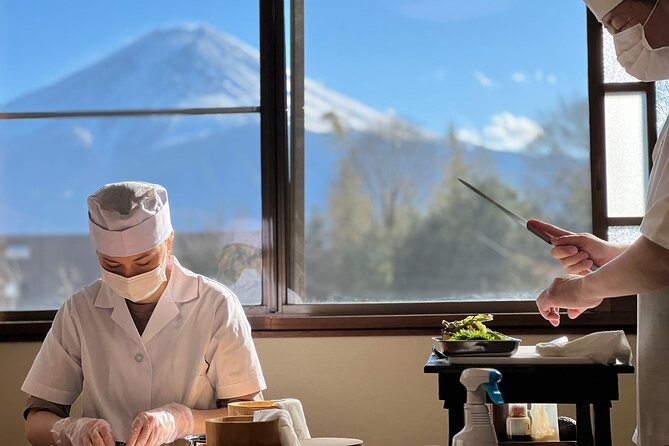
Making sushi near Mount Fuji gives this three-hour lesson more flavor than a standard cooking class. You’ll prepare nigiri sushi and rolls with a professional chef, then learn the customs behind serving and eating them. The setting near Kawaguchiko Station makes the class easy to reach without giving up the Fuji views.
I like the hands-on format, since the chef teaches methods you can repeat at home rather than simply demonstrating a finished dish. I also like the mix of cooking, sushi history, trivia, and table etiquette, which gives the meal a cultural frame.
The main caution is price. At $229.91 per person, this is a serious splurge for three hours, even with private participation and professional instruction. Ask what is included in the fee before booking, since the supplied details do not specify the ingredients, finished meal, or any take-home materials.
Key points to know before booking
- You make two Japanese staples: Learn both nigiri sushi and sushi rolls, not just one preparation.
- The chef teaches in English: The instructor has worldwide cooking experience and explains the methods in English.
- Mount Fuji is part of the setting: The class takes place near Fujikawaguchiko, with views available while you prepare sushi.
- It is a private activity: Only your own group takes part, which can make questions and pacing easier.
- Culture is part of the lesson: Expect Japanese table manners, sushi history, trivia, and an informative slideshow.
- Vegetarian participation is possible: Tell the provider about vegetarian needs and food allergies in advance.
Making nigiri and rolls near Mount Fuji
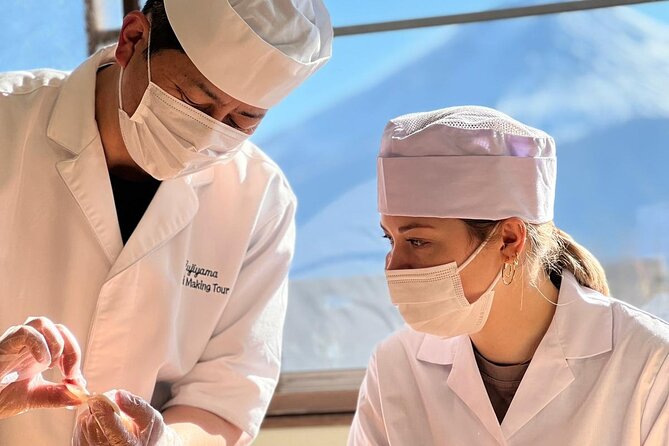
This experience is built around doing the work yourself. A professional chef guides you through the process of making nigiri sushi and sushi rolls, showing techniques that are intended to be repeated in your own kitchen.
That practical focus matters. Sushi can look simple when a trained chef handles it, but the details are easy to miss: how to shape the rice, how to handle the filling, and how to make a roll hold together. You get more value from a lesson when you leave understanding the method, not just admiring the finished plate.
The class lasts about three hours. That gives the chef time to combine food preparation with a lesson in Japanese food culture. You should not expect a quick demonstration followed by a rushed meal. The schedule is long enough for instruction, hands-on preparation, questions, and the cultural material built into the session.
The activity is based in Fujikawaguchiko-machi, close to Mount Fuji. The meeting point is Kawaguchiko Station at 3641 Funatsu, Fujikawaguchiko, in Yamanashi Prefecture. Since the activity begins and ends at the station meeting point, it fits neatly into a day based around the Kawaguchiko area.
More Sushi and Japanese Classes in Japan:
- Sushi Making Tokyo Roll and Authentic Japanese Sushi Class
★ 5.0 · 3,971 reviews - Tokyo: Roll and Authentic Sushi Making Class in Asakusa
★ 4.9 · 1,957 reviews - Ramen Cooking Class at Ramen Factory in Kyoto
★ 5.0 · 1,937 reviews
What you learn from the sushi chef
The chef is described as a veteran with cooking experience around the world. Instruction is available in English, which is important if you want to understand the reasons behind each step rather than copy hand movements without explanation.
You’ll learn cooking methods that can be used at home. That promise is more useful than a lesson focused only on presentation. If you cook Japanese food after returning home, the class can serve as a practical introduction to the basic process of preparing nigiri and rolls.
The course also covers the tradition and history of sushi. That adds context to the food in front of you. Sushi is not simply raw fish placed on rice, and the lesson gives you a chance to understand the customs and ideas that shape the dish.
Japanese table etiquette is included as well. This is a valuable touch for anyone who wants to feel more comfortable at sushi restaurants in Japan. You are not only learning how to assemble food, but also how it fits into Japanese dining culture.
The class may include trivia questions and an informative slideshow. Those elements keep the lesson from becoming a long stretch of kitchen instruction. One account of the experience describes the class being conducted in Japanese, so if practicing Japanese matters to you, confirm the language arrangement before booking. English explanation is specifically available, but the exact balance of languages may vary.
Nigiri and sushi rolls give you two different lessons
Nigiri and rolls require different kinds of handling, so learning both makes the class more useful.
Nigiri is about control and proportion. The rice needs to hold together without becoming a heavy lump, and the topping has to sit neatly on top. A chef can point out the small movements that are hard to understand from a recipe alone.
Sushi rolls teach another set of skills. You work with several components at once and need to spread, place, and roll them in the right order. The process is more forgiving in some ways, but it still takes care to produce a tidy result.
Learning both styles helps you compare the techniques. You’ll see how the same basic ingredients can become two very different forms of sushi. That makes the experience appealing to first-time cooks, families, and anyone who wants a food activity with a clear result.
The supplied information does not list the exact ingredients or fillings. You should not book expecting a particular type of fish or a specific menu unless the provider confirms it. If you have food allergies, tell the provider in advance. Vegetarian food is available, but advance notice is important.
A private lesson changes the pace
This is a private tour, so only your group participates. That is a meaningful advantage at this price. You are not sharing the chef’s attention with a large room of strangers, and you can ask questions that suit your own skill level.
A private format can also work well for families or friends with different cooking abilities. A beginner can ask for a slower explanation, while someone with kitchen experience can focus on technique and presentation. Group discounts are available, so the cost may make more sense when divided among several people.
Still, private does not automatically mean luxurious or all-inclusive. The details provided do not say whether your group receives a private room, how many people can participate, or exactly what the fee covers. I would confirm those points before paying $229.91 per person.
That price is high compared with many short cooking classes. The value comes from the combination of a professional chef, private instruction, cultural teaching, an English-speaking format, and a location near Mount Fuji. If you only want to eat sushi or watch someone prepare it, this is not a good bargain. If you want instruction you can use at home, the price becomes easier to defend.
More Hands-On Workshops in Japan:
- Tokyo: Sushi Making Class in a Happi Coat near a Famous Spot
★ 4.9 · 1,377 reviews - Sushi Making Osaka Roll and Authentic Japanese Sushi Class
★ 5.0 · 1,220 reviews - Tokyo Sushi Making Class in Tsukiji with Professional Chef
★ 5.0 · 1,177 reviews - Ramen & Gyoza Cooking Class in Tokyo with Local Supermarket Visit
★ 5.0 · 823 reviews
Kawaguchiko Station is a simple meeting point
The class starts at Kawaguchiko Station and returns there when it ends. That is practical for visitors using public transportation and removes the need to find a distant restaurant or rural meeting point.
The station location also makes the activity easy to pair with other time in the area. You can plan the lesson around a visit to Mount Fuji, the lake area, or other stops in Fujikawaguchiko without worrying about a separate return transfer.
The experience information lists Mount Fuji as the itinerary stop. That wording should be understood as the setting and surrounding area, not as a separate sightseeing excursion up the mountain. You are taking a sushi class near Fuji, not joining a mountain tour.
The views are part of the appeal. Conditions can affect what you see, so Fuji should be treated as a welcome bonus rather than a guaranteed photo backdrop. The class itself remains the main event.
Plan to arrive with enough time to find the meeting point at the station. The activity ends back there, which is helpful if you have train plans afterward, but you should still leave a cushion rather than scheduling a tight connection immediately after a three-hour class.
The cultural side makes this more than a cooking demonstration
Food classes can sometimes feel like recipe lessons with a few cultural facts added at the end. This one gives Japanese food culture a larger role through its history, traditions, etiquette, trivia, and slideshow.
That makes the experience useful at two levels. You learn how to prepare sushi, and you also gain a better sense of how sushi is presented and eaten in Japan. The etiquette section may be especially helpful if you plan to visit sushi restaurants during the rest of your trip.
The trivia and slideshow also give the chef a chance to explain details that do not fit neatly into the kitchen portion. You might find these sections most useful if you are curious about why sushi is prepared in certain ways, rather than simply looking for a hands-on recipe.
The class welcomes foreign tourists, expatriates, and local friends. That broad welcome suggests the lesson is designed to work for people with different backgrounds and levels of familiarity with Japan. You do not need to arrive as a sushi expert.
Who will get the most from this class
I would recommend this experience most strongly to people who enjoy learning by doing. You will get more from it if you want to practice technique, ask questions, and remember the process after the trip.
It is also a good match for:
- Couples looking for a private food activity
- Families who want something different from sightseeing
- Friends who can use the group discount
- Visitors staying near Kawaguchiko Station
- Home cooks who want to recreate sushi later
- People interested in Japanese dining customs
- Vegetarians who notify the provider ahead of time
- Visitors who want English instruction from an experienced chef
The class may be less suitable if you want a cheap meal, a fast activity, or a large social group. It is not presented as a market visit, a restaurant tasting, or a Mount Fuji sightseeing tour. It is a focused lesson with food and culture at its center.
Practical details that affect your decision
The activity lasts about three hours and uses a mobile ticket. Booking confirmation is sent within 48 hours, subject to availability, so do not leave this until the last minute if your schedule is fixed. The experience is often booked well ahead, with an average lead time of 157 days, so popular dates may disappear early.
You can cancel for a full refund if you do so at least 24 hours before the local start time. Cancellations or changes made less than 24 hours before the activity are not accepted for a refund.
Food allergies need advance notice. Vegetarian participation is available, but the provider should know before the class so the preparation can be arranged properly.
The advertised price is $229.91 per person. Since no exact inclusions are listed, ask whether the price covers the sushi you prepare, all ingredients, drinks, printed recipes, and any other materials. That question is especially important when comparing this class with less expensive cooking lessons.
Should you book the Fujisan Sushi Making Lesson?
Book it if you want a private, hands-on introduction to sushi and like the idea of learning near Mount Fuji. The English instruction, veteran chef, practical home-cooking methods, and cultural material give the class more substance than a simple food activity.
I would also consider it for a special occasion or a small group that can use the discount. The private format helps justify the cost, especially if you value personal instruction and do not want to work in a crowded class.
Skip it if your main goal is a low-cost meal or a guaranteed Fuji sightseeing experience. At $229.91 per person, you should confirm the inclusions and language arrangement before booking. For the right person, this is a memorable way to connect a famous Japanese food with the place and customs that surround it.
FAQ
Where does the sushi lesson begin?
The activity begins at Kawaguchiko Station, located at 3641 Funatsu, Fujikawaguchiko, Minamitsuru District, Yamanashi 401-0301, Japan.
Where does the activity end?
The lesson ends back at the meeting point at Kawaguchiko Station.
How long does the experience last?
The sushi lesson lasts approximately three hours.
Is this a private activity?
Yes. Only your group participates in the activity.
Is English instruction available?
Yes. The chef explains the lesson in English and has worldwide cooking experience.
What types of sushi will I make?
You will learn to make nigiri sushi and sushi rolls.
Does the lesson include Japanese dining customs?
Yes. The experience covers Japanese table etiquette, sushi traditions, and the history of sushi.
Is vegetarian food available?
Yes. Vegetarian participation is available, but you need to notify the provider in advance.
What should I do if I have a food allergy?
Tell the provider about any food allergies in advance of the lesson.
Can I cancel for a full refund?
Yes. You can receive a full refund if you cancel at least 24 hours before the experience start time. Changes or cancellations made less than 24 hours before the start time are not refunded.
Just added around Japan
- View of Mt. Fuji is good! Sushi making experience class★ 5.0 · 6 reviews
- Fukuoka Japanese Home Cooking: Ginger Pork★ 5.0 · 3 reviews
- Ramen Cooking Class at Lake Kawaguchiko (Short Course)★ 5.0 · 42 reviews
- Sushi Cooking Class at Sushi Factory -KIWAMI- Mt.Fuji★ 5.0 · 23 reviews
- Ramen Cooking Class at Ramen Factory in Mt.Fuji★ 5.0 · 101 reviews
- Japanese Cooking Class and Cultural Experience Around Tokyo★ 5.0 · 3 reviews
- Cooking Class: Make a Local Delicacy in a Japanese House★ 5.0 · 7 reviews
- Culinary Home Cooking with Grandmothers – Vegan Friendly★ 5.0 · 5 reviews
Japanese & Sushi Cooking Classes, compared.
Sushi Making Tokyo Roll and Authentic Japanese Sushi Class
Read our review →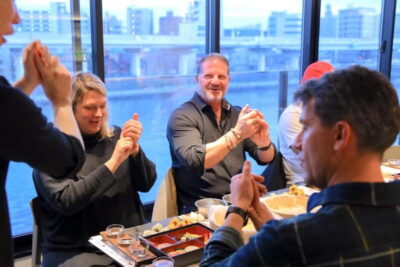
Tokyo: Roll and Authentic Sushi Making Class in Asakusa
Read our review →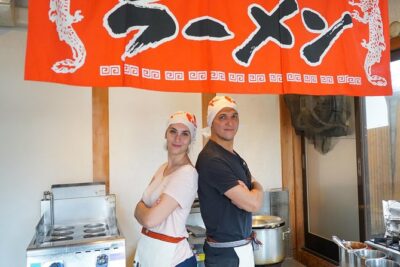
Ramen Cooking Class at Ramen Factory in Kyoto
Read our review →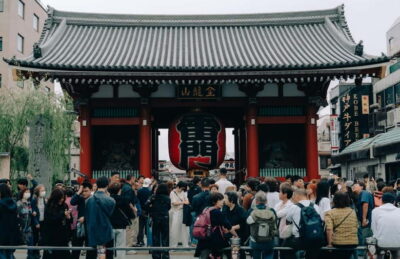
Tokyo: Sushi Making Class in a Happi Coat near a Famous Spot
Read our review →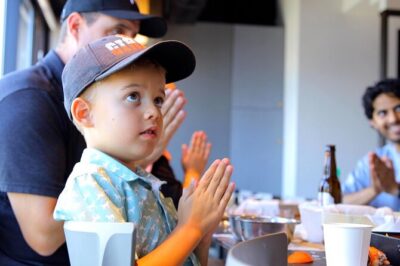
Sushi Making Tokyo! Popular Maki Sushi & Japanese Sushi(+Recipe!)
Read our review →
Sushi Making Osaka Roll and Authentic Japanese Sushi Class
Read our review →
Tokyo Sushi Making Class in Tsukiji with Professional Chef
Read our review →
Ramen & Gyoza Cooking Class in Tokyo with Local Supermarket Visit
Read our review →Browse the lists this tour appears in