
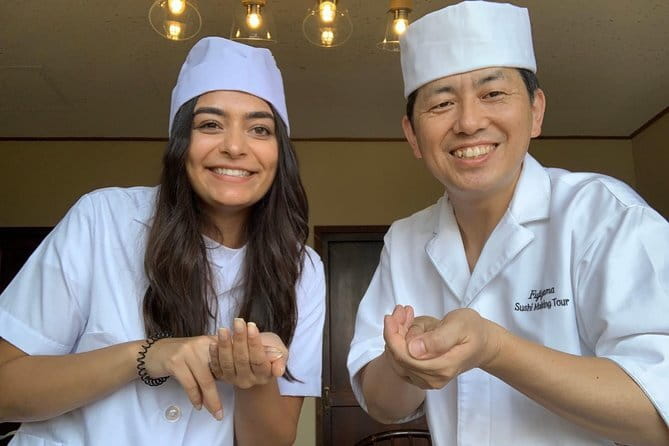
Review · JAPANESE & SUSHI
View of Mt. Fuji is good! Sushi making experience class
The best part of this private sushi class is the setting. You learn to shape nigiri, rolls, and warship sushi in a traditional Japanese room near Mt. Fuji, with a large window that may frame the mountain on a clear day. Chef Kadokura leads the lesson with easy explanations, light conversation, and bits of sushi trivia.
I like the mix of hands-on cooking and cultural detail. You do not simply assemble lunch: you learn how vinegared rice works, how Japanese table manners fit the meal, and where sushi came from. I also like the quiet, old-style room, with tatami flooring and antique Japanese furniture, which gives the lesson more character than a modern cooking studio.
The main caution is the price: $228.04 per person is a serious spend for a three-hour activity. It makes more sense for a special occasion, a couple, or anyone who values a private lesson and a Fuji-area cultural experience more than a low-cost meal.
Key points to know before booking
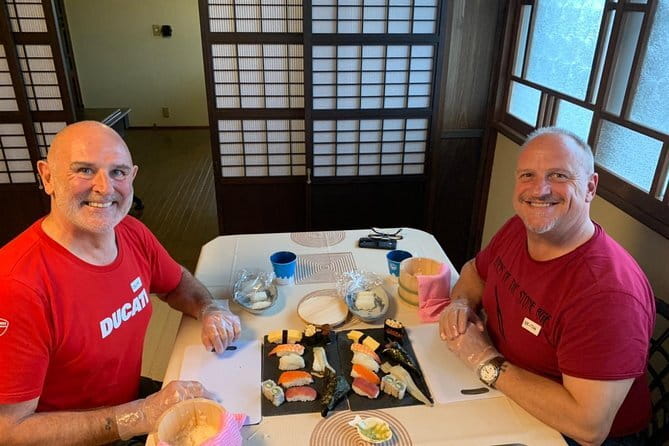
- A clear-day Fuji view is part of the appeal: The classroom has a large window facing Mt. Fuji, though mountain views depend on the weather.
- Chef Kadokura teaches the class: His friendly style combines practical instruction with sushi facts and general knowledge.
- You make four kinds of sushi: The lesson covers nigiri, rolls, warship sushi, and another sushi style as part of the four-part making session.
- Your meal is the final activity: After preparing the sushi, you sit down and eat what you made.
- The room has traditional character: Expect tatami and antique Japanese furnishings rather than a standard tourist classroom.
- It is private and about three hours long: Only your group takes part, with meeting and return at Kawaguchiko Station.
Why this sushi class works well near Mt. Fuji
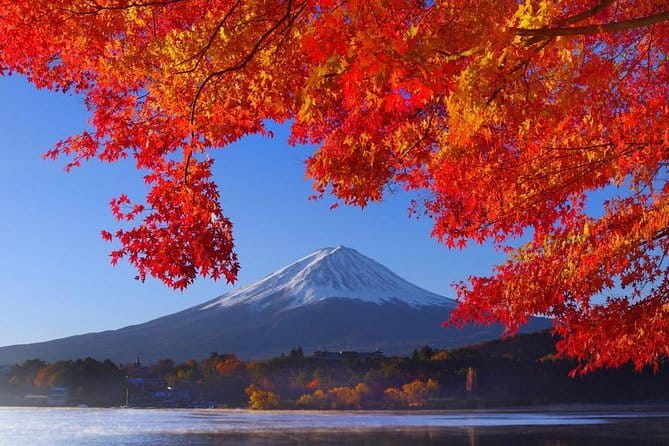
Kawaguchiko is famous for views of Mt. Fuji, but a mountain visit can sometimes become a day of looking, photographing, and moving on. This class gives you a reason to slow down. For about three hours, you are doing something with your hands, learning a food skill, and sitting in a Japanese-style room close to the mountain.
That combination matters. The Fuji view is weather-dependent, but the sushi lesson does not disappear when clouds roll in. If the sky is clear, the mountain adds a memorable backdrop. If it is not, you still have a structured cultural activity that works indoors.
I especially like the balance between instruction and eating. The class begins with sushi manners and trivia, then moves to the practical work of making vinegared rice and four kinds of sushi. You finish by eating your own food, so the lesson has a clear reward instead of ending with a demonstration and a polite goodbye.
This is not presented as a professional chef-training course. It is designed for anyone who wants to learn, including people with no sushi-making experience. The explanations are meant to be easy to follow, which makes the activity a good fit if you want a first look at sushi technique without committing to a longer cooking program.
More Sushi and Japanese Classes in Japan:
- Sushi Making Tokyo Roll and Authentic Japanese Sushi Class
★ 5.0 · 3,971 reviews - Tokyo: Roll and Authentic Sushi Making Class in Asakusa
★ 4.9 · 1,957 reviews - Ramen Cooking Class at Ramen Factory in Kyoto
★ 5.0 · 1,937 reviews
Meeting Chef Kadokura at Kawaguchiko Station
The activity begins at Kawaguchiko Station, at 3641 Funatsu in Fujikawaguchiko. That is a practical meeting point if you are already exploring the Fuji Five Lakes area or arriving by public transportation. You do not need to find a remote meeting place on your own before the class begins.
From the station, the activity takes you to the classroom, where the instruction and meal take place. The provided details do not give a separate classroom address or describe the transfer, so you should check the booking information carefully for the exact meeting instructions on your chosen date.
Chef Kadokura is the named instructor associated with the class. His teaching style is described as warm, energetic, and conversational. That can make a real difference in a hands-on lesson. Sushi shaping involves small movements that are easier to understand when an instructor watches what you are doing and explains the correction in plain language.
The class is private, so only your own group participates. This is useful for couples, families, or friends who prefer not to work beside strangers. It also gives you more freedom to ask basic questions. If you are nervous about handling sushi rice or shaping nigiri for the first time, a private format should feel less exposed than a large demonstration class.
A traditional room with a Fuji-facing window
The setting is one of the most distinctive parts of this experience. The room uses tatami and antique Japanese furniture, creating a calm, old-house feel. Traditional music may play in the background, adding to the atmosphere without taking over the lesson.
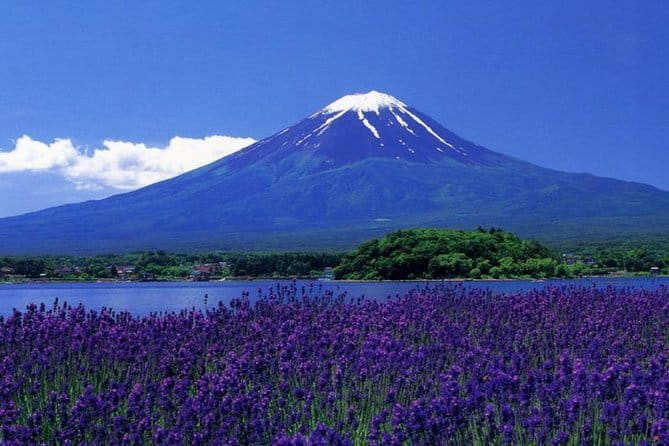
A large window offers a view toward Mt. Fuji when conditions are right. This is worth keeping in mind when you choose the activity time. The operating hours are listed as Monday through Friday, from 10:00 a.m. to 4:00 p.m., during the stated booking period. Since the class lasts about three hours, your available start time should fit within those hours.
Do not treat the Fuji view as guaranteed. The mountain often hides behind clouds, haze, or rain, and no cooking class can control that. I would book this for the sushi lesson first and count the mountain view as a welcome bonus. That way, you will not feel that the day has failed if the peak stays out of sight.
The room also gives you a more grounded connection to Japanese food culture. You are not only learning a recipe in a generic kitchen. You are sitting on tatami, hearing about manners, and handling a food that carries a long tradition in Japan.
Learning sushi manners before picking up the rice
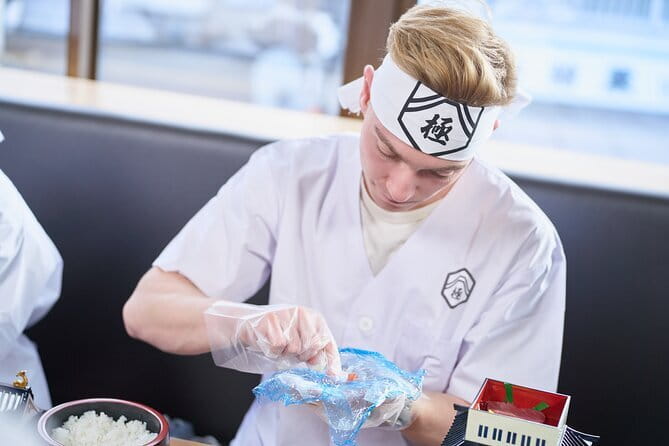
The class begins with Japanese table manners and sushi trivia. This is a smart starting point because sushi has its own small set of customs, and many first-time visitors are unsure about the right way to eat it.
The lesson also covers sushi history. That context helps explain why vinegared rice, seafood, and careful presentation matter. You do not need a long lecture, but a short explanation can make the food in front of you more interesting. It also helps you recognize that sushi is not just raw fish placed on rice. The rice, seasoning, shape, and way of serving all play a part.
The manner section should be useful if you plan to eat at sushi restaurants later in your trip. You can ask questions in a relaxed setting instead of trying to copy other diners while sitting at a busy counter. Since the activity is aimed at foreign tourists as well as first-time learners, the instructor is prepared to explain points that may not be obvious.
This cultural portion also adds value to the price. If the activity were only a short food assembly session, the cost would be harder to defend. The combination of history, manners, preparation, and a sit-down meal makes it closer to a compact cultural workshop.
More Hands-On Workshops in Japan:
- Tokyo: Sushi Making Class in a Happi Coat near a Famous Spot
★ 4.9 · 1,377 reviews - Sushi Making Osaka Roll and Authentic Japanese Sushi Class
★ 5.0 · 1,220 reviews - Tokyo Sushi Making Class in Tsukiji with Professional Chef
★ 5.0 · 1,177 reviews - Ramen & Gyoza Cooking Class in Tokyo with Local Supermarket Visit
★ 5.0 · 823 reviews
Making vinegared rice and four sushi styles
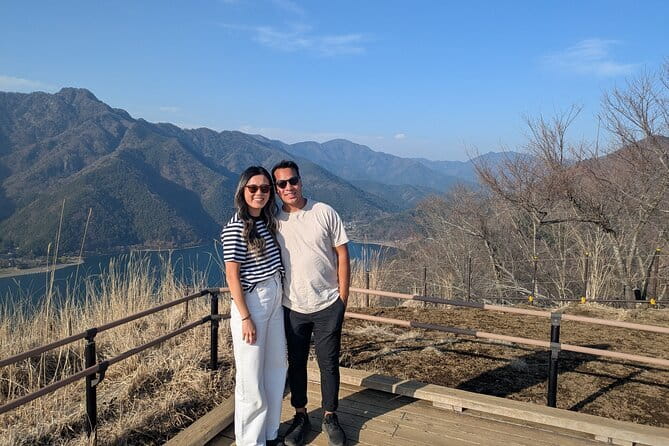
The practical work starts with vinegared rice. This is the base of the meal, and getting it right matters more than many beginners expect. Rice that is too wet, too dry, too warm, or handled too heavily can affect the final texture.
You then make four types of sushi. The advertised examples are nigiri, rolls, and warship sushi, with the fourth style included as part of the class. Nigiri is the classic hand-formed piece, with rice shaped under a topping. Rolls require a different approach, since you need to place ingredients, roll the sheet, and cut the finished piece cleanly.
Warship sushi, often called gunkan-style sushi, is formed with rice and a strip of seaweed around the outside, leaving a small space for a topping. It looks simple, but shaping the rice and seaweed neatly can take a little practice. Making several styles lets you compare how the same basic ingredients can be assembled in different ways.
The class uses fresh ingredients, according to the experience details. The exact menu is not specified, so you should not book expecting a particular fish or topping. That flexibility may be useful, but anyone with dietary restrictions should ask about the ingredients before confirming.
The instructor’s job is not only to show you the finished shape. He explains the process in a way beginners can follow. You can expect mistakes, especially with the first pieces. That is part of the point. A handmade nigiri that is slightly uneven still gives you a better sense of the technique than watching a chef work at professional speed.
Eating what you made
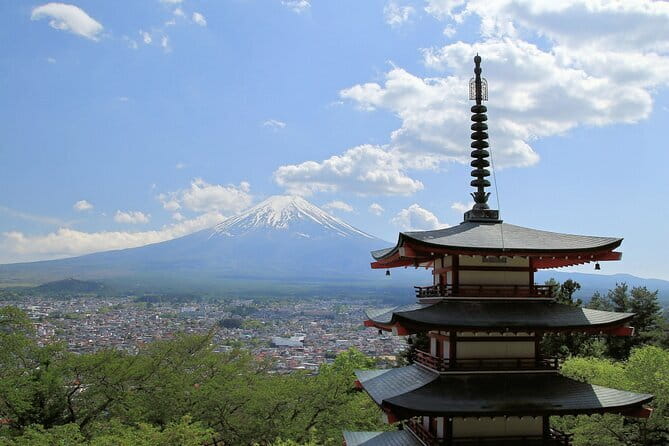
The final stage is simple: you eat your own sushi. This is where the class becomes more than a craft demonstration. You can see which pieces held together, which ones look tidy, and which ones need more practice.
The portion is described as satisfying, with enough food to leave participants full. That is useful if you are scheduling the activity around lunch. Still, the exact amount and menu can vary, so I would not treat it as a substitute for a full restaurant meal if you have a large appetite.
Eating your own work also changes how you notice sushi. You will likely pay more attention to rice texture, the balance between rice and topping, and the difference between a roll and a hand-formed piece. Those details can make later sushi meals more enjoyable.
The meal is also a natural time to ask questions. If you want to know why one shape is used for a particular topping or how to handle sushi at a restaurant, this is the moment to ask. The class is designed around direct instruction, not a silent cooking demonstration.
Is $228.04 a fair price?
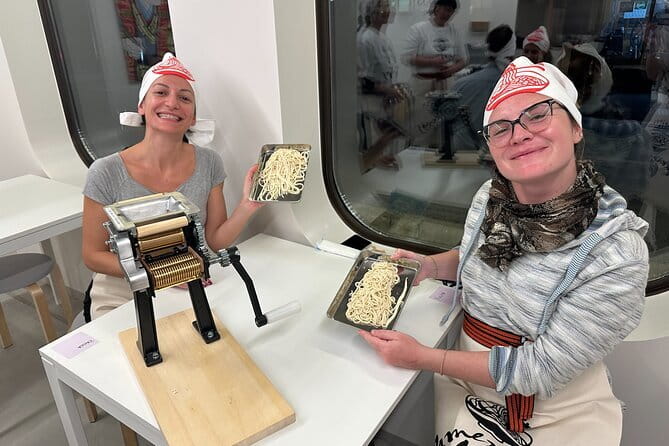
At $228.04 per person, this is not a budget activity. You can eat sushi in Japan for much less, and you can find less expensive cooking classes in many destinations. The price needs to be judged against the full package.
You are paying for a private experience, a professional sushi instructor, a three-hour lesson, the ingredients, cultural instruction, and the chance to eat the food you prepare. You are also paying for a small group setting rather than a large class. For a couple seeking a special activity near Mt. Fuji, that may be worthwhile.
The value is weaker if your main goal is simply to have a cheap lunch or take a quick cooking lesson. The Fuji view is not guaranteed, and the exact ingredient list is not provided. If you are comparing activities mainly by cost, this one will likely fall near the expensive end.
I would consider it good value for a private celebration, a food-focused itinerary, or a first visit to Japan when you want an activity that teaches something rather than only providing a photo opportunity. It is less convincing for solo visitors on a tight budget, unless the private format is especially important to you.
Who should book this experience?
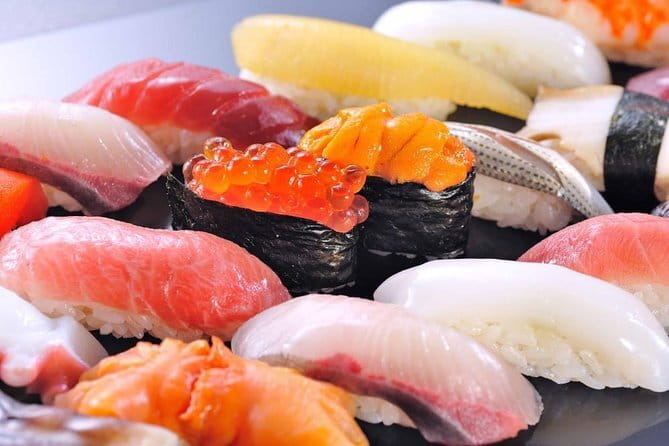
This class suits couples particularly well. The traditional room, private format, conversation with Chef Kadokura, and shared meal create a relaxed activity without the pace of a crowded group tour.
It is also a good choice for families with older children who are interested in food. The class has several stages, and shaping sushi gives younger participants something active to do. The provided details do not specify age requirements, so confirm suitability for children before booking.
Food lovers will get the most from the session, especially if you want to understand the work behind sushi instead of only ordering it. First-time sushi makers are welcome, and the instruction is designed to be understandable.
You should think twice if you want a guaranteed Mt. Fuji photograph, a detailed menu in advance, or a low-cost activity. The class offers a possible mountain view, but weather controls that part. It offers fresh ingredients, but the specific selection is not stated.
The activity runs on weekdays only, from 10:00 a.m. to 4:00 p.m., and lasts about three hours. Build the rest of your Kawaguchiko day around that fixed window rather than trying to squeeze it between several timed attractions.
Booking, timing, and cancellation details
Confirmation is provided when you book, and the activity uses a mobile ticket. It is booked, on average, about five days ahead, so leaving it until the last moment may not be wise if your dates are fixed.
The meeting point and end point are both Kawaguchiko Station. The activity is private, and only your group takes part. Free cancellation is available up to 24 hours before the start time for a full refund. Cancellations or changes made inside that 24-hour window are not accepted for a refund.
A minimum number of participants is required. If the provider cancels because that minimum is not reached, you will be offered another date or activity, or receive a full refund.
Should you book the Kawaguchiko sushi class?
Book it if you want a personal, food-centered activity with Japanese manners, sushi history, hands-on practice, and a chance of seeing Mt. Fuji from a traditional room. Chef Kadokura’s friendly teaching style and the private format are strong reasons to choose it over a basic cooking demonstration.
Skip it if you mainly want an inexpensive meal or a guaranteed mountain view. At $228.04 per person, the value depends on how much you care about the cultural setting, private instruction, and making your own sushi. For the right visitor, it is a memorable three-hour addition to a Kawaguchiko itinerary. For a strict budget, it is an indulgence.
FAQ
Where does the sushi-making experience begin?
The activity begins at Kawaguchiko Station, located at 3641 Funatsu, Fujikawaguchiko, Minamitsuru District, Yamanashi 401-0301, Japan.
Where does the activity end?
The experience ends back at the meeting point at Kawaguchiko Station.
How long does the sushi class last?
The class lasts approximately three hours.
What kinds of sushi will I learn to make?
The class teaches four types of sushi, including nigiri sushi, rolls, and warship sushi.
Is the activity private?
Yes. Only your group participates in the private activity.
Can I cancel for a full refund?
Yes. You can cancel at least 24 hours before the local start time for a full refund. Changes or cancellations made less than 24 hours before the start time are not accepted for a refund.
Just added around Japan
- Ramen Cooking Class at Lake Kawaguchiko (Short Course)★ 5.0 · 42 reviews
- Fukuoka Japanese Home Cooking: Ginger Pork★ 5.0 · 3 reviews
- Sushi Cooking Class at Sushi Factory -KIWAMI- Mt.Fuji★ 5.0 · 23 reviews
- Fujisan Sushi Making Lesson★ 5.0 · 16 reviews
- Ramen Cooking Class at Ramen Factory in Mt.Fuji★ 5.0 · 101 reviews
- Japanese Cooking Class and Cultural Experience Around Tokyo★ 5.0 · 3 reviews
- Cooking Class: Make a Local Delicacy in a Japanese House★ 5.0 · 7 reviews
- Culinary Home Cooking with Grandmothers – Vegan Friendly★ 5.0 · 5 reviews
Japanese & Sushi Cooking Classes, compared.
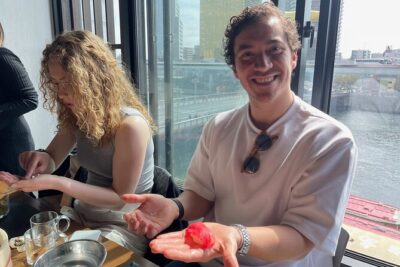
Sushi Making Tokyo Roll and Authentic Japanese Sushi Class
Read our review →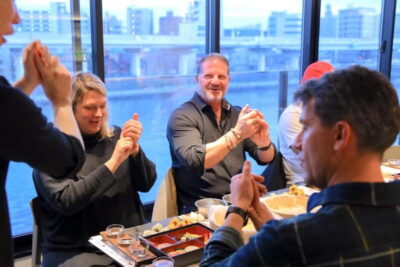
Tokyo: Roll and Authentic Sushi Making Class in Asakusa
Read our review →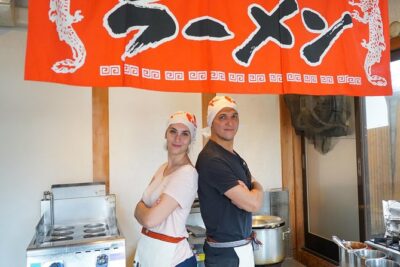
Ramen Cooking Class at Ramen Factory in Kyoto
Read our review →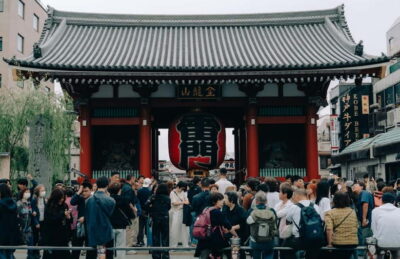
Tokyo: Sushi Making Class in a Happi Coat near a Famous Spot
Read our review →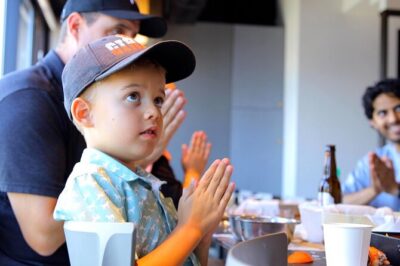
Sushi Making Tokyo! Popular Maki Sushi & Japanese Sushi(+Recipe!)
Read our review →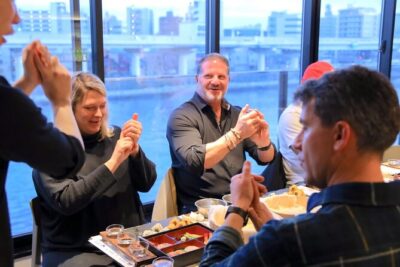
Sushi Making Osaka Roll and Authentic Japanese Sushi Class
Read our review →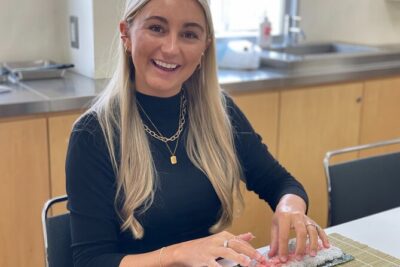
Tokyo Sushi Making Class in Tsukiji with Professional Chef
Read our review →
Ramen & Gyoza Cooking Class in Tokyo with Local Supermarket Visit
Read our review →Browse the lists this tour appears in