
Review · JAPAN
Make Piroshki in Hakodate and Visit Hidden Spots While Baking
Hakodate’s most interesting cooking class begins with a Russian dish and ends with a walk through the city’s mixed cultural past. You shape and bake traditional oven-cooked piroshki at Marutamagoya, a renovated 80-year-old house, then use the dough’s fermentation time to see churches, parks, and less obvious corners of Motomachi.
I like the hands-on cooking, with sweet and savory fillings and local ingredients such as Ezo-deer and Ezo-maitake mushroom. I also like the small-group format, capped at 10 people, which gives beginners room to ask questions and can still work even if only one person books.
The main drawback is the fixed, non-refundable booking policy. You also cannot request a gluten-free version, and food or drinks outside the workshop, such as optional borscht, may cost extra.
Key points to know before you book
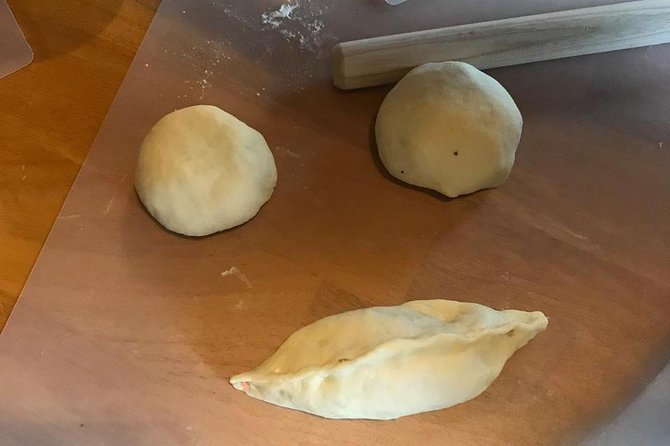
- Bake Hakodate-style piroshki: You make the dough into filled pastries using the café’s original recipes.
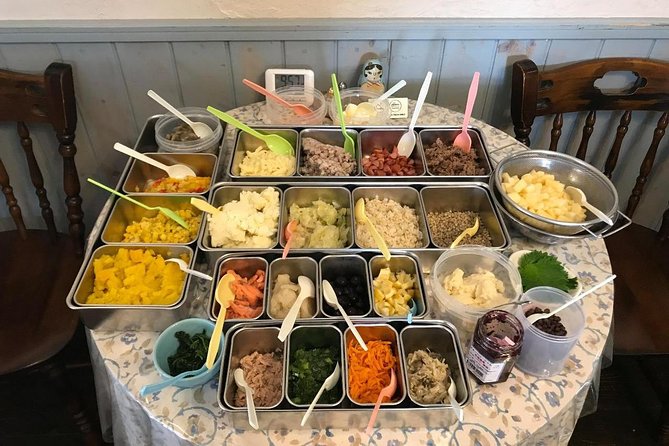
- Try unusual local fillings: Ezo-deer and Ezo-maitake mushroom connect the Russian recipe with Hokkaido ingredients.
- Use fermentation time wisely: An English-speaking guide takes you around churches, parks, and lesser-known Motomachi spots.
- Work inside a renovated old house: Marutamagoya is an 80-year-old café used by the local community.
- Expect a compact class: The experience lasts about two hours and accepts no more than 10 people.
- Plan carefully: The tour begins at 11:00 a.m., returns to the meeting point, and cannot be refunded or changed.
Why Hakodate is the right place for piroshki
Piroshki arrived in a city shaped by international contact. Hakodate developed as a settlement for people from different countries, and Japan’s first Russian consulate was established here. That history gives the pastry a local setting rather than making it feel like a random cooking activity added to a sightseeing schedule.
In much of Japan, piroshki are commonly deep-fried. Hakodate keeps the oven-baked style in use, closer to the traditional preparation associated with Russia. That difference matters: you are not simply making a familiar stuffed snack, but learning about a local version shaped by Russian influence and Japanese ingredients.
I like this kind of food experience because the cultural link is easy to understand while you cook. The finished pastry gives you something to eat, but the recipe also explains why Hakodate’s food culture does not fit neatly into one national category.
More Baking Classes in Japan:
- Lisbon: Pastel de Nata Baking Class
★ 4.9 · 2,106 reviews - Group Tour: Garni, Symphony of Stones, Geghard, Lavash Baking
★ 5.0 · 1,042 reviews - Paris Croissant Small-Group Baking Class with a Chef
★ 5.0 · 910 reviews
Starting at Marutamagoya at 11:00 a.m.
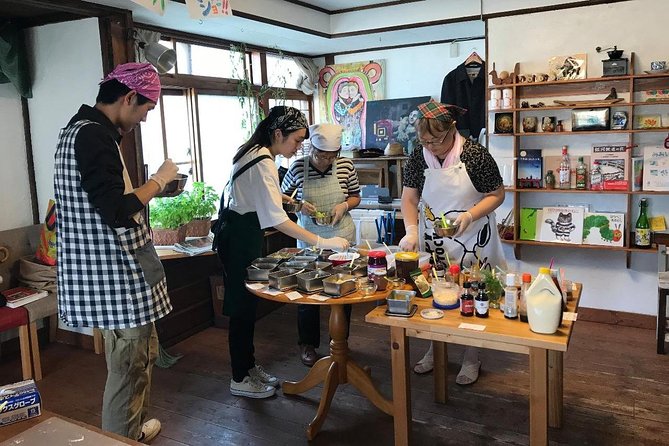
You meet at Marutamagoya, at 2-3 Motomachi, Hakodate, at 11:00 a.m. The café is made from an approximately 80-year-old renovated house, so the setting has more character than a purpose-built cooking studio. It is also a local place of relaxation, not just a room arranged for short-term classes.
That setting can shape the feel of the morning. You are cooking in a working café with a connection to the neighborhood, and the class is designed to be welcoming for beginners. The instruction is described as friendly and careful, so you do not need previous baking experience to take part.
The meeting point is near public transportation, and the activity finishes back there. That makes it easy to connect with other Motomachi sightseeing before or after the class. You have a Western-style toilet available, but there is no free Wi-Fi at the café. Free Wi-Fi is available at the nearby Mt. Hakodate Ropeway area, which may help if you need to check maps or messages after the activity.
Making the dough and choosing the fillings
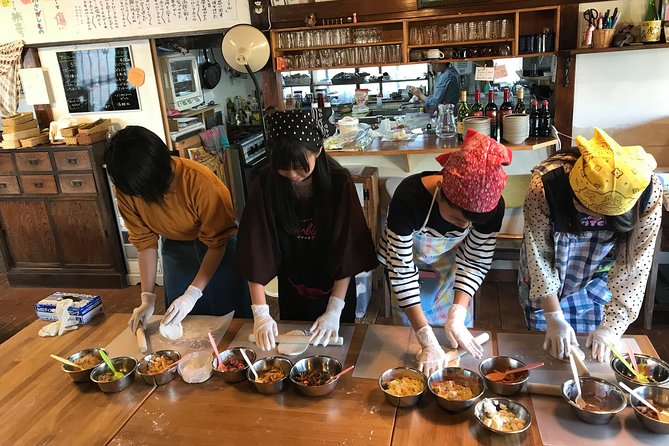
The cooking is the heart of the experience. You roll out the dough, add fillings, shape the piroshki, and prepare them for baking. The process is practical rather than a demonstration where you watch someone else do all the work.
The selection is one of the most appealing parts. The café uses original recipes, with both sweet and savory choices. One of the more distinctive combinations includes Ezo-shika, or Hokkaido deer, and Ezo-maitake mushroom. These ingredients give the class a clear sense of place, especially if you have already eaten standard Japanese piroshki made with more familiar fillings.
The filling range can be broad, with many choices available for handcrafting your pastries. That variety is useful if you are cooking with a friend and want to compare results, or if you prefer to try both sweet and savory styles. It also gives you more control than a class with one fixed recipe.
The dough work is likely to be the most enjoyable part for people who like food with a physical process. You handle the dough, decide how to fill it, and see the result bake. At the same time, this is still a short class, so you should not expect a full professional baking course or a long lesson in Russian cuisine.
What happens while the dough ferments
Piroshki dough needs time to ferment, and the class uses that waiting period for a guided walk. This is a smart use of the schedule. Instead of sitting in the café, you get a short introduction to Hakodate’s streets and buildings before returning to finish the food.
The guide provides the city walk in English. You will visit famous churches and parks, but the route also includes places that do not usually appear in guidebooks. The exact stops are not specified, so you should think of this as a compact local orientation rather than a fixed major-sights tour.
The walk adds value because Motomachi is best understood on foot. Hakodate’s international past is visible in its religious buildings and older streets, and the walk helps connect the piroshki with the city that produced this particular style. You are not just waiting for dough to rise. You are seeing why Russian influence makes sense here.
The walk is also a practical way to get your bearings. If you plan to explore Motomachi, the churches, parks, and nearby attractions afterward, you will already have a sense of the area. The activity begins late enough to fit into a morning that starts slowly, and it ends early enough to continue sightseeing.
Same place, a different menu:
- Sushi Making Tokyo Roll and Authentic Japanese Sushi Class
★ 5.0 · 3,971 reviews - Tokyo: Roll and Authentic Sushi Making Class in Asakusa
★ 4.9 · 1,957 reviews - Ramen Cooking Class at Ramen Factory in Kyoto
★ 5.0 · 1,937 reviews - Tokyo: Sushi Making Class in a Happi Coat near a Famous Spot
★ 4.9 · 1,377 reviews
Returning to bake and eat
After the walk, you return to Marutamagoya to complete the baking. The oven-baked method is an important part of the class because it separates Hakodate’s tradition from the deep-fried piroshki more common elsewhere in Japan.
The final products are yours to enjoy, giving the class a clear reward at the end. The finished pastries may also be the best way to compare the fillings. A sweet piroshki and a savory deer or mushroom version can show how flexible the basic dough is.
Homemade borscht may also be available to try, but it is not part of the listed workshop inclusions. Food, drinks, and personal expenses outside what is necessary for the class are not included, so confirm the cost of any extra borscht or other items before ordering.
The food is a strong reason to choose this activity over a standard walking tour. You get to eat something connected to Hakodate’s cultural past, and you have taken part in making it. Still, anyone with strict dietary requirements should take care. Gluten-free requests cannot be accommodated.
The value of a $43.57 two-hour experience
At $43.57 per person, this is not the cheapest way to spend two hours in Hakodate. You are paying for more than a snack, though. The price includes the workshop materials, instruction, use of the café, the baking activity, and the guided city walk during the fermentation period.
I see the value in the combination. A short cooking class on its own might feel limited, while a brief neighborhood walk might feel too light for the price. Together, the two activities fill the time well and give you both a cultural activity and food to enjoy.
The value is strongest if you want a small, personal experience rather than a major sightseeing tour. It is also useful for visitors who have already seen Hakodate’s main attractions and want a more local activity. The original recipes and Hokkaido fillings give the class more character than a generic pastry lesson.
The price may feel less worthwhile if you do not enjoy cooking, need a long list of dietary substitutions, or prefer to spend your morning at large attractions. The experience is built around participation, so you should want to roll, fill, shape, and bake the food yourself.
Group size, atmosphere, and solo bookings
The maximum group size is 10 people. That is small enough for the instructions to remain personal, while large enough to create a social cooking atmosphere. The class can work for a couple, friends, or a family group that wants to make something together.
A solo booking may also be possible. One person was able to take the class alone, with the staff continuing the activity rather than canceling it because of a small group. Availability still controls confirmation, but this detail makes the experience more appealing if you are visiting Hakodate on your own.
The café setting should suit people who prefer a relaxed local venue to a formal culinary school. The owner and assistant are described as welcoming, and the instruction is intended for beginners. You should expect help with the process rather than being left to figure out the dough and fillings without guidance.
The experience also works well for a date or a friend outing. You have a shared task, plenty of room for personal choices, and food to taste at the end. It is less suited to someone who wants a quiet, private meal, since the class is a group activity with active participation.
Timing your Hakodate day around the class
The 11:00 a.m. start is useful for a sightseeing day. You do not need to rush out at dawn, and the activity occupies about two hours. Since it ends at the starting point, you can continue around Motomachi afterward without arranging a separate return transfer.
You should allow enough time to reach 2-3 Motomachi before the start. The experience is near public transportation, but the supplied details do not specify the exact station or walking time. Check your route in advance, especially if you are coming from Hakodate Station or another part of the city.
The class is often reserved well ahead, with bookings averaging about 38 days in advance. That does not guarantee that every date sells out, but it is a useful sign that you should not leave this one until the last minute if your schedule is fixed.
The cancellation terms require special care. The activity is non-refundable and cannot be changed for any reason. If weather, illness, or a change in your itinerary might affect your plans, do not book until you are confident about the date.
Who will enjoy this experience most
I would choose this class if you want food, local culture, and a modest amount of walking in one compact activity. It is particularly suitable for:
- First-time bakers who want clear help
- Couples and friends looking for a shared activity
- Solo visitors who prefer a hosted experience
- Food lovers interested in Hokkaido ingredients
- People exploring Hakodate’s Russian and international connections
- Visitors with time to continue sightseeing in Motomachi afterward
You may want to skip it if you require gluten-free food. You should also look elsewhere if you want a long guided tour, a formal history lecture, or a cooking course focused on advanced technique.
The activity has a straightforward pace: meet, make the piroshki, walk while the dough ferments, then return to bake and eat. That makes it easy to fit into a wider Hakodate itinerary without giving up a full day.
Should you book the Hakodate piroshki class?
Book this experience if you want to understand Hakodate through something you can make and eat. The baked piroshki, local deer and mushroom fillings, old-house café, and English-guided walk give the morning a clear sense of place.
I would be especially inclined to book if you are traveling alone, with a partner, or with a friend and want an activity that does not depend on perfect weather. Just remember the two important limits: gluten-free requests are not accepted, and the booking cannot be refunded or changed.
For $43.57, you receive a cooking session and a short cultural walk rather than one isolated attraction. That is fair value for the right kind of visitor. If the idea of shaping your own food, sampling several fillings, and seeing Motomachi between baking steps sounds appealing, this is a good use of two hours in Hakodate.
FAQ
Where does the piroshki experience begin?
It begins at Marutamagoya, located at 2-3 Motomachi, Hakodate, Hokkaido 040-0054, Japan.
What time does the activity start?
The activity starts at 11:00 a.m.
How long does the experience last?
It lasts approximately two hours.
Where does the experience finish?
The activity ends back at the meeting point at Marutamagoya.
What is included in the price?
Everything necessary for the workshop is included.
Are food and drinks outside the workshop included?
No. Food, drinks, and personal expenses outside the workshop are not included.
Can I request a gluten-free version?
No. Gluten-free requests cannot be accommodated.
How large can the group be?
The activity has a maximum of 10 participants.
Can I cancel or change my booking?
No. The experience is non-refundable and cannot be changed for any reason.
Just added around Japan
- Ramen Cooking Class at Lake Kawaguchiko (Short Course)★ 5.0 · 42 reviews
- View of Mt. Fuji is good! Sushi making experience class★ 5.0 · 6 reviews
- Fukuoka Japanese Home Cooking: Ginger Pork★ 5.0 · 3 reviews
- Sushi Cooking Class at Sushi Factory -KIWAMI- Mt.Fuji★ 5.0 · 23 reviews
- Fujisan Sushi Making Lesson★ 5.0 · 16 reviews
- Ramen Cooking Class at Ramen Factory in Mt.Fuji★ 5.0 · 101 reviews
- Japanese Cooking Class and Cultural Experience Around Tokyo★ 5.0 · 3 reviews
- Cooking Class: Make a Local Delicacy in a Japanese House★ 5.0 · 7 reviews
Baking & Bread Classes, compared.
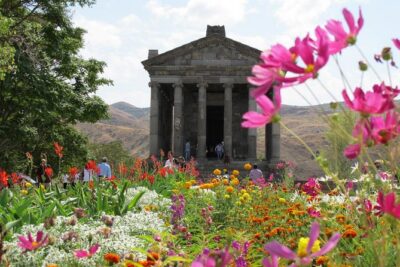
Group Tour: Garni, Symphony of Stones, Geghard, Lavash Baking
Read our review →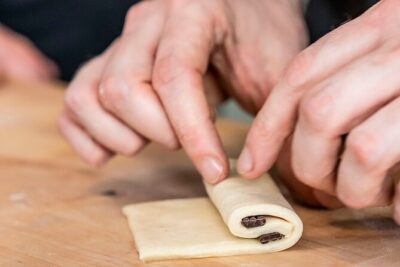
Paris Croissant Small-Group Baking Class with a Chef
Read our review →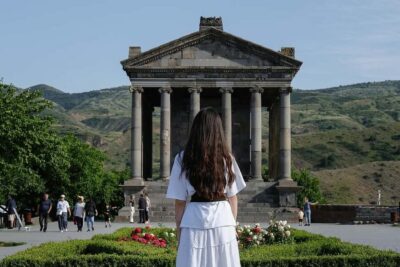
Garni & Geghard Small-Group Day Trip with Lavash Baking
Read our review →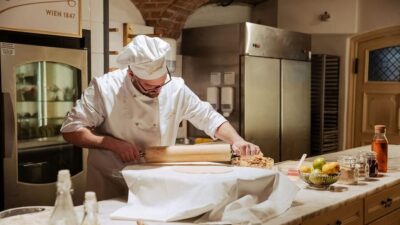
Vienna: Gerstner KuK Hofzuckerbäcker Baking Show & Tasting
Read our review →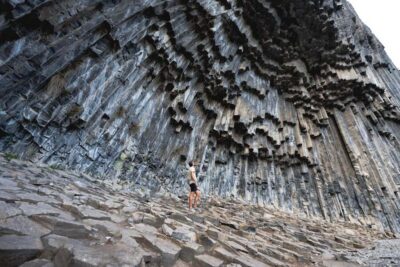
Yerevan: Garni, Geghard, Symphony of Stones & Lavash Baking
Read our review →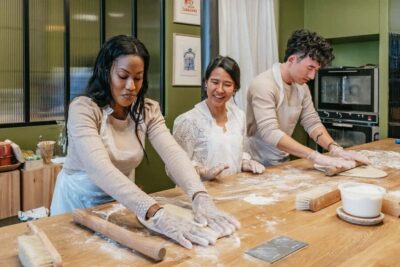
Paris: French Croissant Baking Class with a Chef
Read our review →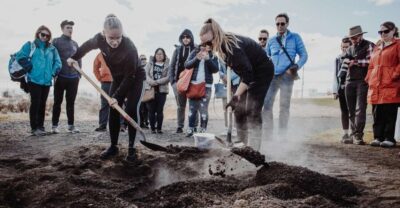
Laugarvatn Fontana: Geothermal Bread-Baking Experience
Read our review →Browse the lists this tour appears in