
Review · JAPAN
Private Home-Style Cooking Class in Osaka with Local Mom Yoshiko
The heart of this experience is not a restaurant kitchen or a polished food show. It is Yoshiko’s own home, where you learn how everyday Japanese food comes together, then sit down to eat what you helped prepare. I like the focus on dashi, the savory stock that gives many Japanese dishes their depth, and I like the chance to talk with a local mom over a real meal.
The main catch is location. Yoshiko’s home is outside central Osaka, and the trip from Osaka Station can take about an hour. I also would not book this expecting a nonstop hands-on workshop: one person found it more demonstration-led, while others enjoyed a small class with plenty of participation.
Key points to know before booking
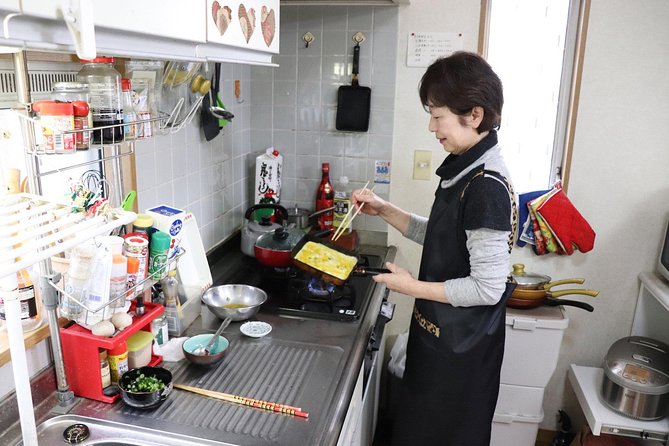
- Dashi is the lesson’s foundation: Yoshiko shows you how to make stock and use it in place of plain water to bring out umami.
- A private home meal: You cook and eat in Yoshiko’s home, with only your own group taking part.
- Four to five dishes: The menu may include okonomiyaki, bento-style dishes, and other Japanese home cooking, with seasonal changes.
- A short ride beyond Osaka: Meet at Kawanishi-Ikeda Station, then travel roughly 10 minutes by car to Yoshiko’s home.
- Recipes go home with you: Printed recipe cards help you repeat the dishes in your own kitchen.
- Plan your return: The experience ends at Yoshiko’s home, and a taxi to the nearest station costs about ¥2,000, paid directly to the driver.
Why this home cooking class feels different
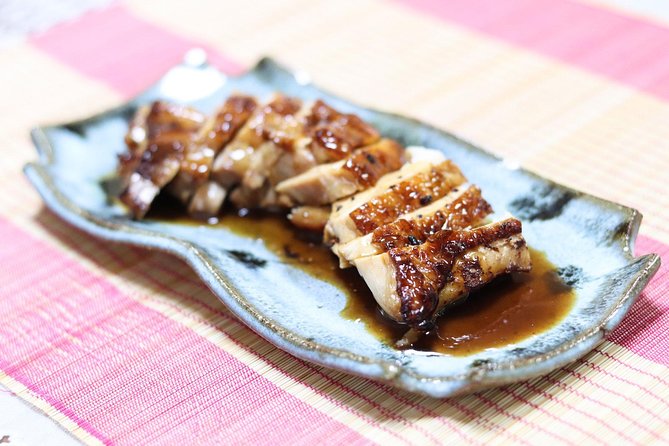
Osaka has no shortage of food tours. You can eat takoyaki in Dotonbori, sample market snacks, or book a formal restaurant lesson. This class offers something quieter and more personal: a look at how Japanese food is prepared in a private household.
That difference matters. Yoshiko is not simply handing you a finished plate and naming the ingredients. She introduces the building blocks of the meal, explains common seasonings and kitchen staples, and shows how a few simple techniques shape the final taste.
I especially like the focus on dashi. Many first-time visitors notice the flavor of Japanese food but do not understand where it comes from. Here, you learn that stock is not just a side step. It is part of the base for soups, sauces, and other dishes. Learning to use dashi instead of water gives you a useful lesson you can apply long after your Japan trip.
The experience also gives you time to talk. Several people enjoyed chatting with Yoshiko after lunch or dinner, and that relaxed conversation is a major part of the value. You are not just checking off a cooking activity. You are spending part of a day in a local home.
More Hands-On Workshops in Japan:
- Sushi Making Tokyo Roll and Authentic Japanese Sushi Class
★ 5.0 · 3,971 reviews - Tokyo: Roll and Authentic Sushi Making Class in Asakusa
★ 4.9 · 1,957 reviews - Ramen Cooking Class at Ramen Factory in Kyoto
★ 5.0 · 1,937 reviews
Meeting Yoshiko at Kawanishi-Ikeda Station
Your meeting point is Kawanishi-Ikeda Station on the JR Takarazuka Line, at 2 Chome-7 Sakane, Kawanishi, Hyogo. Yoshiko picks you up there in her car and drives about 10 minutes to her home.
This arrangement is simple once you understand it, but it deserves attention when you plan your day. Kawanishi is in Hyogo Prefecture, outside the central Osaka sightseeing zone. One person estimated about an hour from Osaka Station to Yoshiko’s home, so allow generous travel time and do not place a tight reservation immediately afterward.
The station pickup is useful because you do not need to find a private residence on your own. It also gives you a natural first meeting with Yoshiko before the class begins. If your group has more than four people, Yoshiko asks the additional members to take a taxi and follow her car to the house.
Bring the booking details on your phone, since mobile tickets are supported. Confirmation is sent within 48 hours, subject to availability, so check that before you lock in other plans.
The first lesson: making dashi
The cooking portion lasts about an hour. Yoshiko begins with dashi, the stock that forms the base of much Japanese cooking.
This is the most useful part of the lesson for anyone who wants to recreate Japanese food at home. Dashi adds a savory, rounded taste often called umami. Yoshiko shows you how to make it and how to use it in place of water, helping each dish taste more complete without relying on complicated preparation.
The class is not built around professional restaurant tricks. It is about practical home cooking. You learn the sort of foundation that can change how you approach soup, sauces, and other dishes once you return home.
The precise menu varies with the season and with the option you choose. Yoshiko offers four sample meal choices, and you must tell her your preference at least three days ahead so she has time to shop. If you do not send a choice, she prepares option one, called the Mother’s Taste menu.
That advance notice is important for both menu planning and dietary needs. Add any specific dietary requirements in the booking form rather than waiting until the day of the class.
Preparing four to five Japanese home dishes
After the dashi lesson, you work through four or five Japanese home-style dishes from scratch. The format can be more demonstration-led than a fully hands-on cooking school, so set the right expectation.
Some people enjoy watching Yoshiko’s technique before trying parts of the preparation themselves. Others may prefer a class where every guest handles every stage. If you want constant hands-on work, send a note ahead of time and ask what your chosen menu involves.
Okonomiyaki is one of the most talked-about dishes connected with the class. This Osaka favorite is a savory pancake cooked with a range of fillings and toppings. Yoshiko explains the steps clearly, making it a good dish for anyone who wants to learn a recognizable local specialty rather than a generic international recipe.
Another memorable element is assembling your own bento boxes. This adds a visual and practical side to the meal. You are not only learning flavor, but also seeing how Japanese food can be arranged into a balanced, attractive serving.
The class size is private and limited to your own group. That makes it easier to ask questions and keeps the tone personal. It also means the experience works well for couples, families, or a small group of friends who want time with one host rather than a large class.
A few more cooking classes around Japan worth a look
- Private Home Cooking in Yanaka – Local Flavors in a Warm Setting
★ 5.0 · 173 reviews - Tokyo: Private Japanese Cooking Class with a Local Chef
★ 5.0 · 81 reviews - Private Japanese Home Cooking Class in Kyoto with Michiyo
★ 5.0 · 55 reviews - Private Japanese Cooking Class in Hiroshima with Machiko’s Family
★ 5.0 · 35 reviews
Sitting down to eat the meal you made
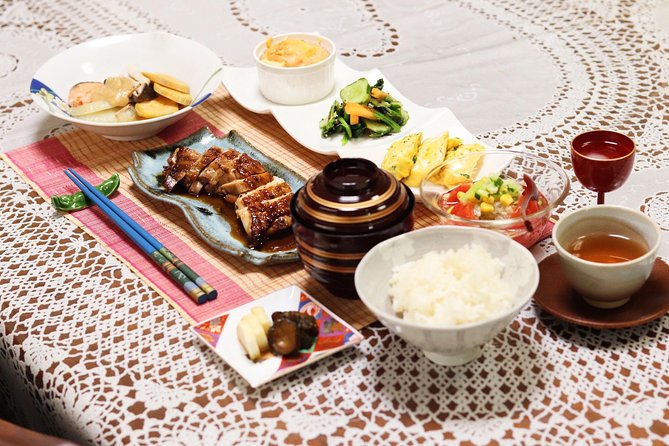
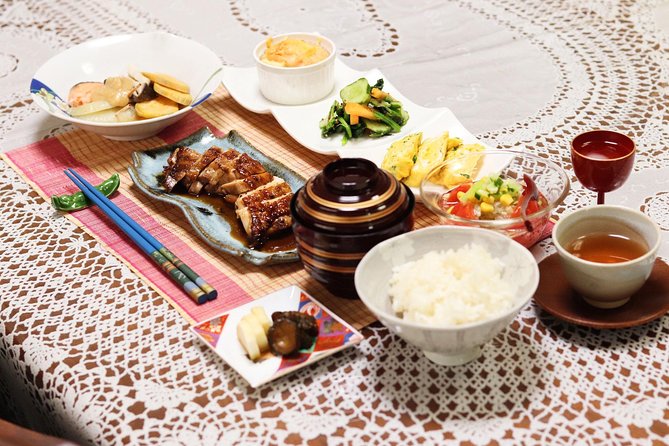
After about an hour of preparation, you sit down to enjoy the meal. This is where the activity shifts from lesson to social visit.
The food is served in Yoshiko’s home, and the meal gives you time to slow down. You can talk about the dishes, ask about daily cooking, and get a glimpse of local life that is hard to find during a standard sightseeing tour.
A plum wine is included. Yoshiko can provide local beer if you request it in advance, and you may also bring your own alcohol to enjoy with the meal. If you choose the dinner option, remember that the return trip is your responsibility after the meal, so plan your taxi or rail connection before you sit down.
I like that lunch and dinner are both available. Lunch may fit better into a sightseeing day, while dinner gives the meal a more relaxed feel. The right choice depends on where you are staying and how comfortable you are returning from Kawanishi after dark.
What you take home besides a full stomach
Yoshiko provides printed recipes, which makes this more useful than a one-time meal. Japanese cooking can seem difficult when you only see the finished plate, especially if you are unfamiliar with the seasonings or stock.
The recipe cards give you a reference for repeating the dishes. You may not find every ingredient at your local supermarket, and the menu can change with the season, but the basic ideas remain useful. The dashi lesson, in particular, gives you a starting point for future Japanese soups and sauces.
This is also a good gift experience. A group booked it as a birthday present for co-workers, who found the home setting personal and memorable. The private format lets you share the activity with people you know instead of being placed with a larger public group.
The location is the main trade-off
At $86 per person, this is not the cheapest way to eat in Osaka. You can have a good Japanese meal for much less, and a central cooking class may save you rail time and taxi costs.
The value comes from the combination of several things: a private class, a home-cooked meal, station pickup, drinks, recipes, and personal time with Yoshiko. If you want an ordinary meal, the price will feel high. If you want food instruction plus a genuine household setting, it is easier to justify.
You also need to count the transport after the class. The activity ends at Yoshiko’s home, not at your hotel. A taxi to the nearest station costs approximately ¥2,000, paid directly to the driver. The supplied meeting information also says the activity ends back at the meeting point, but the detailed instructions clearly tell you to arrange your own return from the home. I would plan on the latter and ask Yoshiko for help with a taxi.
The fact that the class is often booked about 88 days in advance is a useful warning. If this is important to your Osaka plans, reserve early, especially if you need a particular lunch or dinner date.
Who will enjoy this most
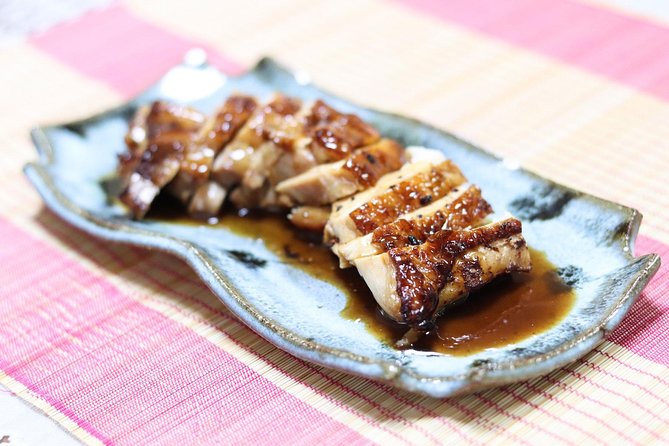
I would recommend this experience to you if you want a personal connection to Japanese food and do not mind leaving central Osaka for part of the day.
It is especially well suited to:
- Couples looking for a shared food activity
- Small groups who want a private host
- Families interested in simple Japanese cooking
- Food lovers who want to understand dashi and local seasonings
- Visitors who value conversation as much as sightseeing
- Home cooks who want recipes they can try after returning home
It may be less suitable if you have a packed Osaka schedule, dislike travelling outside the city center, or want a fast-paced class where every minute is hands-on. The experience is intentionally intimate and unhurried.
Dietary restrictions should be discussed when you book. The menu may vary by season, and Yoshiko needs your meal preference at least three days in advance. If you say nothing, she prepares the Mother’s Taste menu.
My take on Yoshiko’s teaching style
The strongest part of this experience is Yoshiko herself. She is described as warm, patient, and clear in her instructions, with a friendly manner that helps the class feel like a visit rather than a formal lesson.
That personality matters because home cooking depends on small details. You need someone willing to explain why a certain stock is used, how a dish is assembled, or what a seasoning contributes. Yoshiko’s approach appears to put those everyday choices within reach, even if you are new to Japanese cooking.
Still, the class may not be identical for every group. Depending on the menu and group size, you might watch Yoshiko demonstrate some steps while taking part in others. Ask about the level of participation if that distinction is important to you.
Cancellation and planning details
You can cancel for a full refund if you do so at least two full days before the local start time. Cancellations made less than two full days ahead are not refunded, and late changes are not accepted.
The activity is near public transportation, but the station-to-home transfer is handled by Yoshiko. Wear something comfortable for a home kitchen, and arrive at Kawanishi-Ikeda Station with enough time to find the meeting point. Most importantly, keep your return plan flexible.
Should you book this Osaka cooking class?
I would book this if you want to see how Japanese food works in an ordinary home setting, not just eat a finished dish in a restaurant. The dashi lesson, okonomiyaki option, bento assembly, printed recipes, and long conversation with Yoshiko give the three-hour visit real substance.
I would skip it if your Osaka schedule is too tight for the trip to Kawanishi, or if you expect a fully hands-on professional cooking course. For everyone else, the $86 price can be fair value, provided you count the extra return taxi and the time outside central Osaka.
Choose your menu at least three days ahead, confirm dietary needs, and treat the journey as part of the experience. You are trading a convenient city-center activity for something more personal: food prepared in Yoshiko’s kitchen, served at her table, and explained by the person who cooks it every day.
FAQ
Where does the cooking class meet?
You meet Yoshiko at Kawanishi-Ikeda Station on the JR Takarazuka Line, at 2 Chome-7 Sakane, Kawanishi, Hyogo 666-0021, Japan.
How do I reach Yoshiko’s home?
Yoshiko picks you up at the station and drives you approximately 10 minutes to her home. If your group has more than four people, the additional members should take a taxi and follow her car.
How long does the experience last?
The experience lasts approximately three hours. The cooking portion takes about one hour before you sit down to eat the meal.
What will I cook?
You will prepare four to five Japanese home-style dishes. The menu can change with the season, and Yoshiko offers four sample meal choices. Okonomiyaki and bento-style preparation are among the dishes described for the class.
Can I request a specific menu or report dietary needs?
Yes. Tell Yoshiko your meal preference at least three days in advance so she can shop. You should also provide any dietary requirements in the Special Requirements box when booking.
Is a drink included?
Plum wine is included. Local beer is available if requested in advance, and you may bring your own alcohol to enjoy with the meal.
How do I return after the class?
The detailed instructions state that the experience ends at Yoshiko’s home and that you must arrange your own return. Yoshiko can help arrange a taxi to the nearest station, costing approximately ¥2,000 paid directly to the driver.
Just added around Japan
- Home Made Onigiri and Matcha Cooking Class in Hiroshima★ 5.0 · 11 reviews
- Private Japanese Cooking Class in Hiroshima with Machiko’s Family★ 5.0 · 35 reviews
- Make Piroshki in Hakodate and Visit Hidden Spots While Baking★ 5.0 · 3 reviews
- Ramen Cooking Class at Lake Kawaguchiko (Short Course)★ 5.0 · 42 reviews
- View of Mt. Fuji is good! Sushi making experience class★ 5.0 · 6 reviews
- Fukuoka Japanese Home Cooking: Ginger Pork★ 5.0 · 3 reviews
- Sushi Cooking Class at Sushi Factory -KIWAMI- Mt.Fuji★ 5.0 · 23 reviews
- Fujisan Sushi Making Lesson★ 5.0 · 16 reviews
Cooking Classes, compared.
Half-Day Thai Cooking Class at Organic Farm in Chiang Mai
Read our review →
Florence: Pasta Cooking Class with Unlimited Wine
Read our review →
3 in 1 Cooking Class near Navona: Fettuccine, Ravioli & Tiramisu
Read our review →
Hanoi Cooking Class: Culture, Local Market & Meaning CSR Impact
Read our review →
5 Traditional Dishes Hanoi Cooking Class with Market Trip
Read our review →
Cooking Class and Lunch at a Tuscan Farmhouse with Local Market Tour from Florence
Read our review →
Chiang Mai: Cooking Class, Market & Thai Herbs Garden Tour
Read our review →Browse the lists this tour appears in