
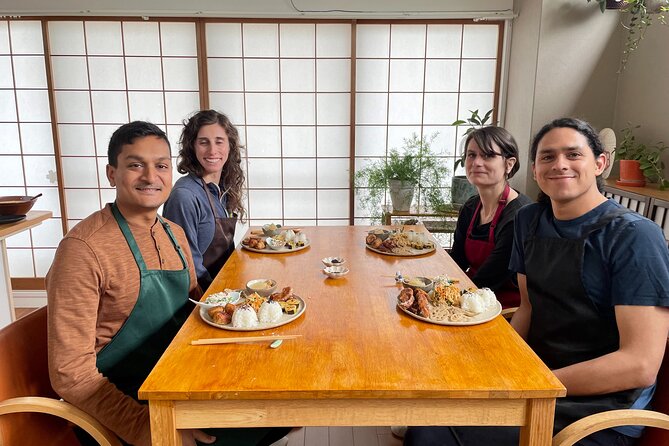
Review · KYOTO
Private Guided Traditional Buddhist Cooking in Japan
Kyoto’s Buddhist cooking is not just vegetarian food with the meat removed. It is a careful way of cooking that brings out the best in tofu, seasonal vegetables, seaweed, grains, and fermented ingredients. In this hands-on class with Yukari, you prepare seven dishes, then eat them as a proper meal.
I like two things here. First, you learn food culture that is hard to pick up in a restaurant, including how Shojin-ryori treats ingredients and balance. Second, the recipes go home with you, so the class can keep paying off after Kyoto. The main consideration is that the experience is held at a fixed 10 a.m. meeting point in Sakyo Ward, not in central Kyoto, and private transportation is not included.
Key points to know before booking
- Seven vegan dishes in one class: Prepare seasonal vegetables, tofu salad, lotus root, eggplant, gluten-based vegetarian fried chicken, teriyaki balls, and rice balls.
- A cultural lesson as well as a cooking lesson: Yukari introduces Shojin-ryori and local Japanese ingredients before you start cooking.
- A full meal is included: Ingredients, water or tea, equipment, apron, facility fees, and recipes are covered in the price.
- Private format: The activity is described as private, with only your group participating.
- A useful location clue: The meeting point is near the Enkoji, Shisendo, and Ginkakuji area, but transportation to and from the class is your responsibility.
- Strong satisfaction record: The experience carries a 5 out of 5 rating from 16 ratings, with 100 percent recommending it.
Why Shojin-ryori makes a better Kyoto lesson than another restaurant meal
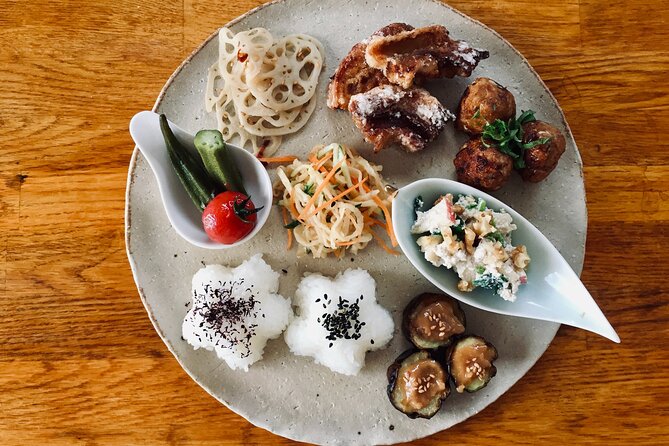
Shojin-ryori is traditional Buddhist cooking made without animal products. The principle comes from Buddhist practice, where killing animals is prohibited. That gives the class a clear focus, but the food is not presented as a lesson in restriction.
Instead, the emphasis is on what plants, tofu, grains, seaweed, and fermented foods can do. Seasonal vegetables are simmered. Lotus root is sliced thinly and braised as kinpira. Eggplant is glazed with miso. Tofu becomes shiraae, a mashed tofu salad. Wheat gluten takes the place of fried chicken in one dish, while rice balls provide a simple, satisfying finish.
I like this approach because it gives you a better sense of Japanese food than a quick sushi-making class often can. You learn how texture, cutting, simmering, glazing, and seasoning work together. The food is also naturally well-balanced, with several small preparations rather than one large main dish.
The recipes include modern touches, so this is not presented as a strict temple menu. You get traditional ideas in a form that should feel practical at home. The class also makes the original taste of the ingredients important, rather than covering everything in heavy sauce.
A few more cooking classes around Kyoto worth a look
- Private Kyoto Sushi Cooking Class & Tea Ceremony with Emika
★ 5.0 · 66 reviews - Private Cooking Class Udon in Kyoto Japan
★ 5.0 · 23 reviews - Private Ramen or Gyoza Cooking Class in Kyoto with Chef Midori
★ 5.0 · 18 reviews
The 10 a.m. start and the Ichijoji meeting point
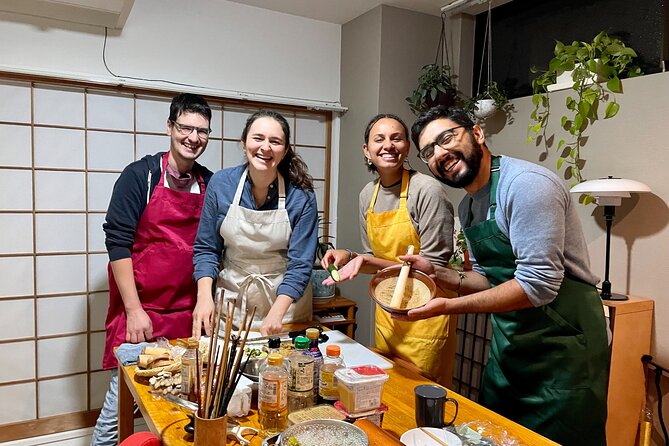
The class begins at 10 a.m. at Fairmont Building, 16 Ichijoji Nodacho, Sakyo Ward, Kyoto 606-8165. It lasts about two and a half hours and ends back at the meeting point.
This part of Kyoto matters. The address is in the northeastern part of the city, near several well-known temple areas, rather than beside Kyoto Station or the main downtown shopping streets. Public transportation is nearby, but private transportation is not included, so allow time to reach the address on your own.
I would plan this as a morning activity, not something to squeeze between far-flung sightseeing stops. The class finishes around lunchtime if it runs to schedule. That makes it easy to continue sightseeing in the same general part of Kyoto, though the exact timing of any temple visit is not specified.
The meeting point is practical but not especially simple if you are unfamiliar with Kyoto. Have the full address ready on your phone. The mobile ticket is useful, and confirmation is provided when you book.
Enkoji Temple, the first named stop
Enkoji Temple is listed as the first stop associated with the experience. It is one reason this location suits a class built around Buddhist food and Kyoto culture.
The information provided does not say that an admission ticket, guided temple tour, or formal temple visit is included. I would not assume that you will be led through the temple as part of the two-and-a-half-hour cooking session. Treat Enkoji as a nearby cultural reference or possible sightseeing addition unless the provider confirms otherwise.
If you plan extra time here, check the timing before booking the class. The cooking begins at 10 a.m., and the main activity is the food lesson. A temple visit before class could make the morning tight. A visit afterward may be easier, but you should allow for your own transport and opening hours.
Shisendo Temple and the quieter side of eastern Kyoto
Shisendo Temple is the second named stop. Like Enkoji, it adds useful cultural context to the setting. The area around these temples feels more connected to Kyoto’s historic northern hills than the city center does, which makes the location a good match for a traditional cooking lesson.
Again, the supplied details do not promise entry or a guided stop at Shisendo. The experience description concentrates on the kitchen, ingredients, recipes, and meal. If seeing Shisendo is important to you, ask whether the stop is part of the class or simply a nearby point of interest.
That distinction matters because the activity is only about 150 minutes long. The cooking itself includes an introduction, ingredient explanations, preparation, cooking, plating, and lunch or dinner. There is not much spare time for a full temple circuit unless the provider has arranged something not described here.
Same place, a different menu:
- Ramen Cooking Class at Ramen Factory in Kyoto
★ 5.0 · 1,937 reviews - Sushi Making in Kyoto! Same-day bookings welcome!
★ 5.0 · 713 reviews - Kyoto: Ramen Cooking Class at a Ramen Factory with Souvenir
★ 4.9 · 532 reviews - Kyoto: Ramen, Gyoza, and Onigiri Cooking Class
★ 5.0 · 445 reviews
Ginkakuji Temple and planning the rest of your day
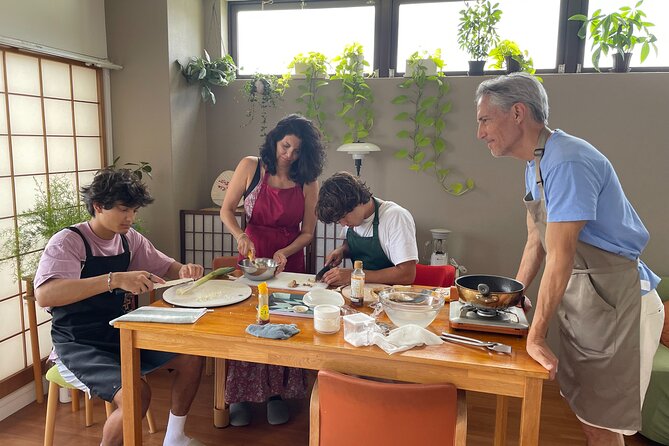
Ginkakuji Temple is the third named stop. Its inclusion makes the cooking class a sensible choice for someone already planning to explore northeastern Kyoto.
The practical point is simple: do not read the stop list as a promise of a temple tour. No temple admission, temple guide, or transport between these locations is listed among the inclusions. The listed inclusions are food ingredients, a drink, an apron, equipment, utility charges, facility fees, and recipes.
You can still use the class as an anchor for a temple-focused day. Put the cooking first, then decide how much time you want for Ginkakuji or the nearby temples. Just confirm the route and transport yourself. This is one of those experiences where the neighborhood adds value, but the class remains the main event.
What you actually cook during the 2.5 hours
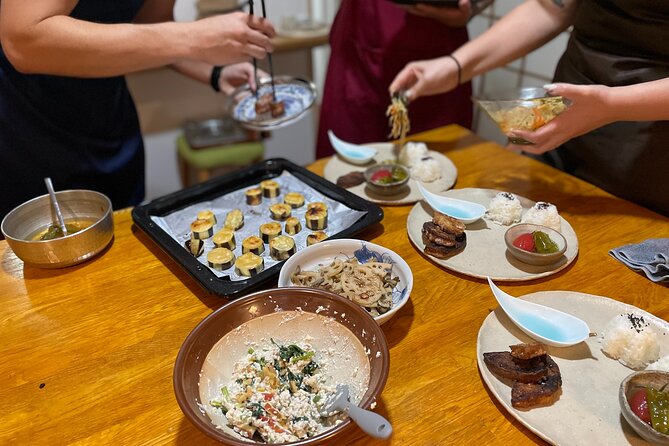
The meal has enough variety to keep the class interesting. You are not making one dish and waiting around while it cooks. The menu covers several techniques and textures:
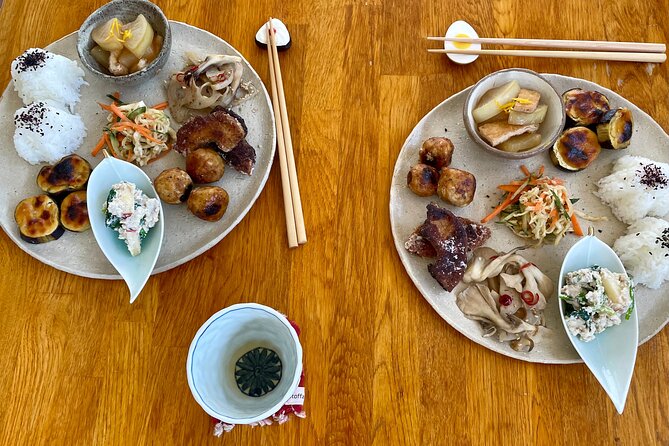
- Simmered seasonal vegetables
- A salad made with dried strips of daikon
- Kinpira lotus, using thinly sliced lotus root
- Nasu dengaku, or eggplant glazed with miso
- Shiraae, a mashed tofu salad
- Spicy teriyaki balls
- Vegetarian fried chicken made with wheat gluten
- Two rice balls
The description calls this seven dishes, with the rice balls included in the overall cooking. The exact order and division of tasks are not specified, but the range suggests a busy, practical class.
The menu is especially useful for vegetarians and vegans who want more than plain steamed vegetables. Eggplant with miso gives you a rich, savory preparation. Lotus root adds a crisp texture. Tofu provides a soft, mild base for shiraae. Wheat gluten shows how Japanese cooking can create a chewy, substantial bite without meat.
You also get a lesson in presentation. Shojin-ryori pays attention to the shape and appearance of each ingredient, not only its taste. The meal is described as a beautiful and flavorful plate lunch or dinner, so expect the final serving to be part of the teaching, not an afterthought.
Yukari’s teaching style and the value of the recipes
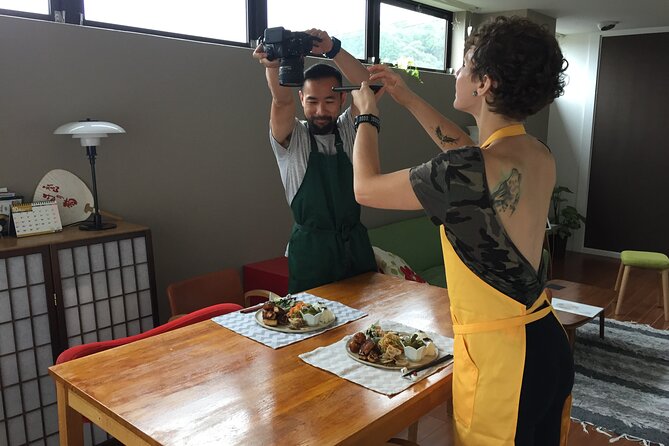
The host is identified as Yukari, though some feedback addresses her as Yuka. She is described as both a cooking teacher and an author of books and articles about Japanese food. The strongest praise focuses on her explanations, patience, kindness, and ability to make the food understandable.
That matters in a class like this. Japanese ingredients can be unfamiliar, and a recipe alone may not explain why one cut, cooking method, or seasoning is used. The class begins with an introduction to Shojin-ryori and local ingredients, then moves into apron-on cooking.
The recipes are included, which is one of the best practical features. You can make the meal again at home instead of leaving Kyoto with only photographs. One useful detail from the feedback is that the teacher explains recipes in writing so you can recreate them later.
Families can also consider this class. One family specifically found that the teacher kept two 11-year-olds involved. That does not guarantee that every child will enjoy a two-and-a-half-hour cooking session, but it suggests the format can work for older children who like hands-on tasks.
Price: is $70.94 per person fair?
At $70.94 per person, this is not the cheapest food activity in Kyoto. The value comes from what is included and how much you do during the session.
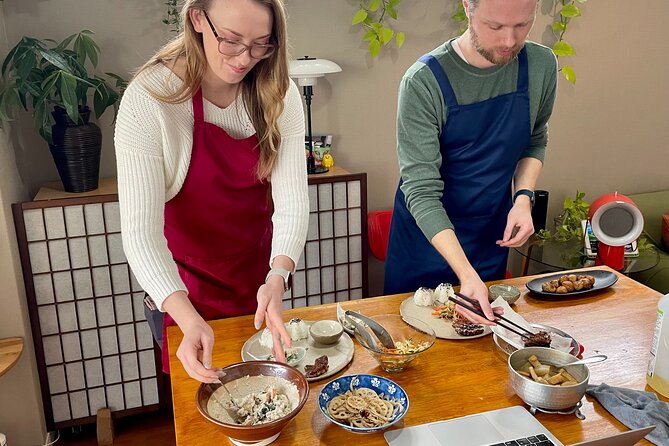
You receive the ingredients for seven dishes, water or tea, an apron, all cooking equipment, utility and facility fees, and the recipes. You also eat the meal you prepare. The activity is private according to the details provided, so you are paying for instruction and time with the host, not simply for a seat in a large demonstration.
That makes the price easier to justify for a couple, family, or small group that wants personal instruction. It is also good value if you care about vegan Japanese food and want recipes you can use later.
One small point needs clarification. The activity is described as private, but one account refers to sharing a meal with another couple from France. This may reflect a different session or a broader class setup. If having the kitchen entirely to yourself is essential, confirm the group arrangement before paying.
Who will get the most from this class?
I would recommend it most strongly to:
- Vegans and vegetarians who want serious Japanese food rather than token meat-free options
- Curious eaters interested in Buddhist culture and Kyoto ingredients
- Couples or families who prefer a private lesson to a large group demonstration
- People who enjoy bringing recipes home from a trip
- Visitors staying near northeastern Kyoto or planning temple visits in that area
- Families with older children who can take part in several cooking tasks
It may be less suitable if you want a fast, central Kyoto activity near the station. It is also not the best pick if your main goal is to visit temples with a guide, since the available details do not confirm that the three named temples are entered or toured.
People with gluten concerns should contact the provider in advance. Gluten-free requests can be accepted, but you need to notify the host before the class. Service animals are allowed, and the meeting point is near public transportation.
Booking, cancellation, and small practical details
Confirmation is provided at booking, and the mobile ticket means you do not need to print anything. The activity begins at 10 a.m., and it returns to the meeting point at the end.
Free cancellation is available if you cancel at least 24 hours before the local start time. Cancellations or changes made within 24 hours are not refunded or accepted. That rule is worth noting if your Kyoto schedule depends on weather, train timing, or a busy sightseeing plan.
The class includes a drink, but the details specify water or tea rather than a larger range of beverages. The meal itself is included through the provided ingredients. Private transport, temple admissions, and anything outside the cooking session are not included.
Should you book it?
Book this class if you want to understand how Japanese Buddhist cooking works from the cutting board onward. The seven-dish menu, vegan ingredients, personal instruction, and take-home recipes give you much more than a meal.
I would be particularly happy to recommend it to a vegetarian or vegan visitor who has already seen the usual Kyoto sights and wants a more personal food experience. The main checks are the northeastern meeting point, the lack of included transportation, and the need to confirm whether the temple stops are actual visits or simply nearby landmarks.
At $70.94, it earns its price through the amount of food you make, the equipment and ingredients provided, and the chance to ask questions directly. If you want a quick central class or a guided temple tour, choose something else. If you want to cook a full Buddhist-inspired meal with Yukari and learn how to repeat it at home, this is a strong Kyoto pick.
FAQ
Where does the cooking class meet?
The meeting point is Fairmont Building, 16 Ichijoji Nodacho, Sakyo Ward, Kyoto 606-8165, Japan.
What time does the activity start?
The class starts at 10 a.m.
How long does the experience last?
It lasts approximately two hours and 30 minutes.
Is the class private?
Yes. The activity is described as private, with only your group participating. One account refers to sharing a meal with another couple, so confirm the arrangement if complete exclusivity is important to you.
Is the food vegan?
The class teaches Shojin-ryori, traditional Buddhist cooking made without animal products such as meat and fish. The menu provided is vegan.
Can the class accommodate gluten-free requests?
Yes. Gluten-free requests can be accepted, but you need to inform the provider in advance.
What food will I prepare?
The menu includes seasonal simmered vegetables, dried daikon salad, kinpira lotus, miso-glazed eggplant, mashed tofu salad, spicy teriyaki balls, wheat-gluten vegetarian fried chicken, and two rice balls.
Are ingredients and cooking equipment included?
Yes. The price includes ingredients, water or tea, an apron, all equipment, utility charges, facility fees, and recipes.
Are transportation and temple admissions included?
Private transportation is not included. The available details do not list temple admission or guided temple entry as an inclusion. The activity ends back at the meeting point.
Just added around Kyoto
- Private Plant-Based Japanese Cooking Class – Kyoto Edition★ 5.0 · 15 reviews
- Private Kyoto Sushi Cooking Class & Tea Ceremony with Emika★ 5.0 · 66 reviews
- Private Cooking Class Udon in Kyoto Japan★ 5.0 · 23 reviews
- Kyoto Wagashi(Japanese sweets) Cooking Class near Fushimiinari★ 5.0 · 60 reviews
- Nishiki Market, Private Sushi class & Sake Tasting in Townhouse★ 5.0 · 6 reviews
- Private Kyoto Cooking Class with Aki in a Beautiful Wooden House★ 5.0 · 12 reviews
- Private Kyoto Market Tour and Authentic Cooking Class with Aki★ 5.0 · 15 reviews
- Kyoto Sushi Making Experience with a Professional Sushi Chef★ 5.0 · 16 reviews
Cooking Classes, compared.
Half-Day Thai Cooking Class at Organic Farm in Chiang Mai
Read our review →
Florence: Pasta Cooking Class with Unlimited Wine
Read our review →
3 in 1 Cooking Class near Navona: Fettuccine, Ravioli & Tiramisu
Read our review →
Hanoi Cooking Class: Culture, Local Market & Meaning CSR Impact
Read our review →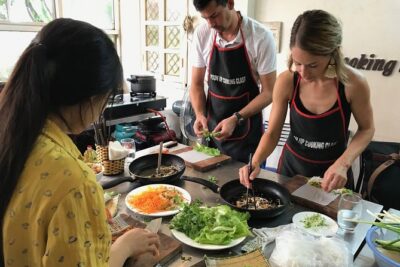
5 Traditional Dishes Hanoi Cooking Class with Market Trip
Read our review →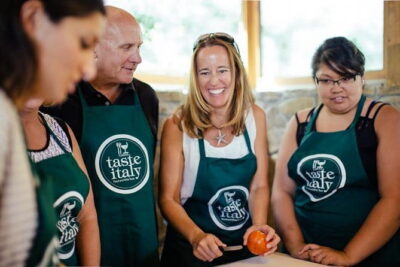
Cooking Class and Lunch at a Tuscan Farmhouse with Local Market Tour from Florence
Read our review →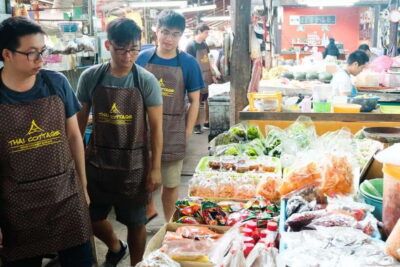
Chiang Mai: Cooking Class, Market & Thai Herbs Garden Tour
Read our review →Browse the lists this tour appears in