
Review · NEW ORLEANS
Hands-on Cajun Roux Cooking Class in New Orleans
The best part of this New Orleans cooking class is that you do not simply watch a chef work. You chop the Cajun Holy Trinity, stir the roux, help prepare the dishes, and then sit down to eat the meal you helped create. It is a practical way to get past restaurant menus and understand how Cajun cooking builds flavor.
I like the small class size, capped at 10, and the way the lesson moves from basic prep to two different roux techniques. I also like the relaxed meal at the end, with included wine or soda and a dessert lesson in bananas Foster. The main consideration is the price: at $163.85 per person, this is a serious splurge compared with a restaurant dinner.
Key points
- Hands-on Cajun technique: Chop the Holy Trinity, make a dark roux for gumbo, and a light roux for shrimp étouffée.
- Three-course meal: Prepare chicken and andouille sausage gumbo, shrimp étouffée, and bananas Foster.
- Small groups: The class holds no more than 10 people, giving you a real task rather than a distant demonstration.
- Local instruction: Chefs such as Raymond, Mark, Jason, Cam, Connor, Erika, and Randy have led classes, often adding personal New Orleans stories.
- Food and drinks included: Sit down after cooking to eat, with wine or soda available during the class.
- Useful take-home skills: The focus is on methods you can repeat at home, especially roux-making and flavor-building.
Why the roux is the real lesson
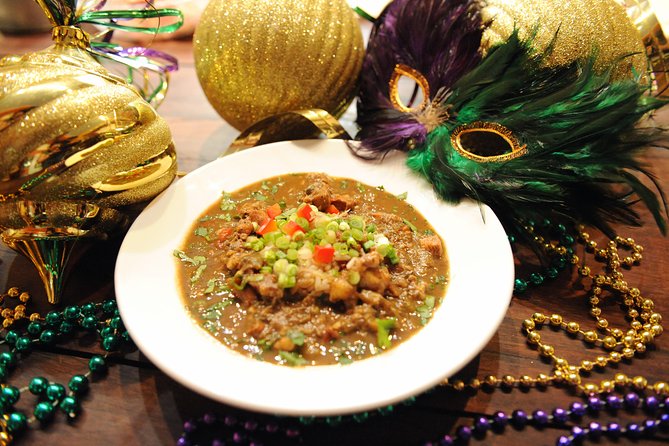
Many New Orleans dishes begin with a simple mixture of fat and flour. The trick is knowing how far to cook it, how dark to let it become, and how to keep it from burning. This class makes that process the center of the experience.
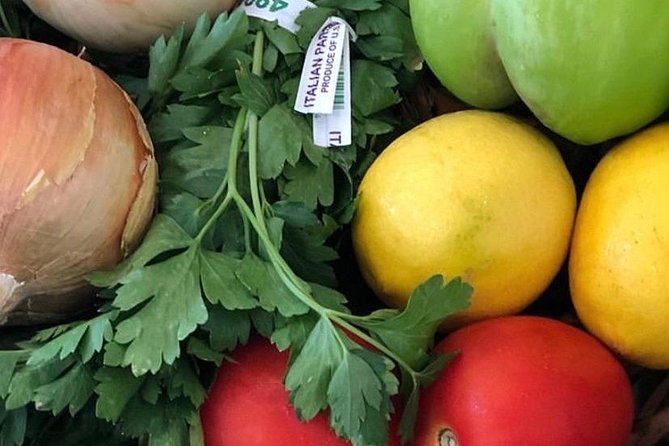
You begin with the Cajun Holy Trinity: onion, bell pepper, and celery. The name may sound grand, but the idea is straightforward. These three vegetables form a base for much Louisiana cooking, much as onion, carrot, and celery do in other cuisines.
Once everything is chopped and ready, the class turns to mise en place, meaning you have each ingredient prepared before the cooking gets busy. This is more than chef jargon. Roux demands attention, and having your ingredients ready keeps you from scrambling while the flour darkens in the pan.
The gumbo uses a dark roux, which brings a deeper, toasted flavor. The shrimp étouffée uses a light roux, giving you a useful side-by-side lesson in how color changes taste and texture. This contrast is one of the strongest reasons to choose this class over a simple cooking demonstration.
More Hands-On Workshops in the world:
- Half-Day Thai Cooking Class at Organic Farm in Chiang Mai
★ 5.0 · 19,087 reviews - Florence: Pasta Cooking Class with Unlimited Wine
★ 4.9 · 10,285 reviews - 3 in 1 Cooking Class near Navona: Fettuccine, Ravioli & Tiramisu
★ 5.0 · 7,376 reviews
Chopping the Holy Trinity and starting gumbo
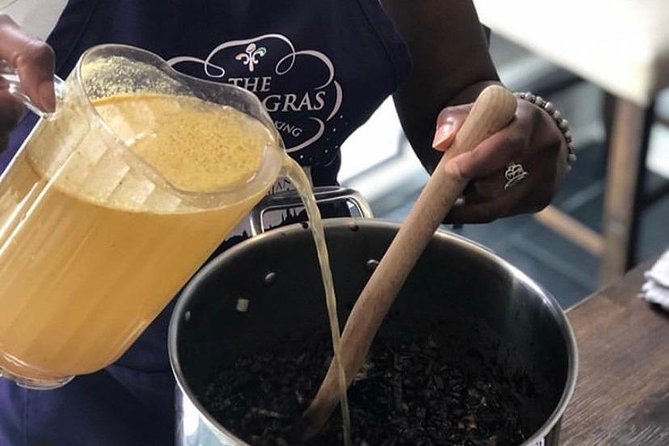
The class opens with instruction on the basic secrets of New Orleans cooking, followed by cutting and prep. You should expect to take part rather than sit back. With a maximum of 10 people, there is room for each person to handle part of the work.
The first glass of wine arrives after the vegetables are chopped. Soda pop is available instead, so the drinking portion is not essential to enjoying the class. This pause also gives you a chance to settle into the kitchen before the more demanding roux work begins.
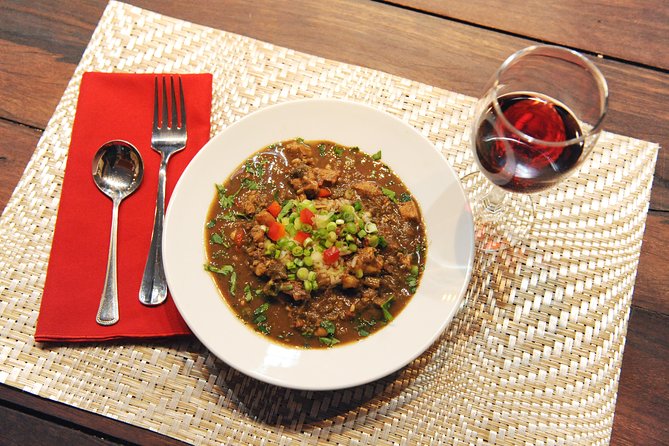
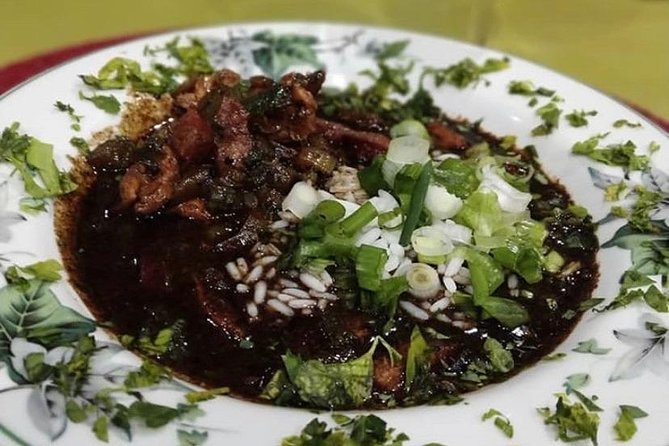
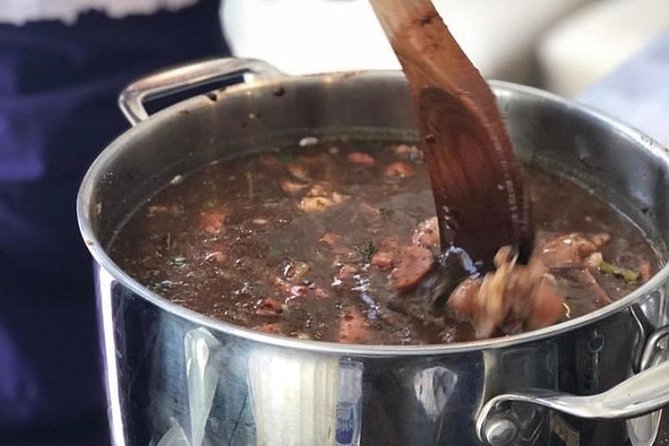
Next comes chicken and andouille sausage gumbo. Andouille adds smoky, savory flavor, while the dark roux gives the pot its characteristic depth. You are not just handed a bowl of gumbo at the end. You take part in the process that turns basic ingredients into a full meal.
This section should suit beginners well. The teaching is structured around clear steps, and several instructors have been praised for patience and encouragement. You do not need to arrive with professional kitchen skills. You do need to be willing to chop, stir, listen, and take your turn.
Two roux styles, two different dishes
The shrimp étouffée follows the gumbo, using a lighter roux. That change makes the lesson more useful than a class built around one recipe alone. You can see how a small shift in cooking time creates a different foundation for the finished dish.
Étouffée is usually served as a rich sauce over rice, and the shrimp brings a lighter seafood note to the meal than the sausage and chicken gumbo. The class gives you a chance to compare both dishes while the methods are still fresh in your mind.
I would pay close attention here if your goal is to repeat the recipes at home. The most useful skill is not memorizing a list of ingredients. It is learning how to build flavor in stages, keep your work organized, and judge the roux as it cooks.
Several instructors have been singled out for explaining techniques in a way that feels manageable. Raymond is known for breaking the process down and sharing cooking tips, while Mark has been praised for clear instruction and plenty of stories. Jason has also led classes focused on Cajun roux technique and practical advice for home cooks.
Instructor assignments can vary, so you should not book on the assumption that one particular chef will teach your session. The available names include Raymond, Mark, Jason, Cam, Connor, Erika, and Randy. The common thread is an emphasis on participation and a friendly class atmosphere.
A sit-down meal you helped prepare
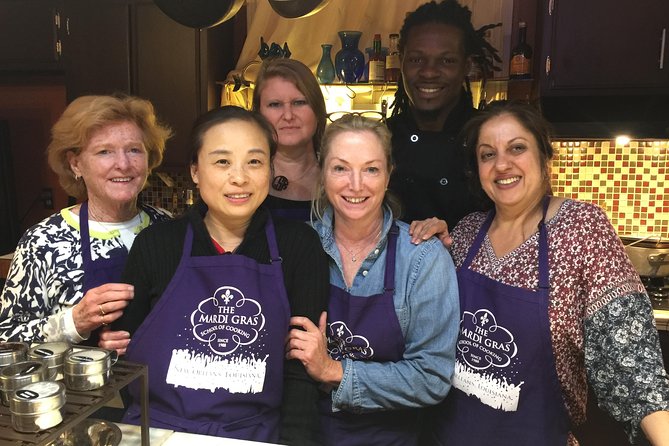
After the cooking, the food is plated and you sit down to eat. This changes the feel of the class. You are not rushing out with a recipe card after a demonstration. You get time to taste the gumbo and étouffée as a proper meal.
The dishes are substantial enough to serve as lunch or dinner during the three-hour experience. That matters when you compare the $163.85 price with a restaurant meal. You are paying for instruction, ingredients, drinks, kitchen time, and the meal itself, not just for a plate at the end.
Still, the value depends on your interests. If you mainly want a cheap way to eat gumbo, a restaurant will cost less. If you want to learn how to make roux and leave with techniques you can use for years, the price is easier to justify.
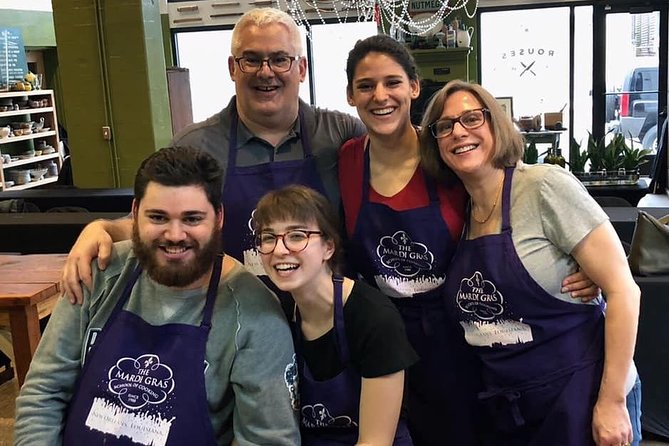
The meal also gives you a chance to meet the other people in the class. Groups can include couples, families, and friends, and the small setting encourages conversation. If you prefer a quiet meal with no group element, this format may feel more social than you want.
A few more cooking classes around the world worth a look
- Florence: Pasta & Tiramisu Cooking Class with Unlimited Wine
★ 4.9 · 6,708 reviews - Florence: Pasta Cooking Class with Unlimited Wine
★ 5.0 · 6,413 reviews - Hanoi Cooking Class: Culture, Local Market & Meaning CSR Impact
★ 5.0 · 5,147 reviews - 5 Traditional Dishes Hanoi Cooking Class with Market Trip
★ 5.0 · 4,890 reviews
Bananas Foster adds a little theater
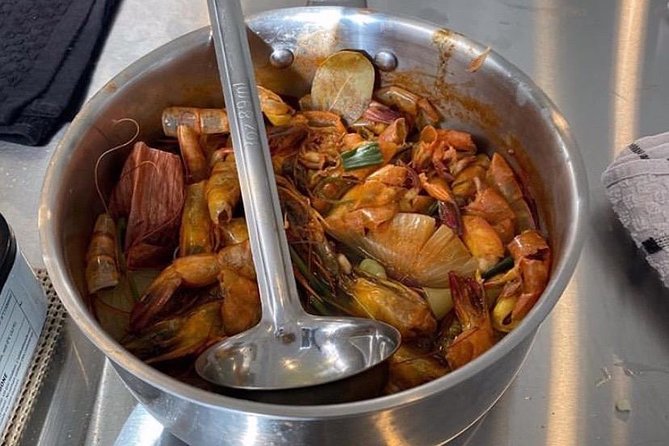
The last part of the class covers bananas Foster. It is a smart choice for dessert because it is strongly linked with New Orleans and offers a clear, repeatable method for home cooking.
You are shown a way to make the dessert that is intended to be reliable rather than intimidating. The class describes it as a fool-proof approach, but you should still pay attention to the timing and instructions. Bananas Foster is quick to prepare, so the final lesson moves at a faster pace than the chopping and roux work.
This dessert also gives the class a lighter finish after two savory dishes. It is not an extra tasting added to the side. It completes the meal and gives you one more recipe to make for family or friends.
If you are booking for a birthday or another small celebration, the dessert course adds a festive touch. One class participant had a birthday during the meal, and the chef helped make the occasion special. That does not mean every session includes a celebration, but the format allows for a personal, friendly feel.
The chefs shape the experience
The cooking matters, but the instructor can make or break a class. Here, the teaching style appears to be a major strength. Raymond has led sessions with a mix of cooking instruction, personal stories, and encouragement. Mark is often described as funny and generous with local stories, while Cam has connected the cooking with Cajun and Creole culture.
Jason’s classes have focused on practical roux skills and hands-on participation. Connor has been praised for patience and professionalism, especially with family groups. Erika and Randy have also led well-received sessions.
You should expect personality, not a formal culinary lecture. The class works best when you ask questions and take part. If you want a highly technical professional course, this may feel relaxed. If you want an approachable introduction to Louisiana cooking, that relaxed tone is an advantage.
The kitchen is described as clean and modern, with the Mardi Gras School of Cooking offering a sleek teaching space. Clean facilities matter in a hands-on class, especially when several people are chopping, stirring, plating, and eating in the same place.
Who will enjoy this class most
This is a strong pick for families and friend groups. The work is divided among the class, so everyone can have a task. A 12-year-old has taken part successfully, and 17-year-old family members have enjoyed the lesson, but the experience details do not state a formal minimum age.
Couples can enjoy it too, especially if you like food-focused activities that give you something to do together. It also works for people who already cook. One advantage of a class built around roux is that experienced home cooks can still pick up better timing, flavor tips, or a new way to approach familiar ingredients.
The class is less suitable if you dislike group activities, do not want to eat chicken, sausage, shrimp, or bananas, or are looking for a quick sightseeing stop. Three hours is a meaningful part of your day. Plan it as a main activity rather than something to squeeze between two short attractions.
It is also a good choice for a return visit to New Orleans. After you have seen the French Quarter and sampled local restaurants, learning how the food comes together adds another layer to the city. You leave with a way to recreate part of the trip in your own kitchen.
Price, timing, and practical details
The listed cost is $163.85 per person. That is high for a cooking class, but the package includes instruction, ingredients, wine or soda, and the meal you prepare. The value is strongest if you plan to cook the dishes again at home.
The class lasts about three hours and starts at 519 Wilkinson Street in New Orleans. It ends back at the same meeting point, and the location is near public transportation. No separate transfer is provided in the details, so plan your route to the kitchen in advance.
The activity is offered in English and accepts mobile tickets. The maximum group size is 10, which is small enough for direct participation but not private. Group discounts are available, so check the price for your party before booking.
This class is often reserved about 26 days ahead. That is useful planning information, especially if you are visiting on fixed dates or want a particular time. Availability can change, so booking close to your trip may leave fewer choices.
Free cancellation is available up to 24 hours before the start time for a full refund. Changes or cancellations made inside that 24-hour window are not accepted for a refund, with cut-off times based on local New Orleans time.
How to get the most from the lesson
Arrive ready to work. The class is hands-on, so comfortable clothing and a willingness to participate will serve you better than treating it as a passive food tasting.
Pay special attention during the prep stage. The Holy Trinity may seem basic, but even chopping and ingredient order affect how smoothly the later cooking goes. Mise en place is one of the most practical lessons because it applies to almost any complicated home recipe.
When the dark roux begins, watch its color and listen to the chef’s explanation. This is the point where patience matters. You can ask questions about how to judge doneness, how to avoid burning, and how the lighter roux for étouffée differs from the gumbo base.
Save room for the full meal and dessert. The class is paced around cooking and eating, so you will get more from it if you do not schedule another large meal immediately afterward.
If you want to repeat the dishes at home, ask about the recipes and write down the techniques that are easiest to forget. The goal is not just to remember that you made gumbo. It is to know what to look for when your own roux changes color and the vegetables begin to soften.
Should you book the Cajun Roux class?
Book it if you want a hands-on food experience rather than another restaurant meal. The small group, two roux styles, included drinks, and sit-down dinner make it especially appealing to couples, families, and friends who enjoy cooking together.
Skip it if $163.85 feels too steep for a three-hour activity or if you want a private lesson. The class is social and shared, and the chef assigned to your session may vary.
For most food-focused visits to New Orleans, I consider this a worthwhile splurge. You taste gumbo and étouffée, learn why the methods differ, and finish with bananas Foster. The best payoff comes later, when you make the dishes at home and bring a little New Orleans flavor back to your own table.
FAQ
Where does the Cajun Roux cooking class meet?
The class begins at 519 Wilkinson Street, New Orleans, Louisiana 70130, USA.
Where does the class end?
The activity ends back at the meeting point on Wilkinson Street.
How long does the experience last?
The class lasts approximately three hours.
What dishes will I prepare?
You will prepare chicken and andouille sausage gumbo, shrimp étouffée, and bananas Foster.
Is the cooking hands-on?
Yes. You will help chop and prep the Cajun Holy Trinity, make the dark roux for gumbo, make the light roux for shrimp étouffée, and take part in preparing the meal.
Are drinks included?
Yes. Wine is included, and soda pop is available as an alternative.
How many people can join the class?
The class has a maximum of 10 travelers.
Can I cancel for a full refund?
Yes. You can cancel at least 24 hours before the experience start time for a full refund. Cancellations or changes made less than 24 hours before the start time are not accepted for a refund.
Just added around the world
- A Coruña: Local Market Shopping and Cooking Workshop★ 5.0 · 16 reviews
- Traditional Zanzibar Cooking Class including Spice Tour★ 4.5 · 14 reviews
- Verona: Pasta and Tiramisu Cooking Class with Fine Wine★ 4.8 · 633 reviews
- Vegan/Vegetarian Ramen and Gyoza by Bentoya cooking★ 5.0 · 59 reviews
- Hoi An/Da Nang: Vegetarian Cooking Class & Basket Boat Ride★ 4.8 · 90 reviews
- Hoi An : Vegetarian Cooking Class W Optional Coconut Village★ 4.9 · 28 reviews
- Hoi An Vegan Cooking School with Local Chef and Basket Boat★ 4.8 · 31 reviews
- Tbilisi: Cooking Class with a Local Family★ 5.0 · 104 reviews
Cooking Classes, compared.
Half-Day Thai Cooking Class at Organic Farm in Chiang Mai
Read our review →
Florence: Pasta Cooking Class with Unlimited Wine
Read our review →
3 in 1 Cooking Class near Navona: Fettuccine, Ravioli & Tiramisu
Read our review →
Hanoi Cooking Class: Culture, Local Market & Meaning CSR Impact
Read our review →
5 Traditional Dishes Hanoi Cooking Class with Market Trip
Read our review →
Cooking Class and Lunch at a Tuscan Farmhouse with Local Market Tour from Florence
Read our review →
Chiang Mai: Cooking Class, Market & Thai Herbs Garden Tour
Read our review →Browse the lists this tour appears in