
Review · PERU
Cusco: Peruvian Cooking Class & Market Tour
Cusco’s food story starts in the San Pedro Market, where you spend about an hour learning about the fruits and ingredients that later appear on your plate. Then you head back to the cooking school for a hands-on class focused on dishes from Peru and the Cusco region.
I like the useful market-to-kitchen flow, and I like that you do more than watch: you help prepare food and then eat it for lunch. The pisco lesson adds a pleasant local touch, with an explanation of pisco grapes and a tasting before the cooking begins.
The main consideration is timing. The tour is advertised as four hours, while the cooking portion and market walk may take three to four hours in total. Alcoholic drinks and extra orders are not included, so ask what the pisco tasting covers if you want more than the planned sample.
Key points to know before booking
- San Pedro Market comes first: Spend roughly 45 to 60 minutes seeing the produce and ingredients used in class.
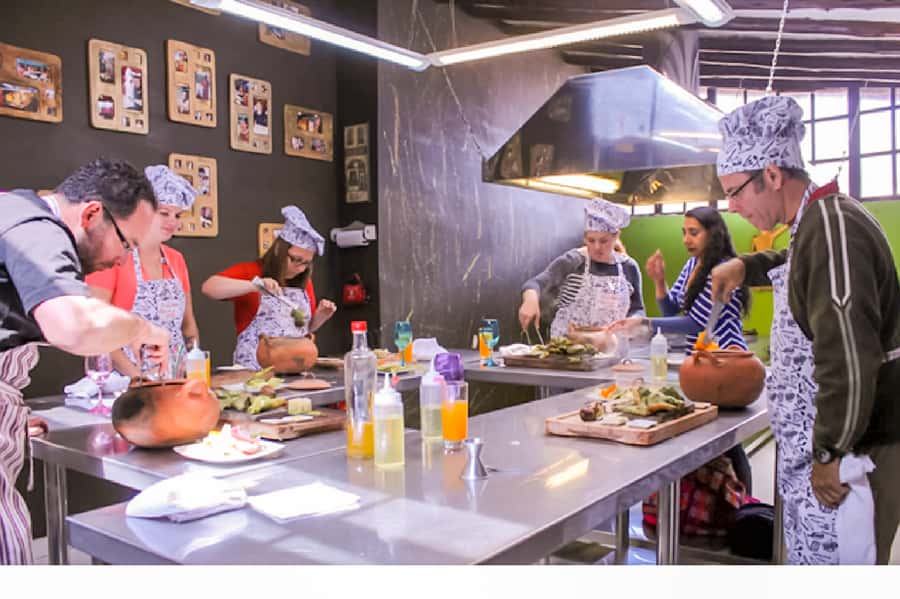
- Chef-led and hands-on: An expert chef guides the preparation rather than leaving you to follow a recipe alone.
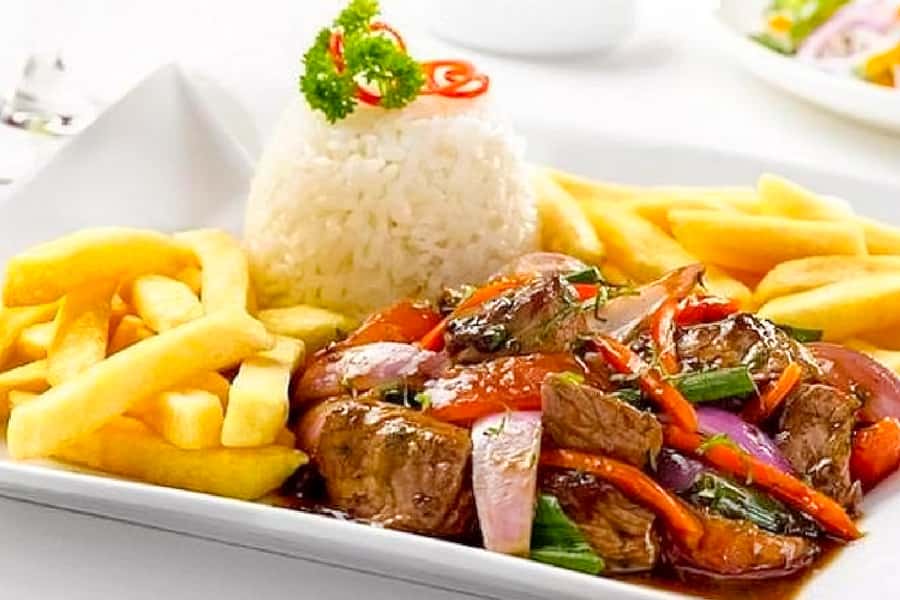
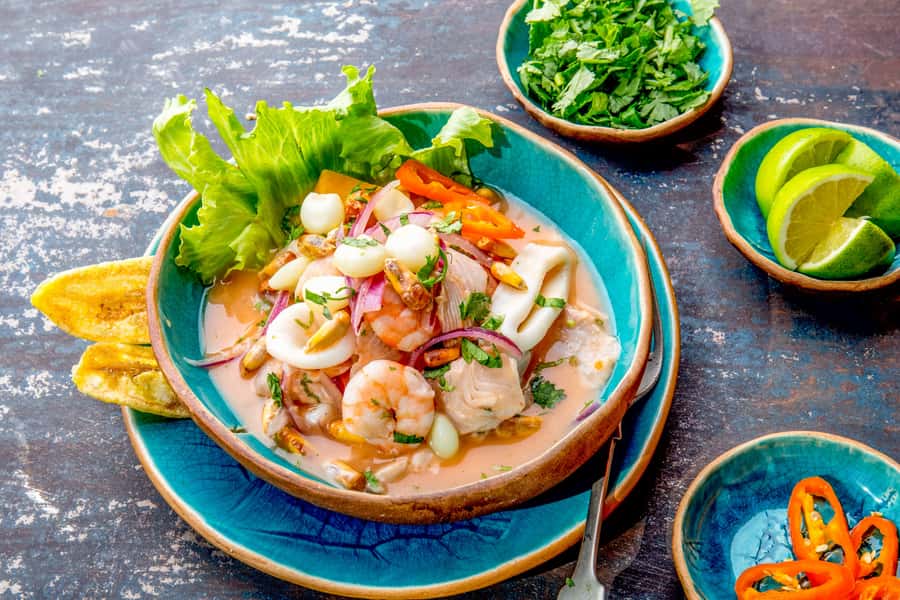
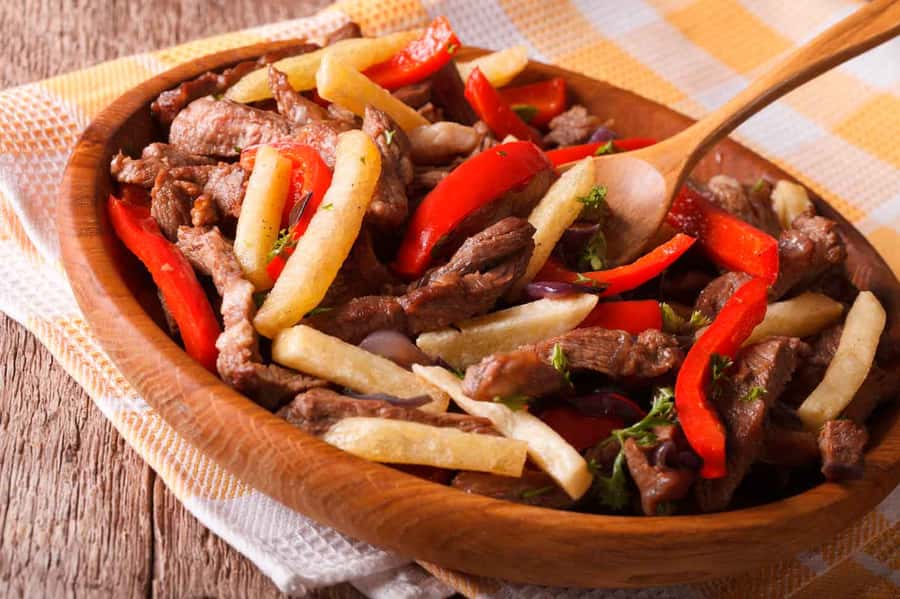
- Several Peruvian dishes are available: Options include ceviche, Chilcano soup, lomo saltado, and ají de gallina.
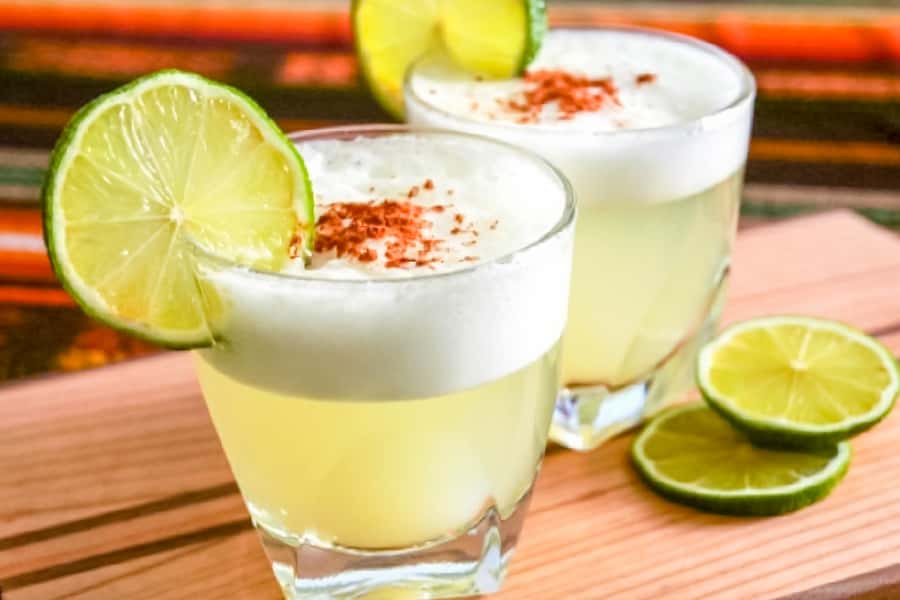
- Pisco has its own lesson: You learn about pisco grapes and different qualities before tasting the drink.
- Lunch is included: You eat the dishes you prepare at the end of the class.
- Good practical terms: The experience is offered in English or Spanish, includes equipment, accepts cancellation up to 24 hours ahead, and is wheelchair accessible.
Starting with ingredients at San Pedro Market
The best part of this Cusco cooking class is its order. You do not begin with a recipe sheet and a pile of unfamiliar produce. You begin at San Pedro Market, where the chef introduces you to local fruits and ingredients before you cook with them.
Plan on roughly 45 minutes to an hour in the market. That time gives the class a useful sense of place. You see ingredients in their everyday setting, then return to the kitchen with a better idea of what they are and how they fit into Peruvian cooking.
The market visit is also a good match for anyone who likes food with context. You are not simply told that a fruit or seasoning is traditional. You can look at it, ask about it, and connect it with the dishes on the menu.
Keep your camera ready, as it is listed among the recommended items. Wear comfortable clothing, too. This is a walking and cooking activity, not a formal meal where you sit from the first minute to the last.
The market is a working place, so you should expect a busy public setting rather than a quiet food museum. If you prefer a polished cooking demonstration with little walking, this first section may feel less important. If you like seeing how ingredients appear before they reach a restaurant kitchen, it is one of the most useful parts.
More Market Tour Cooking Classes in the world:
- Hanoi Cooking Class: Culture, Local Market & Meaning CSR Impact
★ 5.0 · 5,147 reviews - 5 Traditional Dishes Hanoi Cooking Class with Market Trip
★ 5.0 · 4,890 reviews - Cooking Class and Lunch at a Tuscan Farmhouse with Local Market Tour from Florence
★ 5.0 · 4,831 reviews
Learning the pisco story before cooking
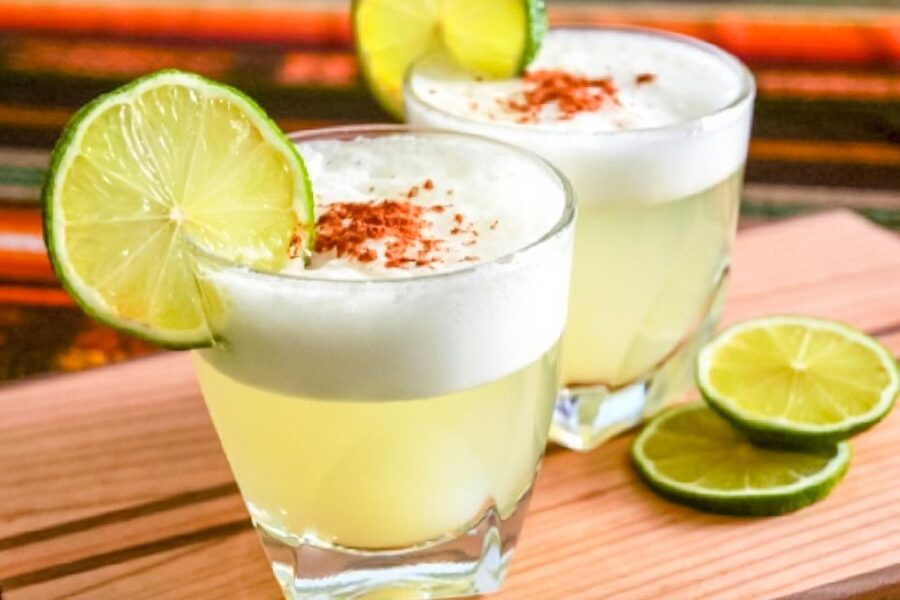
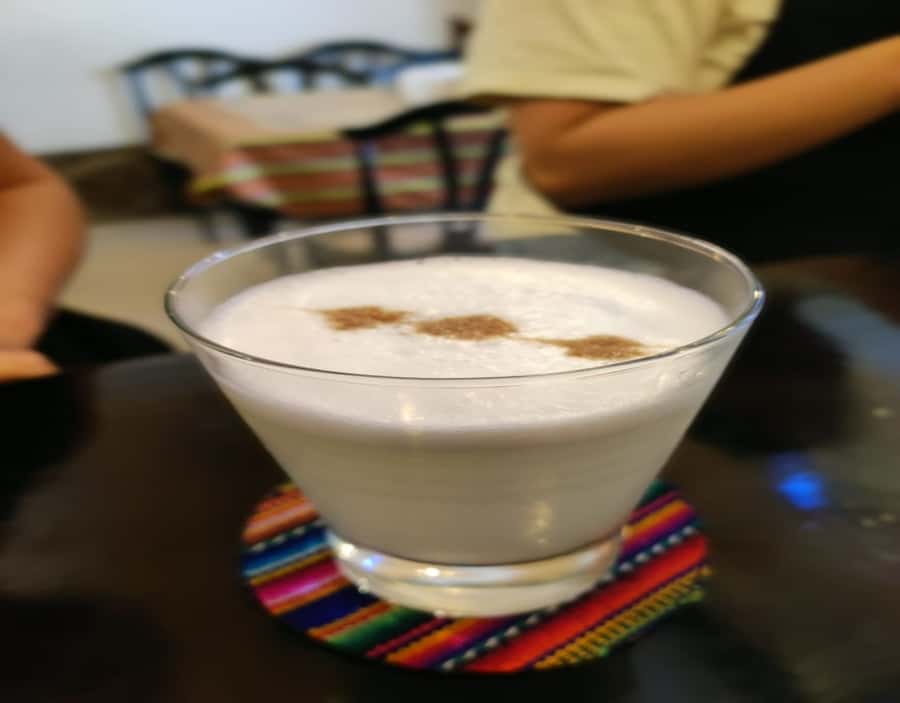
Back at the restaurant, the class turns to Peru’s best-known drink, the Pisco Sour. You receive an explanation of pisco grapes and the different qualities of pisco, followed by a toast and tasting.
This is a small but worthwhile addition. Pisco is not just a drink placed beside lunch. The tasting gives you a basic way to think about the spirit and its grape source before you try it in cocktail form.
The price is listed at $65 per person, while alcoholic drinks and extra orders are not included. Since the experience specifically includes a pisco explanation and tasting, I would confirm the exact amount included when you book. That avoids confusion between a guided sample and additional drinks available for purchase.
You should also remember that this is a cooking class with lunch, not a dedicated cocktail tour. The pisco segment adds flavor to the afternoon, but the main value comes from the market visit, instruction, and meal you prepare yourself.
Choosing between ceviche, soup, and main courses
The menu gives you several familiar Peruvian choices. The appetizer selection includes ceviche and Chilcano soup, while the main course options include lomo saltado and ají de gallina.
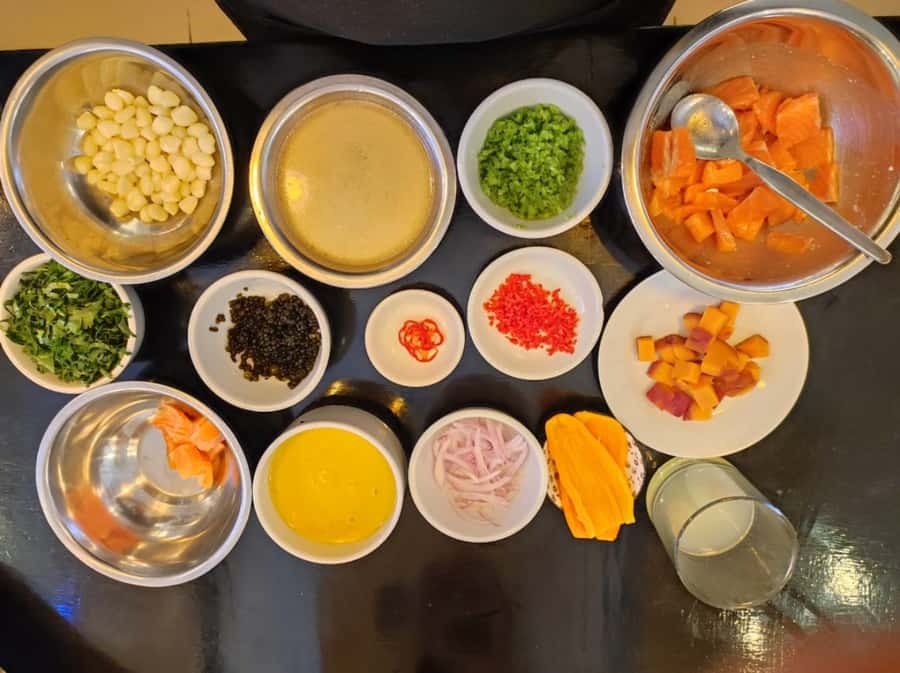
Ceviche is a natural fit for a class built around fresh market ingredients. You get to see the produce first, then work with a dish that depends on freshness and balance. The class description does not specify every preparation step, so do not expect a fixed recipe breakdown in advance. The chef leads the process and explains the dishes as you go.
Chilcano soup offers a different direction. It is a useful choice if you want a warm, traditional preparation rather than a raw seafood dish. Since the menu includes both ceviche and soup, the class can suit different tastes within the same group.
For the main course, lomo saltado is the more familiar option for many first-time visitors to Peruvian food. Ají de gallina gives you another classic route, with a dish built around a creamy ají-based preparation. The available choices make the class more flexible than a session with one fixed plate.
The information does not state whether every participant cooks every dish or whether the group selects one appetizer and one main course. If you have a strong preference, ask before the class begins. The important point is that you participate in preparing traditional dishes, then eat what you have made for lunch.
What the cooking class feels like
The class is led by an expert chef with extensive experience in traditional Peruvian cuisine. Instruction is available in English and Spanish, which matters in a hands-on class where timing, ingredients, and technique need to be clear.
You should expect an informative and relaxed format rather than a highly formal culinary lesson. The experience is designed to be entertaining as well as practical, so it works well for people who want to cook without committing to a full professional course.
Cooking equipment is included. That keeps the class simple for you, since you do not need to bring tools or supplies. Your job is to arrive in comfortable clothes, take part, and follow the chef’s direction.
Chef Ronald receives special praise in the available feedback, with one person calling the time with him amazing. The class is not guaranteed to feature him, but his name is useful to know when you confirm your booking. Another detailed comment describes the afternoon as pleasant and relaxed, with good preparation at the cooking school, fresh food, and plenty of useful information.
Those details point to the class’s strongest quality: it is meant to be easy to enjoy. You get instruction without the pressure of a demanding culinary exam, and you can finish with a proper meal rather than a few samples.
More Shopping Trips in the world:
- Chiang Mai: Cooking Class, Market & Thai Herbs Garden Tour
★ 4.9 · 4,824 reviews - Chiang Mai: Authentic Cooking Class with Market & Farm Visit
★ 4.9 · 4,546 reviews - Barcelona: Paella Cooking Experience & Boqueria Market Tour
★ 4.8 · 3,661 reviews - Cooking Class Hoi An:Local Market, Basket Boat, Fishing & Cooking
★ 5.0 · 3,660 reviews
Eating your own Peruvian lunch
The meal is included, and you eat the dishes prepared during the class. That changes the feel of the experience. You are not just watching a chef cook while waiting for a separate restaurant lunch. The food on your plate is tied directly to the work you have done.
The feedback specifically praises the freshness of the food and the way the cooking school is prepared for the class. That matters because a cooking lesson can lose its charm if the kitchen feels rushed or the ingredients seem like an afterthought.
Lunch also helps justify the price. At $65 per person, you are paying for several parts at once: a guided market visit, bilingual instruction, kitchen equipment, the class itself, and a meal. The pisco segment adds another layer, though you should check the policy on included and paid drinks.
I see the value as strongest for anyone who would otherwise pay separately for a market walk and a food-focused lunch. If you only want to eat Peruvian food, a regular restaurant meal may cost less and take less time. If you want to understand the ingredients and take part in preparation, the four-hour format makes more sense.
Timing, meeting point, and practical details
The experience begins at the water fountain in the square. You return to that same meeting point when the activity ends, so you do not need to arrange a separate end location.
The stated duration is four hours, with the detailed plan describing a total of about three to four hours. Starting times vary, so check availability for the date you want. Give yourself enough room afterward for your next plan, especially if you prefer not to hurry through lunch.
The walk through San Pedro Market is about 45 minutes according to the included services, while the fuller description places it at approximately one hour. In practice, plan for close to an hour so you are not surprised by the pace.
The activity is wheelchair accessible. Still, because the first section takes place in a public market and includes walking, you may want to confirm the specific route and any access details before booking. The available information confirms accessibility but does not describe the exact market conditions.
Pets and smoking are not allowed. A camera and comfortable clothes are recommended. You do not need to bring cooking equipment, as that is supplied.
Cancellation is free up to 24 hours in advance for a full refund. You can also reserve now and pay later, which is useful if your Cusco schedule is still shifting.
Who will get the most from this Cusco class
I would choose this experience if you want three things in one afternoon: a first look at a local market, a guided introduction to Peruvian cooking, and a sit-down lunch.
It suits first-time visitors who want food context without signing up for a long culinary program. It also works for couples, families, and small groups with different levels of cooking experience because the chef provides direction and the menu includes several choices.
You will likely enjoy it most if you are willing to participate. This is not simply a tasting route. You walk through the market, listen to explanations, help with preparation, and eat the result. Someone who dislikes group activities or prefers to keep a strict sightseeing schedule may find four hours too long.
The bilingual format is helpful for mixed-language groups. English and Spanish instruction make it easier to ask questions and follow the class, while the market visit gives you something to look at even when the cooking pauses.
The activity is also a good option after you have seen Cusco’s main sights and want an afternoon centered on daily life and food. It does not require a full-day commitment, and the return to the original meeting point keeps the logistics straightforward.
A balanced look at the $65 price
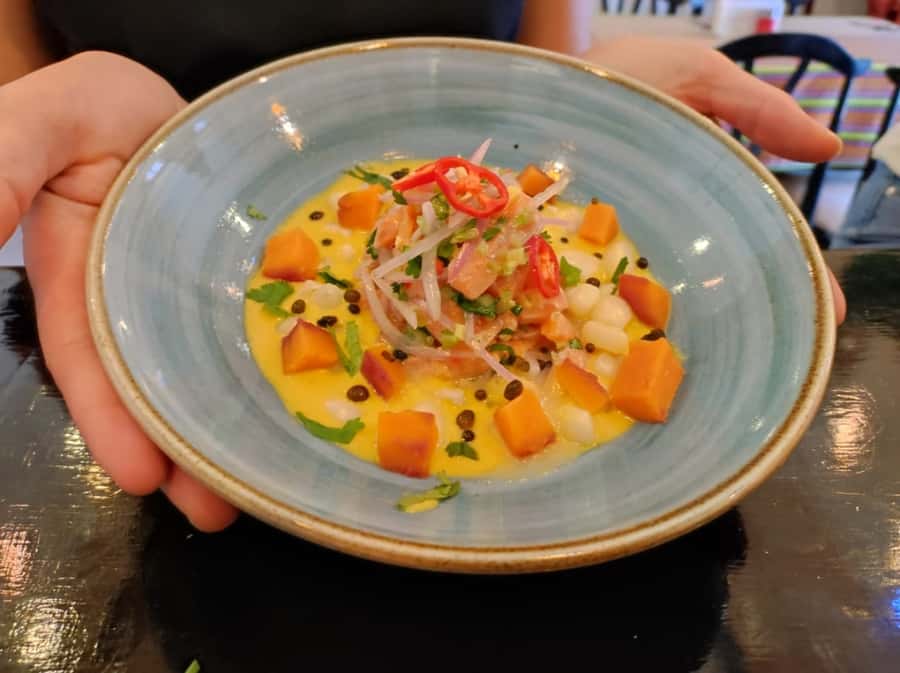
At $65, the experience is not the cheapest way to eat lunch in Cusco. Its value depends on how much you want from the afternoon.
You receive a market visit, bilingual instruction, cooking equipment, lunch, and a pisco explanation with a tasting. The expert chef is the key part of that package. Good guidance can turn unfamiliar ingredients into something you understand and can discuss afterward.
The price is less appealing if you mainly want a large meal or several alcoholic drinks. Alcoholic drinks and extra orders cost more, and the activity is built around one planned class and lunch rather than open-ended dining.
The strongest reason to pay the fee is the connection between the market and the kitchen. You see the ingredients, hear about them, use them, and eat the finished dishes. That sequence gives the meal more meaning than a standard restaurant stop.
The experience has a 4.9 rating from 19 reviews, with particular praise for Chef Ronald, the relaxed pace, the preparation at the school, the information provided, and the fresh food. Those are the details I would value most when deciding if the price fits your plans.
Should you book the San Pedro Market cooking class?
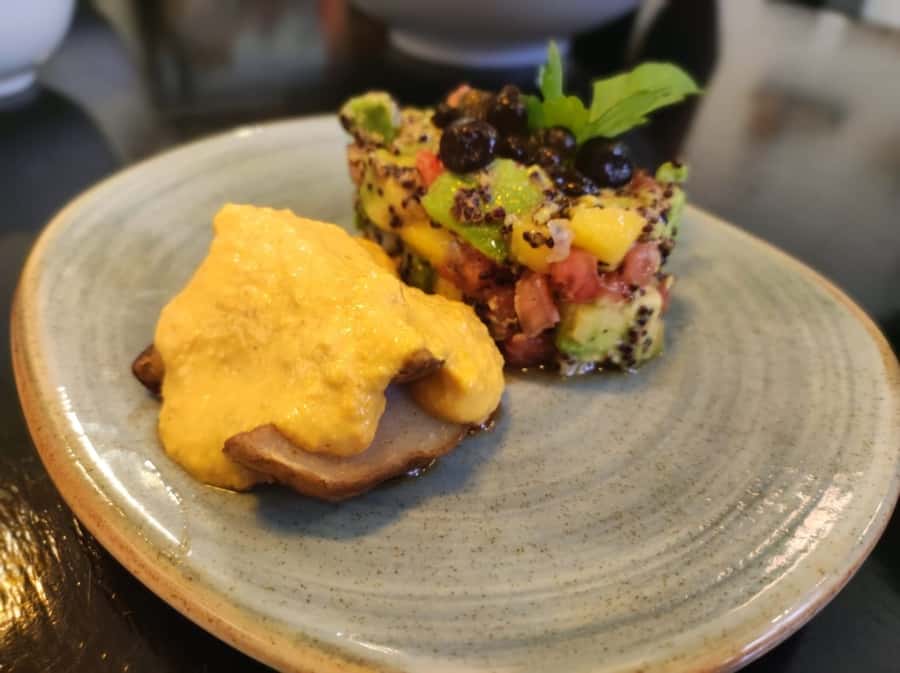
Book it if you want a practical, food-centered introduction to Cusco and like the idea of preparing ceviche, Chilcano soup, lomo saltado, or ají de gallina with a chef. The market visit, pisco lesson, and included lunch give you a full afternoon rather than a short demonstration.
I would skip it if you only want a quick meal, need a tightly timed itinerary, or want a drinks-focused experience. Also confirm which dishes you will prepare and what pisco tasting is included, since extra alcoholic drinks are not part of the listed price.
For most food-curious visitors, the $65 cost is reasonable because it combines instruction, ingredients, equipment, and lunch. The best reason to book is not simply the food. It is the chance to connect what you see at San Pedro Market with what you cook and eat a few hours later.
FAQ
How long does the Cusco cooking class last?
The activity is scheduled for four hours, while the detailed description gives an overall duration of about three to four hours. Check the available starting times for your date.
Where does the experience begin?
Meet at the water fountain in the square. The activity ends back at the same meeting point.
Is the San Pedro Market visit included?
Yes. The experience includes approximately 45 minutes at San Pedro Market, and the full description describes the walk as about one hour.
Which dishes can I prepare?
The listed options include ceviche and Chilcano soup as appetizers, with lomo saltado or ají de gallina as main courses.
Is lunch included?
Yes. You eat the dishes prepared during the cooking class, and lunch is included in the price.
Are drinks included?
The activity includes an explanation and tasting related to pisco, but alcoholic drinks are listed as not included. Extra drinks and orders are available to purchase.
Is the class offered in English?
Yes. Instruction is available in English and Spanish.
Can I cancel for a refund?
Yes. You can cancel up to 24 hours in advance for a full refund. The activity also offers a reserve-now, pay-later option.
More Hands-On Workshops in the world
- Half-Day Thai Cooking Class at Organic Farm in Chiang Mai
★ 5.0 · 19,087 reviews - Florence: Pasta Cooking Class with Unlimited Wine
★ 4.9 · 10,285 reviews - 3 in 1 Cooking Class near Navona: Fettuccine, Ravioli & Tiramisu
★ 5.0 · 7,376 reviews - Florence: Pasta & Tiramisu Cooking Class with Unlimited Wine
★ 4.9 · 6,708 reviews
Just added around the world
- From location: Truffle farm visit, culinary workshop, meal★ 5.0 · 3 reviews
- Lima: Demo Cooking Class with Lunch at Cala Restaurant★ 4.1 · 4 reviews
- Dubrovnik: Private Cooking Experience with Wine Tasting★ 5.0 · 3 reviews
- Dalat: Home Cooking Class with Central Market Tour★ 4.7 · 21 reviews
- Dining In Rethymno: An Evening Of Cretan Cooking★ 4.9 · 12 reviews
- Delhi: AI Cooking Class and Much More in a Local Family Home★ 5.0 · 85 reviews
- Hoi An: Basket Boat -Cooking Class & My Son Sanctuary Tour★ 5.0 · 3 reviews
- Da Nang: Traditional Cooking Class with meal in Local Family★ 4.3 · 9 reviews
Cooking Classes with a Market Tour, compared.
Hanoi Cooking Class: Culture, Local Market & Meaning CSR Impact
Read our review →
5 Traditional Dishes Hanoi Cooking Class with Market Trip
Read our review →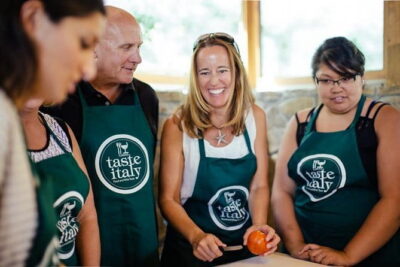
Cooking Class and Lunch at a Tuscan Farmhouse with Local Market Tour from Florence
Read our review →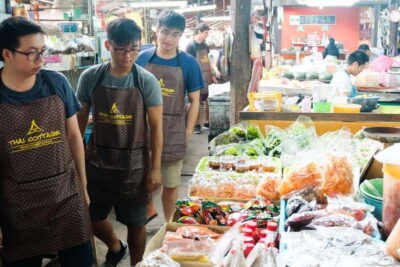
Chiang Mai: Cooking Class, Market & Thai Herbs Garden Tour
Read our review →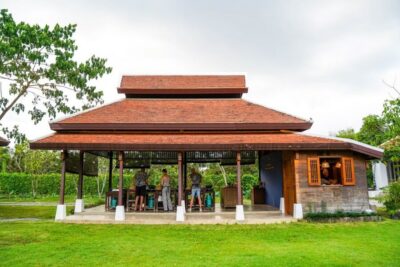
Chiang Mai: Authentic Cooking Class with Market & Farm Visit
Read our review →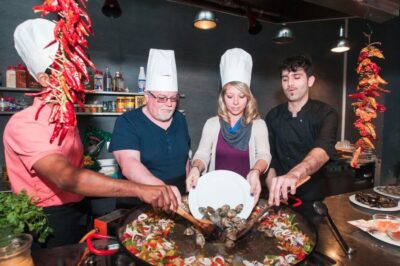
Barcelona: Paella Cooking Experience & Boqueria Market Tour
Read our review →
Cooking Class Hoi An:Local Market, Basket Boat, Fishing & Cooking
Read our review →
Hoi An Cooking Class(Market,BasketBoat Crabfishing&Cooking Class)
Read our review →Browse the lists this tour appears in