
Review · TOKYO
Ramen & Gyoza Cooking Class in Tokyo with Local Supermarket Visit
Tokyo’s best food lessons do not always happen in polished culinary studios. At YUCa’s home kitchen in Arakawa, you learn to make ramen and gyoza in a small, friendly setting, then eat what you prepared. The class also gives you a look at ordinary neighborhood life beyond central Tokyo.
I especially like the warm teaching style and the way the meal is built around familiar, repeatable steps. The small maximum group of seven helps YUCa include couples, families, teenagers, grandparents, and beginners. The main consideration is that this is not a full chef-training course: some parts are hands-on, while others are demonstrations or simple additions of prepared ingredients.
Key points
- YUCa teaches in her own home kitchen, giving the class a personal feel rather than a restaurant-school atmosphere.
- You make two Japanese staples, ramen and minced pork gyoza, then eat them for lunch.
- The class suits beginners and families, with children as young as nine taking part according to the supplied experience details.
- The optional supermarket visit adds local context, but it is not guaranteed as part of every booking.
- The group is limited to seven people, though one kitchen means some steps may be more demonstration-based.
- The class costs $122.70 per person and runs for about two and a half hours, with free cancellation up to 24 hours ahead.
A home kitchen lesson in suburban Tokyo
The class begins at 10:00 a.m. at YUCa’s Japanese Cooking, located at 2-chōme-34-8 Nishiogu in Arakawa City. This is not central Tokyo’s neon-and-department-store zone. You are heading to a residential part of the city, which is part of the appeal.
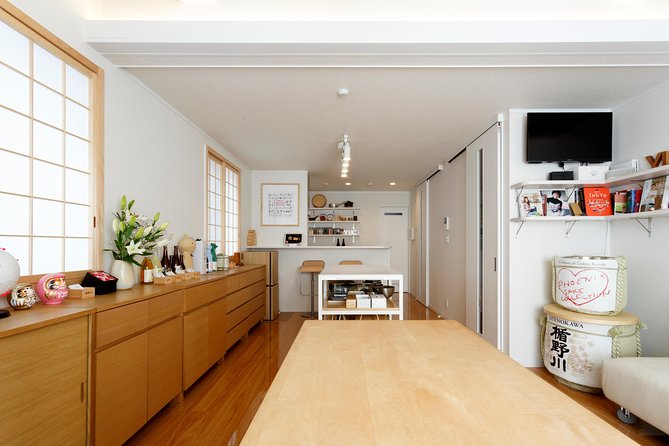
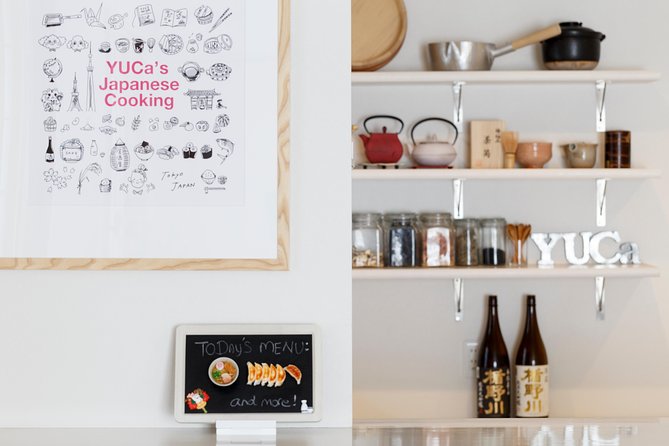
The setting matters. You are not simply following a recipe in a rented classroom. You are welcomed into YUCa’s own home and kitchen, where the atmosphere feels more personal and domestic. The kitchen is described as cute, comfortable, and well prepared for the class, with the ingredients and equipment ready before you arrive.
That home setting can be especially rewarding if you want to see how food fits into daily Japanese life. It also means you should adjust your expectations. This is a cooking experience built around sharing a kitchen, not a private lesson in a professional cooking school.
The class is conducted in English, and the instructions are designed to be easy to follow. YUCa’s teaching style is friendly and energetic. She also explains parts of Japanese food culture and home life, so the morning is not just a list of cooking commands.
More Sushi and Japanese Classes in Tokyo:
- Sushi Making Tokyo Roll and Authentic Japanese Sushi Class
★ 5.0 · 3,971 reviews - Tokyo: Roll and Authentic Sushi Making Class in Asakusa
★ 4.9 · 1,957 reviews - Tokyo: Sushi Making Class in a Happi Coat near a Famous Spot
★ 4.9 · 1,377 reviews
The opening lesson: Japanese home cooking and daily life
From about 10:15 to 10:30, YUCa gives a short introduction to Japanese home cooking and lifestyle. This section is brief, but it helps place the recipes in context.
Ramen is often treated abroad as a quick packet of noodles, yet the class presents it as a meal you assemble from several parts. Gyoza, meanwhile, offers a simple way to practice shaping and filling dumplings. Together, the dishes make a sensible pair: while one part cooks or waits, you can work on the other.
I like this format because you get both a central dish and a practical side dish. You also learn recipes that do not require restaurant-level equipment. Several people who took the class planned to recreate the food at home, which is a good sign for anyone who wants a usable cooking lesson rather than a one-time performance.
The introduction also gives you time to meet the other people in the group. With a maximum of seven participants, the class can feel social without becoming a large tour group. Couples, families, solo visitors, and mixed-age groups can share the work and talk over the meal.
Making ramen, one manageable step at a time
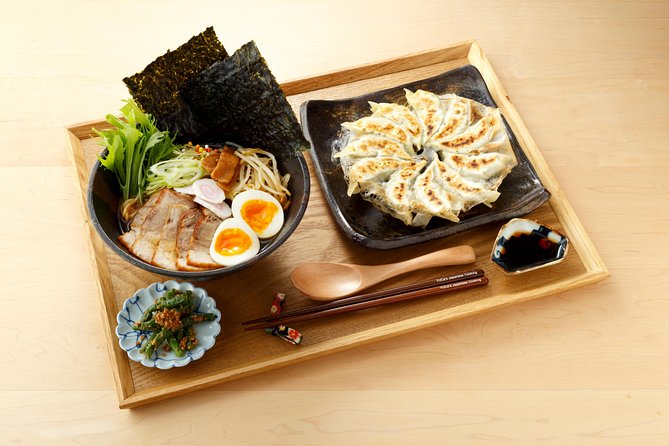
The cooking and tasting portion runs from 10:30 until 12:30. You learn to prepare ramen with different vegetables and meat, then assemble the finished bowl.
The supplied details do not describe a long stock-making process or hours spent preparing noodles from scratch. That is important. This class focuses on an approachable version of ramen, with participants learning how to combine ingredients and seasonings into a satisfying bowl.
You should expect a mix of tasks. Some people have taken part in preparing ingredients, mixing or assembling components, and building their ramen bowls. Other steps involve adding a measured amount of powder or liquid to a bowl while YUCa explains what is happening. One honest point raised about the class is that not every minute is intensely hands-on.
That is both a limitation and a practical choice. With one kitchen and several people, it would be difficult for everyone to perform every task at once. Demonstration-style sections let the group keep moving and reduce the risk of confusion. If you are looking for knife work, stock preparation, and constant cooking activity, this may feel lighter than expected.
If you are a beginner, though, the format is less intimidating. You can watch a technique clearly, ask questions, and then take part in the steps assigned to you. The class is designed to make the food feel achievable, not mysterious.
Folding gyoza while the ramen cooks
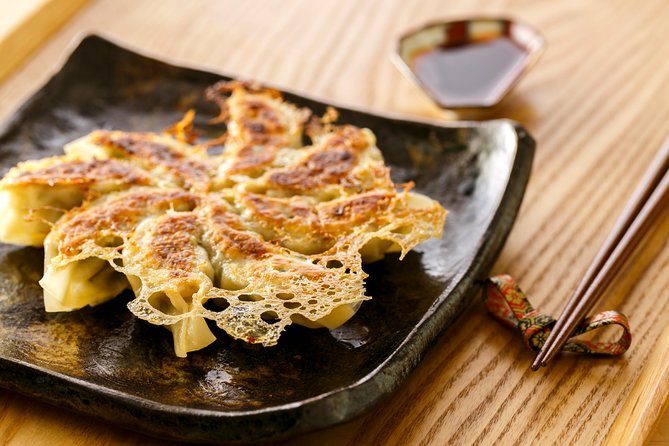
The gyoza portion adds the most tactile fun. You work with minced pork, vegetables, and wrappers, then shape the dumplings by hand.
Gyoza folding is easy to understand but takes a little practice. That makes it a good group activity. Children can take part, and families have used this section to keep younger participants involved while the ramen ingredients cook. The class details specifically note that families with children aged nine, thirteen, and fourteen enjoyed the process.
The point is not to produce identical restaurant dumplings. It is to learn the basic method and enjoy the small satisfaction of making food with your hands. YUCa guides the group through the steps, and her patient approach helps people who have never made dumplings before.
You may also appreciate the balance between cooking and conversation. Because the class takes place in a home kitchen, you are sharing the process rather than working alone at an individual station. That creates a social rhythm, although it also means you may need to wait your turn for certain equipment or preparation steps.
More Hands-On Workshops in Tokyo:
- Tokyo Sushi Making Class in Tsukiji with Professional Chef
★ 5.0 · 1,177 reviews - Tokyo: Tsukiji Fish Market Sushi Making Class with Pro Chef
★ 4.9 · 506 reviews - Tokyo Tsukiji Fish Market Tour and Sushi Making Lesson
★ 5.0 · 390 reviews - Tokyo: Sushi Making Class
★ 4.9 · 390 reviews
Eating the ramen and gyoza you made
The reward comes at the end of the cooking session, when you assemble your ramen and sit down to eat it with the gyoza.
The food receives strong praise, especially the ramen. Several people said they were eager to make it regularly at home, and families described the finished meal as delicious. One practical point is worth noting: at least one person found the portions a little small. If you arrive very hungry, treat the meal as a satisfying class lunch rather than an enormous restaurant serving.
Eating your own work also gives the class a clear purpose. You can taste how the seasoning, vegetables, meat, noodles, and dumplings come together, then ask YUCa what you could change at home. That kind of immediate tasting is more useful than simply receiving a recipe card.
The class has an informal, shared-table quality. You get to know the other participants while eating, which can be a pleasant bonus if you are traveling alone or want a break from sightseeing. It is less suited to someone who wants a quiet, private meal.
The optional supermarket visit in Nishiogu
From 12:30 to 1:00 p.m., an optional local supermarket visit may follow the class. This is one of the most useful parts for anyone hoping to continue Japanese cooking after returning home.
At a supermarket, ingredients can be confusing. Packaging may be unfamiliar, labels may be in Japanese, and several products can look similar. A short visit with YUCa lets you ask what to buy and how local shoppers use different ingredients. The visit can also show you a less tourist-focused part of Tokyo.
The word optional is crucial. The supermarket tour is not included in every actual class outcome, and the supplied information includes a few instances where people expected it but did not receive it. In one case, a participant had to hurry back to a hotel because of a family illness, and YUCa explained that the visit was skipped for that reason. Other class participants also noted that the supermarket portion did not happen.
If the store visit is the main reason you are booking, confirm its availability before paying and again at the start of the class. If it is available, it adds real value. If it is not, the core cooking lesson still runs for about two hours and includes the meal, but you should not treat the supermarket visit as guaranteed.
Why the Arakawa location matters
The address in Nishiogu places you in Arakawa City, outside the areas most first-time visitors associate with Tokyo. That requires a little more effort than booking a class in Shibuya or near Tokyo Station, but it gives the morning a different feel.
You can reach the area using public transportation, and the meeting point is listed as being near public transport. Some participants chose to use a taxi or rideshare service, particularly when traveling with family. Allow extra time, since the class starts promptly at 10:00 a.m. and the address is in a residential neighborhood rather than beside a major tourist landmark.
I see the location as part of the value, not merely an inconvenience. You get to pair a food lesson with a glimpse of everyday Tokyo. The tradeoff is simple: if your schedule is packed with sights in western or central Tokyo, the trip to Arakawa and back can take a noticeable part of your morning.
How hands-on is the class?
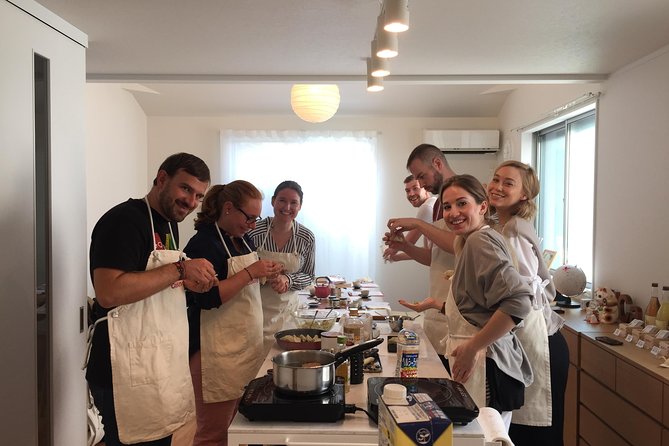
This is the question to ask before booking. The answer is: hands-on in parts, demonstration-based in others.
You participate in making gyoza, assembling ramen, and working with the ingredients. You also receive explanations of Japanese cooking methods and recipes. But the class has one kitchen, and a group of up to seven people cannot all chop, cook, and season simultaneously.
Some people will find the shared format lively and social. Others may prefer a class where every participant has a personal workstation and cooks continuously. If you want a relaxed introduction, this setup should work well. If you already cook professionally or want advanced ramen technique, you may find the class too basic.
The class is strongest for people who want confidence with approachable Japanese food. It is also a good choice for families because the dumpling-making gives children a clear task, while YUCa can keep the group moving.
Price, timing, and what you receive
The listed price is $122.70 per person. That is not cheap for a two-and-a-half-hour activity, but the price covers more than a meal. You receive instruction, food preparation, cultural context, a home-kitchen setting, and the chance to eat what you make.
The value improves if you care about learning recipes you can repeat at home. It also improves if the optional supermarket visit is available, since you can ask practical questions about ingredients that are hard to answer in a restaurant.
The value is weaker if you mainly want a large meal or expect an intensive cooking school. You are paying for a personal food encounter and an introduction to Japanese home cooking, not for unlimited portions or advanced culinary training.
A mobile ticket makes arrival simple, and confirmation is provided at booking. A minimum of two people is required for a booking, and the maximum group size is seven. Dietary requirements should be shared when you book. A vegetarian option is available if requested in advance.
Free cancellation is available up to 24 hours before the start time. Changes or cancellations inside that window are not accepted for a refund, and the activity may be rescheduled or refunded if the minimum number of participants is not met.
Who will enjoy this Tokyo cooking class most?
I would choose this class for:
- Families seeking an activity that works across several age groups.
- Couples who want a shared meal and a quieter neighborhood setting.
- Solo visitors who enjoy meeting a small group over food.
- Beginners who want practical recipes without a demanding culinary course.
- Anyone interested in Japanese supermarkets, ingredients, and everyday home cooking.
- Visitors with enough time to leave central Tokyo and return around lunchtime.
I would think twice if you want a private class, constant individual cooking, generous restaurant-sized portions, or a guaranteed supermarket tour. You should also mention dietary needs early, since the standard class includes minced pork gyoza and meat-based ingredients.
Should you book YUCa’s ramen and gyoza class?
Book it if you want a warm, personal introduction to Japanese food and do not mind sharing a home kitchen. YUCa’s strongest qualities are her welcoming teaching style, clear explanations, and ability to involve beginners and families. The food is the payoff, but the setting and cultural conversation are what make the morning different from simply ordering ramen in a restaurant.
Before booking, confirm the optional supermarket visit if it matters to you. Also keep your expectations realistic about the cooking time: you will make meaningful parts of the meal, but some preparation is demonstrated or measured out for the group.
For most visitors, the class offers good value as a half-day Tokyo activity, especially if you want something personal, edible, and useful after your trip. It is a particularly good pick for families and first-time cooks. Experienced cooks may prefer a more technical class, but for learning approachable ramen and gyoza in a real home setting, this is a strong choice.
FAQ
Where does the ramen and gyoza class take place?
The class takes place at YUCa’s Japanese Cooking, at 2-chōme-34-8 Nishiogu, Arakawa City, Tokyo 116-0011, Japan.
What time does the activity start?
The meeting time is 10:00 a.m.
How long does the cooking class last?
The full activity takes about two and a half hours. The schedule includes a short introduction, cooking and tasting from 10:30 a.m. to 12:30 p.m., and an optional supermarket visit from 12:30 to 1:00 p.m.
What dishes will I make?
You will learn to prepare ramen and gyoza. The gyoza uses minced pork along with vegetables, and the ramen includes noodles, vegetables, meat, and other ingredients.
Is the supermarket visit included?
The supermarket visit is listed as optional and may not take place on every booking. Confirm its availability if this part is important to you.
Is there a vegetarian option?
Yes. A vegetarian option is available, but you need to advise the provider when booking.
How many people can join the class?
The activity has a maximum of seven participants. A minimum of two people per booking is required.
Is the class suitable for children?
The experience information indicates that it is suitable for different ages, and families with children have taken part. The gyoza-making section gives younger participants a practical role.
Can I cancel for a refund?
You can cancel up to 24 hours before the start time for a full refund. Cancellations or changes made less than 24 hours before the activity are not accepted for a refund.
Just added around Tokyo
- Ramen Making from Scratch with Tokyo Mom(Vegan Option Available)★ 5.0 · 39 reviews
- Shibuya Tokyo: Sushi Making Class (Vegan/Vegetarian/Halal)★ 4.7 · 29 reviews
- Ramen & Dumpling Cooking in Tokyo with Chef/Vegan possible★ 5.0 · 107 reviews
- Tokyo Haneda: Bento & Ramen Gyoza Cooking Class in a Local home★ 5.0 · 9 reviews
- Hands-on Japanese Cooking in a Shinjuku Home Kitchen with Satoru★ 5.0 · 19 reviews
- Private Home Cooking in Yanaka – Local Flavors in a Warm Setting★ 5.0 · 173 reviews
- Japanese Home Cooking Class & Walk in Todoroki Temple Tokyo★ 5.0 · 88 reviews
- Sushi-Making Experience at ’Activity Maison Kissako’★ 5.0 · 197 reviews
Japanese & Sushi Cooking Classes, compared.
Sushi Making Tokyo Roll and Authentic Japanese Sushi Class
Read our review →
Tokyo: Roll and Authentic Sushi Making Class in Asakusa
Read our review →
Ramen Cooking Class at Ramen Factory in Kyoto
Read our review →
Tokyo: Sushi Making Class in a Happi Coat near a Famous Spot
Read our review →
Sushi Making Tokyo! Popular Maki Sushi & Japanese Sushi(+Recipe!)
Read our review →
Sushi Making Osaka Roll and Authentic Japanese Sushi Class
Read our review →
Tokyo Sushi Making Class in Tsukiji with Professional Chef
Read our review →
Tsukiji Fish Market Guided Tour and Sushi Making with Pro Chef
Read our review →Browse the lists this tour appears in