
Review · TOKYO
Tokyo Sushi Making Class in Tsukiji with Professional Chef
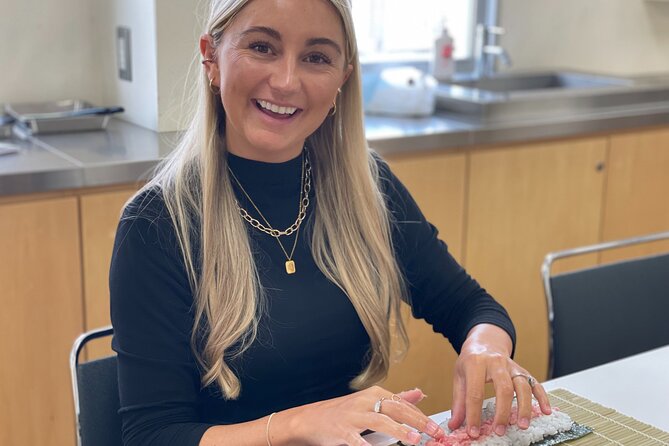
The most interesting part of this Tsukiji class is the fish-cutting demonstration. Before you touch the rice, a professional sushi chef shows how fish is prepared for sushi and explains the Japanese knives used for the job. You then make five kinds of nigiri and one rolled sushi in a small traditional building near the market.
I like the hands-on format and the fact that your finished sushi becomes lunch, not just a cooking exercise. I also like the English support: hosts such as Yuko, Yugo, Kanon, and Emma have helped explain the chef’s lessons clearly while keeping the mood relaxed and family-friendly.
The main consideration is the short schedule. At about 90 minutes, this is an introduction rather than a full cooking course, and the classroom is on the third floor with no elevator. You should also tell the operator about allergies before booking, since halal and kosher requests cannot be accommodated.
Key points at a glance
- Watch a professional fish-cutting demonstration before preparing your own sushi.
- Make five different nigiri and one rolled sushi, with the chef guiding you step by step.
- Eat the sushi you prepare, with additional expertly prepared sushi and fresh wasabi.
- Meet in Tsukiji, close to the outer market, fish market area, and public transportation.
- Learn in English, with a host assisting the sushi master throughout the class.
- Plan for stairs, since the traditional classroom is on the third floor.
Fish preparation comes first in Tsukiji
This experience begins in the Tsukiji area, where the setting does much of the work. Tsukiji remains one of Tokyo’s best places to browse seafood, snacks, kitchen goods, and small food shops, even though the wholesale tuna auctions moved to Toyosu. The class takes place near the Tsukiji Outer Market, in a local Japanese-style building away from the main street noise.
You make your own way to the meeting point at 4-16-2 Tsukiji, in Chuo City. The tour finishes there as well, so you are free to continue exploring the market, find lunch elsewhere, or return to your hotel by public transportation.
Inside the classroom, the sushi master begins with a fish disassembly demonstration. This is more than a quick cooking trick. You see how a large piece of fish is handled before it becomes a neat slice for nigiri, and you learn why the chef’s knife matters so much.
The explanation also gives you a better sense of what sushi preparation involves. The clean pieces served at a sushi counter are the result of careful cutting, portioning, and timing. Seeing those steps before making sushi yourself helps you understand why skilled sushi chefs train for years.
You will not be expected to handle the knife like a professional. The chef demonstrates the difficult work, then shifts attention to the parts beginners can safely and successfully practice.
More Sushi and Japanese Classes in Tokyo:
- Sushi Making Tokyo Roll and Authentic Japanese Sushi Class
★ 5.0 · 3,971 reviews - Tokyo: Roll and Authentic Sushi Making Class in Asakusa
★ 4.9 · 1,957 reviews - Tokyo: Sushi Making Class in a Happi Coat near a Famous Spot
★ 4.9 · 1,377 reviews
Learning nigiri and rolled sushi
The class covers two basic forms. Nigiri is the familiar hand-formed sushi made with rice and a slice of fish or another topping. Rolled sushi, or maki, combines rice and fillings wrapped in seaweed and cut into pieces.
The chef explains how to prepare the rice, how much to use, and how to shape it without crushing it. That sounds simple until you try it. Rice that is too loose falls apart, while rice pressed too firmly loses the light texture you want.
You then make five different nigiri sushi and one rolled sushi. The exact fish and other ingredients can vary, but the ingredients are fresh and sourced through the market. Proper utensils and tableware are provided, so you do not need to bring cooking equipment.
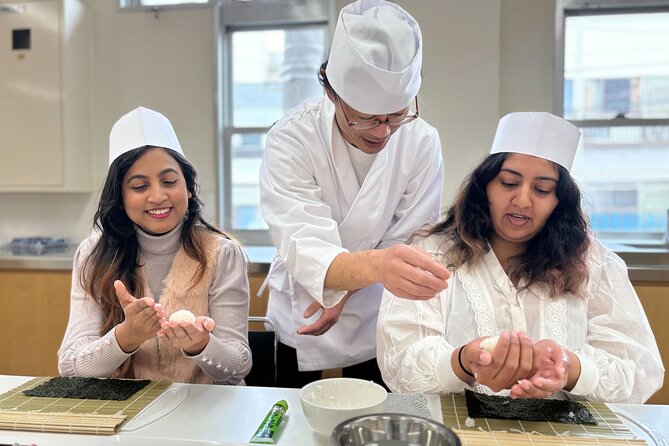
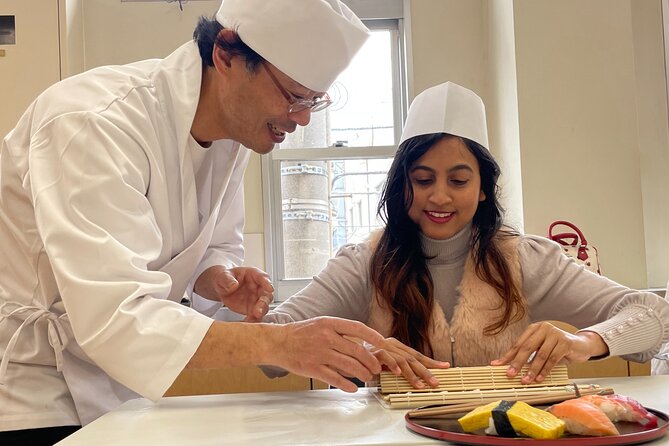
This is a guided class, not a demonstration where you sit and watch someone else do everything. The chef shows each stage, and the host translates or explains it in English. Staff members help when your rice shape goes astray or your roll needs a little rescue.
That support matters for first-time sushi makers. You can make something that looks presentable without feeling rushed or embarrassed. The aim is to teach the basic motions and let you enjoy the process, not test you against a sushi apprentice.
The class also covers different types of sushi and the place of sushi in Japanese food culture. Several sessions have included explanations of sushi’s origins in Edo, the old name for Tokyo. That historical context is brief, but it gives the meal a little more meaning than simply assembling ingredients.
What you actually eat at the end
Your lunch consists of the sushi you prepare: five nigiri and one rolled sushi. That is a useful amount for a short morning or midday activity, though you should not expect a large restaurant-style feast.
The chef also prepares another piece of sushi and serves fresh wasabi. This lets you compare your own work with the professional version while you eat. It is a good teaching moment, especially when you notice differences in rice shape, topping placement, or portion size.
Arrive with some appetite. The sushi is both the lesson and the meal, and eating what you have just made is one of the strongest parts of the experience. For children and hesitant sushi eaters, making the food themselves can make unfamiliar ingredients feel less intimidating.
Several families have used the class as a way to introduce children to sushi and sashimi. Kids from about seven to twelve have taken part, and the hands-on format gives them something to do at every stage. The class is not described as a children-only activity, though, so adults who want a practical food experience should enjoy it just as much.
If you already eat sushi often, the appeal is different. You are unlikely to leave as a professional chef, but you will gain a clearer understanding of the work behind a sushi counter. You also get a fresh meal and a story to remember each time you attempt maki at home.
The English-speaking team makes the lesson easy to follow
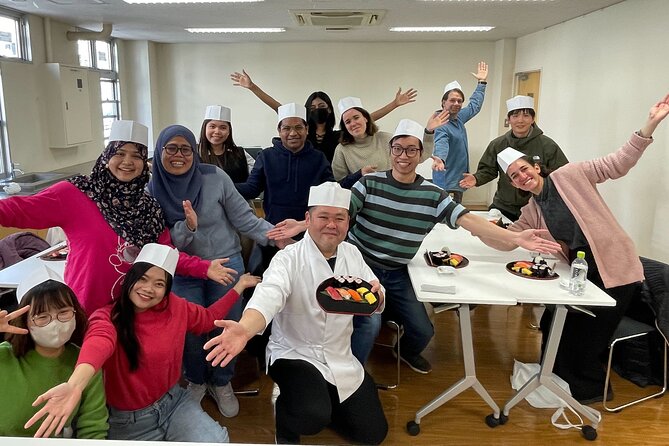
The experience uses an English-speaking host alongside the professional sushi chef. That arrangement is important because the chef can focus on the craft while the host makes sure instructions, cultural notes, and questions are clear.
The staff has included hosts and chefs named Yuko, Yugo, Kate, Tanaka, Kanon, Emma, AJ, Nao, Miky, and Ishi. The specific team depends on the session, but the recurring pattern is a chef leading the practical work and a host helping with translation and group support.
Names matter here because the class is personal rather than anonymous. Participants have received help with dietary concerns, rolling technique, shaping rice, and taking photographs of the finished sushi. The tone appears friendly without turning the class into a staged performance.
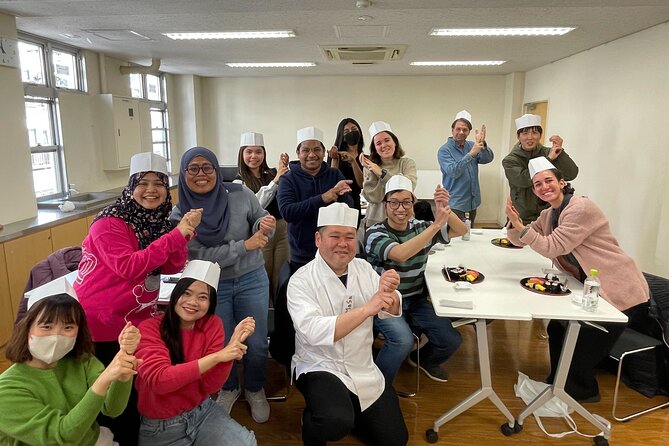
Group size can reach 20 people. That is not a private lesson, so you should expect other people at the counter or tables. Even so, the traditional classroom setting and hands-on structure give you regular contact with the instructor. If you want a quiet one-on-one lesson, this is not the right format.
For families, couples, and small groups, the shared setting can work well. You get to watch other beginners attempt the same steps, and the occasional imperfect roll is part of the fun.
More Hands-On Workshops in Tokyo:
- Ramen & Gyoza Cooking Class in Tokyo with Local Supermarket Visit
★ 5.0 · 823 reviews - Tokyo: Tsukiji Fish Market Sushi Making Class with Pro Chef
★ 4.9 · 506 reviews - Tokyo Tsukiji Fish Market Tour and Sushi Making Lesson
★ 5.0 · 390 reviews - Tokyo: Sushi Making Class
★ 4.9 · 390 reviews
Exploring Tsukiji before or after class
The listed route includes the Tsukiji Fish Market, Tsukiji Jogai Market, and Tsukiji Nippon Fish Port Market. These names point you toward the surrounding market district rather than a long guided walking tour with several distant stops.
You should allow time before or after the class to explore the area on your own. The outer market is especially useful for browsing food stalls, seafood shops, kitchen knives, and Japanese cooking tools. The class itself does not include transportation between attractions or hotel pickup, so plan your market visit around the fixed meeting point.
The market location also improves the food lesson. Ingredients are sourced from the area, and you are learning about sushi in the part of Tokyo most closely associated with its fish trade and food culture. The setting feels more connected to the meal than a generic cooking studio elsewhere in the city.
There is one practical catch: the class takes place on the third floor of a traditional building and the only access is by stairs. If stairs are difficult for you, ask before booking. The operator can try to accommodate some allergy-related needs, but requests are not guaranteed.
Is the 90-minute length enough?
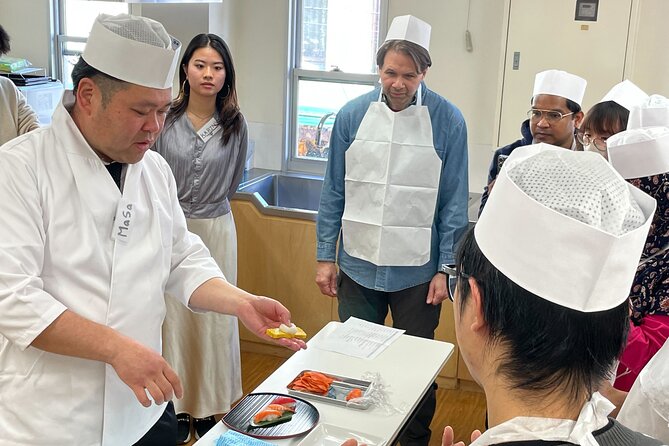
For a first lesson, I think the timing works. You get a chef demonstration, an explanation of sushi types and ingredients, hands-on practice, and a meal without giving up half a day in Tokyo.
The short length also makes this easy to fit between sightseeing plans. You can schedule it around a visit to the outer market, Ginza, or other central Tokyo attractions. Since the activity begins and ends at the same Tsukiji meeting point, the logistics are simple once you arrive.
Still, do not book it expecting a detailed professional course. There is limited time to discuss rice seasoning, fish selection, knife sharpening, food safety, and the many regional styles of sushi. Those topics may come up in explanation, but the main goal is to teach you the basic preparation of nigiri and maki.
The class may run beyond its scheduled end time. If you have a train, restaurant reservation, or timed attraction immediately afterward, leave a cushion. Tokyo rewards a flexible schedule, especially when food and instruction are involved.
Is the $49.74 price good value?
At $49.74 per person, the price covers more than a meal. You receive instruction from a professional sushi chef, an English-speaking host, fresh ingredients, utensils, tableware, and six pieces or portions of sushi that you prepare yourself.
The value depends on what you want from a food activity. If you only want to eat inexpensive sushi, Tsukiji offers other options. If you want an expert lesson lasting several hours, this class may feel too brief. But for a compact cultural activity that includes lunch, the price is reasonable.
I especially like that the class does not add the usual complication of finding a separate restaurant afterward. Your meal is built into the experience, and the food is tied directly to what you learned.
Hotel pickup, transportation, extra food, and drinks are not included. You also need to reach the meeting point yourself. That is easy to manage because the location is near public transportation, but include local transit in your Tokyo budget.
Free cancellation is available if you cancel at least 24 hours before the start time. Changes or cancellations made less than 24 hours before the activity are not accepted for a refund.
Who should book this class?
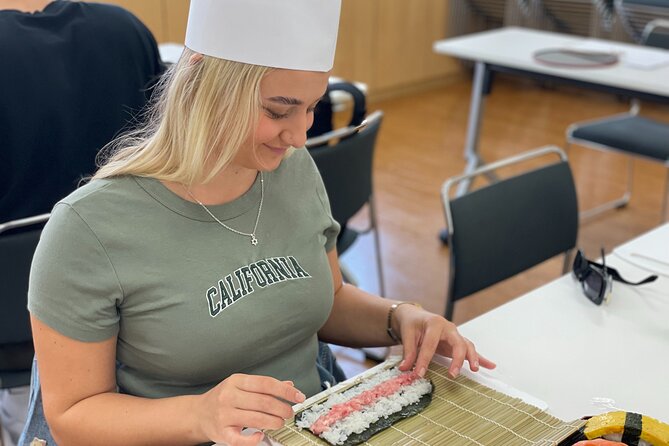
I would recommend it most strongly to first-time sushi makers, food-focused visitors, couples, and families with children who can manage the stairs. It is also a good rainy-day activity because the main lesson takes place indoors and does not depend on sightseeing weather.
You do not need prior cooking experience. Several people have used the class as their first attempt at sushi, and the staff provides close help. You also do not need to be a sushi expert. In fact, someone who has eaten little sushi may get the biggest change in perspective from learning what goes into each piece.
The class suits an active schedule. At 90 minutes, it gives you a distinct Tokyo experience without taking over your day. Pair it with time in the Tsukiji Outer Market before or afterward, but do not assume the class includes a full guided market tour.
I would hesitate to recommend it to anyone seeking a private lesson, a large meal, or a fully accessible classroom. The group may include up to 20 people, the room is reached by stairs, and the operator cannot accommodate halal or kosher requests. Allergy requests should be sent before booking, and accommodation may not be possible.
Final verdict: book it if you want to make your lunch
You should book this Tsukiji sushi class if you want more than a plate of sushi and less than a full-day cooking school. The fish-cutting demonstration, English instruction, fresh market ingredients, and chance to eat five nigiri and one roll make the experience feel useful as well as fun.
I would choose it for a family day, a rainy morning, or a first visit to Tokyo when you want a small cultural activity with a clear payoff. Leave room in your schedule, bring an appetite, and be ready for stairs. If those conditions suit you, $49.74 buys a pleasant introduction to sushi that you can try again at home.
FAQ
How long does the Tokyo sushi-making class last?
The class lasts approximately 1 hour and 30 minutes. It may run beyond the scheduled ending time, so avoid booking an immediate appointment afterward.
Where does the class meet?
The meeting point is at 千社額棟 4-16-2 Tsukiji, Chuo City, Tokyo 104-0045, Japan. The activity ends back at the same meeting point.
What sushi will I make?
You will make five different nigiri sushi and one rolled sushi. You will then eat the sushi you prepare.
Is the class taught in English?
Yes. An English-speaking host assists the professional sushi master and helps explain the instructions.
Is hotel pickup included?
No. You must make your own way to the Tsukiji meeting point. Hotel pickup, drop-off, and transportation to or from attractions are not included.
Can the class accommodate dietary restrictions?
You should report allergies when making your reservation. The operator will try to accommodate allergy-related requests, but this may not be possible. Halal and kosher requests cannot be accommodated.
Just added around Tokyo
- Ramen Making from Scratch with Tokyo Mom(Vegan Option Available)★ 5.0 · 39 reviews
- Shibuya Tokyo: Sushi Making Class (Vegan/Vegetarian/Halal)★ 4.7 · 29 reviews
- Ramen & Dumpling Cooking in Tokyo with Chef/Vegan possible★ 5.0 · 107 reviews
- Tokyo Haneda: Bento & Ramen Gyoza Cooking Class in a Local home★ 5.0 · 9 reviews
- Hands-on Japanese Cooking in a Shinjuku Home Kitchen with Satoru★ 5.0 · 19 reviews
- Japanese Home Cooking Class & Walk in Todoroki Temple Tokyo★ 5.0 · 88 reviews
- Private Home Cooking in Yanaka – Local Flavors in a Warm Setting★ 5.0 · 173 reviews
- Sushi-Making Experience at ’Activity Maison Kissako’★ 5.0 · 197 reviews
Japanese & Sushi Cooking Classes, compared.
Sushi Making Tokyo Roll and Authentic Japanese Sushi Class
Read our review →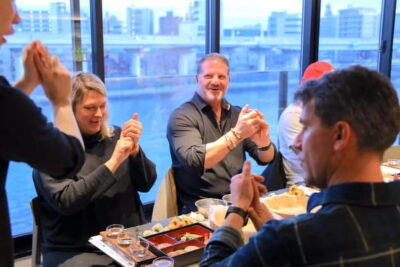
Tokyo: Roll and Authentic Sushi Making Class in Asakusa
Read our review →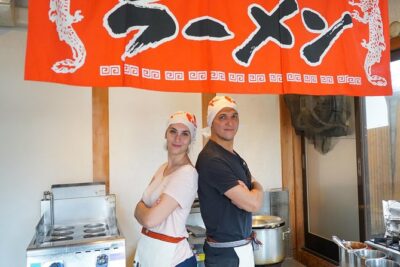
Ramen Cooking Class at Ramen Factory in Kyoto
Read our review →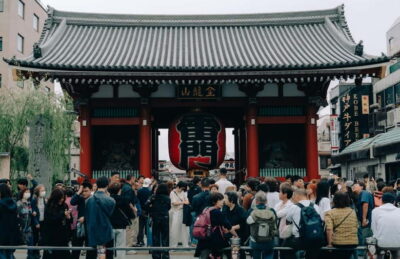
Tokyo: Sushi Making Class in a Happi Coat near a Famous Spot
Read our review →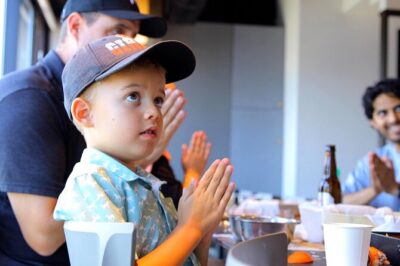
Sushi Making Tokyo! Popular Maki Sushi & Japanese Sushi(+Recipe!)
Read our review →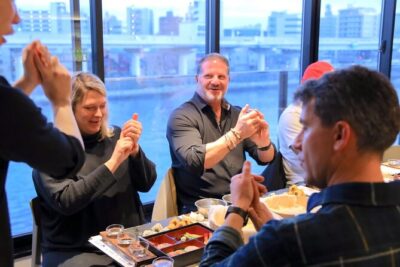
Sushi Making Osaka Roll and Authentic Japanese Sushi Class
Read our review →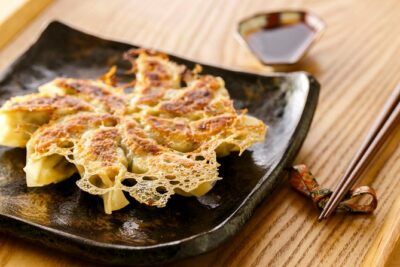
Ramen & Gyoza Cooking Class in Tokyo with Local Supermarket Visit
Read our review →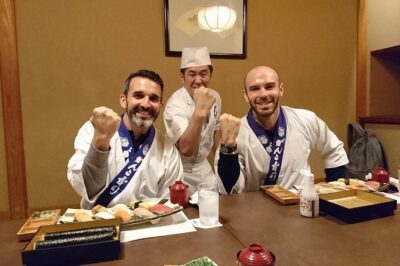
Tsukiji Fish Market Guided Tour and Sushi Making with Pro Chef
Read our review →Browse the lists this tour appears in