
Review · UBUD
PRIVATE Authentic Balinese Cooking Class in Ubud at Putu’s Home
The best part of this Ubud experience happens before the first chop. Putu welcomes you into her family compound, shows you the home temple and gardens, then leads you into an outdoor kitchen where much of the meal comes from the surrounding farm. You cook in a real family home, not a polished school built for tourists.
I like the personal scale and the food itself. You get private attention from Putu, her husband, and sometimes other family members, while fresh spices, vegetables, fruit, rice, and other ingredients give the meal a clear link to the land. The main consideration is location: some pickups take about 40 minutes from central Ubud, so do not schedule a tight activity afterward.
Key points to know before booking
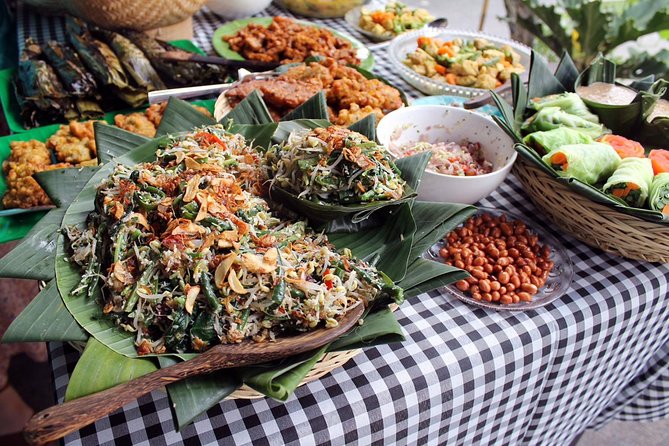
- Putu teaches five seasonal Balinese dishes, with the menu shaped by what is fresh and available.
- The class takes place in a traditional family compound, including a home temple, garden, and farm areas.
- Your three-hour visit includes transport from a Ubud hotel, lunch or dinner, drinks, and gratuities.
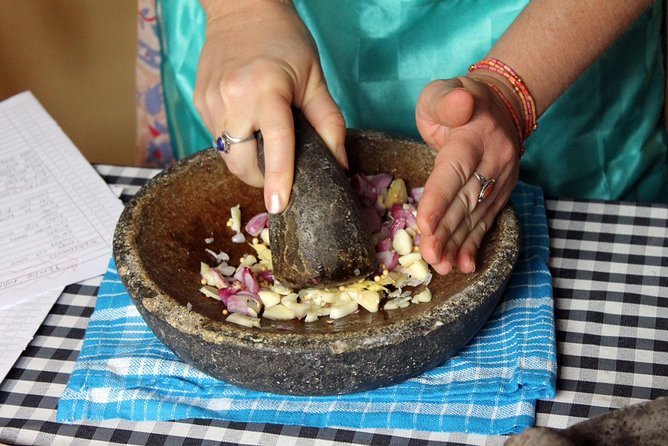
- You prepare the food by hand, using methods such as grinding spices, chopping with small cleavers, grilling, and steaming rice.
- Vegetarian and vegan menus are available, but you need to request them when booking.
- The private format suits families and mixed-age groups, with past groups ranging from children to adults in their 80s.
Arriving at Putu’s family compound near Ubud
Your visit begins with pickup from your Ubud hotel and a drive into Putu’s ancestral village. The exact setting varies with traffic and your hotel, but you should allow plenty of time. One account places the drive at roughly 40 minutes from Ubud Center, a useful warning if you have evening plans or a flight to catch.
The distance is part of the point. This is not a cooking demonstration tucked into the middle of Ubud’s restaurant strip. You are taken toward a quieter family property with gardens, fruit trees, farm plots, and the working parts of a Balinese household.
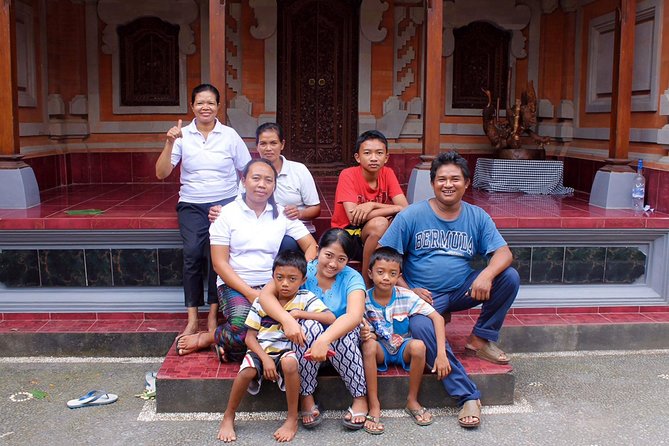
Putu and her family welcome you at the compound. Before cooking, she explains how the traditional home is arranged and points out the family temple, living areas, and garden. This opening tour gives the class its cultural shape. You are not simply learning how to make sambal or curry. You are seeing where food, worship, family life, and farming meet.
Putu’s husband, Pasta, helps with the hosting and transport, and other family members may join the activity. The tone is friendly and informal. Putu is also known for her humor, patience, and clear English, which matters when she is explaining unfamiliar spices or showing you a technique that takes more feel than measurement.
More Balinese Cooking Classes in Indonesia:
- Ubud: Balinese Cooking Class at an Organic Farm
★ 5.0 · 1,786 reviews - Ubud Cooking Class Bali with Balinese Chef
★ 5.0 · 1,609 reviews - Balinese Ubud cooking school (9 Dish Cooking and Market Tour)
★ 5.0 · 540 reviews
Touring the garden, temple, and family farm
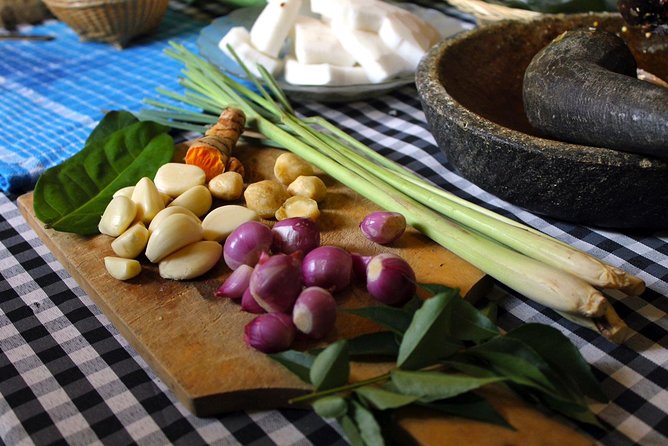
The garden tour is one of the strongest parts of the experience. Putu points out the ingredients used in the meal, and some produce is picked fresh for your cooking. Depending on the season, you might see fruit, vegetables, herbs, spices, rice, and animals cared for by the family.
The farm is maintained by Putu’s grandparents, who are rice farmers. That makes the rice served with your meal more than a side dish. It connects your lunch or dinner to the family’s work and to the farming traditions that still support many Balinese households.
You also learn about traditional Balinese medicines and the uses of local plants. Putu explains ingredients not only as flavor builders, but also in relation to everyday health and family practice. This is a useful contrast to a standard recipe class, where ingredients often appear in bowls with no story attached.
The home temple is another important stop. Putu explains the role of the different spaces in a Balinese Hindu household and may discuss ceremonies taking place during your visit. You should treat this as a living place of worship rather than a decorative attraction. Dress and behavior should be respectful, and follow Putu’s guidance.
Cooking five dishes with fresh Balinese ingredients
The hands-on cooking section lasts about 1.5 hours, though the complete experience runs close to three hours. You prepare about five dishes, with the menu changing by season. Possible dishes include grilled fish, curry, satay, and banana leaf parcels, along with other Balinese sides and sauces.
The work is practical. You may chop ingredients on wooden blocks with small cleavers, grind spice mixtures by hand, adjust chili, grill food, and steam rice. Some cooking takes place in a simple outdoor kitchen with a two-burner cooktop. One class used a wood-burning stove for the rice, giving the meal an old-fashioned cooking method that you will not find in every organized lesson.
Do not expect a restaurant kitchen or a formal culinary school setup. The equipment is straightforward, and the cooking area is part of the family compound. That simplicity is a strength if you want to understand how a household meal is actually made, though anyone expecting professional workstations may find it basic.
Putu guides each step and adjusts her help to the group. She has taught people with different cooking abilities, from beginners to more confident home cooks. Children can take part, too, with adults handling any tasks that need extra care. For a family group, this shared work is more engaging than watching a chef do everything.
The class also gives you room to control the heat. If you like chili, you can ask for more. If you prefer a gentler meal, Putu can adjust the spice level. Tell her about allergies, dietary restrictions, or cooking preferences when you reserve, rather than waiting until you arrive.
What the meal is like after the class
Once the cooking is done, you sit down to eat what you prepared. The meal is served with homegrown rice and accompanied by nonalcoholic drinks plus one or two glasses of local alcohol.
This is the moment when the separate lessons make sense. The vegetables came from the garden, the spices were mixed by hand, the rice reflects the family farm, and the food was cooked with methods Putu has used in her own home. You get a proper Balinese meal, not just a small tasting plate.
The menu is substantial enough that some groups have had leftovers packed to take away. That is useful after a long afternoon, though you should not count on leftovers as a guaranteed part of the booking. The included recipe book or recipes shared after class are a welcome bonus for anyone who wants to repeat the dishes at home.
The food receives the strongest praise for good reason. Fresh ingredients and careful spice combinations do much of the work, but Putu’s teaching helps you understand why the flavors fit together. You leave with more than a full stomach. You have a workable sense of how to build a Balinese dish from aromatics, chili, herbs, and spices.
More Hands-On Workshops in Indonesia:
- From Ubud: Authentic Cooking Class in a Local Village
★ 4.9 · 1,325 reviews - Ubud: Cooking Class with Transfers and Optional Market Visit
★ 4.9 · 824 reviews - Ubud: Balinese Cooking Class and Market Tour
★ 4.8 · 531 reviews - Seminyak: Balinese Cooking Class & Market Tour
★ 4.9 · 458 reviews
Lunch or dinner: which session works best?
You can choose a lunch or dinner class. A lunch visit gives you daylight for the garden and farm tour, which may help if seeing the compound is your top priority. It also fits travelers who want an afternoon free for other Ubud activities.
The dinner option has its own appeal. The outdoor kitchen is lit after sunset, and the cooking becomes a relaxed evening activity. It works well for a night when you want something more personal than another restaurant meal.
The main practical issue is timing. Pickup, the garden and home tour, cooking, and the shared meal together take around three hours, and the drive back adds more time. Dinner guests should avoid booking a show or fixed reservation immediately afterward. Pickup is arranged through your hotel details, and WhatsApp is used for communication, so having the app available is a sensible step.
Why the private format matters
This is a private activity, so only your group takes part. That changes the pace. Putu can spend more time helping a nervous cook, explain a question in detail, or give children a manageable task without holding up a large class.
The format also suits groups with different ages and abilities. A family group once included people from age six to 80, and the cooking was arranged so everyone could participate. A couple or three friends can expect a more focused lesson, while a larger family group gets a shared activity that does not require everyone to sit still.
Private does not mean formal or luxury. You are entering a working family home, and the kitchen is simple. The reward is contact with everyday Balinese life. If you want polished counters, printed measurements, and a chef in uniform, choose a purpose-built cooking school instead.
Price and overall value at $75
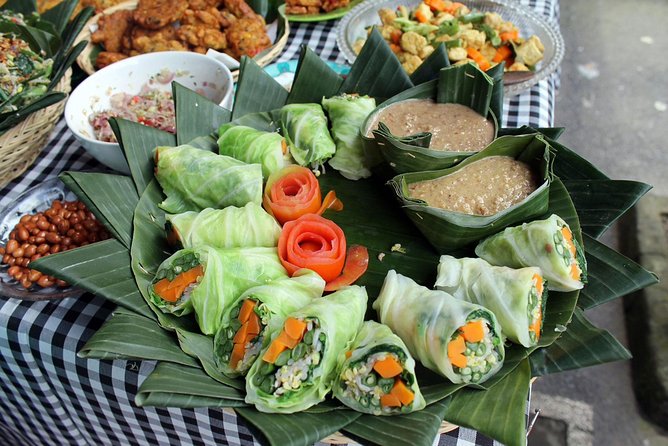
At $75 per person, the price is not just paying for a meal. It covers a private cooking lesson, a home-cooked feast, round-trip pickup from a Ubud hotel, drinks, local alcohol, taxes, fees, and gratuities.
The value is strongest for couples, families, and small groups who want several experiences in one: transport, a garden tour, a home visit, cultural explanation, hands-on cooking, and dinner or lunch. A restaurant meal alone may cost less, but it will not give you the same access to the family compound or the chance to prepare the food yourself.
The price is less compelling if you only want to eat Balinese food or are already taking several cooking classes. It is also worth checking the transport surcharge if you stay outside Ubud. The advertised transfer includes Ubud hotels only, and an extra fee applies from other areas.
I see this as a good value for someone who puts a high price on personal contact and local context. The meal is the payoff, but the garden, temple, family stories, and cooking methods are what make the cost reasonable.
Food restrictions and the seasonal menu
The menu is not fixed, so you should expect some changes based on the season. That is a plus for freshness, but it means you may not cook a particular dish shown in a photo or mentioned in a general description.
Vegetarian and vegan options are available. Send your requirements when booking, along with allergies and any ingredients you avoid. This is especially important in a class built around shared preparation, since Putu needs time to plan substitutions.
Fish, curry, grilled items, banana leaf parcels, and spice-heavy sauces may appear depending on the day. If you have a strong preference, ask in advance rather than assuming the menu will follow a set list.
Who will enjoy this most?
I would choose this experience if you want to meet a local family and understand Balinese food through its ingredients and customs. It is especially well suited to:
- Couples looking for a personal Ubud experience
- Families with children or several generations
- First-time visitors who want context beyond temples and restaurants
- Vegetarian and vegan diners who arrange their menu ahead of time
- Home cooks who want recipes and methods they can repeat
- Anyone who prefers a private activity to a large classroom
You may want to skip it if you have limited time in Ubud, dislike long transfers, or need a tightly timed schedule. The setting is authentic and practical, not designed for luxury. You should also be comfortable entering a family home and following local customs around the temple.
The experience has a near-perfect record of approval, with a 5 rating from 644 reviews and 100 percent recommendation shown in the supplied booking information. That does not remove the usual need to check your pickup point, food needs, and timing, but it does fit the consistent strengths of the activity: Putu’s warmth, the fresh food, the personal teaching, and the chance to see rural family life.
Should you book Putu’s cooking class?
Book it if you want the meal to come with a story. Putu gives you access to her kitchen, garden, temple, family recipes, and farming traditions, then lets you sit down and eat the results. The food is the highlight, but the setting is what you will remember.
Before paying, confirm that your hotel is inside the Ubud pickup area, allow extra time for the drive, and report all dietary needs. If you do those three things, this is one of the better choices near Ubud for a private, hands-on look at Balinese food and family life.
FAQ
How long does the cooking experience last?
The full experience lasts about three hours. The hands-on cooking section lasts about 1.5 hours, followed by the shared meal and other parts of the visit.
Where does the cooking class take place?
The class takes place at Putu’s traditional family compound in her ancestral village near Ubud. The property includes family living areas, a home temple, gardens, and farm areas.
Is transportation included?
Round-trip transportation is included from hotels in Ubud. Pickup from outside Ubud costs extra, so include your hotel name when booking.
How many dishes will I prepare?
You will generally prepare five authentic Balinese dishes. The menu can change with the season and the ingredients available.
Can I choose lunch or dinner?
Yes. The experience is offered as either a lunch or dinner class.
Are vegetarian and vegan menus available?
Yes. Vegetarian and vegan options are available, but you need to request them when booking.
Are drinks included?
Nonalcoholic drinks are included, along with one or two glasses of local alcohol.
What happens if I need to cancel?
You can receive a full refund if you cancel at least 24 hours before the local start time. Cancellations or changes made less than 24 hours before the experience are not refunded or accepted.
Just added around Indonesia
- Nia Balinese Cooking Class★ 5.0 · 202 reviews
- Nia Bali Seminyak Cooking Class★ 5.0 · 127 reviews
- Cooking class in the comfort of your own personal villa. Yes, I’ll come to you!★ 5.0 · 80 reviews
- Balinese Cooking class with traditional morning market visit★ 5.0 · 161 reviews
- Small-Group Farm Tour & Balinese Cooking Class in Ubud with Kadek★ 5.0 · 16 reviews
- Balinese Cooking Class at Organic Farm★ 5.0 · 51 reviews
- From Ubud: Authentic Bali Farm Cooking School & Organic Farm★ 5.0 · 122 reviews
- PRIVATE Balinese Cooking Class in Ubud with Dewa with Transfers★ 5.0 · 213 reviews
Balinese & Indonesian Cooking Classes, compared.
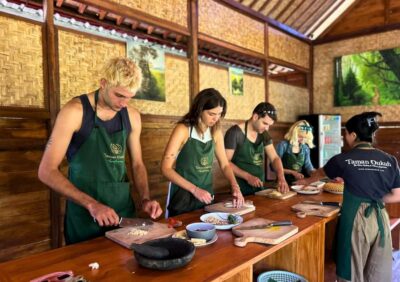
Ubud: Balinese Cooking Class at an Organic Farm
Read our review →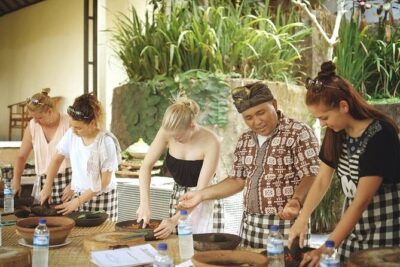
Balinese Ubud cooking school (9 Dish Cooking and Market Tour)
Read our review →
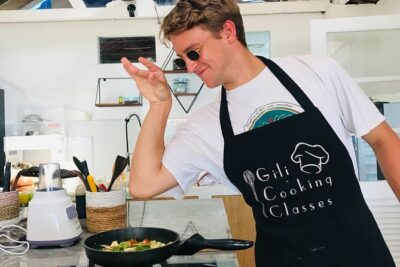
Learn to cook Indonesian food at Gili Cooking Classes Trawangan
Read our review →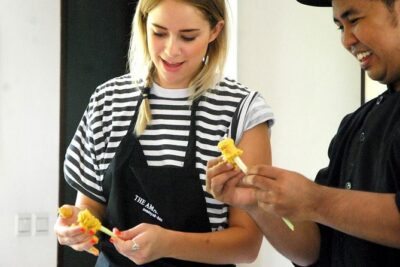
Browse the lists this tour appears in