
Review · JAPANESE & SUSHI
Hiroshima: Okonomiyaki Cooking Class with a Local Chef
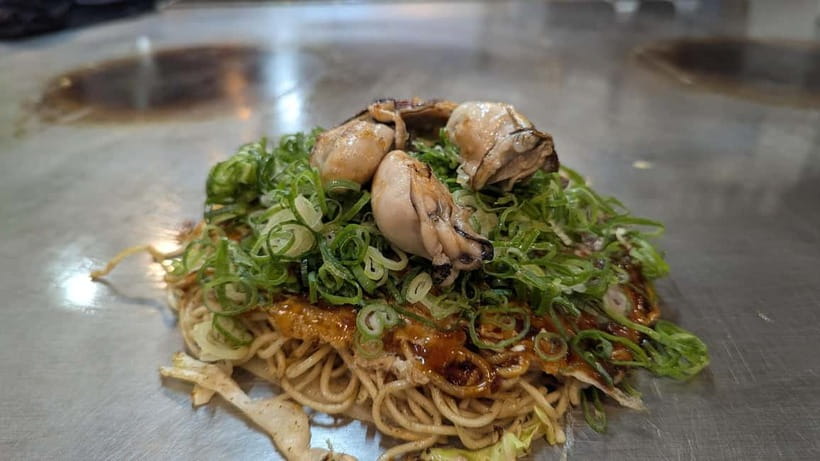
Hiroshima-style okonomiyaki is not a pancake in the usual sense. It is a carefully built stack of batter, cabbage, bean sprouts, noodles, meat or seafood, and a fried egg, cooked layer by layer on a hot griddle. This experience puts you beside the grill with a local chef, so you can see exactly how this generous dish comes together.
I like the small-group setting and the easy mix of food and place. You meet at the fountain beside the Atomic Bomb Dome, ride a local tram, and learn about Hiroshima as you go. I also like that guide Ken translates the chef’s instructions clearly, making the cooking feel friendly rather than intimidating.
The main thing to consider is the restaurant setting. One person found the restaurant unclean, so this is not a polished fine-dining outing. The focus is on local character, hands-on cooking, and a filling meal, not spotless surroundings or luxury service.
Key points to know before booking
- Cook the Hiroshima way: Build your okonomiyaki in layers instead of mixing everything into one batter.
- Meet guide Ken: He provides English guidance and adds local context during the tram ride and meal.
- Choose your filling: Meat, seafood, vegetarian, and gluten-free versions are available, with gluten-free requested in advance.
- Ride a local tram: The included ride connects the Atomic Bomb Dome meeting point with the restaurant.
- Get more than a meal: Your price includes the chef, bilingual guidance, hands-on cooking, one drink, and the tram fare.
- Expect a casual restaurant: This is a real local place, with one less favorable comment about cleanliness.
Why Hiroshima okonomiyaki is worth your time
Food can explain a city in a way a museum label cannot. Hiroshima okonomiyaki tells you about thrift, recovery, local pride, and the pleasure of making a meal stretch a little farther.
The dish took shape in the years after World War II, when simple ingredients needed to feed people well. Its name means grill it how you like, and that flexible spirit still defines it. You can choose meat, seafood, or vegetables, then watch the chef turn separate ingredients into one large, satisfying meal.
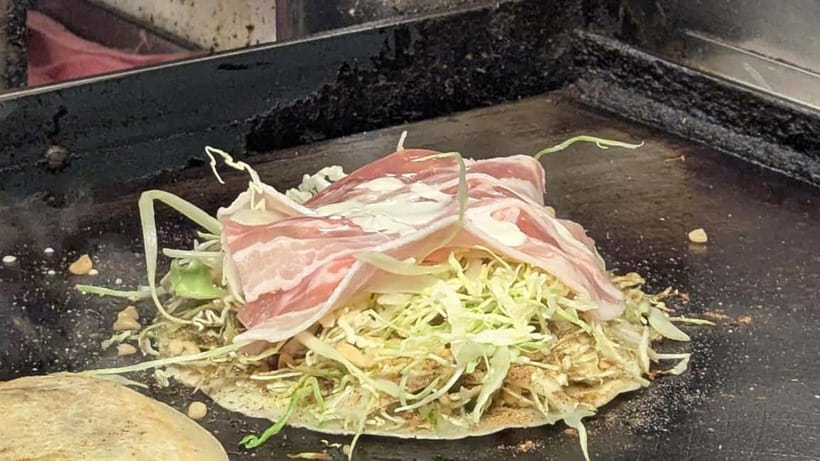
Hiroshima’s version also differs from Osaka’s. Osaka-style okonomiyaki usually mixes the ingredients together before cooking. Hiroshima-style okonomiyaki keeps the ingredients in layers, so you can watch each part cook before the next one is added.
That difference gives this activity its appeal. You are not simply eating a regional dish. You are learning the method that makes it distinct. The cabbage softens, the noodles add weight, the toppings build height, and the egg helps bring the whole thing together.
I like food experiences that explain why a dish matters instead of treating it as a photo opportunity. Here, the history is short and practical, and it leads directly to lunch or dinner on the griddle.
More Sushi and Japanese Classes in Japan:
- Sushi Making Tokyo Roll and Authentic Japanese Sushi Class
★ 5.0 · 3,971 reviews - Tokyo: Roll and Authentic Sushi Making Class in Asakusa
★ 4.9 · 1,957 reviews - Ramen Cooking Class at Ramen Factory in Kyoto
★ 5.0 · 1,937 reviews
Starting beside the Atomic Bomb Dome
The meeting point is the fountain next to the Atomic Bomb Dome in Peace Memorial Park. That makes the activity easy to connect with a visit to Hiroshima’s central memorial sites.
You should allow enough time to find the fountain and arrive ready for the group to leave. The location is specific, but the park contains several landmarks and open spaces, so do not assume you can walk up at the last second and spot the group instantly.
From the fountain, you take a short ride on Hiroshima’s historic tram system. The ride is included, and it gives the experience a useful local rhythm. Instead of teleporting from a major sight to a restaurant, you move through the city as people do every day.
This is a modest part of the activity, but I think it adds real value. Ken can talk about Hiroshima and okonomiyaki during the journey, and one booking included an impromptu look at local landmarks along the way. You get a little orientation before sitting down to eat.
The tram also helps the activity feel connected to Hiroshima rather than pasted onto it. You begin in the city’s most important memorial area, then move into its everyday food culture.
Meeting Ken and getting ready at the grill
The English-speaking guide is Ken. His role is more than pointing you toward the restaurant. He explains Hiroshima and okonomiyaki, translates between you and the chef, and helps keep the cooking relaxed.
Several people specifically praised his clear explanations, friendly personality, and ability to make everyone feel comfortable. One person particularly enjoyed learning about Japanese culture during the ride to the restaurant. That matters because the chef may be focused on cooking, while Ken makes sure you understand what is happening.
At the restaurant, you sit grill-side with a professional okonomiyaki chef. The chef demonstrates the process, and you can cook your own dish with step-by-step help. You do not need to arrive with cooking experience.
If you prefer to watch and eat, you can do that too. The activity allows you to take part at your own pace. That is useful for anyone who likes food but does not want the pressure of performing in front of a chef or group.
The chef’s patience is one of the strongest parts of the experience. You get the fun of trying the technique, but you are not left alone to guess what comes next.
Building the dish layer by layer
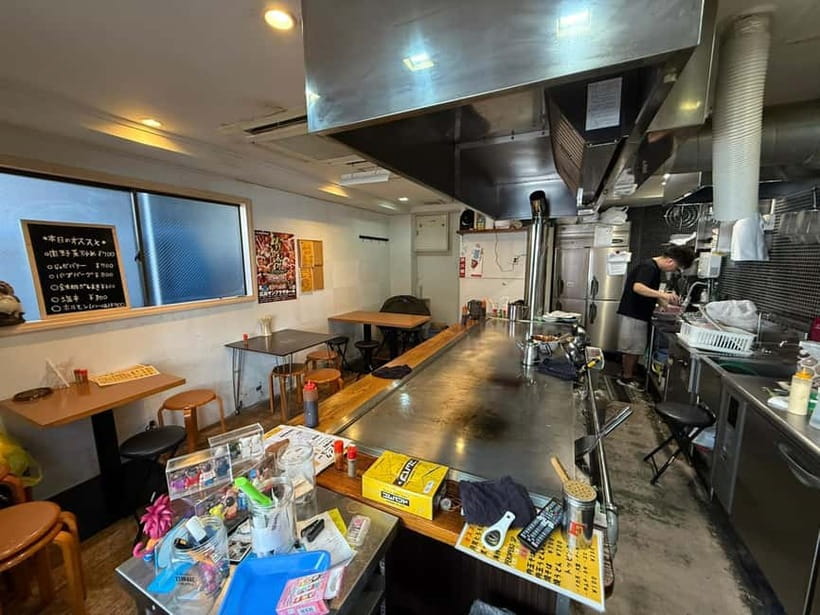
The cooking is the heart of the activity. Hiroshima-style okonomiyaki begins with a thin layer of batter, followed by cabbage and bean sprouts. Noodles, meat or seafood, and a fried egg are added as the dish develops.
You will see why the Hiroshima method takes care and timing. The chef cooks each part in order rather than stirring everything into one bowl. The result is usually larger and more detailed than the Osaka version, and the assembly itself becomes part of the meal.
The process also gives you a better sense of the ingredients. Cabbage brings sweetness and bulk. Bean sprouts add texture. Noodles make the dish filling, while meat or seafood supplies the main savory element. The egg helps finish the stack.
You can choose from four broad versions:
- Meat
- Seafood
- Vegetarian
- Gluten-free, available by request
If you need the gluten-free option, request it before the experience rather than waiting until you sit down. The information confirms that it is available by request, but it does not describe separate preparation areas or guarantee protection from cross-contact. If that matters for your health, ask for clarification before booking.
The one included drink may be alcoholic or non-alcoholic. Additional drinks and food cost extra, so keep that in mind if you are especially hungry or want more than the included serving.
More Hands-On Workshops in Japan:
- Tokyo: Sushi Making Class in a Happi Coat near a Famous Spot
★ 4.9 · 1,377 reviews - Sushi Making Osaka Roll and Authentic Japanese Sushi Class
★ 5.0 · 1,220 reviews - Tokyo Sushi Making Class in Tsukiji with Professional Chef
★ 5.0 · 1,177 reviews - Ramen & Gyoza Cooking Class in Tokyo with Local Supermarket Visit
★ 5.0 · 823 reviews
What the restaurant setting is really like
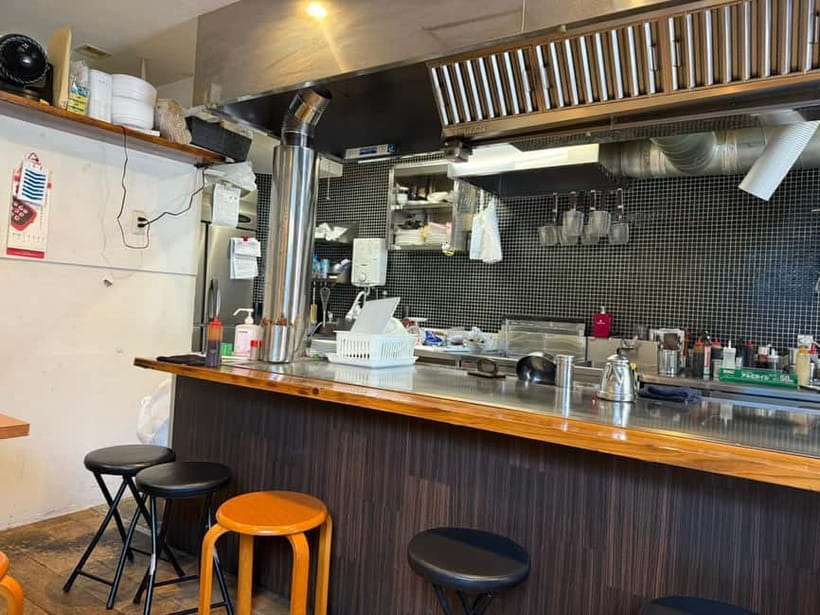
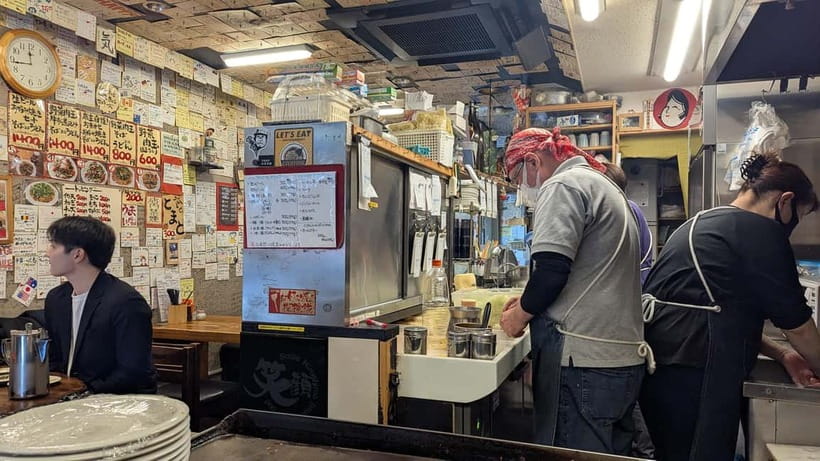
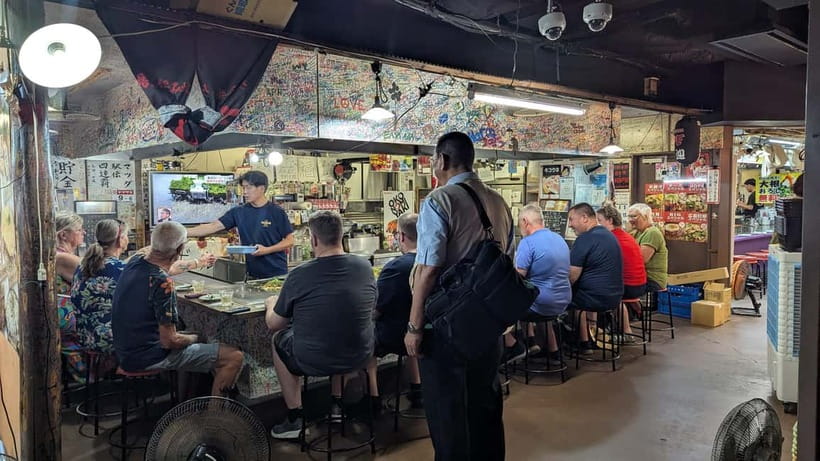
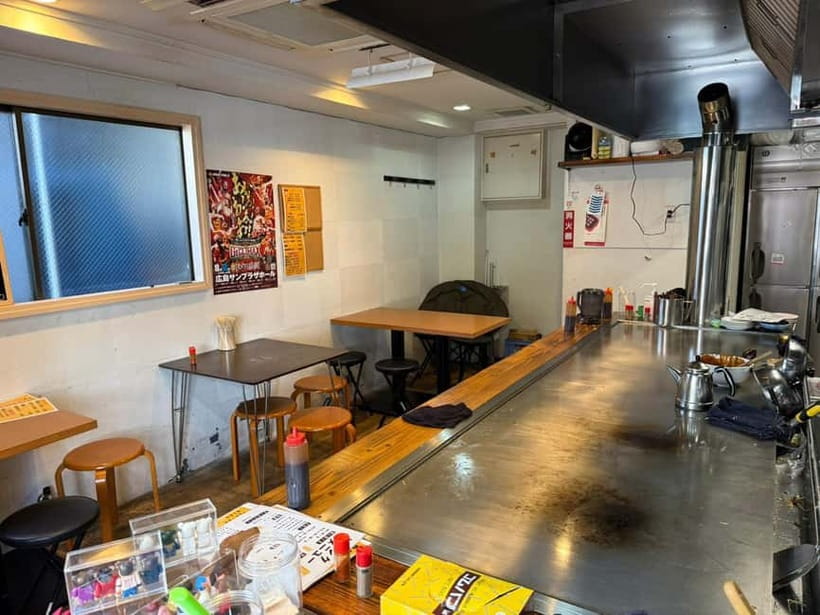
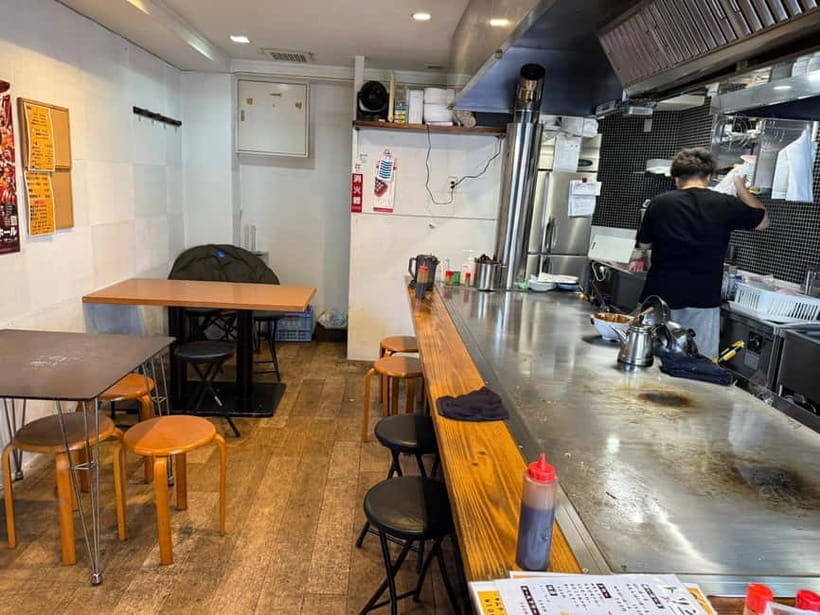
The activity takes place in a local restaurant rather than a staged cooking studio. That is a major part of its appeal. You are eating where okonomiyaki is part of normal Hiroshima food culture, not simply watching a demonstration built for visitors.
A local restaurant can also mean a less polished environment. One person described the restaurant as dirty and unclean, while the other available comments praised the chef, food, and setting. I would treat this as a useful warning rather than a reason to dismiss the experience.
If spotless surroundings and formal service are high on your list, this may not be your best food activity. If you value a casual place, a hot griddle, and a meal made in front of you, the setting may feel more appropriate.
The experience is designed for private or small groups, which helps. A smaller group gives you more access to the chef and makes it easier for Ken to translate questions and instructions. It also reduces the chance that the cooking becomes a distant demonstration.
How much value you get for $56
At $56 per person, this costs more than simply ordering okonomiyaki at a restaurant. The price makes sense only if you want the explanation, transport, and cooking lesson along with the meal.
Your package includes:
- An English-speaking bilingual guide
- A professional okonomiyaki chef
- The cooking experience
- Hands-on preparation of your own okonomiyaki
- One alcoholic or non-alcoholic drink
- A local train or tram ride within Hiroshima
That is a fair bundle for someone who wants a structured introduction to the dish. You are paying for access to a chef, translation, local context, and a small-group format, not just for ingredients.
The value is strongest for first-time visitors to Hiroshima, people who enjoy food history, and anyone who wants an activity that mixes sightseeing with lunch or dinner. It is weaker for you if you already know how to make okonomiyaki, dislike group activities, or only want the cheapest possible meal.
The listed duration ranges from two to six hours, with start times depending on availability. That is a wide range, so check the specific option before booking. The core cooking portion may not fill six hours by itself, but the total schedule can include meeting, tram travel, food, and time around the city.
After the meal, walk back by the river
Once the okonomiyaki is finished, you can enjoy a scenic walk along the river toward the Peace Memorial Park area. This is not presented as a formal guided walk, so you should think of it as a pleasant way to continue your time in Hiroshima rather than a second tour.
If you prefer public transport, Ken can point you to the nearest tram station. That makes the experience easy to connect with another part of your day.
I like this flexible ending. You are not rushed straight into a vehicle after eating, and you are not forced to follow a long post-meal route. You can walk, continue sightseeing, or use the tram system to reach your next stop.
The return route also lets the food settle. A large Hiroshima-style okonomiyaki can be a substantial meal, especially with noodles, egg, and a full serving of cabbage and toppings.
Who will enjoy this most
This suits you if you want to participate rather than sit back. The chef guides you through the cooking, and Ken translates, so the activity works well even if you have never made okonomiyaki.
It is also a good choice for couples, families, and small groups who want a shared meal with a clear local connection. The hands-on format gives everyone something to watch and talk about, while the different filling choices make it easier to accommodate mixed preferences.
Vegetarians have an identified option, and gluten-free cooking is available by request. You should still communicate dietary needs ahead of time because the details about ingredient brands and kitchen separation are not provided.
This is less suitable for someone seeking a formal culinary course. You learn the basic method and cultural background, but the experience is centered on enjoying a regional dish, not earning a cooking certificate or mastering professional technique.
It may also be a poor fit if you expect a spotless, polished restaurant. The uncleanliness complaint is only one assessment among mostly positive feedback, but it is specific enough to take seriously.
Practical details that matter
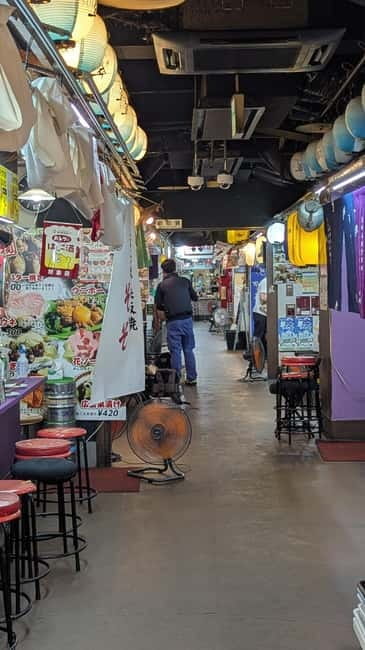
The meeting point is in front of the fountain beside the Atomic Bomb Dome in Peace Memorial Park. The activity is wheelchair accessible, which is helpful for the meeting point, tram ride, and restaurant visit, although you may still want to confirm the exact restaurant arrangements before booking if you need detailed accessibility support.
English guidance is provided. Private and small-group options are available, so check which format you are selecting. A smaller group should give you more time to ask questions and cook with direct help.
You can cancel up to 24 hours in advance for a full refund. Reserve-now, pay-later booking is also available, which can help if your Hiroshima schedule is still changing.
Wear clothes you are comfortable wearing around a hot griddle. The supplied details do not specify protective clothing or a separate cooking station, so you should expect to work close to the restaurant grill.
The experience has a 4.8 rating from 11 reviews. The most consistent praise centers on Ken’s communication, the chef’s patience, the enjoyable cooking, and the quality of the finished dish. The restaurant cleanliness concern is the main reservation to keep in mind.
Should you book this Hiroshima food experience?
Book it if you want a friendly introduction to Hiroshima through one of its signature dishes. The included tram ride, English guidance from Ken, patient chef, drink, and hands-on cooking make $56 reasonable for a food-and-culture activity rather than a basic restaurant meal.
I would especially recommend it for a first visit, a small group, or anyone who wants to understand the difference between Hiroshima and Osaka okonomiyaki. You get a local meal, a little city orientation, and the satisfaction of helping make your own dinner.
Skip it if you want a refined dining room, strict culinary instruction, or complete certainty about a spotless restaurant. For everyone else, this is a useful, tasty way to connect the Atomic Bomb Dome area with the everyday food traditions of Hiroshima.
FAQ
Where does the Hiroshima okonomiyaki experience meet?
You meet in front of the fountain next to the Atomic Bomb Dome in Peace Memorial Park.
Is the guide English-speaking?
Yes. The experience includes a live English-speaking guide. Guide Ken provides explanations and translates the chef’s instructions.
Is transportation included?
Yes. A local train or tram ride within Hiroshima is included. The experience uses Hiroshima’s historic tram system to travel from the meeting point to the restaurant.
What types of okonomiyaki can I choose?
You can choose a meat, seafood, or vegetarian version. A gluten-free option is also available by request.
Can I cook the okonomiyaki myself?
Yes. The chef guides you step by step as you cook your own okonomiyaki. You can also choose to relax and let the chef handle more of the cooking.
Is a drink included?
Yes. One alcoholic or non-alcoholic drink is included. Additional drinks and food are not included.
How long does the experience last?
The listed duration is between two and six hours. Available starting times and the exact duration depend on the option selected.
Can I cancel or pay later?
You can cancel up to 24 hours in advance for a full refund. Reserve-now, pay-later booking is also available.
Just added around Japan
- Kanazawa: Sushi Making Experience at Oumicho Market★ 5.0 · 7 reviews
- Japanese Knife Skills & Tuna Don/Sushi Workshop in Tokyo★ 5.0 · 3 reviews
- Authentic Japanese Cooking Experience at Izakaya restaurant★ 4.2 · 5 reviews
- Gyoza Cooking Class in Kyoto: Traditional Japanese Dumplings★ 5.0 · 12 reviews
- Fujieda: Suisha-mura Traditional Japanese Cooking Experience★ 5.0 · 4 reviews
- Experience Authentic Japanese Home Cooking in Kyoto★ 5.0 · 5 reviews
- Tokyo: Private Japanese Cooking Class with a Local Chef★ 5.0 · 81 reviews
- AKEMI’s SUSHiKiTCHEN: A fun sushi cooking lesson in Tokyo★ 5.0 · 5 reviews
Japanese & Sushi Cooking Classes, compared.
Sushi Making Tokyo Roll and Authentic Japanese Sushi Class
Read our review →
Tokyo: Roll and Authentic Sushi Making Class in Asakusa
Read our review →
Ramen Cooking Class at Ramen Factory in Kyoto
Read our review →
Tokyo: Sushi Making Class in a Happi Coat near a Famous Spot
Read our review →
Sushi Making Tokyo! Popular Maki Sushi & Japanese Sushi(+Recipe!)
Read our review →
Sushi Making Osaka Roll and Authentic Japanese Sushi Class
Read our review →
Tokyo Sushi Making Class in Tsukiji with Professional Chef
Read our review →
Ramen & Gyoza Cooking Class in Tokyo with Local Supermarket Visit
Read our review →Browse the lists this tour appears in