
Review · JAPANESE & SUSHI
Japanese cooking class
The best part of this Japanese cooking class is that it connects food with a small slice of everyday Osaka. You meet near Matsuya-cho Station, stroll an old-fashioned shopping street, then return to a studio to cook and eat Japanese dishes together. I like the local walk and the fact that you do not simply watch a chef work. You take part.
I also like the practical souvenirs: you leave with the recipes used in class, along with gifts based on them. The main drawback is that the exact menu can vary, so you should not book expecting one fixed dish unless the available course clearly specifies it. Personal spending in the shopping district, including drinks and alcohol, is extra.
Key points to know before booking
- Ramen and gyoza are proven menu choices: These dishes have been prepared in class, with families and couples taking part in the cooking.
- The shopping street comes first: A short guided walk adds local context before you enter the cooking studio.
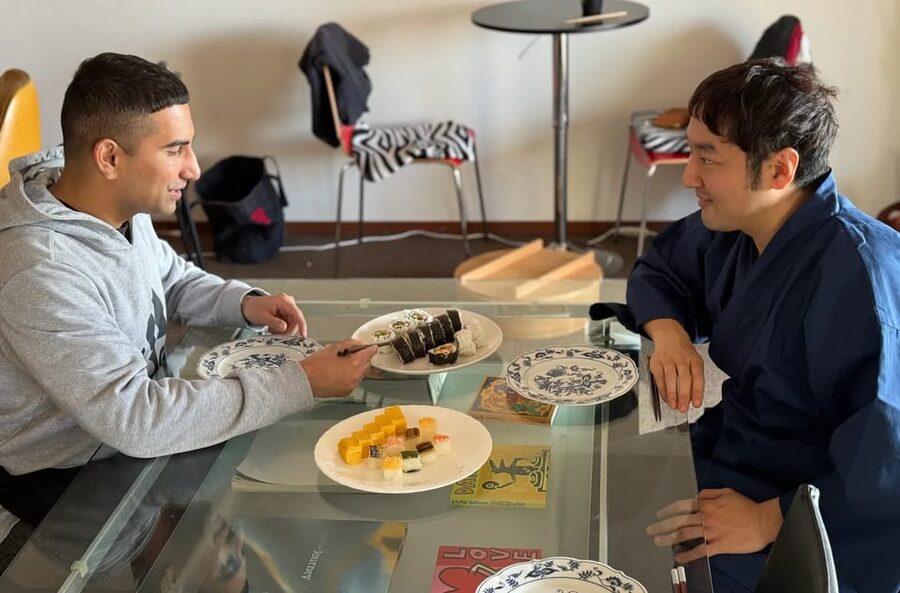
- Shohei and Max have led memorable classes: Shohei teaches in English, Japanese, and Chinese, while Max has a lively, engaging teaching style.
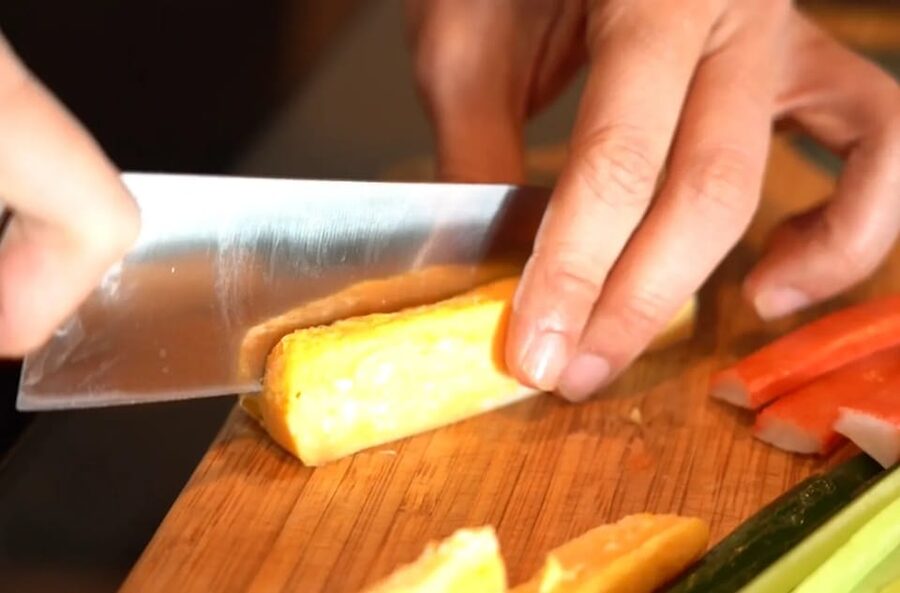
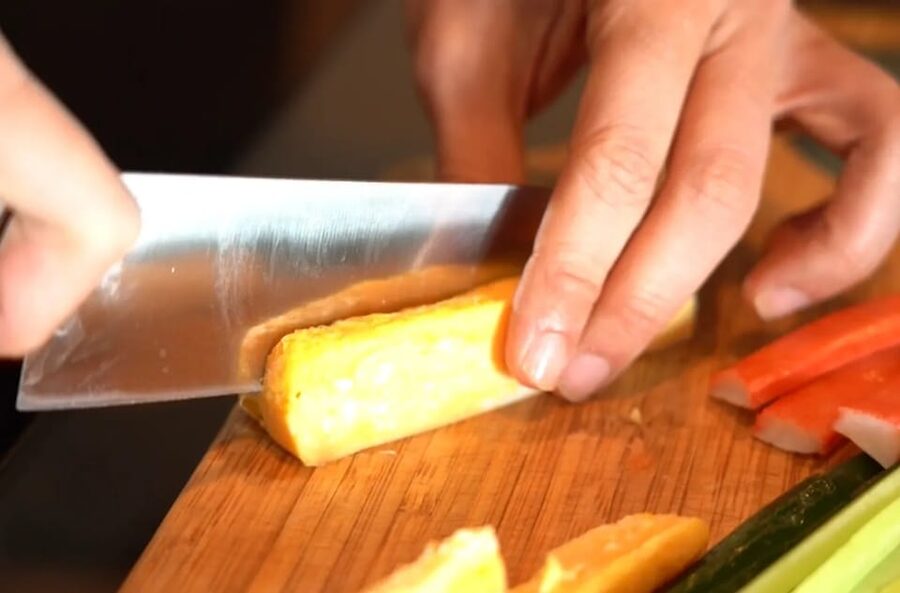
- The class is hands-on: You cook, eat, take photos, and learn why each step matters.
- Recipes and souvenirs are included: You can repeat the dishes at home instead of leaving with only photographs.
- The meeting point is easy to identify: Find Exit 3 at Matsuya-cho Station and look for blue samurai holding a placard.
From Matsuya-cho Station to the shopping street
Your meeting point is Exit 3 of Matsuya-cho Station on Osaka’s Nagahori Tsurumi-ryokuchi Line. The class location is about a five-minute walk from the station, which keeps the start simple even if you are carrying shopping bags or traveling with children.
Look for the guides dressed as blue samurai and holding a placard. That unusual meeting signal should make the group easier to spot, but give yourself enough time to find the correct station exit. Osaka station names can be confusing, and an extra few minutes is useful if you are unfamiliar with the subway system.
The first part of the activity is a walk through a nearby old-fashioned shopping street. This is not just a transfer from the station to the studio. The guide fee is included, and the walk gives you a look at a more traditional shopping setting before the cooking begins.
You should budget for personal purchases during this part. Drinks and alcohol are not included, and any other private spending comes from your own wallet. I would treat this as a chance to browse rather than a second formal tour. The main value is the setting and the connection to the ingredients and food culture you will encounter later.
More Sushi and Japanese Classes in Japan:
- Sushi Making Tokyo Roll and Authentic Japanese Sushi Class
★ 5.0 · 3,971 reviews - Tokyo: Roll and Authentic Sushi Making Class in Asakusa
★ 4.9 · 1,957 reviews - Ramen Cooking Class at Ramen Factory in Kyoto
★ 5.0 · 1,937 reviews
A cooking class built around participation
After the walk, you head to the studio for the main lesson. The experience includes the cooking lesson, venue, tableware, cooking equipment, and ingredients, so you are not asked to arrange supplies or bring kitchen tools.
The description covers more than 300 Japanese and Japanese-made Western dishes offered to international visitors. That large range suggests that the available menu is not limited to one permanent recipe. In practice, ramen and gyoza have been featured, and they are a useful pairing for a first Japanese cooking class: ramen introduces broth and noodles, while gyoza lets you work with filling and wrappers.
The precise steps will depend on the dishes scheduled for your booking. You can expect the instructor to explain what to do and why it matters, rather than simply placing a finished plate in front of you. Shohei, one of the named instructors, teaches in English and has worked with students who wanted clear explanations throughout the process.
That teaching approach matters. A class can be fun but still leave you unable to repeat the food at home. Here, the recipes are provided at the end, giving you a useful record of the ingredients and methods covered during the session.
What cooking ramen and gyoza is like
Ramen and gyoza also work well for mixed-age groups because the cooking has several stages. You might find one person preparing ingredients while another handles wrappers, seasoning, or assembly. A family of five was able to participate actively, so the format is not limited to a single cook standing beside the instructor.
The class is not presented as an advanced chef course. Its appeal is the shared work, the explanations, and the chance to make a meal you can eat immediately. If you are hoping to learn professional knife skills or restaurant-level technique, this may feel light. If you want an approachable introduction with a meal at the end, it makes better sense.
The strongest teaching feedback is connected to clear demonstrations and an easygoing tone. Shohei has been singled out for explaining and showing each step well, and Max has been praised for making the class fun, engaging, and educational. One birthday booking even led Max to arrange a slice of birthday cake, though you should not assume that a cake or special celebration is part of every reservation.
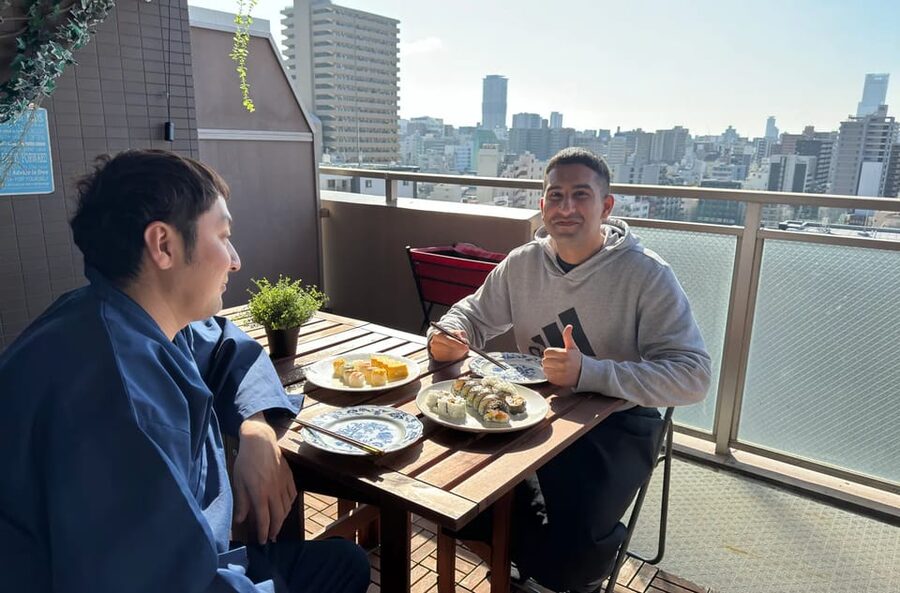
You will have time to eat what you make and take photographs. The food is not merely a sample handed out at the end. You help produce it, which makes the meal feel like the natural finish to the lesson.
Why the old shopping street improves the class
A cooking lesson inside a studio could be useful on its own, but the shopping street adds a sense of place. It gives you a short break from the kitchen and shows you a traditional commercial area near the station.
That walk also makes the activity feel less isolated from Osaka. You are not only learning a recipe in a room designed for tourists. You are seeing part of the neighborhood before returning to prepare food connected to Japan.
Keep your expectations measured. The walk is described as a nearby old-fashioned shopping street, not as a long market tour or a major sightseeing stop. The class remains the main event, and the stroll is a supporting piece. If you want a full morning of shopping, you will need to make separate plans.
Personal expenses are not covered during the walk. This is a small point, but it matters if you are traveling on a tight budget. Bring money for anything you choose to buy, and remember that drinks and alcohol are specifically excluded.
More Hands-On Workshops in Japan:
- Tokyo: Sushi Making Class in a Happi Coat near a Famous Spot
★ 4.9 · 1,377 reviews - Sushi Making Osaka Roll and Authentic Japanese Sushi Class
★ 5.0 · 1,220 reviews - Tokyo Sushi Making Class in Tsukiji with Professional Chef
★ 5.0 · 1,177 reviews - Ramen & Gyoza Cooking Class in Tokyo with Local Supermarket Visit
★ 5.0 · 823 reviews
A useful souvenir instead of a simple keepsake
Many food experiences end with a meal and a photograph. This one also provides the recipes learned during the class and souvenirs based on them. That gives you something practical to take home.
The recipes are especially valuable for people who enjoy cooking after a trip. You can use them as a reminder of the class and try the dishes again. They will not replace hands-on practice, but they make the experience more useful than a one-time meal.
The souvenirs are included in the price, along with material costs and equipment rental. You do not have to pay a separate fee for the kitchen, tableware, or cooking tools. That makes the advertised price easier to understand.
Is $83 a fair price?
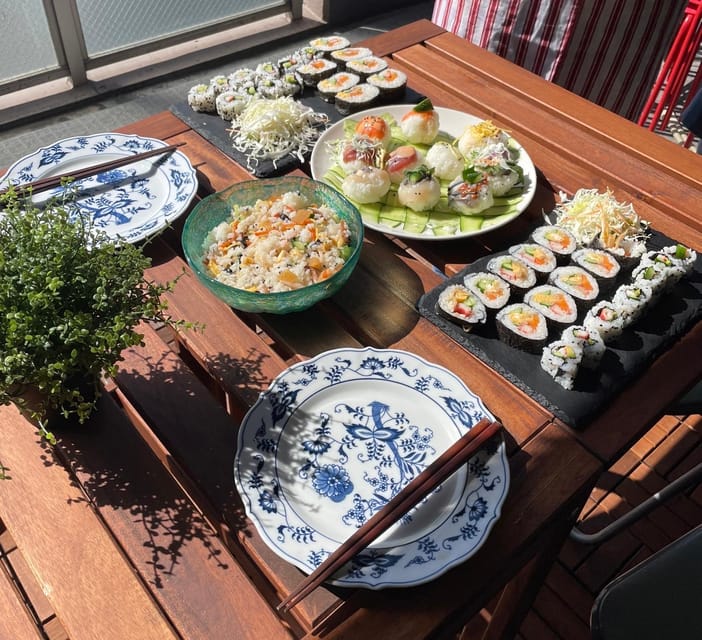
At $83 per person, this is not the cheapest way to eat ramen or gyoza in Osaka. A restaurant meal will cost less, and you can explore a shopping street without paying for a cooking lesson.
The value comes from the package. You receive a guided walk, ingredients, instruction, studio use, cooking and drinking venue fees, equipment, tableware, recipes, and souvenirs. You also get a meal that you helped prepare. For someone who would otherwise book a food tour and a separate cooking class, the combination is reasonably efficient.
I would see the price as fair for visitors who care about participation and want a structured activity. It is less attractive if your main goal is simply to eat Japanese food cheaply. The class also makes more financial sense for families and small groups who will use the shared cooking time well.
Because the menu may vary, check the course details before paying if a particular dish is essential to your plans. Ramen and gyoza are established examples, but the broad selection of possible dishes means the booking information matters.
Timing, language, and group fit
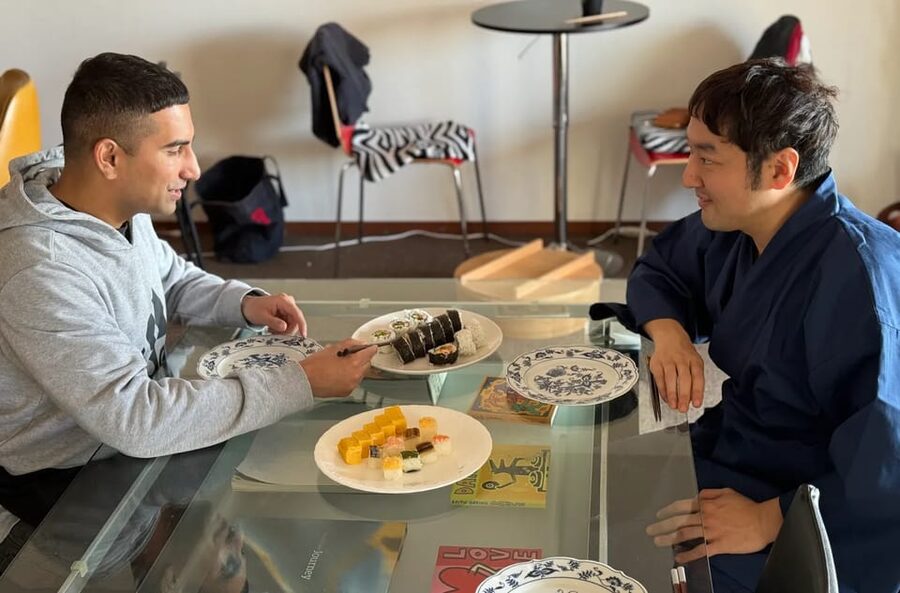
The activity lasts 150 minutes, or two and a half hours. That is long enough for a walk, instruction, cooking, eating, photographs, and the handoff of recipes and souvenirs without taking up an entire day.
You will need to check availability for the start time. Transportation to the meeting point is not included, so plan your subway fare separately. The class begins at Matsuya-cho Station Exit 3, not at a hotel or a central tourist landmark.
Instruction is available in Japanese, Chinese, and English. That makes the class accessible to a wider range of international visitors, but you should choose the language you need when booking or checking availability.
This is a good fit for couples, families, and small groups who want to do something together. It also works for a birthday outing, especially if you like food activities more than formal sightseeing. The family of five format suggests that children and adults can share tasks, though no specific age policy is provided.
I would be more cautious about booking if you dislike group participation, want complete control over the menu, or prefer to spend your time only eating. The class asks you to take part. That is its strength, but it will not suit every style of holiday.
Cancellation and planning details
You can cancel up to eight days in advance for a full refund. That is helpful when your Osaka plans are still changing, but it is a firm cutoff to remember.
The provider is Japanticket Inc. The activity has a 4.6 rating from six listed bookings, with especially strong praise for the instructors, clear explanations, active participation, and the quality of the finished ramen and gyoza. One three-star assessment points to practical issues with directions and not completing every promised part, so I recommend arriving early, confirming the station exit, and checking the menu and inclusions before the day.
That mixed detail is useful. The class has a strong record for teaching and enjoyment, but clear meeting instructions and realistic expectations will help you get more from it.
Should you book this Japanese cooking class?
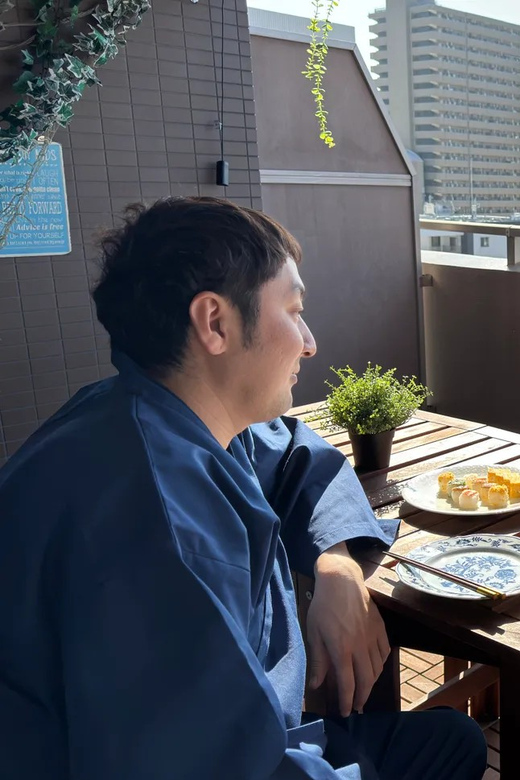
Book it if you want more than a restaurant meal and like the idea of making Japanese food with other people. The combination of a shopping street walk, hands-on cooking, a shared meal, recipes, and souvenirs gives the 150 minutes a clear rhythm.
I would especially recommend it to families, couples, and first-time visitors who want an approachable food activity in Osaka. Shohei and Max have both shown the kind of clear, friendly instruction that helps beginners relax.
Skip it if you are looking for a fixed, highly technical menu or a long shopping tour. Before confirming, check which dishes are scheduled, plan your route to Exit 3, and set aside money for personal purchases during the walk. For the right kind of cook, $83 buys a useful memory and a skill you can try again at home.
FAQ
Where does the Japanese cooking class meet?
Meet at Exit 3 of Matsuya-cho Station on Osaka’s Nagahori Tsurumi-ryokuchi Line. The guides wear blue samurai clothing and hold a placard.
How long does the activity last?
The experience lasts 150 minutes, or two and a half hours. Starting times depend on availability.
What languages are available?
Instruction is available in Japanese, Chinese, and English.
What food will I cook?
Ramen and gyoza are dishes that have been prepared during the class. The activity also offers more than 300 Japanese and Japanese-made Western dishes, so the exact menu may vary.
Is the shopping street walk included?
Yes. The shopping street guide fee is included in the activity price.
Are ingredients and cooking equipment provided?
Yes. Material costs, tableware, cooking equipment rental, the venue, and the cooking lesson are included.
Do I receive anything to take home?
Yes. You receive the recipes learned during the class and souvenirs based on them.
What is not included in the price?
Transportation to the meeting point is not included. Personal spending during the shopping district walk, including drinks and alcohol, is also extra.
Just added around Japan
- Cooking Class: Make a Local Delicacy in a Japanese House★ 5.0 · 7 reviews
- Culinary Home Cooking with Grandmothers – Vegan Friendly★ 5.0 · 5 reviews
- Famous Inari Sushi Making Experience in Toyokawa★ 5.0 · 4 reviews
- Nagoya Super Market Tour & Home Cooking Class with a Local, Akiko★ 5.0 · 10 reviews
- Tokyo: Tsukiji Market Walking Tour & Sushi Cooking Class★ 4.6 · 122 reviews
- Tokyo: Sushi Cooking Class with Sake Tasting★ 4.8 · 55 reviews
- Sushi-Making Experience★ 4.7 · 4 reviews
- Tokyo: Tsukiji Market Guided Tour & Sushi-Making Experience★ 4.4 · 11 reviews
Japanese & Sushi Cooking Classes, compared.
Sushi Making Tokyo Roll and Authentic Japanese Sushi Class
Read our review →
Tokyo: Roll and Authentic Sushi Making Class in Asakusa
Read our review →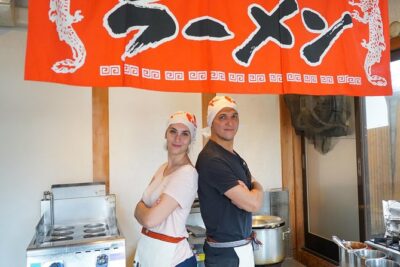
Ramen Cooking Class at Ramen Factory in Kyoto
Read our review →
Tokyo: Sushi Making Class in a Happi Coat near a Famous Spot
Read our review →
Sushi Making Tokyo! Popular Maki Sushi & Japanese Sushi(+Recipe!)
Read our review →
Sushi Making Osaka Roll and Authentic Japanese Sushi Class
Read our review →
Tokyo Sushi Making Class in Tsukiji with Professional Chef
Read our review →
Ramen & Gyoza Cooking Class in Tokyo with Local Supermarket Visit
Read our review →Browse the lists this tour appears in