
Review · JAPANESE & SUSHI
Nara: Cooking class, learning how to make authentic sushi
Making sushi in Nara is more than a quick food demonstration. You prepare the vinegar rice yourself, choose toppings, shape eight pieces, and then eat what you made. The class also lets you wear a traditional happi coat, adding a playful Japanese touch without requiring prior cooking skill.
I especially like the careful attention to shari, the seasoned sushi rice, and the option to ask about fish cutting. I also like the flexible menu, which can accommodate vegetarians, vegans, Muslims, shellfish allergies, non-raw preferences, and gluten-free needs. The main caution is timing: although the listed duration is 90 minutes, the full experience can run much longer if the fish-cutting lesson, certificate, photos, and graduation ceremony take extra time.
Key points at a glance
- Start with the rice: You learn the vinegar mixture and the technique for combining it with freshly cooked rice.
- Make eight pieces: The course gives you enough sushi to enjoy your own work at the end.
- Wear a happi coat: Choose from various traditional Japanese garments for the class and photos.
- Ask for food adjustments: Vegetarian, vegan, Muslim-friendly, allergy-conscious, non-raw, and gluten-free options are available.
- Fish cutting is optional: Beginners use prepared ingredients, but you can request extra instruction if you want more technique.
- Plan beyond 90 minutes: The class may take longer when the extras are included.
Starting near Shin-Omiya Station
The meeting point is a short walk from the south entrance of Shin-Omiya Station on the Kintetsu Line. Exit the station, turn right into the narrow street, and continue toward a railroad crossing. Turn right at the crossing, and the school is near the Nara Loyal Hotel, behind a parking area.
This is useful to know because the final approach is not described as a large, obvious storefront. Give yourself a few extra minutes to find the crossing and the correct building. The location is close to public transportation, so you do not need to arrange a special transfer from central Nara.
The building has no elevator. Staff can help older participants or people with disabilities up the stairs, and the activity is listed as wheelchair accessible. If stairs are a serious concern, contact the school before booking so you can confirm how the assistance will work for your needs.
The class runs in English and Japanese. An English-speaking instructor leads the instruction, making the rice and shaping steps practical for visitors who do not speak Japanese.
More Sushi and Japanese Classes in Japan:
- Sushi Making Tokyo Roll and Authentic Japanese Sushi Class
★ 5.0 · 3,971 reviews - Tokyo: Roll and Authentic Sushi Making Class in Asakusa
★ 4.9 · 1,957 reviews - Ramen Cooking Class at Ramen Factory in Kyoto
★ 5.0 · 1,937 reviews
Putting on a happi before the lesson
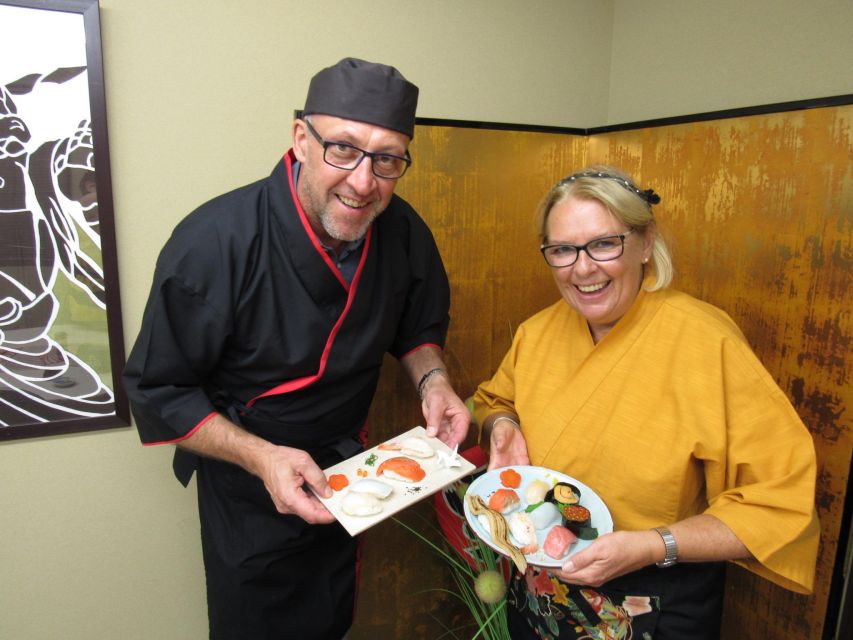
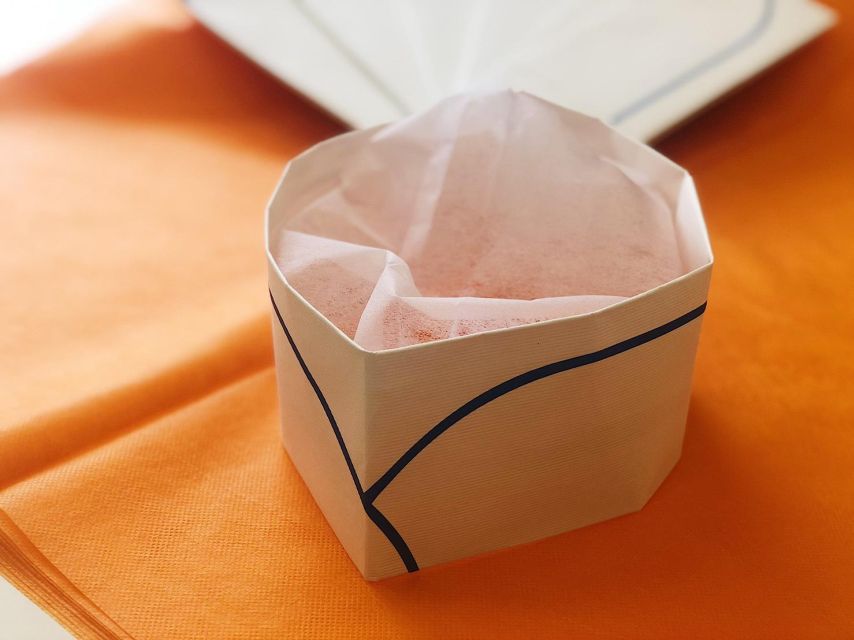
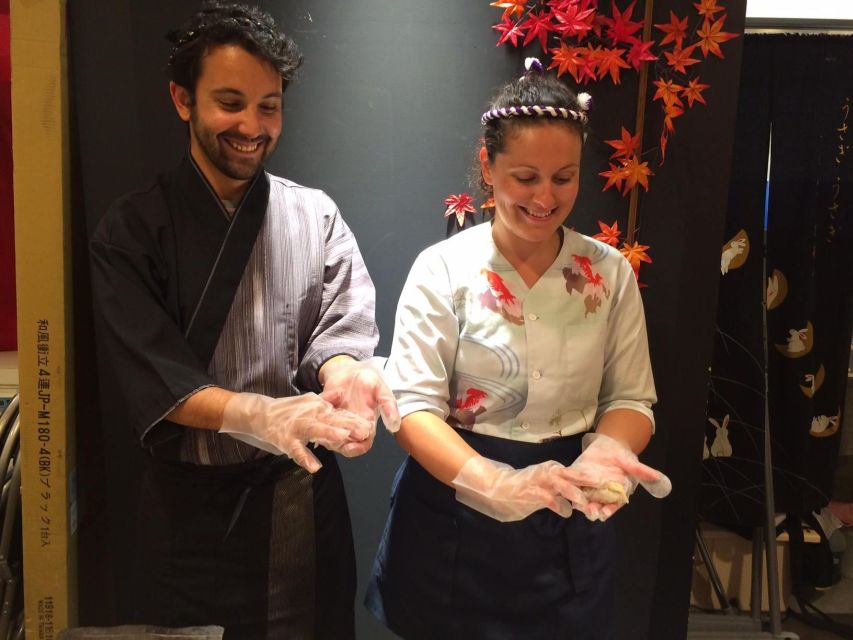
The class begins with a traditional happi, a short Japanese festival-style coat. Several kinds of clothing are available, so you can choose what to wear. This is a small detail, but it changes the mood of the class. You are not simply standing around a counter watching someone else work. You become part of the presentation, and the clothing makes the souvenir photos more memorable.
The happi is also a good fit for the relaxed nature of the activity. You do not need to arrive as a home cook or a sushi expert. The ingredients have already been cut for beginners, and the instructor guides you through the process one stage at a time.
This part may feel more cultural than culinary, but it is not just decoration. You get a brief introduction to Japanese spirits and customs while taking part in a food tradition that many people associate with Japan. The atmosphere is designed to be lively and social, not formal or intimidating.
The real lesson starts with shari
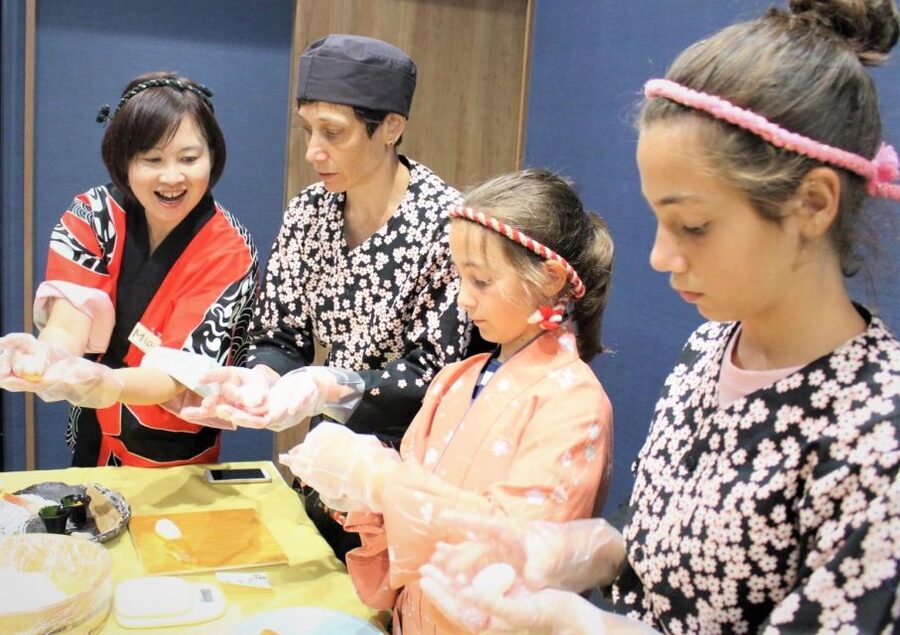
The most useful part of the class is the preparation of shari, also called sumeshi. Sushi depends on more than fresh toppings. The rice needs the right texture, temperature, and balance of vinegar, and the mixing technique matters.
You combine freshly cooked rice with a specially blended sushi vinegar. The instructor shows you the trick for mixing it properly. That instruction is valuable because seasoned rice is one of the parts that can go wrong when you try to make sushi at home. Too much vinegar can overpower the rice. Poor mixing can leave some grains heavily seasoned and others bland.
I like that the class begins here instead of treating rice as an afterthought. If you only learn how to place fish on top of rice, you have learned the appearance of sushi but not its base. Understanding shari gives you a skill you can use after returning home.
The lesson also gives you a better sense of how much preparation sits behind a simple-looking piece of sushi. The finished food may be small, but the balance of rice and topping depends on several careful steps.
Choosing toppings and shaping eight pieces
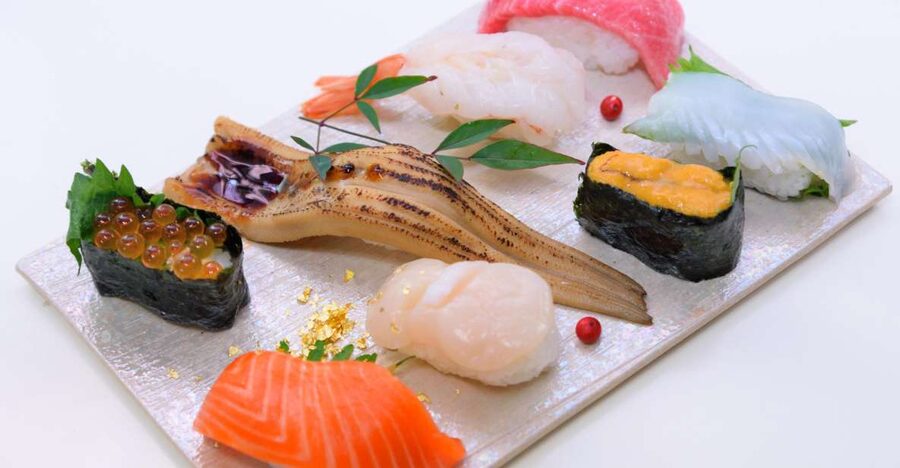
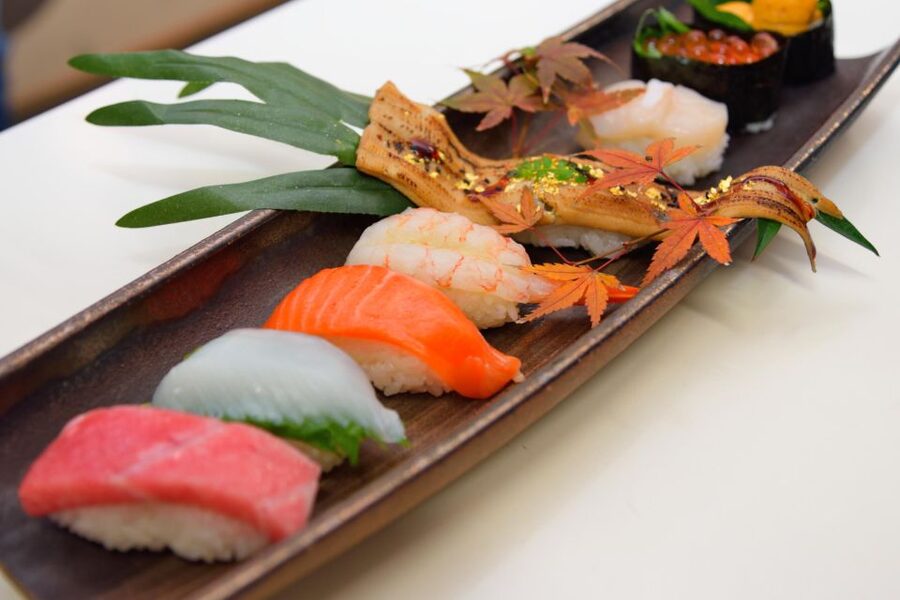
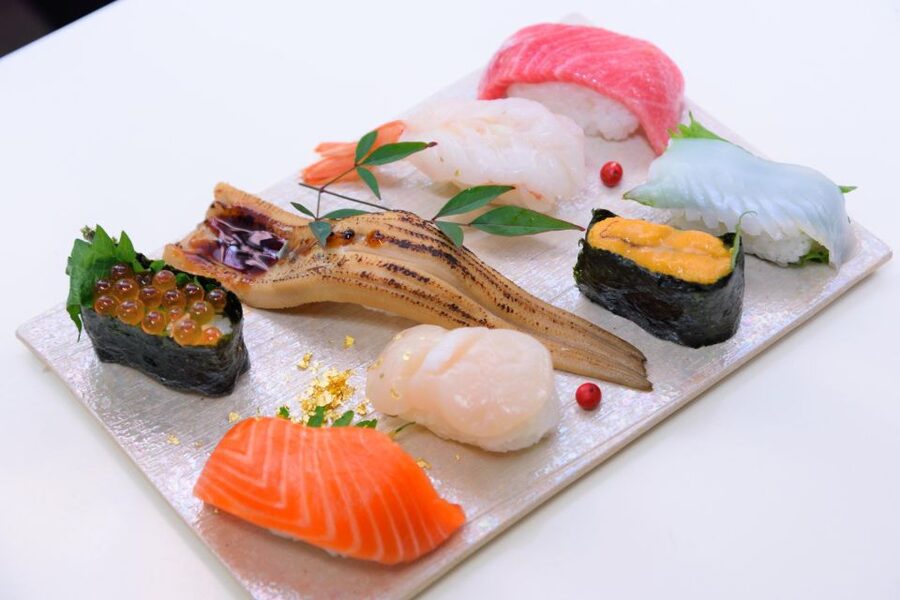
Once the rice is ready, you work with a selection of toppings. The ingredients can change with the season, so the exact menu is not fixed. Available choices include special ingredients such as extra-fatty tuna and fresh red shrimp, described as sweet and creamy.
You also get various additions such as green onion and ginger, and you can choose your favorites. The class includes eight pieces of sushi, which is enough to practice the process and then have a satisfying tasting at the end.
Because the ingredients are prepared in advance, beginners can focus on assembly rather than spending the whole class with a knife. You learn how to handle the rice, add the topping, and form each piece. That makes the 90-minute format workable for first-time cooks.
If you want more than the beginner version, ask about fish cutting. The school is willing to accommodate that request, but it can add a great deal of time. One particularly useful approach would be to request a limited fish-cutting demonstration, perhaps with only one or two types of fish, if your schedule is tight.
The food is the reward at the end. You eat the sushi you made yourself, which gives the lesson a clear purpose. The class is not just about collecting a certificate or taking photos. You get to test the rice and shaping techniques immediately.
More Hands-On Workshops in Japan:
- Tokyo: Sushi Making Class in a Happi Coat near a Famous Spot
★ 4.9 · 1,377 reviews - Sushi Making Osaka Roll and Authentic Japanese Sushi Class
★ 5.0 · 1,220 reviews - Tokyo Sushi Making Class in Tsukiji with Professional Chef
★ 5.0 · 1,177 reviews - Ramen & Gyoza Cooking Class in Tokyo with Local Supermarket Visit
★ 5.0 · 823 reviews
Food adjustments are a real strength
This experience is unusually flexible for a sushi class. Vegetarian, vegan, and Muslim-friendly menus are available. The school can also discuss allergies, non-raw ingredients, and gluten-free options.
A shellfish allergy can be accommodated, as one participant found when the ingredients were adjusted. Still, you should state your needs clearly when booking or before the class begins. Sushi toppings can change with the season, so early notice gives the staff the best chance to prepare suitable ingredients.
The school does not provide special infant meals, and children under three are not suitable for the activity. For older children, the key question is patience. The class involves listening, mixing, shaping, and waiting for instruction, so it will suit children who can take part in a structured cooking session.
Drinks are not included. Warm udon is available as an optional menu item, as are other Japanese foods such as tempura, tofu, and pork shabu-shabu. These extras may appeal if you want a larger meal, but they are separate from the core sushi class and cost extra.
The class may run well past 90 minutes
The advertised duration is 90 minutes, which makes the activity easy to fit into a morning or early afternoon in Nara. But you should treat that as the planned class length rather than a guaranteed finish time.
The fish-cutting instruction, photography, framed souvenir process, certificate, and graduation ceremony can extend the visit. One session continued for close to three hours, creating problems for an afternoon schedule. That longer format may be welcome if you want a full cooking lesson, but it is a concern if you have a train, restaurant reservation, or timed admission elsewhere.
You can help manage the timing by asking at the beginning how long the instructor expects the class to take. If you want fish-cutting practice, say so clearly. If you prefer a compact session, ask whether the diploma, framed photo, or extra demonstrations can be shortened.
The certificate is a cheerful finishing touch, especially for children or anyone who enjoys travel souvenirs. It is not necessary for learning the food, though, and the ceremony can feel like extra time for adults who mainly want practical sushi skills.
What you take home besides sushi
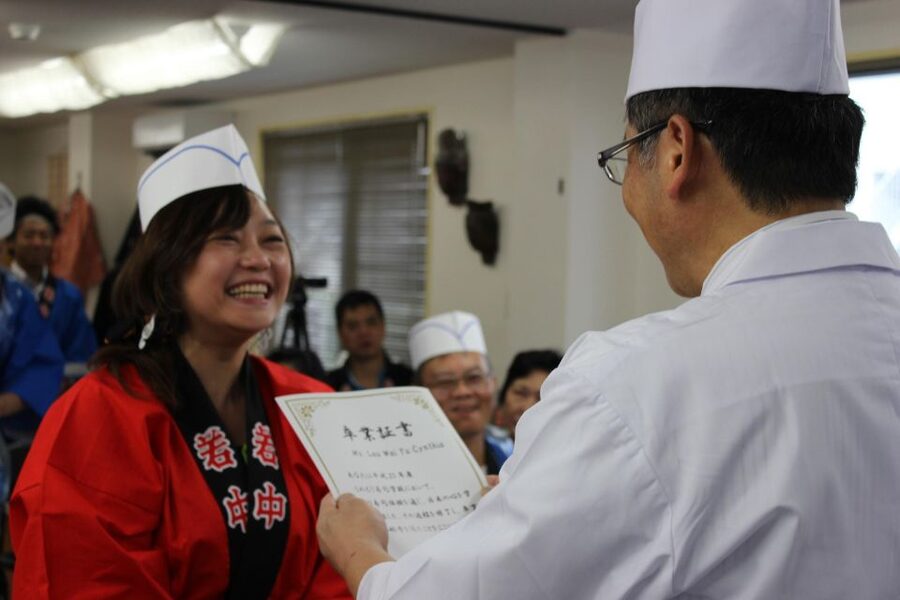
At the end, you receive a certificate of completion during a graduation ceremony. You also receive souvenir photography, and the traditional clothing makes those photos more distinctive than a standard cooking snapshot.
The practical souvenir is the method. You leave knowing how the rice is seasoned, how toppings are combined with it, and how the pieces are shaped. Since the ingredients are already cut, you will not learn every part of sushi preparation unless you request the fish-cutting lesson. Still, the class gives you a manageable starting point for making sushi at home.
The experience also gives you a better way to judge sushi later. Once you have mixed vinegar into warm rice and tried to form consistent pieces, you notice the texture and balance more clearly when eating at a restaurant.
Is $113 good value?
At $113 per person, this is not a cheap meal. You are paying for instruction, ingredients, use of traditional clothing, eight pieces of sushi, an English-speaking instructor, photos, and the certificate. The value depends on what you want from the outing.
If you only want to eat sushi, a restaurant will usually be the simpler choice. If you want an activity with a clear cultural angle and a skill you can repeat at home, the price is easier to justify. The possibility of premium ingredients such as fatty tuna and red shrimp also adds interest, though the exact toppings vary by season.
The flexible food arrangements add value for people who often struggle to join group cooking activities. A shellfish-free, vegetarian, vegan, non-raw, Muslim-friendly, or gluten-free version can make this a more practical choice than a standard sushi workshop.
I would be more cautious about the price if you mainly want a fast 90-minute class and have no interest in photos or the certificate. In that case, ask about the expected finish time and which extras are included before committing.
Who will enjoy this Nara cooking class?
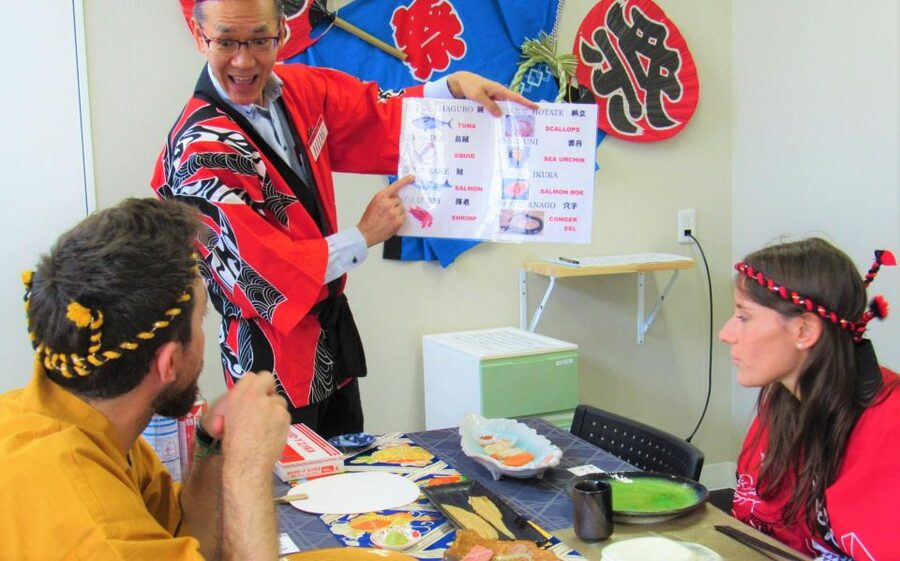
This is a strong choice for first-time sushi makers. The prepared ingredients remove much of the pressure, while the rice lesson gives you something useful to repeat at home.
It also suits people who want a hands-on cultural activity rather than another sightseeing stop. Wearing a happi, learning about Japanese spirits, making food, and taking home a certificate create a more personal memory than simply ordering sushi at a restaurant.
Families with children over three may enjoy the playful clothing and graduation ceremony. Couples and friends can make the class into a shared meal, while solo visitors can join the group lesson without needing a cooking partner.
People with strict schedules should be more careful. The listed 90 minutes may not include every part of the experience, especially if you ask for fish cutting or take part in the full photo and certificate process. Build in a generous buffer.
The class is also a good fit for anyone with dietary needs, but you should communicate those needs early. The school offers options, yet the available toppings can vary by season.
Practical details before you book
You can cancel up to 24 hours before the activity for a full refund. A reserve-now, pay-later option is available, which helps if your Nara plans are still shifting.
The class takes place in all weather, so rain will not normally cancel it. Smoking is not allowed indoors, and pets are not permitted, except for assistance dogs.
The activity is not suitable for children under three. There is no elevator, although staff can assist older or disabled participants with the stairs. The school is near public transportation, making it possible to reach without a complicated journey.
Wear something comfortable for a cooking class. The school provides rental clothing, but you will still want to be ready to stand, mix, shape, and take part in the lesson.
Should you book it?
Book this Nara sushi class if you want to learn the foundation of sushi, eat your own work, and enjoy a bit of Japanese dress and ceremony. The rice instruction, flexible food choices, English guidance, and optional fish-cutting lesson make it more useful than a simple make-and-taste activity.
Skip it if your day is tightly timed or if you only want a quick meal. The 90-minute plan can stretch considerably, especially when photos, graduation, and extra demonstrations are included.
For most people, the best approach is to reserve a flexible part of your Nara schedule, tell the school about dietary needs in advance, and decide before class whether you want the full fish-cutting and ceremony experience. That way, you can enjoy the fun parts without letting a sushi lesson disrupt the rest of your day.
FAQ
Where does the sushi class meet?
Meet at the south entrance of Shin-Omiya Station on the Kintetsu Line. Turn right into the narrow street, continue to the railroad crossing, then turn right. The school is near the Nara Loyal Hotel and behind a parking area.
How long is the sushi-making activity?
The listed duration is 90 minutes. The full visit can take longer if you include fish-cutting instruction, photography, the certificate, and the graduation ceremony.
What language is the class taught in?
The activity is offered in English and Japanese, with an English-speaking instructor available.
How many pieces of sushi are included?
You make and eat eight pieces of sushi during the class.
Do I need previous cooking experience?
No. The ingredients are prepared and cut in advance, and beginners are welcome.
Can I learn how to cut fish?
Yes. Fish-cutting instruction is available if you ask for it. It may add time to the session.
Are vegetarian or vegan options available?
Yes. Vegetarian, vegan, and Muslim-friendly menus are available.
Can the class accommodate allergies or non-raw preferences?
Yes. Allergy-conscious, non-raw, gluten-free, and other food options are available. Tell the school about your needs in advance.
Are drinks included?
No. Drinks are not included. Warm udon and other Japanese foods are available as optional menus.
Is the activity suitable for young children?
Children under three are not suitable for the class. The activity does not provide special infant meals.
Is the building wheelchair accessible?
The activity is listed as wheelchair accessible. The building has no elevator, but staff can help older or disabled participants up the stairs.
Can I cancel the booking?
Yes. You can cancel up to 24 hours in advance for a full refund.
Just added around Japan
- Naha Makishi Public Market : Sushi making experience★ 4.5 · 6 reviews
- Master Washoku: 5 Core Techniques for Authentic Cooking★ 4.7 · 7 reviews
- Japanese cooking class★ 4.6 · 6 reviews
- Lake Kawaguchiko: Ramen Cooking Class with Souvenir★ 5.0 · 9 reviews
- Kyoto: Wagashi (Japanese sweets) Cooking near Fushimiinari★ 5.0 · 40 reviews
- Kyoto: Sushi Making Experience in Kawaramachi★ 4.8 · 13 reviews
- Kyoto: Small-Group Authentic Sushi Making Workshop★ 5.0 · 137 reviews
- Kyoto Udon & Tempura Cooking Class with Professional Chefs★ 3.8 · 3 reviews
Japanese & Sushi Cooking Classes, compared.
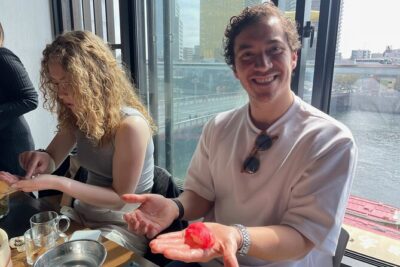
Sushi Making Tokyo Roll and Authentic Japanese Sushi Class
Read our review →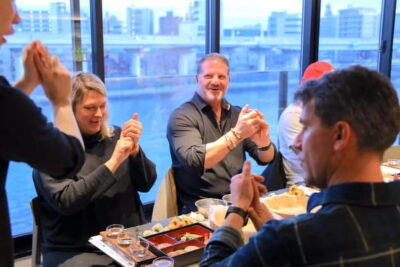
Tokyo: Roll and Authentic Sushi Making Class in Asakusa
Read our review →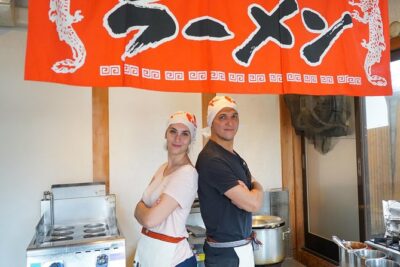
Ramen Cooking Class at Ramen Factory in Kyoto
Read our review →
Tokyo: Sushi Making Class in a Happi Coat near a Famous Spot
Read our review →
Sushi Making Tokyo! Popular Maki Sushi & Japanese Sushi(+Recipe!)
Read our review →
Sushi Making Osaka Roll and Authentic Japanese Sushi Class
Read our review →
Tokyo Sushi Making Class in Tsukiji with Professional Chef
Read our review →
Ramen & Gyoza Cooking Class in Tokyo with Local Supermarket Visit
Read our review →Browse the lists this tour appears in