
Review · JAPANESE & SUSHI
Naha Makishi Public Market : Sushi making experience
Makishi Public Market is one of the few places in Naha where you can see the fish for sale, learn how it becomes sushi, and then eat the pieces you make yourself. The market visit gives the class a useful Okinawan setting rather than leaving you at a generic cooking studio.
I like the fresh-fish shopping tour and the chance to sit down with participants from other countries afterward. I also like that children can join, and that an English or Chinese interpreter is assigned to each event. The main drawback is price: at $161 per person, this is a costly sushi lunch or dinner, especially since drinks and aprons are extra.
Key points
- Makishi market connection: Tour the fresh-fish stalls where ingredients for the class are purchased.
- Eight pieces of sushi: Make and eat sushi using fish that may include local tuna, bonito, irabucha, kubushimi, and other Okinawan varieties.
- Two daily start times: Choose the 11:00 morning class or the 17:00 evening class.
- Language help included: An English or Chinese interpreter is provided for each event.
- A shared meal afterward: Eat your sushi with the class, alongside red soup stock, gari, and green tea.
- Small-group economics: The event requires at least four participants and accepts up to 20.
Starting on the third floor of Makishi Public Market
Your meeting point is the third floor of Naha’s Makishi Public Market. Reception begins 30 minutes before the scheduled start, and you should arrive 10 minutes before the activity begins.
The morning session runs from 11:00 to 14:00. The evening session runs from 17:00 to 20:00. Both follow the same pattern, so the choice comes down to your sightseeing plans and whether sushi feels more natural as lunch or dinner.
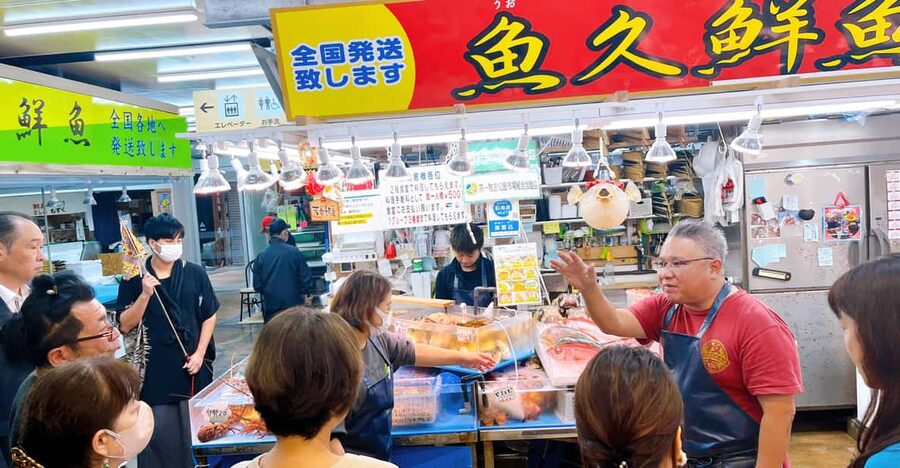
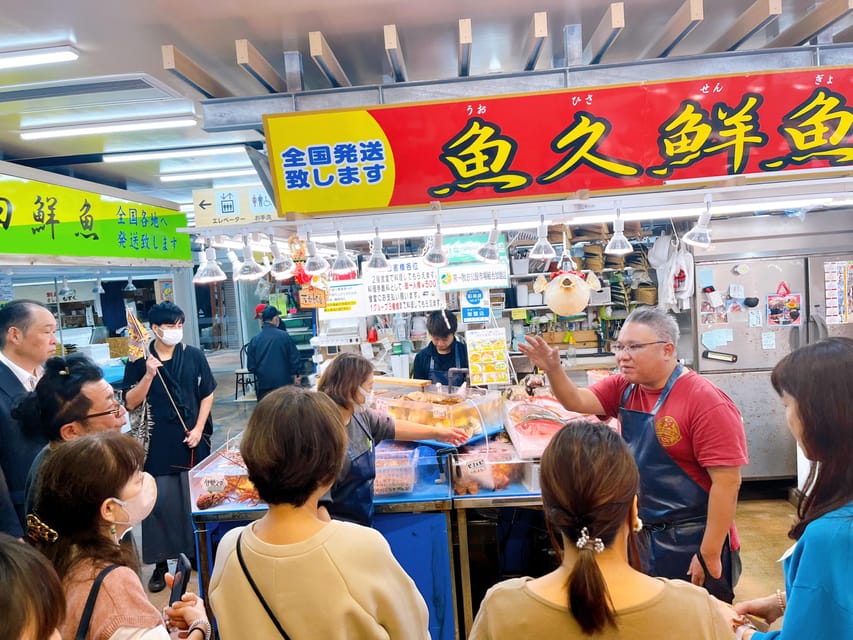
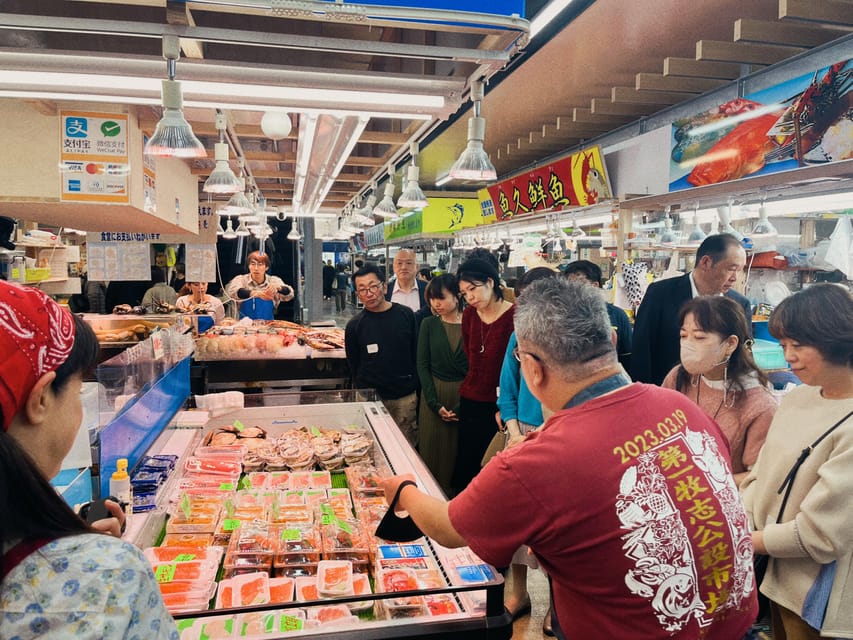
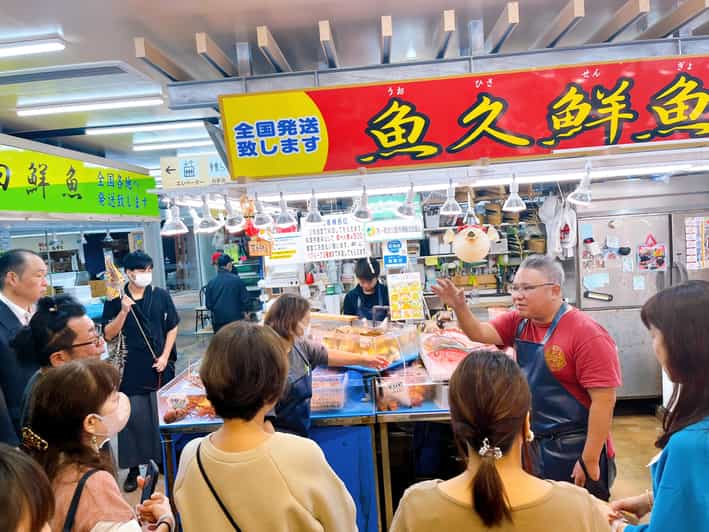
The market setting matters. You are not simply handed a tray of prepared fish in a classroom. The first part takes you through fresh-fish shops where ingredients used for the sushi are sold. That short tour connects the meal to everyday food shopping in Naha and gives you a look at the raw materials before the lesson begins.
The market portion lasts 30 minutes. It is not a long food tour, so you should not book this expecting a detailed survey of every stall or a full history of the market. Its purpose is practical: you see the fish, learn what will be used, and then move on to the sushi lesson.
More Market Tour Cooking Classes in Japan
- Tsukiji Fish Market Guided Tour and Sushi Making with Pro Chef
★ 5.0 · 775 reviews - Tokyo: Tsukiji Fish Market Sushi Making Class with Pro Chef
★ 4.9 · 506 reviews - Tokyo Tsukiji Fish Market Tour and Sushi Making Lesson
★ 5.0 · 390 reviews
Seeing Okinawan fish before making sushi
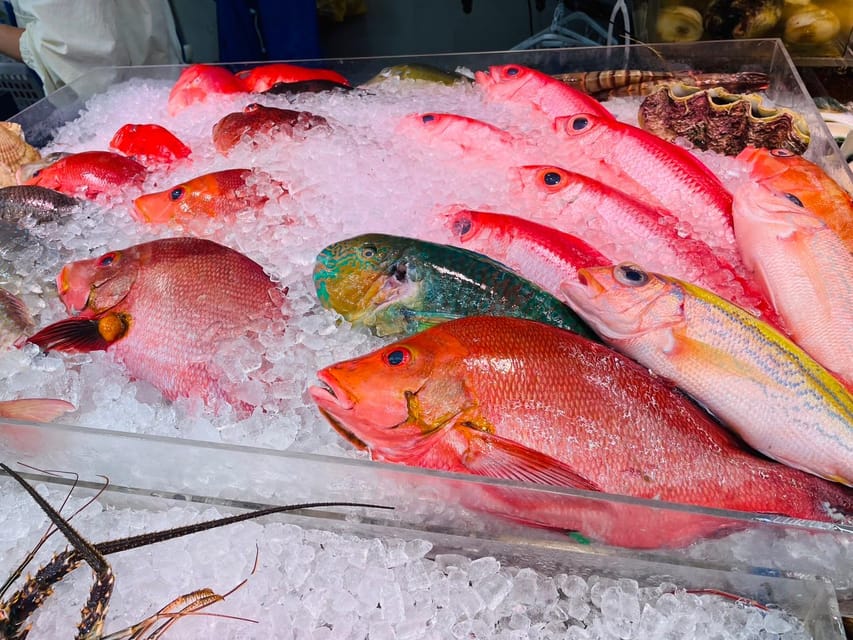
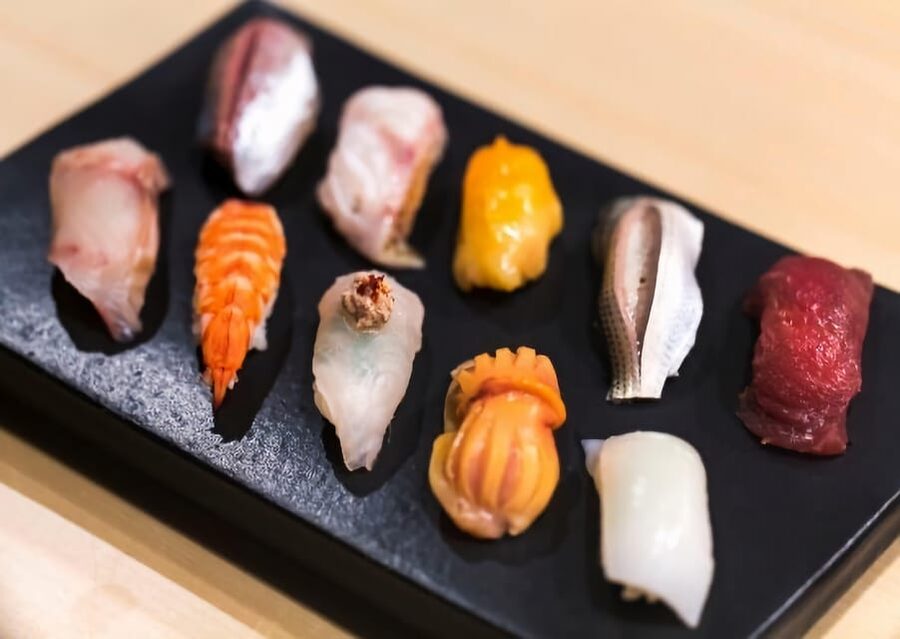
The ingredients can change with the season. Possible selections include local bonito, local tuna, irabucha, kubushimi, red machi, stew machi, salmon, and other fish available at the time.
That changing menu is part of the appeal. You are not guaranteed one fixed list of fish, but you do get a meal shaped by what is available in Okinawa. For an interested eater, this is more useful than a class built around the same imported ingredients all year.
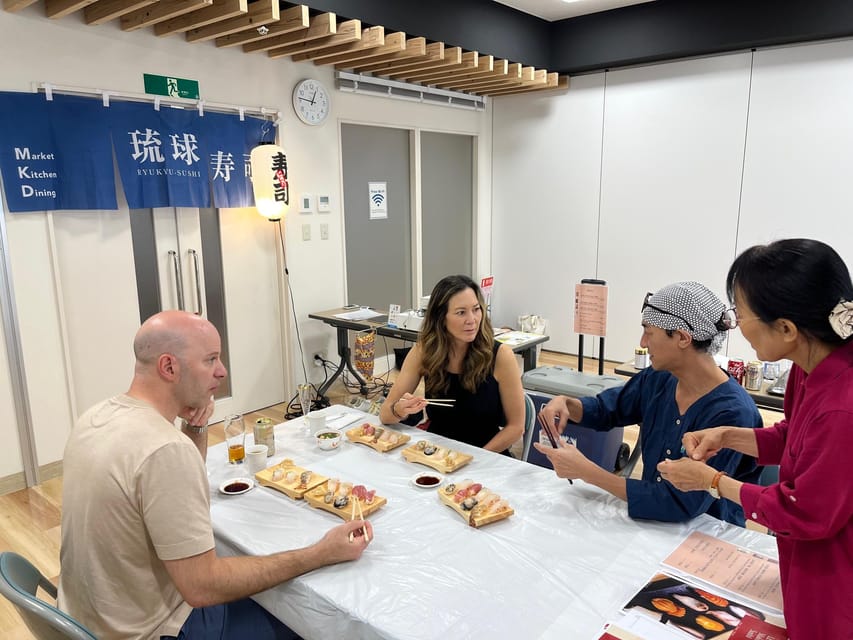
The class provides eight pieces of sushi per person. You learn from an instructor, prepare your own pieces, and then eat them with the rest of the group. The information provided does not promise that you will handle every part of the fish preparation, so you should think of this as a sushi-making lesson rather than a professional fish-cutting course.
The market visit also helps explain the $161 price. Part of what you are paying for is the setting, the interpreter, the instructor, and the meal. Still, the cost is high compared with simply ordering sushi in Naha. One participant found the workshop too expensive for what it covered, even while praising the instructor’s explanations. That is a fair warning for budget-minded visitors.
Learning the sushi basics in a 45-minute class
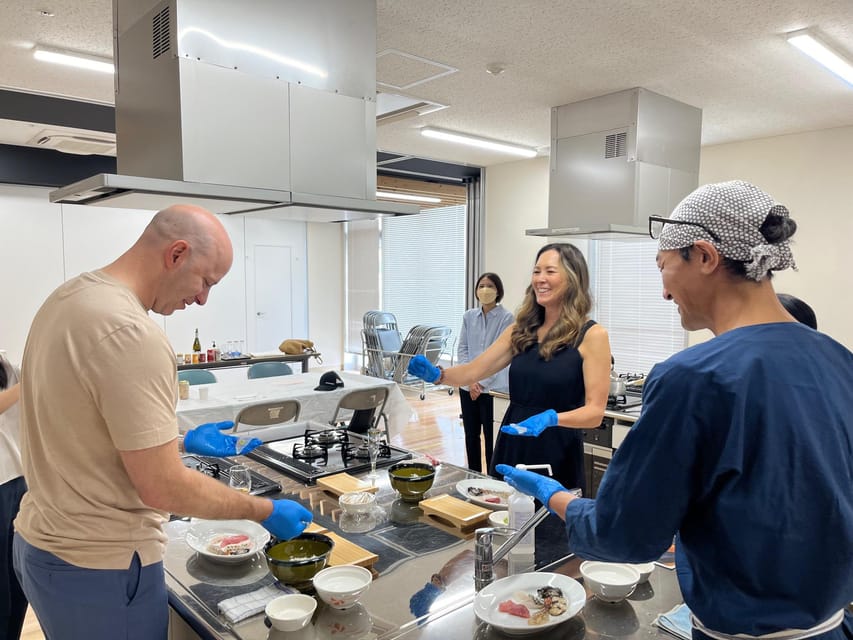
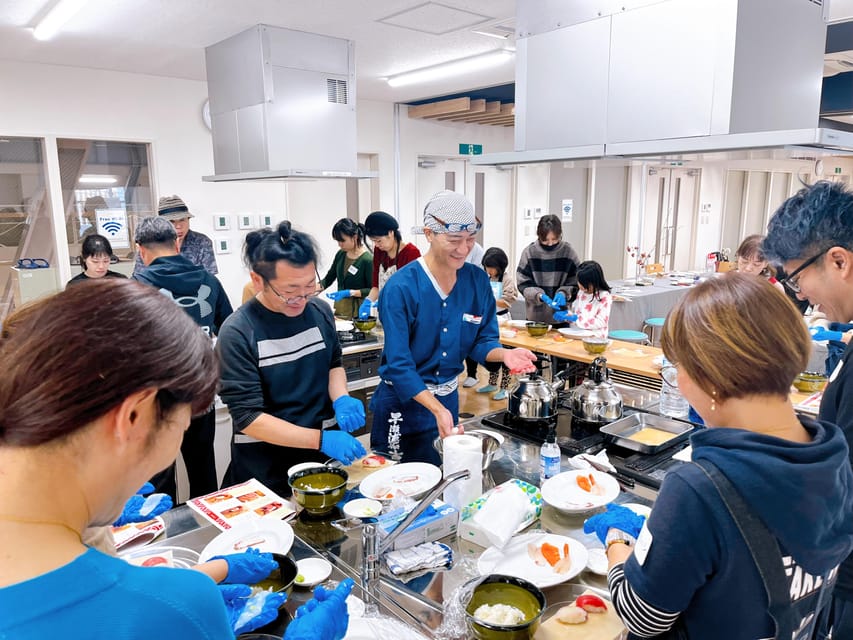
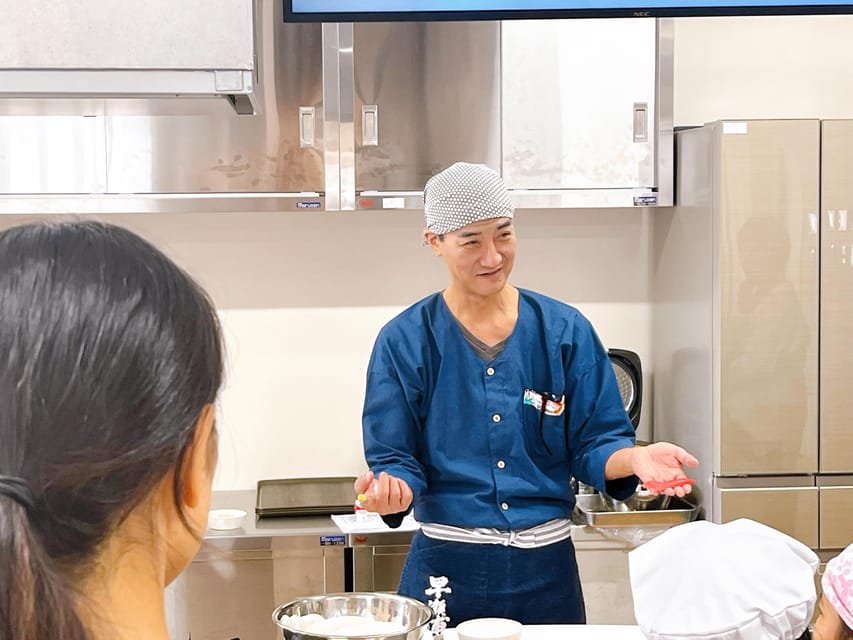
After the market tour, the sushi-making section runs for 45 minutes. The instructor shows you how to make the sushi, then gives you time to try it yourself.
You should expect a hands-on introduction rather than an advanced course. The supplied information does not name the instructor, and it does not list a detailed lesson plan, so the exact teaching style may vary. The strongest feedback about the activity focuses on the instructor’s patience, kindness, and ability to explain how to handle and shape the sushi.
That matters if you have never made sushi before. A short class can become frustrating when instructions are rushed or the teacher assumes too much. Here, the available feedback points to a calm teaching approach, which should help first-timers and families.
Children are allowed to participate. The activity may work well for a family that wants a structured food experience, though parents should remember that aprons are not provided. Wear clothing you do not mind getting a little messy, and consider bringing your own apron if you have room.
The activity rules are simple and sensible: no smoking, intoxication, littering, excessive noise, or nudity. Drinking during the meal is possible, but arriving intoxicated is not allowed.
Eating eight pieces with the group
The final 75 minutes are set aside for eating. This is longer than the actual making session, which gives you time to enjoy the sushi and talk with the other participants.
Your meal includes the eight pieces you prepared, red soup stock, gari, and green tea. Sake and beer are sold separately, so you can add a drink if you want a more traditional evening meal. Those extras are not included in the $161 price, and the additional cost should be part of your calculation before booking.
The shared meal is one of the class’s better social features. The event is designed for international communication, and the interpreter helps people follow the activity in English, Chinese, or another requested language where available. You are not left to work out every instruction through gestures.
The class can hold up to 20 people. That is large enough for an international group, but it may feel less personal than a private lesson. The minimum is four participants. If fewer than four people are booked, the event can be canceled and a full refund issued. If your schedule in Naha is tight, that minimum is worth keeping in mind.
More Sushi and Japanese Classes in Japan:
- Sushi Making Tokyo Roll and Authentic Japanese Sushi Class
★ 5.0 · 3,971 reviews - Tokyo: Roll and Authentic Sushi Making Class in Asakusa
★ 4.9 · 1,957 reviews - Ramen Cooking Class at Ramen Factory in Kyoto
★ 5.0 · 1,937 reviews - Tokyo: Sushi Making Class in a Happi Coat near a Famous Spot
★ 4.9 · 1,377 reviews
What the language support means for you
English and Chinese are listed as available languages. One interpreter is dispatched to each event, which is a useful arrangement for a practical lesson involving food handling and shaping.
This is not just a guided market walk where you can get by with a few translated phrases. You need to understand the instructions well enough to make the sushi, so language support adds real value. It should also make the market portion easier to follow.
The information does not provide the interpreter’s name or guarantee every possible language. If you need a language other than English or Chinese, confirm it before you pay. The supplied activity details say languages such as English or Chinese can be arranged, but the clearest listed options are English and Chinese.
The published feedback gives communication an important thumbs-up. One participant specifically found the messages before the activity prompt, clear, responsive, and detailed. That is helpful when you need to know where to meet, when to arrive, or what to bring.
Is $161 a fair price for the experience?
The answer depends on what you are buying it for.
If you want the cheapest sushi meal in Naha, the price is hard to defend. You receive eight pieces of sushi, soup, gari, and tea, but drinks are extra and an apron is not supplied. A person focused mainly on food quantity may feel the class does not offer enough.
If you want a market visit, an interpreted cooking lesson, and a shared cultural activity in one booking, the value is stronger. You are paying for instruction and access to a guided experience tied directly to Makishi Public Market. The chance to see the ingredients before preparing them gives the meal more meaning than a standard restaurant visit.
The four-star average from six published ratings shows the class is not a perfect match for every budget. The most positive feedback highlights three things: friendly staff, clear teaching, and the combination of market tour, lesson, and meal. Another participant called the experience worth the price, while the lower rating objected mainly to the cost rather than the instructor.
My advice is simple: book it if the activity itself is the point. Skip it if you are mainly looking for a large meal or a bargain.
Timing the class around your Naha plans
The 11:00 start includes reception from 11:00 to 11:30, the market tour from 11:30 to 12:00, sushi making from 12:00 to 12:45, and the shared meal from 12:45 to 14:00.
The 17:00 option follows the same pattern, ending at 20:00. The evening timing may suit you if you want to spend the morning sightseeing and finish the day with a local food activity. The midday class leaves the rest of the afternoon open.
The meeting point is on the third floor of Makishi Public Market, so do not wait outside for a guide to collect you. Build in enough time to find the correct floor and check in. Reception begins 30 minutes before the formal event, but the instruction is to arrive 10 minutes before the start.
The total duration is 150 minutes. That includes the reception period, market visit, lesson, and meal. Allow the full three hours, especially if you have a flight, timed attraction, or other reservation afterward.
Who should book this sushi class?
This activity suits you best if you:
- Want a food experience connected to a real market
- Enjoy making your own meal rather than simply ordering one
- Are comfortable eating fish and seafood
- Need English or Chinese language support
- Are visiting with children who can take part in a hands-on class
- Like meeting people from different countries
- Have room in your budget for an activity rather than just a meal
It is not suitable for vegans or vegetarians. The experience is built around fresh fish and sushi, and there is no plant-based option listed.
It may also be a poor fit if you dislike group activities. The class can include as many as 20 participants, and the final meal is shared with the group. You should also reconsider it if alcohol is essential to the price, since sake and beer are sold separately.
The activity is wheelchair accessible. Smoking is not allowed, and the rules also prohibit intoxication, littering, excessive noise, and nudity.
Booking details worth checking before you pay
Advance reservations are required. The supplied information gives two different timing notes: it says free cancellation is available up to 24 hours in advance for a full refund, while it also says the reservation and cancellation deadline is one week before the participation date. Because those terms do not perfectly match, check the conditions shown for your selected date before booking.
A reserve-now, pay-later option is available, which helps if you are still arranging your Okinawa schedule. The event operates every day, but it can be canceled if fewer than four people participate. In that case, you will be contacted and receive a full refund.
You receive an original tenugui towel. That is a nice practical souvenir, but it is not an apron. Bring or wear suitable clothing for the sushi-making portion.
Should you book the Makishi market sushi experience?
Book this class if you want more than a meal. The market tour, seasonal Okinawan fish, guided preparation, interpreter, and shared table create a clear sense of place. The best parts are the friendly teaching, the patient help with making sushi, and the chance to connect the market stalls with what lands on your plate.
Do not book it expecting a cheap lunch, unlimited sushi, included alcohol, or a private cooking lesson. Eight pieces is a modest meal, and $161 is a serious price once drinks and any other Naha plans are counted.
For families, first-time sushi makers, and food-focused visitors who value an organized cultural activity, I would consider it. For strict vegetarians, bargain hunters, or anyone with a packed schedule, I would pass.
FAQ
Where does the sushi-making experience meet?
Meet on the third floor of Makishi Public Market in Naha, Okinawa.
How long does the activity last?
The full activity lasts 150 minutes, or two and a half hours.
What time does the morning session begin?
The morning session begins at 11:00 and ends at 14:00.
What time does the evening session begin?
The evening session begins at 17:00 and ends at 20:00.
How many pieces of sushi will I make?
You will make and eat eight pieces of sushi.
What food and drinks are included?
The activity includes sushi, red soup stock, gari, and green tea. Sake and beer are available for an additional fee.
Are children allowed to participate?
Yes. Children can participate in the experience.
Is the activity available in English?
Yes. English and Chinese are listed as available languages, with one interpreter provided for each event.
Is the activity wheelchair accessible?
Yes. The activity is listed as wheelchair accessible.
Can vegans or vegetarians join?
No. The activity is not suitable for vegans or vegetarians because it centers on fresh fish sushi.
How many people are needed for the event to operate?
At least four participants are required. The event can accommodate up to 20 people.
Is an apron provided?
No. Aprons are not provided, so you should wear suitable clothing or bring your own apron.
More Shopping Trips in Japan
- Tokyo Washoku 4-hour Cooking Class: From Market to Table
★ 5.0 · 253 reviews - Tokyo: Tsukiji Market Walking Tour & Sushi Cooking Class
★ 4.6 · 122 reviews - Tokyo: Sushi Making with Pro Chef & Tsukiji Fish Market Tour
★ 4.6 · 49 reviews - Nishiki Market Food Tour with Cooking Class
★ 4.9 · 42 reviews
Just added around Japan
- Cooking Class: Make a Local Delicacy in a Japanese House★ 5.0 · 7 reviews
- Culinary Home Cooking with Grandmothers – Vegan Friendly★ 5.0 · 5 reviews
- Famous Inari Sushi Making Experience in Toyokawa★ 5.0 · 4 reviews
- Nagoya Super Market Tour & Home Cooking Class with a Local, Akiko★ 5.0 · 10 reviews
- Tokyo: Tsukiji Market Walking Tour & Sushi Cooking Class★ 4.6 · 122 reviews
- Tokyo: Sushi Cooking Class with Sake Tasting★ 4.8 · 55 reviews
- Sushi-Making Experience★ 4.7 · 4 reviews
- Tokyo: Tsukiji Market Guided Tour & Sushi-Making Experience★ 4.4 · 11 reviews
Japanese & Sushi Cooking Classes, compared.
Sushi Making Tokyo Roll and Authentic Japanese Sushi Class
Read our review →
Tokyo: Roll and Authentic Sushi Making Class in Asakusa
Read our review →
Ramen Cooking Class at Ramen Factory in Kyoto
Read our review →
Tokyo: Sushi Making Class in a Happi Coat near a Famous Spot
Read our review →
Sushi Making Tokyo! Popular Maki Sushi & Japanese Sushi(+Recipe!)
Read our review →
Sushi Making Osaka Roll and Authentic Japanese Sushi Class
Read our review →
Tokyo Sushi Making Class in Tsukiji with Professional Chef
Read our review →
Ramen & Gyoza Cooking Class in Tokyo with Local Supermarket Visit
Read our review →Browse the lists this tour appears in