
Review · KYOTO
Kyoto Udon & Tempura Cooking Class with Professional Chefs
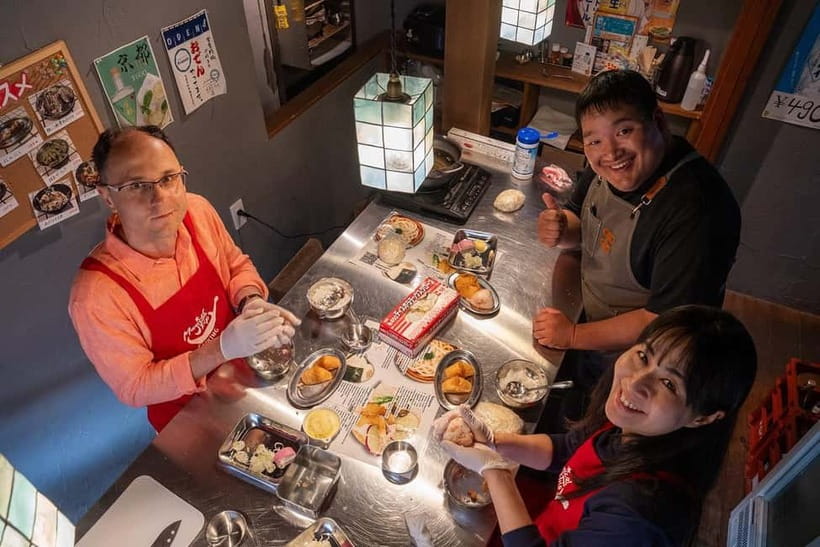
Kyoto’s best cooking lesson starts with the least glamorous ingredients: flour and water. You knead, stretch, and roll the dough by hand until it becomes chewy udon. Then you prepare rice dishes and tempura before sitting down to eat your work.
I like the small group of no more than eight, which gives the English-speaking guide time to help without turning the class into a cooking show. I also like the recipe set and the chance to eat in a real restaurant setting. The main caution is that the exact lesson may not match the advertised plan: one recent class lasted about 1 hour and 20 minutes and did not include making sushi, cooking the udon, or preparing broth.
Key points
- Handmade udon begins with flour and water, followed by mixing, kneading, and rolling.
- An udon master and English-speaking guide lead the class, with no previous cooking experience needed.
- The meal includes udon, tempura, and inari sushi, though the precise preparation may vary.
- A small-group limit of eight keeps the class personal and manageable.
- Two drinks, a mini sake tasting, recipes, and tour photos are included.
- The meeting point is easy to reach, just three minutes from Exit B3 at Kyoto-Kawaramachi Station.
What This Kyoto Cooking Class Really Offers
This is a practical introduction to a few familiar Japanese foods, with udon at the center. You are not simply watching a chef work. You handle the dough, shape food, and take part in the frying before eating the finished dishes.
The class costs $83 per person and lasts two hours according to the current activity details. That price is reasonable if you value instruction, a meal, drinks, a recipe set, and a small group. It is less convincing if you expect a long professional workshop with every dish made entirely from its first ingredient.
The most important point is to keep your expectations flexible. The advertised program includes udon, inari sushi, and tempura, but the hands-on level can differ. One class included udon kneading and tempura frying, but the tempura batter was already prepared. The group also did not cook the udon or make the broth, and sushi was not made during that session.
More Sushi and Japanese Classes in Kyoto:
- Ramen Cooking Class at Ramen Factory in Kyoto
★ 5.0 · 1,937 reviews - Sushi Making in Kyoto! Same-day bookings welcome!
★ 5.0 · 713 reviews - Kyoto: Ramen Cooking Class at a Ramen Factory with Souvenir
★ 4.9 · 532 reviews
Finding the Meeting Point in Central Kyoto
You meet at the 7-Eleven near Kyoto-Kawaramachi-Takoyakushi. From Exit B3 of Kyoto-Kawaramachi Station on the Keihan Kyoto Line, allow about three minutes on foot. From Exit 3 at Gion-Shijo Station on the Keihan Main Line, the walk takes about nine minutes.
That central location works well if you are already exploring Kawaramachi, Nishiki Market, Gion, or the Kamo River area. I would allow a little extra time to find the convenience store and get settled. The supplied directions are short, but central Kyoto can be busy and station exits are not always as obvious as they look on a map.
The class is conducted in English. No Japanese cooking vocabulary is required, and no prior cooking experience is expected. That makes it a good choice for families, first-time cooks, and anyone who wants a food activity without a steep learning curve.
Kneading Udon from Flour and Water
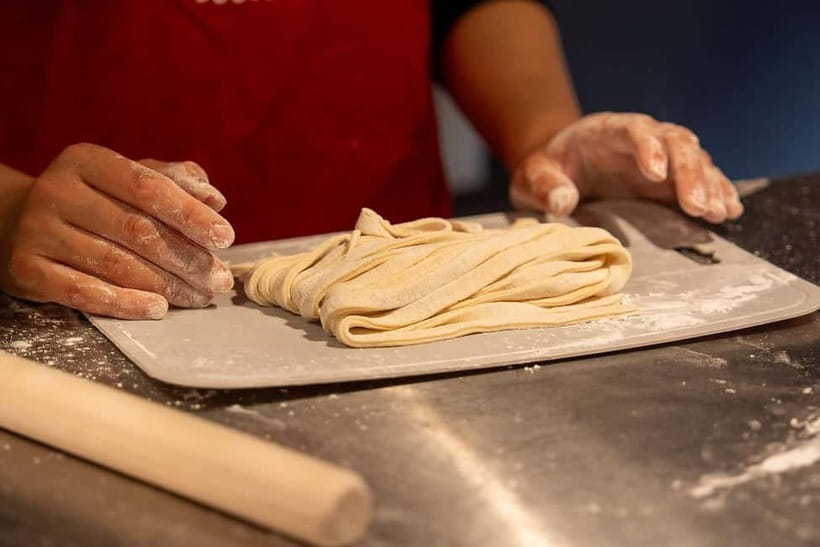
The udon session is the heart of the class. You begin with flour and water, then mix and knead the dough by hand. The work is simple, but the texture changes as you continue. At first, the dough can feel rough and stubborn. With time, it becomes smoother and more elastic.
You then roll and shape it into noodles. This is the part that gives the class its best physical connection to Japanese food. Udon is often treated as a humble everyday dish, but making it by hand shows why texture matters so much. Thick noodles need a satisfying chew, and that quality begins well before they reach a bowl.
The local udon master demonstrates the process while the English-speaking guide explains each step. The guide’s attentive help was one of the strongest parts of the experience. You can expect support with the practical work rather than being left to copy a demonstration from across the room.
There is one important limit. The supplied class details do not guarantee that you will cook the noodles or prepare the broth yourself. In one session, the group focused on mixing, kneading, and shaping the dough, while the udon cooking and broth preparation were handled separately.
If your main goal is to learn the full path from raw dough to finished bowl, ask for clarification before booking. If you mainly want to understand how handmade udon dough feels and how it is shaped, the class still gives you a useful lesson.
Rice, Inari Sushi, and Onigiri
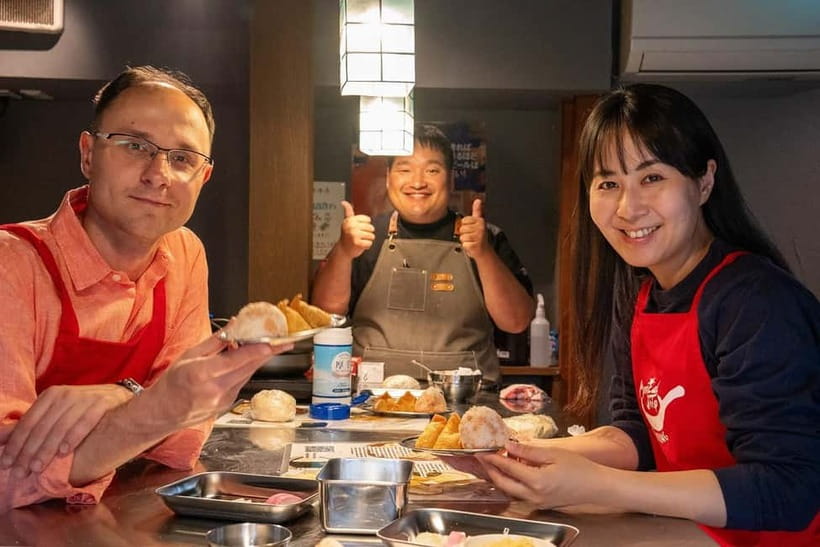
The program also includes Japanese rice preparation. You are taught how to season freshly steamed rice and use it for inari sushi, with onigiri also included in the described preparation.
Inari sushi is a useful dish for a class because it combines technique with a clear finished shape. The seasoned rice is placed into a pouch, giving you something that looks recognizably Japanese even if your first attempt is not perfectly neat. Onigiri offers another simple way to shape rice by hand.
The preparation of sushi did not take place in one reported class, so this is another area where the lesson may vary. The activity description presents inari sushi as part of the food you will make and eat, but the exact amount of hands-on work is not certain.
That distinction matters if you are booking for a child or for someone who specifically wants sushi practice. You may get a broader lesson covering all three foods, or you may spend more of the available time on udon and the meal.
More Hands-On Workshops in Kyoto:
- Kyoto: Ramen, Gyoza, and Onigiri Cooking Class
★ 5.0 · 445 reviews - The Original Small-Group Sushi Making Class in Kyoto
★ 5.0 · 436 reviews - Kyoto: Japanese Washoku Bento Small Group Cooking Class
★ 5.0 · 380 reviews - Kyoto Ramen and Gyoza Cooking Class with Professional Chefs
★ 5.0 · 282 reviews
Frying Tempura in a Small Group
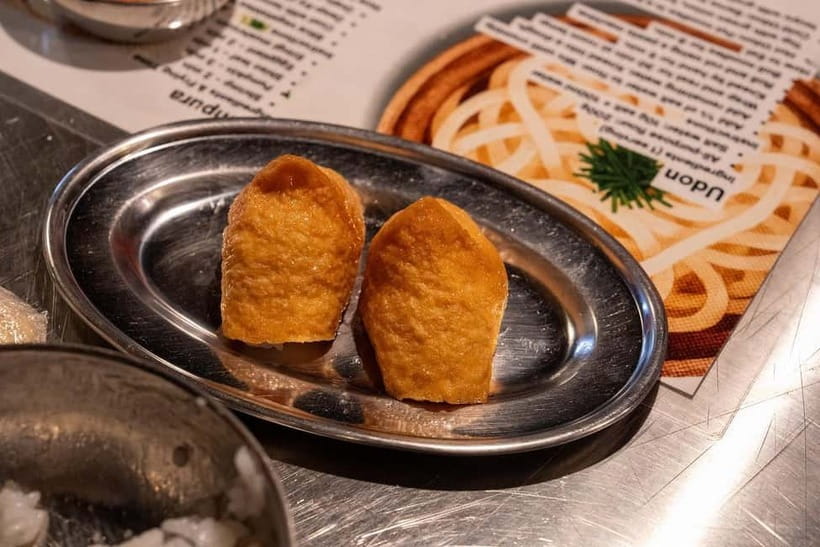
The tempura portion introduces the basic process of coating and frying ingredients. The guide and chef demonstrate the steps, then you dip the ingredients and fry your own golden pieces.
This part is social and accessible. Frying can feel more active than shaping rice, and it gives you a quick result. You do not need advanced knife skills or restaurant training to take part.
Do not assume that you will make every component from scratch. In one class, the tempura batter was already prepared, and participants mainly dipped ingredients before frying them. That is still hands-on, but it is a shorter lesson than mixing and seasoning a batter yourself.
The small-group format helps here. With no more than eight participants, the guide can watch the cooking process and offer direction. Hot oil requires attention, so following instructions matters. The activity is suitable for all ages, but younger children will need close help during the frying step.
Sitting Down to Eat Your Own Work
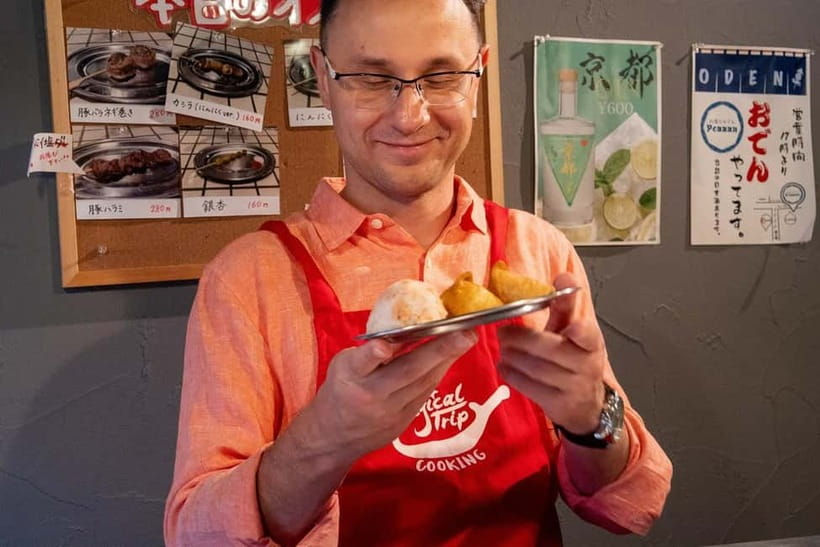
After the preparation, you eat the dishes made during the class. The meal is listed as udon, tempura, and inari sushi, with two drinks included.
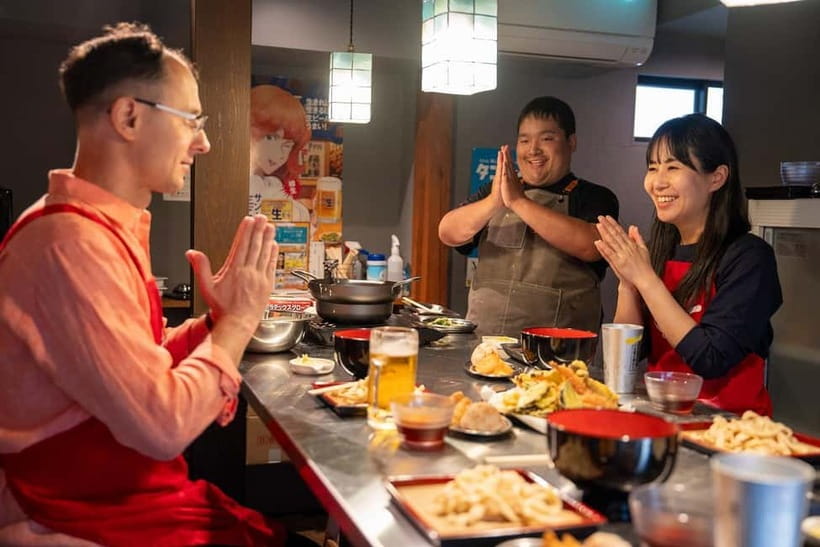
I like this format because the food is not treated as an afterthought. You get to see the result of the work while the process is still fresh in your mind. Even a slightly uneven noodle or misshapen rice parcel becomes part of the experience.
The atmosphere is meant to be friendly and relaxed rather than formal. One participant described enjoying the chance to cook in a real restaurant and finding that the class offered a little more understanding of udon. That is a fair way to view it. This is an introductory food experience, not a full culinary qualification.
The meal also gives you a chance to compare the textures of handmade noodles, rice dishes, and fried food in one sitting. Because the class includes a substantial amount of food, it can work well as a lunch or early dinner activity. The exact starting times vary, so check the available schedule and plan the rest of your day around it.
The Mini Sake Tasting and Two Drinks
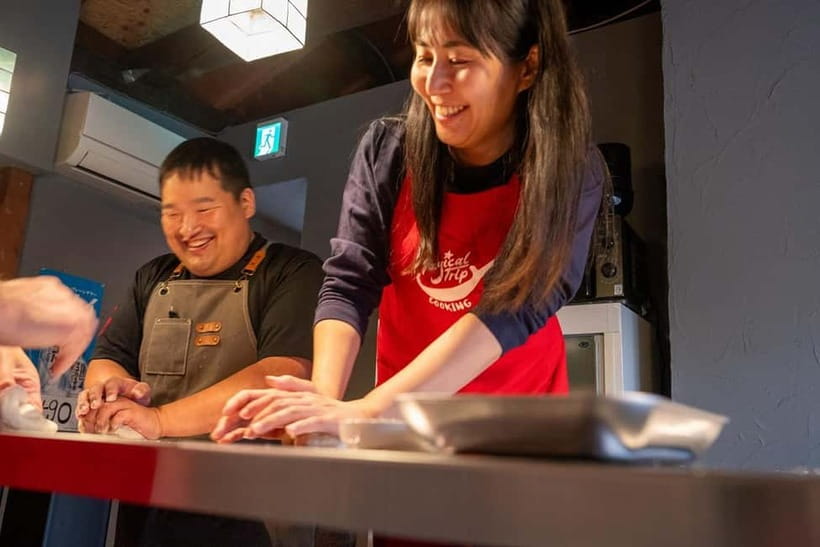
A mini sake tasting accompanies the meal, and two drinks are included. This adds a small cultural element without turning the class into a dedicated sake lesson.
You can think of it as a chance to pair drinks with food and try something associated with Japanese dining. The provided details do not specify the sake varieties or the full drink menu, so you should not book this expecting a detailed tasting led by a sake specialist.
If you do not drink alcohol, confirm the available alternatives before booking. The activity information confirms two drinks and a mini sake tasting, but it does not spell out nonalcoholic choices.
Recipes and Photos to Take Home
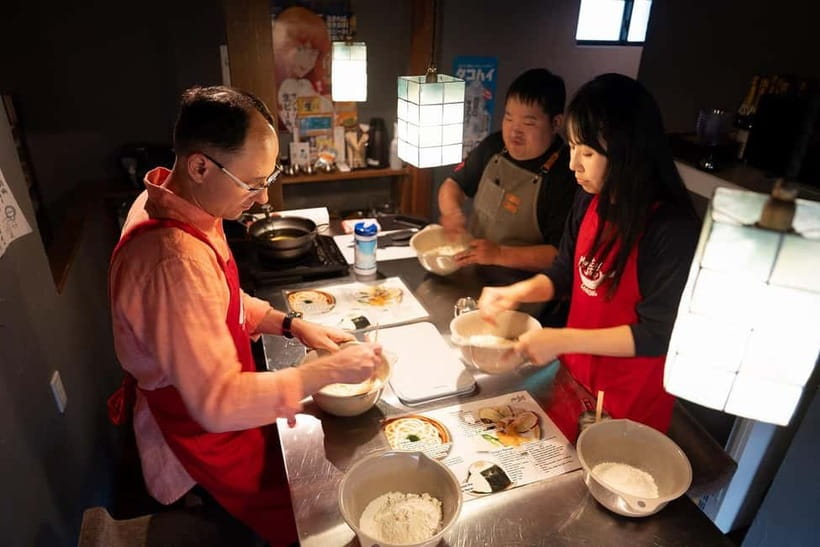
The English recipe set is one of the most useful inclusions. Ingredients and equipment in Japan can seem unfamiliar, so recipes written for home use matter more than a quick demonstration you may forget by the next morning.
The recipes are designed around ingredients you can find at home. That does not guarantee that every noodle will come out perfectly on the first try, but it gives you a way to repeat the lesson in your own kitchen.
Tour photos are also included. They provide a simple record of the activity, especially the hands-on stages. Since the experience is only two hours on paper, having photos and written instructions helps extend its value beyond the meal itself.
Time, Group Size, and What May Change
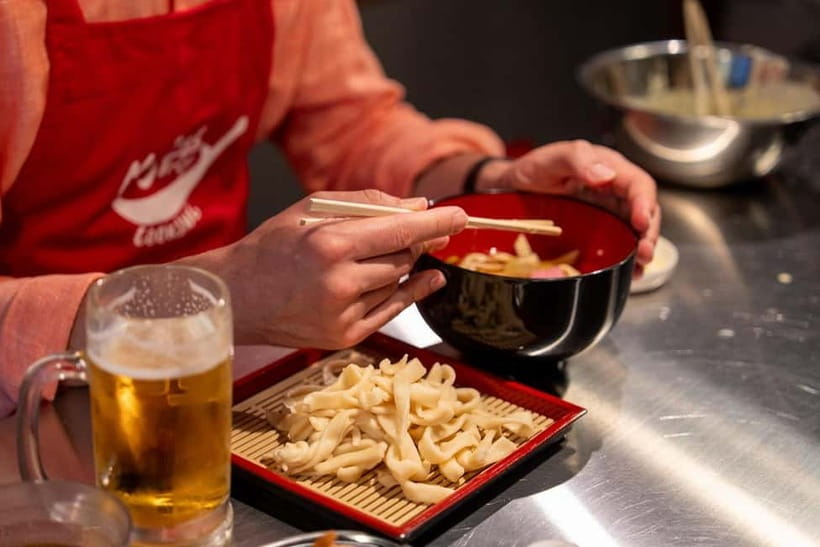
The official duration is two hours, but the actual length can be shorter. One class, including the meal, took about 1 hour and 20 minutes. Another description connected with the experience referred to 2.5 hours, so the timing has not been fully consistent.
I would avoid scheduling a train, museum reservation, or major attraction immediately afterward. The class itself may be quick, but meeting the group, settling in, and finishing the meal take time. Check the available start time and leave a buffer after the class.
The group limit of eight is a real benefit. You are less likely to spend the lesson waiting behind a large crowd, and the guide can offer individual help. It also creates a more social setting than a private lesson, which may appeal to solo visitors and couples who want to meet other people.
The activity is suitable for all ages and provides the ingredients. You do not need to shop before arriving, and you do not need to bring cooking supplies. The most useful preparation is simply arriving at the correct convenience store on time.
Is $83 a Fair Price?
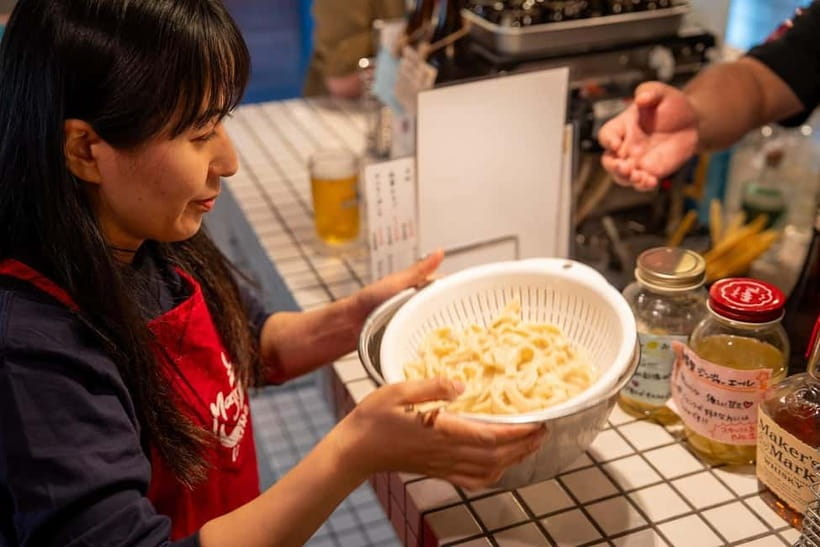
At $83, the value depends on what you want from the experience. The fee covers instruction from an udon master and local guide, the food you prepare, two drinks, recipes, photos, and a small-group setting.
That is a fair package for someone who wants a meal plus a cultural activity in central Kyoto. Buying a restaurant meal alone would not give you the dough work, frying, guide support, or recipes.
The value drops if you are mainly paying for a long class or a complete from-scratch lesson. The shorter session and the possible omission of sushi preparation, broth making, udon cooking, or homemade tempura batter are worth considering.
I would treat this as a compact introduction to Japanese home-style food rather than a serious cooking course. If that matches your goal, the price is easier to justify.
Who Should Book This Experience?
I would recommend it to first-time cooks, families, couples, solo visitors, and food lovers who want to do more than sit at a restaurant. The class gives you a clear activity, a meal, and a few skills you can try again at home.
It is also a good fit if you are staying near Kawaramachi or Gion and want something easy to reach by train. The short walking distance from the stations makes it convenient to pair with sightseeing in central Kyoto.
I would be more cautious if you are an experienced cook seeking detailed instruction. You may find the class too basic, especially if the batter, broth, and noodle cooking are handled for you.
The same caution applies if sushi is your main reason for booking. Inari sushi is part of the planned menu, but it was not prepared in one class, so confirm the current format if that detail matters.
Should You Book the Kyoto Udon Class?
Book this experience if you want a friendly, hands-on introduction to udon with a meal, drinks, recipes, and photos included. The flour-to-noodle process is the strongest part, and the small group plus attentive English guidance makes it approachable.
Before paying, confirm two details: the expected duration and which dishes you will prepare from scratch. If you are comfortable with a compact class whose focus may shift toward kneading and shaping, $83 offers a pleasant food activity in a convenient Kyoto location. If you expect a full two-and-a-half-hour workshop covering broth, cooked noodles, sushi, and homemade tempura batter, you may want a different class.
FAQ
Where does the cooking class meet?
The meeting point is the 7-Eleven at Kyoto Kawaramachi-Takoyakushi. It is about a three-minute walk from Exit B3 of Kyoto-Kawaramachi Station on the Keihan Kyoto Line, or a nine-minute walk from Exit 3 of Gion-Shijo Station on the Keihan Main Line.
How long does the activity last?
The listed duration is two hours. One class took about 1 hour and 20 minutes, including the meal, so the actual timing may vary.
Is the class taught in English?
Yes. An English-speaking local guide leads the class alongside the udon master.
Do I need cooking experience?
No. The activity is designed for people without prior cooking experience.
What foods are included?
The planned food includes udon, tempura, and inari sushi. The activity also refers to shaping onigiri from seasoned rice.
Are ingredients provided?
Yes. The ingredients needed for the cooking class are provided.
What is included besides the food?
The experience includes two drinks, an udon master and local guide, an English recipe set, and tour photos. A mini sake tasting is also included.
How many people are in the group?
The class is limited to eight participants.
Just added around Kyoto
- Kyoto: Sushi Making Class with Sushi Chef★ 4.8 · 64 reviews
- Nishiki Market Food Tour with Cooking Class★ 4.9 · 42 reviews
- Kyoto: Wagashi (Japanese sweets) Cooking near Fushimiinari★ 5.0 · 40 reviews
- Kyoto: Sushi Making Experience in Kawaramachi★ 4.8 · 13 reviews
- Kyoto: Small-Group Authentic Sushi Making Workshop★ 5.0 · 137 reviews
- Kyoto: Cooking class, learning how to make authentic sushi★ 4.2 · 9 reviews
- Kyoto Home Cooking Class &Supermarket tour near Fushimiinari★ 5.0 · 31 reviews
- Kyoto: Morning Japanese Bento Cooking Class★ 5.0 · 149 reviews
Japanese & Sushi Cooking Classes, compared.
Sushi Making Tokyo Roll and Authentic Japanese Sushi Class
Read our review →
Tokyo: Roll and Authentic Sushi Making Class in Asakusa
Read our review →
Ramen Cooking Class at Ramen Factory in Kyoto
Read our review →
Tokyo: Sushi Making Class in a Happi Coat near a Famous Spot
Read our review →
Sushi Making Tokyo! Popular Maki Sushi & Japanese Sushi(+Recipe!)
Read our review →
Sushi Making Osaka Roll and Authentic Japanese Sushi Class
Read our review →
Tokyo Sushi Making Class in Tsukiji with Professional Chef
Read our review →
Ramen & Gyoza Cooking Class in Tokyo with Local Supermarket Visit
Read our review →Browse the lists this tour appears in