
Review · OSAKA
Osaka: Japanese Cooking Class with Matcha Experience
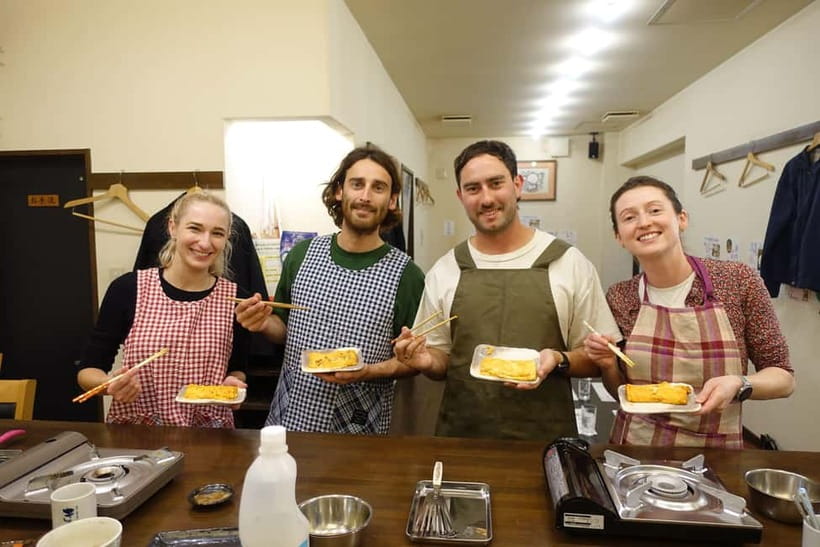
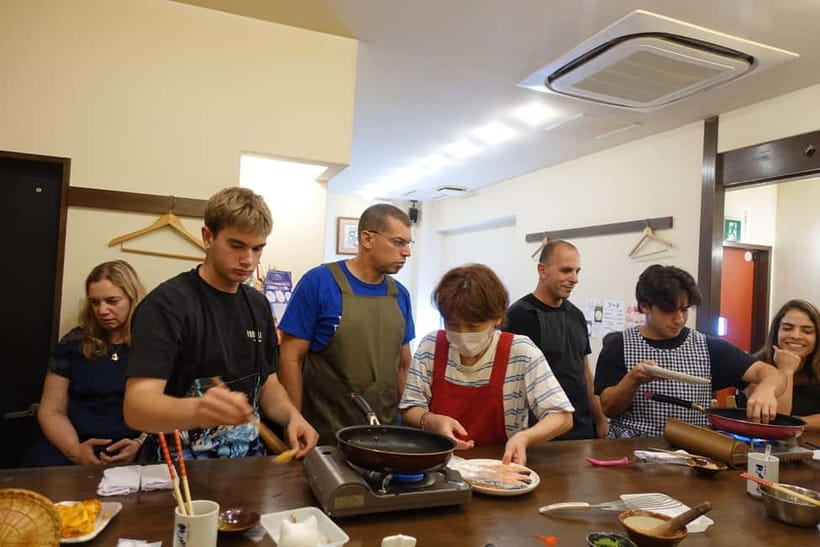
Making Japanese food with a local chef gives you more than a meal. At Wa Cafe Kitajima, you choose between home-cooked dishes, okonomiyaki, or bento, then prepare the food with help from a chef and an Osaka mom who knows how to keep beginners comfortable.
I like the small group of up to 10 people, which should leave room for questions and hands-on work. I also like the easy location, a seven-minute walk from Morinomiya Station and just one JR stop from Osaka Castle Station. The $64 price includes ingredients and the matcha session, though food allergies and wheelchair access require careful attention.
Key Points at a Glance
- Choose your Japanese dish: Pick home-style cooking, okonomiyaki, or bento rather than following one fixed menu.
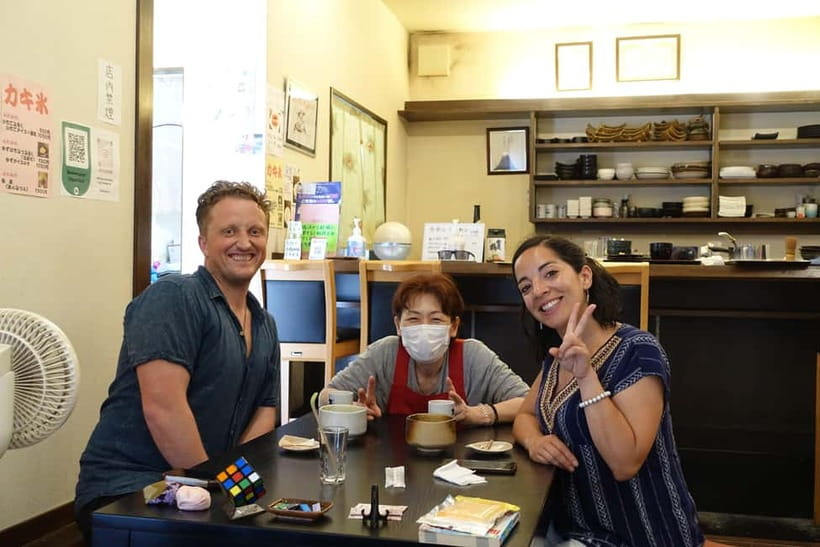
- Learn from local hosts: Chef Ikuko and an Osaka cooking host provide English and Japanese support.
- Finish with matcha: The experience includes a dedicated matcha-making activity, not just a cooking lesson.
- Convenient Osaka setting: Walk seven minutes from Morinomiya Station, with easy access from Osaka Castle, Shinsaibashi, and Namba.
- Good for families: The friendly teaching style and small group format work well for children and first-time cooks.
- Check restrictions first: The class is not suitable for wheelchair users or people with food allergies.
A Hands-On Taste of Everyday Osaka

This is the sort of cooking class I like for a short Osaka visit. You are not signing up for a long culinary course or a formal restaurant meal. You spend two hours preparing food people commonly eat in Japan, then learn how to make matcha.
The choice of dishes is useful. You can select home-cooked dishes, okonomiyaki, or bento, so the class can match your interests. Okonomiyaki gives you a taste of Osaka’s famous savory pancake tradition. Bento offers a practical look at how Japanese meals are arranged and packed. Home cooking is the broadest option for anyone who wants everyday recipes rather than one signature dish.
The menu choice also makes this more appealing for repeat visitors. If you return to Osaka, you could choose a different style of food instead of repeating the same lesson. Since the exact recipes can vary, check the available option when booking if one particular dish matters to you.
More Sushi and Japanese Classes in Osaka:
- Sushi Making Osaka Roll and Authentic Japanese Sushi Class
★ 5.0 · 1,220 reviews - Osaka Sushi Making Experience
★ 5.0 · 400 reviews - Osaka: Ramen and Gyoza Cooking Class in Dotonbori
★ 5.0 · 378 reviews
Meeting Chef Ikuko and the Osaka Cooking Host
Chef Ikuko is named in the available experience details, and the teaching style associated with her is warm, energetic, and easy to follow. That matters in a class where the value comes from doing the work yourself, not merely watching someone cook.
You can expect instruction from a local chef, with support in English and Japanese. The host also describes an Osaka mom being available to help people unfamiliar with cooking. That is especially useful if you are traveling with children, have little kitchen experience, or feel unsure about handling a recipe in another language.
The class has received a top rating from four recorded bookings, with especially strong praise for the teacher’s enthusiasm, kindness, and clear techniques. One family said the children enjoyed the activity, while another participant found the recipes practical enough to recreate at home. Those details point to the class’s strongest feature: it is designed to be friendly and usable, not intimidating.
Still, keep your expectations sensible. The information provided does not promise a professional kitchen, advanced knife skills, or a full printed recipe book. You are booking a short cultural activity with cooking instruction, not chef training.
Choosing Between Home Cooking, Okonomiyaki, and Bento
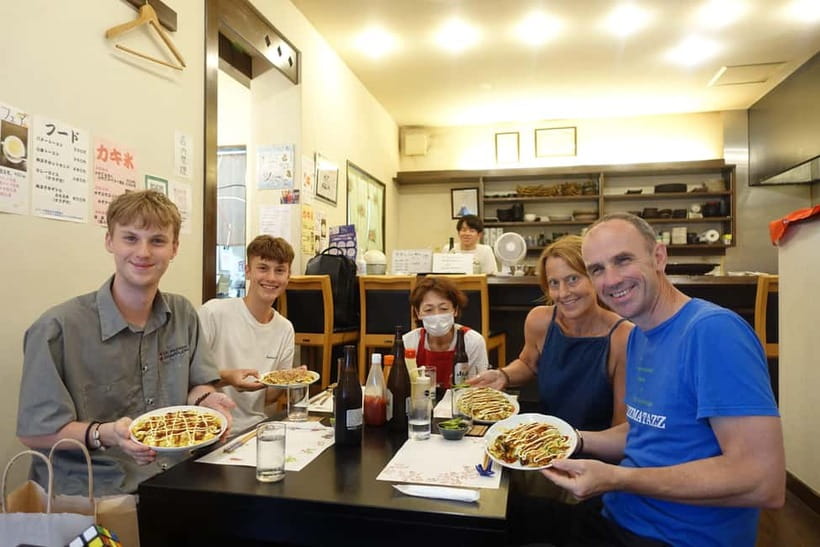
Your dish choice shapes the feel of the class.
Home-cooked dishes are likely the best fit if you want recipes that connect with ordinary Japanese meals. This option should appeal to people who enjoy learning food they can prepare again at home. It may also be the most flexible choice for a mixed-age family, although you should ask about the precise menu and ingredients before booking.
Okonomiyaki is the natural pick for an Osaka-focused experience. Osaka is strongly associated with this savory dish, and choosing it gives the class a clear local angle. It is also an inviting choice for first-time cooks because the finished meal feels informal and social rather than formal.
Bento offers something different. You are not only cooking separate items, but also thinking about how food is put together in a compact Japanese meal. This choice can be rewarding if you are interested in presentation, lunch culture, and the practical side of Japanese food.
The available information does not list the exact recipes, cooking equipment, or amount of food served. If you have a particular preference, ask before the class begins. The booking details say you should inform the provider about dietary restrictions in advance, but they also say the activity is not suitable for people with food allergies. Take that warning seriously.
What the Two Hours Are Likely to Feel Like
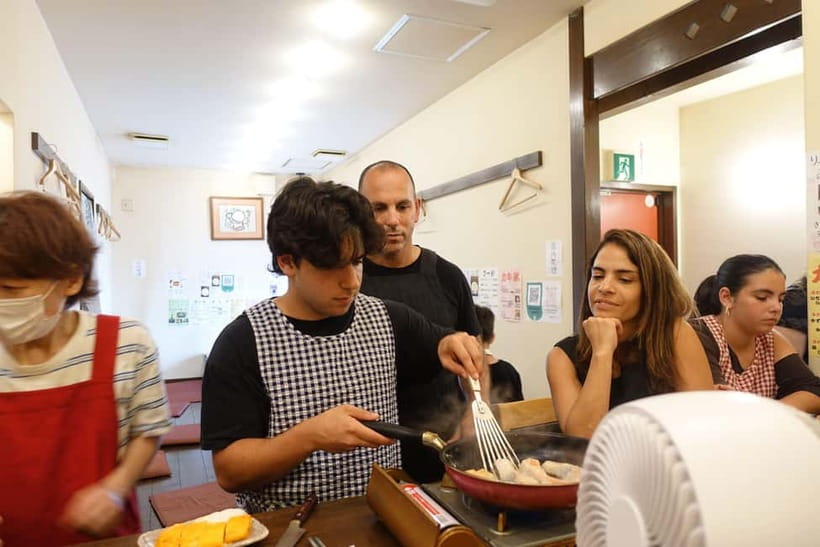
The class combines two main parts: preparing the selected dish and making matcha. The cooking lesson comes from a local chef, while the matcha activity adds a quieter cultural element to the food preparation.
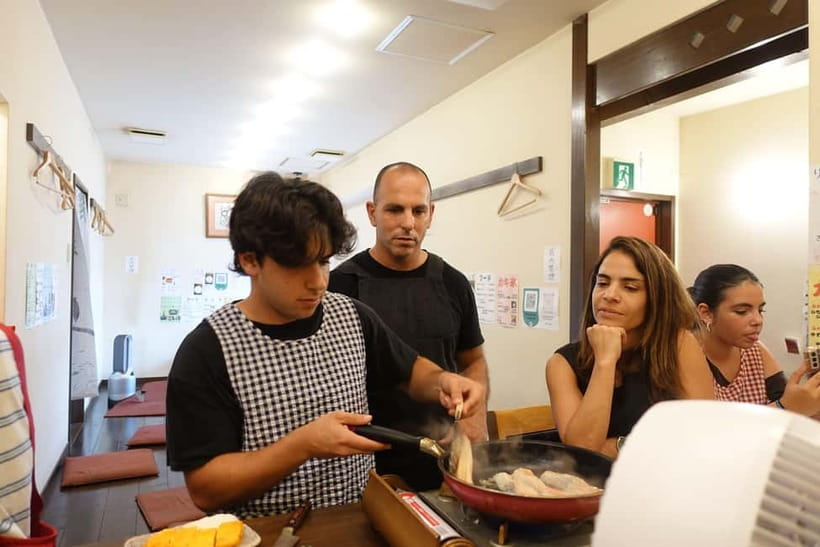
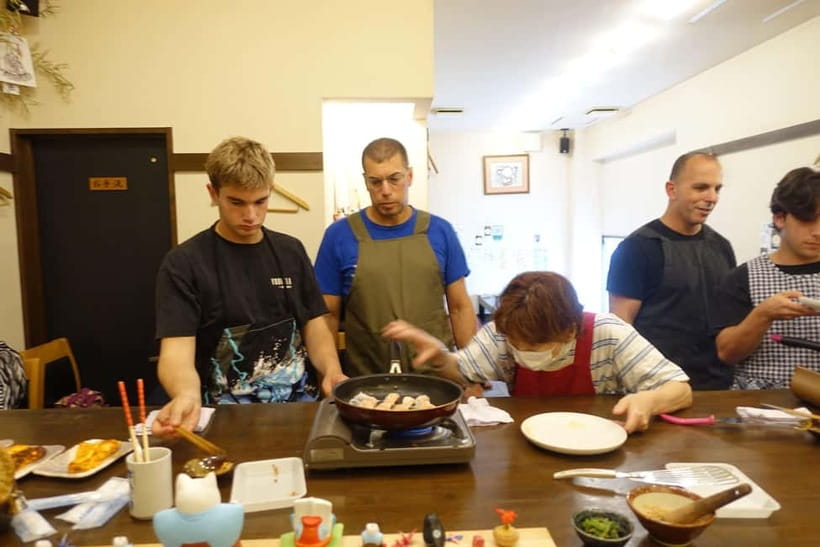
You will choose one of the three dish categories, receive the ingredients, and cook with the group. The small-group limit of 10 people is important here. It should make it easier to see the demonstrations, ask for help, and take an active role instead of waiting behind a large crowd.
The host support is aimed at beginners. You do not need to arrive with cooking experience, and the class is set up for shared participation. Families can work together, couples can split tasks, and friends can treat the session as a break from sightseeing.
The matcha portion gives the experience a change of pace. Rather than rushing from cooking to eating, you get time devoted to preparing Japanese green tea. The supplied details do not explain the exact utensils, method, or whether a formal tea ceremony is included, so do not book this expecting a full ceremonial performance. Think of it as a matcha-making experience paired with a cooking class.
Because the duration is only two hours, the class should feel manageable during a busy Osaka itinerary. It is long enough to learn and prepare something, but short enough to fit around major sightseeing. You will not spend the whole day indoors.
More Hands-On Workshops in Osaka:
- Osaka Cooking Class: Okonomiyaki &Japanese cuisines experience
★ 5.0 · 261 reviews - Osaka: Roll and Authentic Sushi Making Class in Dotonbori
★ 4.9 · 239 reviews - Ramen and Gyoza Cooking Class in Osaka
★ 5.0 · 202 reviews - Osaka: Cooking Class Ramen & Gyoza Course in Nanba
★ 4.9 · 86 reviews
Why the Morinomiya Location Works Well
The meeting point is marked by a sign, and the venue is a seven-minute walk from Morinomiya Station. That is a practical detail in Osaka, where a short walk can make the difference between an easy activity and a rushed one.
Morinomiya also works well beside Osaka Castle plans. The location is one JR station from Osaka Castle Station, so you can pair the class with a visit to the castle area. You could schedule cooking before sightseeing, or use the class as a calmer activity after time outdoors.
The venue is also accessible from Shinsaibashi and Namba. That makes it a sensible choice for a day built around central Osaka. You will still need to arrange your own transportation, since train fares and other personal costs are not included in the $64 price.
Allow a little extra time to find the sign and walk from the station. The stated walk is seven minutes, but unfamiliar streets, station exits, and a group meeting time can add a few minutes. Comfortable shoes are recommended, and they make sense for a day that may include Osaka Castle or central shopping streets.
Is $64 a Fair Price?
At $64 per person, this is not the cheapest way to eat in Osaka. You can buy an excellent meal for less. The price makes more sense when you count the instruction, ingredients, small group setting, and matcha activity.
You are paying for participation rather than a plate placed in front of you. The class gives you a chance to understand how the dish comes together and to take home techniques you may be able to repeat. One participant specifically found the recipes suitable for making again at home, which is a useful measure of value.
The price is strongest for people who want a cultural activity as part of their meal. It is less compelling if you mainly want to taste okonomiyaki or Japanese home cooking without spending time in a kitchen.
The matcha experience helps justify the cost. It adds a second Japanese food tradition to the same two-hour booking, making the activity broader than a single-dish lesson. You should still confirm exactly what your chosen menu includes before paying, particularly if your main goal is a specific recipe.
A Good Choice for Families and First-Time Cooks
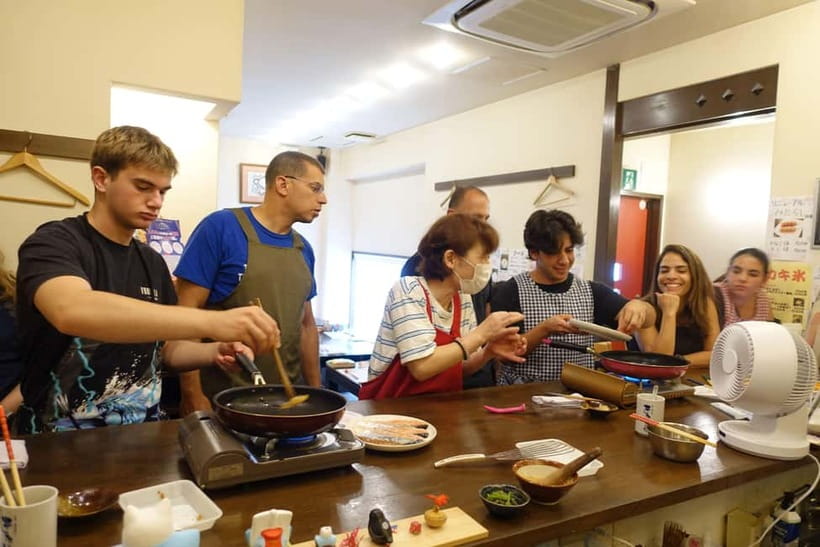
The class appears particularly well suited to families. The small group limit gives children a better chance to take part, and the available feedback specifically notes that children enjoyed the activity. Cooking together can also give a family a shared task during a trip filled with temples, trains, and long walks.
Couples and friends should enjoy it for the same reason. You can divide the work, compare results, and create a meal together rather than sitting silently at a restaurant. The activity is social without requiring a large group.
First-time cooks are also well served. The Osaka mom is there to help people who are unfamiliar with cooking, and the hosts speak English and Japanese. That does not remove every language challenge, but it should make the lesson approachable.
I would be more cautious for anyone seeking advanced culinary instruction. The available information presents the class as a welcoming introduction to Japanese dishes. It does not promise specialist training, complex technique, or a professional qualification.
Important Limits to Consider Before Booking
The biggest practical concern is food allergies. The instructions ask you to provide allergy or dietary information in advance, but the activity is specifically marked as unsuitable for people with food allergies. If this applies to you, do not assume substitutions will be available. Contact the provider before booking, and choose another activity if you cannot receive a clear answer.
Wheelchair users should also note that the experience is not suitable for them. The information does not explain the exact reason, so it is best not to rely on station or venue accessibility without direct confirmation.
The packing advice lists comfortable shoes and comfortable clothing. Cooking can involve standing, movement, and contact with ingredients, so avoid wearing anything you would be upset to stain. The instructions also say to bring ingredients, which conflicts with the inclusion details stating that all ingredients for the selected dish are provided. Clarify this point with the provider before arrival. Do not buy special ingredients until you know what is required.
The group is limited to 10 participants, but the listing does not guarantee that every session will reach that number. A small group can be a major advantage, yet the actual atmosphere may depend on the booking date.
How to Fit It Into an Osaka Day
For a straightforward plan, pair the class with Osaka Castle. Morinomiya is close to the castle area, and the one-stop JR connection makes the combination simple. Leave enough time between activities for the walk, finding the meeting sign, and any train delays.
You can also place it between time in Namba and Shinsaibashi. The location is described as convenient from both areas, so the class can break up shopping and city sightseeing. Since the activity lasts two hours, it does not take over a full day.
Think about meal timing. You will prepare and eat a dish as part of the cooking activity, although the exact serving arrangements are not stated. If you are booking around lunch or dinner, check the start time and menu so you know how it fits with the rest of your plans.
Flexible booking is another practical benefit. You can reserve now and pay later, and cancellation is free up to 24 hours in advance for a full refund. Policies can change, so check the current terms when booking, but this gives you some room to adjust a crowded Osaka schedule.
Should You Book the Wa Cafe Kitajima Class?
Book it if you want to make Japanese food instead of only eating it, especially if you are visiting Osaka with children, friends, or a partner. The dish choice, local instruction, matcha activity, and convenient Morinomiya location make this a well-rounded two-hour plan.
I would choose okonomiyaki for the strongest Osaka connection, home cooking for useful recipes, and bento for an introduction to Japanese meal arrangement. Chef Ikuko’s warm teaching style and the extra help from an Osaka mom should make the class approachable for beginners.
Skip it if you have a food allergy, need wheelchair access, or want advanced culinary training. Also confirm the ingredient instructions and exact menu before paying. For everyone else, $64 is a reasonable price for a small-group activity that combines a meal, a lesson, and a taste of local food culture.
FAQ
How long does the Japanese cooking and matcha class last?
The activity lasts two hours.
How much does the experience cost?
The listed price is $64 per person.
Which dishes can I choose to make?
You can choose one option from home-cooked dishes, okonomiyaki, or bento.
Is matcha included?
Yes. The booking includes a matcha-making experience.
Where does the class meet?
The location is near Morinomiya Station, about a seven-minute walk away. The meeting point has a sign.
How many people can join the class?
It is a small-group activity limited to 10 participants.
What languages are available?
The host or greeter supports English and Japanese.
Is the class suitable for people with food allergies or wheelchair users?
No. The activity is listed as unsuitable for people with food allergies and wheelchair users. You should contact the provider if you have dietary restrictions before booking.
Just added around Osaka
- Okonomiyaki&Takoyaki for Families:Osaka Street Food Festival★ 5.0 · 4 reviews
- Osaka: Sushi Making in Spacious Studio (SAME-DAY OK!)★ 5.0 · 75 reviews
- Osaka: Sushi Making Class and Dotonbori Food Tour★ 4.7 · 3 reviews
- Osaka Sake Tasting with Takoyaki Cooking★ 5.0 · 156 reviews
- Osaka Okonomiyaki Cooking Experience for Families & Groups★ 4.9 · 8 reviews
- Osaka: Sashiko Japanese Craftsmanship Workshop★ 5.0 · 31 reviews
- Osaka Dotonbori: Sushi Making Experience★ 4.9 · 122 reviews
- Osaka: Okonomiyaki Cooking Class with Beer or Soft Drink★ 4.9 · 9 reviews
Japanese & Sushi Cooking Classes, compared.
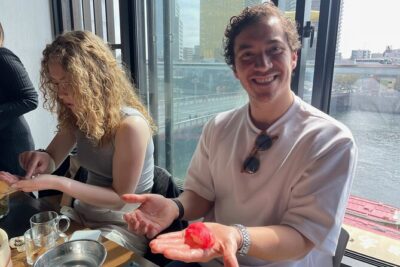
Sushi Making Tokyo Roll and Authentic Japanese Sushi Class
Read our review →
Tokyo: Roll and Authentic Sushi Making Class in Asakusa
Read our review →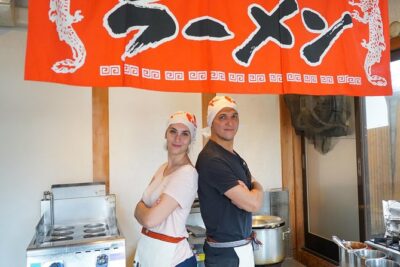
Ramen Cooking Class at Ramen Factory in Kyoto
Read our review →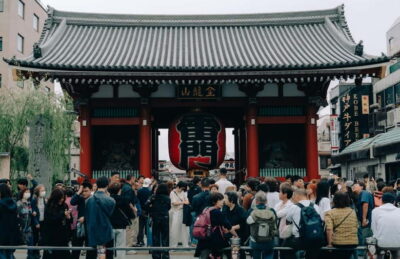
Tokyo: Sushi Making Class in a Happi Coat near a Famous Spot
Read our review →
Sushi Making Tokyo! Popular Maki Sushi & Japanese Sushi(+Recipe!)
Read our review →
Sushi Making Osaka Roll and Authentic Japanese Sushi Class
Read our review →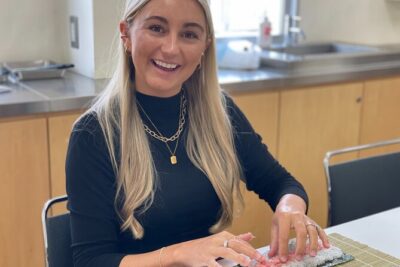
Tokyo Sushi Making Class in Tsukiji with Professional Chef
Read our review →
Ramen & Gyoza Cooking Class in Tokyo with Local Supermarket Visit
Read our review →Browse the lists this tour appears in