
Review · OSAKA
Osaka: Sushi Making in Spacious Studio (SAME-DAY OK!)
Making sushi in a spacious Namba studio is a fine way to spend 90 minutes in Osaka, especially if you want more than another restaurant meal. You’ll learn the basics of sushi rice and hand-shaped sushi, then eat what you make. I like the friendly English instruction and the useful keepsakes: a Sushi Master Certificate and a small Japanese souvenir.
I also like the easy location, only about three minutes from Namba Station, and the generous food portion for a $25 price. The main consideration is that this is an introductory class, not professional chef training. Drinks cost extra, and you need to report allergies or vegetarian needs in advance.
Key points to know before you book
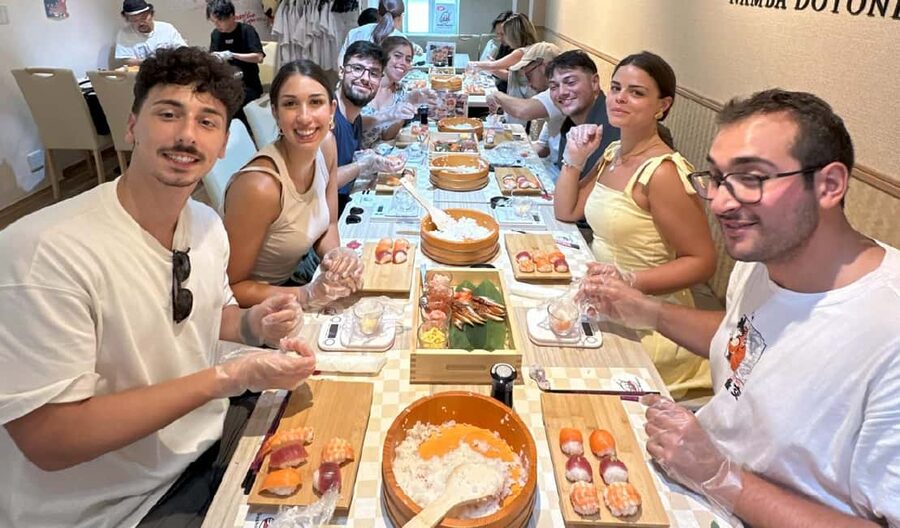
- Make 8 or 10 pieces: Choose the Standard course with 8 pieces or the Premium course with 10.
- Learn in English: Instructors such as Naho, Aki, Seina, and Tsuki guide the class in English and Japanese.
- Eat what you prepare: Your sushi meal is included, with soft drinks and alcohol available to buy separately.
- Vegetarians can join: Fish toppings can be replaced with vegetable ingredients if you contact the provider ahead of time.
- Three minutes from Namba: Find Sushi Master Namba on Google Maps and look for the orange-colored narrow building.
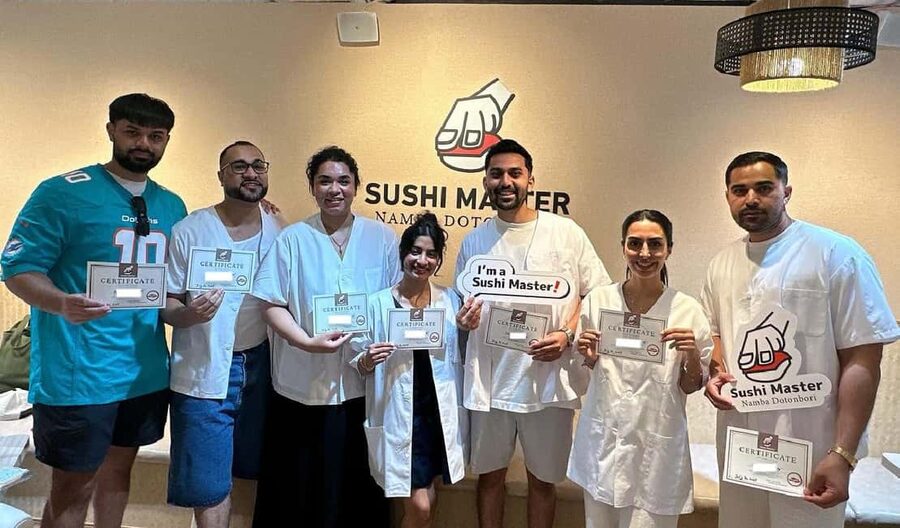
- Take home two mementos: The Sushi Master Certificate and small Japanese gift add a nice finish.
A hands-on sushi class near Namba
This experience gets you working quickly. You are welcomed in English, introduced to Japanese food culture, and shown the basic idea behind sushi before preparing your own pieces. The class is held in a spacious studio, which matters in a hands-on food activity. You have room to follow the demonstration, handle ingredients, and ask questions without feeling crowded.
The tone is friendly rather than formal. Instructors named Naho, Aki, Seina, Tsuki, and Matsuri have led sessions, and the teaching style is patient and clear. If you are traveling alone, you can still feel comfortable joining. Families and couples can work side by side, and the class is designed for first-timers rather than people who already know their way around a sushi counter.
A short introductory video may be used at the beginning, followed by explanations about sushi culture and the ingredients. The lesson then turns practical. You handle the rice and assemble the sushi under guidance, with help available when your shape is a little uneven. That is part of the fun. Your first piece may not look like the chef’s, but it will still taste good.
More Sushi and Japanese Classes in Osaka:
- Sushi Making Osaka Roll and Authentic Japanese Sushi Class
★ 5.0 · 1,220 reviews - Osaka Sushi Making Experience
★ 5.0 · 400 reviews - Osaka: Ramen and Gyoza Cooking Class in Dotonbori
★ 5.0 · 378 reviews
Learning the part most people get wrong: sushi rice
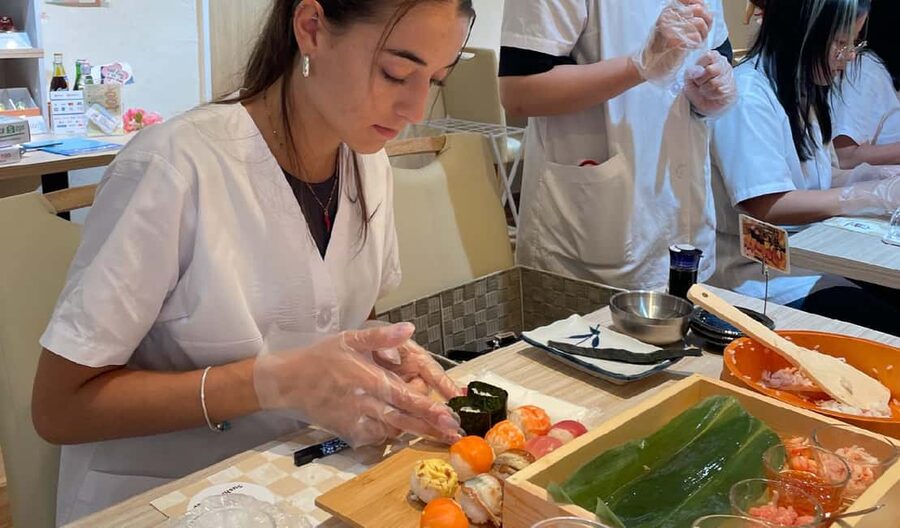
Good sushi depends on the rice, so the class gives attention to this basic step. You learn how sushi rice is prepared and how to handle it without crushing it into a sticky block. This is more useful than simply watching someone form a perfect piece behind a counter.
The exact preparation can vary by session. Ingredients mentioned in the class include fish, egg, seaweed, and vegetable replacements for people who do not eat fish. Past sessions have included nigiri, gunkan sushi, rolls, and temari sushi. The focus is on basic techniques you can repeat at home, not on complicated restaurant-level presentation.
The instructor demonstrates first, then lets you try. English fluency is one of the strongest practical points here. You can ask why the rice is shaped a certain way, how much topping to use, or how to keep the seaweed in place. Instructors have also taken photos for participants during the class, a small courtesy that helps if you want a record of the process.
Nigiri, gunkan, rolls, and your finished plate
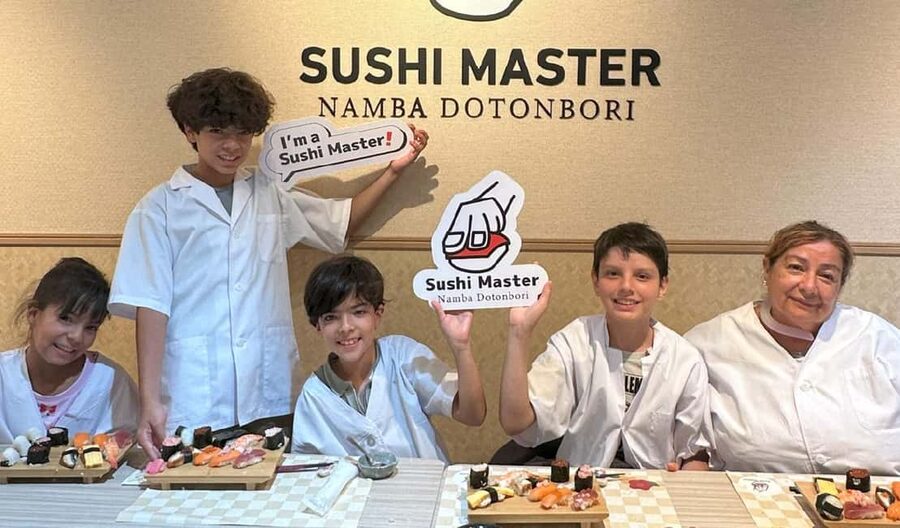
The Standard Sushi Making Course includes 8 pieces, while the Premium Sushi Making Course includes 10. Both give you a proper meal, not just a token sample. For many people, the difference between eight and ten pieces will not decide the booking, but the Premium option may make sense if you are hungry or want more practice.
Nigiri gives you the classic sushi lesson: a small portion of rice topped with an ingredient. Gunkan sushi uses a strip of seaweed to hold a topping, while rolls and temari sushi add different shapes to the session. The class may not cover every form in one visit, so think of it as a practical introduction rather than a full sushi syllabus.
The ingredients are prepared for the class, allowing you to spend the 90 minutes on technique rather than waiting for basic kitchen work. That keeps the pace comfortable and makes the experience suitable for families. You can concentrate on shaping, topping, and presentation instead of trying to cook everything from the beginning.
At the end, you sit down and eat your own work. That reward is central to the class. You are not watching a chef prepare food for you, then leaving with a recipe card. You make the plate yourself, see where your technique worked, and taste the result while it is fresh.
Why the instructor matters
A sushi class can become frustrating if instructions are hard to follow. Here, the English-speaking instructors are a major part of the value. Naho is frequently described as warm, patient, and careful about explaining each step. Aki has also led sessions, with a relaxed teaching style and clear communication. Seina and Tsuki have been praised for patience, friendliness, and helpful guidance.
That personal attention is especially useful if you are nervous about joining alone. You do not need Japanese cooking experience, and you are encouraged to ask questions. The class has enough structure to keep things moving, but the instructor can still respond to individual problems, such as rice that is too tightly packed or a roll that will not hold together.
The cultural introduction adds context without turning the activity into a long lecture. You learn a little about Japanese food culture and sushi traditions, then put that information to work. I like this balance. It gives the meal meaning without taking time away from the hands-on part.
Same place, a different menu:
- Osaka Cooking Class: Okonomiyaki &Japanese cuisines experience
★ 5.0 · 261 reviews - Osaka: Roll and Authentic Sushi Making Class in Dotonbori
★ 4.9 · 239 reviews - Ramen and Gyoza Cooking Class in Osaka
★ 5.0 · 202 reviews - Osaka Sake Tasting with Takoyaki Cooking
★ 5.0 · 156 reviews
Drinks, certificates, and the small gift
Drinks are not included, but you can order soft drinks and alcohol during the class. Carefully selected sake is mentioned as an option for enjoying your sushi, so this can add a pleasant adult touch if you want it. Outside food and drinks are not allowed, and you should budget separately for anything you order.
The certificate is a playful souvenir rather than a professional qualification. Still, it is a nice reminder of the experience, particularly for children or anyone collecting small mementos from Japan. The additional Japanese gift is described as cute and modest, not a major item, but it gives the ending a personal touch.
These extras do not replace the meal or instruction, which are already included in the $25 price. That is important when judging the deal. You are paying mainly for a guided activity, ingredients, and a full plate of sushi, with the certificate and gift added on top.
Is $25 good value in Osaka?
At $25 per person, this is a strong value if you want a food activity in central Osaka. You receive 90 minutes of instruction, the ingredients, and the sushi you prepare. You also get direct help in English, which can save you from struggling through a class taught only in Japanese.
The value is better for families, couples, and solo visitors who want an organized activity without committing half a day. The class fits neatly between sightseeing stops around Namba. You can make food, eat it, and continue with your evening rather than losing a large block of time.
The price is less appealing if your only goal is to eat top-grade sushi. You can find excellent sushi in Osaka without learning to make it, and the class uses your time for preparation. Choose this if you value participation and cultural context. Skip it if you want a quiet meal served by a specialist.
Finding the orange building in Namba
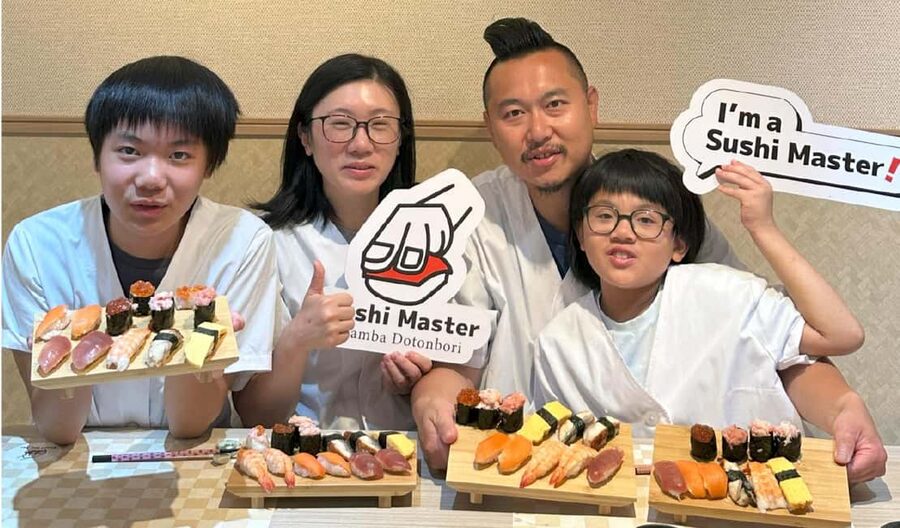
The studio is about three minutes from Namba Station, making it easy to fit into a day around Dotonbori and southern Osaka. Search for Sushi Master Namba on Google Maps. The provided map may be slightly misaligned, so use the building description as well: the class is on the second floor of an orange-colored narrow building.
That detail is worth noting because a small urban building can be easy to pass. Give yourself a few extra minutes, especially if you are unfamiliar with Namba’s streets. If you have trouble finding the entrance, call 0664848070.
There is no hotel pickup or drop-off. You make your own way to the studio, but the central location keeps the transport simple. Smoking is not allowed.
Vegetarian needs and allergies
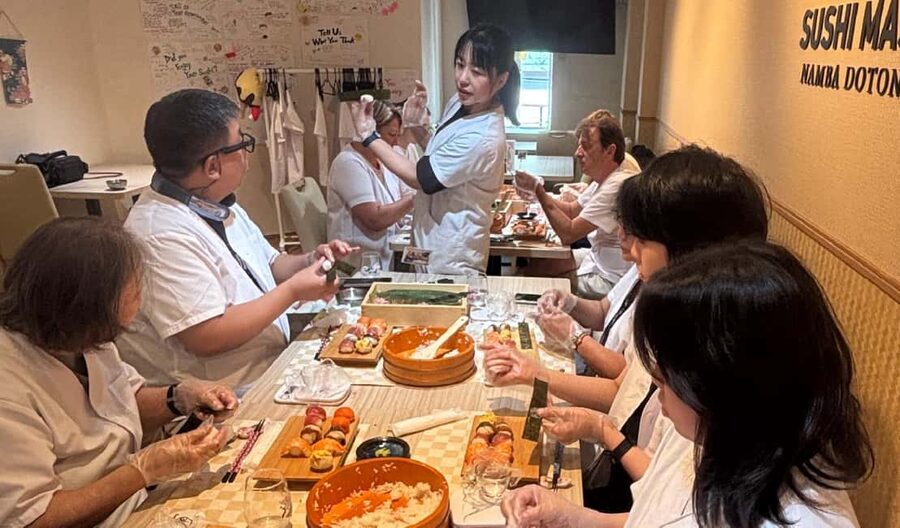
Vegetarian participation is possible, but you must send a direct message in advance. Fish toppings can be replaced with vegetable-based ingredients. Do not assume the staff can make last-minute changes at the door.
You should also report any allergies before the class. The ingredients may include fish, egg, seaweed, and other sushi components, so clear communication matters. The provider specifically asks participants not to bring outside food or drinks.
This is a useful point for families. If one person in your group is vegetarian, the whole group can still take part, but the substitution needs to be arranged ahead of time. Ask about your needs before booking if you have a serious allergy or a more restrictive diet.
Who will enjoy this class most?
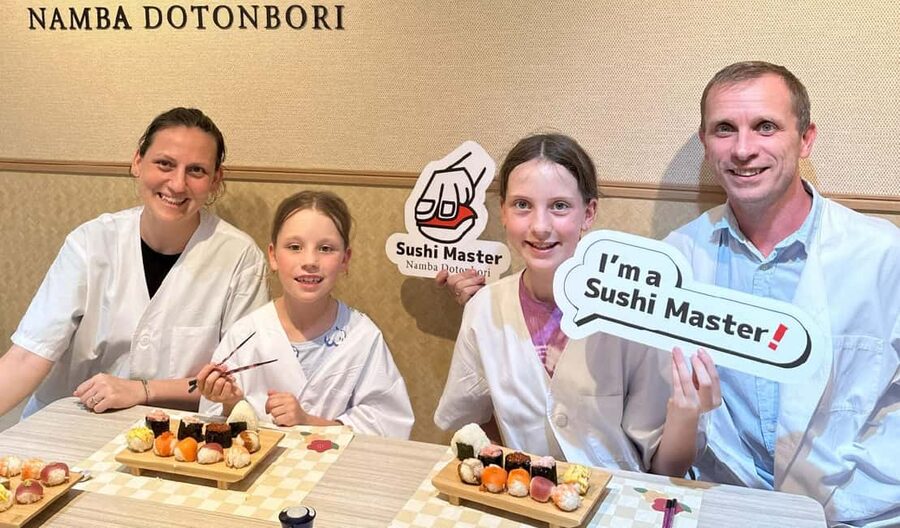
I would recommend it to a first-time sushi maker, a family looking for a short activity, or a solo visitor who wants an easy way to meet an instructor and do something practical. You do not need to know Japanese, and the English support makes the lesson approachable.
It also suits anyone who likes food activities with a clear result. You are not merely sampling ingredients. You shape the sushi, eat it, and leave with a little more confidence about how the dish is made.
Children can take part with adult supervision, though the activity involves food preparation and careful handling. Couples may enjoy the chance to make plates together, while solo participants can expect a welcoming setting rather than a class designed only for groups.
I would be more cautious about recommending it to an experienced sushi chef. The lesson covers the basics, and that is its strength. If you already make nigiri, gunkan, and rolls regularly, you may find the content too simple.
Booking and timing tips
The activity lasts 90 minutes, with start times based on availability. Same-day booking may be possible, but you should check the schedule before relying on it, especially during a busy Osaka visit. The reservation system also allows you to reserve now and pay later, which helps if your plans are still changing.
Free cancellation is available up to 24 hours in advance for a full refund. That gives you some flexibility, but it does not remove the need to arrive at the correct building. Bring your booking details, allow time to locate the second-floor studio, and contact the provider if you get lost.
Because the class ends with a meal, you do not need to plan a large lunch immediately beforehand. If you want sake or another drink, remember that it costs extra.
Should you book the Namba sushi class?
Book it if you want an affordable, friendly food activity with clear English instruction and a meal you prepare yourself. The three-minute walk from Namba, 90-minute length, vegetarian substitutions, and $25 price make it easy to fit into an Osaka itinerary.
The best reason to go is the combination of teaching and participation. Instructors such as Naho and Aki help beginners feel at ease, while the certificate and small gift give the class a cheerful finish. Choose the Premium option if you want 10 pieces instead of 8.
Skip it only if you are seeking advanced sushi training or would rather spend the same time at a restaurant. For most first-timers, families, and solo food lovers, this is a practical and tasty introduction to sushi in Osaka.
FAQ
How long does the sushi-making class last?
The experience lasts 90 minutes.
How much does the experience cost?
The listed price is $25 per person.
Is the class taught in English?
Yes. Instruction is available in English and Japanese, with English-speaking instructors including Naho, Aki, Seina, and Tsuki.
How much sushi will I make?
The Standard Sushi Making Course includes 8 pieces. The Premium Sushi Making Course includes 10 pieces.
Are vegetarian options available?
Yes. Fish toppings can be replaced with vegetable-based ingredients, but you need to contact the provider in advance.
What is included in the booking?
The booking includes sushi ingredients, the sushi meal you prepare, a Sushi Master Certificate, and a small Japanese souvenir. Drinks are not included.
Where is the meeting point?
Search for Sushi Master Namba on Google Maps. The studio is on the second floor of an orange-colored narrow building, about three minutes from Namba Station. If you have trouble finding it, call 0664848070.
Just added around Osaka
- Okonomiyaki&Takoyaki for Families:Osaka Street Food Festival★ 5.0 · 4 reviews
- Osaka: Sushi Making Class and Dotonbori Food Tour★ 4.7 · 3 reviews
- Osaka Sake Tasting with Takoyaki Cooking★ 5.0 · 156 reviews
- Osaka Okonomiyaki Cooking Experience for Families & Groups★ 4.9 · 8 reviews
- Osaka: Sashiko Japanese Craftsmanship Workshop★ 5.0 · 31 reviews
- Osaka Dotonbori: Sushi Making Experience★ 4.9 · 122 reviews
- Osaka: Okonomiyaki Cooking Class with Beer or Soft Drink★ 4.9 · 9 reviews
- Osaka: Gluten-Free Ramen and Gyoza Cooking Class★ 5.0 · 42 reviews
Japanese & Sushi Cooking Classes, compared.
Sushi Making Tokyo Roll and Authentic Japanese Sushi Class
Read our review →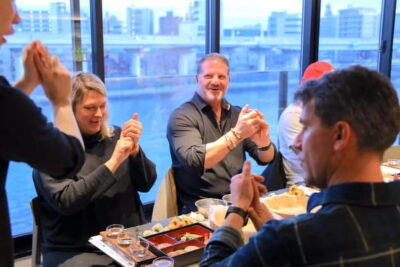
Tokyo: Roll and Authentic Sushi Making Class in Asakusa
Read our review →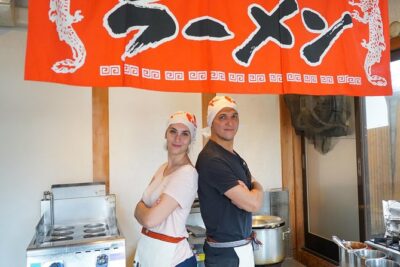
Ramen Cooking Class at Ramen Factory in Kyoto
Read our review →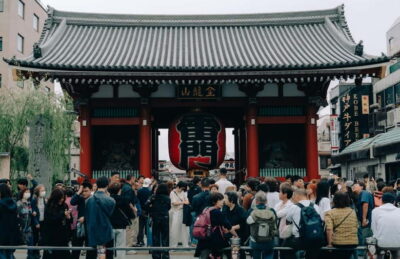
Tokyo: Sushi Making Class in a Happi Coat near a Famous Spot
Read our review →
Sushi Making Tokyo! Popular Maki Sushi & Japanese Sushi(+Recipe!)
Read our review →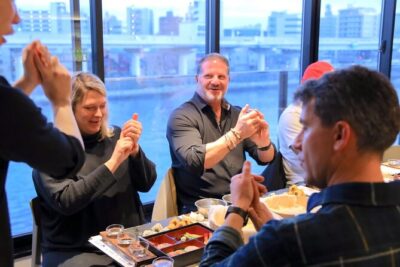
Sushi Making Osaka Roll and Authentic Japanese Sushi Class
Read our review →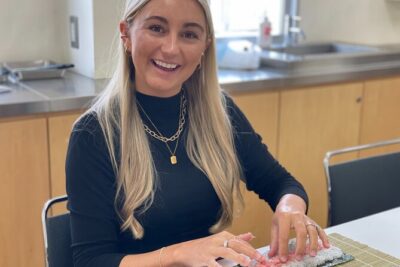
Tokyo Sushi Making Class in Tsukiji with Professional Chef
Read our review →
Ramen & Gyoza Cooking Class in Tokyo with Local Supermarket Visit
Read our review →Browse the lists this tour appears in