
Review · NEPAL
Pokhara: 3 Hour MoMo cooking class
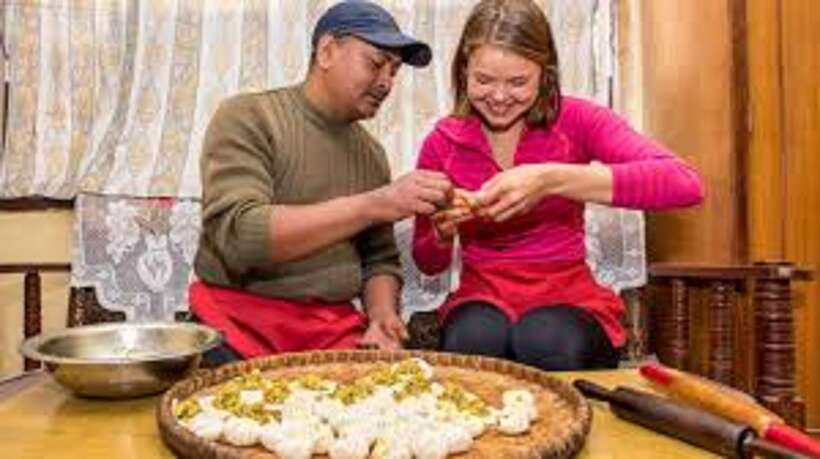
Momos are Nepal’s answer to the dumpling, and this class gets you past simply eating them. You make the dough, season the filling, shape each dumpling by hand, and prepare the sauces that bring it all together. The folding takes practice, which is part of the fun.
I like the hands-on format and the private-group setup. You are not watching a chef work from across the room. You prepare your own food and can ask questions as you go. I also like the choice of vegetarian, chicken, or meat filling, plus the chance to make more than one momo shape.
The main consideration is mobility. The activity is not suitable for people with mobility impairments, and you should leave large luggage behind. Also, the three-hour schedule is focused on cooking, not on sightseeing around Pokhara.
Key points at a glance
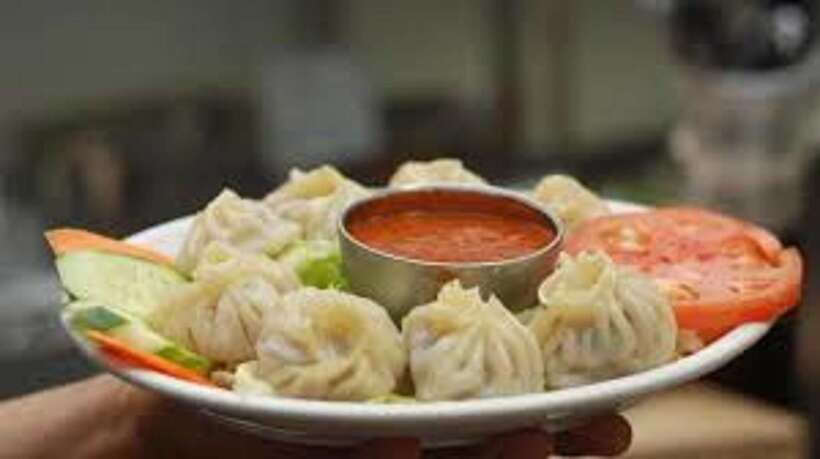
- Make momos from scratch: Prepare the filling, knead the dough, roll wrappers, fold dumplings, and cook them yourself.
- Choose your filling: Vegetarian, chicken, or meat options are available.
- Learn three folding styles: Practice traditional pleats, crescent shapes, and other forms shown by the instructor.
- Prepare your own sauces: Make spicy, mild, or soy-based dips to serve with the momos.
- Private and practical: Hotel pickup is available within Pokhara’s Lakeside area, and the class is conducted in English or Hindi.
- Good value at $29: The price includes transport, a cold drink, and all cooking materials, though extra food and drinks cost more.
Why this Pokhara cooking class works
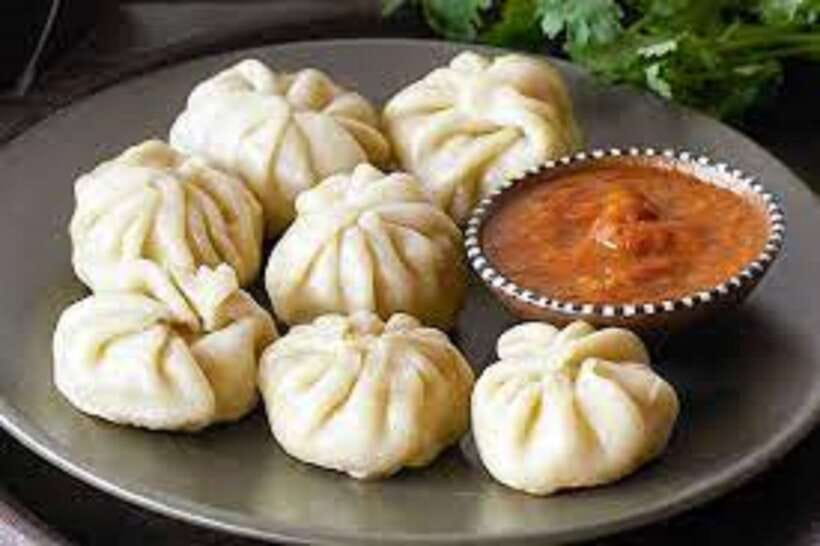
This is a useful activity for a slower afternoon in Pokhara. You are not racing from one sight to another. Instead, you spend three hours learning a food that you can try again at home.
The class takes place at a local café. One booking took place at Cafe Nirvana, reached after a hotel pickup and a short walk from the pickup point. The exact café arrangement may vary, but the basic setup is clear: you meet the instructor, receive an introduction to momos, and work at a café kitchen or cooking area.
I like this format because it keeps the experience local and manageable. You do not need to arrange a taxi across town, and you do not need to buy cooking tools or ingredients yourself. The instructor supplies the materials and guides you through each step.
The class is offered as a private group. That matters here. Folding momos requires repeated attempts, and a smaller group gives you more time to ask for help with dough thickness, filling amounts, and pleat patterns.
More Hands-On Workshops in Nepal:
- Half day cooking class in Thamel kathmandu
★ 5.0 · 607 reviews - Kathmandu: Local Women-Led Nepali Cooking & Momo Class
★ 4.9 · 360 reviews - Kathmandu: Local Lead Nepali Cooking & Momo-Making Class
★ 5.0 · 212 reviews
Starting with momo culture and ingredients
The first ten minutes are a short introduction to momos and their place in Nepalese food culture. You also get a look at the ingredients and equipment used during the class.
This opening is brief, but it gives the cooking some context. Momos are not just a quick snack to order beside a lake. They are a familiar food with many variations, and the filling, shape, cooking method, and dipping sauce all affect the final result.
The instructor explains the available fillings before you begin. You can choose vegetarian, chicken, or meat, depending on the options offered that day. If you have a strong preference, mention it when booking or at the start of the class.
You also learn that the dough is not just a wrapper bought from a packet. It needs the right texture so it can stretch without tearing and hold the filling without opening during steaming. That simple lesson is one of the most useful parts of the class for anyone hoping to recreate momos at home.
Preparing the filling in 40 minutes

The filling section takes about 40 minutes. First, the instructor explains the available ingredients and demonstrates how to prepare them. Then you make your own filling rather than simply watching a prepared mixture being spooned into wrappers.
This is where the class becomes personal. You can see how much filling fits into a wrapper and how the mixture needs to be balanced so the momo cooks evenly. Too little filling gives you a disappointing bite. Too much makes folding difficult and can cause the wrapper to split.
The vegetarian option is a good choice if you want to focus on technique without a heavier filling. Chicken or meat gives you another traditional direction, but the class allows you to choose according to your preference.
I would ask questions here about seasoning and moisture. The available information does not specify an exact recipe, so the instructor’s guidance is important. Pay attention to the consistency of the mixture, not just the ingredient list. That will help you produce better dumplings at home.
Kneading and resting the dough
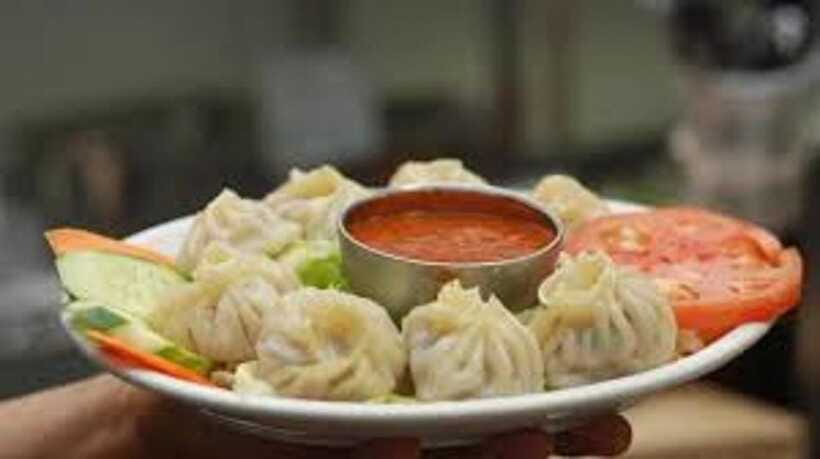
Next comes about 30 minutes of dough preparation. You learn what goes into the dough, why the ingredients matter, and how to knead it properly.
This part can seem basic, but it is the foundation of the whole meal. A wrapper that is too thick can make the momo heavy. One that is too thin may tear as you add the filling or fold the edges.
You prepare your own dough and let it rest for a few minutes. That pause gives you a useful lesson in timing. Cooking is not always a straight line from chopping to eating. Some steps need a short rest before the next stage works well.
The class is suitable for beginners because the instructor demonstrates each stage before you try it. You should still expect a little trial and error. The point is not to produce identical restaurant dumplings on your first attempt. It is to understand the feel of the dough and gain enough confidence to practice again.
A few more cooking classes around Nepal worth a look
- Kathmandu: About 3-hour Cooking Class Experience near Thamel
★ 5.0 · 3 reviews - Marrakech: 3-Hour Open-Air Moroccan Cooking Course
★ 4.9 · 74 reviews - 3-hour Tuscan Cooking Class with Wine & Oil Tasting
★ 4.5 · 36 reviews - Lake Atitlan Maya Kitchen: 3-Hour Cooking Class
★ 4.8 · 17 reviews
Rolling wrappers and learning three shapes
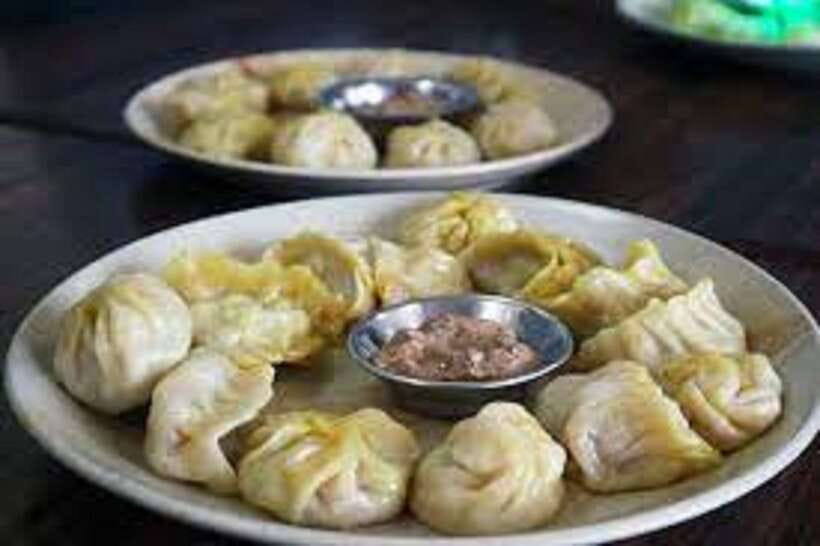
The rolling and shaping section lasts about 40 minutes and is likely the most entertaining part of the class. You roll the dough into wrappers, aiming for an even thickness, then add the filling and shape the momos.
The instructor demonstrates several styles, including traditional pleats and crescent shapes. One class included three folding techniques, giving participants more than one way to finish the dumplings.
Do not worry if your first momo looks a little crooked. Folding takes coordination, especially when you are trying to seal the wrapper while keeping the filling inside. Some dumplings may look neat, while others resemble small parcels made in a hurry. They can still taste good.
I like that the class treats shaping as a skill rather than a decorative extra. The fold affects how well the momo stays closed during cooking. It also gives you a practical way to recognize different styles when you order momos elsewhere in Nepal.
You may want to pace yourself at this stage. The goal is not to make as many as possible as quickly as possible. Take time to watch the hand movements, then repeat them slowly.
Steaming, and possibly frying, the finished momos
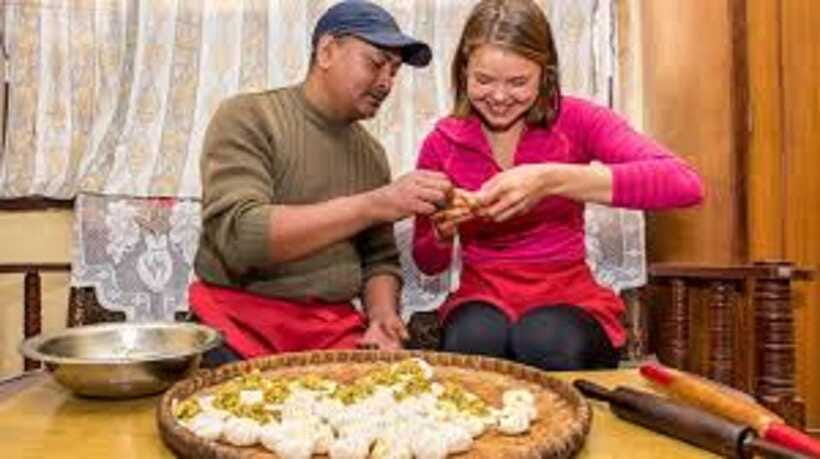
The formal schedule allows about 20 minutes for steaming. You learn how to set up the steamer, why steam matters, and how to tell when the dumplings are cooked and tender.
This is a useful lesson because the cooking stage can undo good preparation. The momos need enough heat to cook the dough and filling, but they should not become dry or split apart. The instructor gives guidance on arranging them in the steamer and checking their progress.
One class also included some fried momos along with steamed ones. The exact cooking method may depend on the café and the session, so steaming is the part you should expect, while frying is a possible extra.
The contrast between the two methods is worthwhile. Steamed momos keep the soft, tender wrapper most people associate with the dish. Fried momos offer a firmer outside and a different texture. If both methods are offered, try each before deciding which style you prefer.
Making the dipping sauces
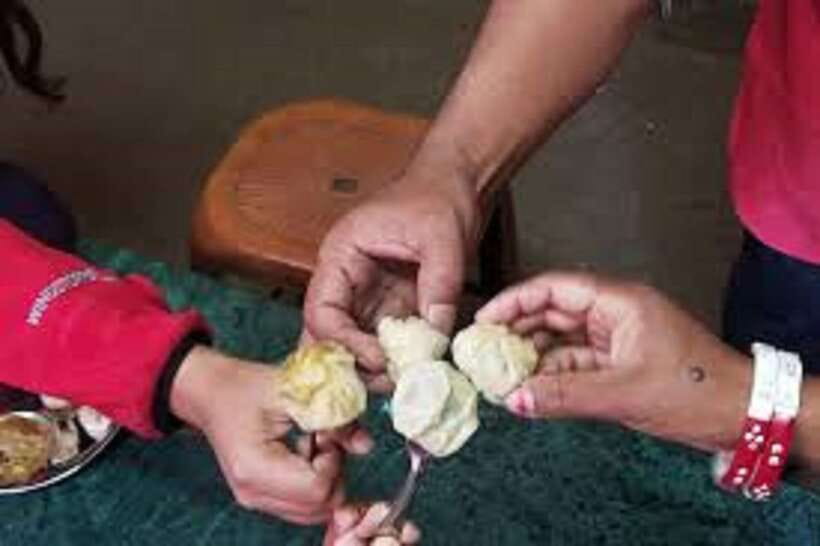
The sauce session takes about 15 minutes. You are introduced to several styles, such as spicy, mild, and soy-based dips, then prepare your own sauces.
This small part of the class adds a lot to the meal. A momo can taste quite different depending on the sauce beside it. A spicy dip gives the filling more punch, while a mild or soy-based sauce lets the dough and filling remain more noticeable.
The sauces also make the class easier to repeat at home. You may not have the exact same steamer or ingredients, but you can usually experiment with a simple dip using whatever is available in your kitchen.
The class lets you adjust the sauce to your taste. If you do not enjoy strong heat, start mild and add spice gradually. If you like fiery food, ask the instructor how to increase the heat without losing the other flavors.
The tasting session and final questions
After cooking, everyone sits down to eat the momos with the sauces. The tasting portion is scheduled for about 15 minutes, followed by roughly ten minutes for questions and a recap.
This is not a separate restaurant meal. Your main food is what you prepare during the class, so the final tasting has a satisfying logic: you see the ingredients, do the work, and then eat the results.
The instructor gives feedback and answers questions about the dough, fillings, folding, cooking, and sauces. Use this time well. Ask about storing uncooked momos, changing the filling, or repeating the folding techniques at home if those subjects come up during your session.
The class includes a glass of cold drink for each person. Other food and drinks are available for purchase, but they are not part of the stated price. If you are hungry, do not assume the cold drink replaces a full beverage or meal outside the dumplings you make.
What $29 includes
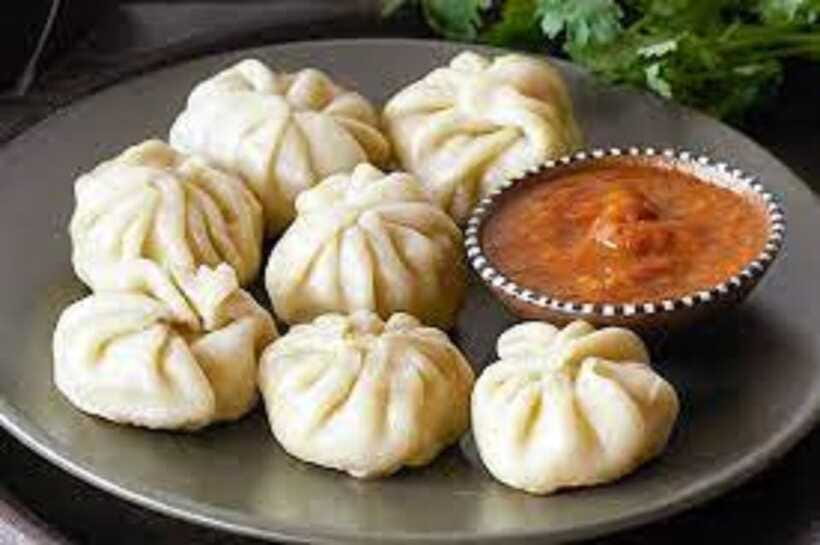
At $29 per person, this is a fair price for a private, three-hour cooking activity in Pokhara. The value comes from several practical inclusions:
- Hotel pickup and drop-off within the Lakeside area
- A glass of cold drink for each participant
- All momo cooking materials
- Instruction in English or Hindi
- A meal made during the class
- A private-group setting
You are paying for instruction, ingredients, transport, and time with the instructor, not only for a plate of momos. If you simply want to eat dumplings, a café meal will cost less. If you want to learn the process and take home a skill, the price makes more sense.
Extra food and drinks are not included. The activity also requires a passport or ID card, and large bags or luggage are not allowed. Bring only what you need for the session.
The cancellation policy is flexible: you can cancel up to 24 hours before the activity for a full refund. You can also reserve now and pay later, which helps if your Pokhara plans are still shifting.
Who should book this activity
I would recommend this class to couples, families with older children, solo visitors who enjoy food, and small groups looking for an easy cultural activity. It works especially well on a day when you want something social but do not want a long excursion outside Pokhara.
It is also a good choice if you have already eaten momos and want to understand how they are made. The class covers the entire process, not just the final folding trick.
You should be comfortable standing, working with dough, and moving around a café cooking area. The activity is not suitable for people with mobility impairments. It runs rain or shine, so the weather does not cancel the cooking itself, though you should dress and plan your pickup accordingly.
This may not be the best choice if you want a formal chef-led demonstration with little participation. Here, you are expected to chop, knead, roll, fill, fold, prepare sauces, and cook. That is the appeal, but it does require some effort.
My verdict on the Pokhara momo class
Book this if you want a friendly, practical introduction to one of Nepal’s best-known foods. The strongest features are the private format, the full start-to-finish cooking process, the choice of fillings, and the chance to practice three folding styles.
At $29, the class offers good value for an activity that combines transport, instruction, ingredients, a drink, and a meal you prepare yourself. Just remember that extra food and drinks cost more, and that the experience is more useful than polished: your first momos may not look perfect, but you will understand how to make them better next time.
FAQ
How long does the momo cooking class last?
The activity lasts three hours, including the introduction, filling preparation, dough making, shaping, cooking, sauce preparation, tasting, and final questions.
Where does pickup take place?
Pickup and drop-off are available in Pokhara, specifically within the Lakeside area.
What types of momo filling can I choose?
The class offers vegetarian, chicken, or meat filling options.
Which languages does the instructor speak?
Instruction is available in English and Hindi.
Is this a private activity?
Yes. The experience is offered for a private group.
Are food and drinks included in the price?
All momo cooking materials and one glass of cold drink per person are included. Additional food and drinks are available for purchase and are not included.
What should I bring to the class?
Bring a passport or ID card. Do not bring luggage or large bags.
Just added around Nepal
- Pokhara: Nepali Cooking Class and Momo Making Workshop★ 5.0 · 6 reviews
- Nepalese Kitchen in Pokhara: Momos or Dal Bhat Cooking Class★ 5.0 · 67 reviews
- MoMo or Dal Bhat Cooking Class at Aama Kitchen in Pokhara★ 4.9 · 28 reviews
- Local Women Led Nepali Cooking Class★ 5.0 · 6 reviews
- Kathmandu: Local Lead Nepali Cooking & Momo Making Class★ 4.9 · 40 reviews
- Kathmandu: Nepali Cooking Class with Hotel Pickup★ 4.1 · 5 reviews
- Kathmandu: Women-Led Cooking Class & Momo Making-Local Taste★ 4.8 · 15 reviews
- Kathmandu: Local Women-Lead Nepali Cooking & Momo Class★ 4.9 · 45 reviews
Cooking Classes, compared.
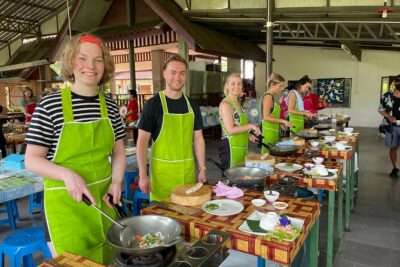
Half-Day Thai Cooking Class at Organic Farm in Chiang Mai
Read our review →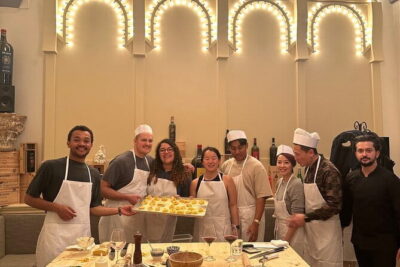
Florence: Pasta Cooking Class with Unlimited Wine
Read our review →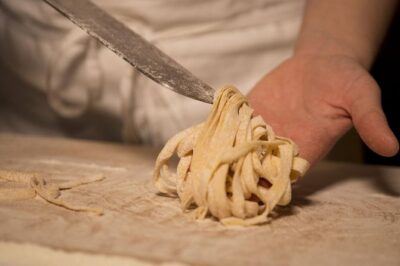
3 in 1 Cooking Class near Navona: Fettuccine, Ravioli & Tiramisu
Read our review →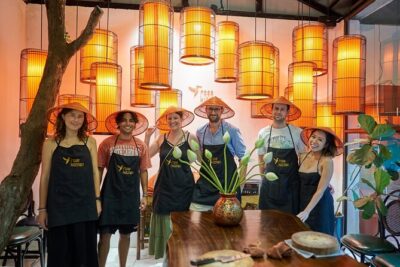
Hanoi Cooking Class: Culture, Local Market & Meaning CSR Impact
Read our review →
5 Traditional Dishes Hanoi Cooking Class with Market Trip
Read our review →
Cooking Class and Lunch at a Tuscan Farmhouse with Local Market Tour from Florence
Read our review →
Chiang Mai: Cooking Class, Market & Thai Herbs Garden Tour
Read our review →Browse the lists this tour appears in