
Review · TOKYO
Shinjuku Tokyo: Authentic Japanese Home-Style Culinary Class
The best part of this Shinjuku cooking class is its focus on food you can actually make again. In 150 minutes, you may prepare okonomiyaki and yakisoba, gyoza and takoyaki, rolled sushi with teriyaki, or a traditional gozen meal with rice, soup, fish, meat, and side dishes.
I like the small, personal feel and the fact that instructors such as Kana, Lulu, Kayo, Chieko, and Miyuki explain ingredients as well as techniques. I also like the useful flexibility: vegetarian, vegan, allergy-friendly, and custom menus can be discussed before class. The main thing to watch is menu selection. You can choose from the listed menus only when your group is the sole booking that day, and the exact studio address arrives after booking.
Quick reasons to consider this class
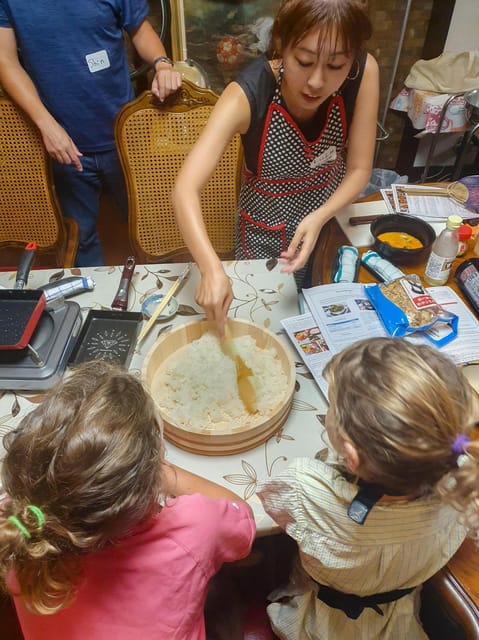
- Four familiar Japanese menus: Choose among okonomiyaki and yakisoba, gyoza and takoyaki, rolled sushi with teriyaki, or a traditional gozen set.
- A meal, not just a demonstration: You prepare several dishes, then eat the finished food together.
- English instruction: Kana, Lulu, Kayo, Chieko, Miyuki, and other instructors have guided classes in English.
- Good for mixed diets: Vegetarian, vegan, allergy-related, and special menu requests can be discussed ahead of time.
- Recipes you can use at home: Some classes provide recipes after the lesson, and the dishes are designed around practical home cooking.
- Convenient central setting: The kitchen is in or around Shinjuku, though you receive the exact address only after booking.
What this 150-minute class is really about
This is not a formal chef school, and that is part of its appeal. You are not being trained to plate tiny portions under pressure. You are learning the everyday Japanese dishes that families cook, friends share, and home cooks can repeat without hunting down rare equipment.
The class takes place in a kitchen studio in or around Shinjuku, central Tokyo. The exact location is sent after booking, so you need to watch for the organizer’s message rather than simply heading to a public landmark. One earlier participant had trouble finding the right entrance and lost about 15 minutes, so I would save the address, photos, and contact details before setting out.
The session lasts about two and a half hours. That includes preparation, cooking, explanations, plating, and sitting down to eat. It is a useful length: long enough to make several dishes, but short enough to fit beside sightseeing in Shinjuku.
The instructors work in English. Names that appear across the classes include Kana, Lulu, Kayo, Chieko, Miyuki, Aki, Miho, and Erica. The teaching style can vary by instructor, but the pattern is clear: you receive step-by-step help, cultural background, and explanations of ingredients such as sauces, seasonings, noodles, and fillings.
More Sushi and Japanese Classes in Tokyo:
- Sushi Making Tokyo Roll and Authentic Japanese Sushi Class
★ 5.0 · 3,971 reviews - Tokyo: Roll and Authentic Sushi Making Class in Asakusa
★ 4.9 · 1,957 reviews - Tokyo: Sushi Making Class in a Happi Coat near a Famous Spot
★ 4.9 · 1,377 reviews
Choosing between four very different menus
Your menu choice shapes the entire afternoon. Each option teaches a different side of Japanese cooking, so I would select based on what you want to learn rather than simply choosing the dish you recognize.
Menu A: Okonomiyaki and yakisoba
This is the hearty, casual option. Okonomiyaki combines batter, chopped cabbage, and other ingredients on a hot grill, then gets finished with sauces and toppings. Yakisoba brings stir-fried noodles, vegetables, and often pork or seafood together with a sweet-savory sauce.
You get a good lesson in teppan-style cooking, timing, and the balance between batter, cabbage, noodles, and sauce. It is also a filling choice, especially if you want food that feels like a relaxed Japanese lunch rather than a delicate tasting plate.
The tradeoff is that this menu is heavier than the sushi or gozen options. If you have a small appetite, ask about portion planning when you discuss dietary needs.
Menu B: Gyoza and takoyaki
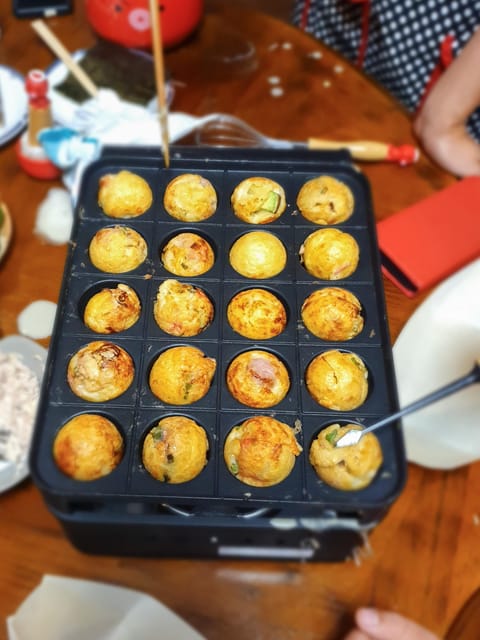
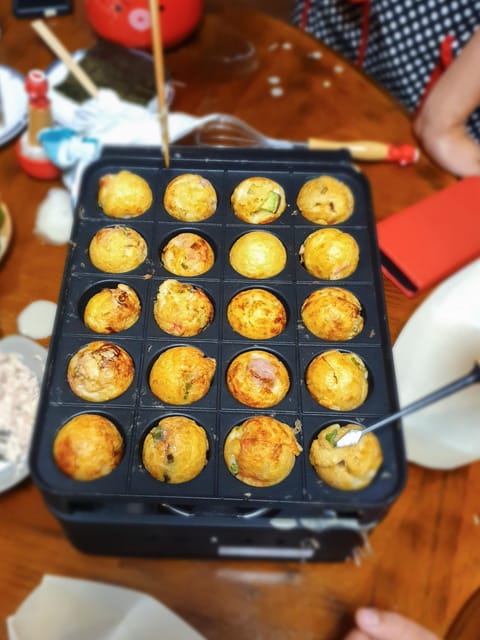
This menu gives you two hands-on favorites. Gyoza are pan-fried dumplings with a crisp base, while takoyaki are round savory bites traditionally associated with Osaka and summer festivals.
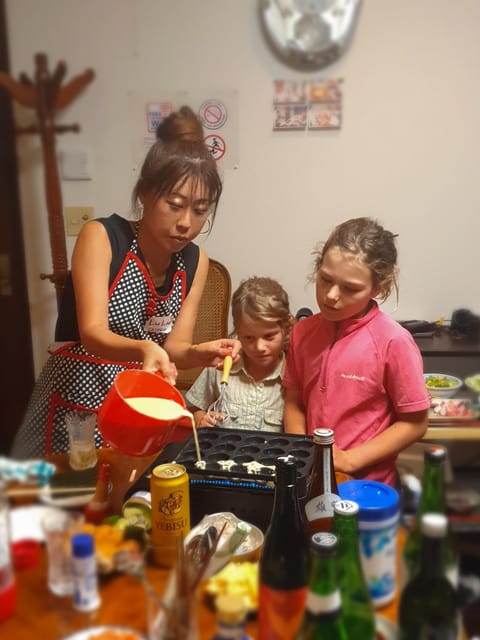
I like this choice for families and groups because shaping dumplings and turning takoyaki create natural jobs for several people. It also introduces two different techniques: folding and pan-frying on one side, then managing a hot takoyaki pan on the other.
Takoyaki can be a little fiddly at first. You may need patience while learning how to turn the pieces into neat balls. That is part of the fun, but people who prefer quiet, simple preparation may find this menu more active.
More Hands-On Workshops in Tokyo:
- Tokyo Sushi Making Class in Tsukiji with Professional Chef
★ 5.0 · 1,177 reviews - Ramen & Gyoza Cooking Class in Tokyo with Local Supermarket Visit
★ 5.0 · 823 reviews - Tokyo: Tsukiji Fish Market Sushi Making Class with Pro Chef
★ 4.9 · 506 reviews - Tokyo: Sushi Making Class
★ 4.9 · 390 reviews
Menu C: Rolled sushi and teriyaki
Here you roll and cut your own sushi, then pair it with yellowtail fish or chicken teriyaki, side dishes, and miso soup. It is a useful introduction to sushi assembly without the pressure or cost of a specialist sushi counter.
This menu suits you if you want to take home a repeatable skill. Rolling, slicing, seasoning rice, and making teriyaki are all practical lessons. Several participants have left feeling able to recreate sushi and miso soup at home.
You should ask in advance about the fish choice and any allergies. The class can discuss menu changes, but it is better to settle this before arriving.
Menu D: Traditional gozen set
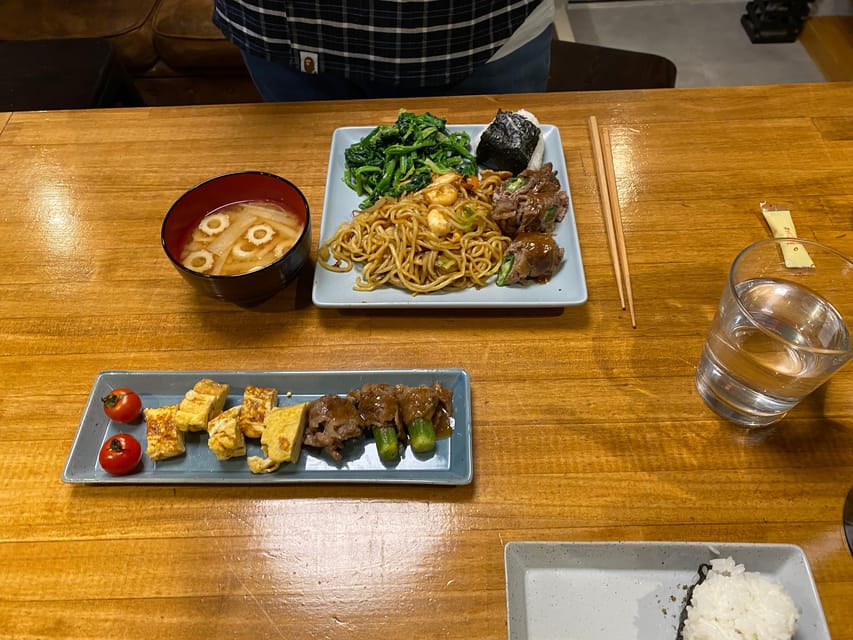
The gozen menu is the broadest introduction to a Japanese home meal. It includes a meat plate, fish plate, side dish, miso soup, and an onigiri rice ball.
I would choose this if you want to understand how a balanced Japanese meal fits together. Instead of focusing on one famous street-food dish, you work with several smaller parts and learn how rice, soup, protein, and side dishes share the table.
One class adapted the gozen set to chicken teriyaki at the participant’s request. That shows the menu has some room for discussion, but do not assume every change is automatic. Send your request before the class.
Menu E: A requested menu
You can also ask about a custom menu. The organizer will discuss your idea and decide what is possible.
This is useful for dietary needs or for a dish that is especially important to your family. It is not a guarantee that every request can be accepted, so give clear details when booking, especially for allergies, vegetarian or vegan diets, and foods you cannot eat.
How the cooking session unfolds
Ingredients are prepared beforehand. That keeps the class moving and leaves more time for cooking, questions, and eating rather than shopping or lengthy chopping.
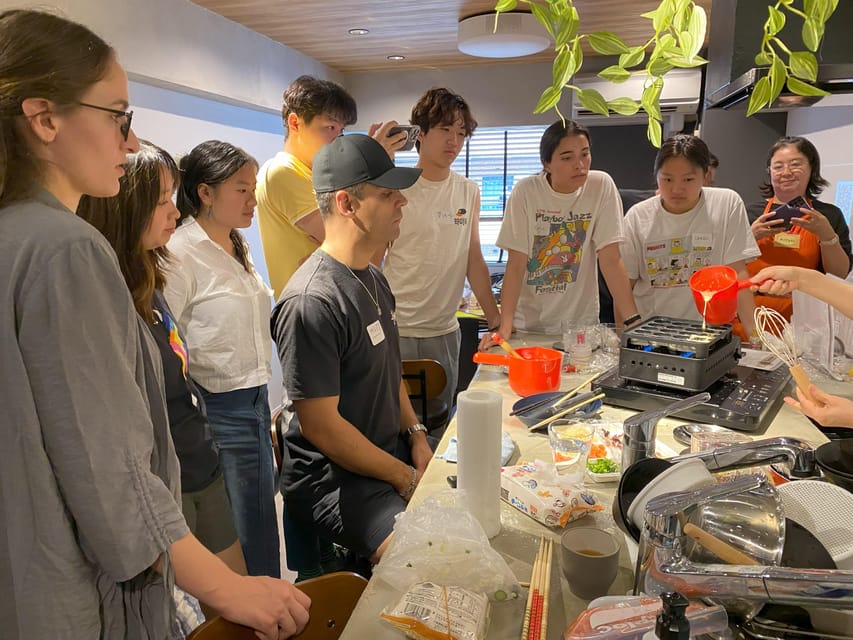
You should expect to take part, not simply watch. The precise balance can depend on the instructor and the group. One participant who enjoys cooking wanted more hands-on time, since some steps were demonstrated while the instructor explained them. That is a fair point to keep in mind: this is an instructional class with guided participation, not a completely independent kitchen session.
The best classes seem to give you a mix of useful jobs and close supervision. You might shape gyoza, prepare sushi rolls, stir noodles, work with okonomiyaki batter, or help plate the finished meal. Instructors also explain how ingredients are used, not just what to do next.
The cultural notes add value. You learn why a dish is common, how it fits into Japanese eating habits, and what makes home cooking different from restaurant food. Chieko, Lulu, Miyuki, and others have also answered questions about Japanese food, local restaurants, and other parts of Japan.
At the end, the food is arranged and served for you to eat together. This is where the class feels more complete than a short cooking demonstration. You see the finished meal, taste the result, and can ask final questions while the methods are still fresh.
The food and portion value at $88
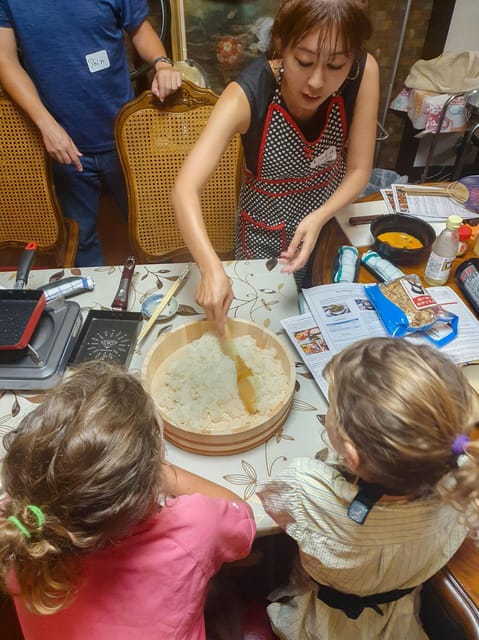
At $88 per person, this is not a bargain meal if you judge it only by the amount of food on the table. You can eat for less in Tokyo, especially around Shinjuku. The value comes from combining a meal with instruction, ingredients, kitchen use, cultural explanation, and an English-speaking host.
You prepare several dishes rather than one recipe. That matters when you compare the class with a simple tasting activity. The gozen set offers several components, while the okonomiyaki and yakisoba and gyoza and takoyaki choices give you multiple techniques in one sitting.
The food portions also appear generous. Some sessions produced enough food to leave people full for much of the day. That may be welcome after sightseeing, though it means you should not schedule this as a light snack between meals.
All fees and taxes, cooking tools, ingredients, and drinking water are included. Private transportation is not included. Since the studio address is sent after booking, plan your own route from your hotel or sightseeing stop and allow extra time to find the entrance.
The class has a 4.9 rating from 125 reviews, with repeated praise for friendly teaching, clear instructions, tasty food, and personal attention. Those points match the structure of the experience: the price pays for a social lesson and a full meal, not just a recipe handout.
Why the instructors make a difference
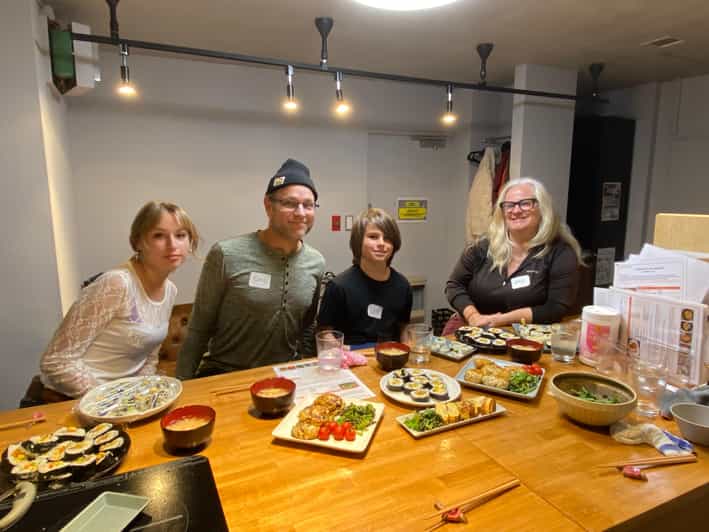
The strongest feature is the people leading the class. Kana has been praised for clear English, warmth, and answering many questions. Lulu has adjusted menus, shared cultural information, provided recipes, helped with plating, and taken photos during some sessions.
Kayo, Miyuki, Chieko, Aki, Miho, and Erica have also guided groups through techniques and ingredient choices. Several instructors have worked well with children, including groups with kids from age seven through twelve and teenagers who wanted to learn more about cooking.
That makes this a good choice for families, but it should not be treated as a children-only activity. Couples, adult friends, solo cooks, and mixed-experience groups can all find a useful level. Beginners receive direct help, while more experienced cooks can ask about ingredients, timing, and technique.
Group size can affect the feel. Some bookings have been private or nearly private, allowing lots of questions and close attention. When another group attends, menu choice may be limited and the class may feel less tailored. If privacy matters to you, ask what kind of booking you are making.
Dietary needs and menu planning
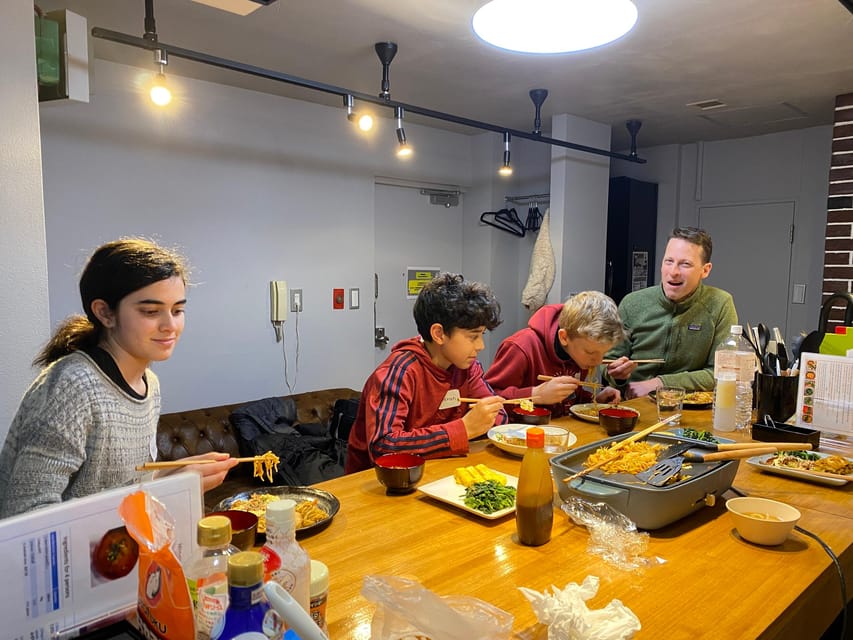
The organizer asks you to share food allergies in advance. This is important because several menus traditionally use ingredients that may not suit every diet, including seafood, meat, wheat-based items, and sauces with multiple components.
Vegetarian and vegan requests can be accommodated, according to the activity details and past experiences. Custom requests have also included changing a gozen meal to chicken teriyaki and adjusting dishes around food preferences.
Still, you should be precise. List allergies, intolerances, religious restrictions, and foods you simply dislike. Do not wait until you arrive, since ingredients are prepared beforehand. The class can discuss what is possible before the day.
Who will enjoy it most
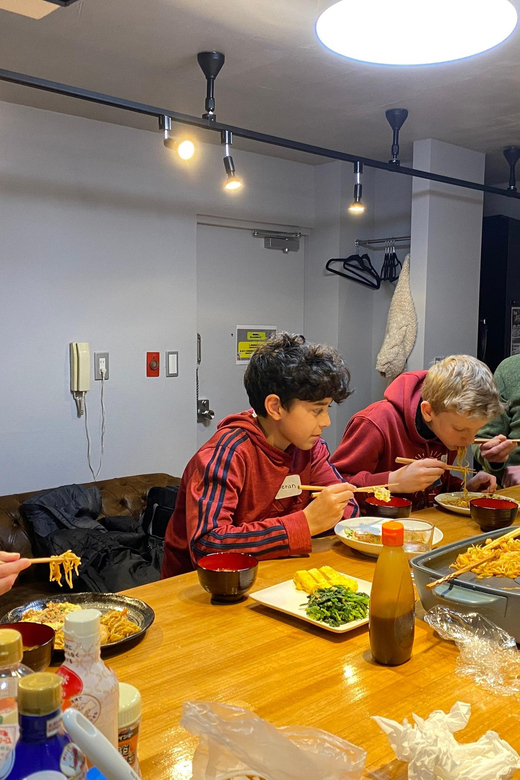
I would recommend this class to you if you want to do more than look at Japanese food. It suits cooks who want recipes to repeat at home, families looking for a shared activity, and first-time visitors who want a friendly introduction to everyday Japanese dishes.
It is also a smart choice for a rainy afternoon or for a day when you want a break from temples, shops, and train stations. The central Shinjuku setting makes it easy to pair with other Tokyo plans, though you should allow time for the final walk to the studio.
You may want to skip it if you are seeking a high-end restaurant meal, advanced knife training, or a fully private chef experience guaranteed from the start. The class is home-style, social, and guided. It is not built around luxury ingredients or formal culinary certification.
Booking details worth knowing
The price is $88 per person, and the class runs for 150 minutes. You can reserve now and pay later, which helps if your Tokyo schedule is still changing.
Free cancellation is available up to 24 hours before the activity for a full refund. Starting times depend on availability, so check the date that suits your itinerary.
The studio is in or around Shinjuku, but the exact address is provided after booking. Read the directions carefully, save the organizer’s message, and contact the provider promptly if the entrance is unclear. One past location change was handled with taxi assistance, but you should not count on private transportation being included.
Should you book this Japanese cooking class?
Book it if you want an active, practical food experience with a proper meal at the end. The strongest reasons are the central location, English instruction, flexible menu planning, friendly instructors, and recipes that can follow you home.
I would choose the gozen set for a broad introduction to Japanese home cooking, gyoza and takoyaki for the most playful group activity, sushi and teriyaki for repeatable skills, and okonomiyaki and yakisoba for a filling casual meal.
The only real cautions are the changing menu availability, the post-booking address, and the possibility that some steps are demonstrated rather than handled entirely by you. For most visitors, those are small compromises for a warm, useful class that connects Tokyo food with everyday cooking.
FAQ
Where does the cooking class take place?
The class is held at a kitchen studio in or around Shinjuku, Tokyo. The exact address is provided after booking, so wait for the organizer’s message and check the directions carefully.
How long does the class last?
The activity lasts 150 minutes, or about two and a half hours. This includes cooking and eating the meal you prepare.
Which menus can I choose?
The listed choices include okonomiyaki and yakisoba with side dishes, gyoza and takoyaki with side dishes, rolled sushi with teriyaki and miso soup, and a traditional gozen set. You can also ask about a custom menu.
Can I request vegetarian, vegan, or allergy-friendly food?
Yes. Dietary preferences and food allergies can be discussed in advance. Contact the organizer before the class so the menu and ingredients can be planned safely.
Is the class taught in English?
Yes. English instruction is provided. Instructors named for different classes include Kana, Lulu, Kayo, Chieko, Miyuki, Aki, Miho, and Erica.
What is included in the $88 price?
The price includes all fees and taxes, ingredients, cooking tools, and drinking water. Private transportation is not included.
Just added around Tokyo
- Takoyaki cooking experience in Kabukicho, Shinjuku★ 4.8 · 36 reviews
- Shibuya Tokyo: Onigiri & Tamagoyaki Cooking Class★ 5.0 · 4 reviews
- Ramen Making from Scratch +Akihabara Tour –Cooking Class★ 5.0 · 25 reviews
- Japanese Knife Skills & Tuna Don/Sushi Workshop in Tokyo★ 5.0 · 3 reviews
- Tokyo: Private Japanese Cooking Class with a Local Chef★ 5.0 · 81 reviews
- AKEMI’s SUSHiKiTCHEN: A fun sushi cooking lesson in Tokyo★ 5.0 · 5 reviews
- Shibuya Tokyo: Sushi Making Class (Vegan/Vegetarian/Halal)★ 4.7 · 29 reviews
- Ramen Making from Scratch with Tokyo Mom(Vegan Option Available)★ 5.0 · 39 reviews
Japanese & Sushi Cooking Classes, compared.
Sushi Making Tokyo Roll and Authentic Japanese Sushi Class
Read our review →
Tokyo: Roll and Authentic Sushi Making Class in Asakusa
Read our review →
Ramen Cooking Class at Ramen Factory in Kyoto
Read our review →
Tokyo: Sushi Making Class in a Happi Coat near a Famous Spot
Read our review →
Sushi Making Tokyo! Popular Maki Sushi & Japanese Sushi(+Recipe!)
Read our review →
Sushi Making Osaka Roll and Authentic Japanese Sushi Class
Read our review →
Tokyo Sushi Making Class in Tsukiji with Professional Chef
Read our review →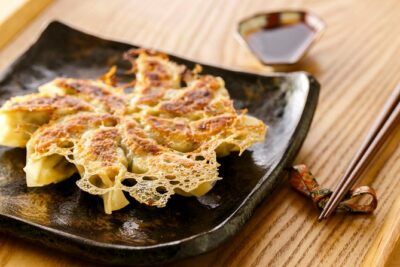
Ramen & Gyoza Cooking Class in Tokyo with Local Supermarket Visit
Read our review →Browse the lists this tour appears in