
Review · TOKYO
Tokyo: Sushi and Ramen Cooking Class with Sake Pairing Set
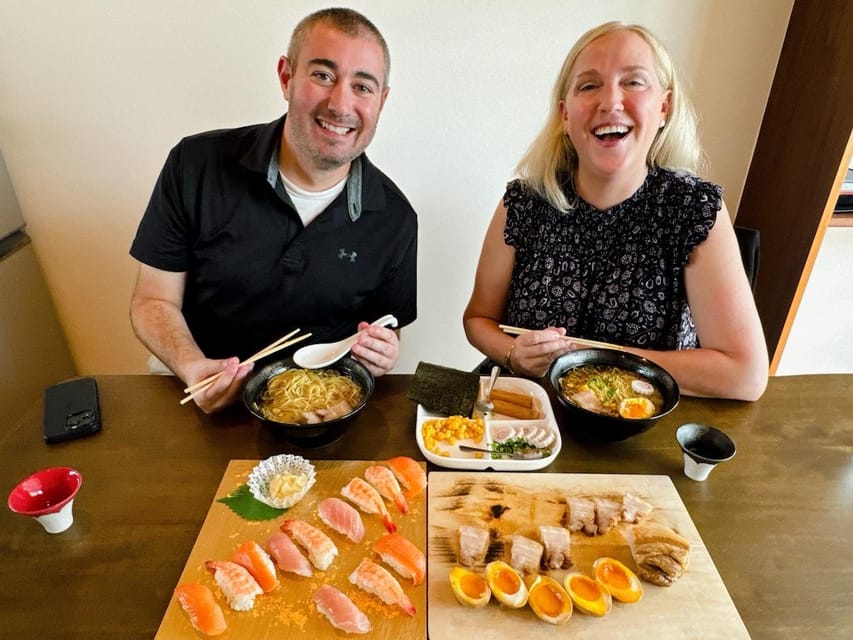
Tokyo’s best cooking classes do more than show you how to roll sushi. This three-hour session has you make nigiri sushi, ramen broth, and chashu pork, then sit down to eat what you prepared with three Japanese sake pairings. The small setting keeps the lesson friendly and practical.
I like the personal attention, especially when instructors such as Sato, Haruko, Risa, Alex, Misa, or Luna are leading the class. I also like the useful take-home value: a recipe booklet, ingredient tips, and chopsticks give you a fair shot at making the dishes again. The main drawback is that vegans and vegetarians cannot join, and some cooking steps may be prepared ahead to fit everything into three hours.
Five things worth knowing before you book
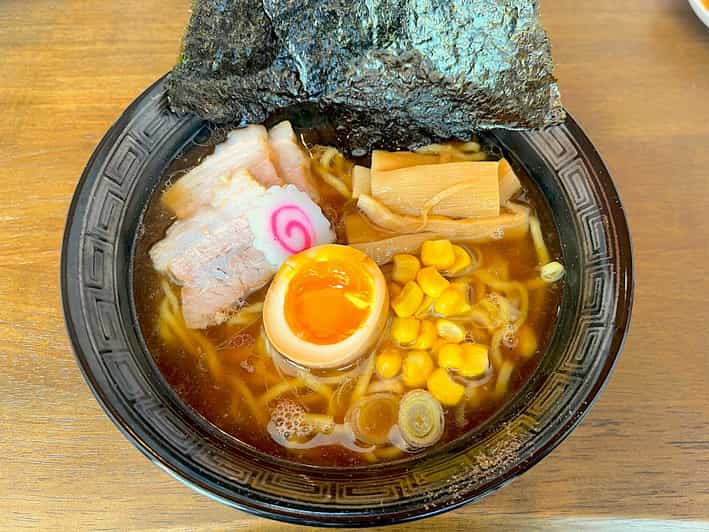
- Ramen goes beyond instant noodles: You learn about broth, noodles, and chashu, the tender pork belly served with ramen.
- Nigiri is made by hand: You work with provided ingredients and tools rather than simply watching a demonstration.
- Three sake pairings are included: A certified sake sommelier selects the Japanese sakes and explains them during the meal.
- The group is capped at eight: The setting is small, with some sessions limited to only a few people.
- You leave with practical souvenirs: The recipe booklet includes ramen, gyoza, and sushi instructions, and you receive chopsticks.
A small kitchen lesson in Tsukishima
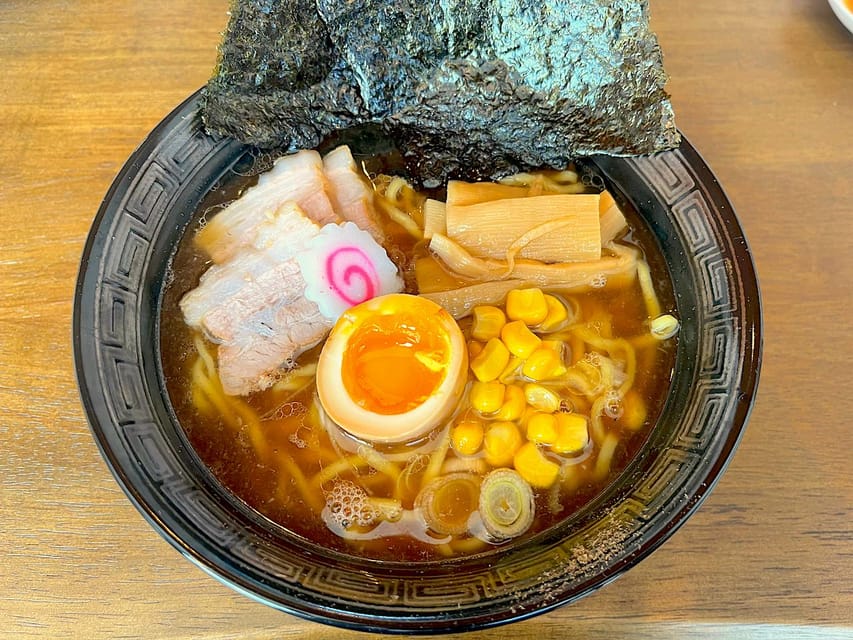
The class takes place on the second floor of HAUS Tsukishima, at 2-13-5 Tsukuda in Chuo-ku. From Tsukishima Station, it is about a five-minute walk from Exit 4, marked Y21 on the Tokyo Metro map.
This location works well if you are already visiting the central Tokyo area. A taxi takes about six minutes from Tsukiji Fish Market, nine minutes from Ginza, and ten minutes from Tokyo Station. It is also about 11 minutes by taxi from teamLab Planets and 30 minutes from Shinjuku, though traffic can change those times.
You do not get hotel pickup, so plan your route before class day. I would arrive five minutes early, as requested, rather than trying to find the building at the last moment. The class is held in a cozy, clean venue, and the compact room helps create the friendly feel. It also means you should wear clothes you do not mind getting a little messy.
The instructor speaks English, and the teaching style is aimed at beginners. You do not need previous cooking experience. The small group, capped at eight, gives you room to ask questions and get help shaping sushi or handling the ramen ingredients.
More Sushi and Japanese Classes in Tokyo:
- Sushi Making Tokyo Roll and Authentic Japanese Sushi Class
★ 5.0 · 3,971 reviews - Tokyo: Roll and Authentic Sushi Making Class in Asakusa
★ 4.9 · 1,957 reviews - Tokyo: Sushi Making Class in a Happi Coat near a Famous Spot
★ 4.9 · 1,377 reviews
How the three hours are used
The class combines two dishes that many people associate with Japan but rarely learn to make properly at home. Sushi calls for careful handwork and attention to rice, while ramen involves broth, toppings, timing, and assembly. Putting both into one session gives you a broader look at Japanese home cooking than a sushi-only lesson.
The exact order may vary, but you can expect a mixture of explanation, preparation, hands-on work, and time to eat. Instructors introduce the background of sushi and ramen while showing how the ingredients fit together. The lesson is not just a recipe recital. It explains why the food is made in certain ways and how you can adapt the recipes outside Japan.
Some preparation may be completed ahead of time. That is sensible for a three-hour class, since a full ramen broth and chashu pork can take longer than the session allows. You still take part in the important steps, but you should not expect to produce every component entirely from raw ingredients in the same way a restaurant kitchen would.
This is one point to understand before booking. The class is about learning useful methods and enjoying the finished meal, not spending an entire day making broth from scratch. The time is arranged so you can cook without feeling rushed, then sit down and eat comfortably.
Making ramen broth and chashu pork
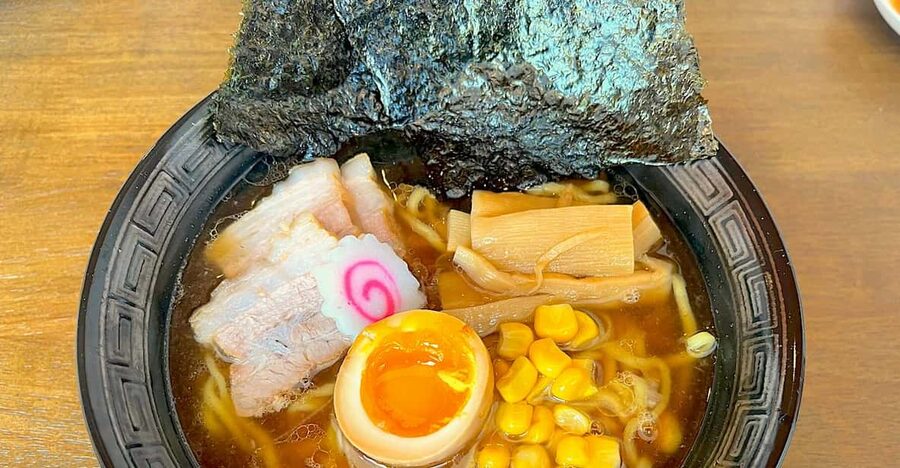
The ramen portion is likely to be the most useful part for home cooks. The class covers the flavor of the soup, the structure of the bowl, and chashu pork, a soft slice of pork belly that gives ramen much of its appeal.
Instructors explain the ingredients and techniques in plain English. You can ask about substitutions for ingredients that may be hard to find outside Japan, which is an important detail if you want to repeat the dish at home. The recipe booklet also includes ramen instructions, so you are not relying on memory after a full day of sightseeing.
The finished bowl is designed to be a meal, not a small tasting. Several people found the portions generous enough that they could not finish everything. That is good news if you want a satisfying lunch or dinner, though you should avoid arriving after a very large meal.
I like the way this part connects cooking with daily Japanese food culture. Ramen is often treated as a quick, casual dish, but making it well requires attention to balance. The class gives you a clearer sense of how broth, pork, noodles, and toppings work together.
Shaping nigiri sushi by hand
The sushi lesson focuses on nigiri, the small hand-formed pieces of rice topped with fish or another ingredient. You use the supplied ingredients and tools and learn how to form the sushi rather than simply watching an instructor do it.
Nigiri looks simple, but the shape and pressure matter. Too much handling can make the rice dense, while too little pressure can cause it to fall apart. The instructor’s help is especially useful here, because you can correct your technique as you work.
The class also explains the origins of sushi and places the dish in a wider food tradition. That context makes the activity more meaningful. You are not just copying a shape. You are learning why sushi is prepared with such care and how a few basic elements can become a finished dish.
Beginners should feel comfortable. The instructors are used to helping people who have never made sushi before, and the class allows time for practice. If your first piece looks a little uneven, that is part of the fun. The important thing is learning the motion and understanding the texture of the rice.
More Drink Tastings in Tokyo:
- Ramen and Sushi Cooking Class with Sake Pairing Set in Tokyo
★ 5.0 · 291 reviews - Tokyo: Sushi Cooking Class with Sake Tasting
★ 4.8 · 55 reviews - Kyoto: Afternoon Japanese Izakaya Cooking Class
★ 4.9 · 241 reviews - Izakaya Style Cooking Class
★ 5.0 · 219 reviews
Three sake pairings with the meal
The sake tasting adds a useful extra layer to the cooking lesson. Three premium Japanese sakes are selected by a certified sake sommelier, and the pairings are served with the food you make.
This is not simply a chance to drink. The sake gives you a way to compare styles and see how the drinks work with sushi and ramen. One instructor comes from a sake-brewing family, adding a personal connection to the subject. The class may also offer other drinks, but the confirmed pairing is the set of three sakes.
You can enjoy this part even if you know little about sake. The small group makes it easier to ask basic questions without feeling out of place. If you do not drink alcohol, check the current arrangements before booking, since the experience is built around the sake pairing and the provided information does not specify a nonalcoholic alternative.
Because the class includes a full meal, the sake feels like part of the lesson rather than an expensive add-on. Still, drink at your own pace. You have to make your way back through Tokyo afterward, and the class is more enjoyable when you can follow the cooking and conversation clearly.
Friendly instructors and a genuinely small group
The teaching team is one of the strongest parts of this experience. Names associated with the class include Sato, Haruko, Risa, Alex, Misa, Luna, and Alisa. The exact team may depend on the date, but the instruction is in English and the tone is warm and encouraging.
The class has been described as a comfortable setting where the hosts share personal stories and pieces of Japanese culture as well as recipes. That matters because cooking is a social activity here. You work alongside other people, compare your sushi shapes, and eat together once the preparation is done.
The official maximum is eight participants, while some sessions may have only two or even one person booked. You should not count on getting a private lesson, but the cap keeps the group small enough for direct help. For families, couples, and solo visitors, this is a better arrangement than a large demonstration with limited time at the workbench.
I would choose this class if you want conversation and interaction. If you prefer to watch a chef prepare food while you quietly take notes, a demonstration may suit you better. This experience asks you to take part.
What you take home
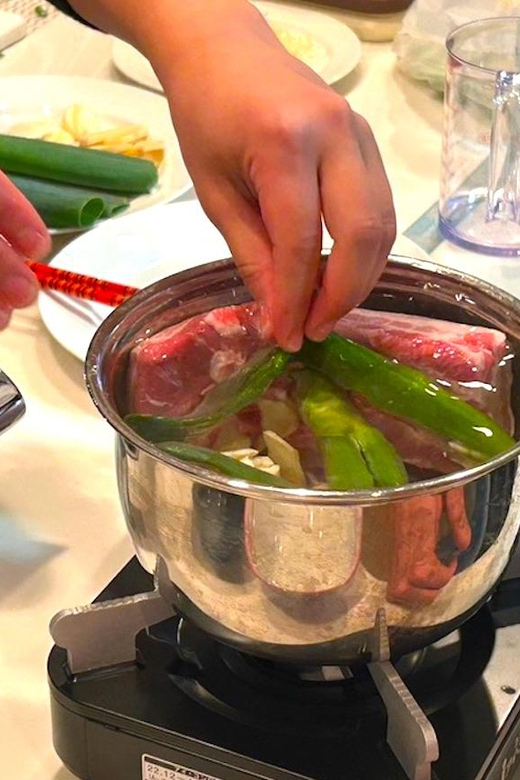
The recipe booklet is more useful than a simple souvenir sheet. It includes detailed instructions for ramen, gyoza, and sushi, along with tips on ingredients and possible substitutions overseas.
Gyoza is not one of the two dishes highlighted in the class title, so do not book expecting a full third cooking lesson. Its inclusion in the booklet is still helpful, especially if you want to build a small collection of Japanese recipes after returning home.
You also receive a pair of high-quality chopsticks. They are a modest keepsake, but a practical one. Unlike a decorative souvenir that sits in a drawer, chopsticks can bring the memory of the class back to the table.
The main benefit is the confidence to try the food again. You will not reproduce every Tokyo ingredient perfectly in another country, but the substitution advice helps. The class is designed to give you a workable home version rather than a recipe that depends on professional equipment.
Is $129 a fair price?

At $129 per person, this is not a budget meal. It is also more than a short sushi demonstration or a casual food tour. The value comes from combining a three-hour lesson, a substantial meal, ingredients, English instruction, three sake pairings, a recipe booklet, and chopsticks.
I think the price is reasonable if you would otherwise pay separately for a quality meal and a hands-on activity. You are not only eating ramen and sushi. You are learning techniques, receiving cultural background, and getting materials that can be used later.
The value is stronger for couples and families who want a shared activity. It also works well for a solo visitor because the group is small and the instructors help create conversation. If your main goal is simply to eat excellent ramen at the lowest cost, a restaurant will be cheaper and more direct.
Food quality is another part of the calculation. Ingredients are described as fresh, including produce sourced from Toyosu Market. That helps explain the price, although market sourcing can vary by date and the experience should not be treated as a tour of Toyosu itself.
Who should book this class?
I would recommend it for first-time visitors who want a break from temples, shopping, and train stations. It gives you an indoor activity with a clear result: you cook, learn, and sit down to eat.
It is especially suitable for:
- Couples looking for a shared activity
- Families with children who can take part in guided cooking
- Solo visitors who like small-group conversation
- Sushi and ramen fans who want to understand the food better
- Home cooks who want recipes they can repeat abroad
- Visitors staying near Ginza, Tsukiji, Tokyo Station, or central Tokyo
It is not suitable for vegans or vegetarians. The supplied information does not promise dietary substitutions, so people with other dietary needs should confirm before paying.
This is also not the best choice if you want a formal culinary-school lesson. The mood is relaxed and social, with cultural stories and sake alongside the cooking. That makes it accessible, but less technical than a professional chef course.
Booking details that matter
The class lasts three hours, and start times vary by date. You should check availability for your preferred day rather than assume a morning or afternoon session.
Wear comfortable clothes that you do not mind getting a little dirty. Arrive five minutes early at HAUS Tsukishima, 2-13-5 Tsukuda, Chuo-ku, Tokyo 104-0051. For a taxi, showing the Japanese address can help: 東京都中央区佃2-13-5 HAUS Tsukishima 2階.
You can cancel up to 24 hours before the start time for a full refund. The reserve-now, pay-later option also helps if your Tokyo schedule is still changing. There is no hotel transfer, so include travel time from your accommodation.
Should you book it?
Book this class if you want to make your own sushi and ramen, eat a proper meal, and spend time with friendly English-speaking instructors. The strongest reasons are the small group, the practical recipes, the three sake pairings, and the chance to work with both sushi and ramen in one session.
Skip it if you are vegan or vegetarian, dislike hands-on cooking, or only want the cheapest possible meal. For everyone else, $129 buys more than lunch. It buys a useful Tokyo memory and a set of skills you can try again after Japan.
FAQ
Where is the cooking class held?
The class is held on the second floor of HAUS Tsukishima, 2-13-5 Tsukuda, Chuo-ku, Tokyo 104-0051.
How far is the venue from Tsukishima Station?
It is about a five-minute walk from Exit 4 of Tsukishima Station, marked Y21.
How long does the experience last?
The class lasts three hours.
Is the class taught in English?
Yes. The instructors speak English.
How many people can join?
The group is limited to eight participants. Some sessions may have fewer people.
What food will I learn to make?
You will learn to make ramen, including broth and chashu pork, as well as hand-formed nigiri sushi.
Is sake included?
Yes. The experience includes three Japanese sake pairings selected by a certified sake sommelier.
Are hotel pickup and drop-off provided?
No. Hotel pickup and drop-off are not included.
Can I cancel for a refund?
Yes. You can cancel up to 24 hours in advance for a full refund.
More Hands-On Workshops in Tokyo
- Tokyo Sushi Making Class in Tsukiji with Professional Chef
★ 5.0 · 1,177 reviews - Ramen & Gyoza Cooking Class in Tokyo with Local Supermarket Visit
★ 5.0 · 823 reviews - Tokyo: Tsukiji Fish Market Sushi Making Class with Pro Chef
★ 4.9 · 506 reviews - Tokyo: Sushi Making Class
★ 4.9 · 390 reviews
More Food and Drink Tours in Tokyo
- Small Group Cooking Class & Market Food Tour in Florence
★ 5.0 · 1,574 reviews - Pasta Making & Wine Tasting with Dinner in Frascati from Rome
★ 5.0 · 1,326 reviews - Paella Cooking Class, Wine Tasting & Central Market in Valencia
★ 5.0 · 1,150 reviews - Athens: Food Market Visit and Cooking Class with Wine
★ 4.9 · 1,087 reviews
Just added around Tokyo
- Tokyo: Tsukiji Market Walking Tour & Sushi Cooking Class★ 4.6 · 122 reviews
- Tokyo: Sushi Cooking Class with Sake Tasting★ 4.8 · 55 reviews
- Sushi-Making Experience★ 4.7 · 4 reviews
- Tokyo: Tsukiji Market Guided Tour & Sushi-Making Experience★ 4.4 · 11 reviews
- Tokyo: Learnt to cook Bento, Oyakodon and More!★ 5.0 · 5 reviews
- Tokyo: Real Ramen & Dumpling Cooking with Master Chef★ 5.0 · 10 reviews
- Tokyo: Kawaii Bento Cooking Class – Cute Character Lunchbox★ 4.9 · 55 reviews
- Tokyo: Night Cooking Class: 5 Home-Cooked Japanese Dishes★ 4.9 · 13 reviews
Japanese & Sushi Cooking Classes, compared.
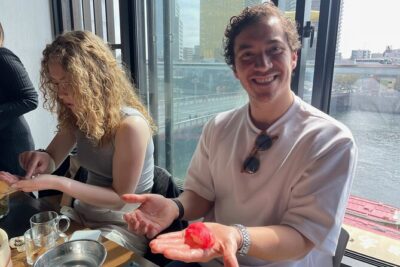
Sushi Making Tokyo Roll and Authentic Japanese Sushi Class
Read our review →
Tokyo: Roll and Authentic Sushi Making Class in Asakusa
Read our review →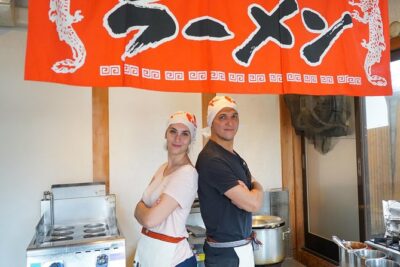
Ramen Cooking Class at Ramen Factory in Kyoto
Read our review →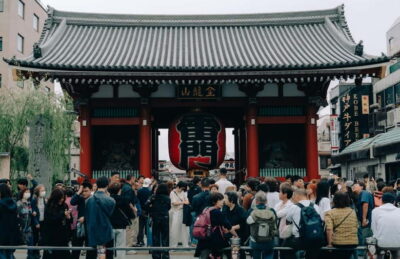
Tokyo: Sushi Making Class in a Happi Coat near a Famous Spot
Read our review →
Sushi Making Tokyo! Popular Maki Sushi & Japanese Sushi(+Recipe!)
Read our review →
Sushi Making Osaka Roll and Authentic Japanese Sushi Class
Read our review →
Tokyo Sushi Making Class in Tsukiji with Professional Chef
Read our review →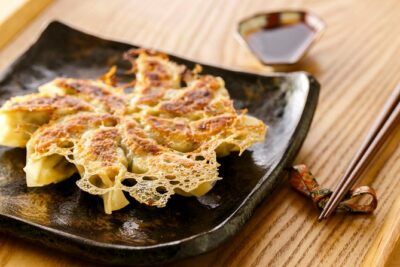
Ramen & Gyoza Cooking Class in Tokyo with Local Supermarket Visit
Read our review →Browse the lists this tour appears in