
Review · TOKYO
Tokyo: Sushi Cooking Class with Sake Tasting
Tokyo: Sushi Cooking Class with Sake Tasting is more than a lesson in rolling rice and fish. You begin in a local supermarket, learning how to choose Japanese ingredients before moving to a professional kitchen near Asakusa and Kappabashi. I like the market visit, which gives you a useful look at everyday Japanese food shopping, and I like the small group of up to seven, where a guide can actually watch your knife work and answer questions.
The main consideration is that this is a hands-on food class, not a sightseeing tour with a cooking demonstration on the side. You need to arrive on time at Iriya Station, and some parts of the route are not suitable for wheelchairs or strollers. Allergy-free meals cannot be guaranteed.
Key points at a glance
- Shop before you cook: Visit a Tokyo supermarket with your guide and learn how to select fish, vegetables, seasonings, and other ingredients.
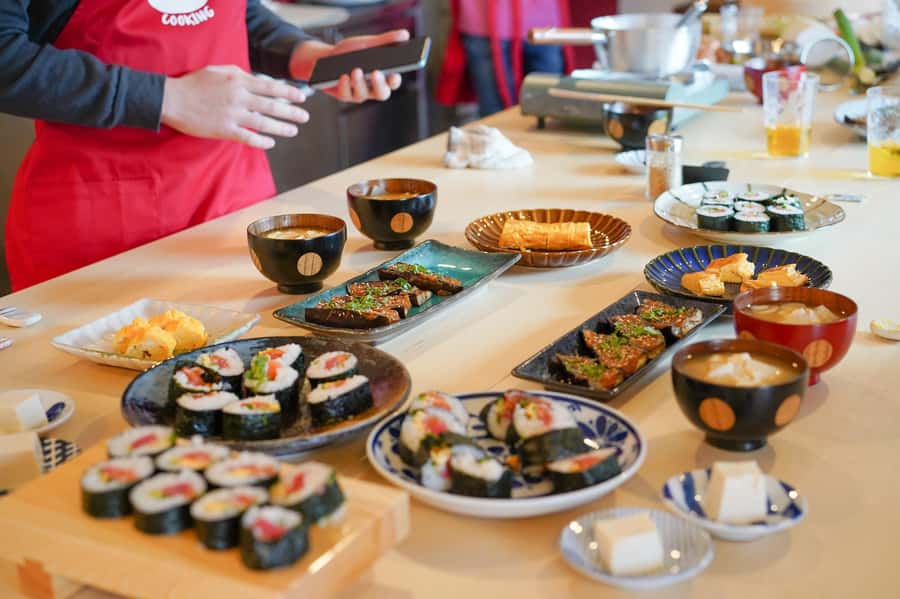
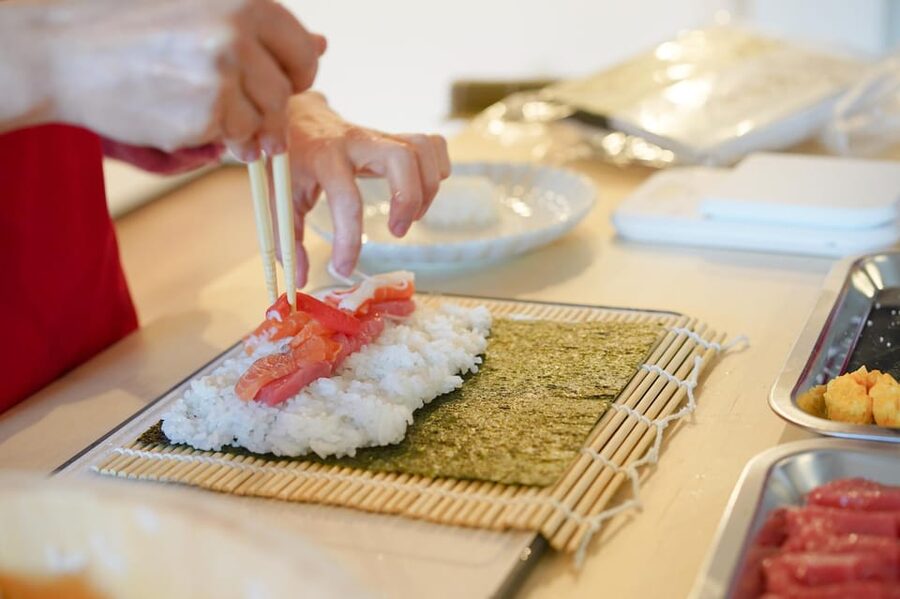
- Make a full Japanese meal: Prepare sushi rolls, sushi rice, miso soup, eggplant dengaku, and dashimaki tamago, a rolled Japanese omelet.
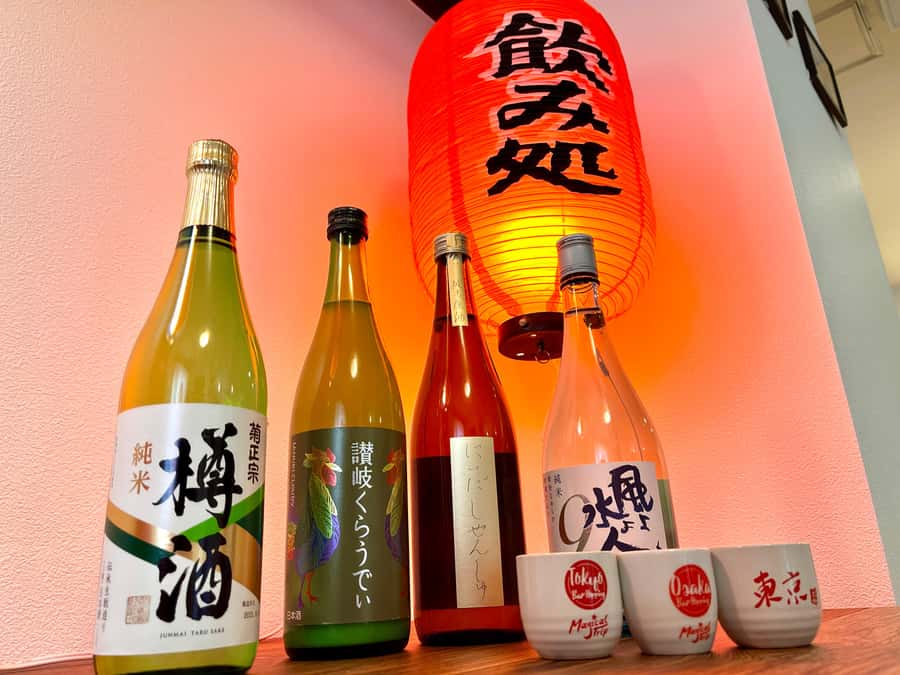
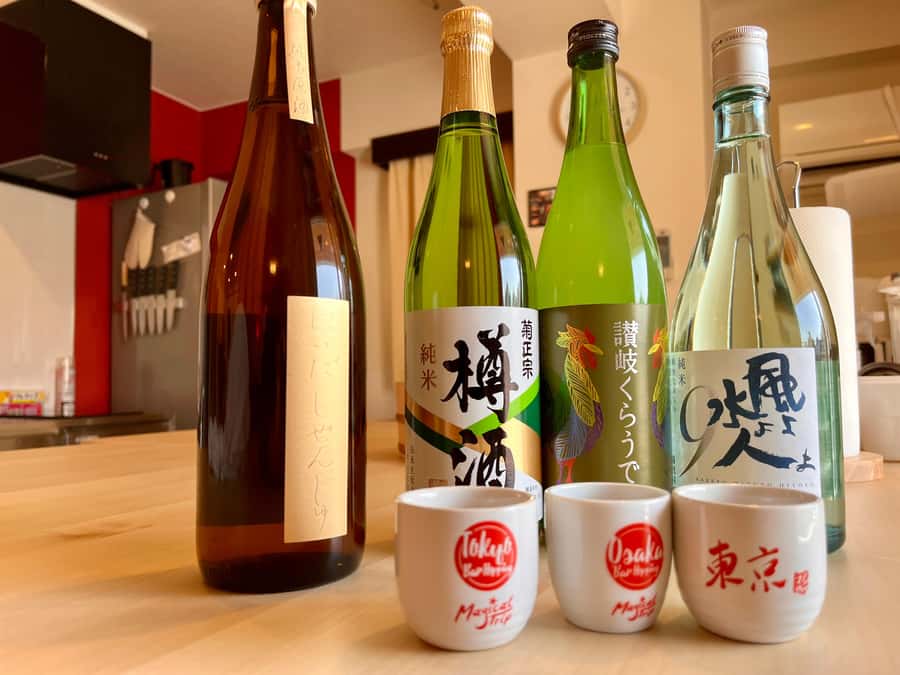
- Taste four kinds of sake: Pair a selection of sake with the food you make for lunch.
- Learn useful kitchen skills: Practice knife handling, dashi preparation, and vinegar-seasoned rice.
- Good for families and beginners: All ages can join, and a kids playroom is available for little ones.
- Leave with something practical: Recipes and tour photos help you continue the experience at home.
A Tokyo food class that begins at the supermarket
The class starts in front of the FamilyMart next to the Gindako takoyaki shop and Doutor Coffee shop at Exit 2 of Iriya Station. This detail matters because there are two FamilyMart stores near the station. Look for the one beside Gindako, not simply the first convenience store you see.
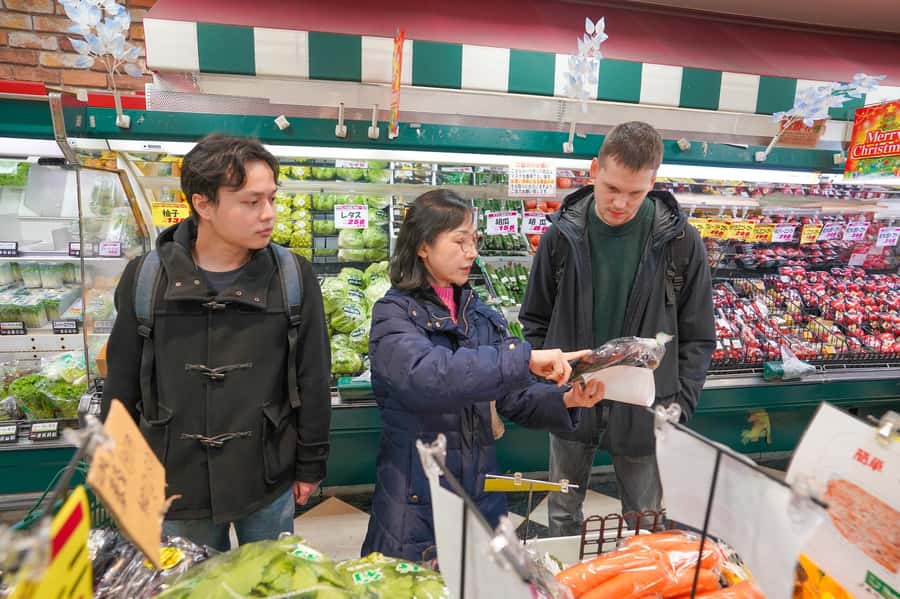
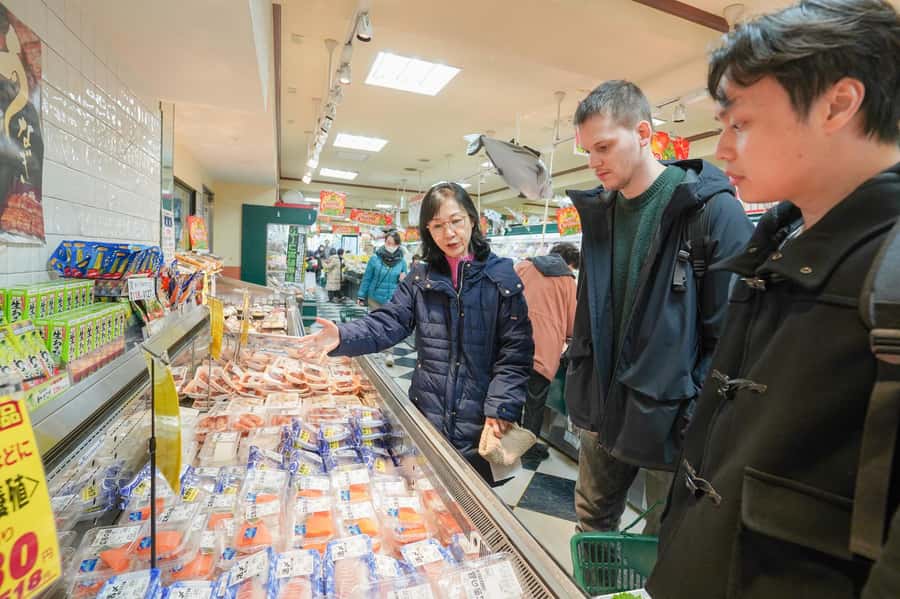
From there, your guide takes you to a local supermarket. This is a strong opening because Japanese supermarkets can be confusing at first glance. You might find unfamiliar vegetables, fish cuts, seasonings, tofu products, pickles, and prepared foods arranged in ways that do not match the layout at home.
Your guide explains how to choose ingredients and points out products used in ordinary Japanese cooking. That makes the stop useful beyond this one meal. You are not simply collecting ingredients from a prewritten list. You get a little help understanding what Japanese cooks buy and why.
The supermarket visit also gives the class a more local feel. Tokyo has many famous food halls and department-store basements, but an everyday supermarket shows you another side of the city’s food culture. It is practical, visual, and easy to remember.
More Sushi and Japanese Classes in Tokyo:
- Sushi Making Tokyo Roll and Authentic Japanese Sushi Class
★ 5.0 · 3,971 reviews - Tokyo: Roll and Authentic Sushi Making Class in Asakusa
★ 4.9 · 1,957 reviews - Tokyo: Sushi Making Class in a Happi Coat near a Famous Spot
★ 4.9 · 1,377 reviews
From knife basics to sushi rice
After shopping, you move to a professional kitchen studio in the Asakusa and Kappabashi area. Kappabashi is known for restaurant supplies, so the location fits the subject well. The exact route between the station, supermarket, and studio is part of the guided experience, but you should expect some walking and keep the four-hour schedule in mind.
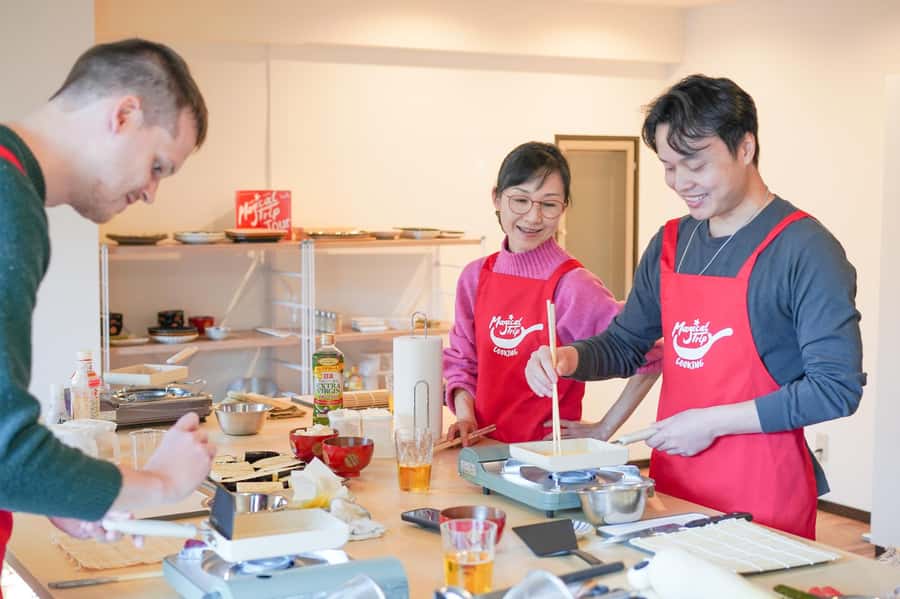
The cooking starts with fundamentals. If you have never used a Japanese kitchen knife, the guide shows you how to hold it properly. That may sound basic, but it is exactly the kind of instruction that prevents a beginner from feeling lost.
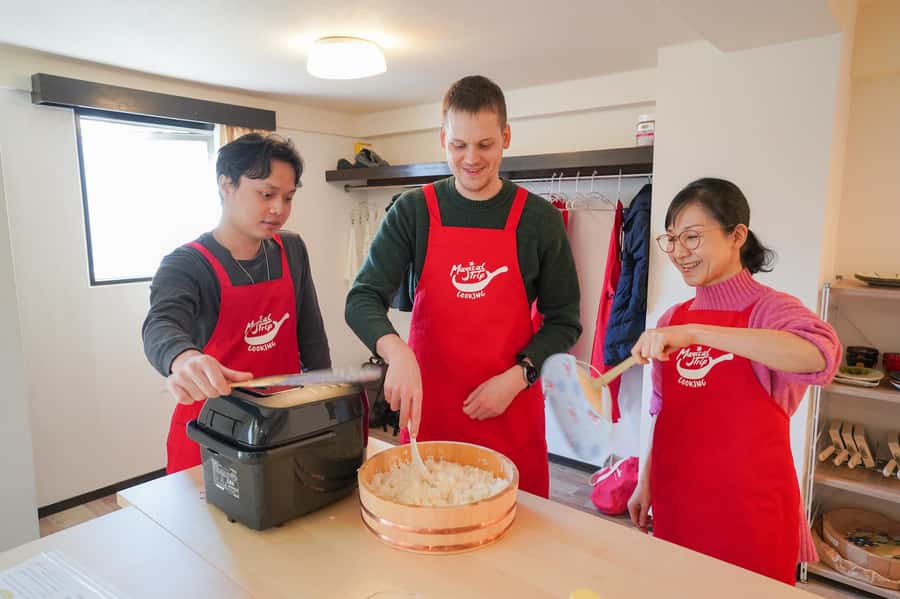
You also learn how to prepare dashi, the savory stock used in the miso soup. The class covers sushi rice as well, including the use of vinegar to season it. These foundations matter more than simply learning how to shape a sushi roll. Once you understand the rice and stock, you have two building blocks for making Japanese food at home.
English-speaking instructors such as Tiger, Suzy, Takahito, Mahori, Fuji, Taka, Mihori, and Sho have led sessions. The guide for your date may be someone else, but the teaching style described for the class is patient and involved. Fuji, for example, worked especially well with children, while Takahito was praised for taking time with each step. That is a useful sign for nervous beginners and families.
The dishes you prepare and eat
The meal covers several different techniques, so the class does not feel like a single-recipe workshop.
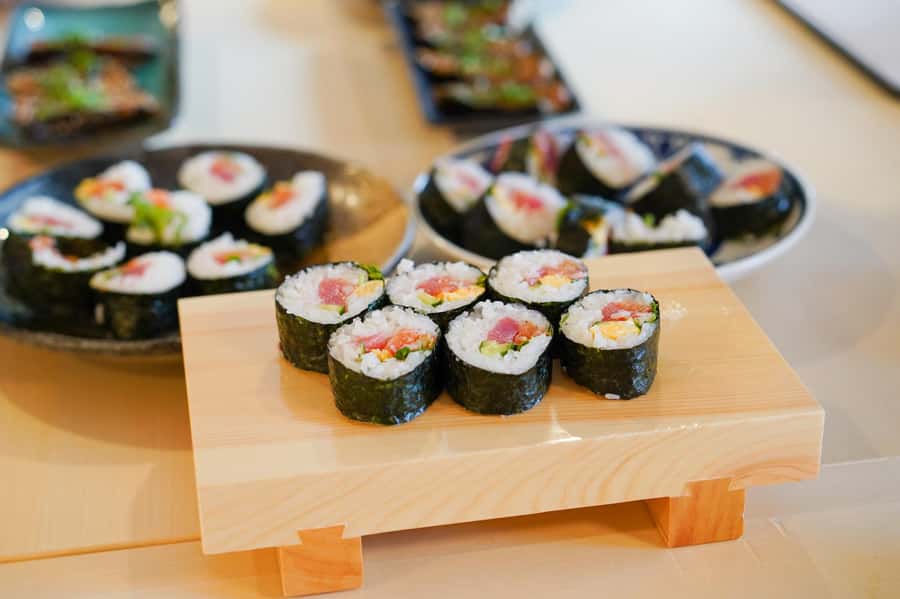
Sushi rolls
You prepare sushi rice and learn how to work with the ingredients before shaping the rolls. The hands-on format lets you see where rice sticks, how much filling is manageable, and how firm the roll needs to be.
Do not expect every roll to look like one made by a professional sushi chef. That is part of the fun. You are learning a method you can repeat at home, not competing in a Tokyo restaurant kitchen.
More Drink Tastings in Tokyo:
- Ramen and Sushi Cooking Class with Sake Pairing Set in Tokyo
★ 5.0 · 291 reviews - Tokyo: Sushi and Ramen Cooking Class with Sake Pairing Set
★ 5.0 · 81 reviews - Kyoto: Afternoon Japanese Izakaya Cooking Class
★ 4.9 · 241 reviews - Izakaya Style Cooking Class
★ 5.0 · 219 reviews
Miso soup
Making miso soup from a dashi base gives you a clearer idea of what makes the soup taste different from a packet mix. You learn the role of the stock and how miso fits into the finished bowl.
This is one of the most useful parts for home cooks. Sushi can require special ingredients and careful shaping, but miso soup is easier to repeat after you return home.
Eggplant dengaku
Eggplant dengaku is a traditional dish made with eggplant and a savory miso topping. It adds a different texture and cooking method to the meal, and it shows how miso appears in Japanese cooking beyond soup.
It is also a good example of the class balance. You are not spending four hours on only raw fish or sushi presentation. You prepare cooked dishes too.
Dashimaki tamago
Dashimaki tamago is a rolled egg dish made with dashi. Rolling the egg takes practice, and the guide’s close attention is useful here. This is the kind of technique that looks simple until you try it.
The egg dish also gives the class a family-friendly quality. It is approachable, hands-on, and easy for children to understand, although younger children will need adult help with knives and hot cooking surfaces.
Four sake tastings with the finished meal
The sake portion comes after the cooking and forms part of lunch. You taste four kinds of sake and pair them with sushi and the other Japanese dishes you have prepared.
This is not presented as a separate bar stop. The point is to understand how sake works with food. Since the class includes four varieties, you can compare them rather than judging the drink from one sample.
The experience includes sake, but you should still treat it as a tasting rather than a long drinking session. You are also eating a full meal and continuing a cooking class, so the pace is designed around food and learning.
Tea is included as well. That gives you a nonalcoholic option during the meal, which is useful for anyone who does not drink sake. Since the class welcomes all ages, children and adults who skip alcohol can still take part in the lunch.
Why the small group matters
The group is limited to seven people. That is large enough to create a social meal, but small enough for direct help at the counter or work surface.
Cooking classes can become frustrating when the instructor demonstrates once and then disappears into the crowd. Here, the small size should give you more chances to ask how to hold the knife, how much rice to use, or how to roll the egg.
The teaching also seems suited to different skill levels. You do not need prior cooking experience, and the class begins with basic instruction. At the same time, a confident home cook can still learn about dashi, Japanese supermarket ingredients, and techniques that may not be part of their usual routine.
The guides bring humor and warmth to the session. Mahori, for example, made the class work for both adults and a young child by explaining slowly and allowing everyone to participate. Suzy’s clear instructions and Fuji’s patient work with children are useful examples of the kind of support you can expect from a good session.
A good choice for families and dietary needs
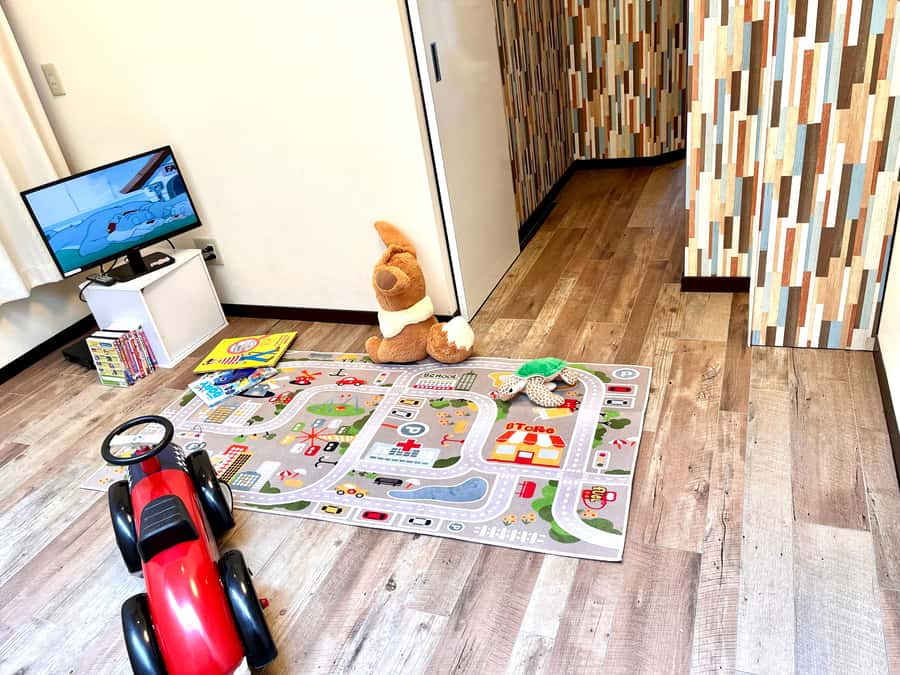
All ages can join, and the kids playroom gives families an extra option. That does not mean every part of the class is designed as a children’s activity. Cooking still involves knives, heat, and careful food handling, so an adult should stay responsible for younger children.
Vegetarian and vegan participants are welcome, and the ingredients and cooking process can be arranged for those diets. You should contact the operator with your needs before booking rather than waiting until the class begins.
Allergy planning is less certain. The food is prepared in kitchens that are not owned by MagicalTrip, and the class cannot guarantee an allergy-free environment. Substitutions may not be possible at every point, although the team will try to make adjustments elsewhere.
That distinction is important. A vegetarian menu can be arranged, but a serious allergy requires more caution. If cross-contact would be dangerous for you, ask detailed questions before paying for the class.
The value of $112 for four hours
At $112 per person, this is not the cheapest way to eat sushi in Tokyo. You can find a meal for much less, and a short public cooking demonstration may cost less too.
The price makes more sense when you count what is included: four hours with an English-speaking local guide, the supermarket visit, ingredients, the cooking class, lunch, four sake tastings, tea, recipes, and photos taken during the experience. You are paying for instruction and access to a guided local food activity, not just the plate at the end.
The recipes improve the value. A meal disappears quickly, but instructions for sushi rice, dashi, miso soup, eggplant dengaku, and dashimaki tamago give you a way to repeat the experience at home.
I would consider it good value if you want to cook and ask questions. If your main goal is to eat excellent sushi without working in a kitchen, spend the money at a sushi restaurant instead.
Finishing near Asakusa and Kappabashi
The kitchen studio is near Asakusa and Kappabashi, two useful areas to explore after the class. Asakusa is one of Tokyo’s best-known sightseeing districts, while Kappabashi is the place to browse restaurant equipment and cooking goods.
The activity ends back at the original meeting point, but you are invited to continue exploring Asakusa after lunch. This makes the class easy to combine with sightseeing, especially if you are interested in kitchen tools, Japanese tableware, or food-related shopping.
Do not treat the post-class sightseeing as a guided extension unless your booking specifically says otherwise. The main four-hour experience is the supermarket, kitchen, meal, and sake tasting.
Timing, meeting point, and practical planning
The class lasts four hours, but starting times vary, so check availability for your date. Arrive early at Iriya Station Exit 2 and confirm that you are at the FamilyMart beside Gindako and Doutor Coffee.
The tour starts on time. If you miss the group, you cannot join later, reschedule, or receive a refund. Tokyo’s train system is efficient, but stations can take longer to navigate than expected, especially when you are unfamiliar with the exits. Give yourself extra time.
Summer in Japan is hot and humid. Bring water and wear a hat, particularly because the opening supermarket visit and walking segments take place before you settle into the kitchen.
The route includes some places that are not accessible to wheelchairs or strollers. Families with a stroller and anyone with mobility concerns should confirm the route before booking.
Free cancellation is available up to 24 hours before the activity for a full refund. You can also reserve now and pay later, which helps if your Tokyo schedule is still changing.
Who should book this cooking class?
I would choose this experience if you want a direct way to understand Japanese home cooking, enjoy a small class, and take part rather than watch. It suits curious beginners, families with older children, and home cooks who want recipes they can use after returning home.
It is also a good fit if you want food shopping, cooking, and sake in one compact morning or afternoon. The English-speaking format and small group make it easier to follow than a large demonstration.
I would hesitate if you have a severe food allergy, need full wheelchair access, or want a quiet meal with no practical work. The class involves walking, cooking, timing, and group participation.
For most people who want more than a restaurant meal, I think the combination is worthwhile. You learn what goes into the dishes, taste four kinds of sake with lunch, and finish with recipes instead of only a full stomach.
FAQ
How long does the Tokyo sushi cooking class last?
The experience lasts four hours. Starting times vary, so check availability for your chosen date.
Where does the activity start?
It starts in front of the FamilyMart next to the Gindako takoyaki shop and Doutor Coffee shop at Iriya Station Exit 2. There are two FamilyMart stores near Iriya Station, so use those nearby shops as your landmarks.
Where does the activity end?
The activity ends back at the meeting point.
Is the class taught in English?
Yes. The experience includes a live English-speaking guide.
How many people can join the class?
The group is limited to seven participants.
What dishes will I prepare?
You will work on sushi rolls, sushi rice, miso soup, eggplant dengaku, and dashimaki tamago, a rolled Japanese egg dish.
Is sake included?
Yes. The class includes a tasting of four kinds of sake, paired with sushi and the Japanese dishes you prepare. Tea is also included.
Can vegetarians and vegans join?
Yes. Vegetarian and vegan participants are welcome, and the ingredients and cooking process can be arranged. Allergy-free preparation cannot be guaranteed, and substitutions may not be possible at every stop.
Is the class suitable for children?
Yes. All ages can join, and a kids playroom is available. Adults should still supervise young children around knives and cooking equipment.
What happens if I arrive late?
The activity starts on time. If you miss the group, you cannot join the tour, reschedule, or receive a refund.
More Hands-On Workshops in Tokyo
- Tokyo Sushi Making Class in Tsukiji with Professional Chef
★ 5.0 · 1,177 reviews - Ramen & Gyoza Cooking Class in Tokyo with Local Supermarket Visit
★ 5.0 · 823 reviews - Tokyo: Tsukiji Fish Market Sushi Making Class with Pro Chef
★ 4.9 · 506 reviews - Tokyo: Sushi Making Class
★ 4.9 · 390 reviews
More Food and Drink Tours in Tokyo
- Small Group Cooking Class & Market Food Tour in Florence
★ 5.0 · 1,574 reviews - Pasta Making & Wine Tasting with Dinner in Frascati from Rome
★ 5.0 · 1,326 reviews - Paella Cooking Class, Wine Tasting & Central Market in Valencia
★ 5.0 · 1,150 reviews - Athens: Food Market Visit and Cooking Class with Wine
★ 4.9 · 1,087 reviews
Just added around Tokyo
- Tokyo: Tsukiji Market Walking Tour & Sushi Cooking Class★ 4.6 · 122 reviews
- Sushi-Making Experience★ 4.7 · 4 reviews
- Tokyo: Tsukiji Market Guided Tour & Sushi-Making Experience★ 4.4 · 11 reviews
- Tokyo: Sushi and Ramen Cooking Class with Sake Pairing Set★ 5.0 · 81 reviews
- Tokyo: Kawaii Bento Cooking Class – Cute Character Lunchbox★ 4.9 · 55 reviews
- Tokyo: Learnt to cook Bento, Oyakodon and More!★ 5.0 · 5 reviews
- Tokyo: Real Ramen & Dumpling Cooking with Master Chef★ 5.0 · 10 reviews
- Tokyo: Night Cooking Class: 5 Home-Cooked Japanese Dishes★ 4.9 · 13 reviews
Japanese & Sushi Cooking Classes, compared.
Sushi Making Tokyo Roll and Authentic Japanese Sushi Class
Read our review →
Tokyo: Roll and Authentic Sushi Making Class in Asakusa
Read our review →
Ramen Cooking Class at Ramen Factory in Kyoto
Read our review →
Tokyo: Sushi Making Class in a Happi Coat near a Famous Spot
Read our review →
Sushi Making Tokyo! Popular Maki Sushi & Japanese Sushi(+Recipe!)
Read our review →
Sushi Making Osaka Roll and Authentic Japanese Sushi Class
Read our review →
Tokyo Sushi Making Class in Tsukiji with Professional Chef
Read our review →
Ramen & Gyoza Cooking Class in Tokyo with Local Supermarket Visit
Read our review →Browse the lists this tour appears in