Review · CAPE TOWN
Cape Town: Cape Malay Cooking Class in Bo-Kaap
Cape Malay cooking is best understood at the kitchen table, not behind a restaurant menu. In a Bo-Kaap home, you help prepare a three-course meal with fresh ingredients and traditional spices, then eat it with the person who taught you how to make it. That personal setting gives the class its strongest appeal.
I like the hands-on format, where you help fold samosas, make chilli bites, prepare flatbread, and work on the main dish. I also like the easy conversation about Bo-Kaap families, local customs, and Cape Malay food. The main consideration is that this is a shared class rather than a private cooking station for every person, and the meal is prepared as a group.
Key points to know before booking
- A meal made from scratch: Help prepare starters, flatbread, and a Cape Malay curry before sitting down to eat.
- A home-based experience: The class takes place in a traditional Bo-Kaap family home, giving you a more personal setting than a restaurant kitchen.
- Food and local stories together: Your host explains Cape Malay ingredients, cooking methods, and the community’s traditions.
- Shared participation: Everyone helps with different parts of the meal, rather than cooking a separate dish alone.
- Two hours with lunch included: The price is $52 per person and covers the class, food, and soft drinks.
- One access detail to note: The dining area may require walking down steep stairs, so ask ahead if this could be difficult for you.
Why this Bo-Kaap cooking class feels personal
Bo-Kaap is known for its brightly painted homes and Cape Malay identity, but a quick walk through the streets only gives you part of the picture. This class takes you indoors, where food becomes the way into the neighborhood’s culture.
You meet a local resident and work together in a family home. The setting matters. You are not simply watching a chef prepare a polished dish while you sit at a counter. You are helping with the steps that make the meal work, from handling pastry to mixing spices and preparing the main course.
Hosts named in past classes include Shafeeqah, Fuad, Jacinda, and Jasmina. The exact host can vary, but the pattern is clear: the class is led by someone who cooks this food as part of family and community life, not just as a demonstration for visitors.
The conversation is part of the experience. As you cook, you can ask about ingredients, family customs, the Bo-Kaap community, and the background of Cape Malay cuisine. That makes this a useful choice if you want more than a meal and a few photographs.
More Hands-On Workshops in the world:
- Half-Day Thai Cooking Class at Organic Farm in Chiang Mai
★ 5.0 · 19,087 reviews - Florence: Pasta Cooking Class with Unlimited Wine
★ 4.9 · 10,285 reviews - 3 in 1 Cooking Class near Navona: Fettuccine, Ravioli & Tiramisu
★ 5.0 · 7,376 reviews
The first kitchen lesson: spices, tools, and local food
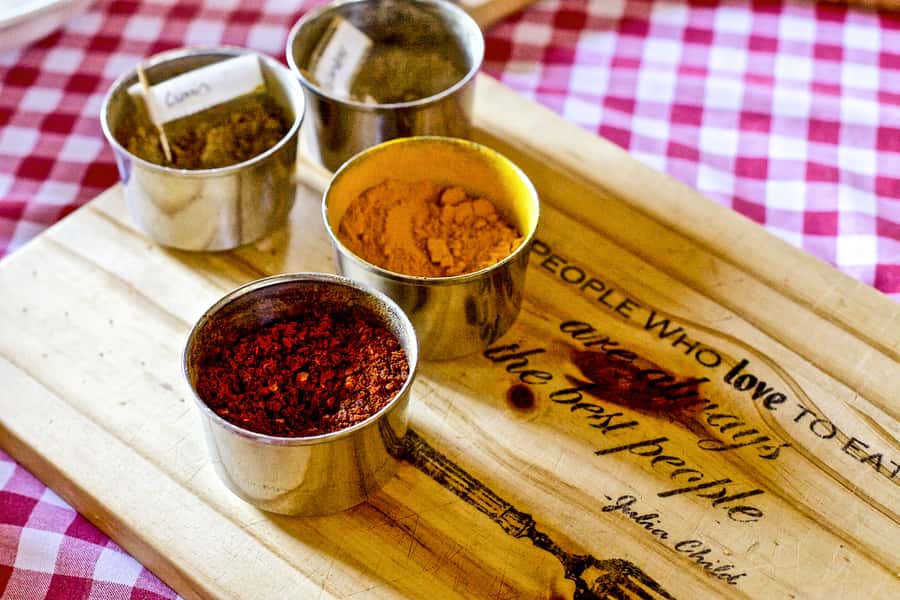
The class begins with an introduction to the ingredients and methods used in Cape Malay cooking. You learn what gives the food its character and how the spices work together in a dish.
The point is not simply to identify each spice. You also see how a home cook uses ingredients in practical ways. One participant singled out the helpful explanation of tools, ingredients, and cooking techniques. That kind of instruction is useful because you can take it home and try to recreate parts of the meal later.
The pace is designed for participation. You may chop, mix, shape, fold, or help prepare the different courses. Since the food is made by the group, your task may not be the same from one class to the next. This makes the experience social, though it also means you should not expect to control your own individual dish from start to finish.
For a first introduction to Cape Malay food, that shared format works well. You get to see several stages of the cooking process without having to manage an entire recipe alone.
Making samosas, chilli bites, and flatbread
The starter course provides some of the most memorable hands-on work. Past classes have included samosas and chilli bites, along with flatbread or roti.
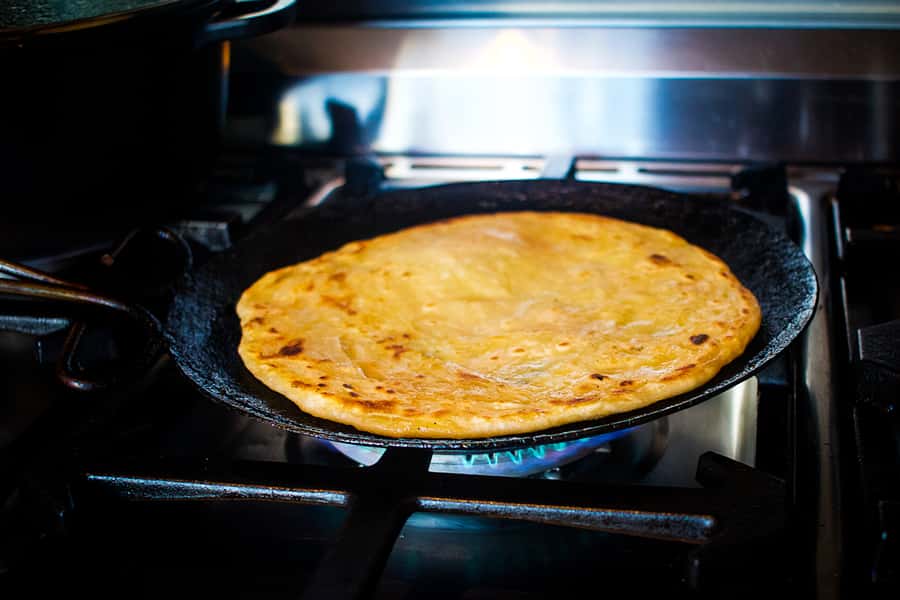
Samosas are especially satisfying because shaping them takes a little practice. You learn how to fold the pastry so it holds its filling during cooking. It is a small technique, but it is the kind of detail that turns a demonstration into a real lesson. You are not just told what to do. You get to try it yourself.
The chilli bites offer a different task, while the flatbread brings another texture and method into the meal. Together, these dishes give you a quick tour of Cape Malay cooking, from pastry and filling to dough and spice.
Do not expect every person to prepare every item independently. The class works as a group, with participants assisting at different stages. If you enjoy sharing work and meeting people from other places, this adds to the fun. If you want a quiet, highly structured class with your own bench and ingredients, the arrangement may feel less formal than you expect.
Preparing the main course as a team
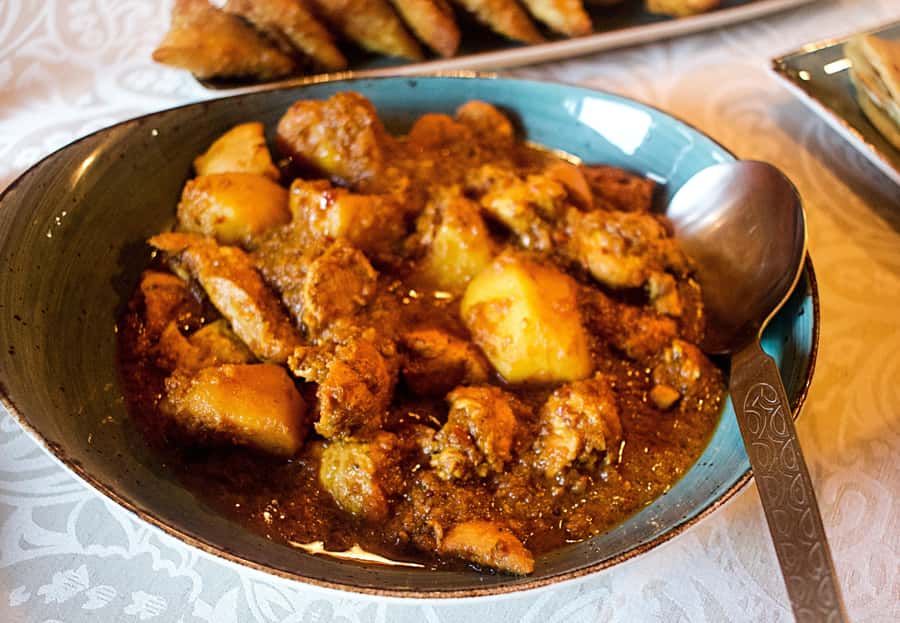
The main meal has included beef curry and chicken curry, depending on the class. The recipe is made with authentic spices and fresh ingredients, and the host guides the group through the preparation.
This part shows why Cape Malay food cannot be reduced to heat alone. The focus is on the blend of seasoning and the way the ingredients come together. Your host can explain how the dish is built, while you help with the practical work.
The group format also keeps the two-hour schedule moving. While one part of the meal cooks, another person may be working on the bread or starters. You get a sense of how several dishes reach the table without turning the class into a long, technical cooking course.
The food has received especially strong praise. It is described as delicious, plentiful, and among the best meals of a Cape Town visit. That matters because you are paying for both instruction and lunch. You are not leaving with a small sample after doing the work yourself.
A few more cooking classes around the world worth a look
- Florence: Pasta & Tiramisu Cooking Class with Unlimited Wine
★ 4.9 · 6,708 reviews - Florence: Pasta Cooking Class with Unlimited Wine
★ 5.0 · 6,413 reviews - Hanoi Cooking Class: Culture, Local Market & Meaning CSR Impact
★ 5.0 · 5,147 reviews - 5 Traditional Dishes Hanoi Cooking Class with Market Trip
★ 5.0 · 4,890 reviews
Sitting down to eat in the Bo-Kaap home
Once the food is ready, you sit down with your host and the rest of the class. Lunch and soft drinks are included in the $52 price.
The meal is the payoff, but it is also when the social side of the class becomes clearest. Cooking gives everyone something to do and talk about. Eating together lets the conversation continue without a recipe in hand.
The home setting is a major part of the appeal. Several hosts have welcomed participants into their family homes, and that creates a warmer atmosphere than a standard commercial classroom. You may hear about family life, local traditions, and the community while enjoying food prepared by the group.
This is not a formal restaurant tasting. The experience is more relaxed and personal. You should book it for the chance to share a meal and conversation, not for polished service or a private dining room.
What the two-hour schedule really gives you
Two hours is enough for a compact introduction to Cape Malay cooking, but it is not enough for a long culinary course. You will learn several useful techniques and help with a three-course meal, yet the host must keep the group moving.
The schedule works because the meal is prepared collectively. You do not spend the whole time waiting for one dish to finish. Instead, the class moves between starters, bread, and the main course.
Past sessions have worked well for families and mixed-age groups. Teenagers who were initially reluctant have enjoyed the practical tasks and the meal. The format can also suit solo visitors because you naturally meet other people while chopping, shaping, and cooking.
The class is conducted in English or Afrikaans. If you are comfortable in either language, the language element should be straightforward. Alcohol and drugs are not allowed, which is worth knowing before you arrive.
The value of $52 per person
At $52 per person, this is not the cheapest way to eat lunch in Cape Town. You can find a less expensive meal elsewhere. The better question is what else you receive for the extra cost.
The price includes a two-hour cooking class, lunch, and soft drinks. You also receive instruction, access to a local home, and a direct conversation about Bo-Kaap food and culture. For you, the value is strongest if you want an activity that combines a meal with personal contact.
The price is less compelling if you only want to sample Cape Malay food. In that case, a restaurant meal may be simpler and cheaper. You should also remember that transportation is not included, so you need to arrange your own way to the Bo-Kaap meeting point.
The high 4.8 rating from 120 ratings reflects a very consistent experience. The strongest praise focuses on welcoming hosts, tasty food, active participation, and the feeling of being included in a family home.
A practical note about stairs and comfort
One important detail deserves attention before you book. The dining area may involve walking down steep stairs. This was difficult for one person with a serious back injury, who had not known about the stairs in advance.
If you have a back, knee, balance, or mobility concern, ask about the access arrangements before paying. The available information does not promise step-free access, so do not assume the home will suit every physical need.
For most people, the class is a comfortable indoor activity, but the stairs are a real consideration. The experience provider also does not include transportation, so you should plan both your arrival and your return.
Who will enjoy this class most
I would recommend this class to you if you like food with a story attached. It is a good fit for couples, families, solo visitors, and small groups who enjoy working with their hands and talking with a local host.
It also suits people who want a cultural activity that is not built around a long lecture. You learn through cooking, then reinforce the lesson by eating the finished food.
Families should find enough variety to keep older children and teenagers involved. The class is also a good choice if you are trying Cape Malay cuisine for the first time, since you can taste several dishes and learn how they are made.
You may want something else if you prefer a private class, individual cooking stations, or advanced technical instruction. This is a shared, social session. The host leads the group, but participants work together rather than following separate recipes at separate counters.
Booking details that matter
The experience lasts two hours, with starting times available according to the date you choose. You can cancel up to 24 hours in advance for a full refund, and the reserve-now, pay-later option lets you hold a place without paying immediately.
Those terms are useful if your Cape Town schedule is still changing. The class is easy to add to a day in the city, but leave enough time to reach Bo-Kaap and find your way home afterward.
Do not count on transportation being arranged for you. It is not included. Also, tell the host about dietary restrictions before the class. One host accommodated dietary needs successfully, but you should not wait until the cooking has already begun.
Should you book the Cape Malay Cooking Class?
Book it if you want a meal, a cooking lesson, and a personal introduction to Bo-Kaap in one short activity. The best parts are the home setting, the chance to shape and cook the food yourself, and the relaxed conversation with a local host.
The main limits are just as clear. You share the work, you may not have your own cooking station, transportation costs extra, and steep stairs can be a problem for some people.
For most visitors, the $52 price is fair because it covers lunch as well as a cultural experience. I would choose this class over a standard food tour if you want to meet a local resident and leave with practical cooking ideas. If you only want to eat, choose a restaurant instead.
FAQ
How long does the Cape Malay cooking class last?
The class lasts two hours.
Where does the cooking class take place?
It takes place in a traditional family home in the Bo-Kaap neighborhood of Cape Town.
What food will I help prepare?
The three-course meal can include samosas, chilli bites, flatbread or roti, and a curry such as beef or chicken curry. The exact dishes may vary.
Is lunch included in the price?
Yes. The $52 price includes the cooking class, lunch, and soft drinks.
Is transportation included?
No. You must arrange your own transportation to and from the Bo-Kaap location.
What languages are spoken during the class?
The host or greeter speaks English or Afrikaans.
Can I cancel for a refund?
Yes. You can cancel up to 24 hours in advance for a full refund.
Just added around the world
- A Coruña: Local Market Shopping and Cooking Workshop★ 5.0 · 16 reviews
- Vegan/Vegetarian Ramen and Gyoza by Bentoya cooking★ 5.0 · 59 reviews
- Traditional Zanzibar Cooking Class including Spice Tour★ 4.5 · 14 reviews
- Verona: Pasta and Tiramisu Cooking Class with Fine Wine★ 4.8 · 633 reviews
- Traditional Albanian Cooking Class in Tirana with Raki Tasting★ 5.0 · 125 reviews
- Ramen & Dumpling Cooking in Tokyo with Chef/Vegan possible★ 5.0 · 107 reviews
- Half-Day Kuza Cave Swimming Adventure and Cooking Class★ 4.5 · 44 reviews
- Zanzibar: Spice Farm Tour with Traditional Cooking Lesson★ 4.8 · 77 reviews
Cooking Classes, compared.
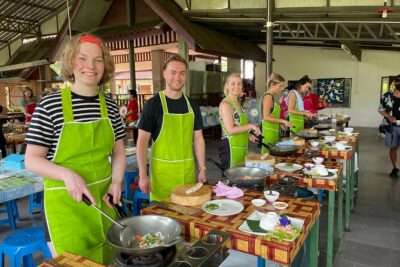
Half-Day Thai Cooking Class at Organic Farm in Chiang Mai
Read our review →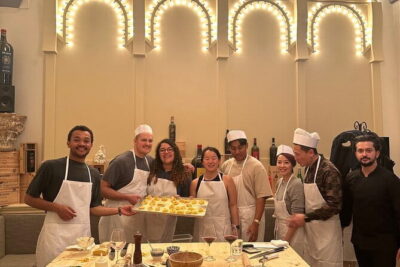
Florence: Pasta Cooking Class with Unlimited Wine
Read our review →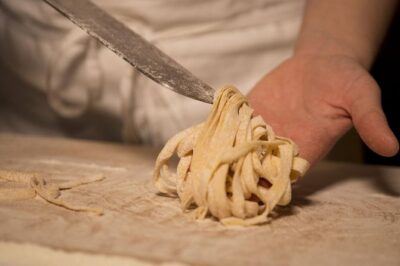
3 in 1 Cooking Class near Navona: Fettuccine, Ravioli & Tiramisu
Read our review →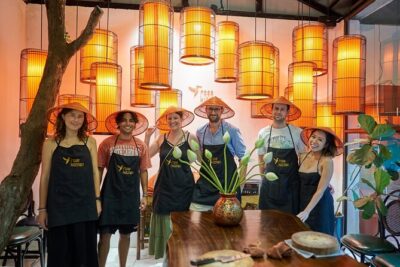
Hanoi Cooking Class: Culture, Local Market & Meaning CSR Impact
Read our review →
5 Traditional Dishes Hanoi Cooking Class with Market Trip
Read our review →
Cooking Class and Lunch at a Tuscan Farmhouse with Local Market Tour from Florence
Read our review →