
Review · JAPAN
Zen Style Voice Meditation and Cooking Workshop in Motobu Okinawa
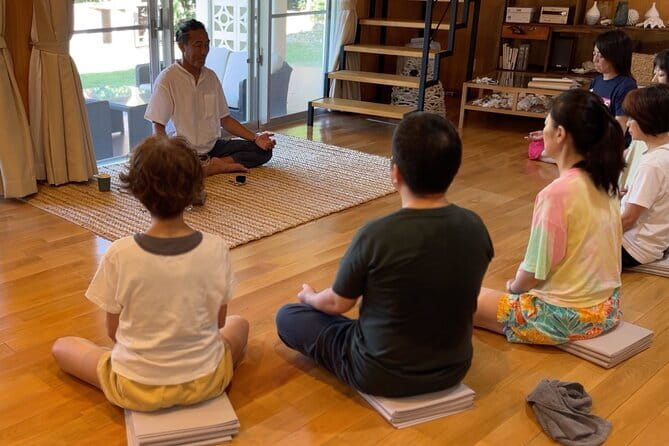
The unusual part of this Motobu workshop is its pairing of voice meditation with Japanese home cooking. You stretch, breathe, and use your voice with a Zen teacher, then join TOKKO for 3 to 4 seasonal dishes. I like that the session is small, with no more than six people, and that the cooking ends with a meal you prepared yourself.
I also like the practical recipe handout. You are not simply tasting Okinawan food and moving on. You learn a simple way to cook Japanese dishes at home. The main drawback is the price: at $200 per person, this is a special-interest experience rather than a budget cooking class, and the meeting point is given only as a Motobu postal address, so check the exact directions before setting out.
Key points to know before booking
- A rare two-part format: Begin with stretching, breathing, voice work, and meditation, then switch to a hands-on Japanese cooking lesson.
- TOKKO leads the kitchen portion: You prepare 3 to 4 seasonal Japanese dishes using simple methods and receive the recipes afterward.
- The voice session is active, not silent sitting: It includes posture, breathing, body relaxation, vocal resonance, and harmonizing with other participants.
- A very small group: The maximum is six people, which suits anyone who prefers personal guidance over a busy class.
- A full three-hour schedule: The workshop starts at 10:00 a.m. and finishes back at the meeting point after tasting the food.
- Book ahead: It is commonly reserved about 78 days in advance, so last-minute availability may be limited.
Why this Motobu workshop feels different
Many Japanese cooking classes focus only on ingredients and technique. Many meditation sessions ask you to sit still and clear your mind. This experience links the two through the body.
The first half uses stretching and breathing to help release tension. The idea is simple: when your breathing becomes fuller and your body less rigid, your voice can resonate more freely. You then listen to your own voice and to the voices around you, creating a shared exercise rather than a private silent meditation.
The second half brings you into the kitchen. You shift from breath and sound to chopping, mixing, cooking, and eating. That change gives the session a clear rhythm. You begin quietly, become more physically engaged, and finish around a table with food.
I like this format for a morning in Okinawa because it is not just a sightseeing stop. It asks you to participate. You are learning a small piece of Zen-style practice and a few Japanese dishes you can try again at home.
More Hands-On Workshops in Japan:
- Sushi Making Tokyo Roll and Authentic Japanese Sushi Class
★ 5.0 · 3,971 reviews - Tokyo: Roll and Authentic Sushi Making Class in Asakusa
★ 4.9 · 1,957 reviews - Ramen Cooking Class at Ramen Factory in Kyoto
★ 5.0 · 1,937 reviews
The 15-minute introduction sets the tone
The workshop opens with a 15-minute explanation of Zen and the structure of the voice meditation. This matters because the voice work may be unfamiliar. You are not expected to arrive knowing how to meditate or sing.
The introduction helps explain why posture, breath, and body tension matter. Traditional Zen practice often involves sitting in a correct position and watching the breath, but this workshop takes a more approachable route. Instead of asking you to sit perfectly for a long period, it prepares your body first.
That makes the session more suitable for beginners and for people who find formal meditation difficult. You will still need to pay attention and take part, but there is no suggestion that you must have previous Zen experience.
Twenty minutes of stretching and breathing
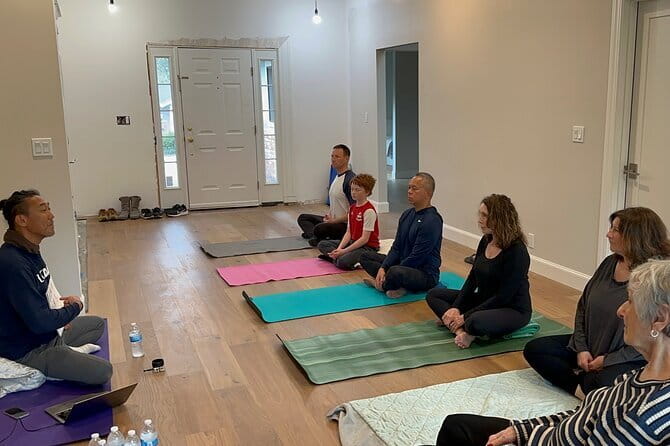
The next 20 minutes focus on stretching and breathing techniques. The stated goal is to restore the body, reduce tension, and deepen the breath.
This part is important for anyone arriving with the usual travel stiffness. A morning spent in a car, on a plane, or walking around Okinawa can leave your shoulders and back tight. Gentle preparation gives you a better chance of noticing how your breathing changes during the voice work.
Do not expect a fitness class. The purpose is not to build strength or test flexibility. It is to help you become more aware of how your body feels and how breath moves through it.
If you are uncomfortable with floor sitting or physical exercises, keep that in mind before booking. The description specifically refers to traditional Zen posture on the floor, although the session is presented as an accessible alternative to simply sitting still. Anyone with physical limitations should confirm suitability before paying.
Twenty-five minutes of voice work and meditation

The voice portion lasts 25 minutes. As your body relaxes and your breathing becomes deeper, you use your voice and notice how it resonates.
This is the most distinctive part of the experience. It is not described as a singing lesson, and you should not book it expecting vocal performance training. Instead, the focus is on the sensation of a comfortable, resonant voice and the connection between breathing, body, and mental focus.
You also hear your voice alongside the voices of the other people in the room. That group element can make the meditation feel less solitary. It adds a gentle social quality without turning the activity into a loud or competitive exercise.
I see this as a good fit for curious beginners who want something more active than silent meditation. It may be less appealing if you want a completely quiet session or if you feel self-conscious making sounds in front of other people.
The teacher for this portion is not named in the supplied details, but the experience includes a dedicated Zen voice instructor. One existing rating describes the teacher as stupendous, which fits the central role this person plays in making the unusual format feel comfortable.
A few more cooking classes around Japan worth a look
- Tokyo Sushi Making Class in Tsukiji with Professional Chef
★ 5.0 · 1,177 reviews - Ramen & Gyoza Cooking Class in Tokyo with Local Supermarket Visit
★ 5.0 · 823 reviews - Tsukiji Fish Market Guided Tour and Sushi Making with Pro Chef
★ 5.0 · 775 reviews - Kyoto: Ramen Cooking Class at a Ramen Factory with Souvenir
★ 4.9 · 532 reviews
A five-minute pause before the kitchen

After the voice session, you get a five-minute rest. It is brief, but useful.
The break separates the two moods of the workshop. You have time to settle your breathing and shift your attention toward food preparation. Because the entire activity lasts about three hours, the schedule is fairly full. This short pause keeps the change from meditation to cooking from feeling abrupt.
If you prefer slow, unstructured mornings, the timetable may feel brisk. If you like a clear plan, the sequence works well.
TOKKO’s 70-minute Japanese cooking lesson

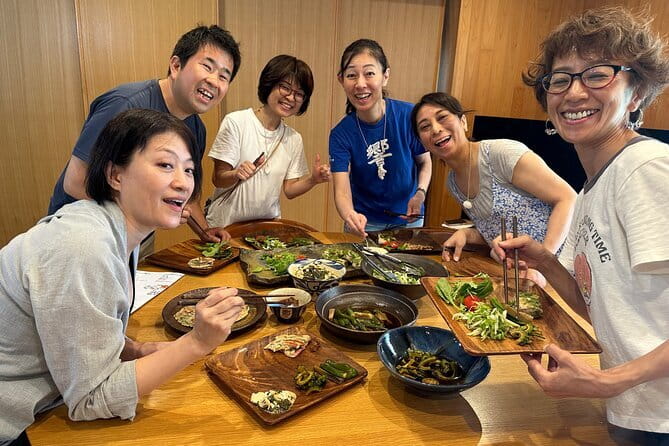
The cooking portion lasts 70 minutes and begins with a five-minute explanation of the Zen Kitchen concept. TOKKO then guides you through 3 to 4 kinds of seasonal Japanese traditional food.
The most useful promise here is simplicity. The class is designed to show you how Japanese food can be prepared at home without treating it as expensive restaurant cuisine. The emphasis is on local ingredients and straightforward instructions.
That does not mean you should expect a professional culinary school. This is a home-style lesson with a practical goal. You learn a set of dishes, work with the ingredients, and leave with recipes that can be repeated in your own kitchen.
The seasonal focus also gives the meal a connection to the time of year. The exact dishes are not specified, so you should not book with a fixed menu in mind. The selection may change according to what is available.
TOKKO is the named guide for this part of the experience. The cooking is presented as friendly and hands-on, with TOKKO explaining each step. A five-star account of the class praises TOKKO’s wife alongside the Zen teacher, suggesting that she is involved in the cooking experience. Still, the official description identifies TOKKO as the guide, so it is best to think of the kitchen instruction as TOKKO’s section of the workshop, with the exact teaching team confirmed locally.
Forty minutes to eat what you made

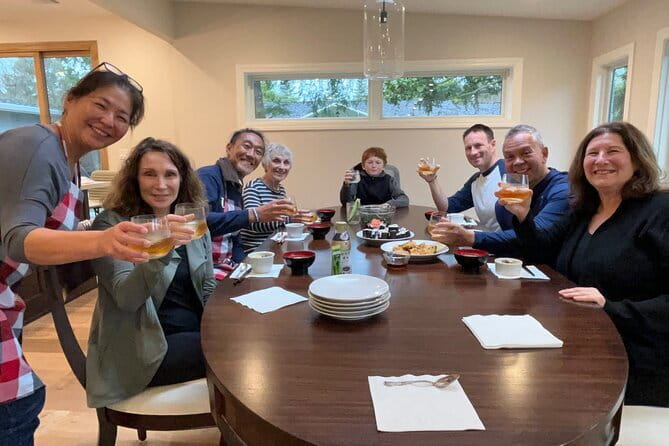
The final 40 minutes are set aside for tasting. You sit down and enjoy the healthy Japanese food prepared during the class.
This is more valuable than a quick sample. You have handled the ingredients and followed the method, so tasting becomes part of the lesson. You can notice how the dishes come together and think about which recipes you would actually repeat at home.
The meal also gives the workshop a satisfying finish. A meditation session alone can leave you calm but hungry. A cooking class alone can leave you full but mentally busy. Here, the two sections meet at the table.
The meal is included as the food you prepare, not as a separate restaurant course. If you have allergies or dietary restrictions, ask before booking, since no specific accommodation details are provided.
Does $200 offer good value?
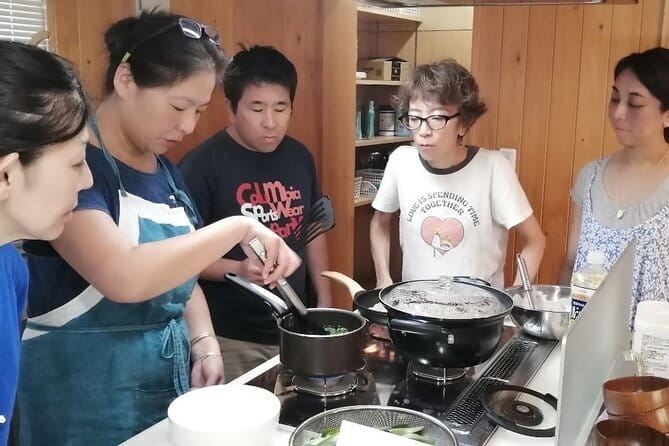
At $200 per person, this is expensive compared with a basic cooking demonstration. The price is easier to understand when you consider the full three-hour format, the small maximum group of six, the dedicated voice meditation, the cooking instruction, the meal, and the take-home recipes.
You are paying for a personal experience with two distinct teachers or teaching roles, not just a printed recipe and a tasting. The small group limit is especially important. With six people or fewer, you have a better chance to follow the breathing guidance and get help during cooking.
Still, value depends on your priorities. If you mainly want to learn several Japanese recipes at the lowest possible cost, this probably is not the right choice. You may be paying for an experience that does not interest you, especially if meditation or voice work feels uncomfortable.
If you want a memorable morning that connects body awareness, local food, and practical cooking, the price makes more sense. I would treat it as a special Okinawa activity rather than an everyday food tour.
Timing, meeting point, and group size
The workshop begins at 10:00 a.m. and ends back at the meeting point. The stated location is in Motobu-cho, Japan, with the postal code 905-0227. Since a full street address is not included in the available details, confirm the exact meeting instructions after booking.
The mobile ticket is convenient, and booking confirmation is provided at the time of reservation. The activity accepts service animals.
The six-person limit is one of the strongest practical features. A small group is useful here because the experience depends on shared sound, personal attention, and active cooking. It also means you should not assume there will be space close to your travel date. The activity is booked, on average, about 78 days ahead.
Plan your morning around the full three hours. The schedule has little spare time, especially once the cooking begins. Arrive ready to take part rather than treating this as a drop-in class.
Who will enjoy this most?
I would recommend the workshop to you if you enjoy unusual cultural activities and want more than a standard food tasting. It suits people who are curious about Zen practice but do not want a long silent meditation, as well as home cooks who appreciate simple recipes.
It is also a good option for a small private group, couples, or friends who want a shared activity with a calm start and a social finish. The limited group size should help the session feel personal.
You may want to skip it if you dislike making sounds in front of others, have difficulty with floor-based posture, or want a fast cooking lesson with a guaranteed menu. It is also not the best choice if your main goal is sightseeing, since the activity stays at the meeting point and does not include a tour of Motobu.
Booking and cancellation advice
Free cancellation is available if you cancel at least 24 hours before the 10:00 a.m. start time. Cancellations made less than 24 hours before the activity are not refunded, and changes during that period are not accepted.
The cut-off follows local time. Since this is a small class with limited places, check your schedule carefully before booking. The early average booking time of 78 days suggests that advance planning is sensible, particularly during a busy Okinawa visit.
Should you book the Zen voice and cooking workshop?
Book it if you want a small, participatory experience that combines breathing and voice work with Japanese home cooking. The unusual pairing is the main reason to choose it, and the recipe handout gives the class value beyond the morning itself.
I would not book it simply because you want an inexpensive meal or a conventional cooking demonstration. At $200, the meditation portion needs to appeal to you. But if you are open to trying a gentle voice practice, learning 3 to 4 seasonal dishes with TOKKO, and eating the result, this is a thoughtful use of three hours in Motobu.
FAQ
Where does the workshop take place?
The activity takes place in Motobu-cho, Japan. The listed postal code is 905-0227, and the workshop ends back at the meeting point.
What time does the workshop begin?
It starts at 10:00 a.m.
How long does the experience last?
The workshop lasts approximately three hours. The schedule includes introductions, stretching and breathing, voice meditation, cooking, and a 40-minute tasting period.
How many people can join?
The activity has a maximum of six participants.
Are recipes provided?
Yes. You receive the recipes so you can prepare the Japanese dishes at home.
What is the cancellation policy?
You can cancel at least 24 hours before the start time for a full refund. Cancellations or changes made less than 24 hours before the start time are not accepted for a refund.
Just added around Japan
- [From Okayama] Okayama & Kurashiki Full Day Tour★ 5.0 · 15 reviews
- Cook Homestyle Ramen and Gyoza from scratch★ 5.0 · 4 reviews
- Sushi Making Experience Luxury Course in Nara★ 5.0 · 36 reviews
- Udon and Tempura Cooking Class in Nara★ 5.0 · 3 reviews
- Sushi Making Experience Class in Naha Makishi Public Market★ 5.0 · 35 reviews
- Japanese Cooking Class at a Traditional House in Nagano★ 5.0 · 3 reviews
- Grandma’s Traditional Japanese Cooking Class in Nagoya★ 5.0 · 5 reviews
- Japanese food Cooking at Home★ 5.0 · 12 reviews
Cooking Classes, compared.
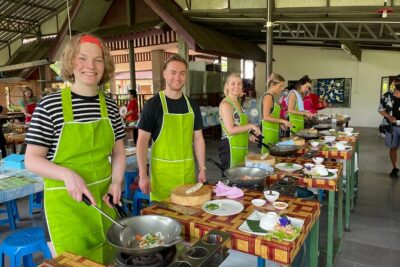
Half-Day Thai Cooking Class at Organic Farm in Chiang Mai
Read our review →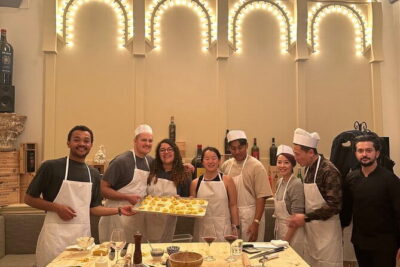
Florence: Pasta Cooking Class with Unlimited Wine
Read our review →
3 in 1 Cooking Class near Navona: Fettuccine, Ravioli & Tiramisu
Read our review →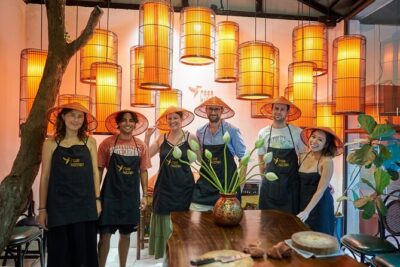
Hanoi Cooking Class: Culture, Local Market & Meaning CSR Impact
Read our review →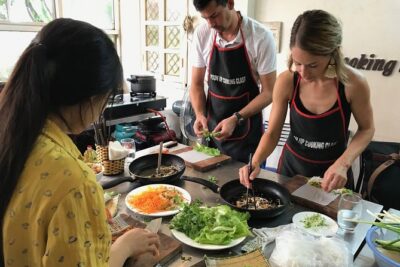
5 Traditional Dishes Hanoi Cooking Class with Market Trip
Read our review →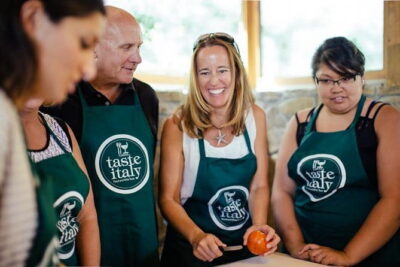
Cooking Class and Lunch at a Tuscan Farmhouse with Local Market Tour from Florence
Read our review →
Chiang Mai: Cooking Class, Market & Thai Herbs Garden Tour
Read our review →Browse the lists this tour appears in