
Review · KOREAN
Master Korean traditional cooking with a Kimchi chef
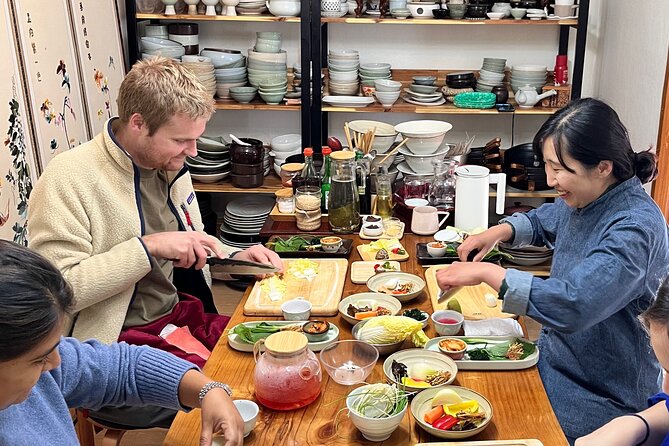
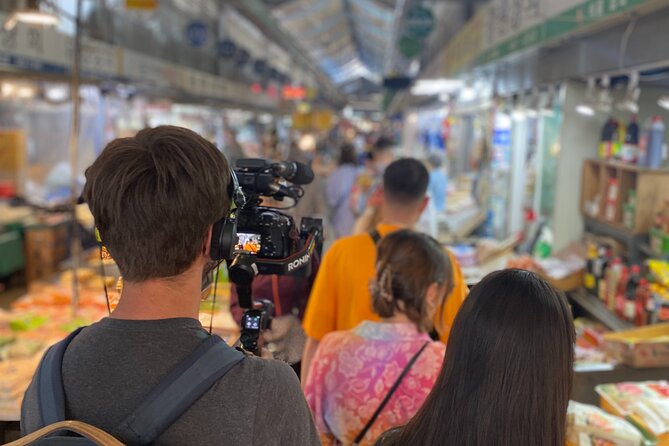
The best part of this Seoul experience happens before you reach the kitchen. You walk through Gyeongdong Market, one of the city’s major food and traditional medicine markets, with your chef explaining the ingredients you will soon cook. Then you prepare a Korean meal by hand in a local-style home, rather than simply watching a demonstration.
I like the small class size, capped at seven people for the experience, because cooking lessons work better when the instructor can correct your knife work or seasoning. I also like the changing menus: choose Thursday for kimchi, Friday for bibimbap, or Tuesday and Saturday for a three-dish meal of bulgogi, japchae, and doenjang jjigae.
The main consideration is that the menu depends on the day you book. If you want kimchi specifically, Thursday is the important choice. You also need to find your own way to Jegi-dong Station Exit 2, and the market walk may be less appealing if you prefer a polished studio class without an urban outing first.
Key points to know before booking
- Gyeongdong Market comes first: Shop for the day’s ingredients while learning about Korean food and traditional medicine.
- The class is hands-on: You help prepare the full menu, rather than watching the chef do all the work.
- Menus change by weekday: Kimchi is offered Thursday, samgyetang Monday, bibimbap Friday, desserts Sunday, and other dishes Tuesday and Saturday.
- Chef Minseon is a recurring instructor: Several class descriptions point to her patient teaching, clear communication, and friendly help.
- The meal is included: You eat what you prepare, with lunch, dinner, or dessert depending on the selected class.
- Dietary needs can be addressed: Vegan and halal options are available, but you should provide those details when booking.
From Jegi-dong Station to Gyeongdong Market
You meet just before 10 a.m. at Jegi-dong Station Exit 2, on Seoul Subway Line 1. The meeting point is near Dongdaemun Station, though the activity itself begins in the Jegi-dong area, home to Seoul’s Oriental Medicine Market.
Allow yourself enough time to find Exit 2. One participant who became lost still received help from Chef Minseon, but that is not a reason to cut it close. A station meeting point is practical, yet Seoul’s large stations can take a few minutes to navigate.
The opening walk gives the class a useful setting. Instead of receiving a list of Korean ingredients in a classroom, you see them in their usual market environment. Your instructor leads the group through the stalls and selects the produce, spices, meat, vegetables, or other items needed for that day’s recipes.
Gyeongdong Market is also an interesting choice because it is not presented as a tourist-only food stop. It combines food shopping with traditional medicine, so you may see a side of Seoul that feels more connected to ordinary local commerce. The market is large, and that can be part of the fun, but it also means this is a walking activity with a fair amount of visual and sensory stimulation.
The market visit is not a separate sightseeing tour with a long historical lecture. Its value is practical. You learn what the ingredients look like, how they are sold, and how they fit into Korean cooking. Some classes have also included a taste of traditional Korean doughnuts along the way.
More Korean Cooking Classes in the world:
- Local Home Korean Cooking Class & Market Adventure in Seoul
★ 5.0 · 1,024 reviews - Seoul: Korean Cooking Class at a Local Home and Market Tour
★ 5.0 · 348 reviews - Seoul: Korean Cooking at Seoul Cooking Club!
★ 5.0 · 311 reviews
Choosing the right menu day
The weekday menu is the most important booking detail. This is not one fixed Korean cooking lesson repeated every day. The dishes change according to your selected date.
Here is the current pattern:
- Monday: Samgyetang, a Korean ginseng chicken soup
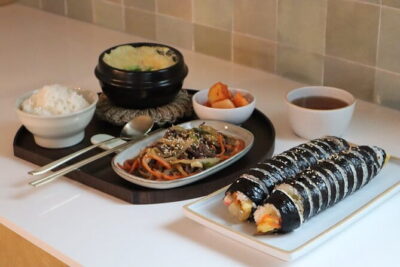
- Tuesday and Saturday: Bulgogi, japchae, and doenjang jjigae
- Thursday: Kimchi
- Friday: Bibimbap
- Sunday: A range of Korean desserts
The Tuesday and Saturday menu may be the best all-around introduction because it includes three familiar Korean dishes with different techniques and flavors. Bulgogi introduces marinated meat, japchae teaches you how Korean glass noodles are handled, and doenjang jjigae gives you a taste of fermented soybean paste in soup form.
Thursday is the clear pick if your main goal is to learn about kimchi. The experience title highlights a kimchi chef, but the class is not a kimchi-only session every day. Check the date carefully before paying, especially if you have one particular dish in mind.
Friday’s bibimbap class suits you if you want a meal that is easy to recreate at home. One class description emphasized using more traditional ingredients, which can make the familiar mixed rice dish feel different from a restaurant version.
Sunday is aimed at Korean sweets rather than a standard savory meal. The included food is described as dessert on that day, so do not assume every booking provides lunch or dinner.
The class usually makes three menu items, though some descriptions refer to four dishes or extra preparation. The exact number can vary with the day’s plan. You receive food to eat at the end, and some class formats have provided enough for participants to take a little with them.
Cooking inside a Korean-style home
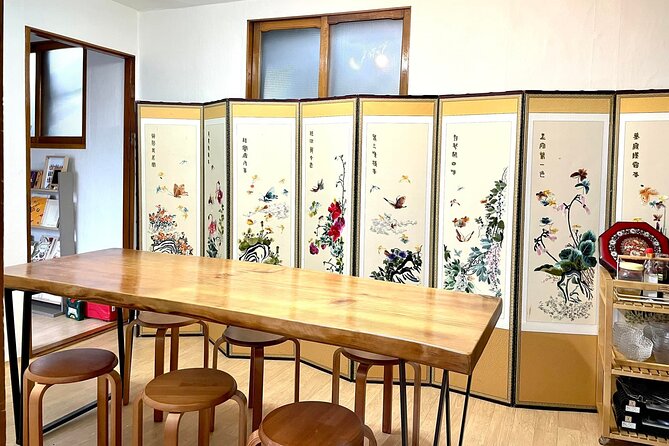
After shopping, your instructor leads you to a Korean-style house or nearby cooking studio in the local neighborhood. The kitchen is set up for group work, with the ingredients and equipment arranged for the class.
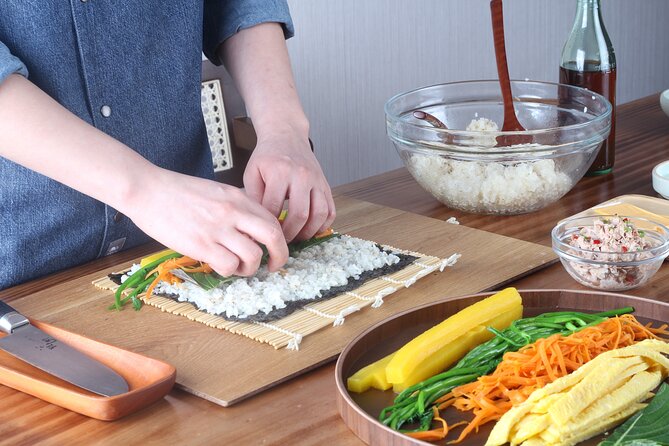
This is a hands-on lesson. You do not simply sit at a counter while a chef performs each step. You prepare portions of the menu yourself, with the instructor moving around the group to explain techniques and help when needed.
That format matters if you are new to Korean cooking. You can ask about unfamiliar ingredients as you use them, rather than trying to remember a long demonstration later. The recipes are described as authentic but reasonably easy to repeat at home, and a recipe book has been provided in some classes.
Chef Minseon is specifically praised for patient instruction, clear explanations, and friendly communication. The teaching style appears suitable for beginners and for people who rarely cook. You do not need to arrive with professional knife skills or a firm grasp of Korean flavors.
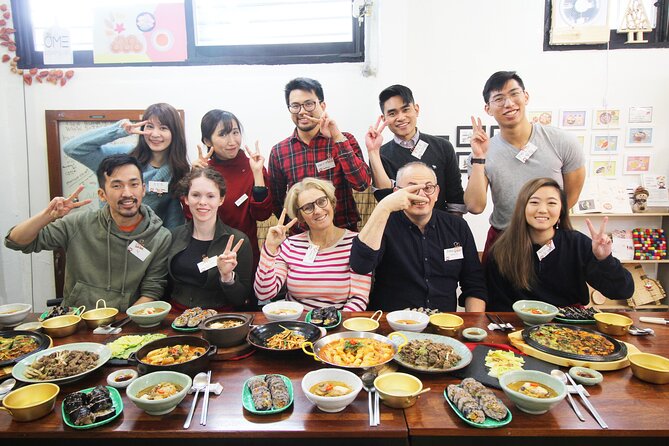
The class also has a social side. The instructor introduces the group, and the small size makes it easier to talk while chopping and seasoning. Since the activity is described as private for your group, confirm the exact group arrangement at booking if that distinction matters to you. The supplied details also list a maximum of seven for the small-group experience and a maximum of ten per booking.
Morning tea is included on all tours. Once the dishes are ready, you sit down together and eat the food you made. This shared meal is an important part of the experience. It turns the lesson into a complete morning outing rather than a cooking task followed by a quick goodbye.
What makes the market and kitchen work together
A market visit can sometimes feel tacked onto a cooking class. Here, the two parts support each other. You first see the raw ingredients in a real food market, then use them in the kitchen a short time later.
That connection helps explain Korean cooking in a direct way. You may learn why certain vegetables, pastes, noodles, or seasonings are bought fresh and how they are combined. The class can also give you a better feel for the role of fermentation, especially if you choose kimchi or dishes made with doenjang.
The setting adds something too. A shiny, well-equipped cooking studio may be easier for instruction, while a Korean-style house gives the lesson a stronger sense of place. The descriptions of this activity include both a local Korean-style home and a nearby organized cooking space, so the exact setting may depend on the operating format or date.
I would not book this solely for the market if you want a formal guided tour of Seoul. The market walk is short and tied to shopping. Its purpose is to prepare you for the class, though it also offers a useful look at a part of the city that many visitors may otherwise miss.
A few more cooking classes around the world worth a look
- Half-Day Thai Cooking Class at Organic Farm in Chiang Mai
★ 5.0 · 19,087 reviews - Florence: Pasta Cooking Class with Unlimited Wine
★ 4.9 · 10,285 reviews - 3 in 1 Cooking Class near Navona: Fettuccine, Ravioli & Tiramisu
★ 5.0 · 7,376 reviews - Florence: Pasta & Tiramisu Cooking Class with Unlimited Wine
★ 4.9 · 6,708 reviews
Price, timing, and practical value
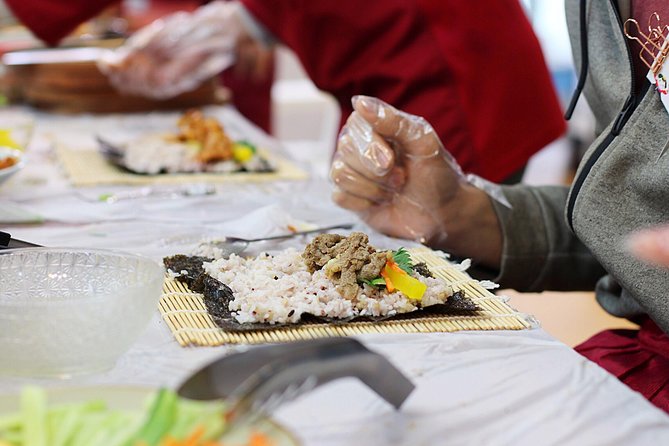
At $85 per person, the price is fair for a 3.5-hour experience that includes a market visit, an instructor, cooking ingredients, morning tea, and a full meal or dessert. You are paying for more than a restaurant meal, but you also receive instruction and recipes you can use after returning home.
The value is strongest if you want to understand what you are eating and learn a few dishes well enough to try again. If you only want to taste Korean food, a market lunch will cost less and take less time. If you enjoy cooking classes during trips, this one combines food shopping, cultural context, and practical instruction in a compact half-day.
The class begins at 10 a.m. and ends back at the meeting point. Subway station pickup and drop-off are not included, so you handle your own transport to Jegi-dong Station. The activity is near public transportation, which makes the start manageable, but the station exit is still your responsibility.
Bookings are often made well ahead of time, with the average booking occurring 48 days in advance. That is a useful warning for anyone planning a Seoul trip around a particular menu day. Confirmation is sent within 48 hours, subject to availability.
Children over 14 pay the adult rate. One child under 14 may participate in each class, but children under six are not permitted for safety reasons. Vegan and halal options are available, and the class can accommodate dietary restrictions, but you should state your needs clearly before the cooking begins.
Free cancellation is available if you cancel at least 24 hours before the local start time. Changes or cancellations inside that period are not refunded. If the minimum number needed to run the activity is not reached, you are offered another date or a full refund.
Who will enjoy this Seoul cooking class
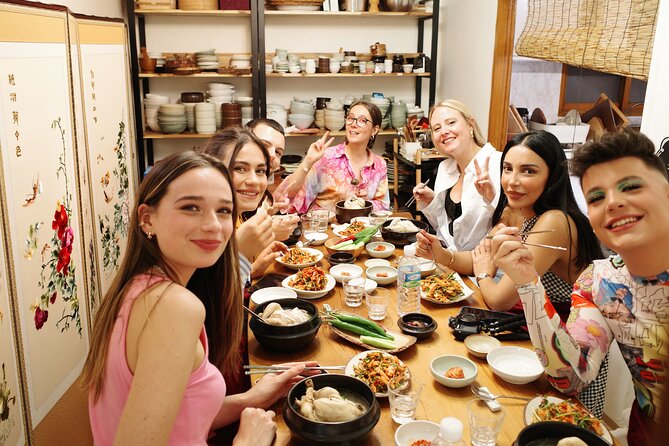
I would recommend this to anyone who likes to bring home a skill, not just a photograph. It works especially well for first-time visitors who want a gentler introduction to Korean ingredients and for experienced home cooks looking for local techniques.
It is also a good fit for solo visitors. A small class makes it easier to meet people, and the shared meal gives the morning a natural ending. Couples, families with one older child, and small groups of friends should also find the format comfortable.
You should think twice if you dislike walking through markets, need a fully private one-to-one lesson, or want to choose every dish yourself. The menu is fixed by the date, and the market is an active shopping area rather than a quiet cooking-school entrance.
The experience is not built around luxury. Its appeal is the combination of a real Seoul market, a local cooking setting, an approachable chef, and food you prepare with your own hands. That is a better match for curious eaters than for people seeking a polished show.
Should you book it?
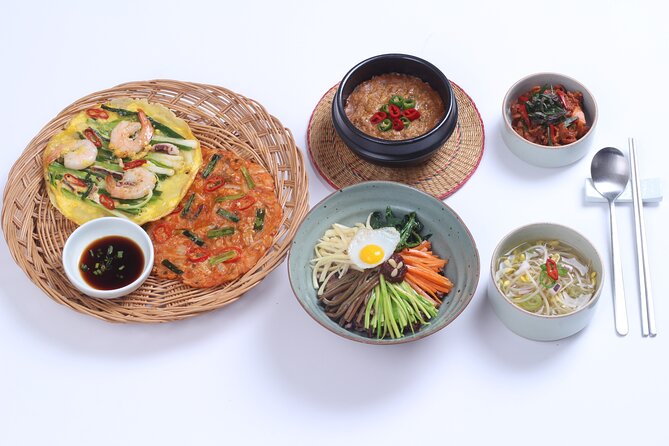
Book this class if you want an authentic, practical morning built around Korean food. Choose Thursday for kimchi, Friday for bibimbap, and Tuesday or Saturday for the broadest savory introduction. Chef Minseon appears to be an especially strong choice when available, particularly if you are nervous about cooking or need patient instruction.
I would skip it only if the fixed weekday menus do not suit you or if you would rather spend your morning sightseeing than shopping for ingredients. For most food-focused visitors, $85 buys a useful mix of market culture, personal instruction, and a satisfying meal in a small group.
FAQ
Where does the Korean cooking class meet?
The class meets at Jegi-dong Station Exit 2 on Seoul Subway Line 1, near the Seoul Oriental Medicine Market. The start time is 10 a.m.
How long does the experience last?
The activity lasts approximately 3 hours and 30 minutes. It begins at the station and ends back at the meeting point.
Is the market visit included?
Yes. The instructor leads you through Gyeongdong Market to buy the ingredients needed for the day’s recipes.
Which day should I choose for kimchi?
Choose the Thursday class if your main goal is to make kimchi.
What dishes are prepared on Tuesday and Saturday?
Those classes include bulgogi, japchae, and doenjang jjigae.
Is the class suitable for beginners?
Yes. The class is hands-on, and the instructors provide step-by-step help. The recipes are intended to be practical to repeat at home.
Are vegan or halal options available?
Yes. Vegan and halal options are available. Dietary requirements should be provided when booking.
Is a meal included?
Yes. Lunch, dinner, or dessert is included depending on the selected day and time. Morning tea is included on every tour.
What is the cancellation policy?
You can cancel for a full refund up to 24 hours before the experience starts. Cancellations or changes made less than 24 hours before the start time are not refunded.
Just added around the world
- A Coruña: Local Market Shopping and Cooking Workshop★ 5.0 · 16 reviews
- Vegan/Vegetarian Ramen and Gyoza by Bentoya cooking★ 5.0 · 59 reviews
- Traditional Zanzibar Cooking Class including Spice Tour★ 4.5 · 14 reviews
- Verona: Pasta and Tiramisu Cooking Class with Fine Wine★ 4.8 · 633 reviews
- NGO Lifted Strong – Traditional Tanzanian Cooking Class★ 5.0 · 39 reviews
- 5 Hours Private Cooking Classes in Langadas Thessalonikis★ 5.0 · 14 reviews
- Thessaloniki: Greek Cooking Class, Market visit and Lunch★ 5.0 · 15 reviews
- Traditional Albanian Cooking Class in Tirana with Raki Tasting★ 5.0 · 125 reviews
Korean Cooking Classes, compared.
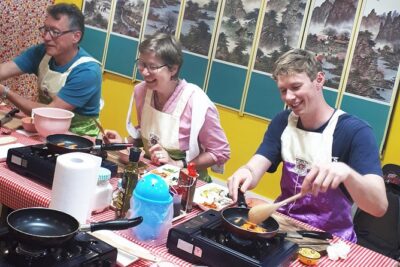
Local Home Korean Cooking Class & Market Adventure in Seoul
Read our review →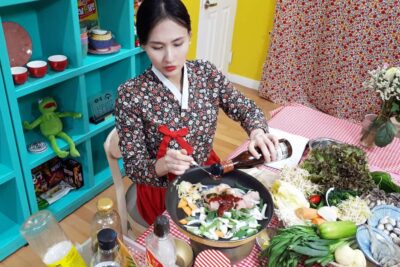
Seoul: Korean Cooking Class at a Local Home and Market Tour
Read our review →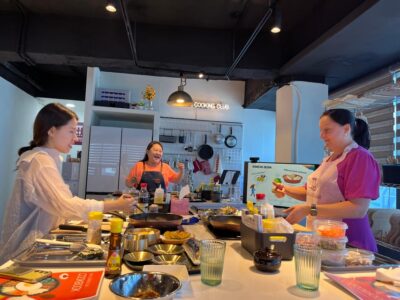
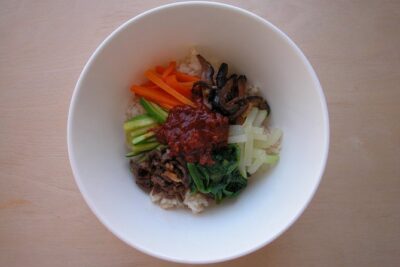
Cook 3 Authentic Korean Dishes with Local Market Tour
Read our review →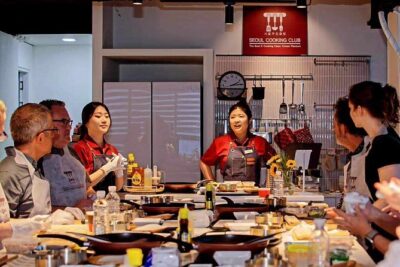
Korean Cooking Class with Grocery Shopping at Seoul Local Market
Read our review →Browse the lists this tour appears in