
Review · TOKYO
Hands-on Japanese Cooking in a Shinjuku Home Kitchen with Satoru
The special part of this experience is simple: you enter Satoru’s Shinjuku home, not a cooking school built for tourists. In his compact kitchen, you prepare Japanese comfort food from scratch, then sit down together to eat and talk. It is a direct, personal way to connect with daily life in Tokyo.
I like the private format, which gives you room to ask about everything from savory dashi to organic honey. I also like the patience built into the class. Families with teenagers found Satoru funny, welcoming, and good at explaining food without turning the lesson into a lecture.
The main catch is the fixed menu. Your dishes depend on the day, and you need to share dietary needs or menu requests at least one week ahead. At $130 per person, this is not a cheap meal, but it can be good value if you want conversation, instruction, drinks, and a home visit rather than just dinner.
Key points to know before booking
- Meet Satoru at JR Shinjuku Station: You walk together from the station to his apartment, and the activity ends back at the meeting point.
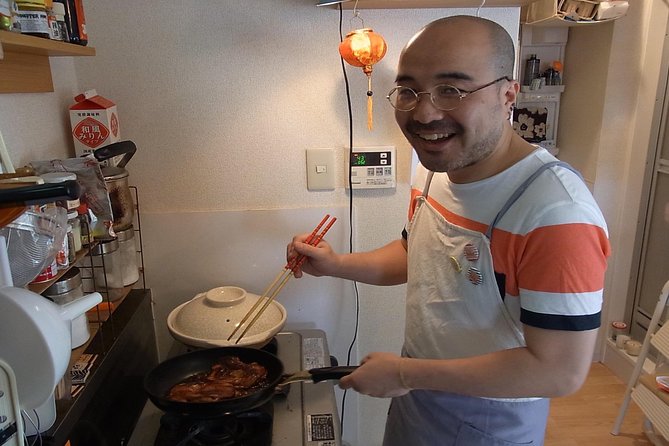
- Cook in a real home kitchen: The kitchen is small but efficient, giving you a close look at how homestyle Japanese food comes together.
- Menus change by weekday: Saturday through Tuesday feature a Japanese set meal, while Wednesday through Friday offer popular dishes such as okonomiyaki, karaage, yakisoba, katsu curry rice, ramen, or gyoza.
- Expect a private meal afterward: Cooking takes about an hour and a half, followed by time to eat, talk, and enjoy one or two glasses of local alcohol.
- Tell the host about restrictions early: Vegetarian cooking is available, but requests and dietary needs should be made at booking and confirmed one week ahead.
- You receive a small parting gift: The experience includes a Japanese utensil and ingredient to take home.
A home kitchen in the middle of Shinjuku
Shinjuku is known for bright signs, major department stores, tall buildings, and a steady stream of people. This experience takes you away from the public face of the district and into a private apartment kitchen. That change of setting is the main reason to book it.
You first meet Satoru at JR Shinjuku Station at 3-chōme-38-1 Shinjuku. From there, you walk with him to his apartment. Hotel pickup is not included, so you need to reach the station yourself, but the meeting point is near public transportation and easy to build into a day in central Tokyo.
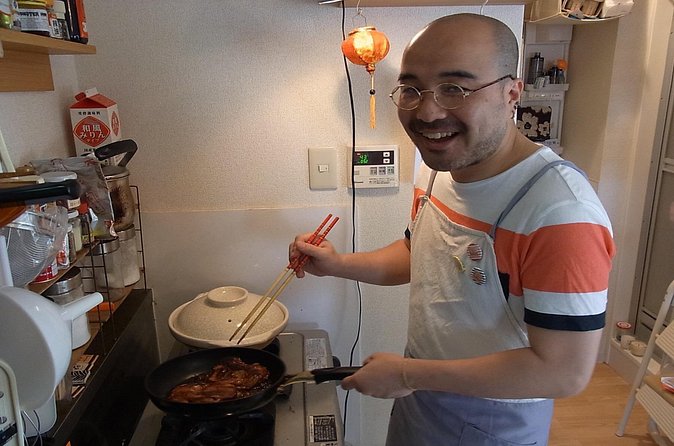
The apartment is described as simple and cozy, with a small but efficient kitchen. Do not expect a large teaching space with multiple workstations or restaurant-style equipment. You are working in the kind of kitchen where everyday food is actually prepared, which makes the experience feel more personal but may also mean close quarters for your group.
Only your group participates. That matters. You can ask Satoru to slow down, explain a Japanese ingredient, or repeat a technique without waiting for a larger class to catch up. The private setup also makes this a better choice for a family, couple, or small group that wants conversation along with the food.
More Home Cooking Classes in Japan
- Private Home Cooking in Yanaka – Local Flavors in a Warm Setting
★ 5.0 · 173 reviews - Japanese Home Cooking Class & Walk in Todoroki Temple Tokyo
★ 5.0 · 88 reviews - Tokyo Haneda: Bento & Ramen Gyoza Cooking Class in a Local home
★ 5.0 · 9 reviews
Cooking two to five Japanese dishes
The hands-on portion takes about an hour and a half. The exact number of dishes can vary, with the experience described as two or three homestyle dishes in one place and two to five dishes in another. Plan on preparing several dishes rather than taking a single demonstration class.
Satoru teaches from scratch and explains the ingredients as he goes. You might ask about dashi, the savory stock used in many Japanese dishes, or the organic honey used in a sweeter preparation. The useful part is not just learning what goes into the meal, but hearing why an ingredient is chosen and how it fits Japanese home cooking.
This is not designed as a professional culinary course. You are not signing up for advanced knife training, a long lesson on regional cuisine, or a formal exam in Japanese cooking. Instead, you get a practical introduction to familiar food and the habits behind it.
That makes the class a good fit if you want to understand what people cook at home, not only what you see on a restaurant menu. It also works well for beginners. The families who enjoyed the class included two teenage daughters, and Satoru’s patient teaching helped keep the activity accessible and fun for them.
Choose your menu by weekday
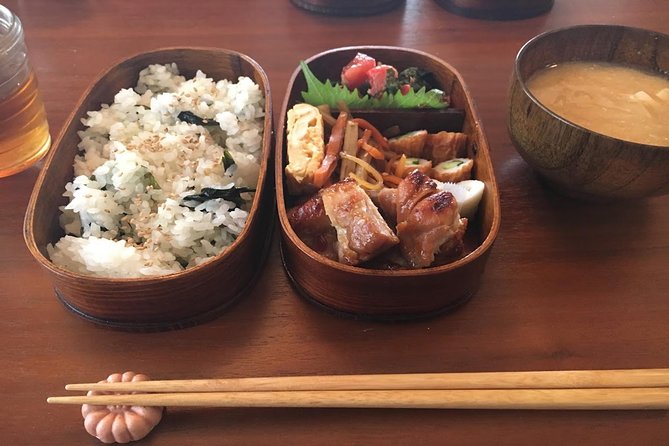
The menu is one of the most important booking details. Saturday, Sunday, Monday, and Tuesday feature teishoku, a Japanese set meal. This includes miso soup, rice, and two side dishes. A set meal gives you a useful picture of how a balanced everyday Japanese meal is put together.
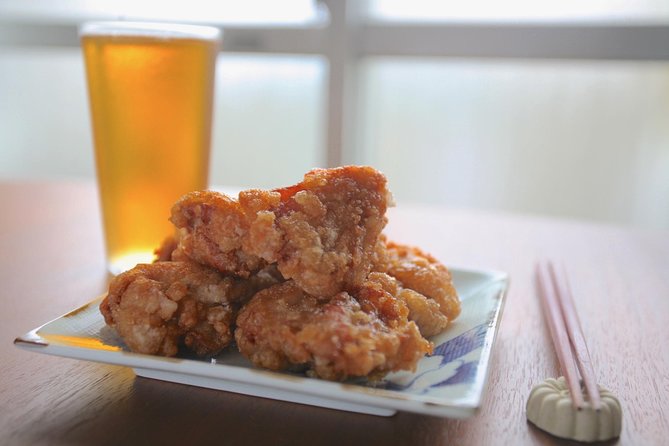
Wednesday, Thursday, and Friday feature popular Japanese foods. The possible choices include:
- Okonomiyaki, a savory Japanese pancake
- Karaage, Japanese fried chicken
- Yakisoba, pan-fried noodles
- Katsu curry rice
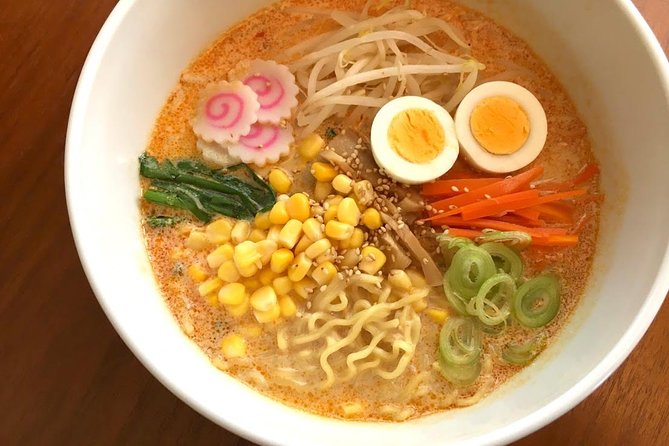
- Ramen
- Gyoza
The exact selection can depend on the day and season. If you have a particular dish in mind, do not assume it will be available simply because it appears among the options. Check the menu before you book and send your preference in advance.
You also need to speak up about food restrictions. Vegetarian cooking is available, but it must be requested at booking. Other dietary requirements belong in the special requirements field, and menu changes should be communicated at least one week before the class. If you do not share a preference, Satoru cooks the menu scheduled for that day.
That rule is reasonable for a home kitchen, but it limits last-minute flexibility. I would not book this on impulse if your diet is strict or if you need to know every ingredient ahead of time. Give the host enough notice to plan properly.
Eating what you prepared with Satoru
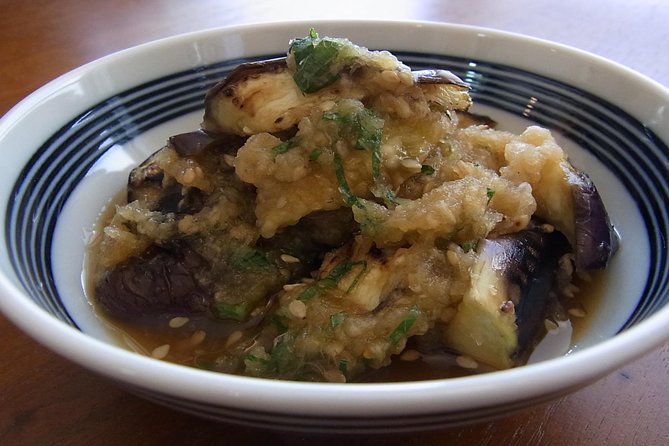
After the cooking, you sit down and eat the meal you helped make. This is where the class shifts from instruction to conversation. Your meal includes one or two glasses of local alcohol, and the private setting gives you time to ask Satoru about ingredients, food customs, and daily life in Tokyo.
You do not need to be an expert cook to enjoy this part. In fact, the shared meal is likely to be most useful if you want a relaxed chance to ask questions that do not fit into a regular sightseeing tour. Satoru’s teaching style, based on the available feedback, is patient, funny, and welcoming.
Families should pay attention to that point. Two teenage daughters were included in one family booking, and the experience worked because Satoru could explain the food clearly while keeping the mood light. Teenagers may not want a stiff cultural lecture, but preparing food and eating it with the host gives them something real to do.
The included alcohol may not suit everyone. If you do not drink, the listing specifies local alcohol but does not explain a nonalcoholic substitute, so ask ahead if that matters to you. The meal itself is the main focus, but the drink helps create the feel of a shared dinner rather than a class that ends as soon as the cooking is done.
Same place, a different menu:
- Sushi Making Tokyo Roll and Authentic Japanese Sushi Class
★ 5.0 · 3,971 reviews - Tokyo: Roll and Authentic Sushi Making Class in Asakusa
★ 4.9 · 1,957 reviews - Tokyo: Sushi Making Class in a Happi Coat near a Famous Spot
★ 4.9 · 1,377 reviews - Sushi Making Tokyo! Popular Maki Sushi & Japanese Sushi(+Recipe!)
★ 5.0 · 1,314 reviews
What the $130 price really covers
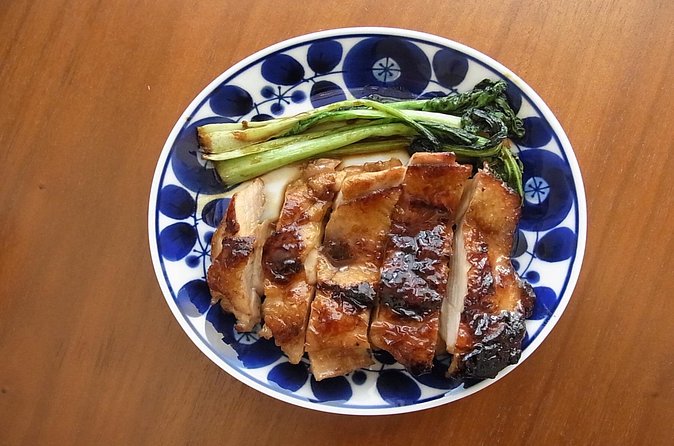
The cost is $130 per person. That is a substantial price for a two-and-a-half-hour activity, especially when you compare it with an inexpensive Japanese meal. You should not book this expecting the lowest-cost way to eat ramen, gyoza, or curry.
The value comes from the package. You receive a private cooking class, a walk from JR Shinjuku Station to a local home, one or two glasses of local alcohol, a shared meal, direct conversation with Satoru, and a Japanese utensil and ingredient to take away. You are paying for access and time, not just food.
I see the price as easier to justify for a small private group than for a solo diner focused only on eating. A family can share an activity that suits different ages. A couple gets a personal meal with a local host. Friends who want to do more than visit restaurants receive a practical cultural experience that also fills part of an afternoon or evening.
The value is weaker if you dislike group participation, prefer a polished restaurant, or already have strong Japanese cooking skills. The kitchen is small, the menu is set by the day, and the class is built around Satoru’s home and teaching style. Those are the features that make it personal, but they also mean it is not a flexible luxury cooking studio.
Who will enjoy this most
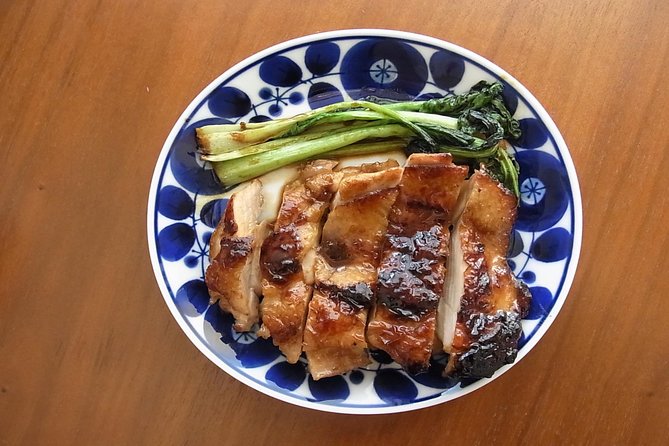
I would recommend this for people who want a personal connection to Tokyo and are comfortable entering a private home. It suits first-time visitors who find restaurants a little hard to navigate, as well as repeat visitors who want a different side of the city.
Families with teenagers are a particularly good match. The lesson has enough activity to hold attention, and the shared meal gives everyone a natural chance to talk. The private setting also lets the host adjust explanations to your group instead of following a fixed large-class script.
It is also a good pick for anyone curious about everyday Japanese food. Teishoku, miso soup, rice, side dishes, dashi, and dishes such as okonomiyaki or karaage tell you more about home cooking than a quick restaurant stop does.
I would be more cautious if you have serious food allergies, a highly restricted diet, or strong preferences about the menu. Vegetarian cooking is available, but you must request it in advance. I would also choose another activity if your main goal is advanced technique, restaurant-level equipment, or a broad survey of Japanese regional cuisine.
Timing, meeting point, and practical details
The experience lasts about two hours and thirty minutes. Cooking takes roughly an hour and a half, leaving time for the meal and conversation. The schedule is long enough to feel substantial without taking a full day away from sightseeing.
You meet at JR Shinjuku Station and walk to Satoru’s apartment. At the end, you return to the meeting point. There is no hotel pickup or drop-off, so allow time to reach Shinjuku and make sure you are at the stated meeting point.
A mobile ticket is provided. Confirmation is sent within 48 hours, subject to availability, so do not assume your booking is final until you receive it. The activity is popular enough to be booked an average of 72 days ahead, so I would reserve early if you need a particular weekday or menu.
Free cancellation is available until 24 hours before the start time. Canceling later or making changes inside that window does not qualify for a refund. The cutoff follows local Tokyo time, which is worth remembering if you are booking from another country.
The activity is recommended by 100 percent of the available ratings and currently carries a five-star rating from 19 reviews. That is a small sample, but the praise is consistent about Satoru’s patience, humor, clear explanations, and ability to make families feel at ease.
Small details that make the experience useful
The gift of a Japanese utensil and ingredient is a modest but thoughtful ending. It gives you something practical to remember the class by, rather than leaving you with only photographs.
The ingredient explanations are another strong point. Asking about dashi, honey, or another item on the counter can turn a recipe into a lesson about how Japanese cooks build flavor. I would come with a few questions ready, especially if you want more than step-by-step instructions.
The fixed menu can also be an advantage. You do not have to spend days choosing from a long list, and the set meal days give you a clear introduction to the basic structure of Japanese home food. Just check the weekday menu before making your reservation.
Because the group is private, you can shape the conversation. Ask about ingredients, preparation, or food in daily life. The more specific your questions, the more useful the time with Satoru will be.
Should you book this Shinjuku cooking class?
Book it if you want a home visit, a private class, and an unhurried meal with a local host. Satoru’s patient, funny teaching style is especially suited to families and first-time cooks, and the private format makes the $130 price easier to understand.
Skip it if you want a cheap meal, a large professional kitchen, or complete control over the menu at the last minute. Also think carefully about dietary needs and contact Satoru at least one week ahead.
For the right person, this is a memorable way to spend an afternoon or evening in Tokyo: you meet at a major station, walk into an ordinary Shinjuku home, cook several Japanese dishes, and eat them with the person who taught you how to make them.
FAQ
Where does the cooking experience begin?
It begins at JR Shinjuku Station at 3-chōme-38-1 Shinjuku, Shinjuku City, Tokyo 160-0022, Japan.
Where does the activity end?
The activity ends back at the meeting point at JR Shinjuku Station.
How long does the experience last?
The experience lasts approximately two hours and thirty minutes.
How long is the cooking portion?
The cooking portion takes about an hour and a half.
How many dishes will I make?
You can expect to prepare two to five Japanese dishes, with the experience commonly described as two or three homestyle dishes.
What food is prepared on Saturday through Tuesday?
Those days feature teishoku, a Japanese set meal with miso soup, rice, and two side dishes.
What food is prepared on Wednesday through Friday?
Those days feature popular Japanese dishes such as okonomiyaki, karaage, yakisoba, katsu curry rice, ramen, or gyoza.
Is a vegetarian option available?
Yes. A vegetarian option is available, but you must request it when booking.
Are drinks included?
Yes. One to two glasses of local alcohol are included.
Can I cancel for a full refund?
Yes. You can cancel for a full refund up to 24 hours before the experience start time. Changes or cancellations made less than 24 hours before the start time are not accepted for a refund.
More Home Cooking Classes in Tokyo
- Khmer Cooking Class at a Local’s Home in Krong Siem Reap
★ 5.0 · 2,731 reviews - Local Home Korean Cooking Class & Market Adventure in Seoul
★ 5.0 · 1,024 reviews - Marrakech: Moroccan Cooking Class with a Local Family
★ 4.9 · 668 reviews - Mexican Cooking from Scratch in a Local Home in Tulum
★ 5.0 · 585 reviews
More Sushi and Japanese Classes in Tokyo
- Tokyo Sushi Making Class in Tsukiji with Professional Chef
★ 5.0 · 1,177 reviews - Ramen & Gyoza Cooking Class in Tokyo with Local Supermarket Visit
★ 5.0 · 823 reviews - Tsukiji Fish Market Guided Tour and Sushi Making with Pro Chef
★ 5.0 · 775 reviews - Tokyo: Tsukiji Fish Market Sushi Making Class with Pro Chef
★ 4.9 · 506 reviews
Just added around Tokyo
- Ramen Making from Scratch with Tokyo Mom(Vegan Option Available)★ 5.0 · 39 reviews
- Shibuya Tokyo: Sushi Making Class (Vegan/Vegetarian/Halal)★ 4.7 · 29 reviews
- Ramen & Dumpling Cooking in Tokyo with Chef/Vegan possible★ 5.0 · 107 reviews
- Tokyo Haneda: Bento & Ramen Gyoza Cooking Class in a Local home★ 5.0 · 9 reviews
- Japanese Home Cooking Class & Walk in Todoroki Temple Tokyo★ 5.0 · 88 reviews
- Private Home Cooking in Yanaka – Local Flavors in a Warm Setting★ 5.0 · 173 reviews
- Sushi-Making Experience at ’Activity Maison Kissako’★ 5.0 · 197 reviews
- Popular Sushi Making Class near Tokyo Tower★ 5.0 · 229 reviews
Japanese & Sushi Cooking Classes, compared.
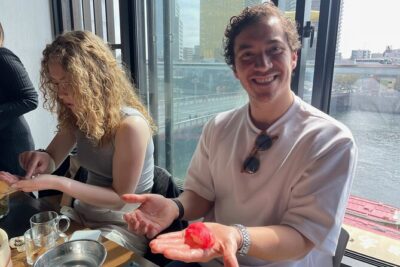
Sushi Making Tokyo Roll and Authentic Japanese Sushi Class
Read our review →
Tokyo: Roll and Authentic Sushi Making Class in Asakusa
Read our review →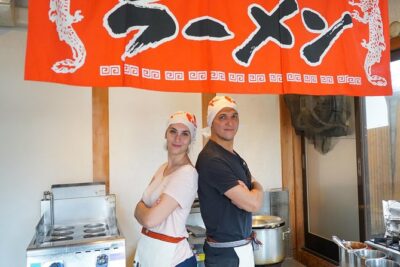
Ramen Cooking Class at Ramen Factory in Kyoto
Read our review →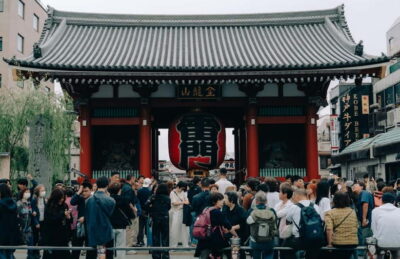
Tokyo: Sushi Making Class in a Happi Coat near a Famous Spot
Read our review →
Sushi Making Tokyo! Popular Maki Sushi & Japanese Sushi(+Recipe!)
Read our review →
Sushi Making Osaka Roll and Authentic Japanese Sushi Class
Read our review →
Tokyo Sushi Making Class in Tsukiji with Professional Chef
Read our review →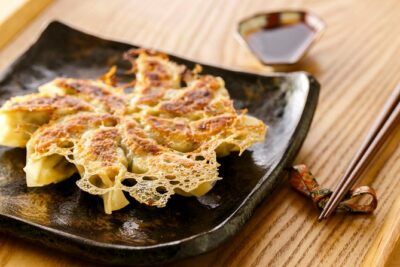
Ramen & Gyoza Cooking Class in Tokyo with Local Supermarket Visit
Read our review →Browse the lists this tour appears in