
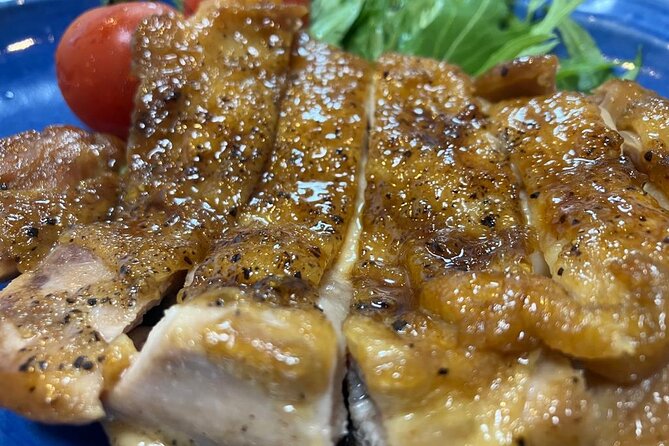
Review · TOKYO
Japanese Home Cooking Class & Walk in Todoroki Temple Tokyo
The best part of this experience is the shift from quiet Todoroki Valley to Tomoko’s home kitchen. You begin with a temple and a short ravine walk, then cook and eat a Japanese meal in a local residential neighborhood rather than in a busy central Tokyo studio. Tomoko welcomes no more than four people, so the class feels personal from the start.
I like the custom menus and the relaxed teaching style. You can request dishes such as ramen, gyoza, okonomiyaki, curry rice, or sushi rolls, and Tomoko has adjusted recipes for vegetarian, pescatarian, vegan, and allergy-related needs. The main drawback is the timing: the experience is advertised at about two and a half hours, while the class description also refers to a three-hour session, so allow flexibility.
Key points at a glance
- A peaceful start in Todoroki: Visit Todoroki Fudoson and stroll through Todoroki Valley before cooking.
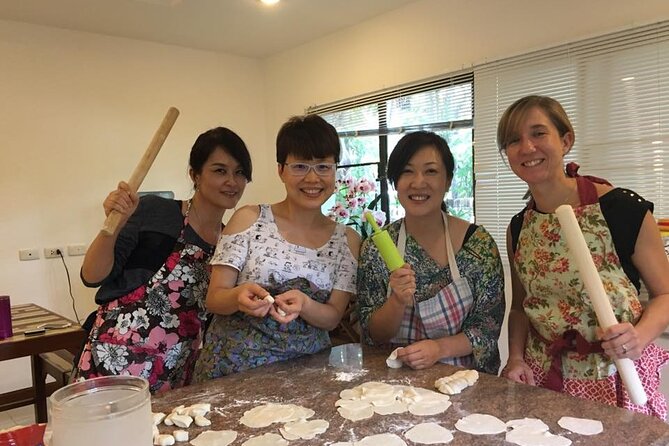
- A very small class: The maximum group size is four people, which allows plenty of direct help.
- Choose your main dish: Ramen, gyoza, okonomiyaki, sushi rolls, curry rice, and other options may be available by request.
- Recipes you can use at home: English recipes and clear instructions help turn the class into a practical souvenir.
- A full meal, not just a lesson: Side dishes, dessert, bottled water, hot drinks, and alcoholic beverages are included.
- Flexible for food needs: Tomoko has prepared vegetarian, pescatarian, vegan, and allergy-conscious menus when arranged in advance.
From Todoroki Station to a local temple
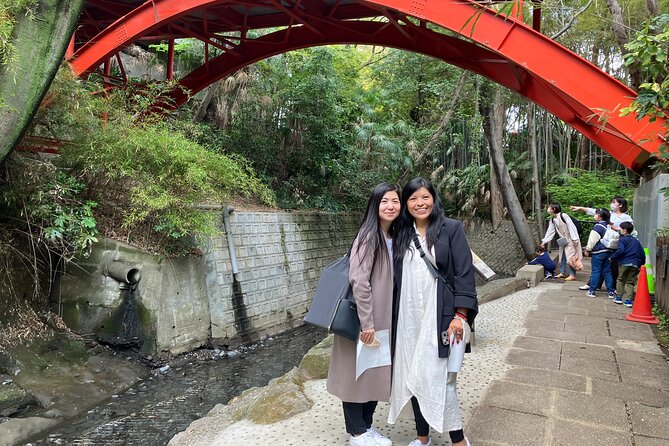
Your meeting point is Todoroki Station in Setagaya, at 3 Chome-1 Todoroki. This is a useful place to meet because the station is small and easy to navigate. Tomoko meets you there before leading you toward the temple and valley.
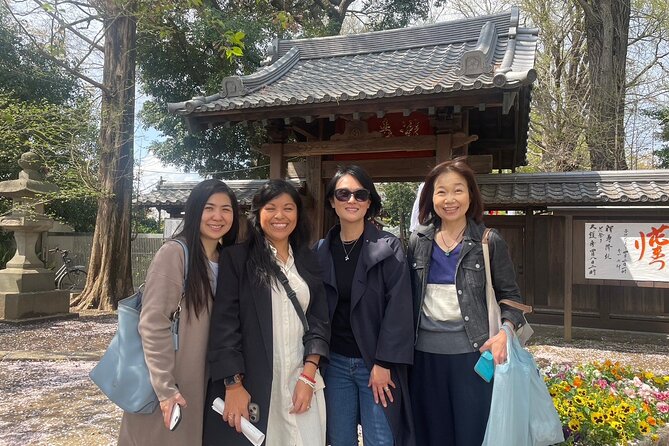
The first stop is Todoroki Fudoson, a local Buddhist temple beside the valley. You spend about 10 minutes here, and admission is free. This is not a long temple tour with a formal lecture. Think of it as a gentle introduction to the neighborhood, giving you a sense of the local setting before the cooking begins.
That modest scale is part of the appeal. You are not being rushed through one of Tokyo’s major sights with a large crowd. Instead, the temple provides a quiet pause and a bit of local context. If your Tokyo schedule has been packed with shopping streets, towers, and major shrines, this slower beginning will feel welcome.
More Home Cooking Classes in Japan
- Private Home Cooking in Yanaka – Local Flavors in a Warm Setting
★ 5.0 · 173 reviews - Hands-on Japanese Cooking in a Shinjuku Home Kitchen with Satoru
★ 5.0 · 19 reviews - Tokyo Haneda: Bento & Ramen Gyoza Cooking Class in a Local home
★ 5.0 · 9 reviews
A short walk through Todoroki Valley
From the temple, you continue into Todoroki Valley. The listed valley visit is about five minutes, though the walk toward Tomoko’s home adds more time. The route from the valley to Casa de Tomokita is described as about five minutes on foot.
Do not book this experience expecting a long nature hike. The valley portion is brief, but it changes the mood of the day. You get a look at one of Tokyo’s greener ravine areas before sitting down to cook. The contrast is striking: a peaceful walk through the valley, followed by a home meal in a quiet residential part of the city.
The short walk also gives you time to talk with Tomoko. She has shared information about her community and everyday life, and the experience can feel more like spending an afternoon with a friendly local host than attending a standard demonstration class.
A practical point: this activity is best for people who enjoy a little walking but do not want a demanding excursion. The temple and valley stops are short, and the main focus remains the meal and cooking lesson.
Tomoko’s home kitchen and the small-group format
Casa de Tomokita is about a five-minute walk from Todoroki Valley. The cooking takes place in Tomoko’s home, where the group sits down to prepare and eat the food together.
The maximum group size is four. That number matters. In a large cooking school, you may spend much of the lesson watching someone else chop or stir. Here, Tomoko can give direct help and adjust the pace to the people in front of her.
Beginners are welcome, but experienced cooks can also request specific dishes or ask questions about ingredients and technique. Tomoko has provided clear English instructions and recipes, and she also speaks Spanish. Limited Japanese should not prevent you from taking part.
The class is hands-on, though the exact amount of work may vary. Tomoko prepares some elements ahead of time and may handle certain steps to keep lunch moving. That is useful because you get to practice key techniques without turning the meal into a long kitchen shift.
You should arrive ready to eat. The menu can include several side dishes in addition to the main course and dessert, so this is a substantial meal rather than a small tasting.
Choosing your Japanese main dish
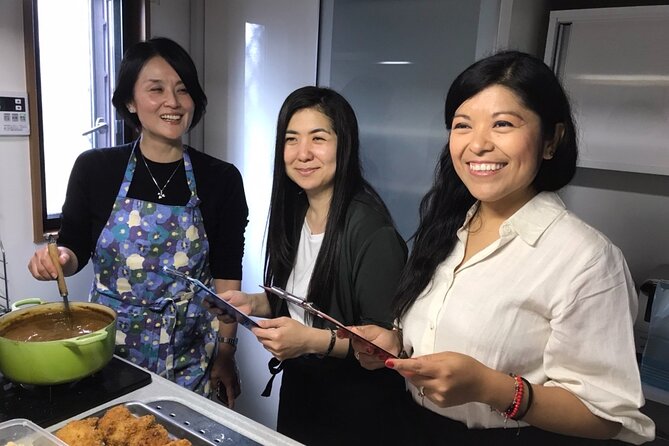
You are asked to choose your main dish in advance so Tomoko can prepare the right ingredients. Possible choices include okonomiyaki, ramen, sushi rolls, gyoza, curry rice, and other Japanese dishes.
The range gives you a chance to match the class to your own interests. If you want a dish that feels closely tied to Japanese restaurant food, ramen or gyoza may appeal. Okonomiyaki offers a different lesson in batter, fillings, and toppings. Curry rice is a practical choice for anyone who wants a comforting dish that can be repeated at home.
Past menus have also included takoyaki, oyakodon, kakiage tempura, soy milk soup, fried rice, yakisoba, and various side dishes. The exact menu is not fixed, so tell Tomoko what you want to learn before the class.
That advance conversation is especially useful for dietary needs. Menus have been adapted for vegetarian, pescatarian, vegan, and allergy-related requirements. One person had a vegetarian option prepared at short notice, but you should not depend on last-minute changes. Give clear details when booking or contacting the host.
Same place, a different menu:
- Sushi Making Tokyo Roll and Authentic Japanese Sushi Class
★ 5.0 · 3,971 reviews - Tokyo: Roll and Authentic Sushi Making Class in Asakusa
★ 4.9 · 1,957 reviews - Tokyo: Sushi Making Class in a Happi Coat near a Famous Spot
★ 4.9 · 1,377 reviews - Sushi Making Tokyo! Popular Maki Sushi & Japanese Sushi(+Recipe!)
★ 5.0 · 1,314 reviews
What you actually learn in the class
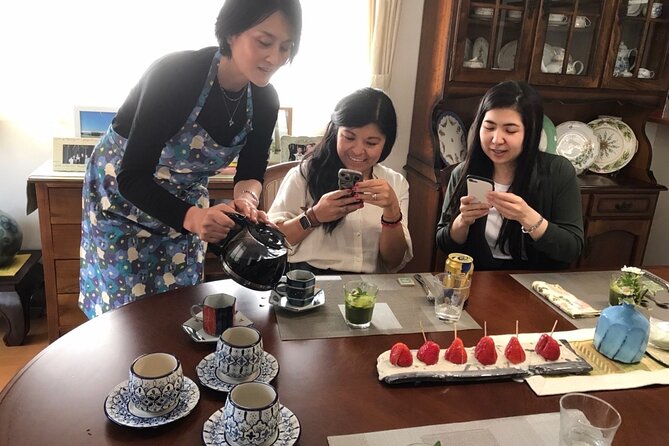
Tomoko’s teaching goes beyond handing you a recipe. She explains why certain steps are done in a particular way, which helps you repeat the dish at home rather than simply copy a one-time sequence.
For an okonomiyaki class, for example, the goal is not just to mix ingredients and flip the pancake. You can ask about texture, cooking method, and the details that make the result feel like the dish served in Osaka. With ramen and gyoza, the class can cover several parts of the meal, along with side dishes that make it feel complete.
The recipes are a valuable part of the experience. Written instructions in English give you something concrete to take home, and some menus include recipes for the side dishes and dressings as well as the main course.
Tomoko also answers questions about Japanese food and daily life. This is where the home setting earns its keep. You can ask about pantry staples, ingredients that are difficult to find abroad, and how to adapt a Japanese recipe to your own kitchen.
Some people have also received help finding Japanese ingredients after class, including a visit to a grocery store or sake shop. This is not presented as a guaranteed part of the schedule, so treat it as a possible extra rather than a promised stop.
The meal: side dishes, dessert, and drinks
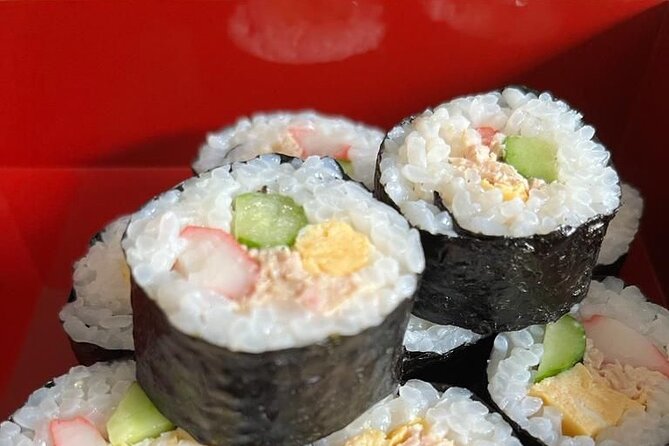
After the cooking, you sit at Tomoko’s dining table and eat the food you prepared. The meal can include a main dish, several side dishes, salad, dessert, and drinks.
Examples of desserts include matcha ice cream with fruit or seasonal toppings, matcha-based sweets, and mochi with ice cream. Hot drinks, bottled water, and alcoholic beverages are included in the experience. Homemade plum wine has also been served.
The drinks help make the class feel social, but alcohol is not the point of the activity. If you do not drink, there are other included beverages. If you do drink, keep in mind that you still need to return to Todoroki Station after the class.
The food is prepared with a mix of host preparation and participant work. You are not expected to create every dish from the beginning. That balance works well for a two-and-a-half-hour outing, since you get the satisfaction of cooking while still having time to sit down and enjoy a proper lunch.
I would plan a light breakfast and arrive hungry. The combination of side dishes, a main, and dessert can be more filling than the simple class description suggests.
Why the home setting matters
Tokyo has plenty of cooking schools, but a private home changes the tone. You see how the meal works in an everyday setting, with a host who can discuss food as part of ordinary Japanese life rather than as a staged presentation.
Tomoko’s home has been described as peaceful and traditional, and the quieter residential setting offers a useful break from central Tokyo. The class also works well for solo visitors. With a maximum of four people, you do not need to bring a companion to feel included.
It can also suit families and mixed-age groups. Tomoko has adapted the experience for an adult child with an intellectual impairment, creating an inclusive cooking session for the whole family. That does not mean every need can be accommodated, but it does show the value of discussing requirements ahead of time.
The social side is just as important as the food. You may cook with another couple, a family, or a solo participant. The small group gives you time to talk, but the experience is not private by default unless your own party fills the available places.
Price, timing, and practical value
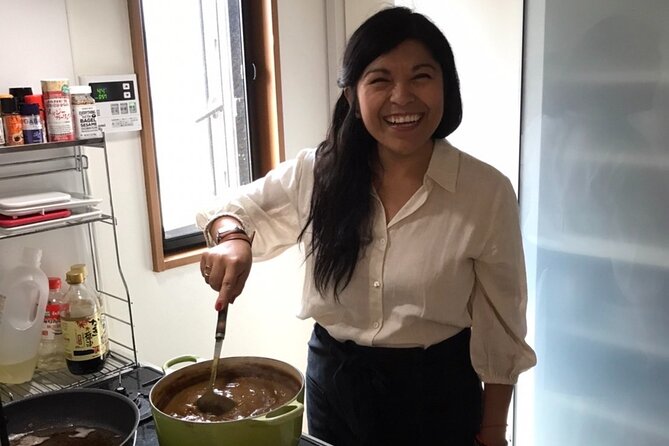
The price is $110.99 per person. That is not cheap for a short activity, but the cost covers more than instruction. You receive the temple and valley walk, a small-group cooking lesson, all ingredients, a full meal, dessert, bottled water, hot drinks, alcoholic beverages, and recipes.
The value is strongest if you care about personal instruction and want to recreate the food later. A basic cooking demonstration would cost less, but it would not give you the same home setting, customized menu, or meal afterward.
The published duration is approximately two hours and 30 minutes. The schedule lists about 10 minutes at Todoroki Fudoson, five minutes at Todoroki Valley, and about two hours for the class. Elsewhere, the cooking class is described as a three-hour experience, so the timing is not perfectly consistent.
For that reason, do not schedule a major attraction immediately afterward. The class is offered Monday through Friday, from 11 a.m. to 2 p.m., for the listed operating period. Since it ends back at the meeting point, you can return to Todoroki Station after lunch.
The experience is generally booked well ahead, with an average booking lead time of 44 days. If your trip dates are fixed, reserve early, especially if you need a particular menu or dietary adjustment.
Who should book this experience
I would choose this class if you want food to be the center of your Tokyo day, but you also want a small taste of the city outside the main sightseeing routes.
It is a good fit for:
- First-time cooks who want patient, direct instruction.
- Experienced cooks looking for Japanese techniques and recipes.
- Solo visitors who prefer a welcoming small group.
- Couples and families seeking a shared activity.
- People interested in vegetarian, vegan, pescatarian, or allergy-conscious cooking, provided they arrange it in advance.
- Anyone who wants recipes and pantry advice to continue cooking at home.
It is less suitable if you want a long temple tour, a formal culinary school setting, or a tightly timed attraction with a guaranteed end time. The walk is short, and the cooking pace can change depending on the menu and the group.
Free cancellation is available up to 24 hours before the start time. Changes or cancellations made later are not accepted for a refund.
Should you book the Todoroki home cooking class?
Book it if you value conversation, practical recipes, and a local home setting more than a polished tourist production. The strongest parts are the very small group, Tomoko’s willingness to adjust menus, and the complete meal with recipes to take home.
I would especially recommend it for a solo visitor, a couple, or a family that wants one slower afternoon in Tokyo. Choose your main dish early, explain dietary needs clearly, and leave extra time around the class because the published duration varies.
Skip it if you only want a quick cooking demonstration or if your schedule cannot tolerate a flexible finish. For everyone else, the combination of Todoroki Valley, personal instruction, and a generous Japanese lunch makes the $110.99 price reasonable.
FAQ
Where does the experience begin?
It begins at Todoroki Station, at 3 Chome-1 Todoroki, Setagaya City, Tokyo 158-0082, Japan.
Where does the experience end?
It ends back at the Todoroki Station meeting point.
How long does the activity last?
The advertised duration is approximately two hours and 30 minutes. The class description also refers to a three-hour cooking class, so allow some flexibility.
What days and times is it offered?
The listed schedule is Monday through Friday, from 11 a.m. to 2 p.m.
How many people can join?
The activity has a maximum of four participants.
What dishes can I learn to make?
Possible main dishes include okonomiyaki, ramen, sushi rolls, gyoza, curry rice, and other Japanese dishes. The menu is selected in advance.
Are beginners welcome?
Yes. The class is designed for everyone from beginners to experienced cooks.
What is included in the price?
The price includes the cooking class, food, bottled water, hot drinks, alcoholic beverages, and the meal you prepare. The temple and valley visits have no admission charge.
Can the menu accommodate dietary needs?
Tomoko has prepared vegetarian, pescatarian, vegan, and allergy-conscious menus. Contact the provider in advance so the ingredients can be arranged.
What is the cancellation policy?
You can cancel up to 24 hours before the start time for a full refund. Cancellations or changes made less than 24 hours before the start time are not accepted for a refund.
More Home Cooking Classes in Tokyo
- Khmer Cooking Class at a Local’s Home in Krong Siem Reap
★ 5.0 · 2,731 reviews - Local Home Korean Cooking Class & Market Adventure in Seoul
★ 5.0 · 1,024 reviews - Marrakech: Moroccan Cooking Class with a Local Family
★ 4.9 · 668 reviews - Mexican Cooking from Scratch in a Local Home in Tulum
★ 5.0 · 585 reviews
More Sushi and Japanese Classes in Tokyo
- Tokyo Sushi Making Class in Tsukiji with Professional Chef
★ 5.0 · 1,177 reviews - Ramen & Gyoza Cooking Class in Tokyo with Local Supermarket Visit
★ 5.0 · 823 reviews - Tsukiji Fish Market Guided Tour and Sushi Making with Pro Chef
★ 5.0 · 775 reviews - Tokyo: Tsukiji Fish Market Sushi Making Class with Pro Chef
★ 4.9 · 506 reviews
Just added around Tokyo
- Ramen Making from Scratch with Tokyo Mom(Vegan Option Available)★ 5.0 · 39 reviews
- Shibuya Tokyo: Sushi Making Class (Vegan/Vegetarian/Halal)★ 4.7 · 29 reviews
- Ramen & Dumpling Cooking in Tokyo with Chef/Vegan possible★ 5.0 · 107 reviews
- Tokyo Haneda: Bento & Ramen Gyoza Cooking Class in a Local home★ 5.0 · 9 reviews
- Hands-on Japanese Cooking in a Shinjuku Home Kitchen with Satoru★ 5.0 · 19 reviews
- Private Home Cooking in Yanaka – Local Flavors in a Warm Setting★ 5.0 · 173 reviews
- Sushi-Making Experience at ’Activity Maison Kissako’★ 5.0 · 197 reviews
- Popular Sushi Making Class near Tokyo Tower★ 5.0 · 229 reviews
Japanese & Sushi Cooking Classes, compared.
Sushi Making Tokyo Roll and Authentic Japanese Sushi Class
Read our review →
Tokyo: Roll and Authentic Sushi Making Class in Asakusa
Read our review →
Ramen Cooking Class at Ramen Factory in Kyoto
Read our review →
Tokyo: Sushi Making Class in a Happi Coat near a Famous Spot
Read our review →
Sushi Making Tokyo! Popular Maki Sushi & Japanese Sushi(+Recipe!)
Read our review →
Sushi Making Osaka Roll and Authentic Japanese Sushi Class
Read our review →
Tokyo Sushi Making Class in Tsukiji with Professional Chef
Read our review →
Ramen & Gyoza Cooking Class in Tokyo with Local Supermarket Visit
Read our review →Browse the lists this tour appears in